Pursue a photography project of something you actually care about. There’s no right or wrong approaches or techniques in photo projects; only authentic or inauthentic.
Authentic: you actually care for the project.
Inauthentic: you don’t care for the project, you’re just doing it to look like a good artist, or to seem “legitimateâ€
Ignore what society or “experts” tell you “what is good for you”. Instead, focus on spending much time with yourself, your own thoughts, and to meditate to yourself:
What do I really want for myself? And what are my true tastes and preferences in life?
Do this for,
Lifestyle choices (do you really prefer a simple or minimalist life, or is it what others tell you how you “should” live your life?)
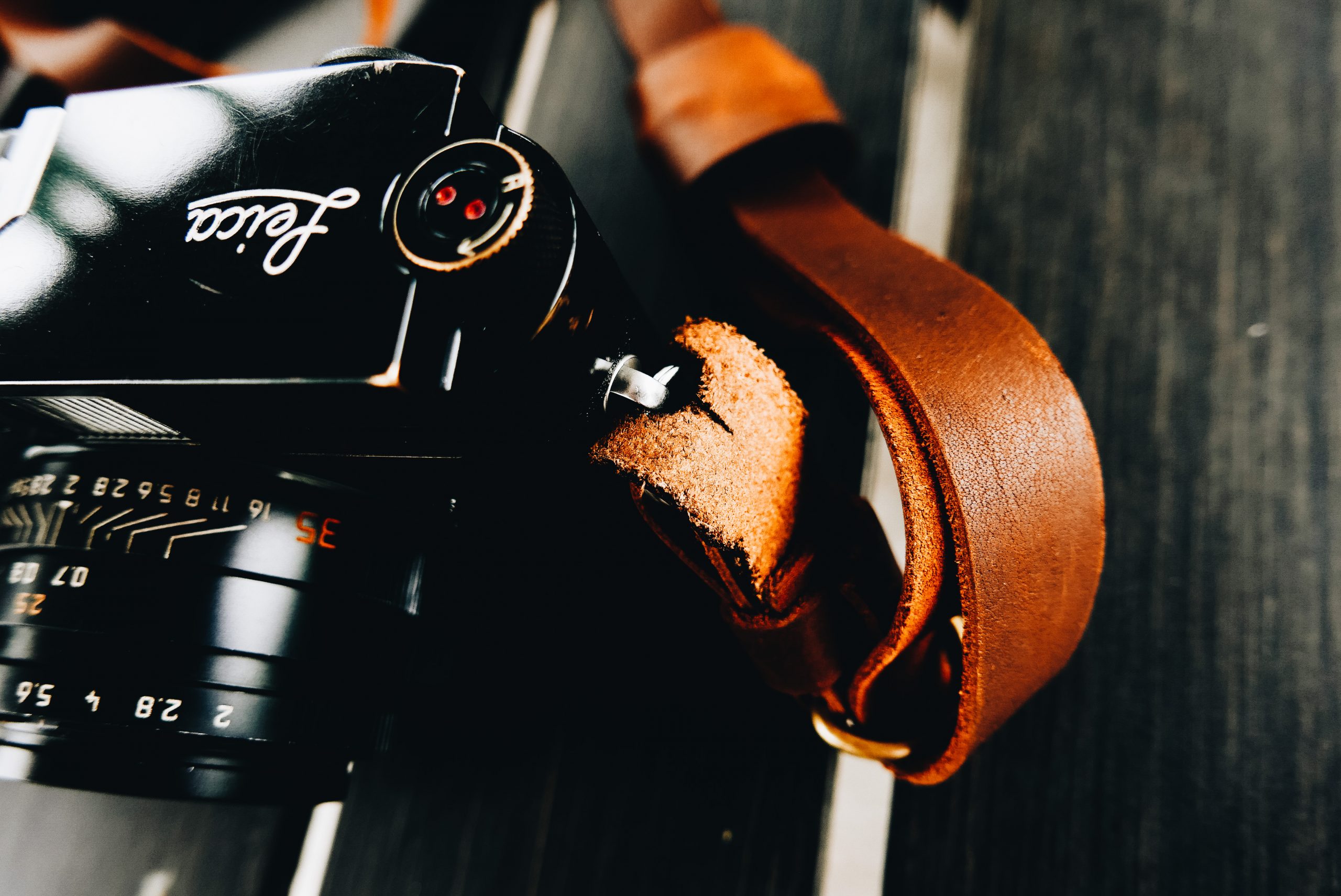
What possessions, tools, things, equipment do you really want? For example do you want a Leica camera because it’s the best camera for you, or because of the mystique of the brand, and because of the price?
Do you really want that luxury or sports car, or that watch, or that bag because you really want it or because others persuade you to sucker you into thinking that you want it?
Don’t get suckered or milked by a system which tries to “educate” you on what ‘good taste’ is!
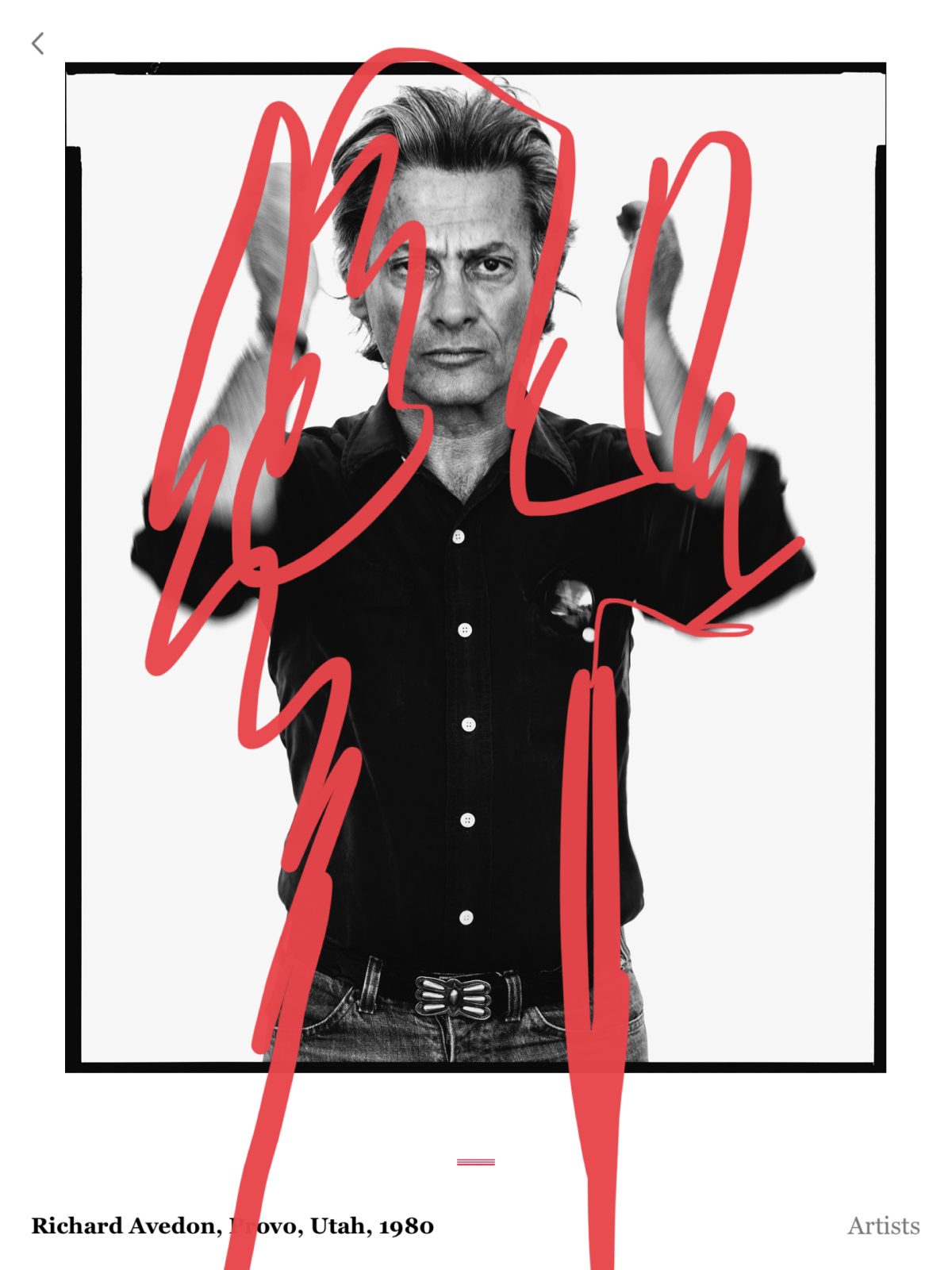
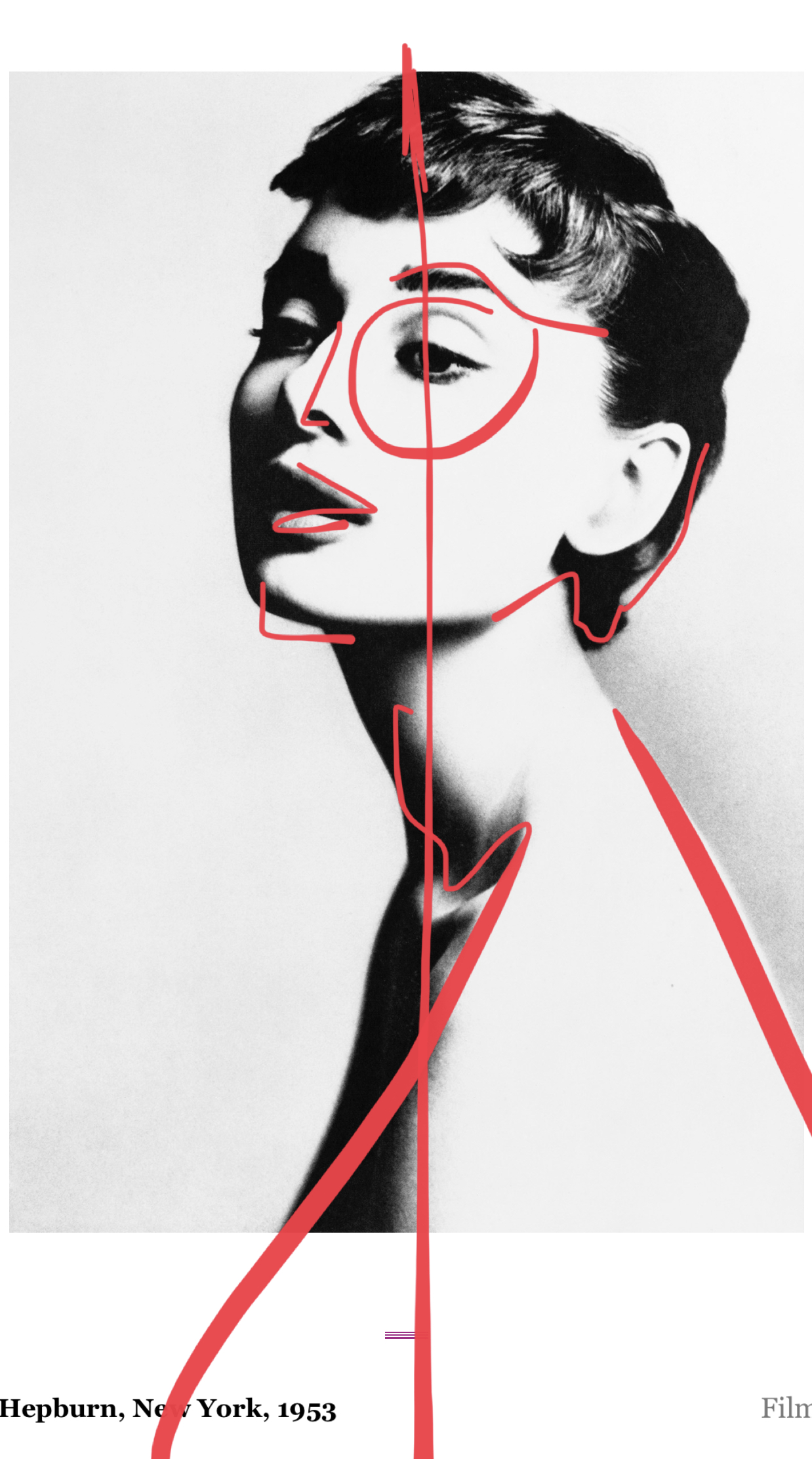
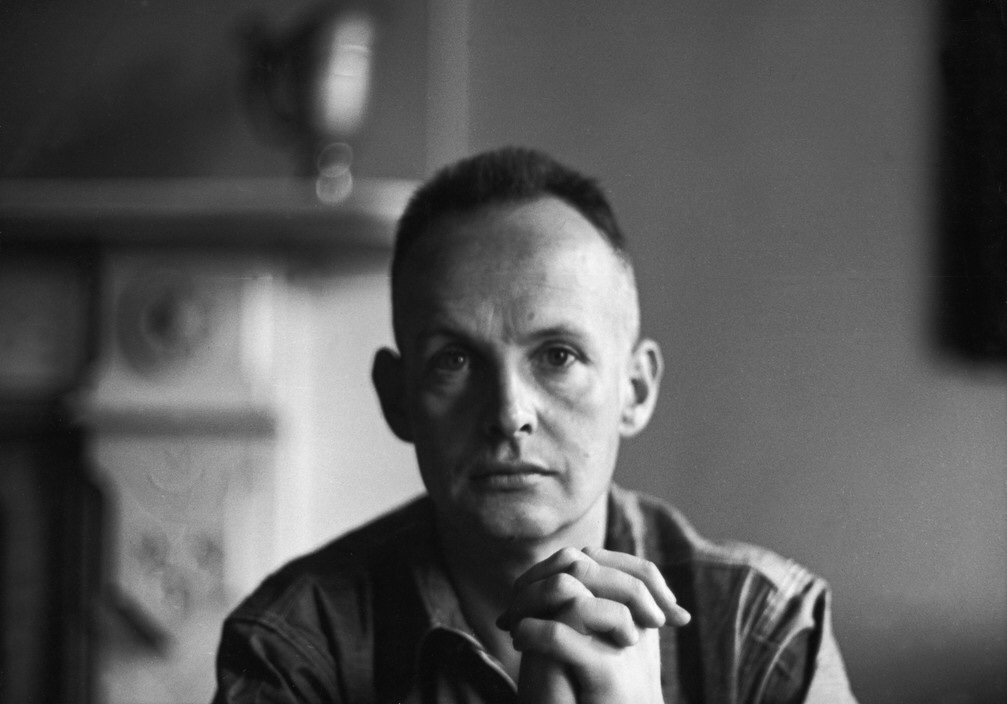
Avedon as realizing the ultimate beauty is the human and human form. HCB thought it was geometry, surrealism.
Avedon as more prolific. HCB gave up after around 30 years. Avedon went well into his 80s, towards his death.
Avedon as being bolder with his artistic vision. Avedon as admitting that his photos were about himself, whereas HCB had the pretense that he was the “objective outside observerâ€. Also the difference between HCB’s portrait of the duke and duchess vs Avedon’s depiction.
CZECHOSLOVAKIA. Prague. August 1968. Protesting the Warsaw Pact troops Invasion at St. Wenceslas monument.
IRELAND. Connacht. Aran Islands. 1977.
SPAIN. Villanueva de los Castilleros. 1978.
CZECHOSLOVAKIA. Prague. Play: Nightingale for Dinner
(Rossignol ‡ dÓner/Nachtigall zum Abendessen)
Play written and directed by Josef TOPOL.
Theatre Beyond the Gate (Divadlo Za Branou/ThÈ‚tre derriËre la Porte/Theater vor dem Tor).
1967.
CZECHOSLOVAKIA. Prague. 1969. Theatre Divadlo Za Branou (Beyond the Gate). “Lorenzaccio”, a play written by Alfred de MUSSET and directed by Otomar KREJCA.
CZECHOSLOVAKIA. Prague. 1964. Theatre On the Balustrade. “King Ubu”, a play written by the French playwright Alfred JARRY.
FRANCE. 1987.
FRANCE. Paris. 1986.
IRELAND. Croagh Patrick Pilgrimage. 1972.
FRANCE. Brittany. 1973.
Gipsies.
PORTUGAL. 1976.
FEDERAL REPUBLIC OF YUGOSLAVIA. Serbia. Belgrade. 1994. Women demonstrating for peace in Sarajevo.
IRELAND. 1976.
CZECHOSLOVAKIA. Straznice. 1966. Festival of gypsy music.
We all have this romantic notion of the photographer: nomadic and wandering, lightweight, simple lifestyle— extreme delight in making beautiful images.
Where does this notion come from, and is it a good one? Or bad?
When I was getting my feet wet in photography and street photography, I came across the Leica camera (the camera that Henri Cartier-Bresson globe-trotted with). I was confused. Why is the Leica M camera worth $7,000+? And the lenses often $2500+?
To ‘entertain’ literally means “to hold the attention” [of x].
Many of us like to be ‘entertained’ (by others). Generally speaking, entertainment is seen as a passive act.
My thoughts and questions:
Why do we get bored, and why do we want to BE entertained (passive receiving), instead of actively entertaining ourselves (by producing, making, and creating)?
If you want to make great photographs while elevating your photographic skills, technique, and artistic vision, I cordially invite you to my upcoming NEW ORLEANS Street Photography Experience (Feb 29-30th, 2020).
O yeah, and the FOOD, coffee, sights, culture, drinks, atmosphere (and beignet deep-fried donuts) are out-of-this-world!
The eternal joy of creation (and destruction), just like Heractlius‘ child — continually building sand-castles, only to break them down again, or let them wash back into the ocean!
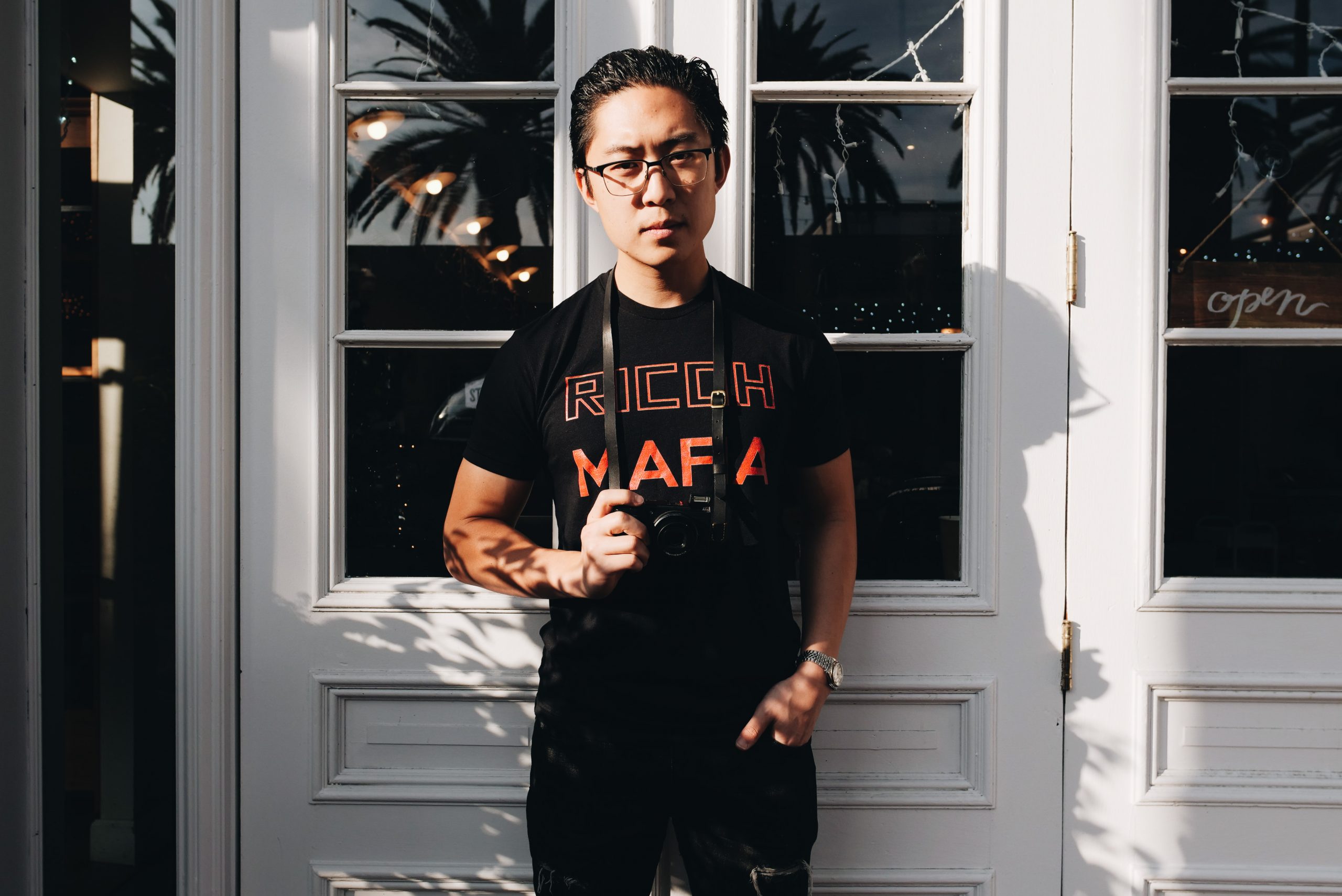
If you need the ultimate everyday “daily driver”, “daily carry”, and want to be inspired and motivated everyday to shoot new photos, RICOH GR III x ERIC KIM is the answer.
Assuming you have a luxury good or tool with the apex quality, craftsmanship and beauty, it is more “sustainableâ€because you’re more likely to own it forever and not throw it away.
What makes a genius? I don’t believe that certain individuals are born genetically different from us, “born” to be geniuses. No–a genius is simply someone with monster-like courage, a relentless vision, and someone who is brave enough NOT to compromise their ideals.
When I was 20 years old, I discovered this camera called ‘Leica’. It was fascinating to me (Henri Cartier-Bresson shot with it, and many of the masters).
I had all these romantic notions of it, and my dream was to buy a Leica M9, and in 2011 I bought one (used). Since then I’ve tested practically all the Leica cameras, and I’ve also shot with a Leica M6 (thanks to my buddy Todd), and I also traded my Leica M9 for a film Leica MP.
Let me try to use this essay as the most honest appraisal I can have for the Leica camera (M-series), and Leica in general as a brand.