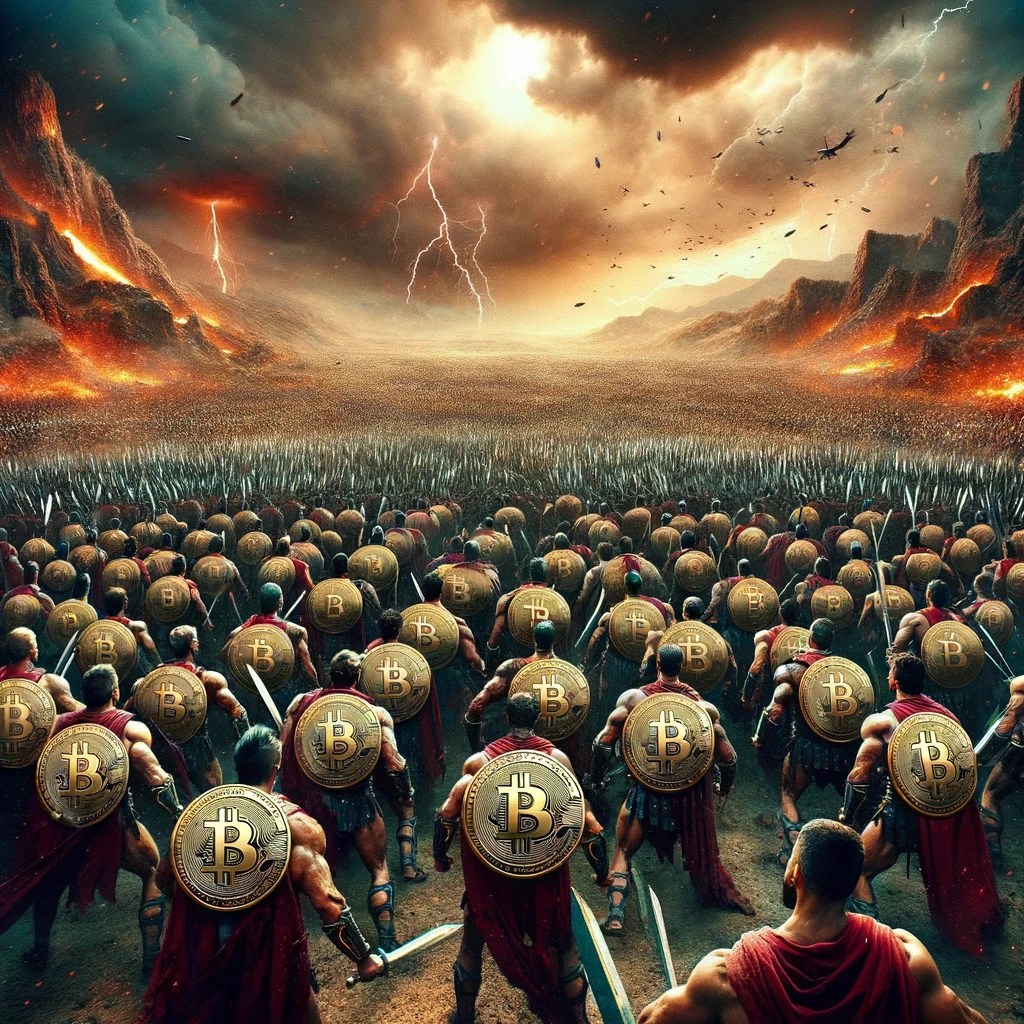
Also for your retirement fund;; all 100% Bitcoin ETF?


Brave new world for photographers and crypto:
To intentionally turn a blind eye to things–takes true skill and courage!
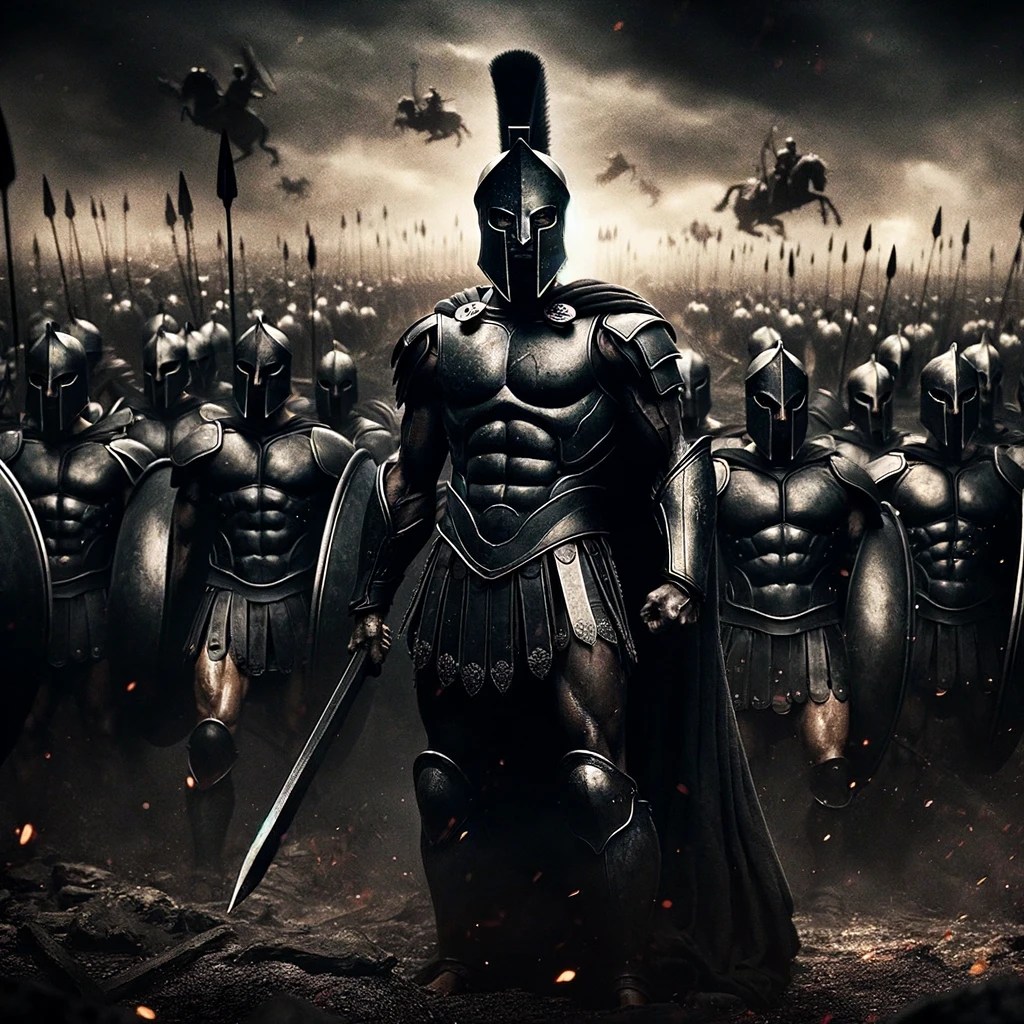
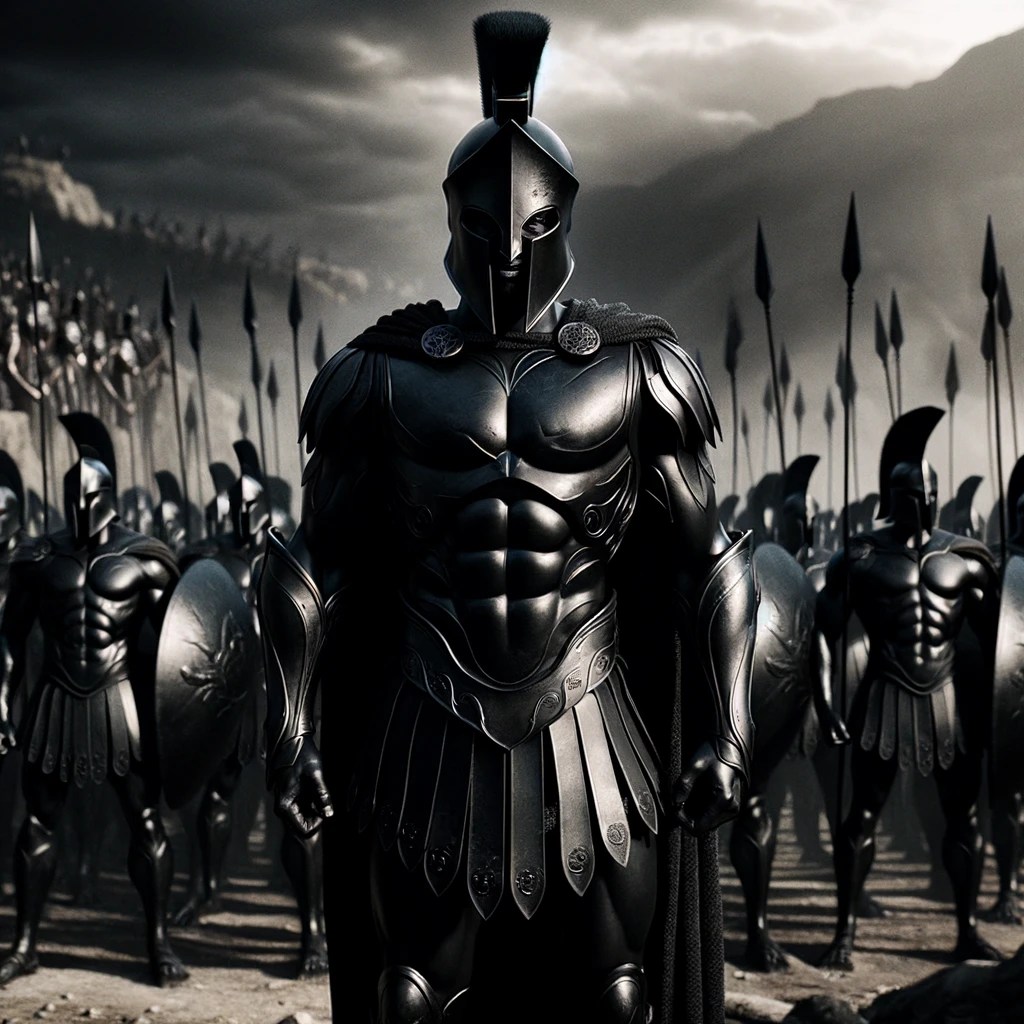
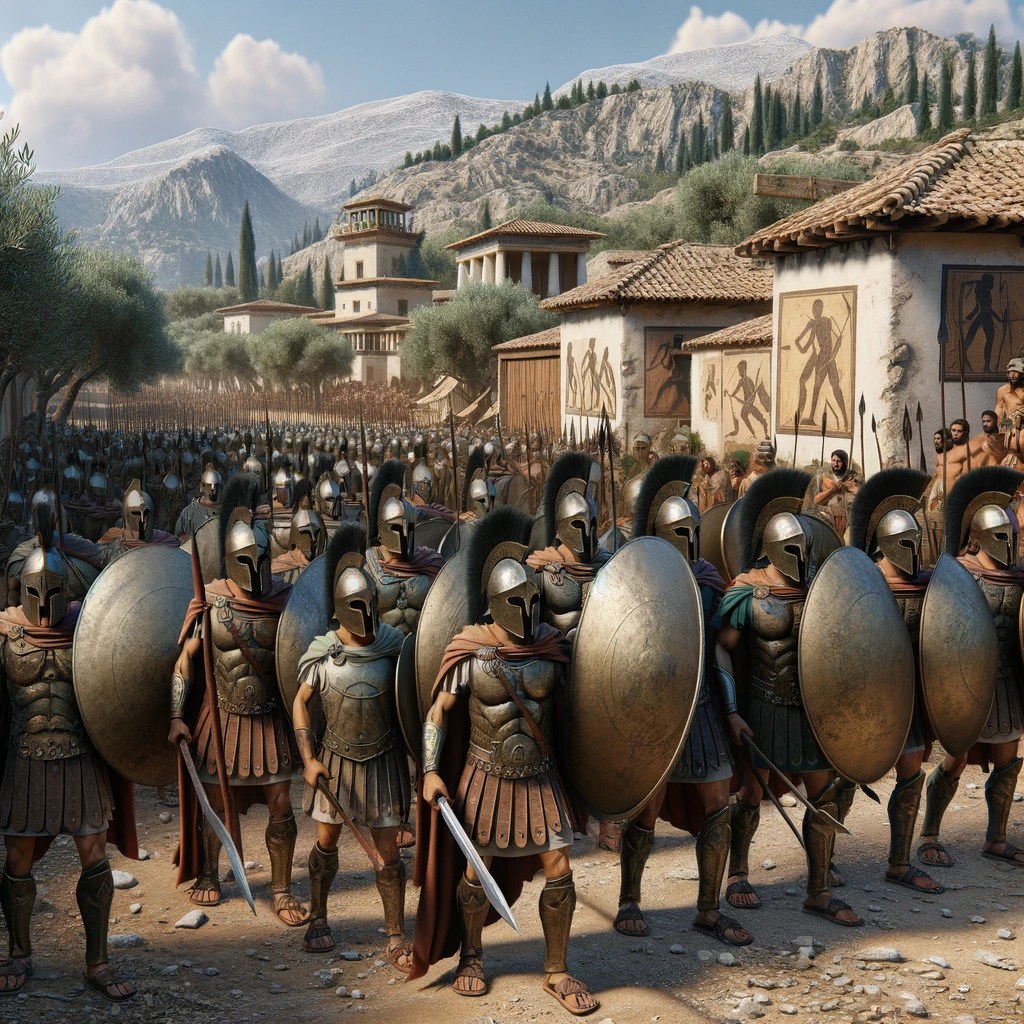
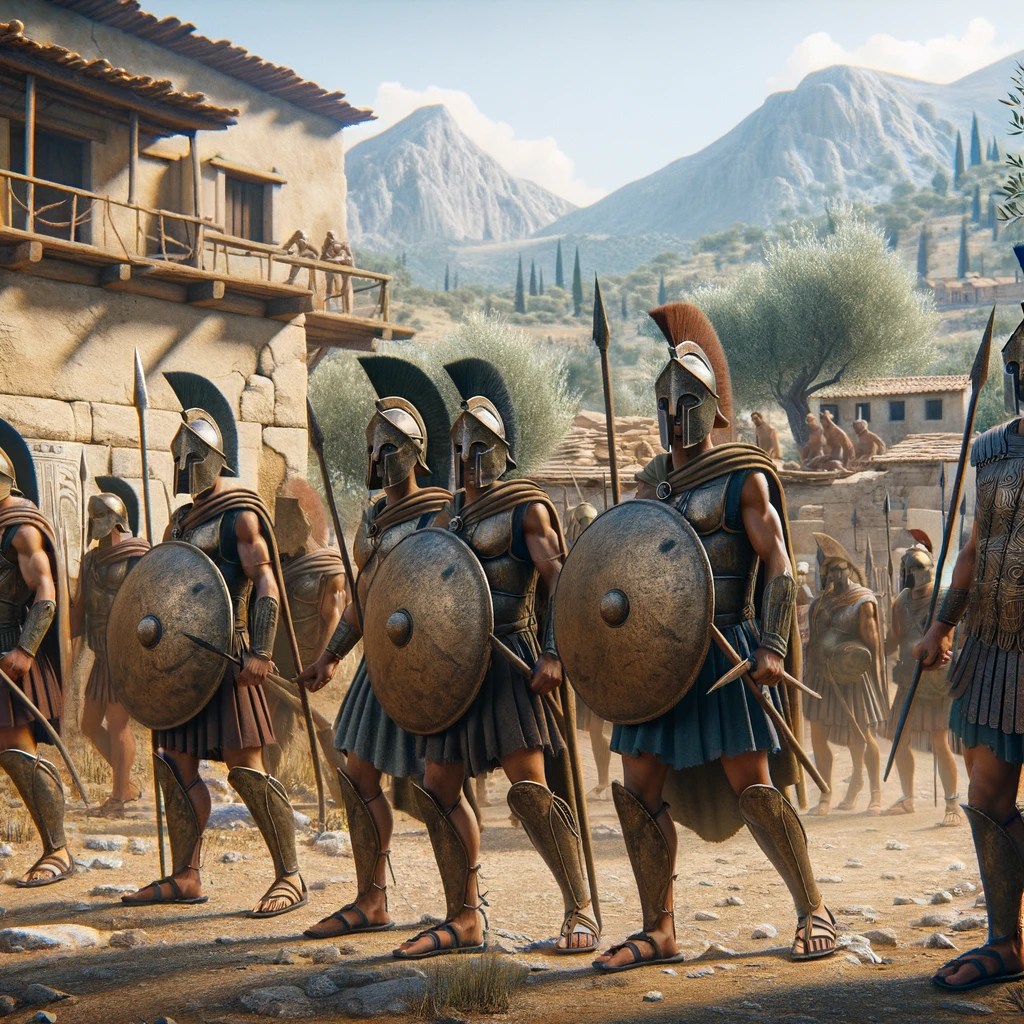
DALL-E ART AND BEYOND:


No traffic!
BEACH STREET PHOTOGRAPHY:


APPLE STREET PHOTOGRAPHY:
APPLE, APPLE STORE STREET PHOTOGRAPHY
The apple store as actually a really good place for street photography!



Simple:
Just go out more, and go on more adventures!
The beach and beyond–


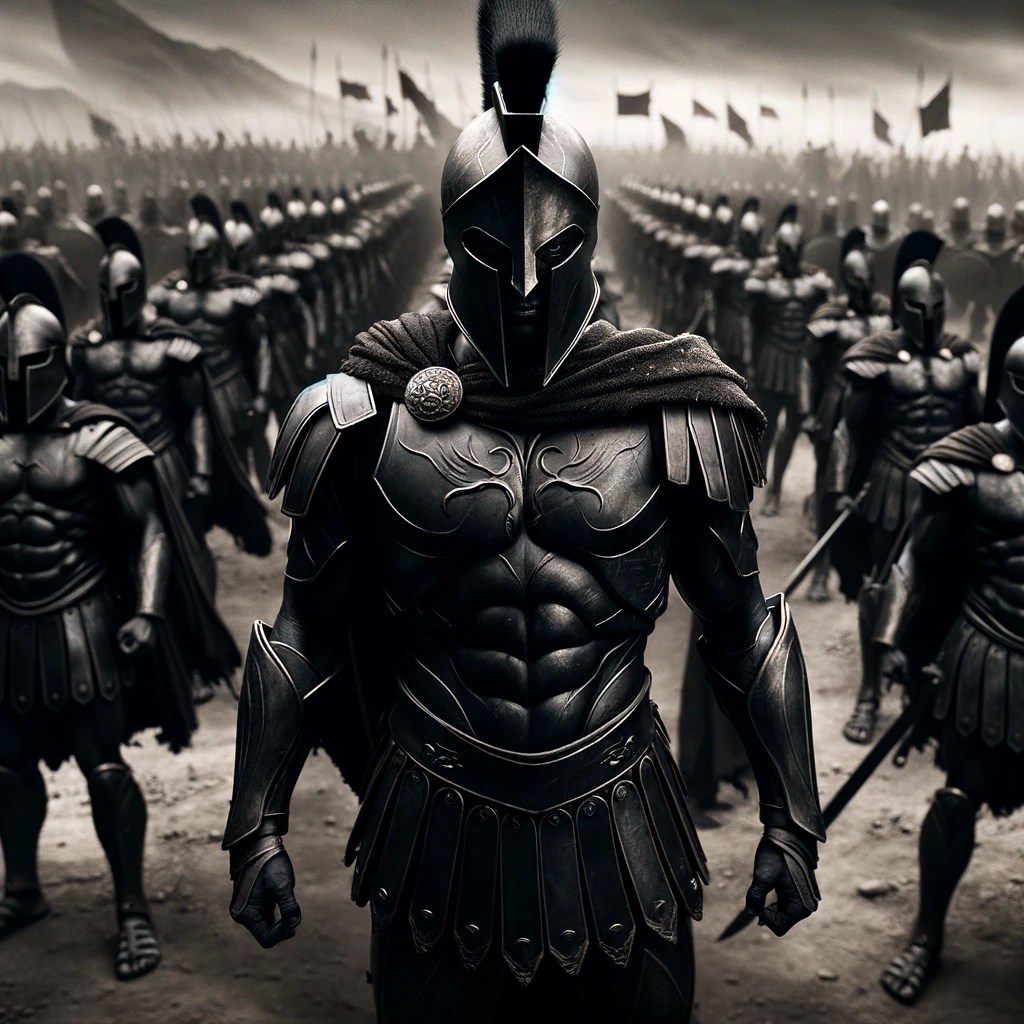
NEW SHOGUNS.
Unnatural movements have poor leverage, poor leverages for the human body, thus invite injuries.
For example— any sorts of pressing motions.
Anti nihilism .. anti jaded?
We are no longer permitted to be masculine and manly, womanly or feminine… we are no longer permitted to be anything anymore.
The dionysian frenzy —
Made in the image of god:


Rickshaw walk —
I’m not the most high;; but I’m on a close high!
Woohoo~~~
THE GOAL
It’s ok to smoking shame,,, but not ok to fat shame or alcohol shame?
In praise of the semites —
Only cowards and losers are anti-Semitic?
Krav maga is the real deal — the Israeli defense forces are serious business.
First of all, technically Israel, and also the United States America are the “bad guys.†Palestine — got majorly shafted. All for the sake of American interventionalism and positioning within the Middle East.
Israel is strong. So is America. If America, we Americans desire for our US DOLLARS to be worth anything and if we still want to extract oil from the Middle East at “reasonable†prices ,,, the American alliance of America and Israel is critical.
Don’t listen to the words of the anti-semites — pro Israel, pro Jewish people.
The word “modern” originates from the late Latin word “modernus,” which signifies “of or pertaining to the present and recent times,” as opposed to “old” or “ancient.” The term “modernus” itself derives from “modo,” meaning “just now” or “presently.” The concept of “modern” as it is understood today, referring to things related to the current times, developments, or styles, has evolved over centuries.
The usage of “modern” began to solidify in the late Middle Ages, reflecting the growing consciousness of a new era distinguished from the ancient world and its traditions. This distinction was particularly emphasized during the Renaissance, when there was a renewed interest in and admiration for ancient cultures, alongside the recognition of the advancements and changes happening in the present.
The concept of modernity has since undergone significant evolution, especially from the 19th century onwards, paralleling industrialization, technological advancements, and changes in social and political thought. The term “modern” became associated not just with the temporal aspect of being current or recent but also with notions of progress, innovation, and a departure from tradition in various domains such as art, literature, philosophy, and science.
In art and architecture, “Modernism” emerged as a major movement in the late 19th and early 20th centuries, advocating for a break from classical and traditional forms to embrace innovation, minimalism, and new techniques reflecting the industrial age’s realities. Similarly, in philosophy and social theory, modernity is often associated with the Enlightenment’s ideals of reason, individualism, and a scientific approach to understanding the world.
Thus, the word “modern” encapsulates a rich history that reflects humanity’s evolving understanding of time, progress, and the self in relation to the past and the future.
A thought… did bodybuilding as a concept exist before photography? I don’t think so!
Therefore an interesting realization; photography bodybuilding, image culture, image consciousness is rooted within photography?
If you read the Iliad, strength, courage, valor, indomitableness — were prized traits. Surprisingly in alate, even though we read about the superhero strength of Achilles, Hector, Odysseus, Ajax etc.… physical representations of themselves their body and physique are spare.
Anti modern
â€Modernâ€â€” “modoâ€â€” just now.
The highest —
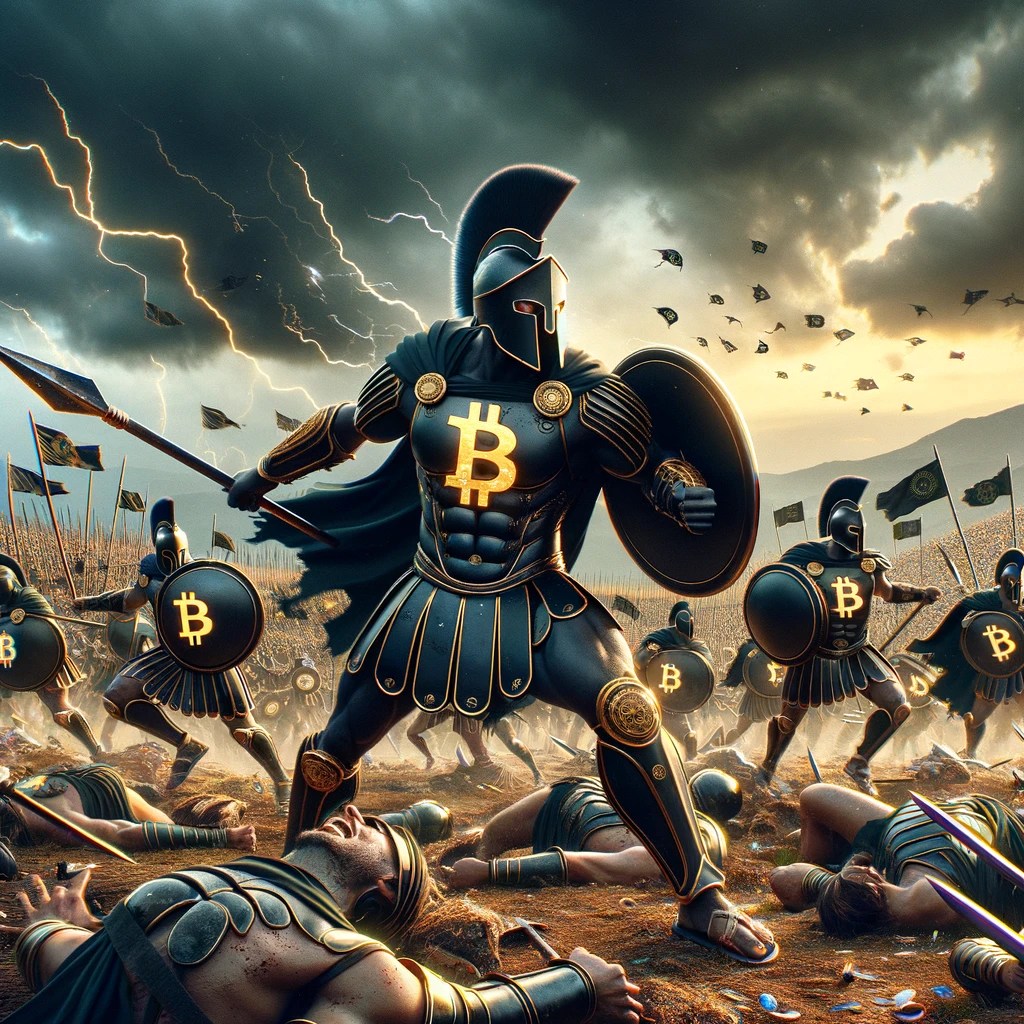
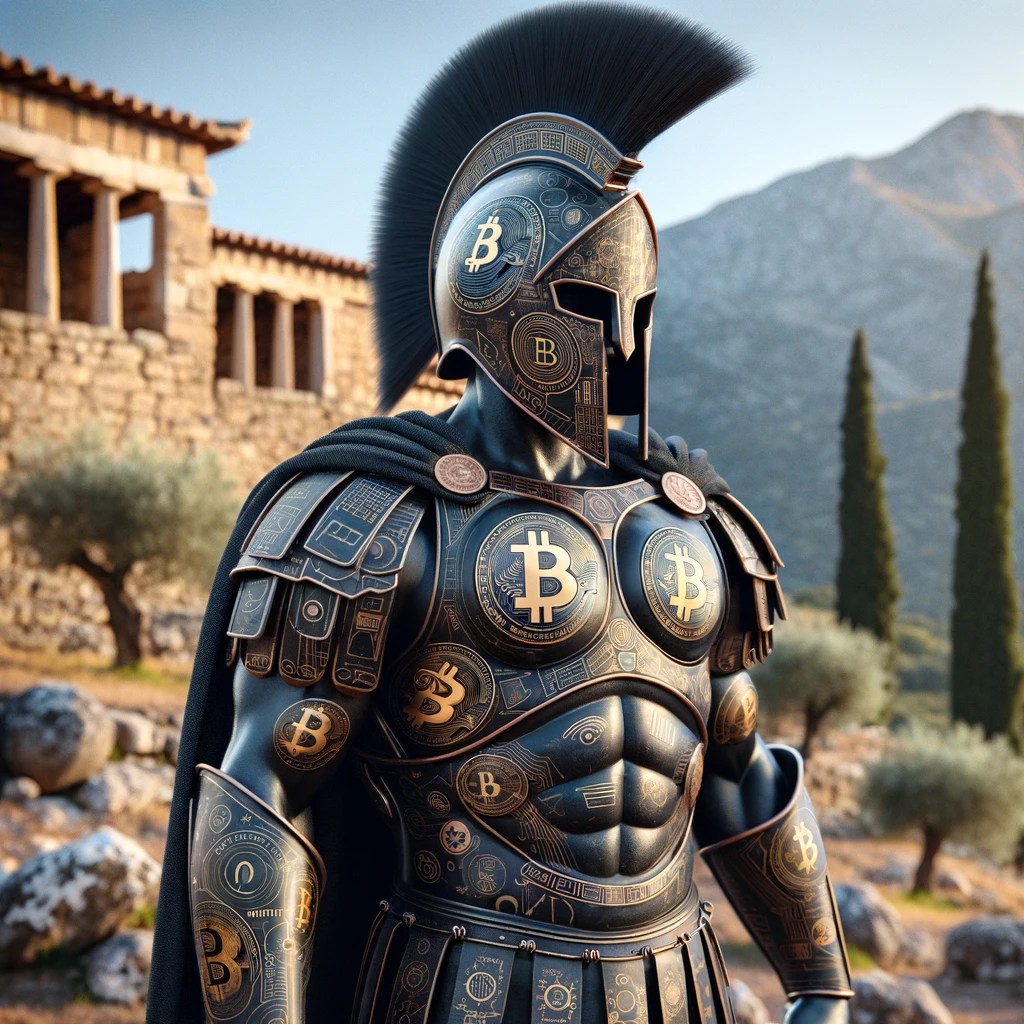
BITCOIN IS THE CLASSIC.
Starting off the day, no external information or data. No reading. No external media or music podcast etc.
Nietzsche figured this out already —
Some philosophers read in order to think; but the real thinkers first think, then read later.


Achilles and perfect, but perhaps he’s actually a better role model than Jesus.
A thought in life —
Ultimately, it is PVP, player versus player, man versus man.

A realization:
When we think about and consider the Iliad, what is the story about? Women are not even part of the story; the closest thing is Breisis and Achilles … achilles wanting Breisis to be his prize.
Therefore, my simple thought:
Men should only focus on dominating other men, and just ignore women.
In terms of dominance, the conquer mentality, only men versus men.
Who’s shepherd bliss
Sounds like a weakling to me
“The warrior ethic has damaged us. As we move into the twenty-first century we need to mature beyond war and warriors. I disagree with those men’s movement writers and activists who speak so highly of the warrior. I appreciate some of his traits— like courage, teamwork, loyalty— but the archetype itself is bankrupt at this point in history. We surely need guardians, boundary-setters, husbandmen , and citizens. If we are to survive on this planet, so threatened by war and warriors, we must get beyond the obsolete archetype of the warrior and value images such as the peacemaker, the partner, and the husbandman who cares for the earth and animals.â€
— Shepherd Bliss , The Will to Change: Men, Masculinity, and Love
Shepherd Bliss is a significant figure within the mythopoetic men’s movement, which sought to address and redefine notions of masculinity in response to contemporary issues facing men in society. Bliss, alongside other notable figures such as Robert Bly and Michael Meade, played a key role in promoting the idea that modern society’s disconnection from traditional male archetypes and rites of passage has led to a crisis in masculine identity and well-being.
A veteran, academic, and farmer, Bliss has contributed to the dialogue on masculinity through writings, workshops, and public speaking. His work emphasizes the importance of emotional openness, the value of community, and the need for men to engage in introspection and personal growth. Bliss advocates for a reconnection to more holistic and nuanced expressions of masculinity, distinct from the restrictive and often harmful models prevalent in much of contemporary culture.
Through his involvement in the mythopoetic men’s movement, Bliss has encouraged men to explore their identities, relationships, and roles in society in a more profound and meaningful way, using storytelling, mythology, and communal gatherings as tools for this exploration. Despite the criticisms and controversies surrounding some aspects of the mythopoetic men’s movement, figures like Shepherd Bliss have contributed to ongoing conversations about masculinity, its challenges, and its evolution.
The mythopoetic men’s movement is a facet of the larger men’s movement that emerged primarily in the United States during the late 1980s and early 1990s. It focuses on spiritual, psychological, and social traditions and practices aimed at rediscovering or redefining what it means to be a man. The movement gained prominence through the work of poets, authors, and thinkers like Robert Bly, whose book “Iron John: A Book About Men” (1990) became a bestseller and is often cited as a seminal work in the mythopoetic men’s movement.
The “mythopoetic” term itself suggests a return to ancient myths, stories, and rituals as a source of wisdom and insight into the male psyche and the challenges of masculine identity. Adherents believe that modern society lacks meaningful rites of passage and myths that guide men into mature adulthood. By revisiting these ancient stories and engaging in group rituals and personal reflection, men can find healthier, more integrated ways of being that are not at odds with their masculinity.
Key aspects of the mythopoetic men’s movement include:
- Exploration of Masculinity: Participants explore various facets of masculinity through discussions, storytelling, and personal introspection, seeking to understand and embody a more holistic and authentic form of manhood.
- Rites of Passage: The movement places a strong emphasis on rites of passage, which it views as crucial for men’s emotional and psychological development. These rites are often modeled after traditional ceremonies and rituals from various cultures.
- Emotional Expression: Encouraging men to express their emotions more openly and to forge deep, meaningful relationships with other men as a counter to the traditional stoicism associated with masculinity.
- Reconnection with Nature: Many mythopoetic gatherings and retreats take place in natural settings, emphasizing the importance of reconnecting with the natural world.
While the mythopoetic men’s movement has contributed to opening dialogues about masculinity, emotions, and men’s roles in modern society, it has also faced criticism. Some feminists and scholars argue that it can unintentionally reinforce certain gender stereotypes or fail to fully address the dynamics of power and privilege. Nevertheless, it represents an important early effort to engage men in the conversation about gender roles and the impact of societal expectations on individual well-being.
I have an intervention:
Perhaps only men should be allowed to use the phrase “toxic masculineâ€, not women.
How and when did the phrase take off?
The phrase “toxic masculinity” took off more broadly in public and academic discourse in the 2010s, although its conceptual roots go back to the late 20th century. Several factors contributed to the rise in popularity and recognition of this term:
- Academic Research and Theory: The term gained traction in academic circles through gender studies, psychology, and sociology research. Scholars used it to discuss how certain cultural norms surrounding masculinity can be harmful to men, women, and society. This academic discussion laid the groundwork for broader public awareness.
- Social Movements: The growth of feminist movements and advocacy for gender equality contributed significantly to discussions about masculinity. As conversations about gender roles, gender equality, and the impacts of patriarchy became more mainstream, terms like “toxic masculinity” began to emerge more frequently in public discourse.
- Media and Social Media: The rapid expansion of digital media and social networking platforms in the 21st century played a crucial role in spreading the concept of toxic masculinity. High-profile incidents involving gender-based violence, sexual harassment, and discrimination, alongside movements like #MeToo and Time’s Up, brought considerable attention to the negative aspects of traditional masculinity. These discussions were amplified through social media, making the term more widely recognized.
- Public Awareness Campaigns: NGOs, public health organizations, and social campaigns aiming to address issues like mental health, domestic violence, and gender-based violence used the concept of toxic masculinity to highlight how harmful gender norms can affect individuals and communities. These efforts helped popularize the term outside of academic and feminist circles, making it a part of everyday language.
- Cultural Shifts: A broader cultural shift towards questioning and reevaluating traditional gender roles and norms has made discussions about toxic masculinity more relevant and pressing. As society becomes more open to diverse expressions of gender and identity, understanding the ways in which traditional masculinity can be restrictive or harmful has become a key part of broader dialogues about gender equality and personal well-being.
The culmination of these factors, especially in the 2010s, led to “toxic masculinity” becoming a widely recognized and discussed term. It now plays a significant role in conversations about gender, mental health, and societal norms, reflecting a growing awareness and critique of harmful gendered behaviors and expectations.
The term “toxic masculinity” has its roots in discussions about the impact of certain male behaviors on men, women, and society at large. It emerged from the mythopoetic men’s movement of the 1980s and 1990s, which was itself a part of a broader wave of men’s movements. These movements aimed to redefine male identity and masculinity in a way that moved away from harmful stereotypes and norms.
Shepard Bliss, one of the leading figures of the mythopoetic men’s movement, is often credited with popularizing the concept, although the phrase “toxic masculinity” itself might not have been explicitly used by him in the early discussions. The term was initially used to critique the restrictive definitions of masculinity that limit men’s emotional expression and encourage domination and aggression. Over time, academic and social discourse expanded on this concept, using “toxic masculinity” to describe societal expectations of men that can contribute to detrimental social and psychological effects both for men and for those around them.
The concept gained further prominence and specificity within the fields of psychology and gender studies, particularly through the work of researchers and theorists who have explored the negative impacts of certain traditional masculine norms and behaviors. Today, it’s widely discussed in conversations about gender, health, and society, aiming to address and challenge harmful aspects of traditional masculinity for the benefit of all genders.
The war on men?
Very weird new modern day trends: nonsensical notions of “toxic masculinityâ€; etc —
Why have I never heard of something which is “positive“ masculinity?
Also —
I find it very bizarre that it is women, who have coined the term “toxic masculinityâ€, not a man.
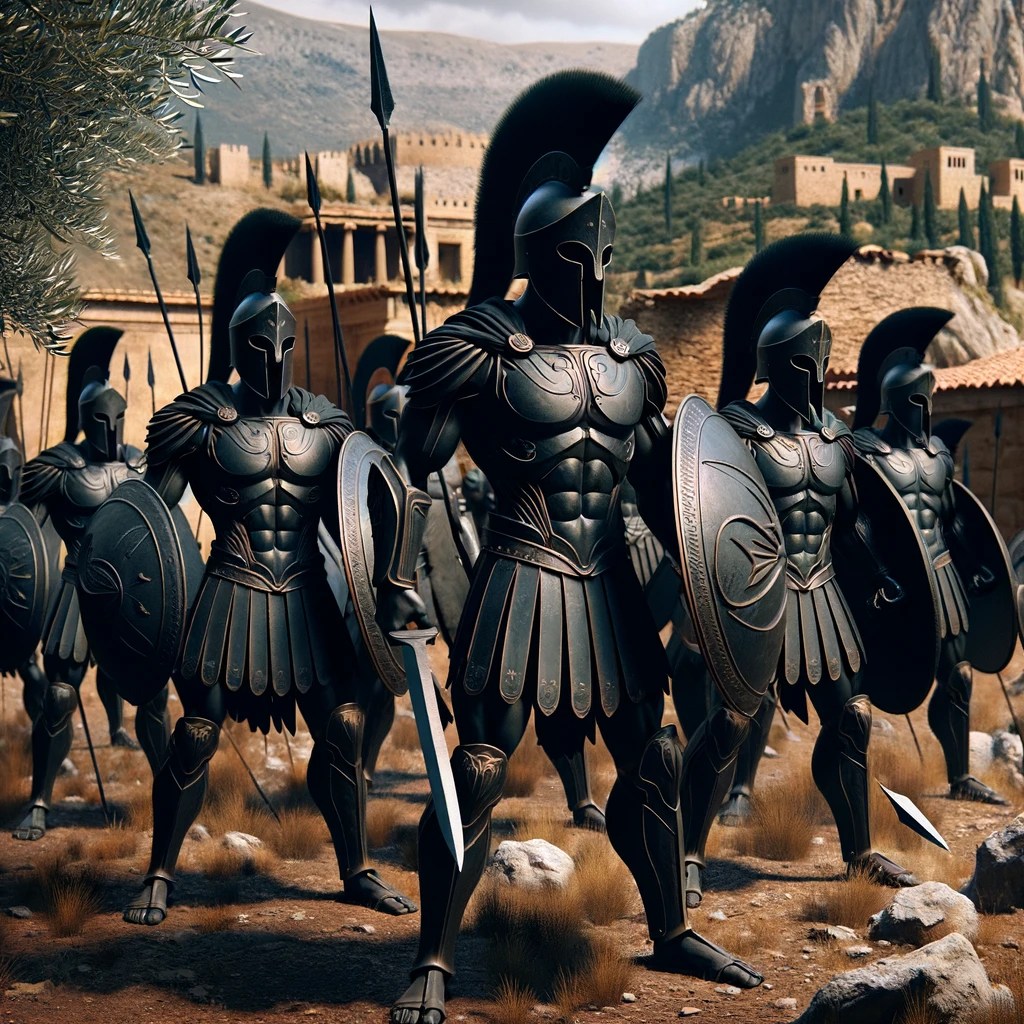
The new Athens?
Wow —
OK, now that I am stupid rich, looking once again for the ideal phone or iPhone whatever;
I went to the Apple Store, 3rd St., Promenade apple, in Santa Monica, tried holding all the phones without a case in my bare hand.
The new iPhone is actually really interesting, the 15, the mat Crystal glass finish; but it is not super creepy, doesn’t feel very secure in the hand. Also the iPhone Pro feels too slippery.
Still… Thinking about it, my iPhone SE, with the simple glass standard back in case, feels the most secure in my hand?
So I’m currently reading this book on testosterone, written by I believe two female professors, and for the most part, I find the book insanely boring.
First, it does seem that the science behind testosterone is much more complex and we thought it was. I also suppose I made the mistake for a long time:
More testosterone does not mean more manly.
I suppose what the authors uncovered was testosterone isn’t necessarily the “masculine†hormone.
I suppose the reason why I find this really fascinating is this:
Perhaps the best instructors aren’t science, but history.
For example, better to study analyze and consider the courage of an Achilles or a Hector, instead of concerning ourselves too much about the science behind testosterone and hormones etc.
More cold brew!
More beautiful women! More sun! More muscle!