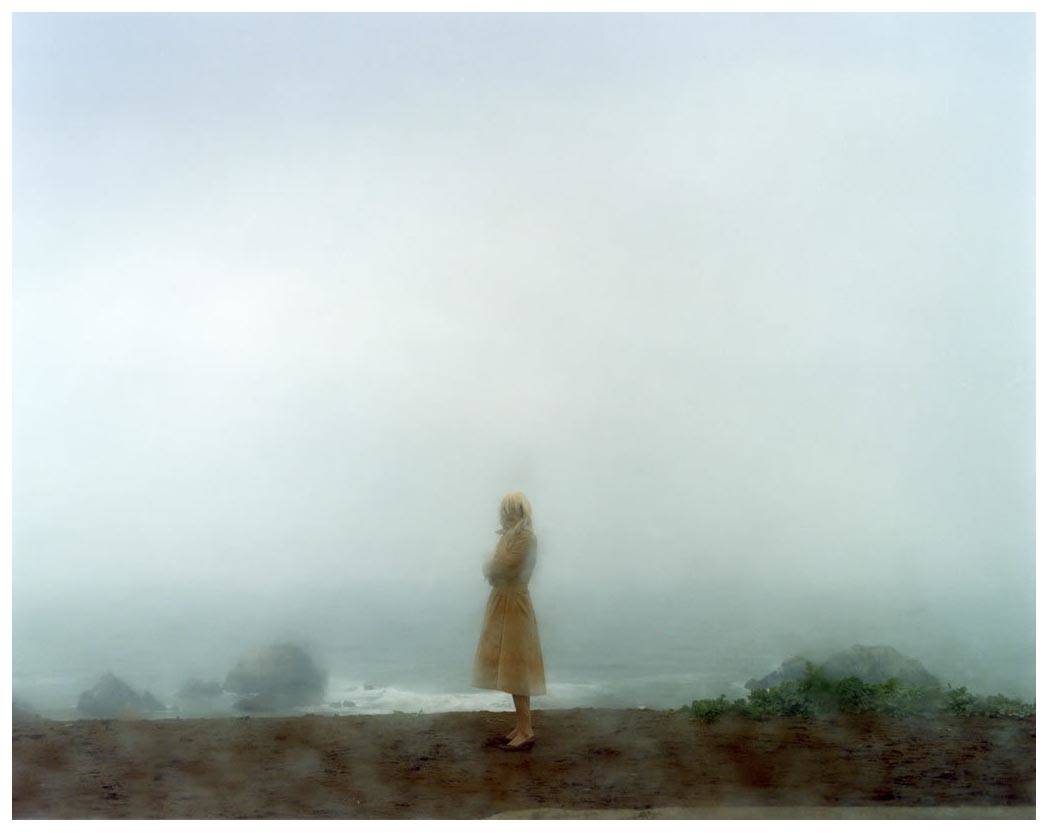
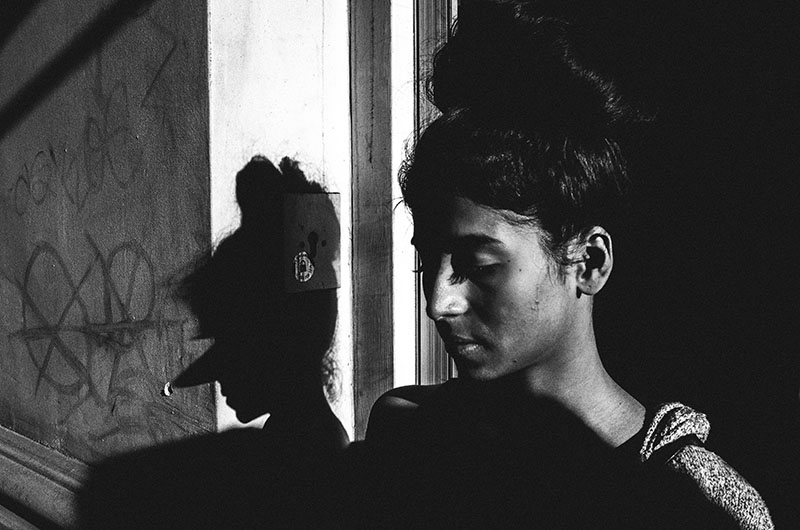
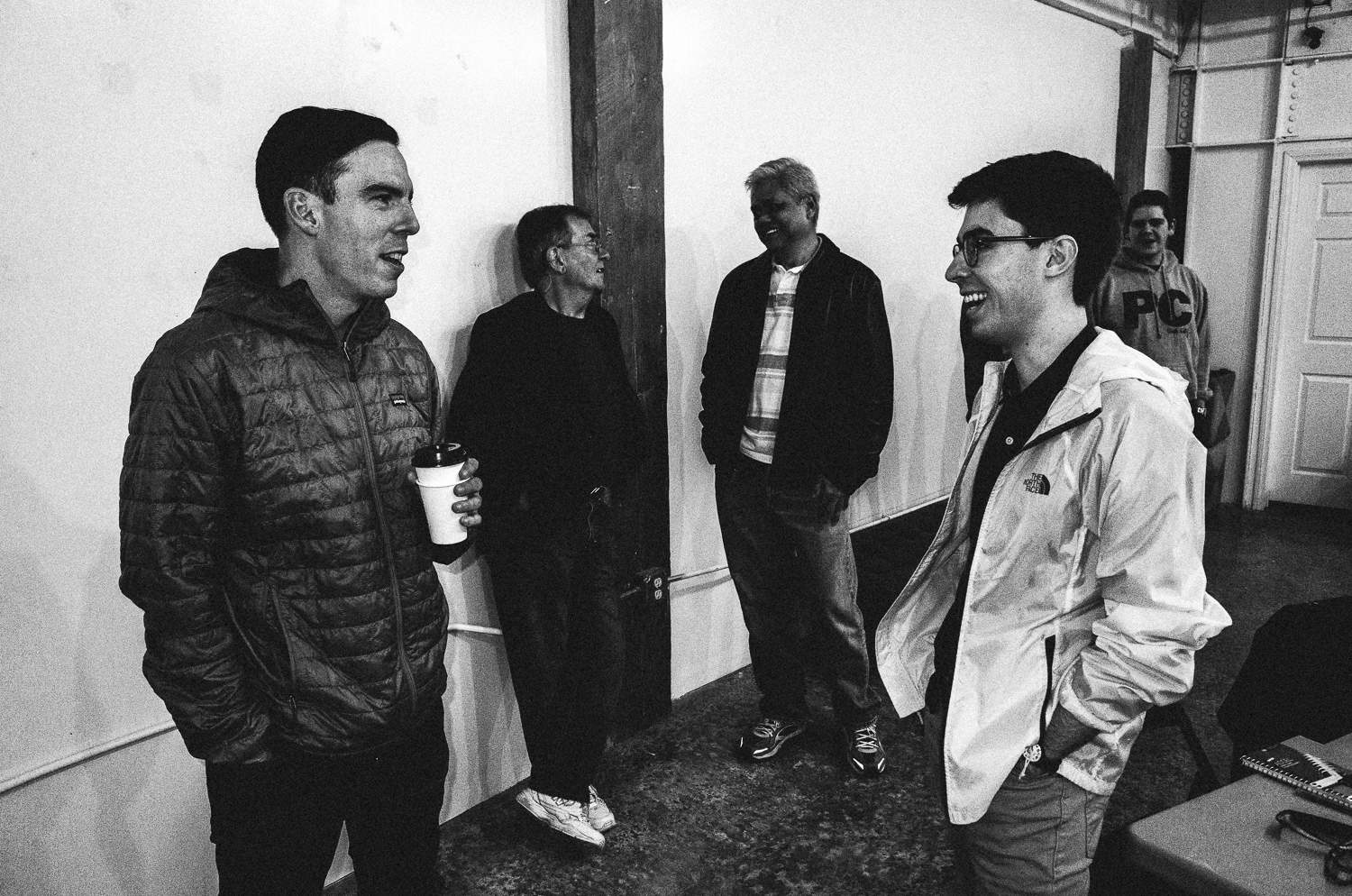
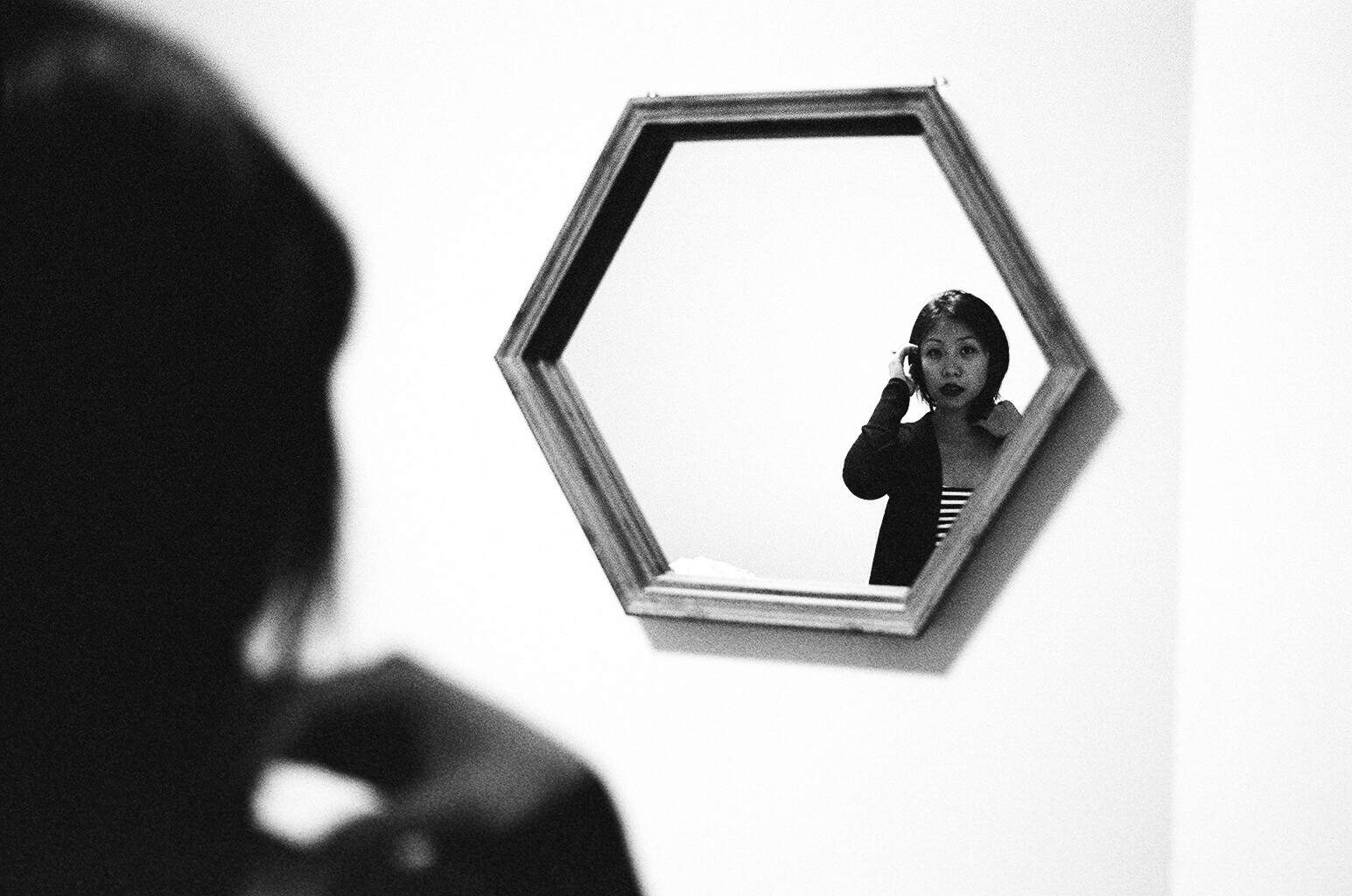
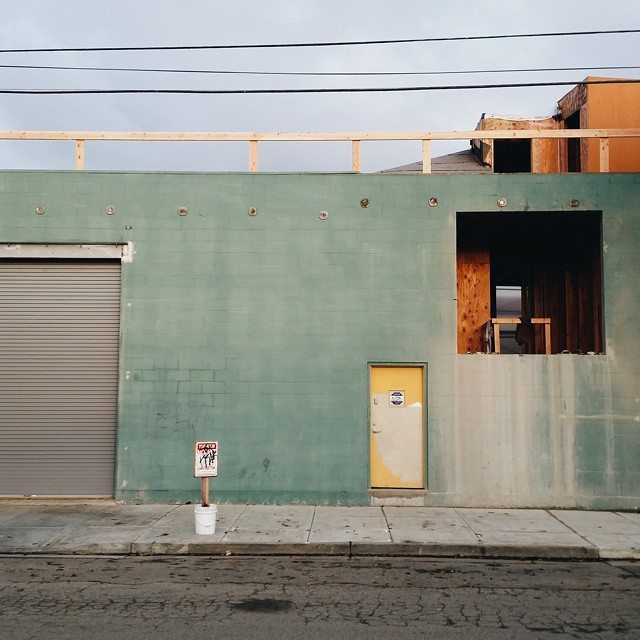
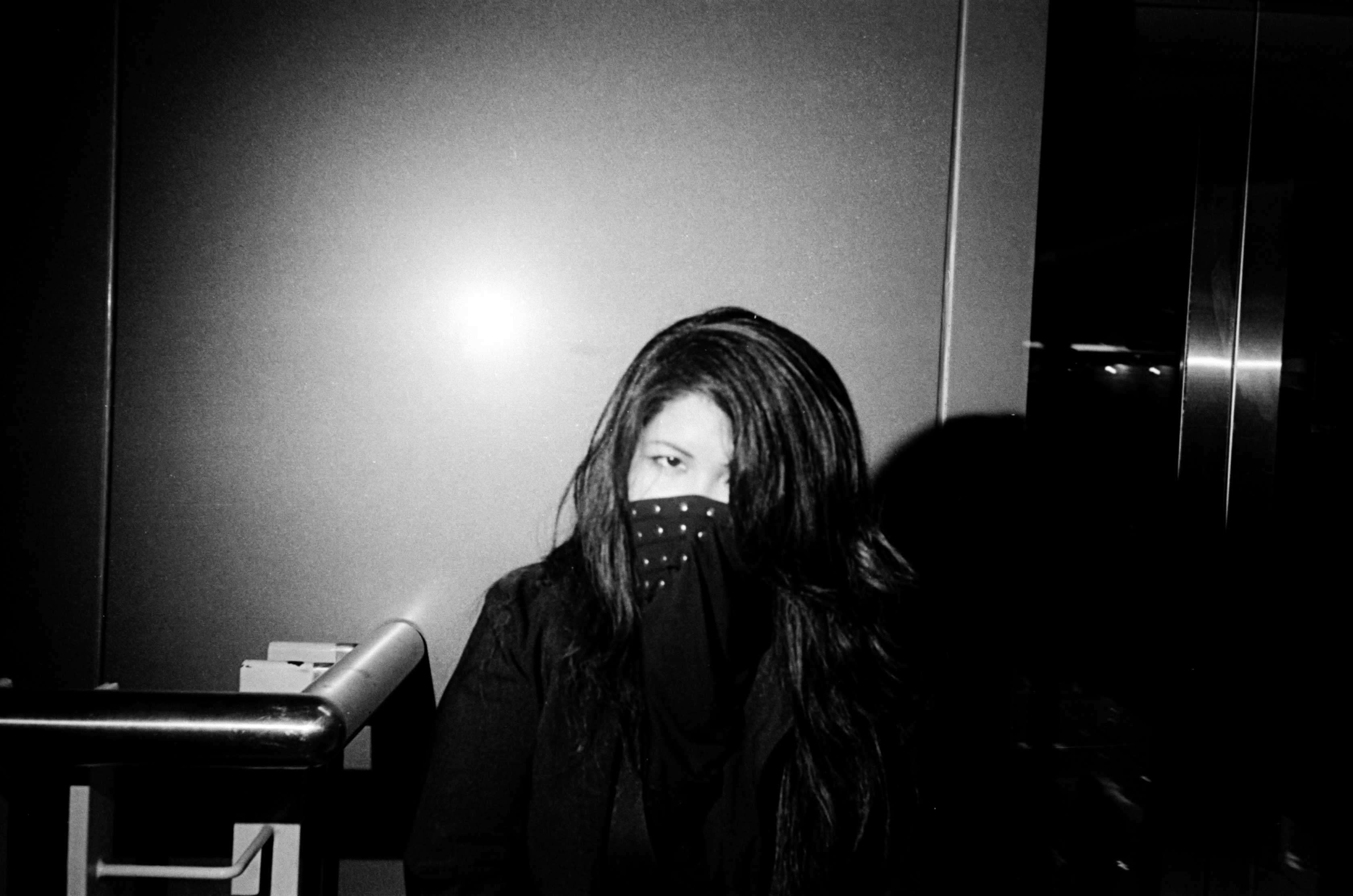
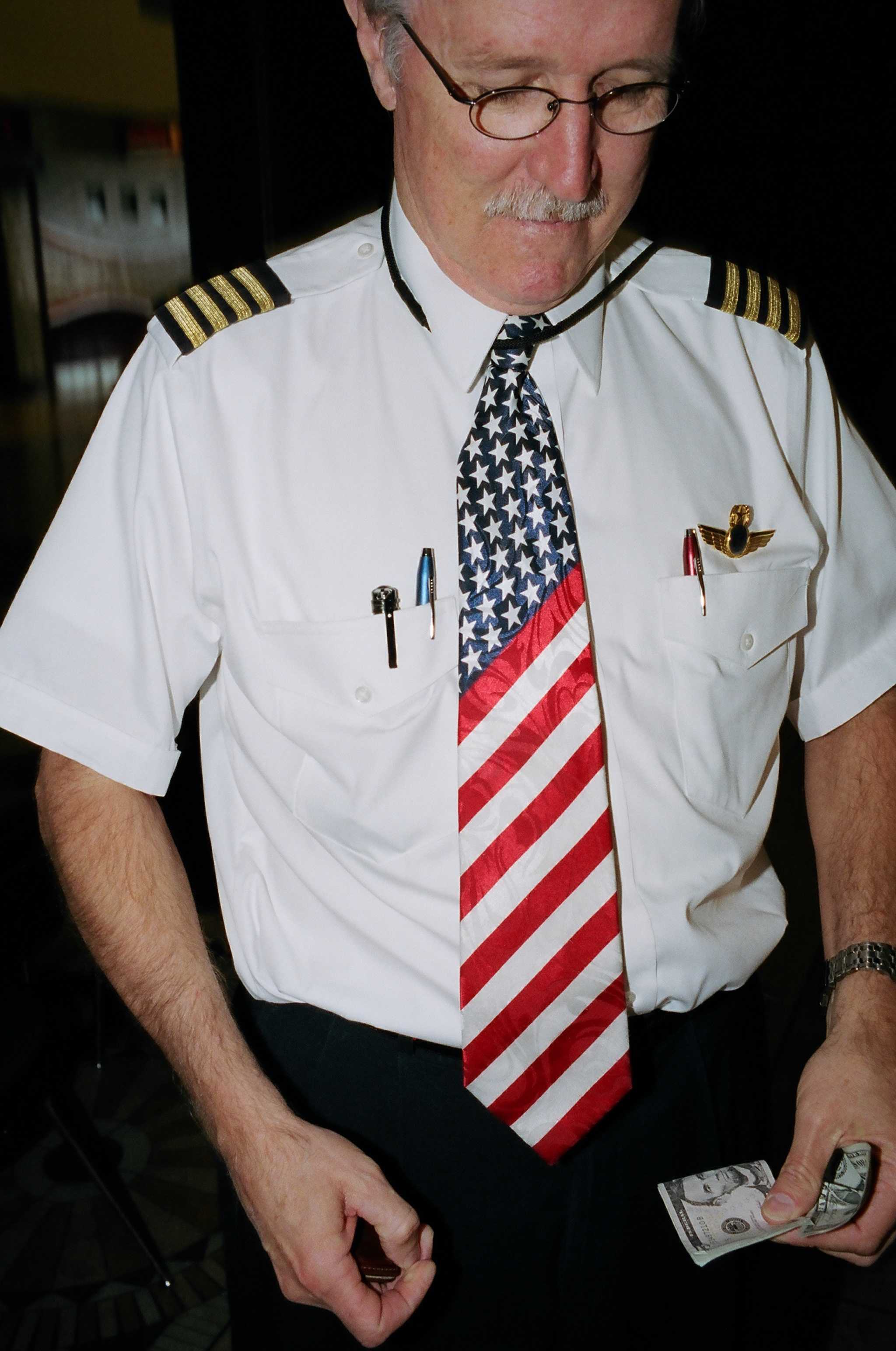
Everyone seems antsy and excited for the next assignment. So I’ll be quick and not do my usual introduction this time and head straight to it!
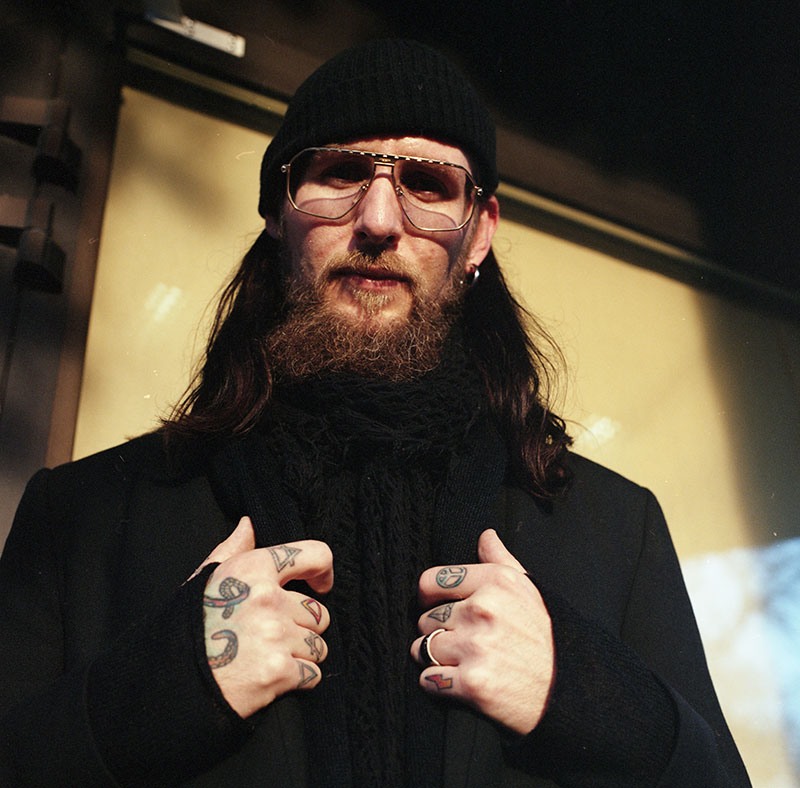
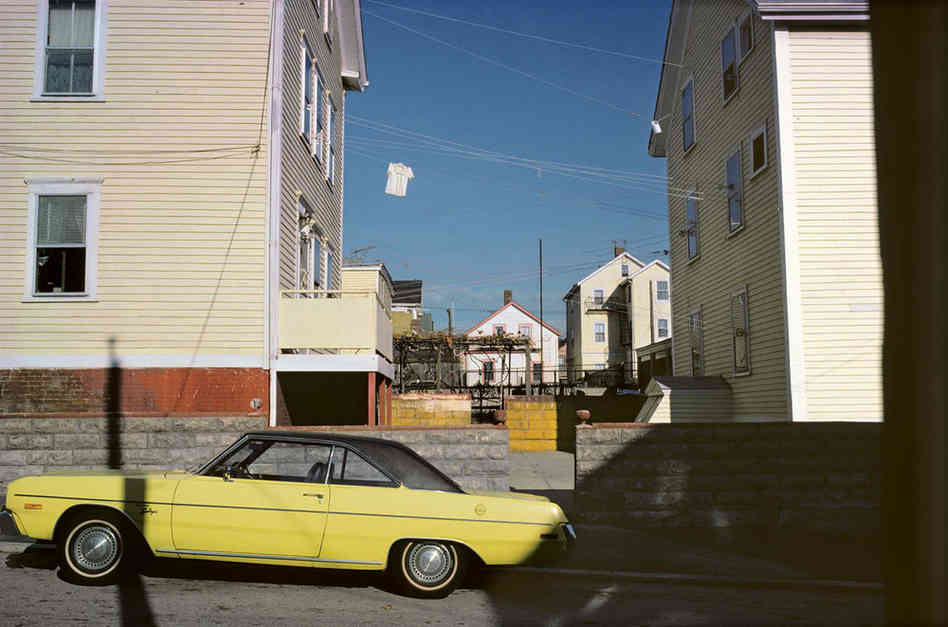
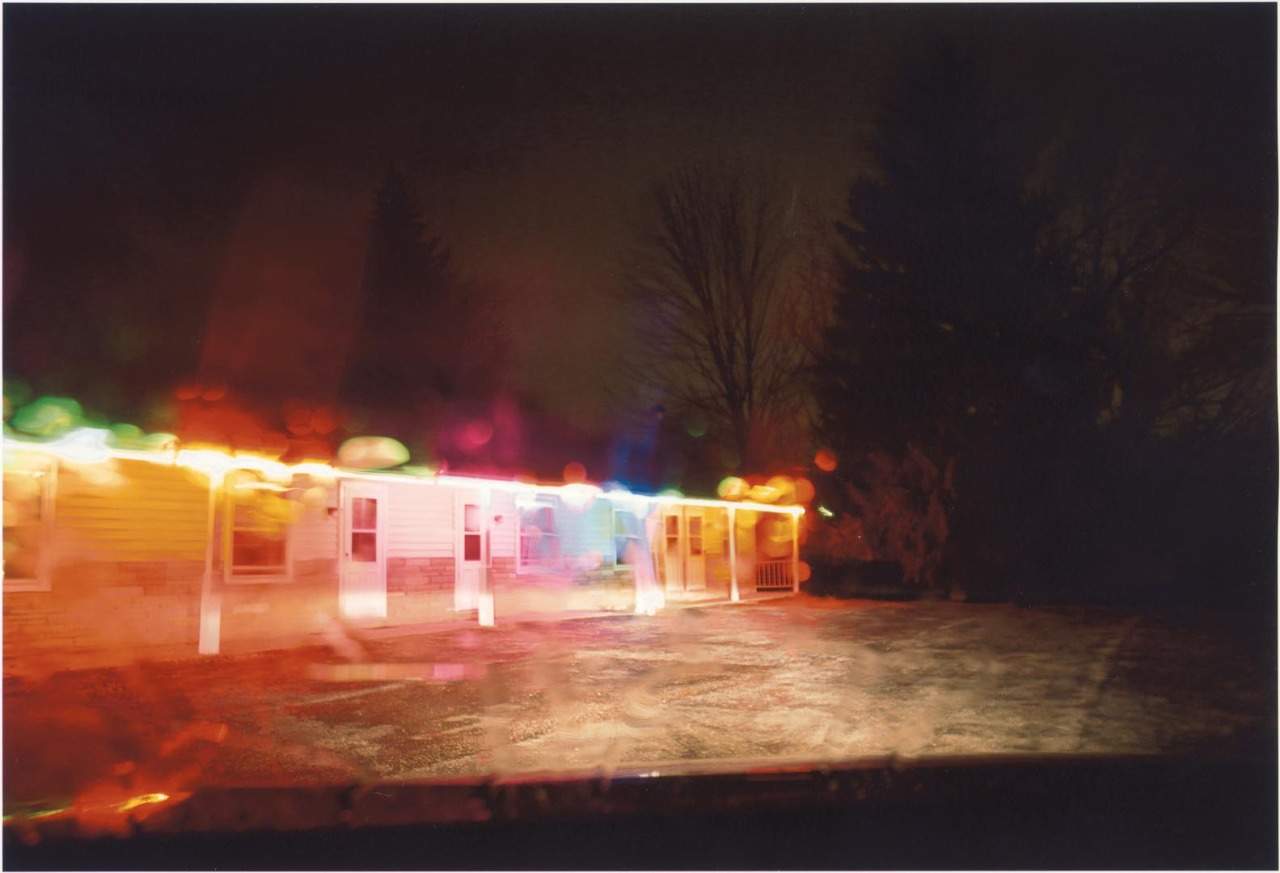
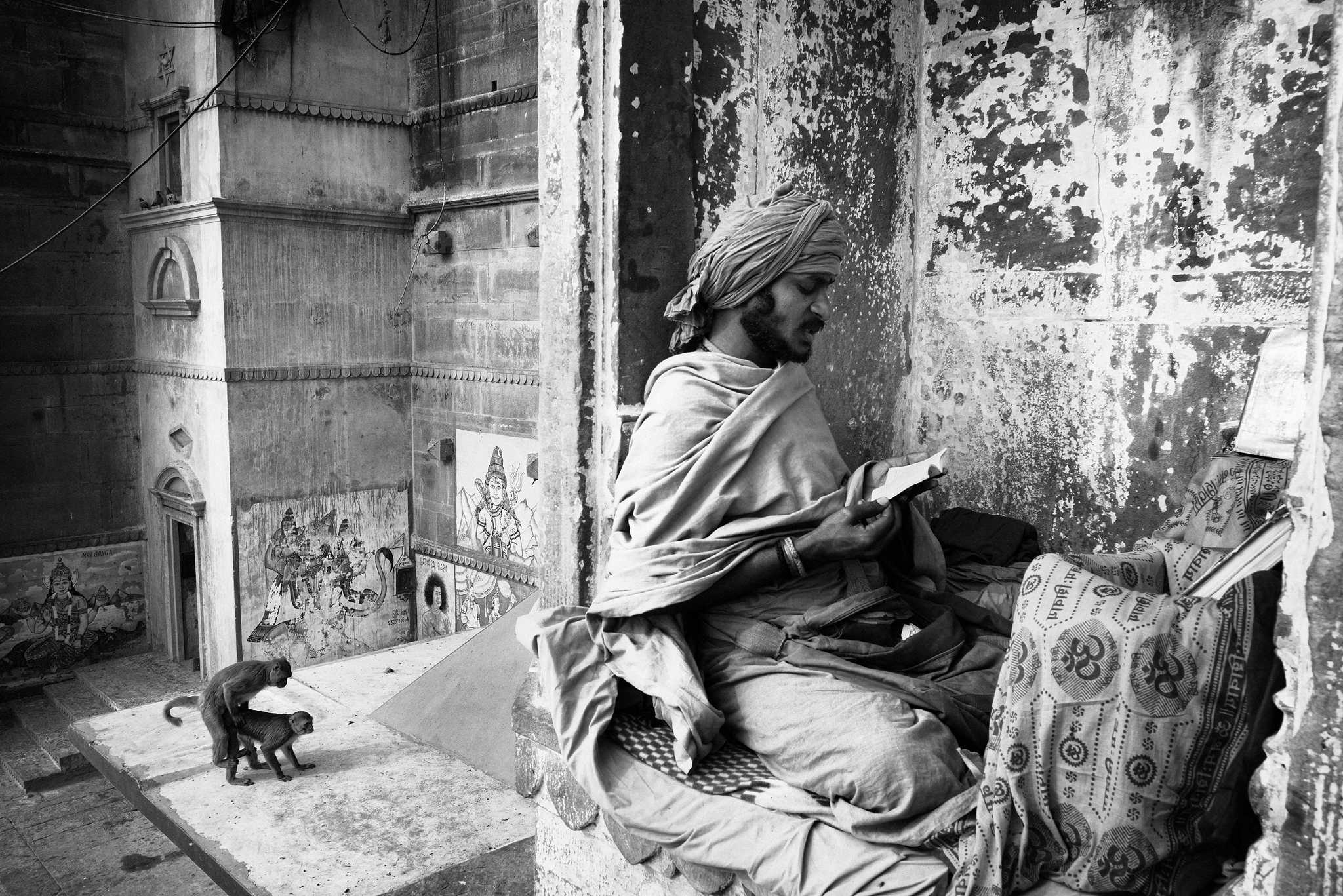
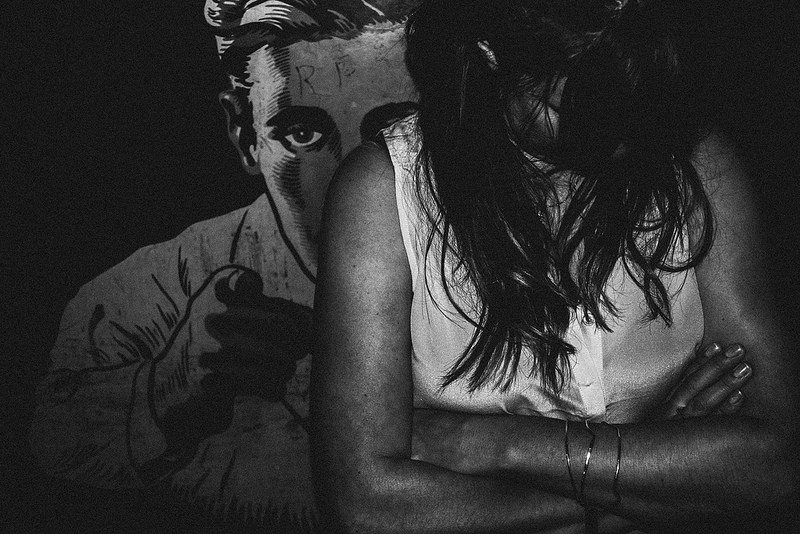
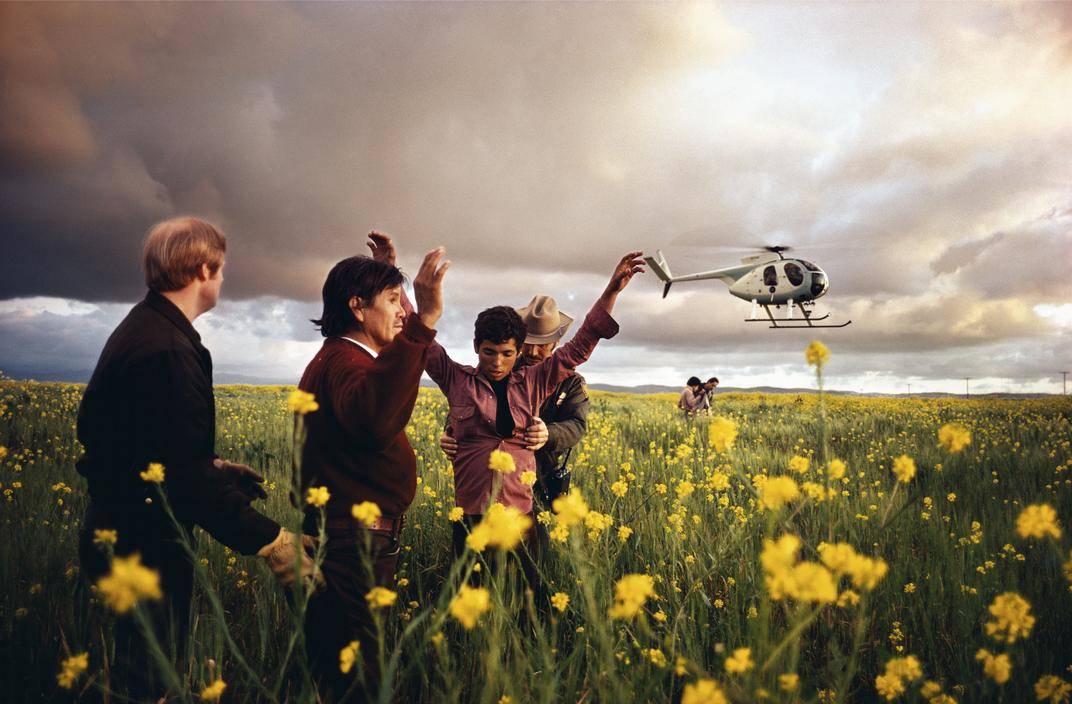
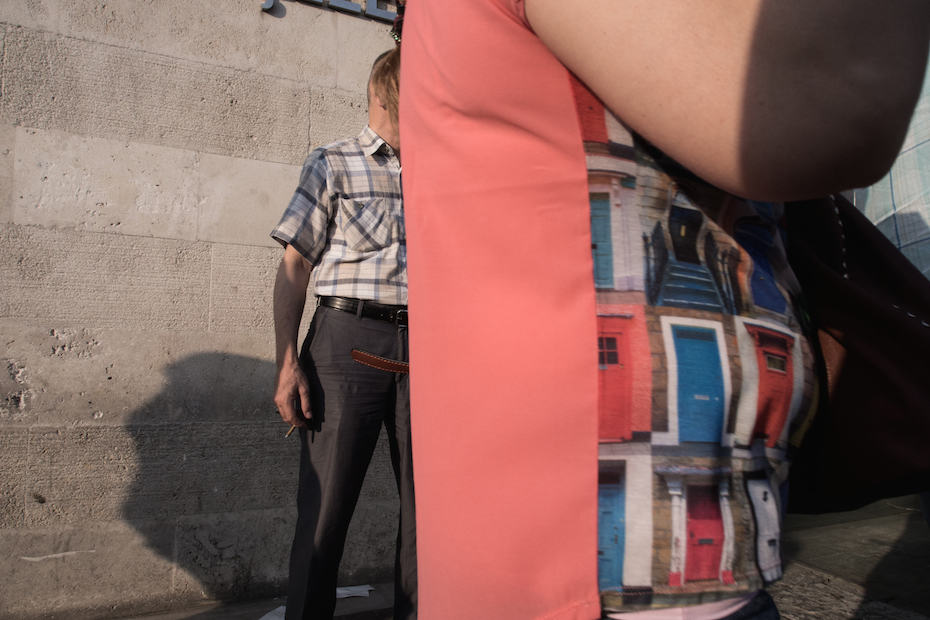
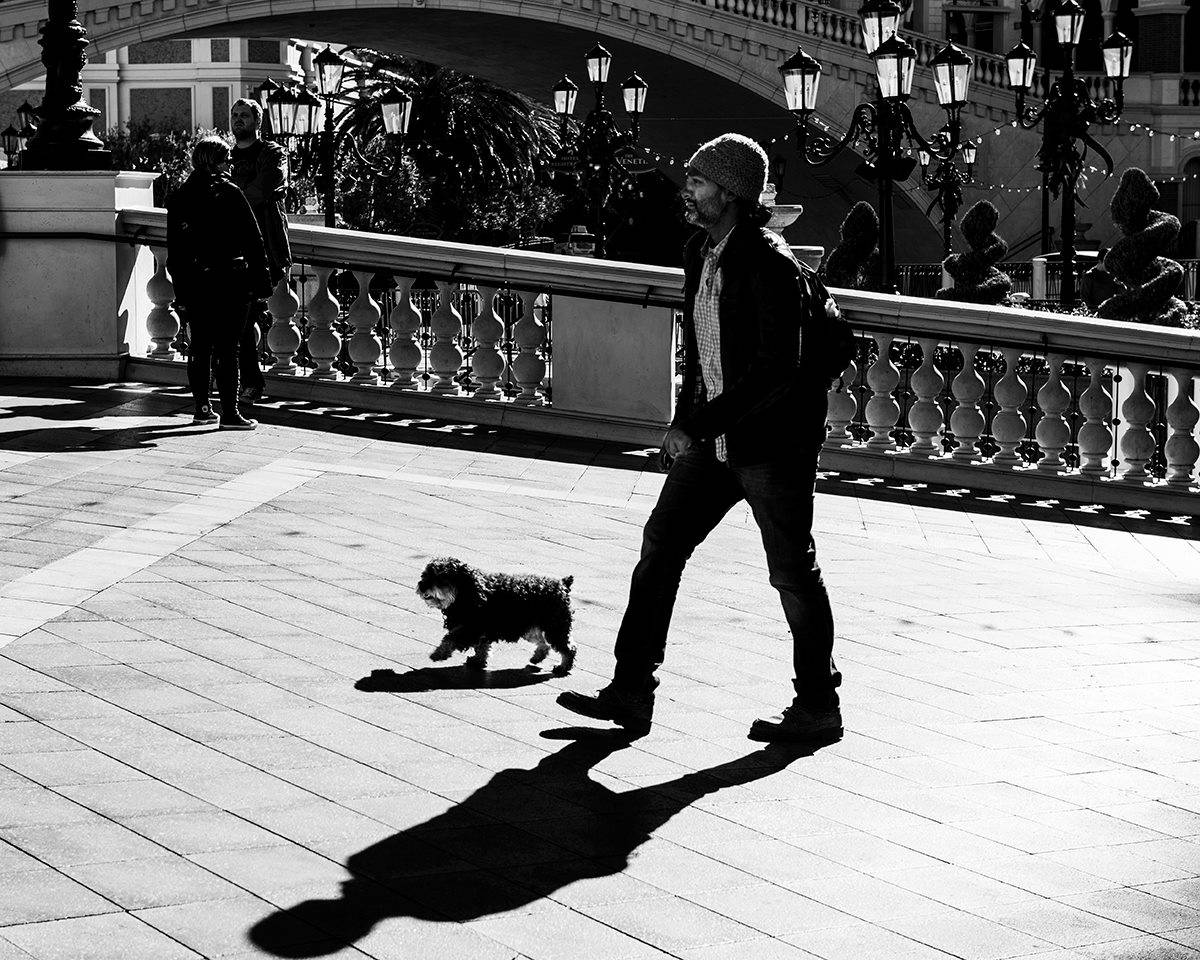
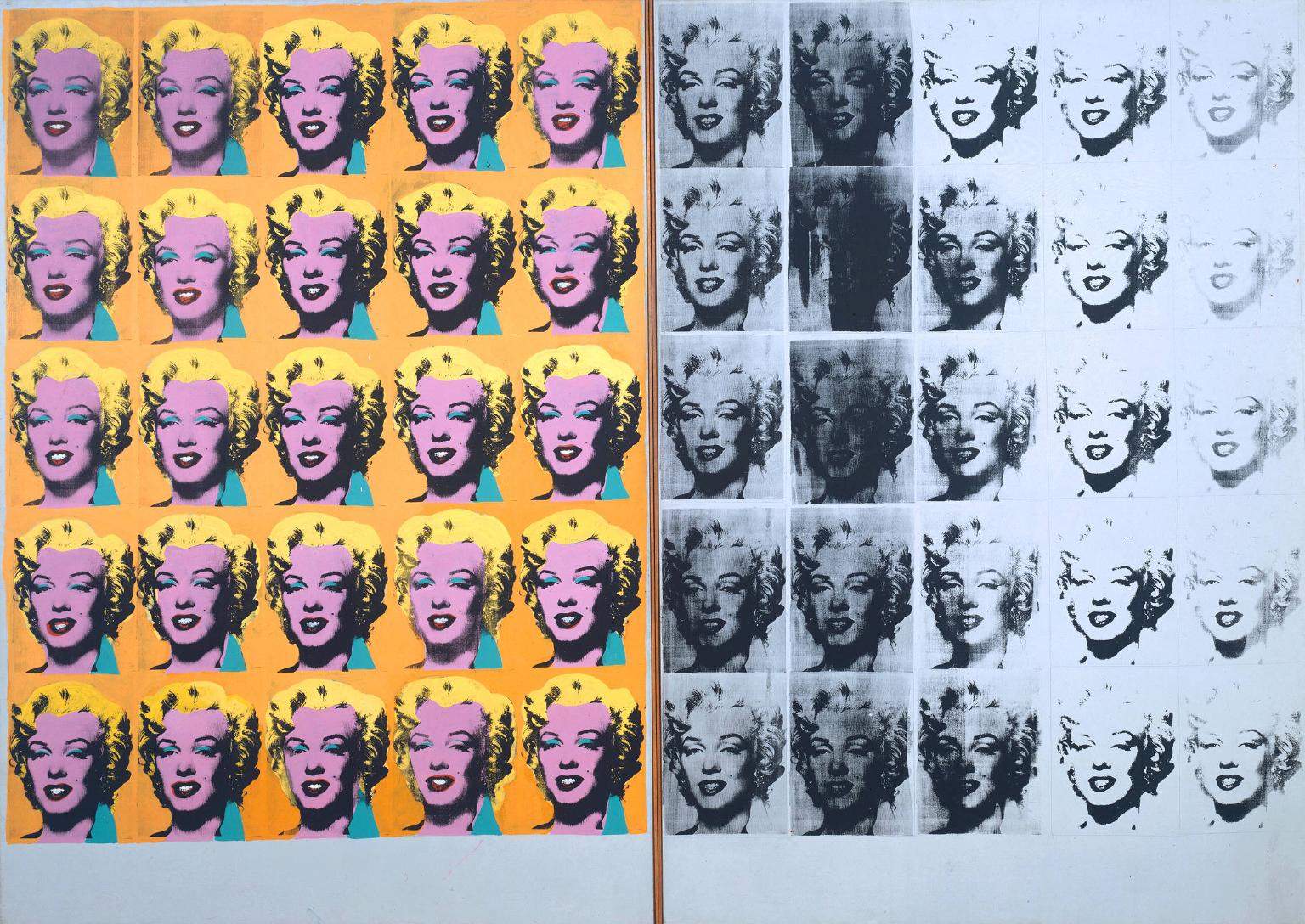
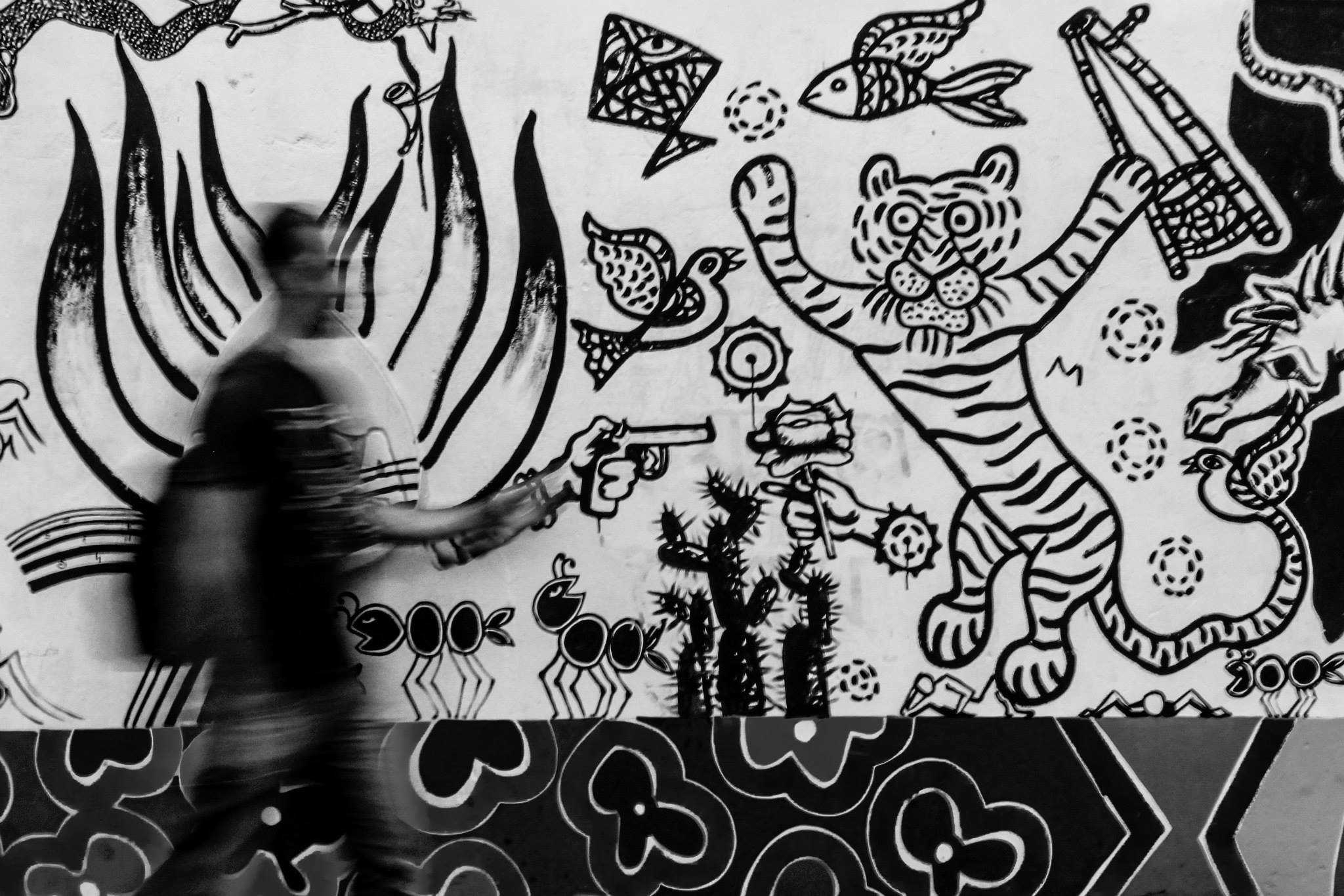
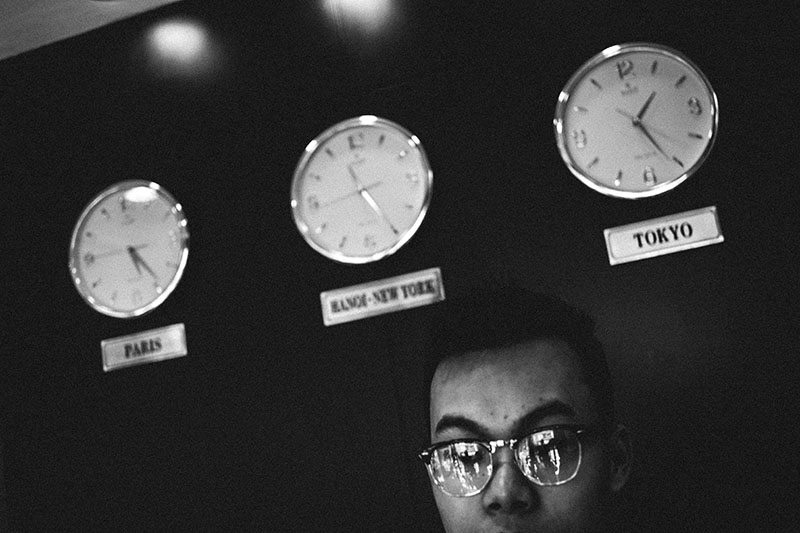
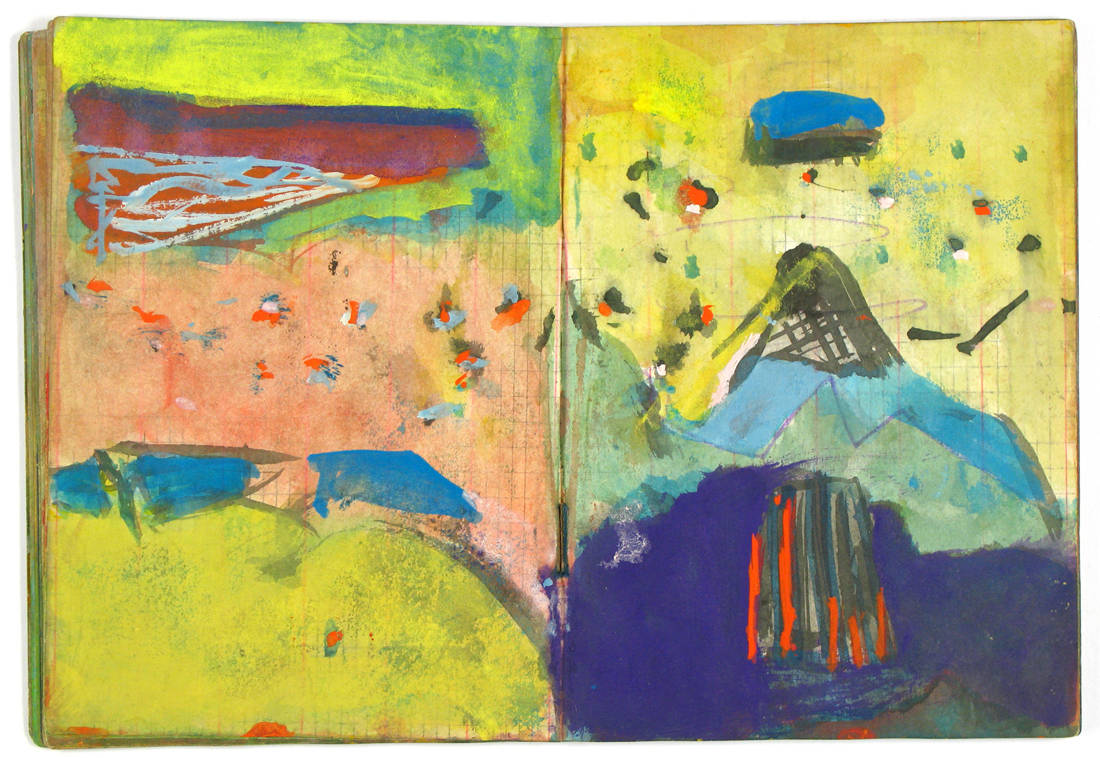
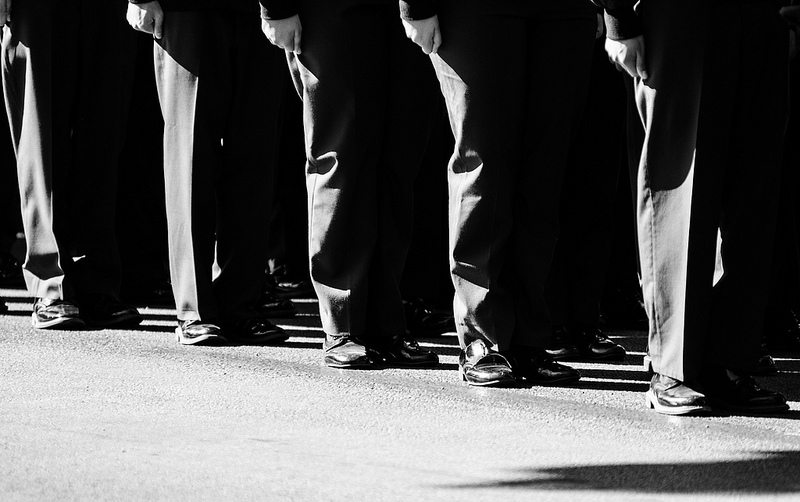
Here is what Streettogs Academy 6 editor’s choice, Sam Traschel picked for us:


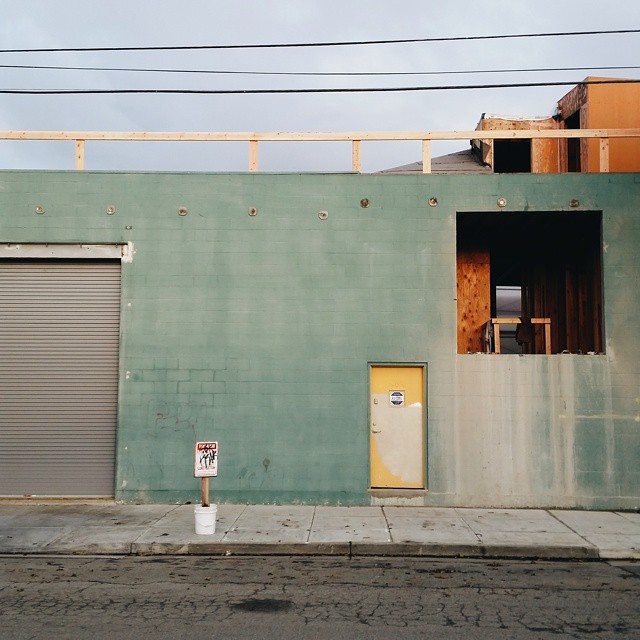
Everyone seems antsy and excited for the next assignment. So I’ll be quick and not do my usual introduction this time and head straight to it!
Here is what Streettogs Academy 6 editor’s choice, Sam Traschel picked for us:

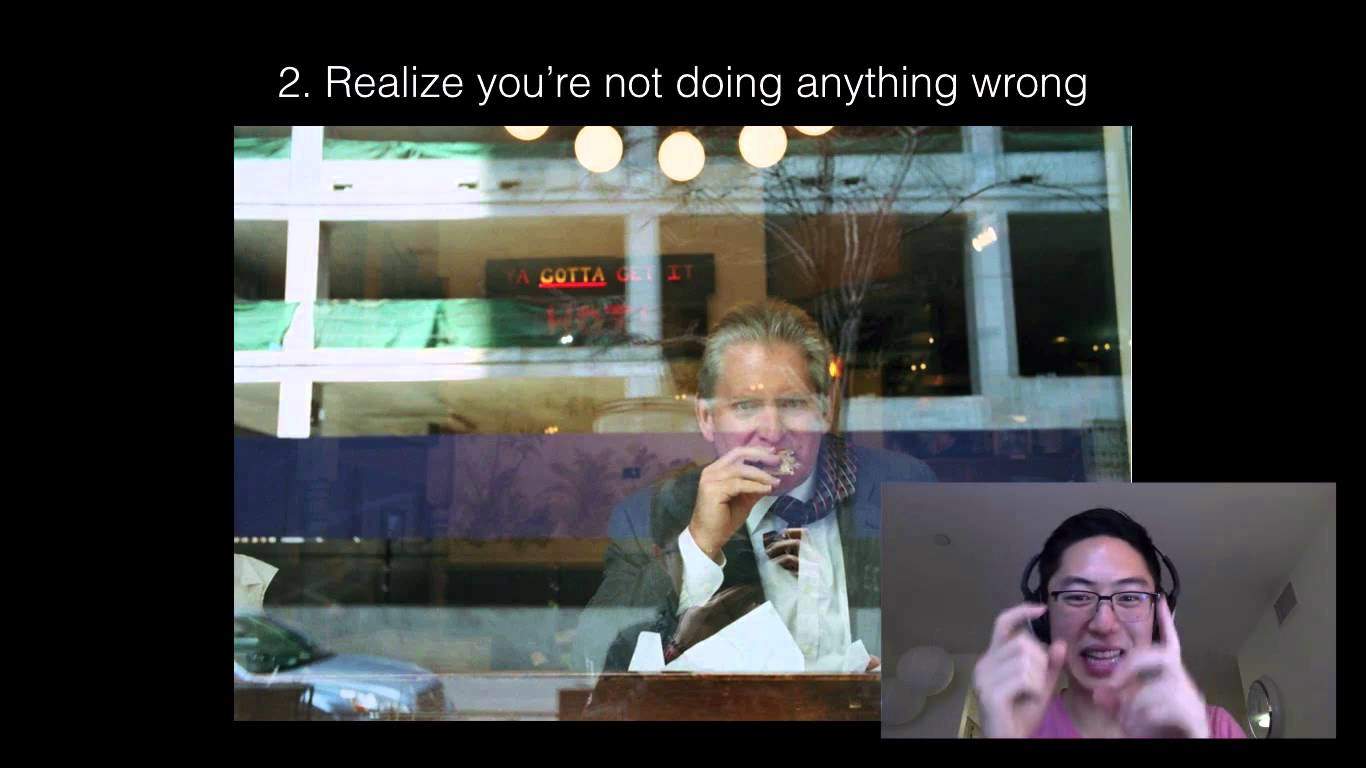
In an effort to be more helpful, I am going to start putting together more video lectures and features for YouTube. In this presentation, I give some practical advice how to overcome your fears of shooting street photography– including the philosophy, approach, and tips.
Check out my Free Ebook: “31 Days to Overcome Your Fear of Shooting Street Photography“
My recent article: “How to Harness Your Fear to Become a More Confident Street Photographer”

@mikebeecham on Twitter asked me, “How do you manage the funk of the winter months?”
I think this is a great question, because it is hard to stay motivated during the winter months. I share some of my thoughts, an introduction to this new series, and suggestions in this first episode of “Ask Eric Kim”.
Book recommendation to stay inspired in the winter:
What are some ways you stay motivated to shoot during the winter? Share your tips in the comments below!
Recently I had time to meet up with my good friend Joe Aguirre in SF. He was able to show me his new place, projects he is working on, and we talk about some of my personal “mid-life” street photography questions towards the end.
You can see my past video interview with Joe here.


If you’re like me– you deal with moments of “uninspiration”. There are days that you want to go out and shoot, but there is some sort of “resistance†which holds you back.
What is a good way to become re-inspired?


Street photography is one of the most difficult forms of photography out there. Not only do you have to rapidly compose, frame, and approach strangers— but you have to do so with the risk of “injury.†They might injure you verbally (threaten to break your camera, give you a dirty look and call you a creep, or curse at you) or they might injure you physically (try to grab your camera, hit you, shove you, etc).
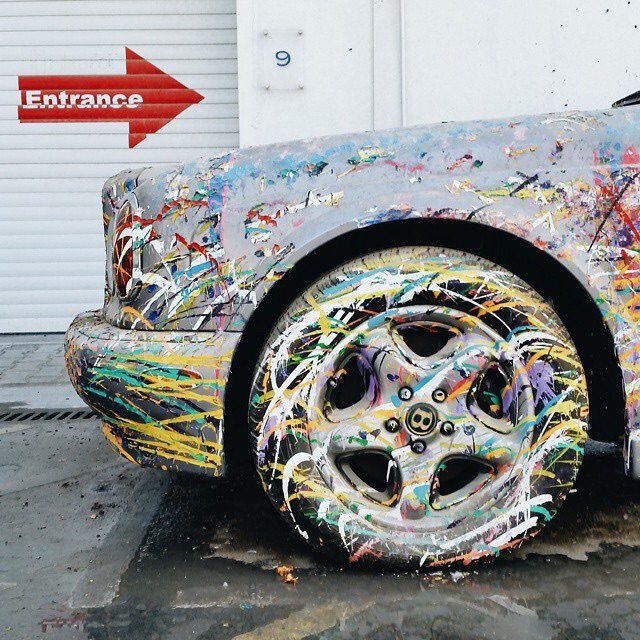

All photos copyrighted by Alex Webb / Magnum Photos. You can pick up a copy of “The Suffering of Light” on Amazon here.
After my month-long trip abroad in Stockholm, London, and Dubai I am finally (mostly) over my jet lag and have recovered at home. I’m sitting in my apartment and thinking to myself: what should I focus on for the blog?
I have thought about this a lot— and realized that 99% of the photography sites on the internet are gear-related. This includes news about the newest cameras, rumors about upcoming cameras, gear reviews, lens sharpness testing (taking photos of brick walls, and seeing how sharp the edges are).


(Editor’s Note: Today’s guest post and photographs are by Switzerland based street photographer Hakim Boulouiz. Enjoy!)
Hakim: One of the first lessons in photography has to do with the famous quote from photographer and ecologist, Ansel Adams, “You don’t take a photograph, you make it.â€This magic formula applies to all facets of photography without exception. As soon as we start talking about the “photographic interventionâ€, we have to question the composition, choice, selection; whether to accentuate certain elements or to do away with distractions as we seek to create an impact for the eye and for the heart. The whole process is a very precise surgical procedure with a little help from Mr. Chance.
However, in street photography, “making†a photograph is out of the question. So how to be a street photographer (or how to go about becoming one)? For starters, here are two steps:

Here we are once again with the results and analysis! Things have been going fine in the group as I have recently posted new policies and updated the criteria to further clear the mission/vision of what streettogs academy really is. As we go along, I hope people get a lot out of the group and at the same time, enjoy the experience of photographing in the streets. We had around 150++ entries for the “Direction” that was set by Assignment 5 editor’s choice, Enamul Kabir Rony. Cheers again to Enamul for the great assignment theme.
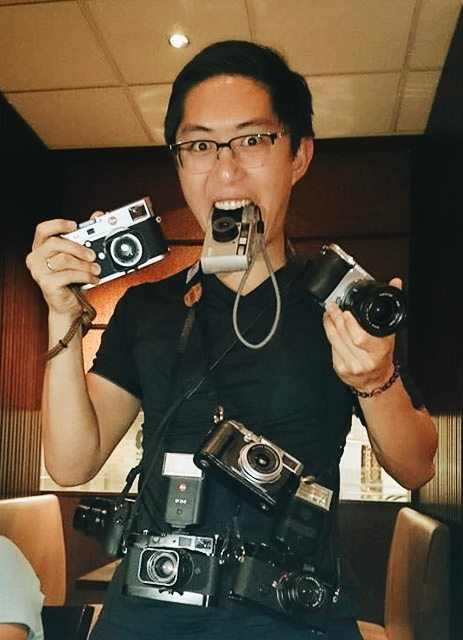

I have a problem. It is definitely a “first world problemâ€.
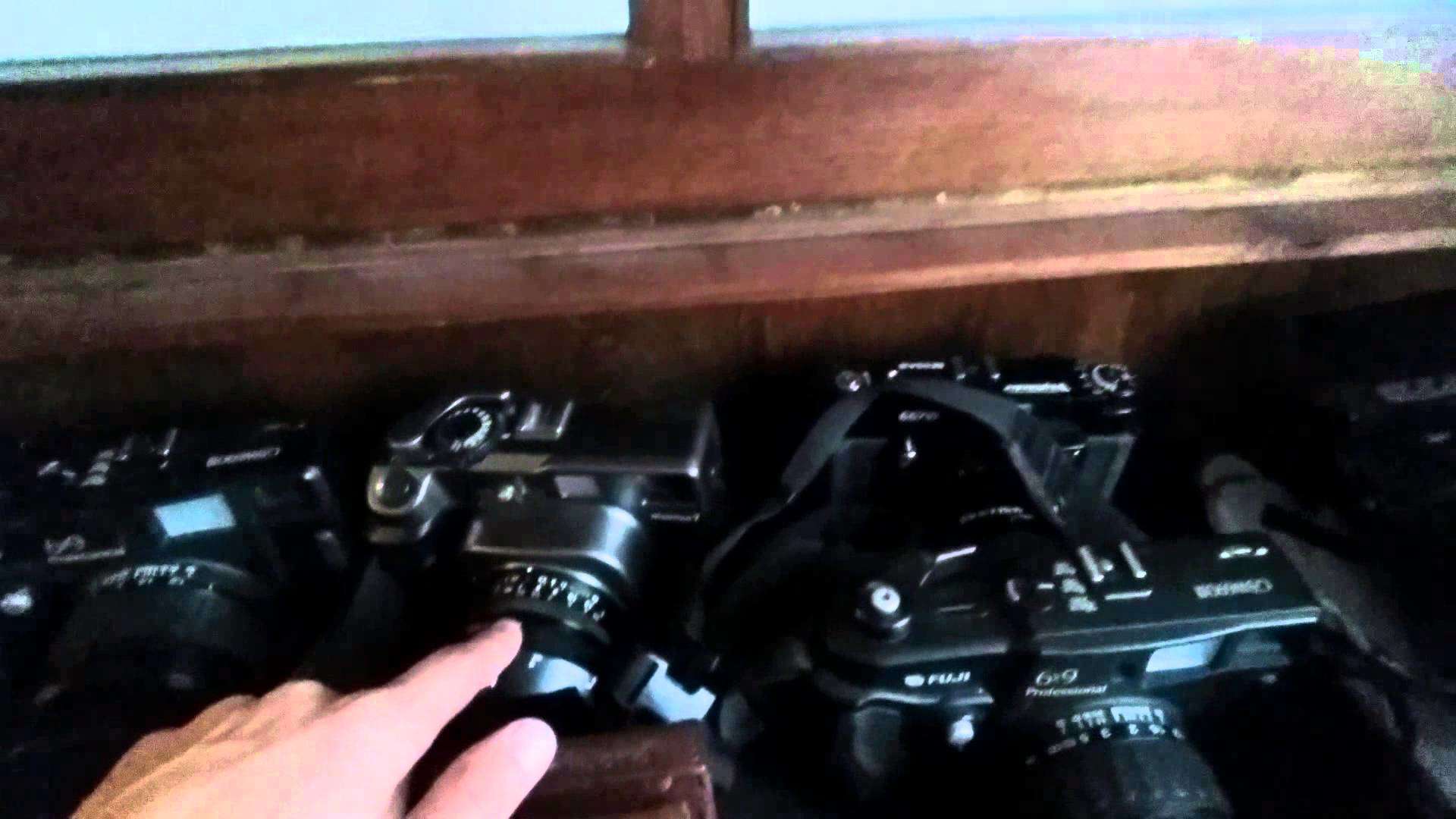
I currently have too many cameras in my house. This is what is sitting on my shelf at the moment (all the cameras I own):
Too many damn cameras.


Hey streettogs, I am excited to share that registration is officially open for my upcoming Downtown LA Introduction to Street Photography Workshop (Jan 2-4th) and my Portland Intermediate/Advanced Street Photography Workshop (Jan 9-11th). Make sure you sign up quickly before the early-bird discount expires!
If you want to conquer your fears of shooting street photography, improve your composition, and meet other passionate street photographers– don’t miss out and see my full list of upcoming street photography workshops in 2015 below:


Hohoho, Merry (upcoming) holidays streettogs. If you weren’t sure what to ask for the holidays this year, I have compiled this list of street photography books to ask Santa (or your friends, family, significant other) for. Read more to see my full list of recommended books below!


In “The War of Artâ€, the author Stephen Pressfield talks about “The Resistance†— and how it is the biggest obstacle to all of our artistic pursuits and endeavors.
We can encounter “The Resistance†in many ways in our life. We encounter it when we want to start our own business (and we have thoughts of self doubt), we encounter it when we want to start exercising more (but the resistance keeps us from leaving our house), and we encounter it when we want to go out to social functions (we are nervous of meeting new people, and would prefer to stay at home).


As this article is very long, I recommend reading this by saving it to Pocket or Instapaper. All photos in this article are copyrighted by Henri Cartier Bresson / Magnum Photos.Â
I recently picked up a copy of “The Mind’s Eye†– which is a great compilation of thoughts and philosophies Henri Cartier-Bresson wrote. Aperture published this great volume (as they are an amazing non-profit dedicated to promoting photography, education, and great ideas).
Ever since I have been back home, I have been dedicating more of my energy, attention, and focus to great photography books – and trying to distill the information. I’ve learned all of these great lessons personally– and I want to share that information with you.


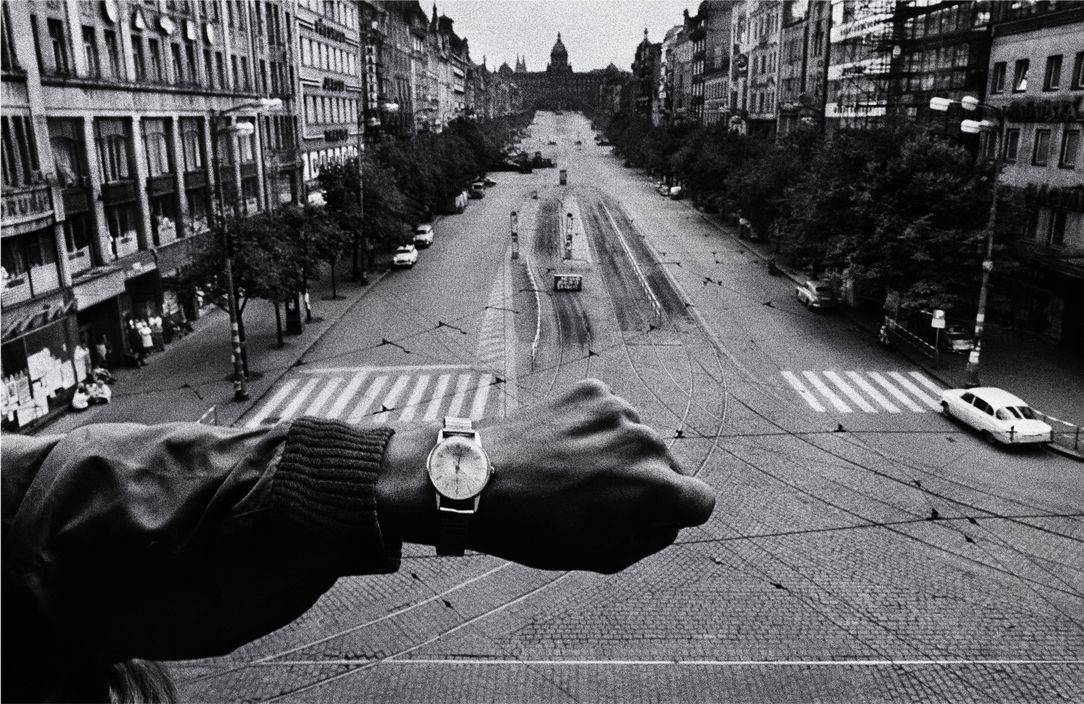
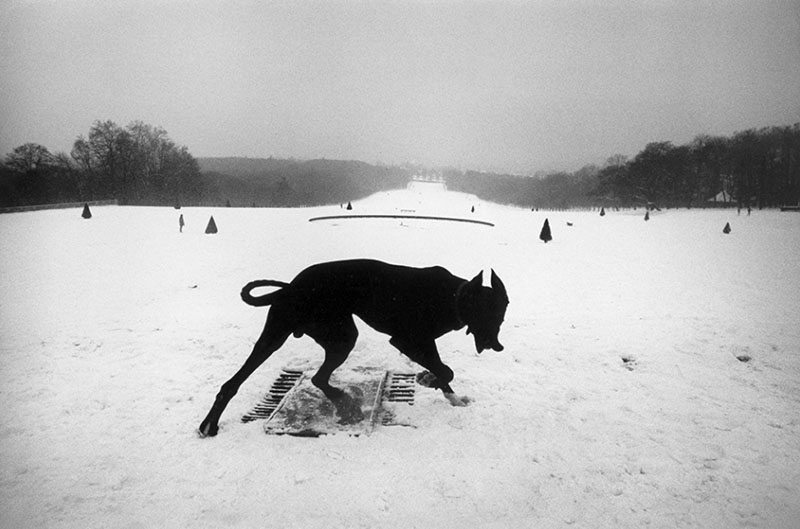
I recommend reading this article by saving it to Pocket, Instapaper. All images in this article are copyrighted by Josef Koudelka and Magnum Photos.
“Exiles” by Josef Koudelka is one of the must-buy books of this year. Previously (before this re-print by aperture) the book would sell second-hand for around $300. I personally couldn’t afford a copy — and when I heard this edition (the last and final) was coming out, I jumped on it like a fat kid on cupcakes.
Before writing this book review, I re-read the book several times, read a lot of interviews by Josef Koudelka– and reflected on the book (and the life and photography of Koudelka).

Hey streettogs, I just got back from an epic 5-week trip in Stockholm, London, and Dubai– and now finally have some time to decompress and recover from my travels. Below is a round-up of some of the videos I shot in Dubai, lots more stuff to come! :)
Over a nice local meal in Dubai, my buddy Imraan and I have fun with my Hasselblad– and show a brief tour of how to use it:
Ever curious what Gulf Photo Plus is? Mohamed Somji (one of the head folks at GPP) gives us a tour of their office in Dubai– and I also interview his background in documentary photography as well!
Behind-the-scenes look for the opening for the Dubai International Street Photography Exhibition I helped curate:
You can also check out more of my new videos on my YouTube channel.


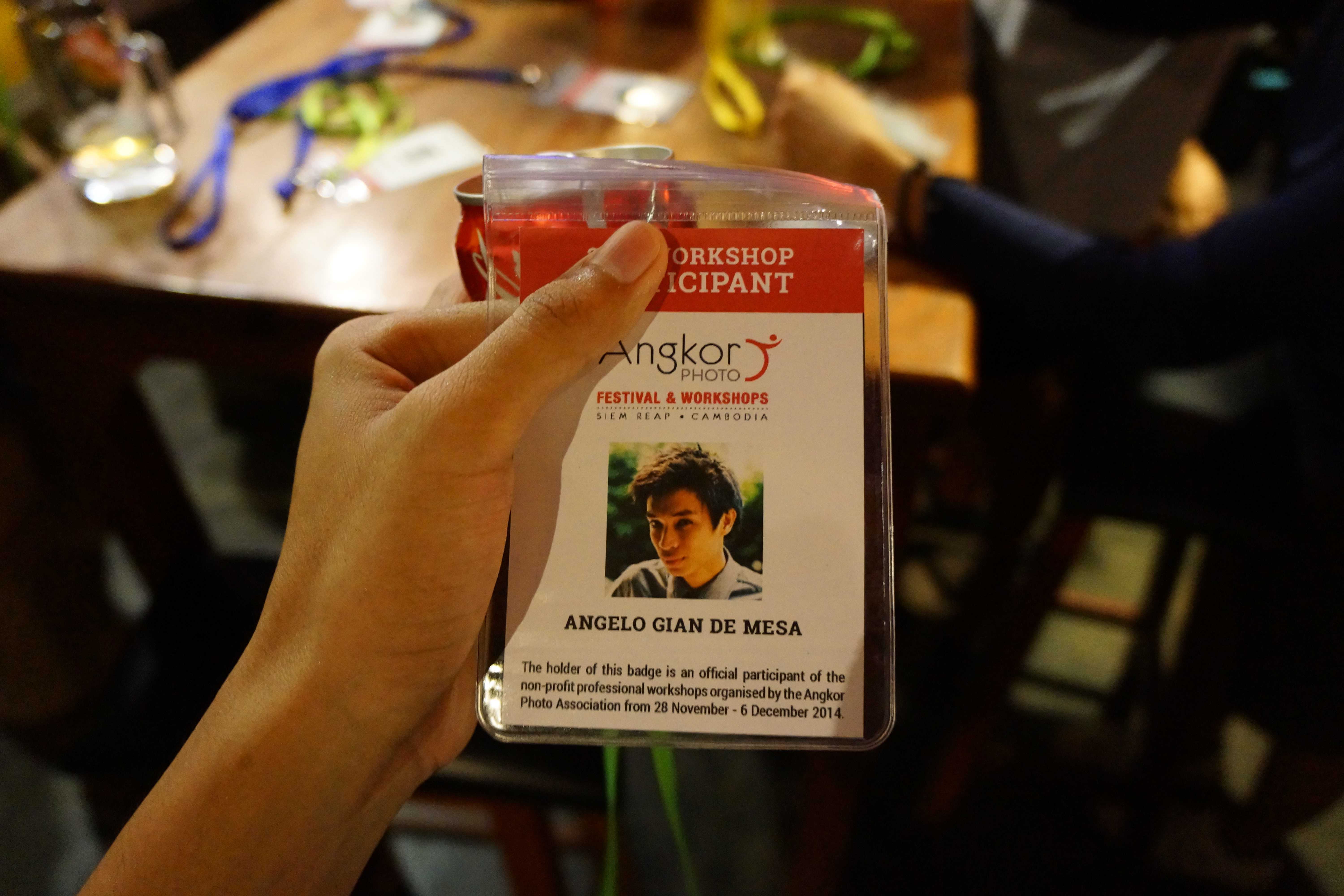
Now on it’s 10th year, the Angkor Photo Festival has always been a great showcase of photography in the Asian region. This year, they keep doing what they do best by giving everyone the best photography in Asia has to offer. If you have nothing to do on Nov. 29 to Dec. 6, I suggest you head on to Siem Reap and feast your eyes on what the festival has to offer. Everything is open to the public and free of charge.


Josef Koudelka is one of my favorite photographers of all-time. I love how he has been able to craft his life around photographing only what he wanted to photograph, how he is able to capture emotional and empathetic images (especially in his “Gypsies†project), his ability to continue to re-invent his photography (switching from 35mm to panoramic), and his absolute dedication to his craft.
I recently came across a superb interview with Koudelka titled: “We Are All the Sameâ€: A Conversation with Josef Koudelka†via my friend Karl Edwards from StreetShootr.com.
I will share some personal lessons that Koudelka has taught me about photography and life below. If you want to learn more about Koudelka, I recommend you to read my article on him: 10 Lessons Josef Koudelka Has Taught Me About Street Photography.
At Gulf Photo Plus, as a part of the “Street Photography Series” in November in Dubai, I gave a free talk on street photography yesterday (11/24/2014). The title of my presentation was: “10 Lessons Street Photography Has Taught Me About Life” in which I share some of my personal philosophies about street photography (and life).
Tonight at 7:00pm at Gulf Photo Plus is the opening exhibition for “STREET.” — an international street photography exhibition curated by me and the team at GPP. If you’re free, come join us! :)
You might also like to read my article, “26 Lessons Life Has Taught Me About Street Photography” and check out my free presentations on street photography on Slideshare.


Disclaimer: I was given a free Fujifilm X100T for this review.
It is a beautiful Sunday here in Dubai, and it is my day off “workâ€. I arrived last Wednesday from London after 2 weeks of teaching workshops, and I ended up doing a few workshops for Gulf Photo Plus (a photo organization in Dubai). I had a great time teaching the workshops here in Dubai, and also ended up shooting a lot of personal photos for myself (around 5–6 rolls of medium-format Kodak Portra 400 on my Hasselblad and a Mamiya 7 I borrowed from my friends Imraan and Mo.


Recently for my trip to Stockholm, London, and Dubai I brought along my Hasselblad 501c and 80mm lens (and about 20 rolls of Kodak Portra 400 120 film). I had been shooting a lot of medium-format 6×6 photos back home, and I had the natural gut feeling to bring it to my trip and make some photos. But at the same time I’m glad I brought along my compact 35mm camera, the Contax T3.


The streettogs academy page is growing and bustling as we continue with our 6th assignment. To those who joined and have been there since the 1st assignment, thank you all! Our editor’s choice for Assignment No. 5, Enamul Kabir Rony got a simple theme for us today. It is straight forward but there are many possible interpretations:


There is no better time in history to be a self-published photographer. There are so many great options out there— like Blurb (print on demand), and even getting books printed in China (it seems most publishers are printing overseas, which is much more affordable, with great quality).
In the past, there have always been lots of “gatekeepers†— people who prevented you from achieving your dreams. These gatekeepers are the editors, publishers, and media moguls who control the stream of information. They had all the power whether your work would be shown or not as an artist.
Now with social media (and modern technology), the tables have flipped. As photographers, we no longer have excuses for not publishing a strong body of work, due to financial constraints or outside forces. What matters the most now is the quality of our work (and effective marketing to get the word out).


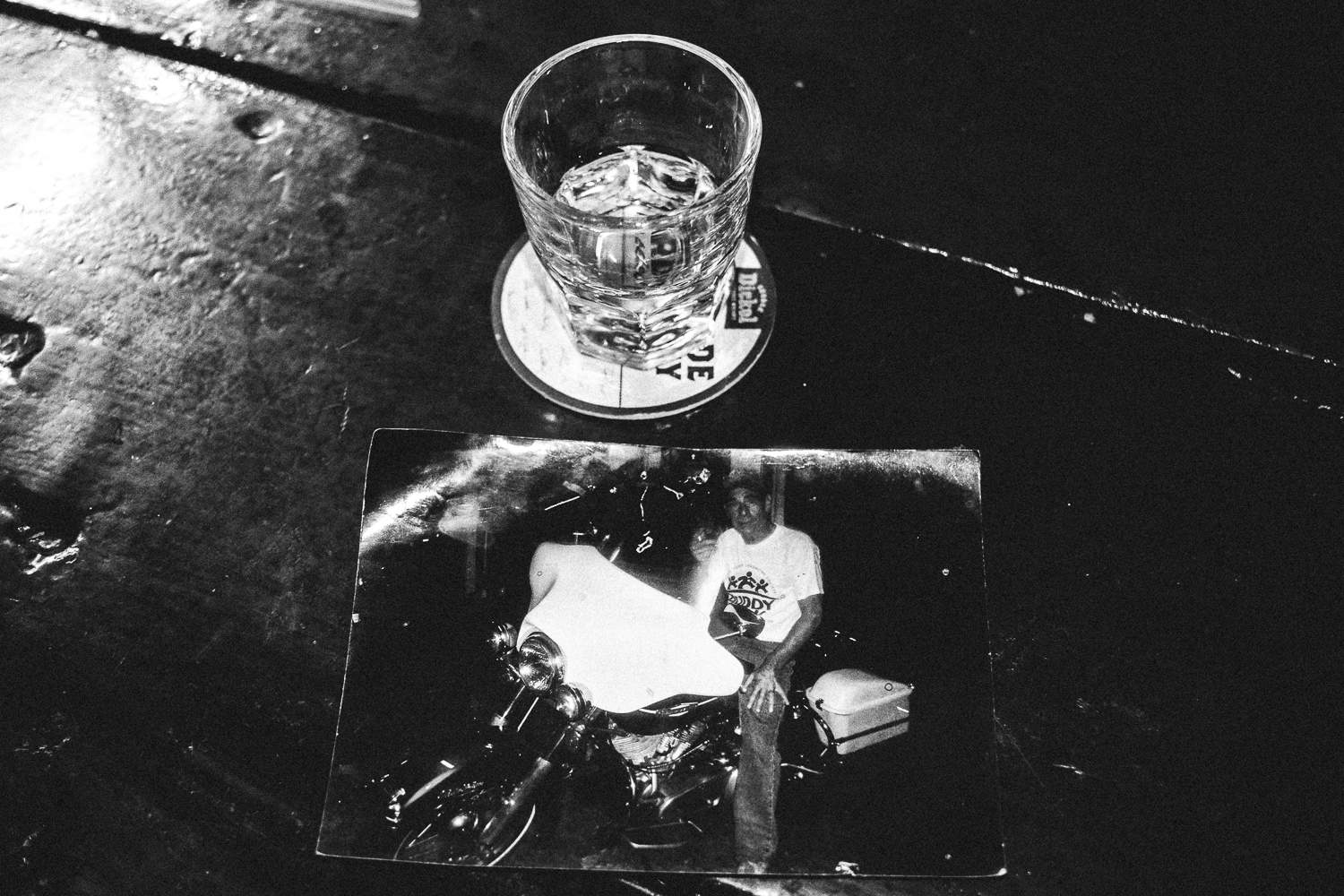
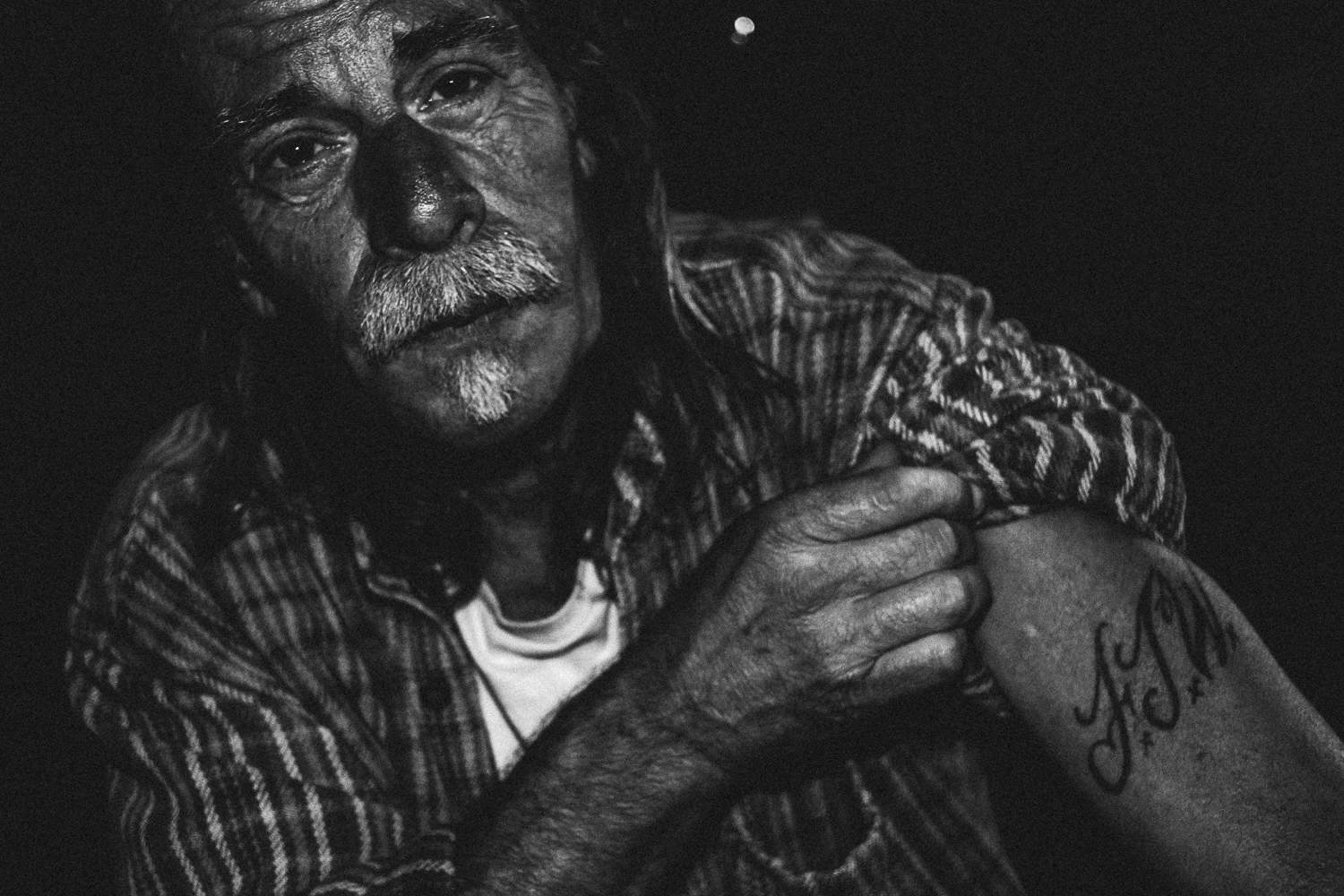
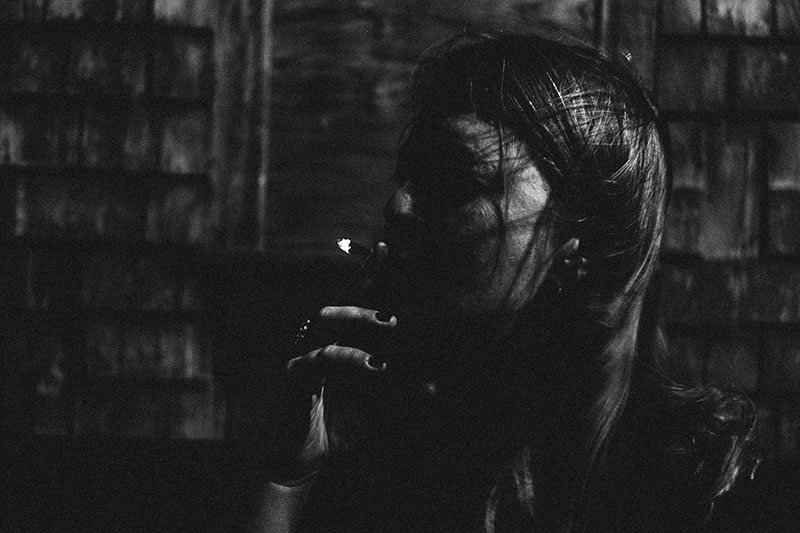
Our assignment no. 5 themed “Fear” came at an excellent timing. The Halloween period was ripe with opportunities on how to show our theme and it manifested well with the entries for this assignment. Excellent choice for an assignment from Assignment No. 4 winner, Florin Ghebosu.
I put a twist on how I present the selections for this assignment by identifying what type of fear is being shown or manifested on the images selected which may or may not be correct but hey my mistakes shouldn’t take away from the good images for this assignment. I think it would be fun so let’s check it out!


In Vietnam I recently learned a saying, “Cai kho lo cai khon†which means: from difficulty, emerges the wise. (Note I didn’t include diacritics).
Another saying in Vietnamese (can’t remember it) is “The resourceful man might go hungry, but won’t starve.â€
Even Steve Jobs said, “Stay hungry, stay foolish.â€


I recently picked up a copy of “Photographers’ Sketchbooks“, an excellent book written by Stephen McLaren (co-author of “Street Photography Nowâ€) and Bryan Formhals (founder of LPV magazine and the popular Tumblr: Photographs on the Brain).
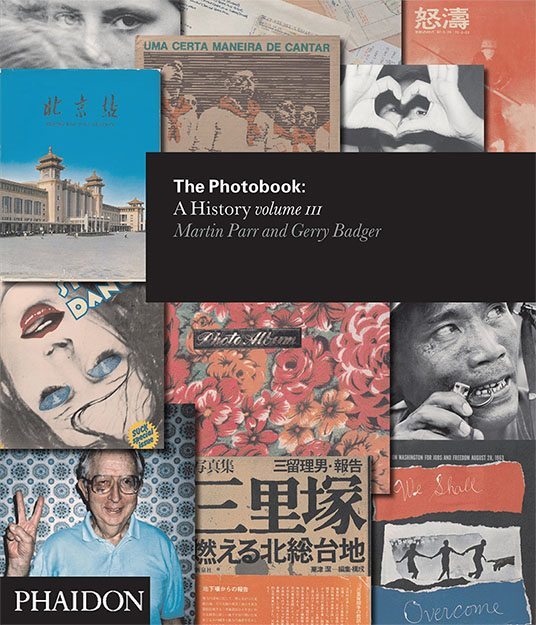
Alongside “The Photobook: A History Volume III†by Martin Parr and Gerry Badger it is the best resource for photobook making, the philosophies of editing and sequencing, the importance of collaboration, explaining the working methods of certain photographers, their philosophies, and advice and thoughts on publishing via the printed medium (and on social media).
It is a beautifully put-together book, with tons of great “behind-the-scenes†materials, via photocopies of the photographers’ actual “sketchbooksâ€, contact sheets, and personal notes. I highly recommend everyone to pick up the actual book — and use it as a great reference when putting together your own book or body of work.
I personally learned a lot from the book, and I wanted to share some of the personal lessons I’ve learned from ingesting this beautiful tome of information:

Check out this fun little interview I did with Ola Billmont in Stockholm. We talk about where he is with his street photography, his projects, and a little tour of his sweet apartment!
Related Links
Follow Ola


(A.g.’s notes: Out of the 4 Assignments we have finished over at Streettogs Academy group, Arnold Despi got into the Honorable Mentions list 3 times. He is a very active photographer always shooting and always looking for suggestions on how to improve from other folks. I decided to talk to him to get some feedback on how he keep things consistent, his style, and the things he enjoys most with street photography. I hope you all enjoy! Photos by Arnold Despi)


Here at the Photographer’s Gallery in London, I recently picked up “The Photobook: A History Volume III†by Martin Parr and Gerry Badger. I’d heard about the book before (the previous 2 volumes) but never had the chance to actually sit down, crack one open, and analyze it.

In Stockholm I had the chance to catch up with Damien Vignol, a street photographer who has traveled through Europe, Asia, and now is in Stockholm. See my past interview with Damien here, and read more to see his new photos from Japan:


The best camera in street photography is the most expensive one.
If I gave myself advice in street photography if I started all over again I would tell myself, “Eric, buy yourself the most expensive camera out there for street photography. You are a newbie and not very good at shooting street photography. You are nervous. You don’t know any technical settings. You are afraid. You aren’t inspired. You don’t have any good work. Buying a really expensive camera will make you great.â€


I always think about the meaning of life— and you can probably notice that this blog has become heavily philosophy-based the last few months. This is due to the fact that I have been thinking much more about living a purposeful life as a photographer. Not only that, but I have also had a few close encounters with death— which always prompts myself to ask why I shoot photography, and what kind of life I want to live.
I am teaching a two-day crash-course in street photography in Stockholm the next two days, and here is the presentation I am giving to my class. It is a collection of images from great Magnum and contemporary photographers (as well as some of my own work) in terms of capturing emotions on the streets, as well as how to interact with strangers. In each photograph, I ask each student: what makes the photograph memorable, great, and how does it capture emotion?
At the end of the presentation, I also share some of my contact sheets which I hope is a good educational behind-the-scenes look/tool.
Feel free to download, share, and distribute for any educational purposes.
See this presentation on Slideshare and see all of my street photography presentations.


(Originally written October 24th, 2014)
I am being a little over-dramatic— but I recently had a near-death experience.
It was another normal day. I was simply writing for my blog, drinking coffee, and just finished a workout. I was a bit hungry, so I went over to my kitchen, poured out a hand-few of cashew nuts, ate them in one huge chunk, and continued to work.
Suddenly, I felt around 40% of the left side of my throat swell up. It felt hard to breathe. This was the same exact feeling I had when I had my first anaphylaxis (throat swelling up) from having an allergic reaction of eating shellfish.


I recently was listening to a podcast interview with Tony Robbins (on the “Tim Ferris Showâ€) and was struck by something Tony said: progress is happiness.
As you guys are probably well-aware of, I think a lot about happiness and progress in life. I want to live a happy and fulfilling life. I don’t want to feel stagnant. I don’t want to feel that I am hitting roadblocks. I want to fulfill my creative potential, and live a life without regrets. I want to suck out the marrow of life.

(A.g.’s note: I asked some of the folks over at Streettogs Academy what part of their street photography they want to improve on. One of the many things that popped up was people are still shy going out to shoot or finding interesting places to shoot in. Hopefully this article gives you new ideas on where to shoot)
The best way to become good at something is if it becomes second nature. You have to constantly build habits and the right attitudes so you can turn something on and be in the zone when you need to. That principle applies to street photography.
If you are still uncomfortable venturing out in the streets, here are some places that can be a great venue to take street photographs without the fear of being hollered upon or confronted so you can concentrate on practicing and making images and not be wary of other things.


I recently read a quote that went something like this: “If everyone knew how much suffering there was in the world, and how much pain, anxiety, and sadness that their enemies had (and also knew how much love they had in their lives), the world would be a much better place.â€
Pretty much the concept was this: we are often suspicious, jealous, envious, and hateful of others. However if we realized that those we hated the most also went through pain and suffering in their lives, and also had joy, hope, and love in their lives— we would treat them with much more empathy, kindness, and love.


There isn’t a lot of things you can control in street photography. However these are the things you can control:


I currently wrote an article titled: “Advice for Aspiring Full-Time Photographers†which had a lot of interest. I have also been connecting a lot of young photographers lately (high school and college students)— and wanted to focus on doing more blogging which aimed at the younger photography population. Of course this doesn’t just have to be age— it can also be based on experience. So if you consider yourself as a young photographer (age-wise), experience-wise, or want some insights about the economics of being a full-time photographer, this article might be of some insight to you.


Tied into the previous chapter on how to live a happy life– I also encourage trying to live a purposeful life.
What is the difference between a happy life and a purposeful life?
I think simply a “happy†life is to be free of pain, to be overall joyful, and to be free of stress and concern of how others think of you.
However when it comes to a “purposeful†life– I think it is to live a life not for just yourself– but for others.
As a social creature, we often gain the most happiness by helping others. And I think one of the biggest secrets to a “happy†life – is to live a purposeful life. By living a purposeful life– we not only help build value, love, and help others – but we also benefit ourselves (we are “happy’ as a by-product.
Marcus Aurelius also shares the same ideology– know that you have a purpose in this world. And it isn’t to live for yourself– but to live and serve others:


For this chapter I want to focus on a section which I think is important for everyone in life: learning how to be happy, fulfilled, and content with your street photography (and your personal life).
Happiness is one of the most elusive things in the world– which we have always chased for millennia. However the problem is that we often go down the rabbit hole and follow the wrong things. We try to chase money, fame, power, wealth, prestige– all external forms of recognition to confer “happiness†unto ourselves.
However happiness is more than that– happiness is an inner-state, which can be controlled by you (not affected by external conditions).
How do we seek to gain more happiness, purpose, and contentment in our photography and lives? Let us seek the wisdom of Marcus Aurelius in “The Meditationsâ€:


I’ll admit it. I’m incredibly jealous. Whenever I see my close friends, other photographers, family, or anyone else doing “successful†things– I feel a tinge of jealousy. In the back of my head– I might think negative thoughts like, “That person didn’t deserve that recognition or success†– self-doubt myself “Why am I not as successful as that person?†and I start to sink into a hole of despair.


The recently concluded Assignment No. 4 yielded a lot of great and creative executions which you can view again here. Thanks again to everyone who joined and to Bertrand Domas who gave us that assignment. Moving on, it’s Editor’s choice Florin Ghebosu‘s turn to give us our assignment for the coming weeks! It is something very timely that fits on the spooks and spoils that occur during the end of October:


Recently I gave a short 2-hour presentation on street photography at one of the photography clubs at UC Berkeley. It was great being surrounded by students again– with all of the energy, enthusiasm, and passion that college kids have.
Some of the students asked me how I went from college to surviving off photography full-time as a living. I gave some of my personal experiences– and I had the realization: perhaps this was information that may be useful to other college students (who want to make photography their living), or anyone out there with a day-job who wants to make photography their living:


One of my biggest beliefs in life is in transparency. Whenever I learn something potentially useful or insightful– I don’t want to simply hoard the information to myself. Rather, I want to share it with as large of an audience as humanly possible.
I wanted to share how I teach my street photography workshops— and I hope this can be used as a blueprint for anyone out there who wants to teach their own street photography workshop. I believe what I am sharing here doesn’t only apply to street photography workshops– but any photography workshops (or teaching in general).
A lot of the philosophies I will share are based on personal experience, and also from the honors pedagogy course I took at UCLA (USIE: Undergraduate Student Initiated Education). I learned a lot from the USIE course at UCLA, where I taught a 1-unit seminar (we met once a week) for a quarter. I taught a course: “The Sociology of Facebook and Online Social Networks” where I made a blueprint for a course, gave assigned readings, assignments, and had once-a-week course discussions. I credit my mentor Kumiko Haas for all of my pedagogical training.

Take everything in this guide with a grain of salt. This is just my personal philosophy– and won’t work for everybody out there. But I think you might learn 1-2 things that you will find helpful in your own teaching (or learning).


There are so many distractions out there. We live in an age where it is almost impossible not to be distracted.
Our phones are constantly buzzing. We see thousands of advertisements a day that are vying for our attention. We are bombarded with emails from spammers, we are bombarded with notifications, we are bombarded by new technologies that promise to make our lives more “efficient” and “optimized.”
I read something online that the average office worker is interrupted every 20 minutes– and it takes an average of 20 minutes for a worker to re-focus on work.
Many of my friends who work in the corporate world complain of constantly being texted, IM’d, emailed, and sucked into meetings at work– which prevents them from getting any “real” work done. (As a side note– Paul Graham has an excellent essay on managers versus creative time schedules which I highly recommend).
I think focusing is easy– only if we have no distractions. But how do we escape distractions and focus on the work which is truly meaningful to us?


I’m sure that at one point in our lives as photographers shooting the streets, there was a time that we get asked to explain what street photography is. When I was starting out, I had no concrete idea what street photography is, let alone explaining to my family and friends. So here’s a simple list that could hopefully help you  in telling friends and family about our artform.


Assignment No. 4 has probably the most number of beautiful images I’ve seen in an assignment. There were plenty of great photographs that adhered to our theme of “Strong Light” as well some creative executions that still fits the theme well. I give my thanks to all of those who participated for this assignment and of course to Bertrand Domas for giving everyone in the group an amazing assignment. I sure hope many were able to learn and harness the creative possibilities of “Strong Light”.
Without further ado, here are some of the interpretations of Assignment No. 4 “Strong Light”


It was an absolutely incredible weekend teaching the Intermediate/Advanced Street Photography Workshop in San Francisco. We had folks come from all over: Seattle, Texas, Zurich, Tokyo, and all over the Bay Area in California. I am so proud of the friendships we made during the workshop– and the huge before/after improvement after the workshop.
Side note: If you’re free this Friday at 6pm — we are having a meetup in Berkeley, California at Artis Cafe. RSVP on the Facebook event.
Read more to see all the epic before/after student photos! Also check out all of my upcoming street photography workshops.


This is Part 2/2 of my chapter on How to Deal with Negative Criticism. Read Part 1 on How to Deal With Negative Criticism.


We all want to make a memorable street photograph. An image that burns inside our memory. An image that touches our heart and touches our soul. We want that image to be epic, energetic, edgy, and emotional. And of course, we want external validation for our image (via respect from other photographers, validation on social media, and possibly having our image be timeless).


For this chapter in my on-going “Letters from a Street Photographer†book, I wanted to write a topic that I am very familiar with– how to deal with negative criticism (and thrive and benefit from it).
For those of you who have followed me and my blog for a while– you will know that I have a fair amount of negative critics and negative criticism. Here are a list of things I have been critiqued (or criticized, hated for) – and a list of (sort of similar to real-life) comments I’ve gotten:


This is Chapter 1 on a series of blog posts I will do on the philosophy of Stoicism, and how I relate it to street photography. I draw upon the book: “On the Shortness of Life” from Seneca. The title of this series is inspired by “Letters from a Stoic” (also by Seneca).
I have recently been reading a lot of literature on “time management†and have discovered a new angle– “attention management.â€
The basic premise is this: time management is overrated. We have all the time in the world. However what we don’t have is attention.


I have been a long-time admirer of the philosophies of Zen Buddhism, Taoism, and Stoicism. In-fact, I have gained more insights about photography from these philosophies (than I have from any book on photographic theory).
I recently re-read a new english version of the “Tao Te Ching“– the classic manual on the art of living. It was a version written by Stephen Mitchell, and I like the flow and how it reads in English.
In my life and photography– I often feel a lot of anxiety, frustration, stress, and the need for external validation. However reading these Taoist philosophies have helped bring peace to my day-to-day life, and I hope these lessons I’ve learned can help you as well.
I am no expert in Taoism, Zen, or any of these philosophies– and I have a lot to learn. But I will share what helps me fall asleep at night– I try my best to follow these principles that I learned from the “Tao Te Ching“:


Life is short and limited. We only have so many days to live. We only have so many zeroes in our bank accounts.
We all want to live happy, productive lives. We want happiness in our photography. We want to creatively thrive, and live a life which we don’t have any regrets.
I have lots of temptations in my life. To earn more money, to buy more physical possessions, which creates a lot of distractions in my life. Â But what really matters in life?


All photos copyrighted by Mary Ellen Mark.
I remember when I first saw the work of Mary Ellen Mark, I was blown away. Her work had such a deep sense of love and empathy for her subjects. Not only that, but her compositions and framing was brilliant. I always noticed that around the edges of the frame– she always had great little details which made her photographs great.
Even though Mary Ellen Mark is more of a documentary photographer– her photos have a very strong “street” feel. She photographs people, and her images have emotion and soul. I feel that we can all learn a lot from her life’s work.


Hey Scandinavian (and European) streettogs– I am excited to share that I am hosting an intimate 2-day Introduction to Street Photography Workshop in Stockholm limited to 6 students (October 29-30th, 2014). I know it is a bit last-minute (and in the middle of the week), but I wanted to have a chance to host a workshop open to the public before I do another workshop for adopted children in Stockholm (that same weekend). I don’t know when the next time I’m going to be in Stockholm (or anywhere else in Scandinavia) — so don’t miss out ;)
If you are a bit timid in your street photography (and want to build up your courage), if you want to improve your compositions (or style or vision), or meet other passionate street photographers– this workshop is perfect for you. Don’t miss out on this experience to make new friends, have great food (and strong coffee), and of course hit the streets of Stockholm together.
If you want more information about the workshop, read more. If you can’t attend this workshop, make sure to check out all of my upcoming street photography workshops.


I’m not 100% sure how I stumbled upon the book: “Minutes to Midnight†by Trent Parke. But when I did— I was blown away by Trent Parke’s incredible story-telling, visuals, and vision. It inspired me to write my first article on him: 12 Lessons Trent Parke Has Taught Me About Street Photography.
Steidl has recently re-published “Minutes to Midnight†— and it has been a massive hit. It is hard to find copies that aren’t sold out, you can currently get some more pre-orders on Amazon.
For the Steidl re-print, there has been a slight change to some of the images, formatting, and printing (all in a positive way). I currently have my copy of “Minutes to Midnight†in my street photography library— and it is one of the most precious black and white books I own.
I wanted to write this article sharing my thoughts on the book, why I think it is a great body of work, and I hope you find this article useful.


All photographs included in this article are copyrighted by Dan Winters.
My good friend Bill Reeves recently bought me a copy of “Road to Seeing†by Dan Winters. I’ve always known Dan Winters as being a quite edgy portrait photographer– and had no idea that he was actually quite interested in street photography, and had quite deep philosophical views on photography.
When I first got the book, I was pretty astounded. It is a thick book (about four-fingers thick) and has amazing typography, binding, and the photos in the book look like small prints.
The other day, I devoured the book– it took me about 5 hours and I also jotted down some of my favorite quotes and ideas from Dan. Through this post- I want to share some of the lessons I’ve learned from Dan, while also giving an overview of the book.


I’m currently reading a book titled: “Happiness by Design: Change What You Do, Not How You Thinkâ€. In the book, the author defines happiness as being primarly composed of two things: pleasure and purpose. To find “optimal†happiness in life, the author encourages us to find a balance between pleasure and purpose in our life.
I have read dozens of books on the topic of happiness. When I studied sociology as an undergraduate I would ask myself questions such as: Why is it that the richest people in the world are often the most miserable people? How much money do you need to be really happy? Does more money bring you happiness? What things could I do (or change) in my everyday life to make me be more happy?


Press release for Fotoistanbul:
Welcome to a new era of the photography festival in Turkey. We are bridging the gap between east and west, classic and modern, master and student, making Istanbul the regional hub of the international photography scene for years to come with FotoIstanbul.


Richard Avedon isn’t a street photographer— nor did he consider himself one. However, he did shoot street photography in his life, in Italy, New York, Santa Monica, and more.
I was particularly drawn to Richard Avedon because I have a fascination with portraiture and the human face. Even for my personal street photography, I might consider it “street portraiture.â€
I have recently binged on everything I could about Avedon— and have gained a ton of inspiration from his photography, his love of life, and his personal philosophies. I hope you enjoy these lessons as much as I did.


A.g.’s Note: Here we have another guest post from Sven Kraeuter. He previously shared to us a story of his interesting encounter while shooting medium format film. He’s back sharing his experience during a workshop with Alex Webb and Rebecca Webb. Enjoy! Words and Photographs by Sven Kraeuter.
Sven: Stockholm, Sweden, early summer 2014. I’m in a meeting room named “Daido Moriyama” and getting a little tense. I’m about to present some prints on a table to somebody who’s name could be on the door plate as well. Perhaps there’s another room here named after Alex Webb, too?
When I read the e-mail that confirmed I would be going to participate in one of Fotografiska’s “Masters Of Photography” workshops with the legendary Magnum photographer I couldn’t quite believe it. Now I’m here with about fifteen other photographers who prepared thirty prints to present in order to get n overview of their bodies of work. Quite amazing sets so far, a talented group presenting a broad variety of different styles ranging from personal documentary over street photography to still life.
I’m next, having different sets ready: my portfolio as well as experiments that are spreading over the table side by side. When four prints get picked that are actually part of my portfolio edit I’m quite relieved already. When Alex and his creative partner and wife Rebecca have some kind words for my playfull approach in general and two prints in particular, I am stoked. I know that kindness and hospitality play a role – probably a major one – in these sweet sentences, but I decide: I am going to produce at least one more good image during this workshop.

I’ve had the photographic week of my life in Provincetown with Magnum last week. I wanted to use this opportunity to reflect on some of my thoughts and experiences– and I will try my best to be as candid as I can (pun intended).


You can see the original article I wrote on David Alan Harvey here.
I just finished a week-long workshop with David Alan Harvey as a part of the Provincetown Magnum Days event. I have already written an article on the lessons I’ve learned from David Alan Harvey– but wanted to use this opportunity to further expand on what I’ve learned from him, and also add some new things I’ve learned. Here I go!


Recently I had the great pleasure of being accepted as a scholarship student (under 30) for the Magnum workshop in Provincetown, Massachusetts with David Alan Harvey. Unfortunately David got stuck in Paris en route, so the first two days I spent with Costa Manos. And I’m glad I did, I learned so much from his decades of experience (he has been in Magnum for over 50 years).
So based on my two days with him, I wanted to distill some wisdom he shared during the workshop. Here I go:

The legend Bruce Davidson was in town for the Magnum Days in Provincetown, and did a slideshow of his best images and some of the great stories behind them.
If you want to learn more about Bruce, I recommend reading: 15 Lessons Bruce Davidson Can Teach You About Street Photography.

I met Kile Brewer at the Magnum workshop here in Provincetown. He is a 24-year old working photo-journalist, who attended the University of Missouri’s Journalism program. He was one of the under-30 scholarship winners, attending a workshop with Costa Manos, and also my roommate for the week here in Provincetown (we go on romantic walks in the morning). Check out my casual interview him (shot on the iPad) with him above, and follow him below:


Just got up my notes for David Alan Harvey’s Magnum Workshop. Check it out and the video presentations/critiques below!