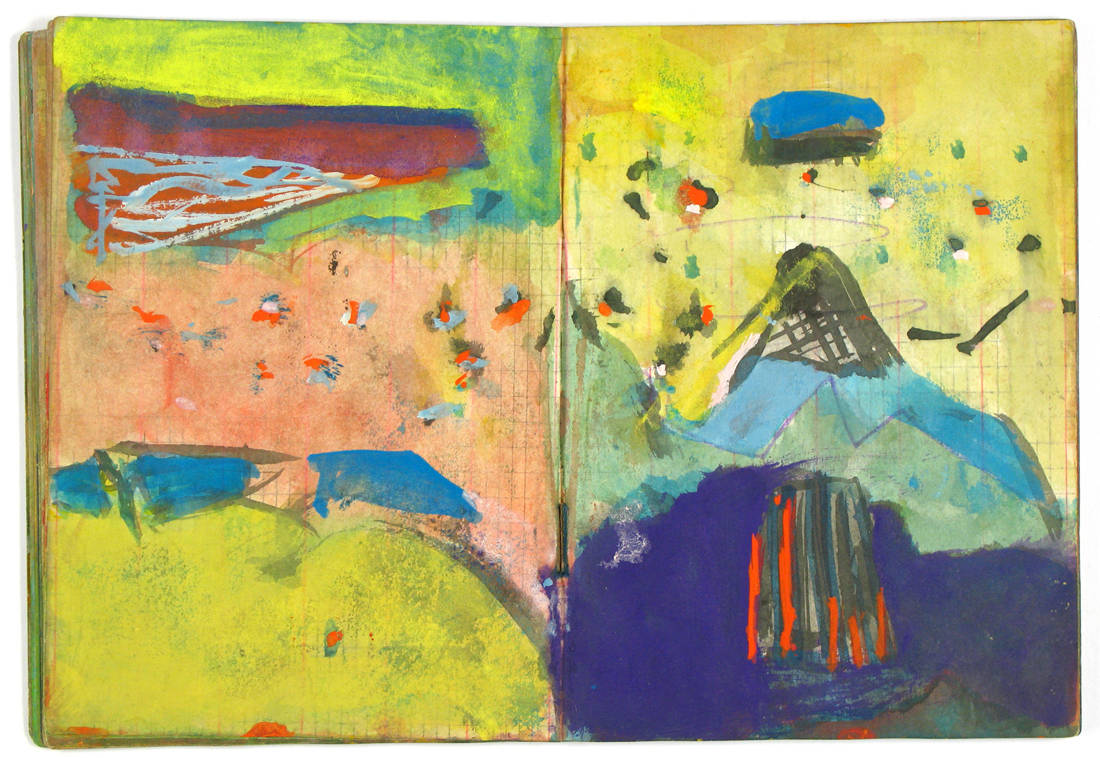
I am currently reading: “Akademie x Lessons in Art + Lifeâ€, which is probably one of the most inspirational art/life books I’ve picked up as of late. It is a beautifully printed and bound book, folding open like a school instructional manual.
I personally never went to art school. I entered college as a Biology major (to become a doctor like a good Asian kid), but upon going into school (and realizing I hated science and math), I switched to the exact opposite: sociology.
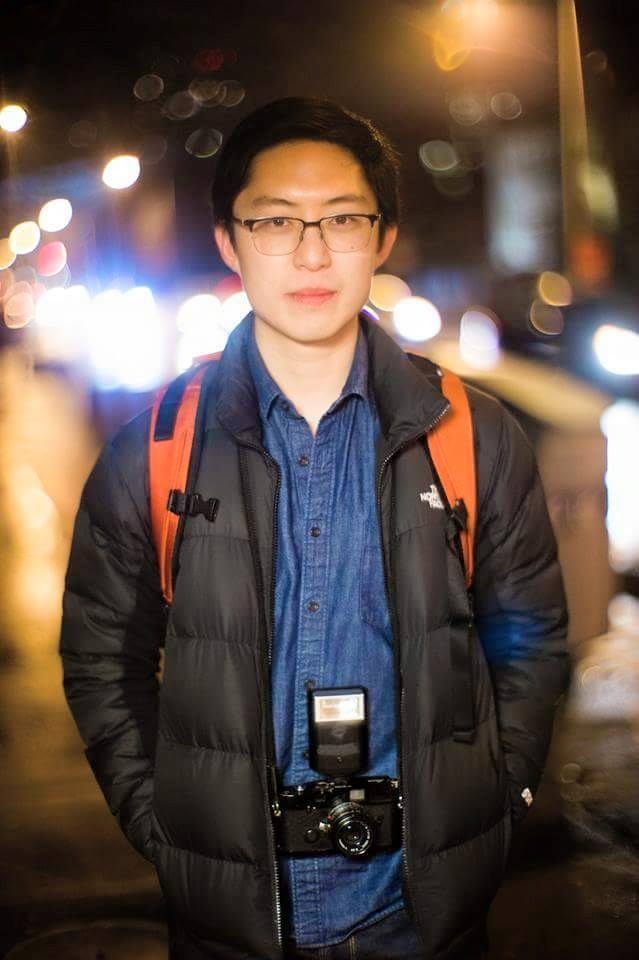
Epic bokeh photo of me by my buddy Tyler Hayward in Toronto.
Hey streetogs, after my 3-week trip in Chicago, Toronto, NYC, I am excited to finally be back home in Berkeley. It is wonderful to enjoy sleeping in my own bed, being back at home with Cindy, and the lovely weather of Berkeley. Unfortunately, I think I caught a mild cold while traveling, and will spend the next few days recuperating. Fortunately, caffeine and green tea has been my new friends (gonna take a break from the coffee for a while until I get better).
(Editor’s Note: Words and Photographs by Jared Krause)
I started shooting in June of 2009. I had causally been thinking about photography and decided to buy a camera. I started posting to a photo blog because I felt like photography was a good way to share my experiences with other people. Shooting street photos gave my photography purpose, a goal and a style to pursue rather than just taking random shots of anything. It was a edgy and new to me. I decided to start posting photos to my blog every day, and did so for over a year. In that period, I got very comfortable using my camera, and quite familiar with light, contrast, colour and the other elements involved in photography. Even though I wasn’t shooting street, I was learning.
I love music. I love listening to music when I’m writing (like I am doing now), I love listening to music when I’m driving, and I love having music play in the background when I’m with my friends.
I have a lot of favorite artists and I have found one thing that separates the “successful†artists and from the “unsuccessful†artists: the “successful†artists continue to produce work (and don’t die off).
(Editor’s Note: Interview by Eric Kim. Photographs by Nick Gervin.)
Eric: Hey Nick great to have you. Can you start off by telling us a (brief) life story and how you first picked up a camera?
Nick:Â Thanks for having me, Eric. I first picked up a camera in 1992 at the age of twelve. I wanted to document the graffiti art I was discovering in and around Portland, Maine. At that time, the city was in poor shape and it had a lot of derelict buildings that I would skip school to explore.
I really had no clue what I was doing when it came to photography; I was more of a point-and-shooter then. Still, I felt that the documentation was important and, later on, it would prove to be. Like all things in life, the graffiti didn’t last forever and the photographs I had made then helped document a subculture. I continued to point-and-shoot over the years, mostly with disposable cameras.
In my street photography workshops, I often give the students a “5 yes/5 no†assignment. The concept is simple: you approach a bunch of strangers and ask permission to take their portrait. You intentionally try to get 5 people to say “yesâ€, and 5 people to say “no.â€
Sometimes students struggle to get all 5 people to say “yesâ€, and sometimes students have no problem.
So what are some good strategies to quickly develop a rapport with strangers, and have strangers to say “yes†to having their picture taken?
One thing to remind myself: street photography is supposed to be fun. If you’re not having fun, why are you doing it?
We all have the stresses of everyday life that we have to deal with. We have to deal with stressful commutes, unreasonable bosses, difficulties at home, drama with friends and family, and financial stresses and worries.
Street photography is supposed to be the exact opposite of that.
Street photography is therapy for the mind, soul, and body. Street photography is a chance to (momentarily) escape all the bullshit of everyday life. Street photography is the chance to empty our minds, and to simply stray the streets without a single oppressive thought in our mind.
Street photography is the chance to wander, to explore, and to feel like a child again.
Street photography is the chance to meet interesting strangers on the streets, to enjoy nice and fun conversations, and to meet other like-minded passionate people.
Street photography is having the thrill of the “huntâ€â€” of trying to find an interesting image (in an area that might be boring).
Whenever street photography becomes like a chore or stressful for you, take a break. You’re doing something wrong.
You shouldn’t treat street photography like a job. Treat it like leisure. Treat street photography as an activity that brings you supreme happiness and joy in your life. Treat street photography as an outlet which makes you feel truly alive.
Don’t compare yourself to other street photographers. After all, their life circumstances are different from yours. Perhaps they don’t have a family and have much more free time to shoot than you. Perhaps they live in a more “interesting†city than you do. Perhaps they are better connected, and therefore are more “famous†than you.
Strive to become the best street photographer you can, and enjoy the journey and the process.
Be like a kid again— have fun like a child in the playground for the first time.
One of the most interesting ideas that I’ve got from Nassim Taleb’s book “Antifragile†is his concept of “via negativaâ€. The concept is this: when describing something, negative descriptions often work best.
What is a negative description?
Well, describing what something isn’t can better define something.
From here on out, Photography Quick Links will now be known as Street Photography Quick Links. Just like from last month, a compilation of interesting news, write-ups, videos, and other things about street photography and other related genres that I have personally consumed. Since it is international women’s month last March, there’s a special section on the work of great female photographers!
Hey streettogs, I just uploaded some slides for a free talk I did for Chase Toronto the other day on tips, techniques, and tricks to conquer your fear of shooting street photography.
You can also download the slides for free here. Enjoy! :)
So after a long trip in Stockholm, Dubai, and London I wanted to share some of my experiences shooting medium-format (Hasselblad 501c + 80mm lens and Mamiya 7 + 80mm lens) for street photography (and traveling in general).
To start off, I have been really fascinated with shooting square-format photographs recently. To be honest, my first real fascination with shooting squares was from Instagram (and of course photographers like Lee Friedlander and Vivian Maier).
So I first started shooting a lot of squares on my smartphone (squares in-camera, post-processing in VSCO, and uploading to Instagram and social media). Then I realized I had a Hasselblad that my friend Jeroen Helmink gave me about 2 years ago (which was collecting dust on my shelf) that I wanted to try out. Dutifully while living in Berkeley, I carried around my (quite heavy) Hasselblad while on my daily chores and just exploring the neighborhood.
I just re-read an excellent book titled: “The Art of Learning†by Josh Waitzkin. If you’ve ever watched the film “Searching for Bobby Fischer†(the movie about the kid chess prodigy)— that movie was based on Josh Waitzkin’s life.
“The Art of Learning†is a rare book in the sense that he became world champion not only in chess, but also later in competitive Tai Chi “push handsâ€. In the book, Josh breaks down how he was able to learn at an incredible pace, how he was able to push his own creative boundaries, and how he achieved excellence at a master-level.
For this article I want to break down some lessons that I’ve personally learned— which can help you in your street photography or life in general. Let’s go:
The other night here in Chicago, I woke up in the middle of the night. I was tossing and turning (put on the heater too hot at night).
In a state of being half-asleep, I started to have all of these random ideas for blog posts. One of them was: “measure your life as a photographer in decades, not years.â€
I recently got 164 rolls of Kodak Portra 400 developed after a year of shooting (and not looking at any of the images). I would have to say— I was so impatient towards the end. I wanted to see my images, and I started to get frustrated. There have been many times when I’m frustrated waiting for my film to get developed that I think of just switching all of my work to digital— to get that sweet, blissful instant gratification.
This is a guest post by Josh White, a street photographer based in Seoul, Korea.
Josh: Yesterday (and sort of the day before) I took part in the 24 Hour Project. For those of you that don’t know, it is a street photography initiative that involves photographers worldwide.
Basically, how it works, is you take one photo per hour for 24 hours in your given city (cities in my case). So, from 00:00 on Saturday, March 21st, until 11:59 I was to stay awake and take and post one photo per hour. By the time 00:00 rolled around I felt more like #fml than #24hourproject.
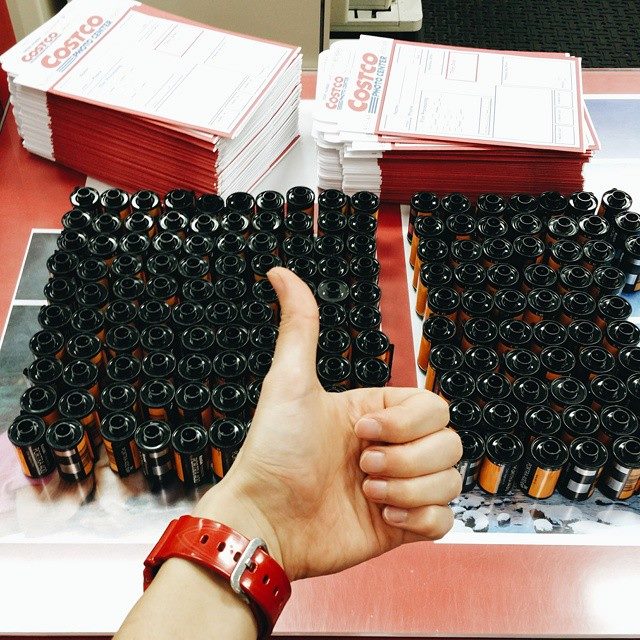
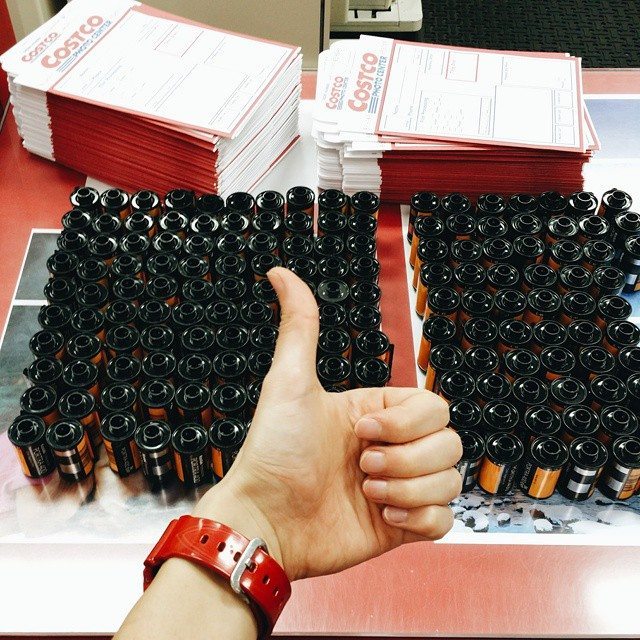
I recently stopped into the Costco in Mountain View, California with 164 rolls of Kodak Portra 400. You should’ve seen the look of the staff— it was a look of confusion, awe, and amazement.
They were surprised that all that film I brought in was all shot by me. They were also partly worried that they would have to process all of it. I reassured them by telling them to take their time— I wasn’t in a rush. After all, I had been sitting on my film and letting them “marinate†for nearly a full year.
And so the cycle continues for Streettogs Academy! Our assignment this time round is deceptively simple. This assignment would actually go down as the assignment with the most interaction (so far). Many comments were shared and there were a number of photos that got the attention of many members of the group. If you look closely, the photos that got selected and got the most interest are the ones that had the simple basic requirement of a good image: A strong visual hook. So let’s see all of them.
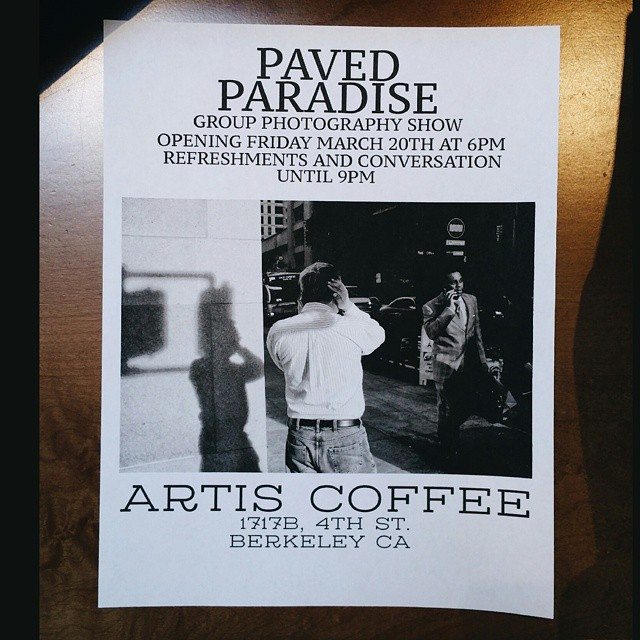
Hey streettogs, I am excited to share that my friend Walter Margerison and IÂ are curating a group street photography show at ArtÃs Coffee in Berkeley, comprised of 24 Bay-Area based street photographers.
The exhibition is this Friday, March 20, from 6-9pm. Free alcoholic beverages will be served, and this will be a great chance to meet other street photographers from the area! Don’t miss out, hope to see you there, and bring a friend (or two!)
Artis Coffee Address: (Google Map)
1717B 4th St
Berkeley, CA 94710
Copyright Rene Burri / Magnum Photos. BRAZIL. Sao Paulo. 1960.
On October, 2014 Rene Burri passed away, at age 81. He had an incredible career of photography behind him, and produced many iconic images, which include those of Che, Picasso, and many other street photographs which perfectly combined geometry, story, and form.
About a year ago I got a copy of his color street photography, which was published in “Impossible Reminiscencesâ€â€” and was deeply moved by his color work. I feel that his photographs have an emotional and cultural sensitivity to them. Rene’s work feels like a more empathetic Henri Cartier-Bresson.
I therefore felt inspired to write an article on Rene Burri. Unfortunately there isn’t too many interviews he has conducted, but based on what I could find online— here are some lessons I have learned from him:
I was stunned to hear that photographer Caio Proença recently translated my free e-book: “Street Photography 101: An Introduction to Street Photography” into Portuguese (free download here)! Caio writes a bit about why he decided to translate it:
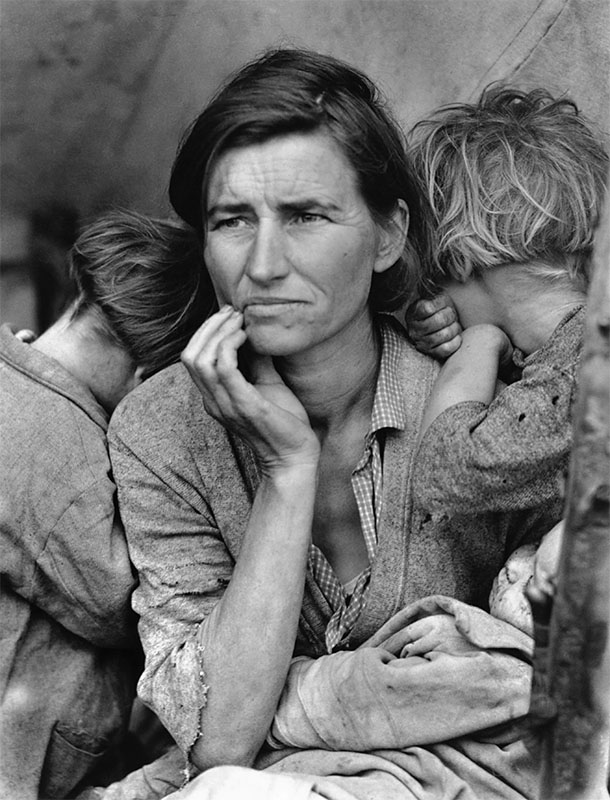
I have always known Dorothea Lange’s work documenting the Great Depression (and her famous “Migrant Mother†photograph), but didn’t know much about her life and philosophy. In this article I will share some of the lessons that Dorothea Lange has taught me about photography, and how you can apply that philosophy to your own work:
(A.g.’s note: Photography Quick Links is a new initiative I want to do here on the blog. These are links I have personally read and sifted through. This is by no means a definitive guide but for those news stories or news articles regarding photography [but will try to concentrate it to street of course] that you may have missed or I think you should definitely see to help you in your shooting and understanding of the medium. I am still thinking of a permanent title for this one [will double check with Eric] Cheers and happy reading!)
For those that love evocative black and white, you might like his work. There is quite a passion and energy as he constantly updates with new work via his tumblr. Worth to check out and get lost in
The follow up to Patrick Tsai’s photo diary, Talking Barnacles. Tsai continues the exploration of the non-fiction ongoing photo essay complete with vignettes from his day to day life being spent on an island somewhere in Japan. I’m working on an extensive write-up on his two works. I hope I get the chance to give it the justice it deserves.
Here we go with another assignment over at streettogs academy. Cheers to Harry Fodor for bagging the editor’s choice for Assignment no. 8.
In his email to me, he gave a pretty nice explanation/rationale on why he chose his theme. He made a good observation of what the group is doing and I think it is a great way to continuously challenge ourselves.
In Harry’s words:
Well, what’s my idea for the next assignment?
Hmm, last assignments themes were all about interactions, interactions between people (7th “Opposites”, 3rd “Foreigners” ) or interactions between people and the environment (last one, 6th “Directions”, 4th “Strong Light”) or themes about emotions (5th “Fear”, 2nd “Friendship”). Only the first one (“Square”) was about “technical” aspects – so, why not doing something like a “rhetorical loop“ and going back to the beginning?
I want to write this article on a photographer, blogger, and overall cool guy — Blake Andrews.
I first saw Blake’s work on the In-Public website, and was amazed by his surrealistic street photography— and his sharp eyes for shapes, forms, and visual elements.
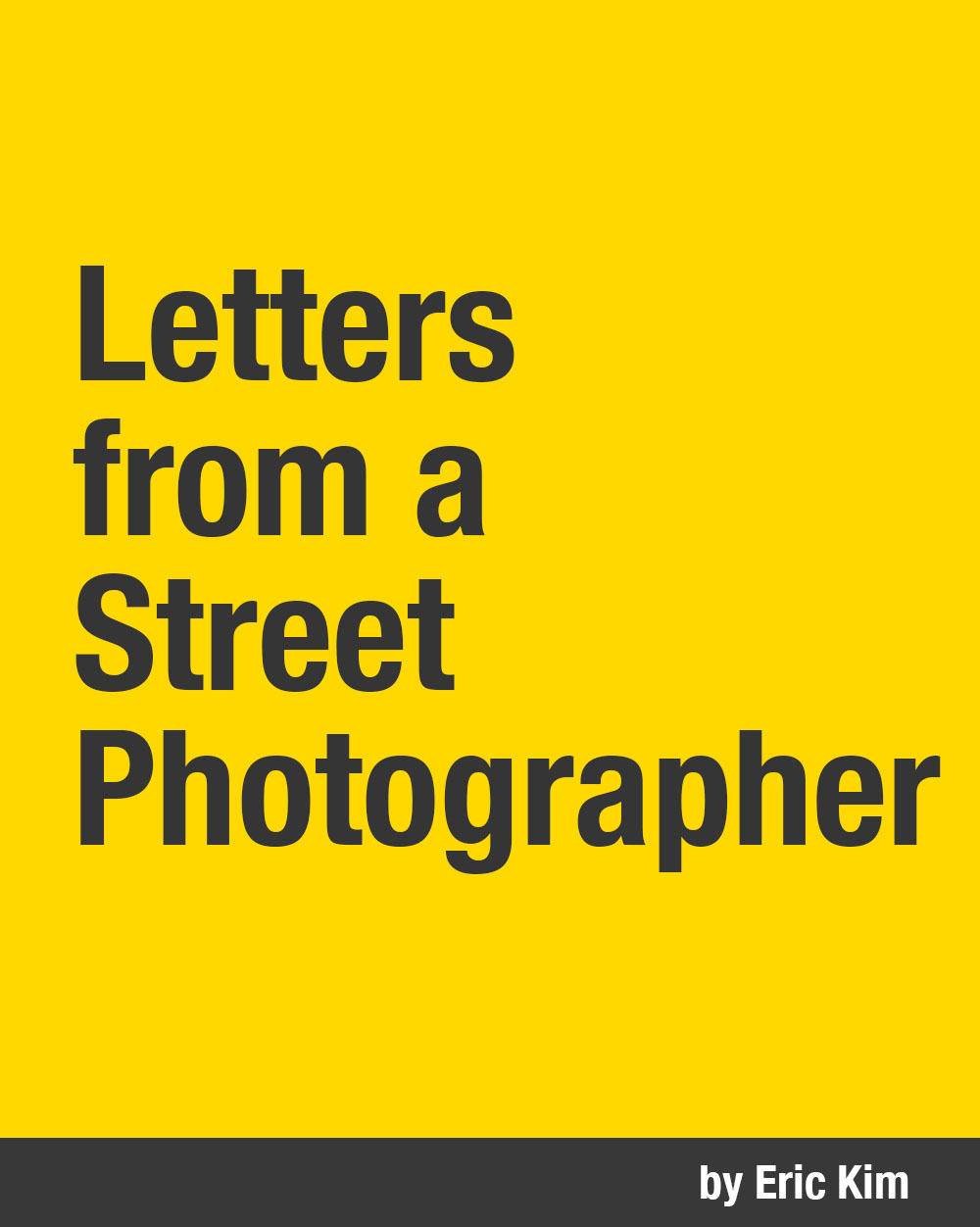
I am excited to announce that I finally put together my free ebook: “Letters from a Street Photographer“. This book is much more philosophical in nature– and combines the philosophy of stoicism and street photography. If you seek more purpose, happiness, and meaning in your photography, this book is for you.
Here is a breakdown of the chapters:
Chapter 1: How to shoot and live without regrets
Chapter 2: How to deal with negative critics
Chapter 3: How to focus on your life’s work
Chapter 4: Fuck fame
Chapter 5: How to be happy
Chapter 6: How to live a purposeful life
Free Download:
This book is “open source” — meaning it is free to download, share, and remix. I hope you enjoy this fruit of my love:
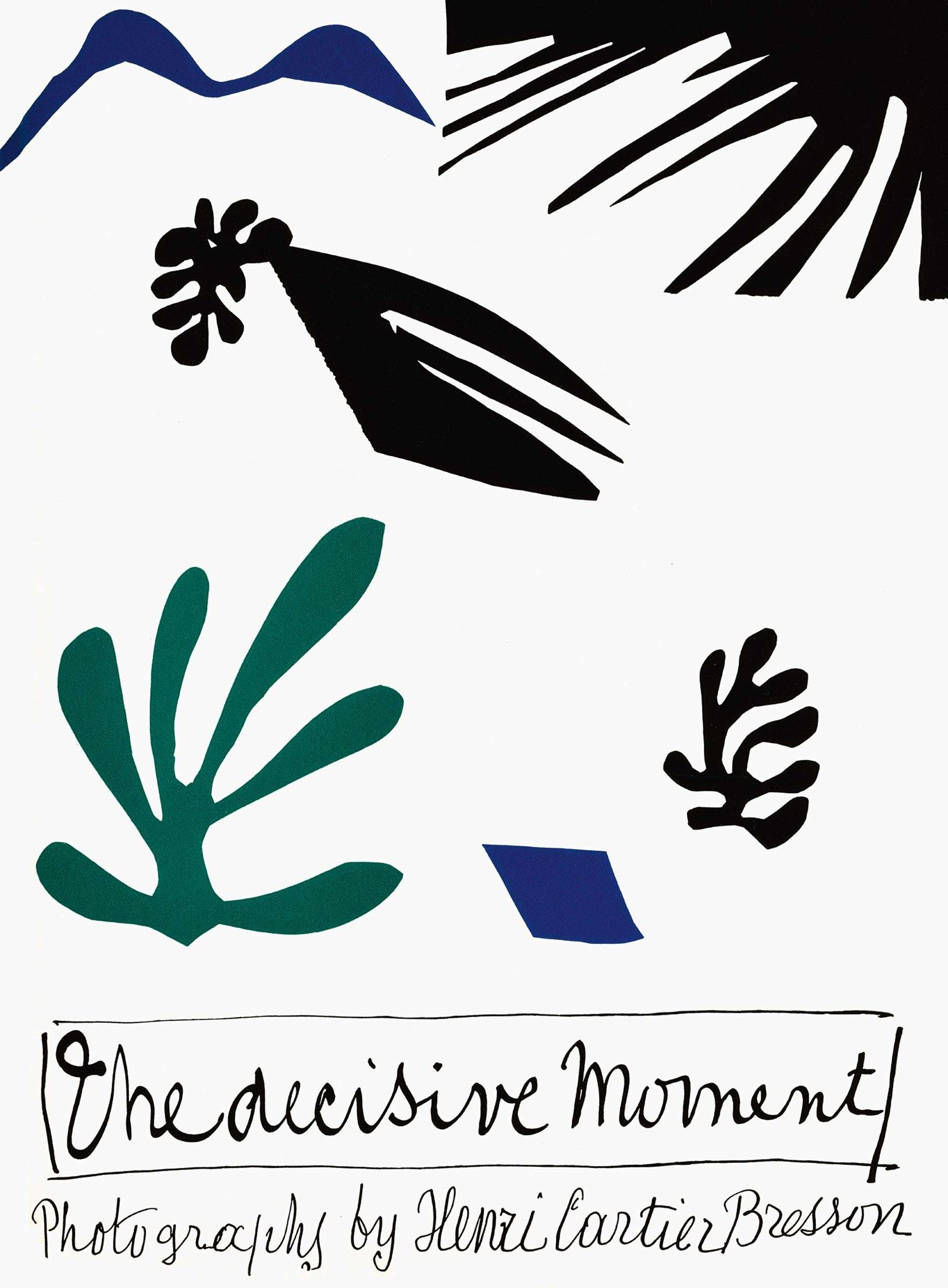
Wow— where do I even begin? I would say that “The Decisive Moment†by Cartier-Bresson is one of the most beautiful photo books I have ever handled— and it is a book that brings me extreme joy and happiness (you can see all the photos from the book for free on the MagnumPhotos website here).
Sure I have seen many of these photos by Cartier-Bresson before, but to see them in a physical manifestation is a different experience. Not only that, but the original version of “The Decisive Moment†was nearly impossible to get (second-hand copies before the reprint were around $1000+). However now with this re-print by Steidl, “The Decisive Moment†is now open to everybody.
All systems go as our Space assignment wraps up! Thank you again to Kirk Lothian for the interesting idea and letting me play with Space and Star Trek Puns like nothing else! Let’s lift off and head on to the actual entries everyone in the streettogs academy group sent in.
I’ve just put together this list of street photography aphorisms, heuristics, and sayings. This is a distillation of all of my current thoughts and philosophies on street photography. Many of these sayings and ideas are heavily borrowed from others, and none of these ideas are original.
Don’t take everything in this list as “truth”. Rather, take everything with a grain of salt. Take the sayings which resonate with you, and discard the rest.
Update: I re-edited this book with new images and design / April, 2016
Hey streettogs, I am excited to announce that I’ve finally published my free e-book: “Street Photography 101“. If you’re new to street photography, want to learn the fundamentals, or refresh your existing knowledge– check it out. As always, this book is “open source” — meaning you can freely edit, remix, and distribute this information as you would like.
Below is an overview of some of the chapters I will cover:
Chapter 1: What is street photography?
Chapter 2: Why street photography?
Chapter 3: What to look for when you’re shooting street photography
Chapter 4: How to overcome your fear of shooting street photography
Chapter 5: Lessons I’ve learned from the masters of street photography
Chapter 6: Street photography equipment, technical settings, technique
There is no doubt that we are in an age where information on the web is fast and oftentimes free but despite that, we can’t discount the value of books. This tangible medium has helped teach men and women for centuries as it was and is one of the best way to pass information and/or stories. We are in a great era since we are seeing a great number of photo books come out year after year after for the past decade from self published ones, to reprints, and experimental approaches. Having a photo book from a photographer you look up to or a photographer whose work you admire is a treasured material. Based on my experiences, here are some ways you can build your photo book collection:
My friend Todd Hatakeyama recently gave me a superbly refreshing book titled: “The 5 Elements of Effective Thinkingâ€. It is a basic primer on how to think more effectively when solving problems– and can help students, teachers, and anyone trying to learn or improve their skills.
Like always, I took away a lot from the book– and thought about the principles and how we could apply them to street photography. Here are some of the ideas I learned from the book:
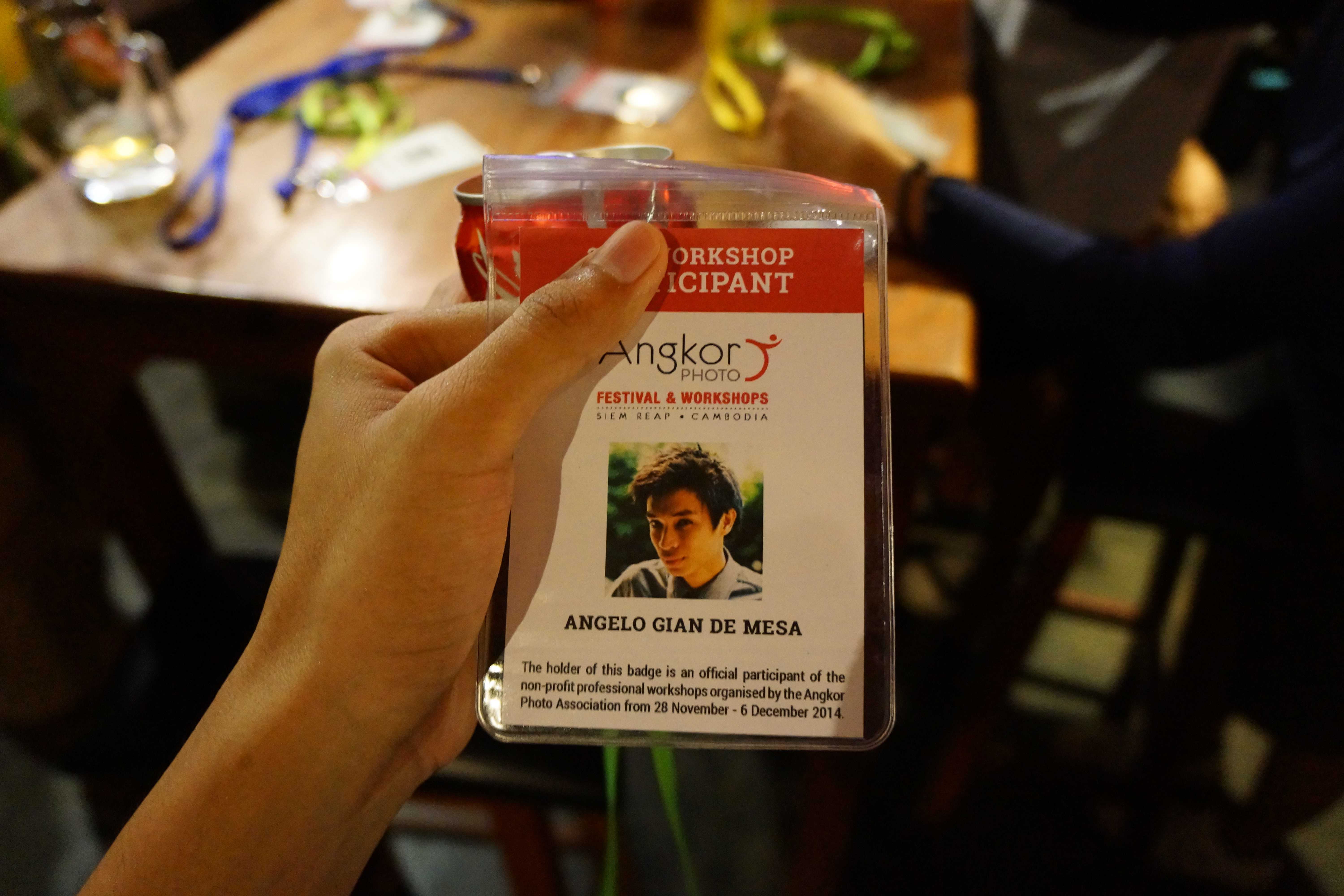
The following are the notes I have jotted down during the Angkor Photo Festival last Nov. 28-Dec. 6, 2014. I have organized my thoughts and the lessons so that it would be easy to comprehend for others.
The notes I have is most likely different from the other participants since we had different experiences based on the mentors we had, the skills we wanted to develop, and things we encountered while photographing. These notes are not a substitute for the entire experience during the workshop. I’m sharing it here since you may be in the same situation that I am in or perhaps see something different with regard to the work you are doing. I also share in Eric’s philosophy that information should be open.
With that said, I will say that the time, effort, and everything I put in working through the workshop/festival, meeting other photographers, and just overall looking and doing work made me mature and more confident about what I do. All thanks to the festival organizers, my mentors Kosuke Okahara and Ian Teh, the photographers I met who gave me tips and a few pints of beer, and my batch mates who as I type are already making great leaps in their photography.
Other notes: All in brackets [ ] are my personal opinions and notes on the things that were said or what I think is related to the lesson.)
For more info on the Angkor Photo Festival and workshops, click here.
Dear streettogs, I am really excited to share that I have (another) free e-book for you guys (because I love you) titled: “The Street Photography Project Manual”
The concept behind the e-book was this: I wanted to put together all the information I knew regarding coming up with ideas with street photography projects, how to shoot it, how to edit and sequence it, and how to publish it. Here is a quick overview of the chapters in this e-book:
Chapter 1: Why pursue a street photography project?
Chapter 2: What makes a great photography project?
Chapter 3: How to come up with a street photography project idea?
Chapter 4: How to stay motivated when pursuing your photography project
Chapter 5: How to edit/sequence your photography project
Chapter 6: How to publish your photography project
Chapter 7: Conclusion
Free download:
This book is “open source” meaning you are free to distribute, edit, change, remix, or share this with your friends (freely and openly). Enjoy:
Hey streettogs, I just finished writing a little mini e-book titled: “The Social Media Blackbook for Photographers“. I have been thinking about distilling a lot of my thoughts on social media and photography– and I hope this can be a helpful resource to you. A lot of the thoughts in the book is just my personal take on social media and how it can benefit you as a photographer. Here is a brief overview of the contents of the book:
Chapter 1: Why social media?
Chapter 2: What is social media?
Chapter 3: The importance of creating value in social media
Chapter 4: How to gain more followers
Chapter 5: The importance of engagement in social media
Chapter 6: Common mistakes in social media
Chapter 7: Social media strategies, tips, techniques
Chapter 8: Conclusion
This e-book is open-source (share, distribute, re-mix, translate, or do whatever you want with it). You can download it for free below:
Today I turn 27 years old, thank you for all the kind birthday wishes!
I am currently in LA for the weekend, visiting some close friends and family for a quick birthday dinner, then heading back home to Berkeley early Sunday.
I am generally not the person to reflect very much. I kind of like to live life in the present moment— and don’t think too much about the past or the future. But I have found starts of the new years as well as birthdays are a great time to do some personal reflection.
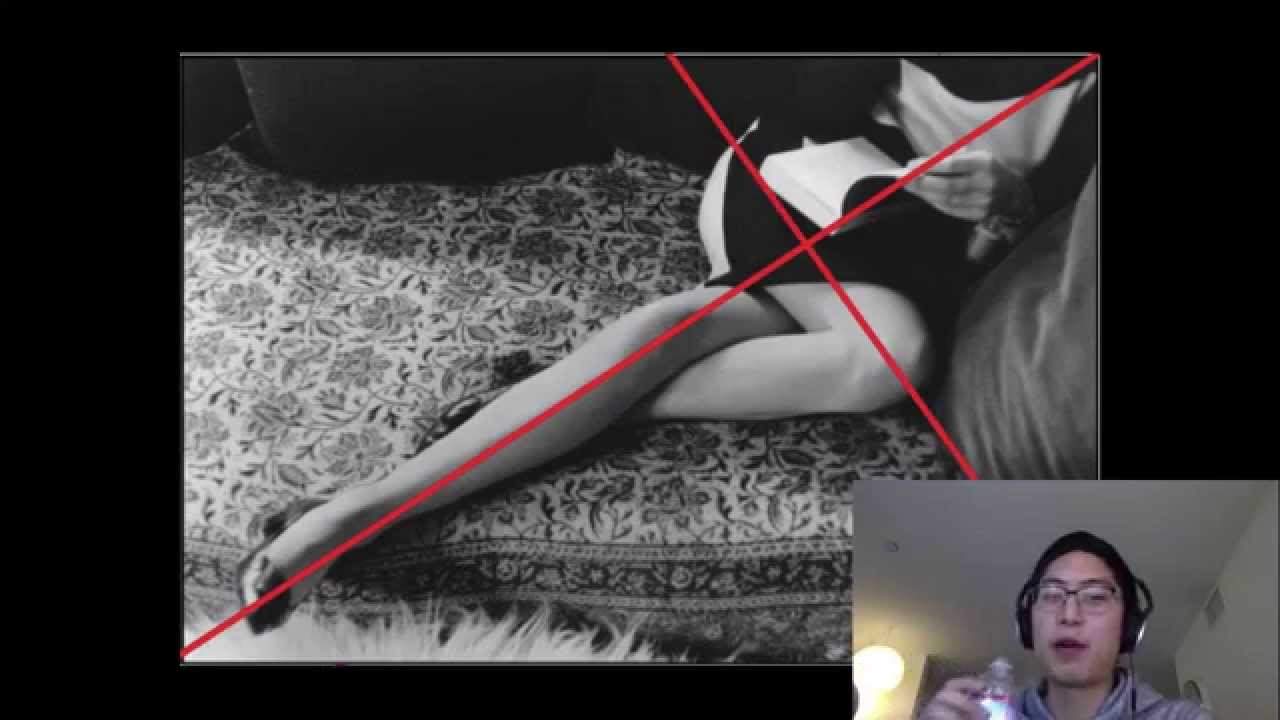
In this video presentation I share compositional techniques to make better street photographs (diagonals, figure-to-ground, curves, leading lines, framing). You can see all the slides for this presentation here.
Articles on Street Photography Composition
If you want to learn how to improve your compositions in street photography, enjoy these articles:
As a part of my on-going “Ask Eric Kim” series– here is a question I have from Darren Hoyland from my Facebook fan page:
Darren Hoyland: How [do you]Â keep yourself motivated whilst out on the streets when you have that deja view moment of been here done that?
Hey Darren, I face this a lot: when I’m shooting on the streets and I don’t feel motivated and I feel like I’m just repeating myself. Here are some tips I recommend in terms of staying inspired with your street photography and to stay motivated:
I am a big fan and believer of “heuristics” (or rules of thumb). I was first introduced to the idea of “heuristics” from Nassim Taleb (in his book “Antifragile“) and later more from Gerd Gigerenzer (a German psychologist who wrote the excellent book: “Gut Feelings: The Intelligence of the Unconscious“). Below is a list of heuristics (ad random thoughts on photography) I personally believe and try to follow:
Don’t buy a photography book unless you plan on reading it more than once.
Don’t buy a photography book with the intention of selling it into the future.
When in doubt, ditch.
A photo is either a “hell yes” or no.
It is better to travel to fewer places (than seeing a lot of places, but less time in each spot)
Always have a backup when traveling and taking photos (camera, lens, battery, memory card, film)
Better to bring more film (than less)
A week in a foreign city is a sweet spot to getting to know the city
The bigger your camera, the less likely you are to carry it with you on a daily basis, and therefore you are less likely to shoot daily, and will end up shooting less
Try to take at least 1 photo a day
When in doubt of a photo, don’t upload it
Work on series, not individual images
Lots of likes and favorites doesn’t necessarily mean the photo is good
It is better to be deeply influenced by a few photographers (and know their work really well), than being a little bit influenced by a lot of other photographers
Changing a bad color into black and white won’t make it a better photo
Adding clarity, sharpness, vignette won’t make a bad photo better
Post process a photo until it looks about 80% good and stop, or else you run the risk of over processing
The less time I spend on social media the happier and more focused and productive I am
Don’t compete against others, compete against myself
Spending time with photographers obsessed with gear will make me want to buy more gear
The more time I spend on gear review sites, the more gear I want to buy (that I don’t need)
Whenever I am feeling uninspired by my photography or dissatisfied with my work, I want to buy a new camera (thinking it will make me more creative, and spark more inspiration)
I only need 2 pairs of clothes while traveling (one pair I’m wearing, and the other in the bag). Wash each pair in the shower with shampoo every night and hang dry.
While traveling don’t wear cotton (stick to athletic quick dry material)
The most successful photographers are often the least satisfied
The more people who say they hate your work (or call your work overrated), the more successful you are.
People with a large followed by following ratio (on Twitter) aren’t spammers
The more hash tags a photographer uses on social media, the more hungry for attention they are
The best photography I can do is in my own backyard (I better than anyone else, and it is usually more unique)
Shooting film helps the editing process (I unintentionally let my film marinate for a long time because I’m either busy or lazy, and therefore when I get my film finally processed and scanned, I’m no longer emotionally attached to my photos and can “kill my babies”)
If I spend too much time trying to make my digital photos look like my film photos, just shoot film
I’m happy if I can make one meaningful street photo a month
The more a photographer gossips about others, the more insecure they are about their own work
You are the average of the 5 closest photographers to you.
Photographers who criticize the equipment of others are often just jealous and want that equipment
A viewer will respect or value a photo more if you tell them you shot it on film (unfair, but true)
To get an honest critique, tell people to be “brutally honest” and help “kill your babies”
Don’t defend my photos during a critique. Keep my mouth shut, nod, and take notes
Always be ready to share my portfolio with someone else (via my smartphone or iPad)
While traveling I generally shoot 1 roll of film every 2-3 days
When booking accommodation, the most important thing is location, location, location
When traveling in a foreign country and trying out a new meal at a restaurant or a coffee, ask the waiter (or barista) what they ate or drank today (as a good guide to make your own decision)
The more tourists in an area, generally the less interesting it is to photograph
If possible, always fly direct. If the cost of a direct flight isn’t 25% more expensive than the cheaper option, go for it.
It never hurts to ask for permission when taking a photo of a stranger
Best way to overcome jetlag : fast for at least 18 hours before arriving at my target destination
Creepiness is proportional to focal length
If I want to overcome jetlag, drink as much coffee as I want until it is time to sleep at around 10pm my destination time
When on an international flight, switch my watch to the target destination, and try to stay awake (and sleep) accordingly
If I’m jetlagged and it’s past midnight in a foreign country, take melatonin.
When in doubt, smile at a stranger and say ‘hello’
The most interesting thing to photograph is your own life.
Have a double-shot of espresso whenever I feel uninspired (always does the trick).
What are some other rules of thumb or heuristics that you personally believe in and follow? Share your tips and thoughts in the comments below!
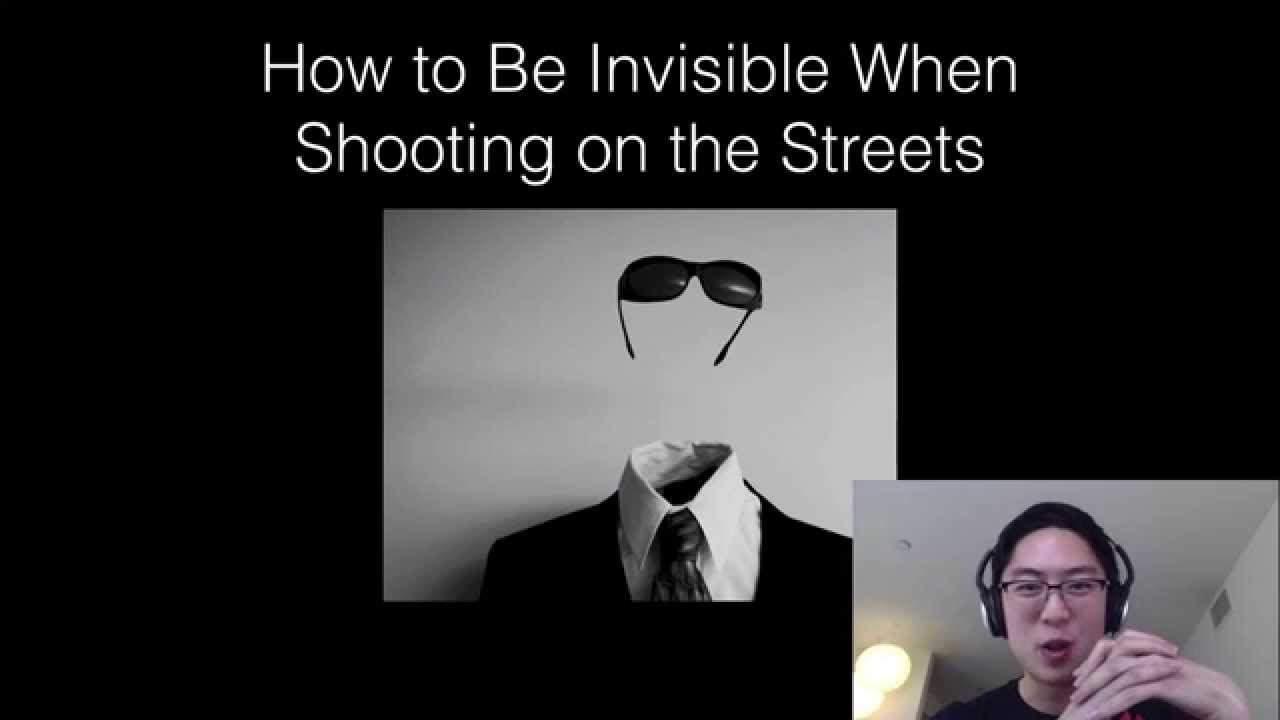
In this video lecture above, I share some practical tips, thoughts, and philosophies about being “invisible when shooting street photography. You can check out the slides here.
This morning on the way to the gym, I was listening to the newest podcast episode of “Invisibilia†(a new NPR podcast on cognitive and behavioral science) and they had an episode titled “Fearlessâ€.
The episode was fascinating to me— as I have always been obsessive with this idea of conquering your fear of shooting street photography.
I notice that out of all the workshops I teach, my introductory “Conquer Your Fear of Shooting Street Photography†course is always (by far) the most popular.
Cheers to another Streettogs Academy Assignment done and let’s continue the voyage with the Assignment from editor’s choice, Kirk Lothian. Here’s a hint to what it is: It should make us boldly go where no one has gone before.
I recently came upon the work of Harry Callahan from a friend and former workshop student named Chris Giuseppe.
This past weekend, I organized a small meet-up in San Francisco in the mission district (Haus Coffee is lovely) and about 10 of us street photographers met up, exchanged prints, photography books, current projects, and good laughs and catching-up.
This Harry Callahan book that Chris brought (the book is just called “Harry Callahanâ€) was a big tome– and diverse in its material. Harry Callahan had an incredible career in terms of his photography– he photographed so much different subject matter with so much emotion, soul, and tenacity.
Another two weeks, another assignment done over at streettogs academy! Sam Trachsel gave us Opposites as a theme for this assignment! Let’s look at how the members of the group interpreted the theme!
(A.g.’s Note: Today we have Clifton Barker chatting down with his friend and award winning photographer, Tavepong Pratoomwong from Thailand. Have a laugh and enjoy this one! Interview by Clifton Barker. All photos are by Tavepong Pratoomwong.)
Over the last year, the Thai street photography scene has been dominated by one man; Tavepong Pratoomwong. Besides being really clever with his compositions and somehow seemingly invisible—he has the cutest daughter you’ve ever seen. Certified. Recently TP received the high honor of the EyeEM award for Street Photographer of the Year 2014 and won 1st place at the Miami Street Festival. Besides all that, he’s just a cool dude that I really wanted to ask some absurd questions. Being mannerly, he obliged.
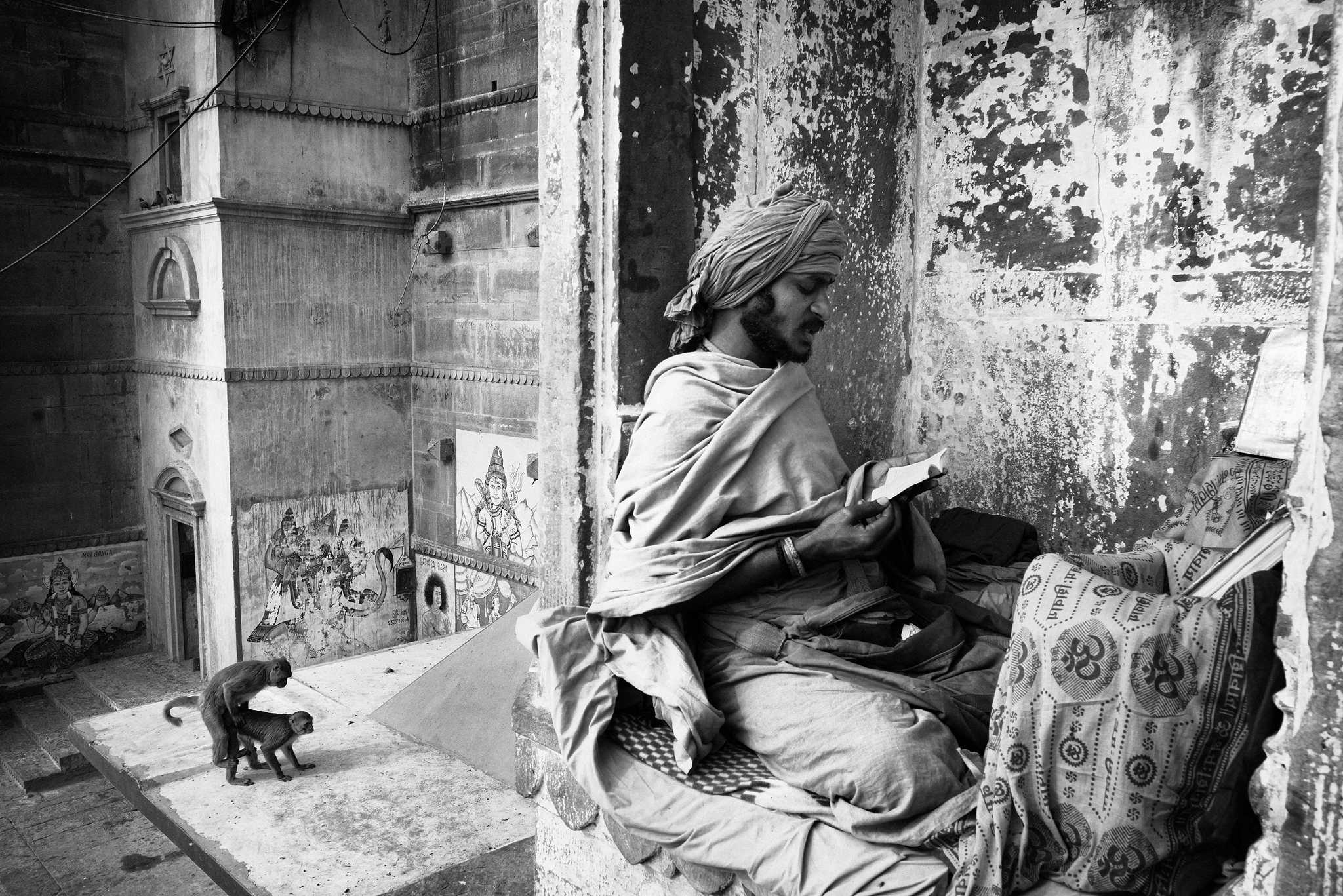
CB: How long did you have to wait by the Indian guy for the monkeys to start screwing?
I just finished a book called “10% happierâ€, which preached the benefits of meditation and mindfulness in everyday life.
There is a lot of pain and anxiety from everyday life, and one of the main causes of that is longing for something. Wanting something that we don’t have. By focusing too much on the future and the past.
Below are some personal New Year’s Resolutions I am going to make for myself in 2015. I will probably break some of them, but will try my best to stick to them. This is advice I will give to myself— and feel free to pick any of these ideas for yourself (or modify them as you see fit). This list is inspired mostly by Nassim Taleb’s New Years Resolutions for 2015. Here are my street photography resolutions for 2015:
Don’t buy any photo books I don’t plan on re-reading.
Buy at least 1 photo book a month (and get to really know it).
Give at least 1 in-depth comment/feedback/critique (once a week) to a street photographer who doesn’t get any favorites, comments, or feedback on his/her photos.
Try to meet a lonely photographer once a month for a coffee (with no expectation of “networking†or “gain†on my end)
Don’t go a single day without taking a photograph (smartphone is fine).
Don’t own more than 1 type of camera (only own 1 35mm camera, 1 medium-format, 1 digital). If I accrue more than one of each type of camera, either give away to friend or sell.
Walk for at least 15 minutes everyday to make photos (I’m becoming a fat and lazy car-dependent American).
Focus on education and creating value (not money, fame, or external recognition). Engaging the street photography community more and always try to help.
Make my photographs more personal.
Have at least 1 exhibition of my photos (and also curate at least 1 group exhibition).
Teach at least 1 free workshop for charity (once a year).
What are some New Years’ Resolutions that you have for yourself when it comes to your photography? Share them in the comments below!
Hey streettogs, to continue with my “Ask Eric Kimâ€Â series (any questions you had about street photography, business, marketing, social media, etc.) I put a question out on Facebook regarding what questions you had (so I could try my best to help out and offer some ideas):
Thank you to Fujifilm Vietnam and Gin Tran for putting together this feature of me shooting street photography in Saigon this summer. I hope the tips I share in this video can help you when it comes to traveling and shooting street photography. I also give some tips when it comes to shooting with the Fujifilm XT-1 with the 27mm f/2.8 lens (read my review here) and the Fujifilm x100s (read my review here). You can also read my new review of the Fujifilm x100T on the blog here.
If you are curious what it like shooting street photography in Vietnam, check out my “Saigon Diary” series below:
In an effort to be more helpful, I am going to start putting together more video lectures and features for YouTube. In this presentation, I give some practical advice how to overcome your fears of shooting street photography– including the philosophy, approach, and tips.
If you’re like me– you deal with moments of “uninspiration”. There are days that you want to go out and shoot, but there is some sort of “resistance†which holds you back.
Street photography is one of the most difficult forms of photography out there. Not only do you have to rapidly compose, frame, and approach strangers— but you have to do so with the risk of “injury.†They might injure you verbally (threaten to break your camera, give you a dirty look and call you a creep, or curse at you) or they might injure you physically (try to grab your camera, hit you, shove you, etc).
All photos copyrighted by Alex Webb / Magnum Photos. You can pick up a copy of “The Suffering of Light” on Amazon here.
After my month-long trip abroad in Stockholm, London, and Dubai I am finally (mostly) over my jet lag and have recovered at home. I’m sitting in my apartment and thinking to myself: what should I focus on for the blog?
I have thought about this a lot— and realized that 99% of the photography sites on the internet are gear-related. This includes news about the newest cameras, rumors about upcoming cameras, gear reviews, lens sharpness testing (taking photos of brick walls, and seeing how sharp the edges are).
(Editor’s Note: Today’s guest post and photographs are by Switzerland based street photographer Hakim Boulouiz. Enjoy!)
Hakim: One of the first lessons in photography has to do with the famous quote from photographer and ecologist, Ansel Adams, “You don’t take a photograph, you make it.â€This magic formula applies to all facets of photography without exception. As soon as we start talking about the “photographic interventionâ€, we have to question the composition, choice, selection; whether to accentuate certain elements or to do away with distractions as we seek to create an impact for the eye and for the heart. The whole process is a very precise surgical procedure with a little help from Mr. Chance.
However, in street photography, “making†a photograph is out of the question. So how to be a street photographer (or how to go about becoming one)? For starters, here are two steps:
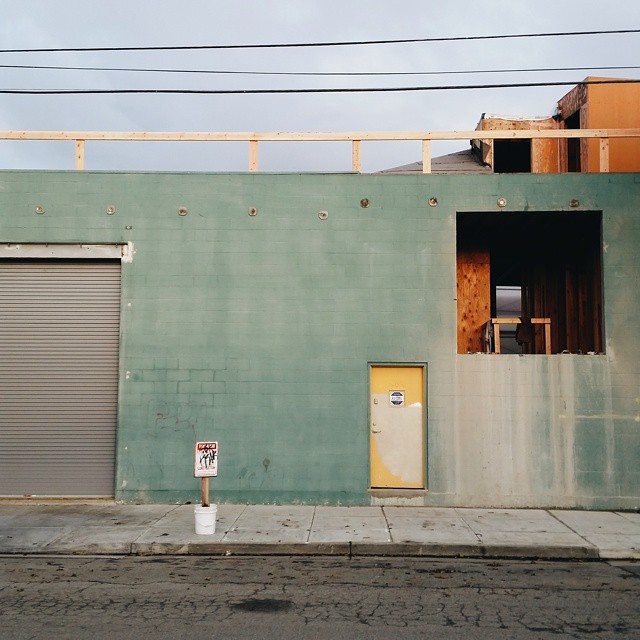
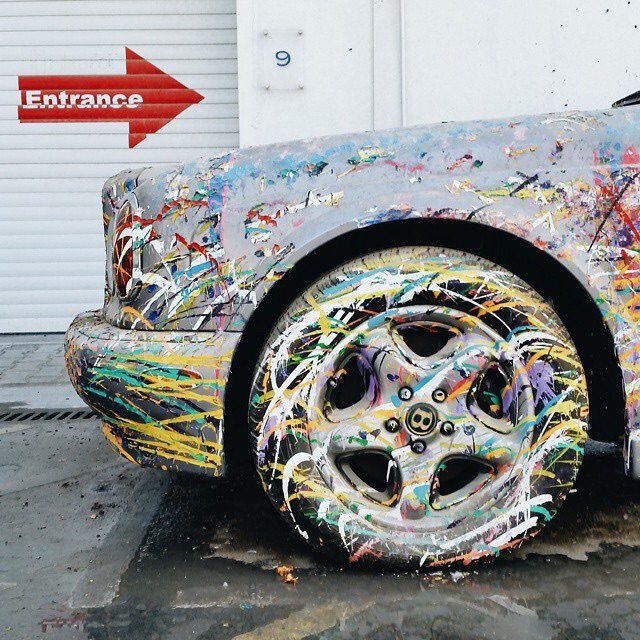
Here we are once again with the results and analysis! Things have been going fine in the group as I have recently posted new policies and updated the criteria to further clear the mission/vision of what streettogs academy really is. As we go along, I hope people get a lot out of the group and at the same time, enjoy the experience of photographing in the streets. We had around 150++ entries for the “Direction” that was set by Assignment 5 editor’s choice, Enamul Kabir Rony. Cheers again to Enamul for the great assignment theme.
Hohoho, Merry (upcoming) holidays streettogs. If you weren’t sure what to ask for the holidays this year, I have compiled this list of street photography books to ask Santa (or your friends, family, significant other) for. Read more to see my full list of recommended books below!
In “The War of Artâ€, the author Stephen Pressfield talks about “The Resistance†— and how it is the biggest obstacle to all of our artistic pursuits and endeavors.
We can encounter “The Resistance†in many ways in our life. We encounter it when we want to start our own business (and we have thoughts of self doubt), we encounter it when we want to start exercising more (but the resistance keeps us from leaving our house), and we encounter it when we want to go out to social functions (we are nervous of meeting new people, and would prefer to stay at home).
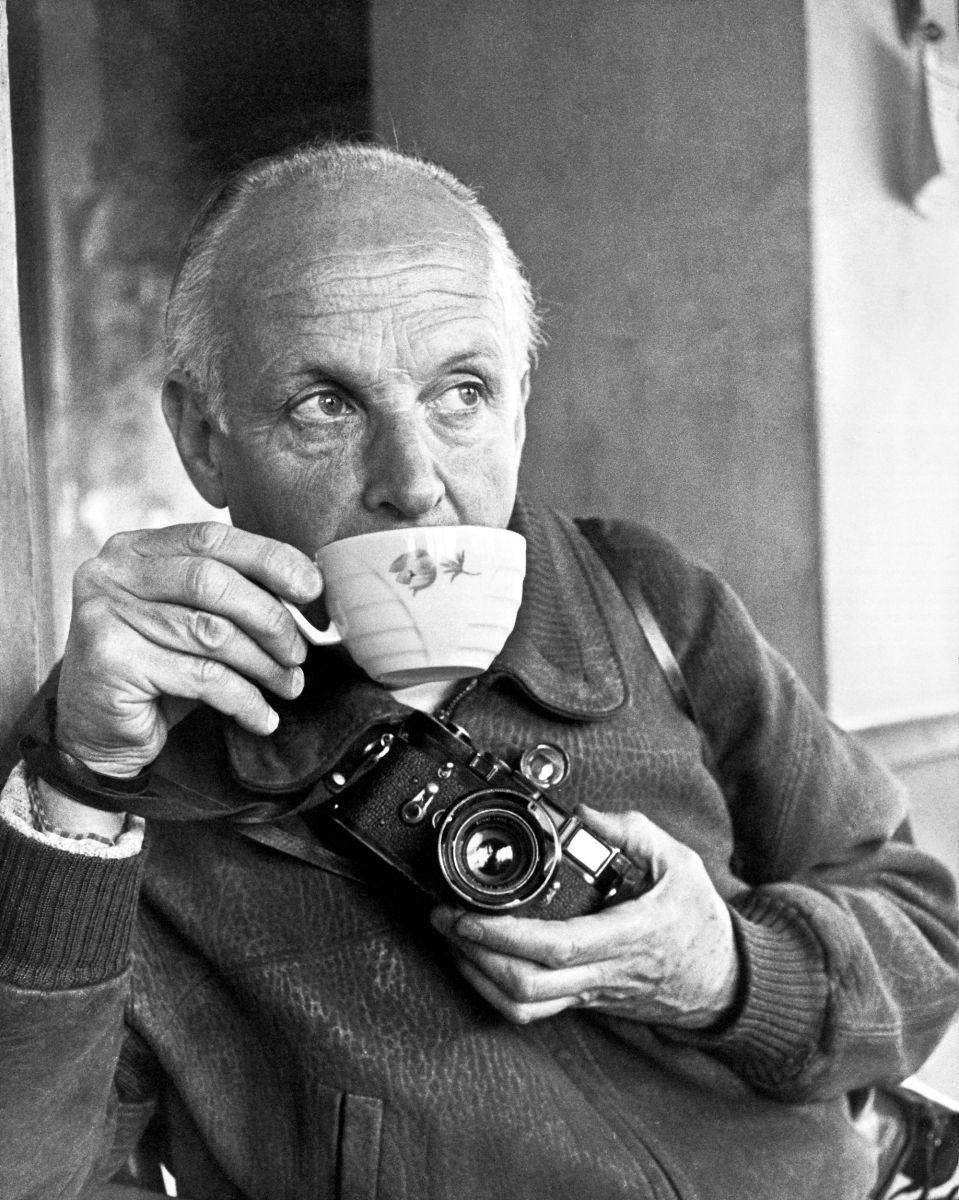
As this article is very long, I recommend reading this by saving it to Pocket or Instapaper. All photos in this article are copyrighted by Henri Cartier Bresson / Magnum Photos.Â
I recently picked up a copy of “The Mind’s Eye†– which is a great compilation of thoughts and philosophies Henri Cartier-Bresson wrote. Aperture published this great volume (as they are an amazing non-profit dedicated to promoting photography, education, and great ideas).
Ever since I have been back home, I have been dedicating more of my energy, attention, and focus to great photography books – and trying to distill the information. I’ve learned all of these great lessons personally– and I want to share that information with you.
“Exiles” by Josef Koudelka is one of the must-buy books of this year. Previously (before this re-print by aperture) the book would sell second-hand for around $300. I personally couldn’t afford a copy — and when I heard this edition (the last and final) was coming out, I jumped on it like a fat kid on cupcakes.
Before writing this book review, I re-read the book several times, read a lot of interviews by Josef Koudelka– and reflected on the book (and the life and photography of Koudelka).
Now on it’s 10th year, the Angkor Photo Festival has always been a great showcase of photography in the Asian region. This year, they keep doing what they do best by giving everyone the best photography in Asia has to offer. If you have nothing to do on Nov. 29 to Dec. 6, I suggest you head on to Siem Reap and feast your eyes on what the festival has to offer. Everything is open to the public and free of charge.
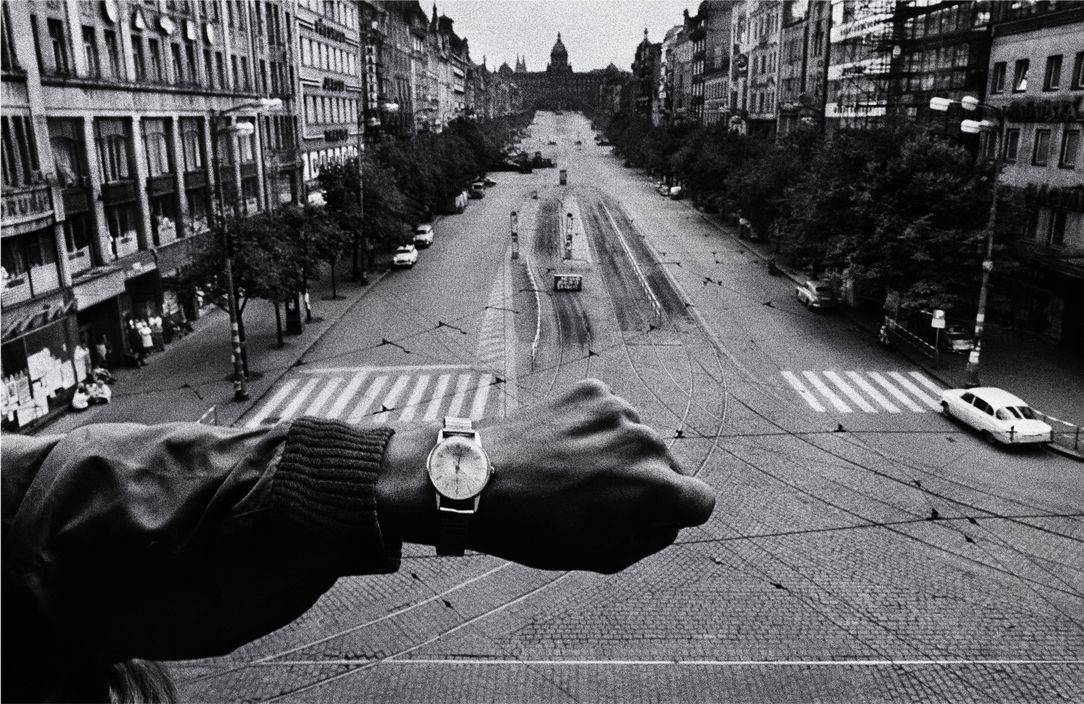
Josef Koudelka is one of my favorite photographers of all-time. I love how he has been able to craft his life around photographing only what he wanted to photograph, how he is able to capture emotional and empathetic images (especially in his “Gypsies†project), his ability to continue to re-invent his photography (switching from 35mm to panoramic), and his absolute dedication to his craft.
At Gulf Photo Plus, as a part of the “Street Photography Series” in November in Dubai, I gave a free talk on street photography yesterday (11/24/2014). The title of my presentation was: “10 Lessons Street Photography Has Taught Me About Life” in which I share some of my personal philosophies about street photography (and life).
Tonight at 7:00pm at Gulf Photo Plus is the opening exhibition for “STREET.” — an international street photography exhibition curated by me and the team at GPP. If you’re free, come join us! :)
The streettogs academy page is growing and bustling as we continue with our 6th assignment. To those who joined and have been there since the 1st assignment, thank you all! Our editor’s choice for Assignment No. 5, Enamul Kabir Rony got a simple theme for us today. It is straight forward but there are many possible interpretations:
There is no better time in history to be a self-published photographer. There are so many great options out there— like Blurb (print on demand), and even getting books printed in China (it seems most publishers are printing overseas, which is much more affordable, with great quality).
In the past, there have always been lots of “gatekeepers†— people who prevented you from achieving your dreams. These gatekeepers are the editors, publishers, and media moguls who control the stream of information. They had all the power whether your work would be shown or not as an artist.
Now with social media (and modern technology), the tables have flipped. As photographers, we no longer have excuses for not publishing a strong body of work, due to financial constraints or outside forces. What matters the most now is the quality of our work (and effective marketing to get the word out).
Our assignment no. 5 themed “Fear” came at an excellent timing. The Halloween period was ripe with opportunities on how to show our theme and it manifested well with the entries for this assignment. Excellent choice for an assignment from Assignment No. 4 winner, Florin Ghebosu.
I put a twist on how I present the selections for this assignment by identifying what type of fear is being shown or manifested on the images selected which may or may not be correct but hey my mistakes shouldn’t take away from the good images for this assignment. I think it would be fun so let’s check it out!
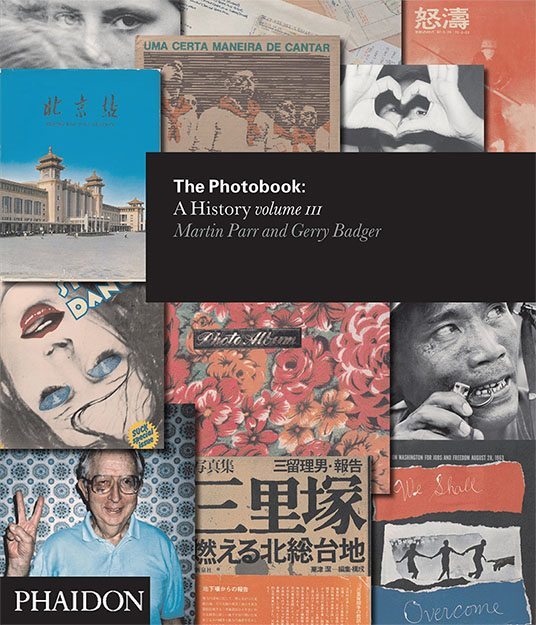
Alongside “The Photobook: A History Volume III†by Martin Parr and Gerry Badger it is the best resource for photobook making, the philosophies of editing and sequencing, the importance of collaboration, explaining the working methods of certain photographers, their philosophies, and advice and thoughts on publishing via the printed medium (and on social media).
It is a beautifully put-together book, with tons of great “behind-the-scenes†materials, via photocopies of the photographers’ actual “sketchbooksâ€, contact sheets, and personal notes. I highly recommend everyone to pick up the actual book — and use it as a great reference when putting together your own book or body of work.
I personally learned a lot from the book, and I wanted to share some of the personal lessons I’ve learned from ingesting this beautiful tome of information:
(A.g.’s notes: Out of the 4 Assignments we have finished over at Streettogs Academy group, Arnold Despi got into the Honorable Mentions list 3 times. He is a very active photographer always shooting and always looking for suggestions on how to improve from other folks. I decided to talk to him to get some feedback on how he keep things consistent, his style, and the things he enjoys most with street photography. I hope you all enjoy! Photos by Arnold Despi)
Here at the Photographer’s Gallery in London, I recently picked up “The Photobook: A History Volume III†by Martin Parr and Gerry Badger. I’d heard about the book before (the previous 2 volumes) but never had the chance to actually sit down, crack one open, and analyze it.
I am teaching a two-day crash-course in street photography in Stockholm the next two days, and here is the presentation I am giving to my class. It is a collection of images from great Magnum and contemporary photographers (as well as some of my own work) in terms of capturing emotions on the streets, as well as how to interact with strangers. In each photograph, I ask each student: what makes the photograph memorable, great, and how does it capture emotion?
At the end of the presentation, I also share some of my contact sheets which I hope is a good educational behind-the-scenes look/tool.
Feel free to download, share, and distribute for any educational purposes.
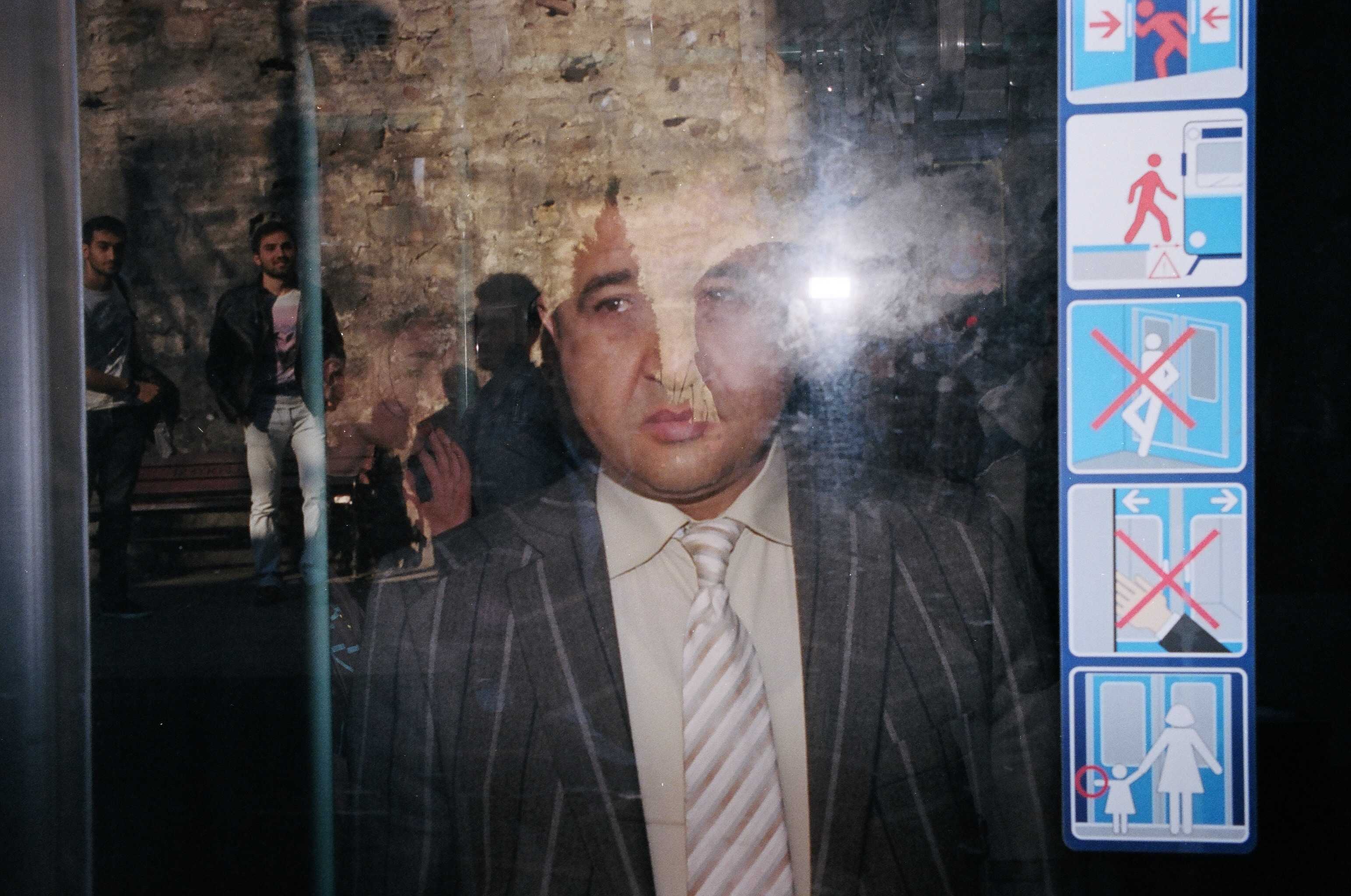


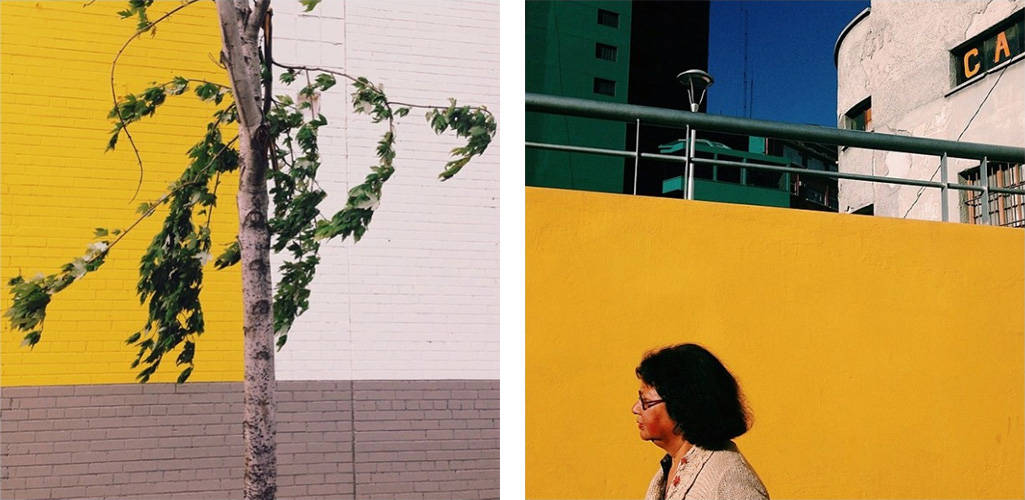


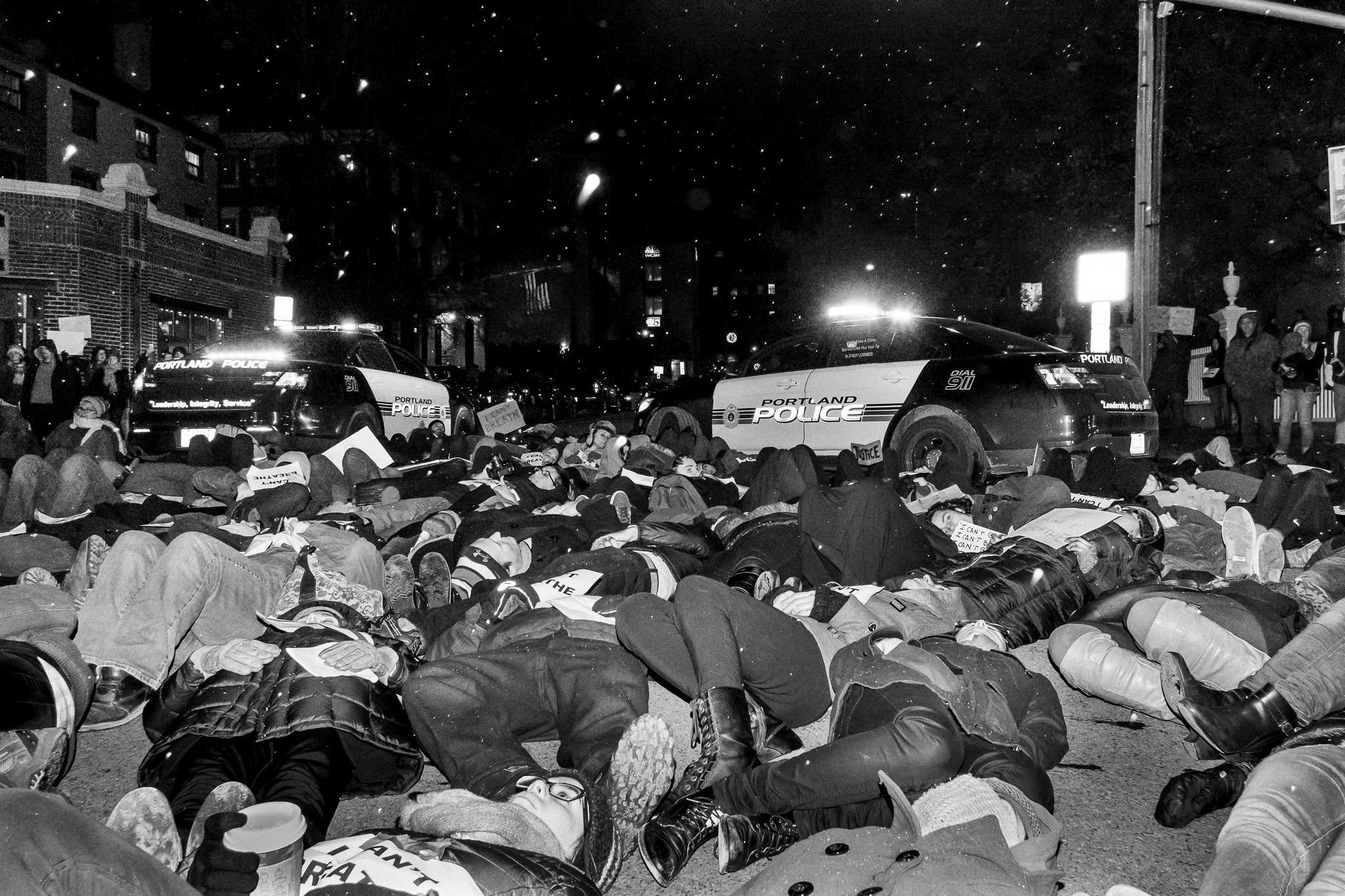

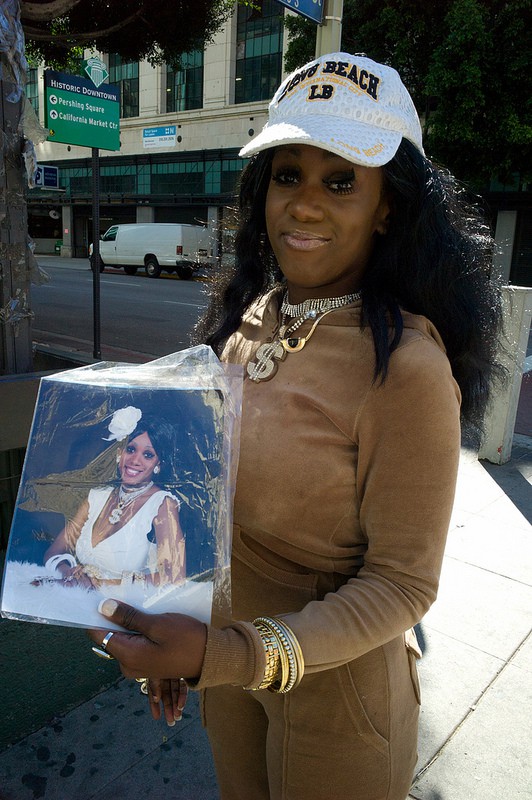

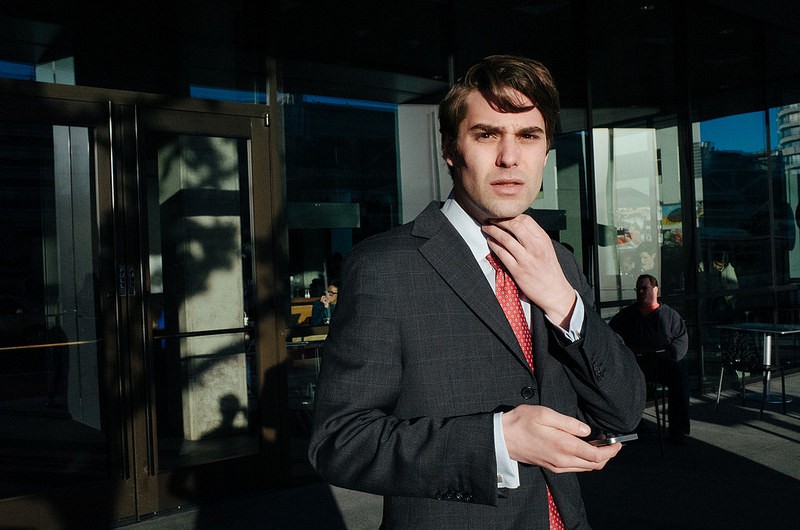

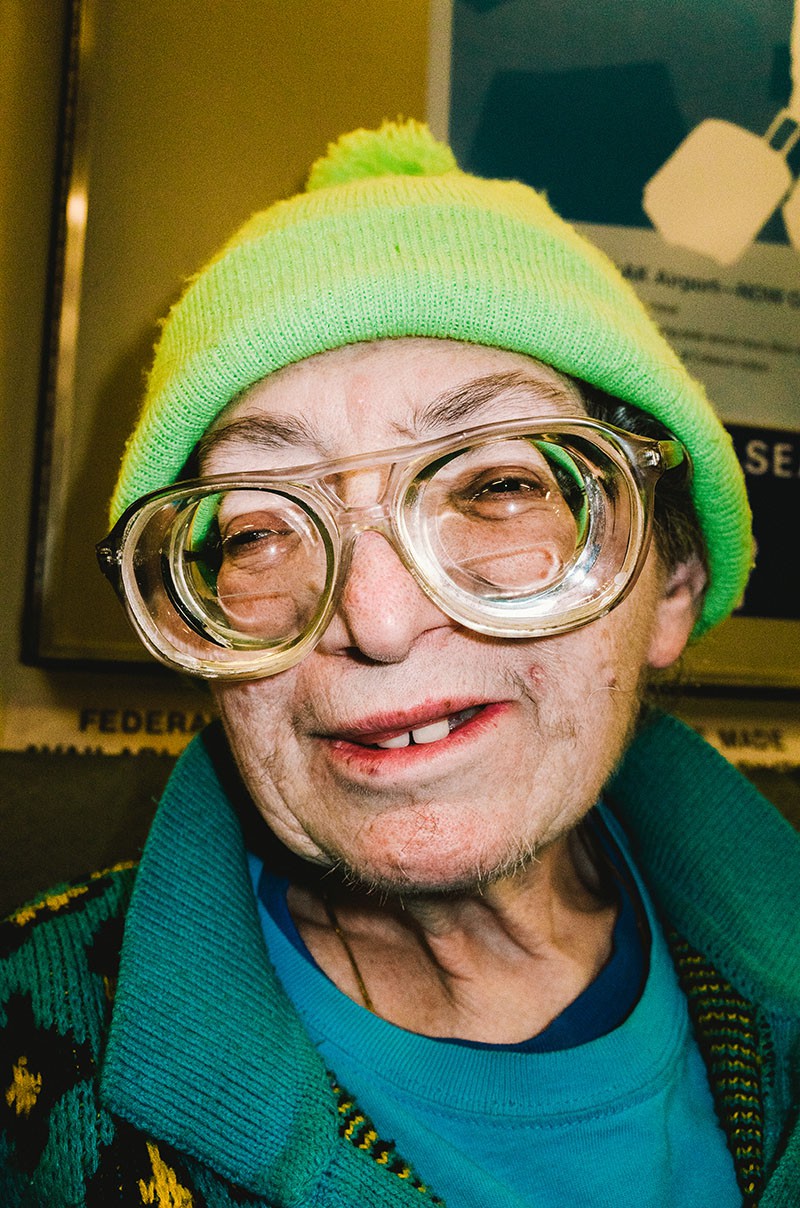


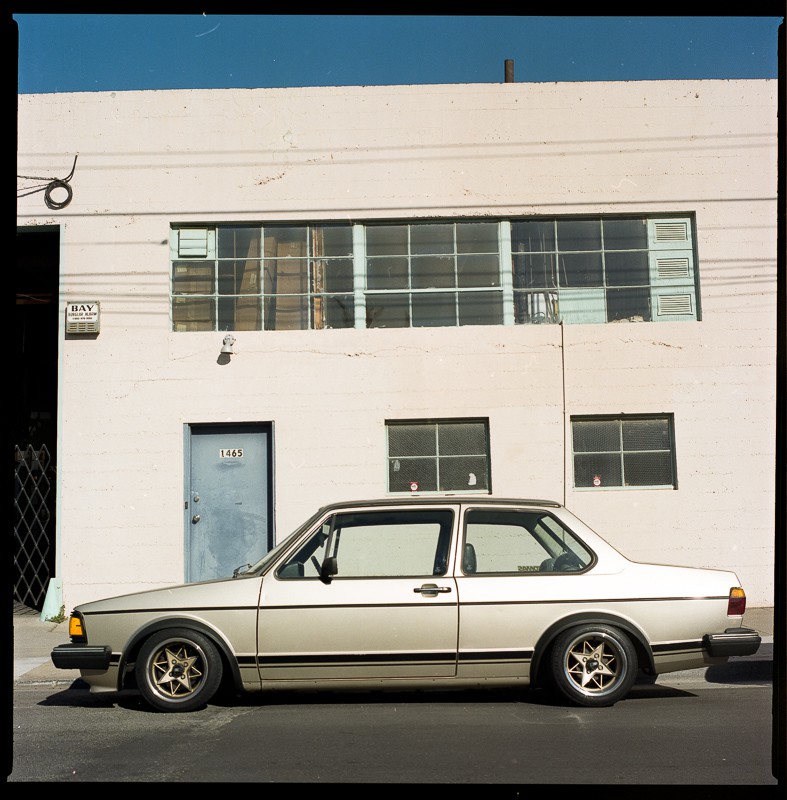

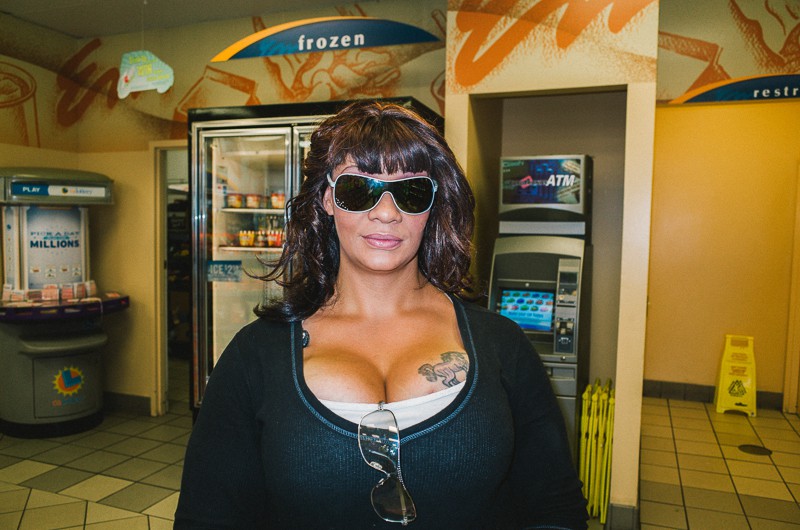

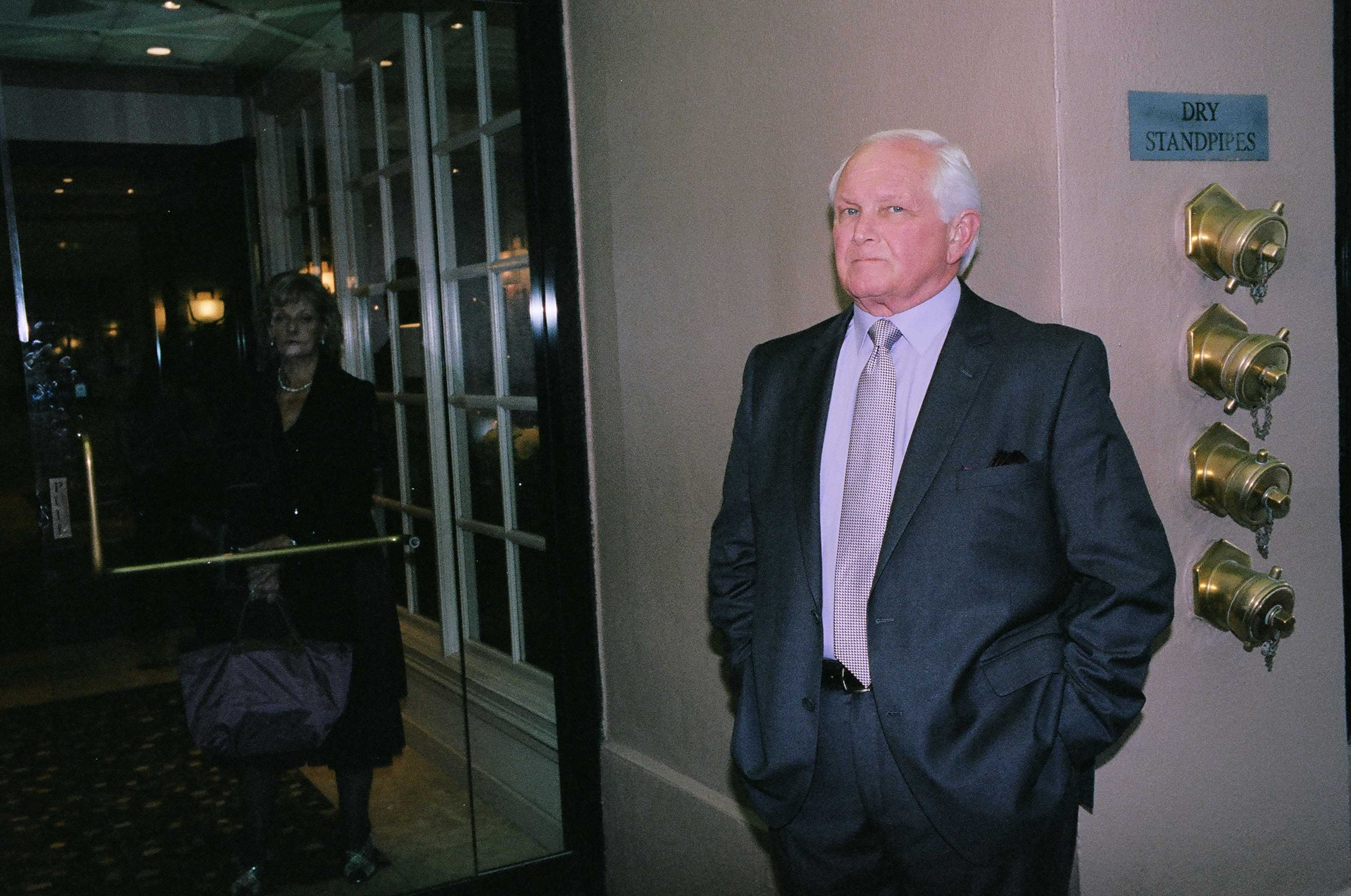

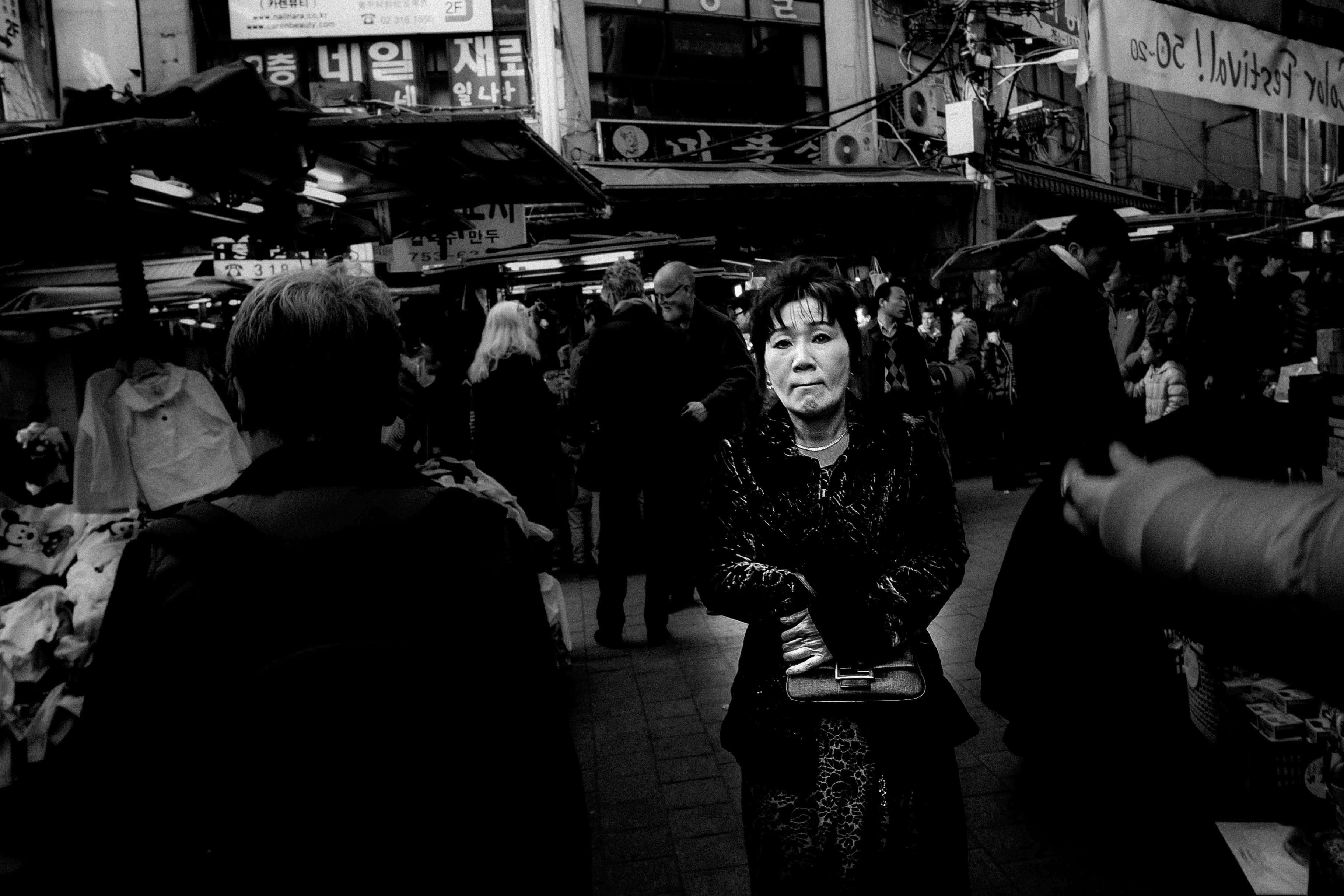











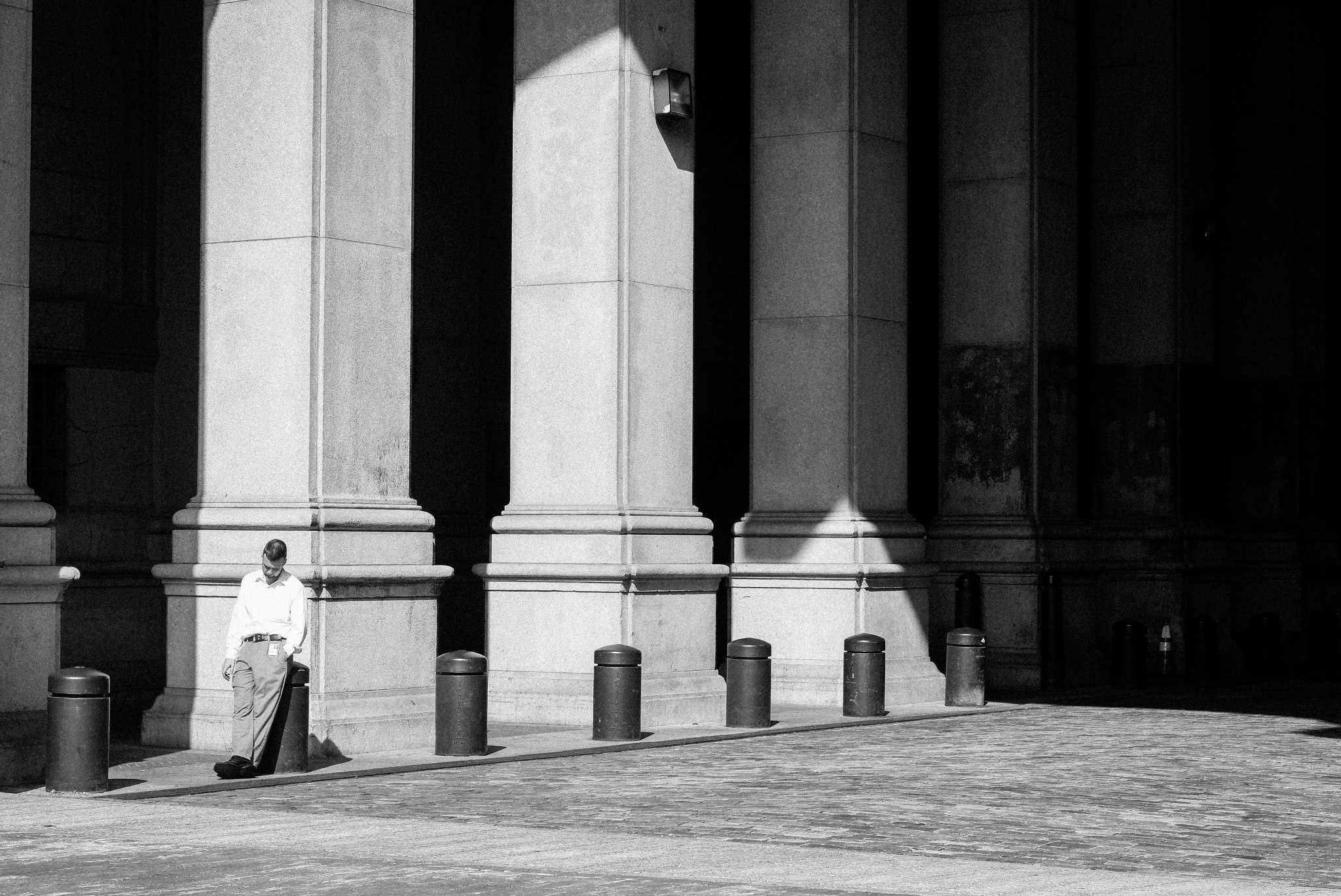

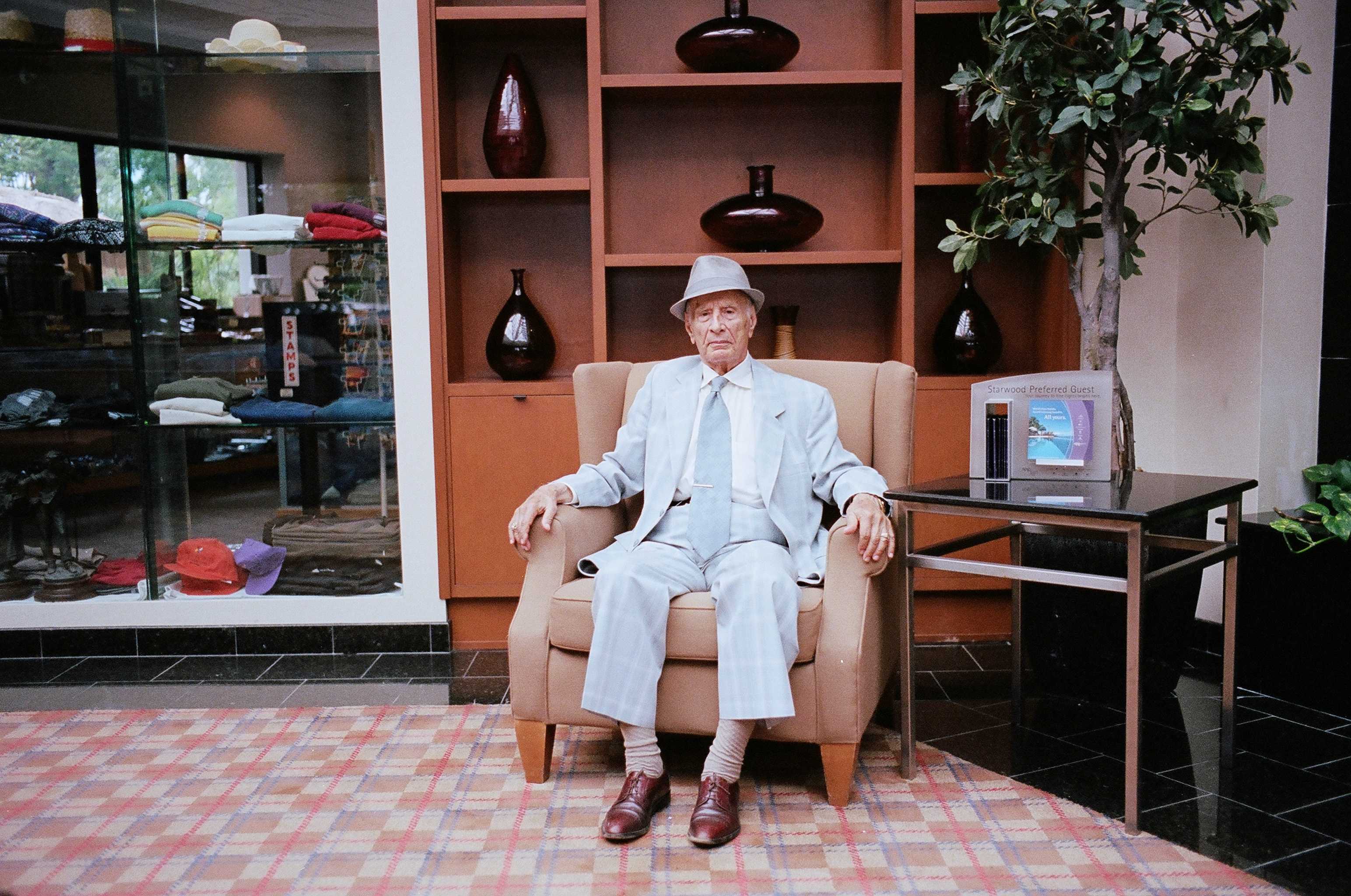



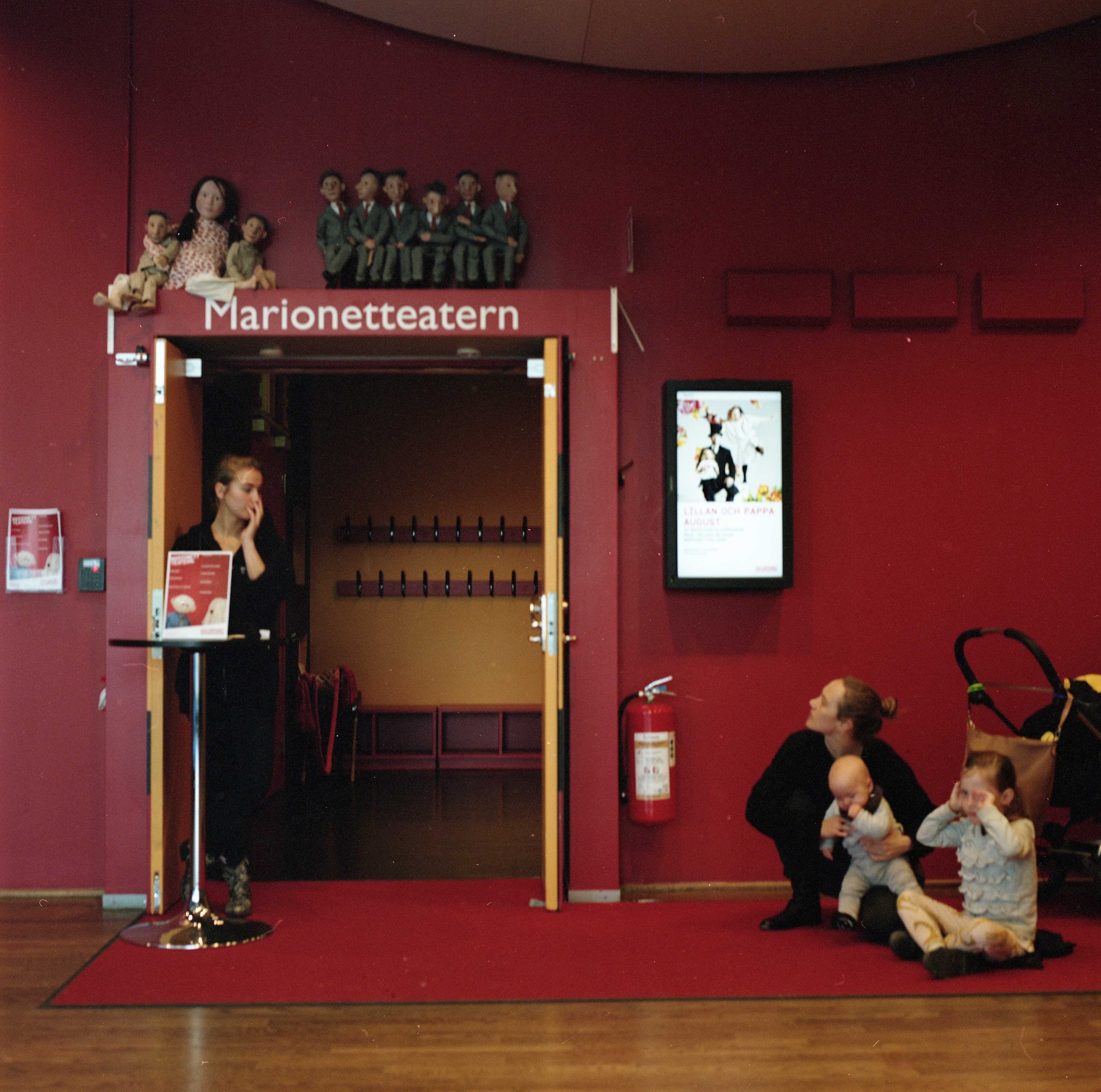
















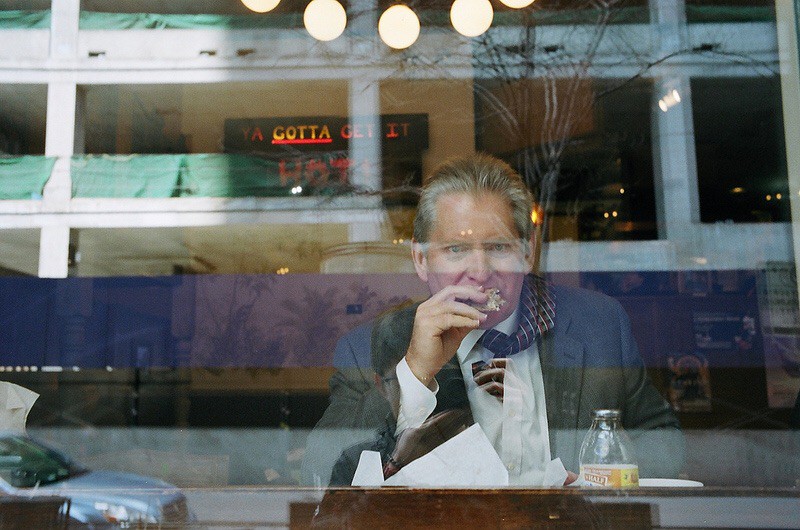

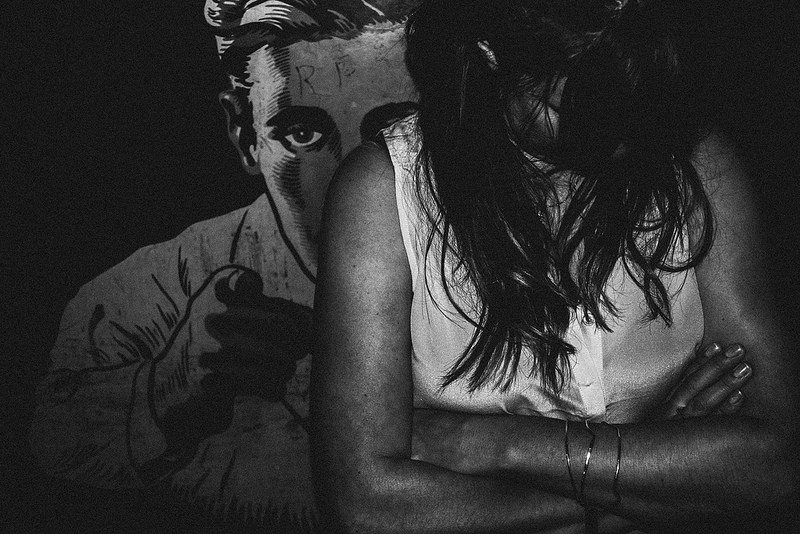

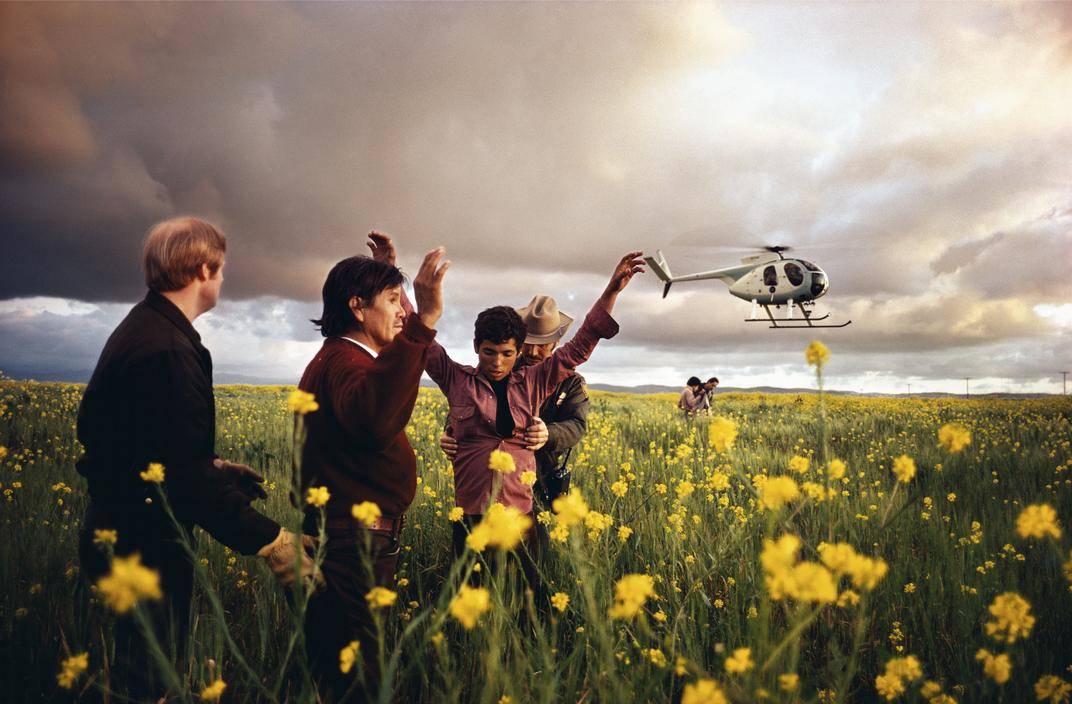

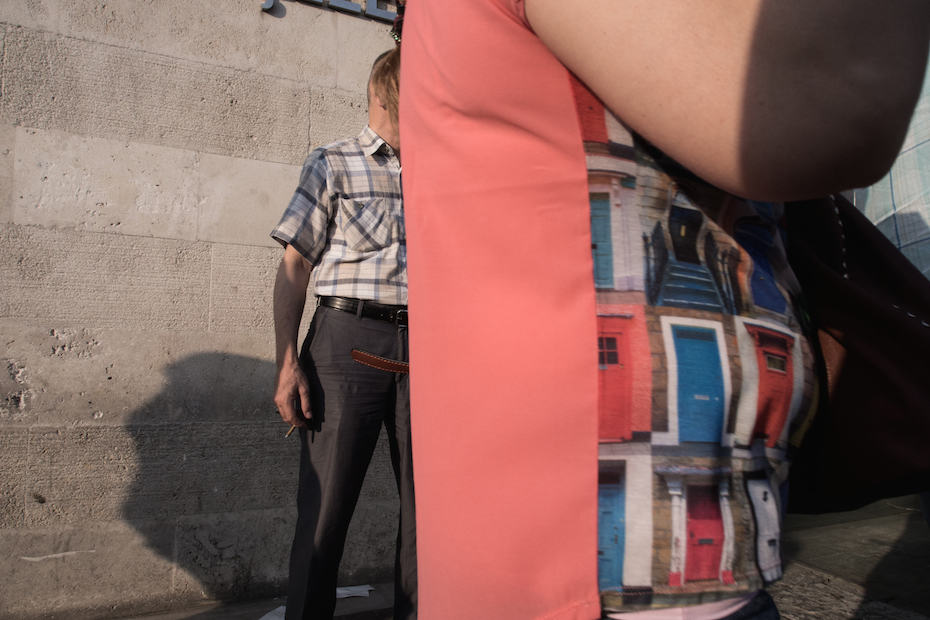

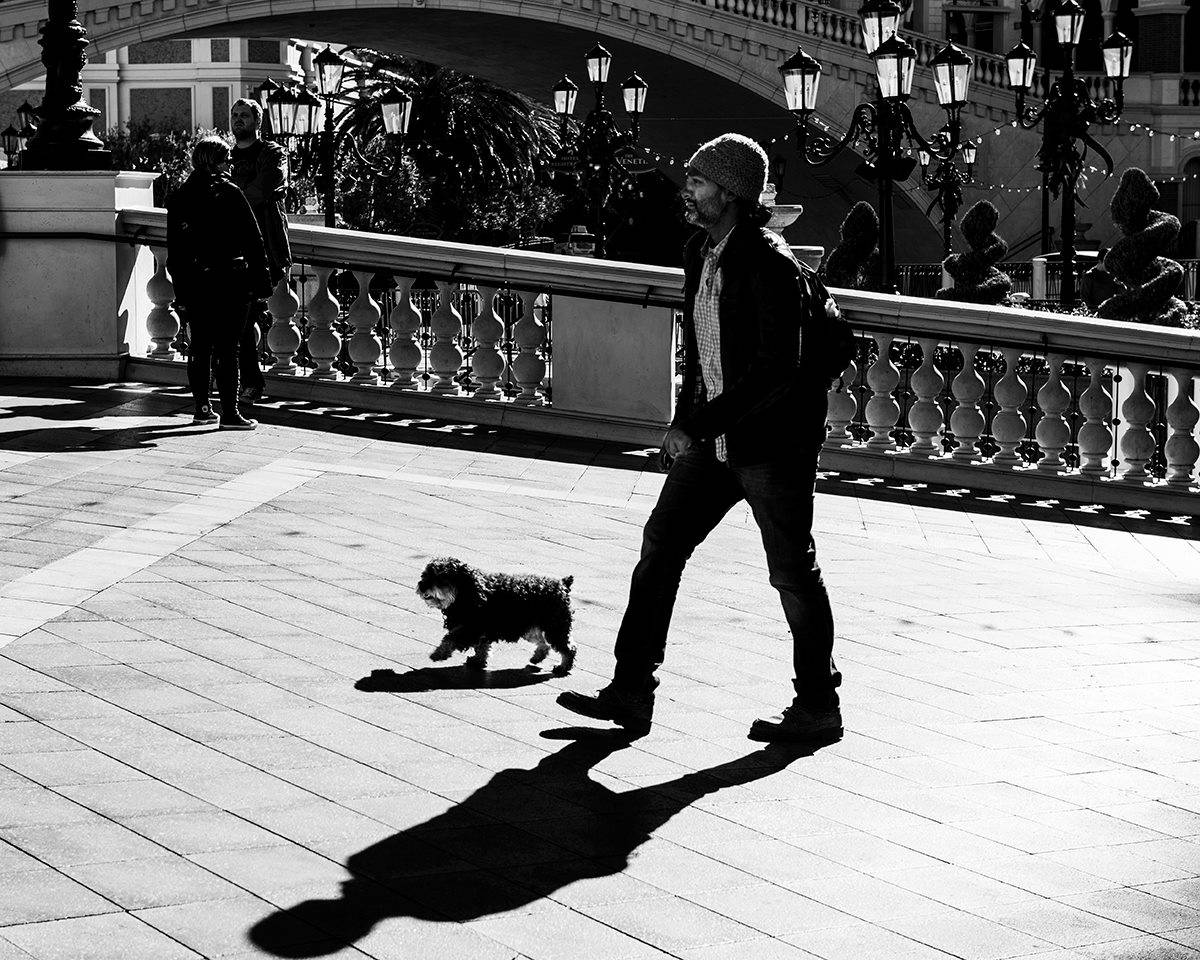
 Here we are once again with the results and analysis! Things have been going fine in the group as I have recently posted new policies and updated the criteria to further clear the mission/vision of what streettogs academy really is. As we go along, I hope people get a lot out of the group and at the same time, enjoy the experience of photographing in the streets. We had around 150++ entries for the “Direction” that was set by Assignment 5 editor’s choice,