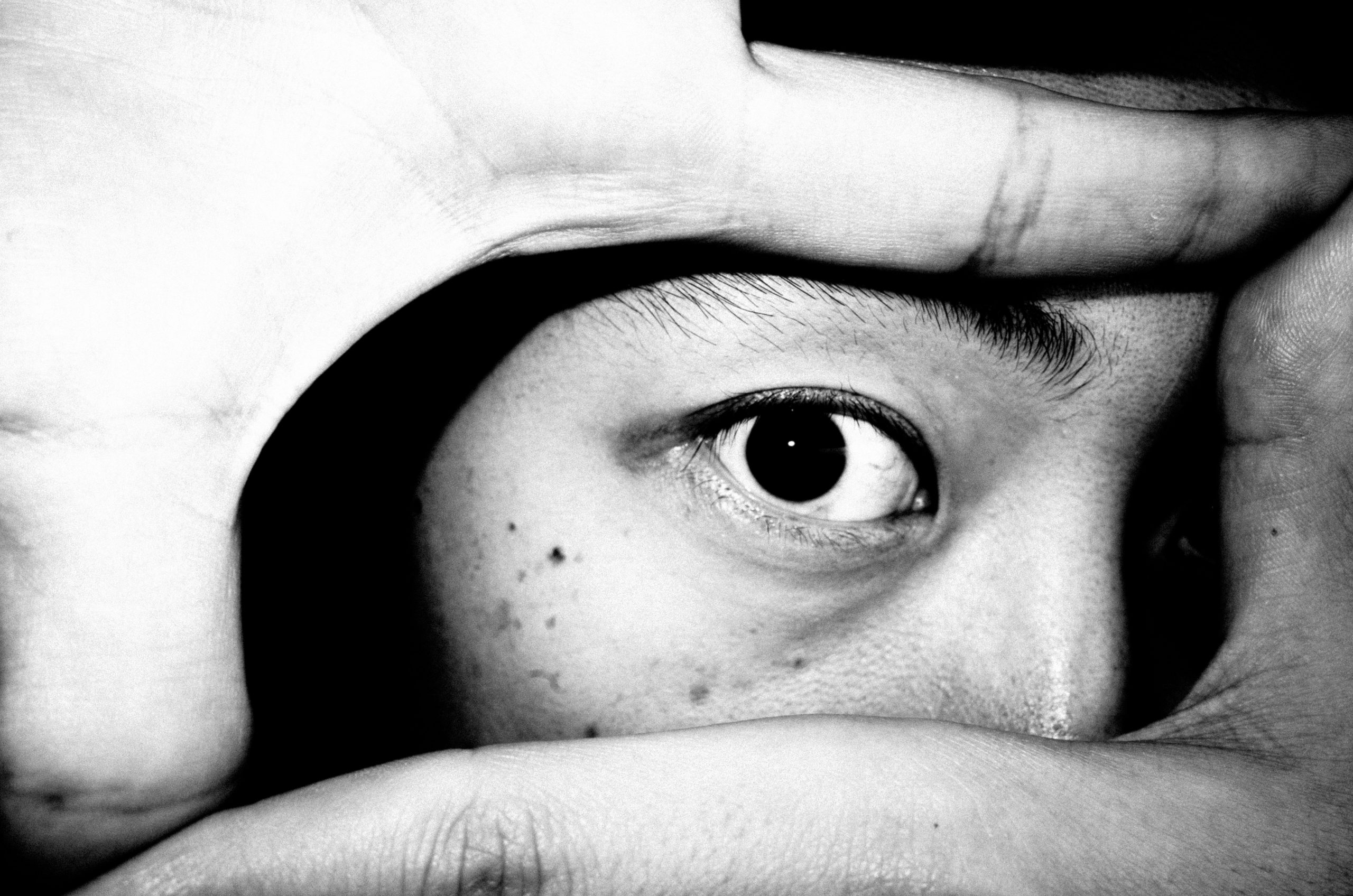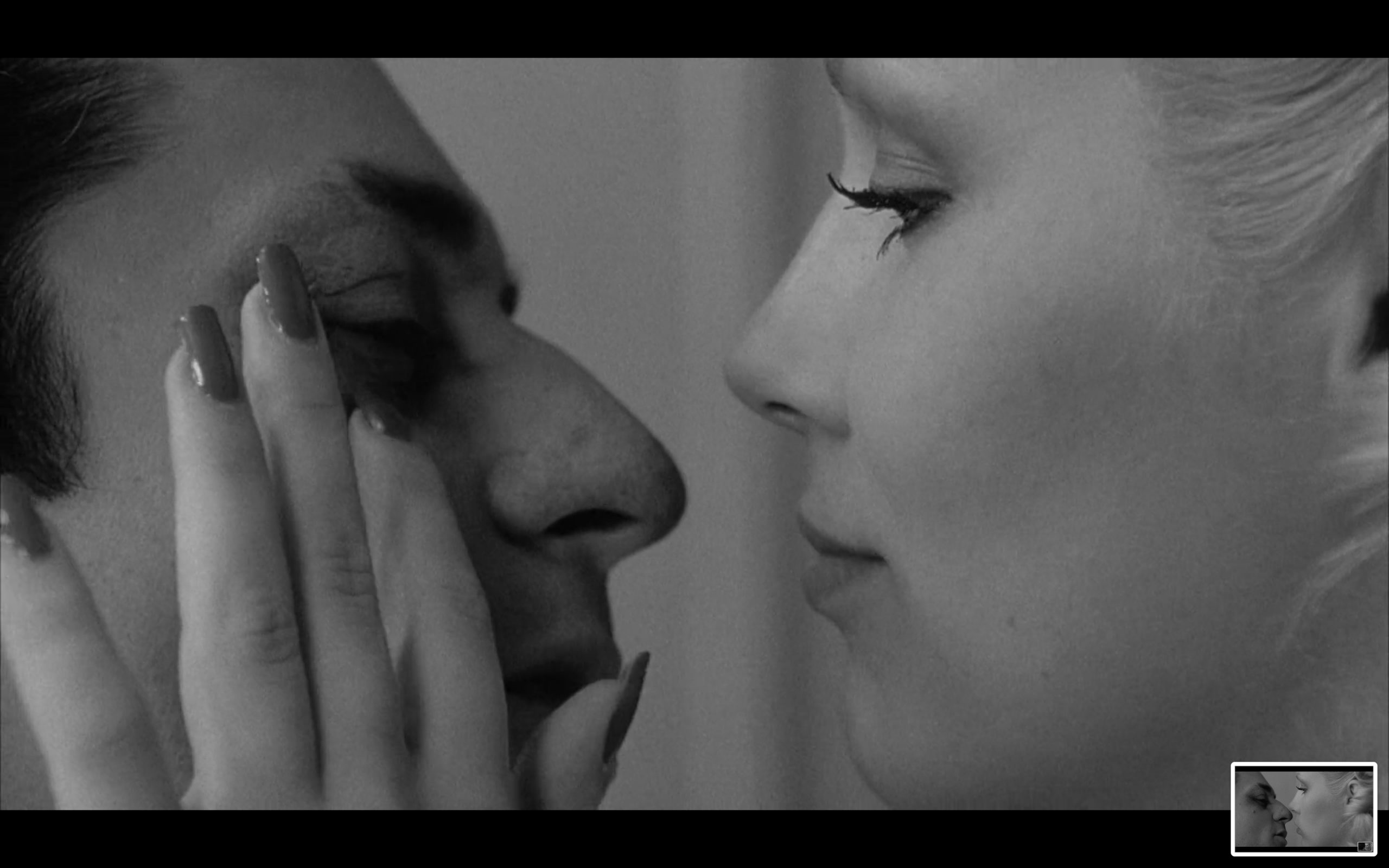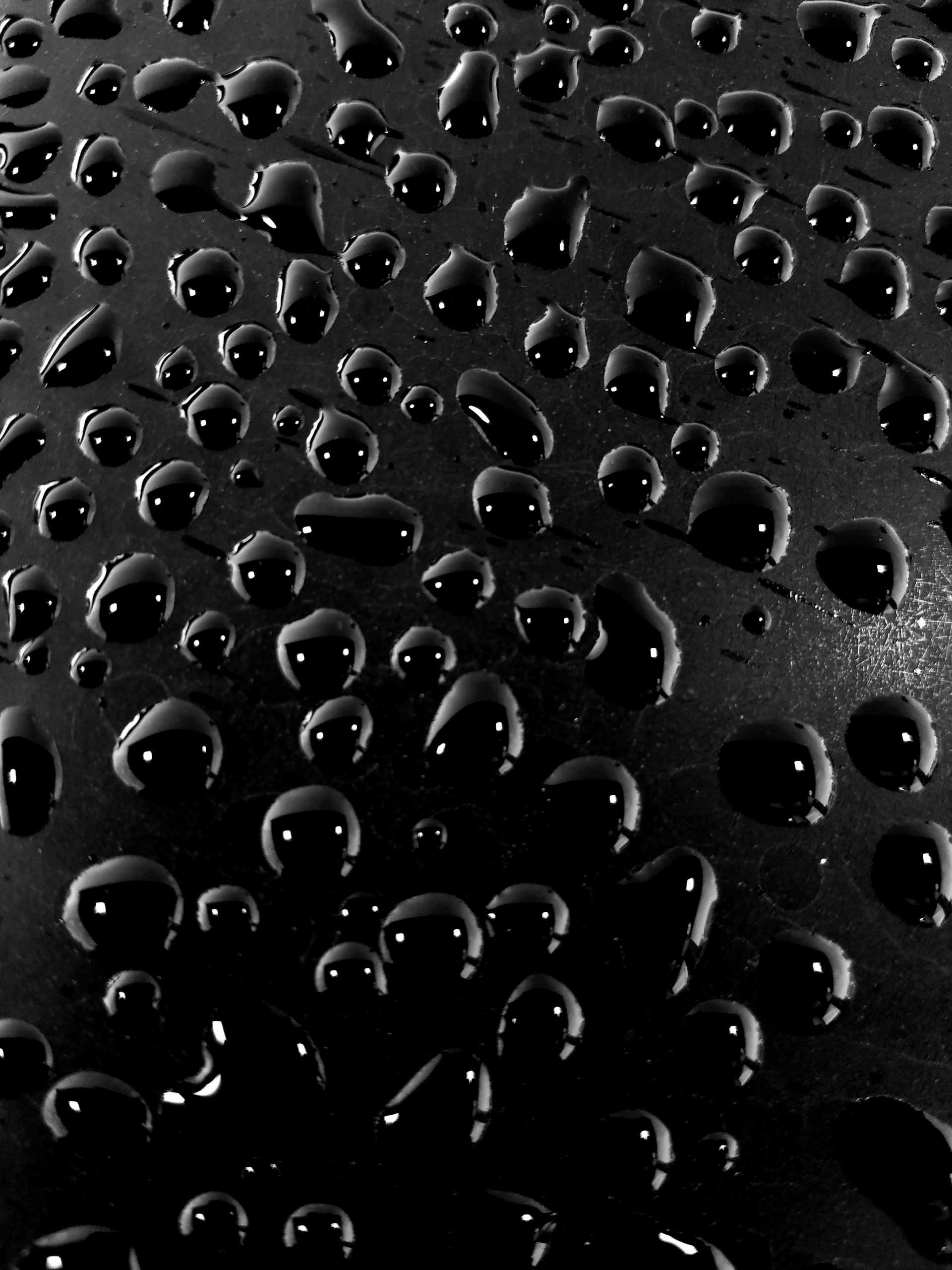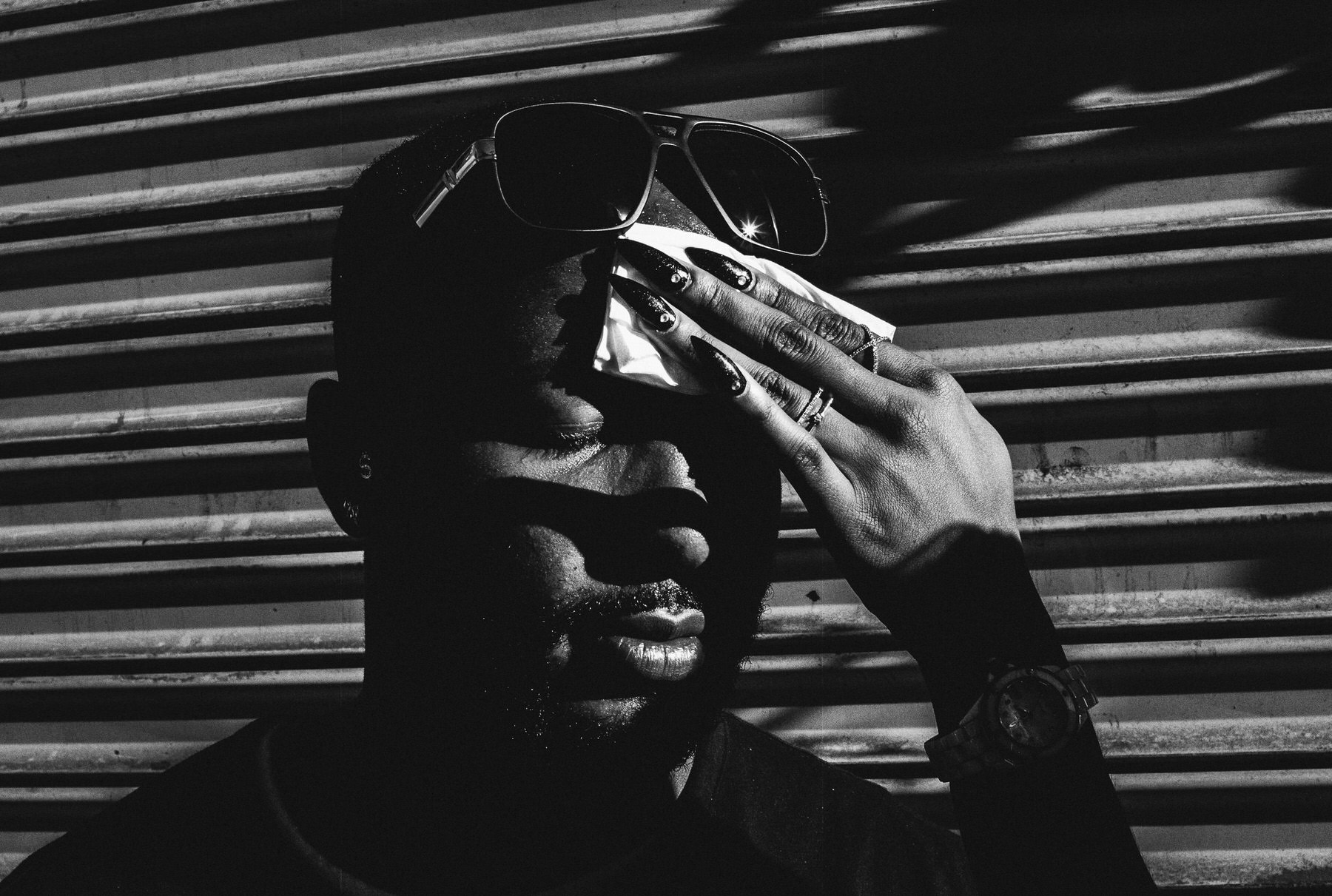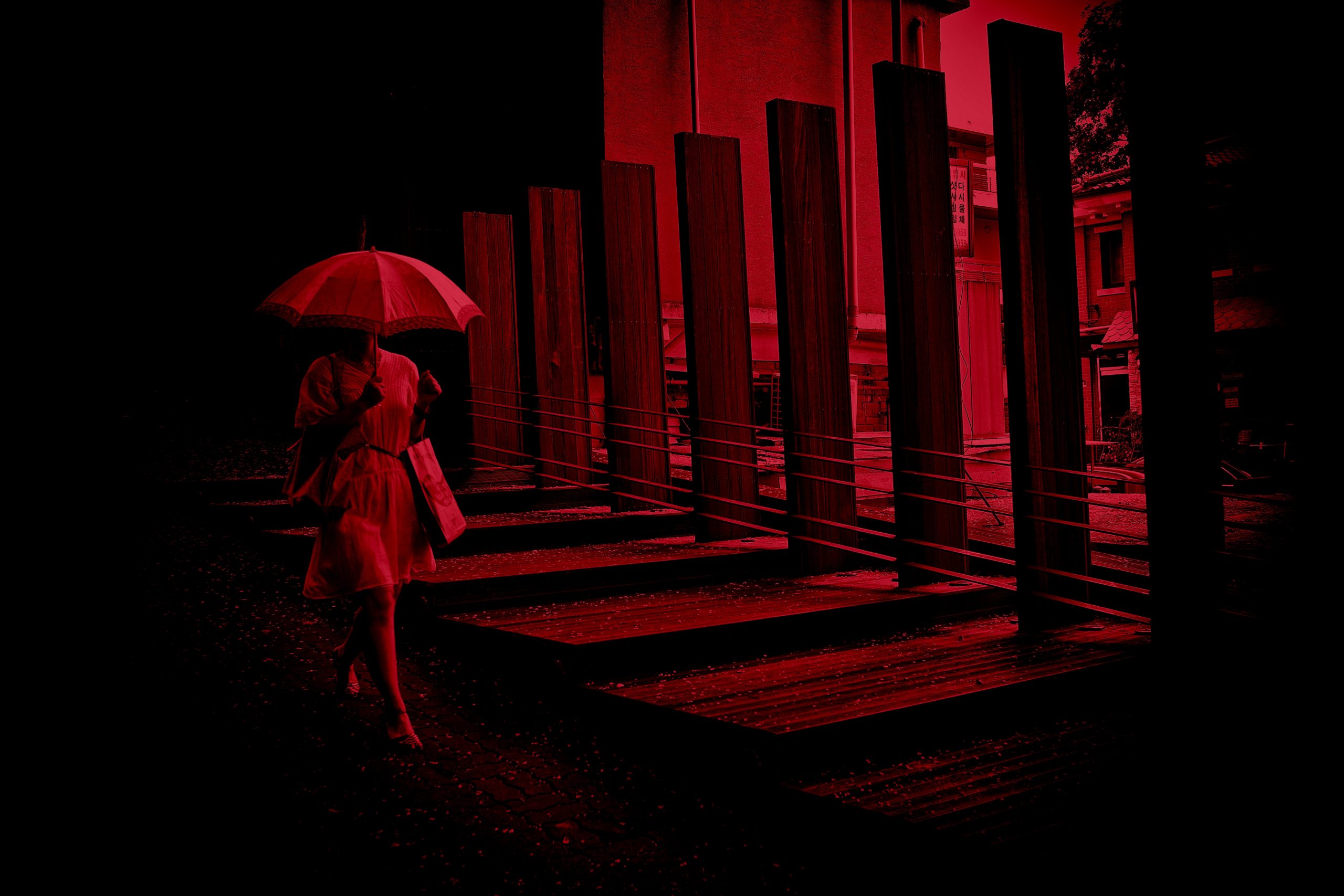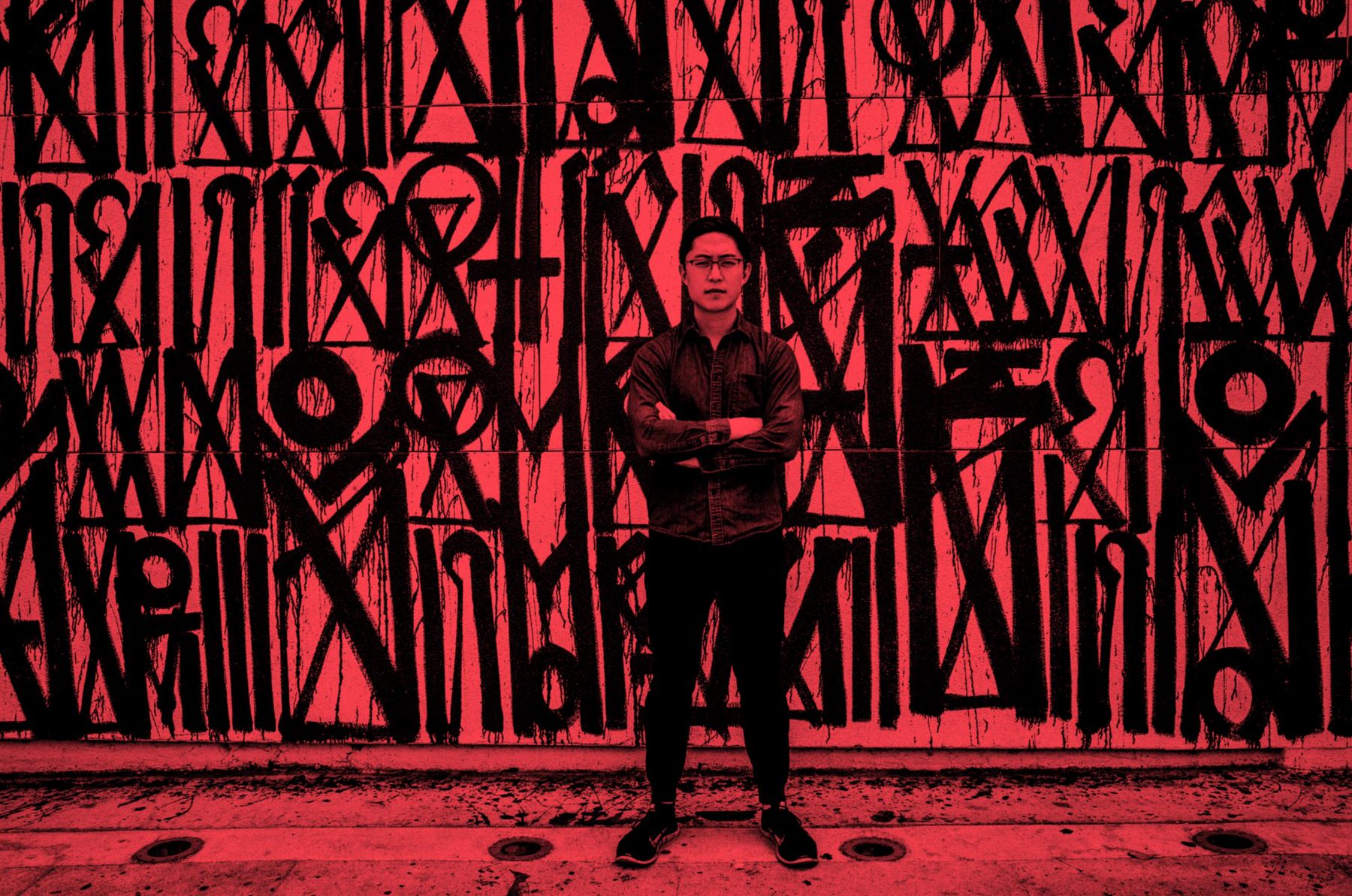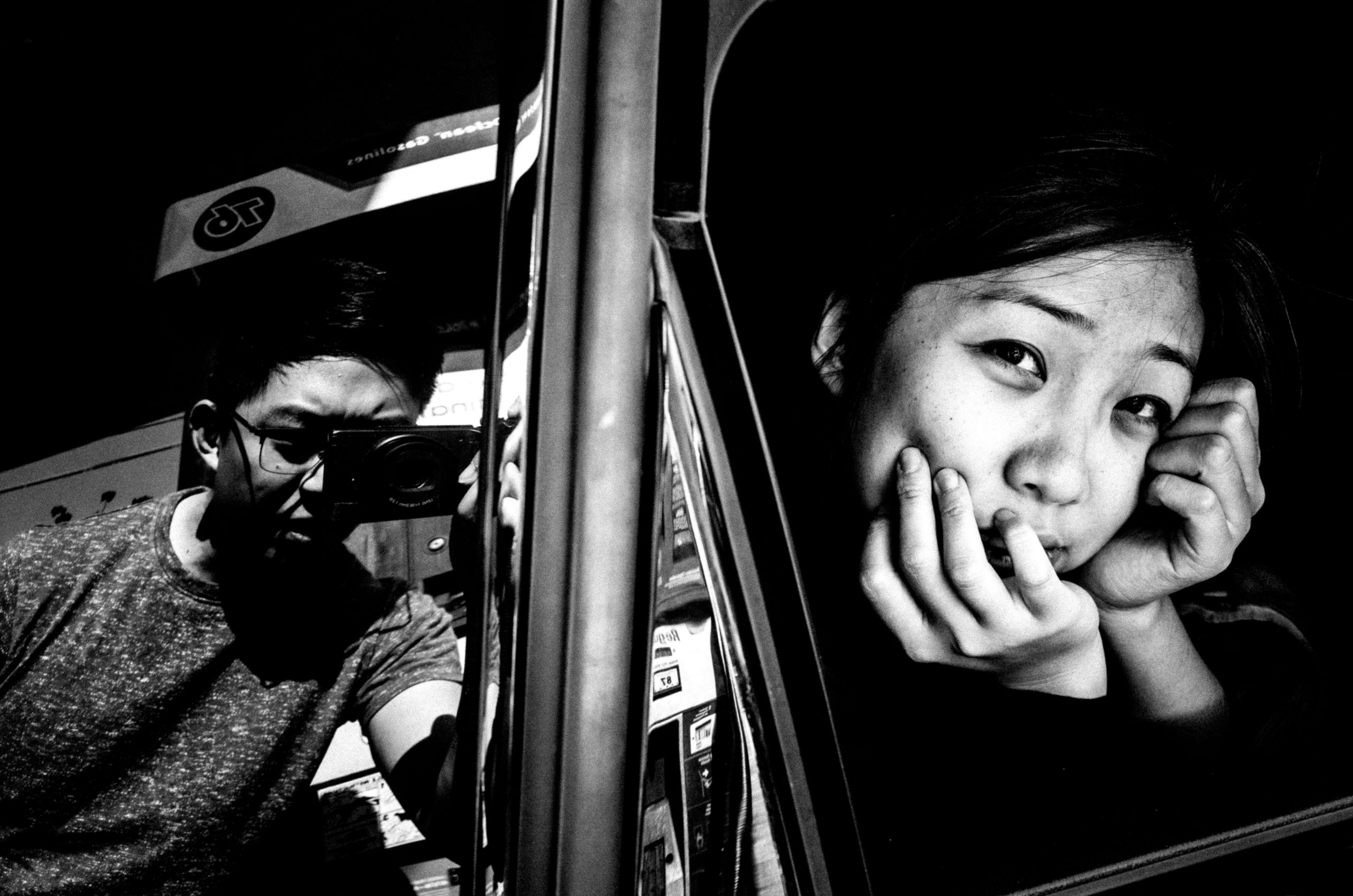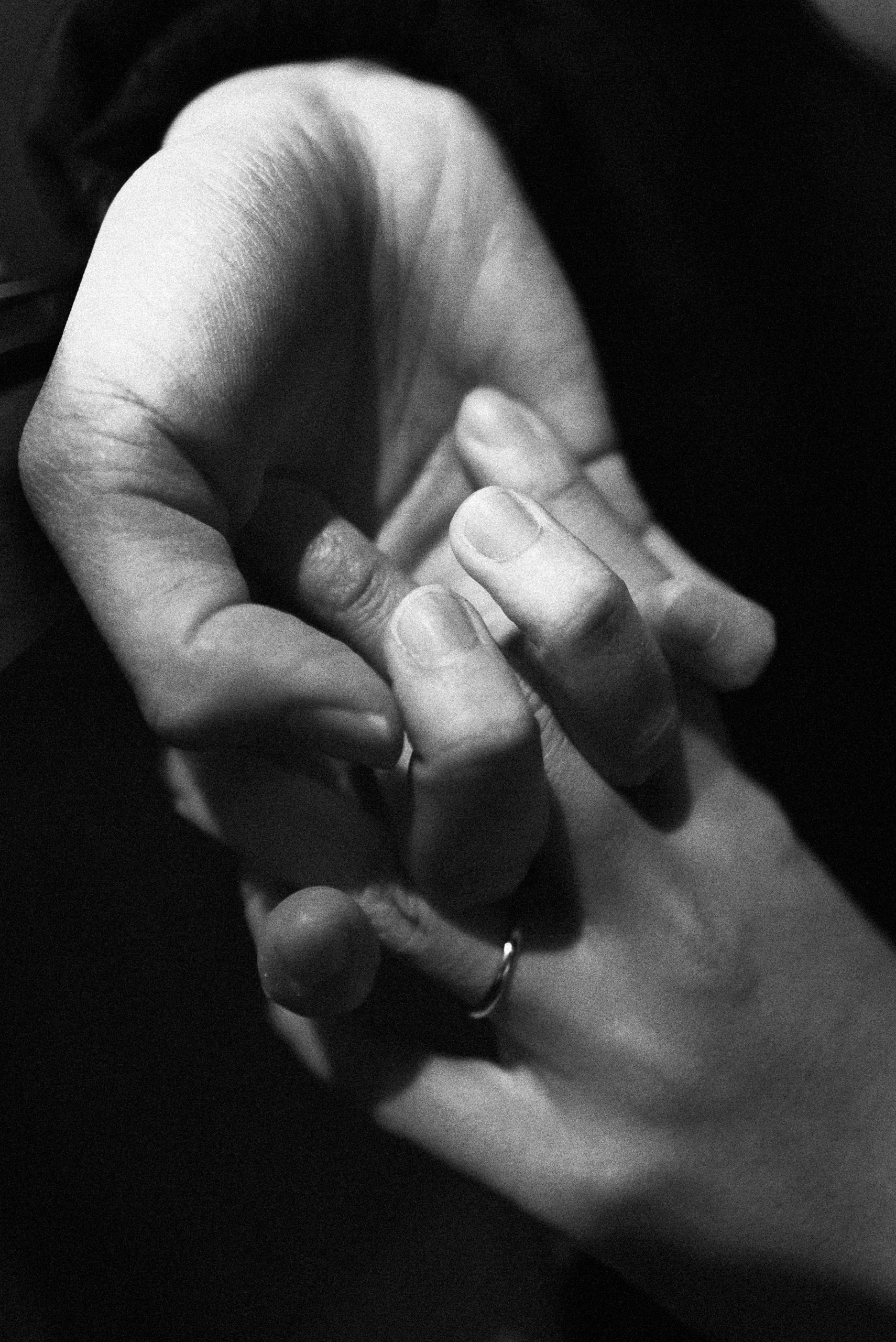
Dare more in your photography, and you will make better photos.
-

Dionysian Photography
Follow your gut and instincts when you shoot. Shoot irrationally. Don’t think “rationally” when you shoot. Think rationally when you’re at home editing (selecting) your photos:
-
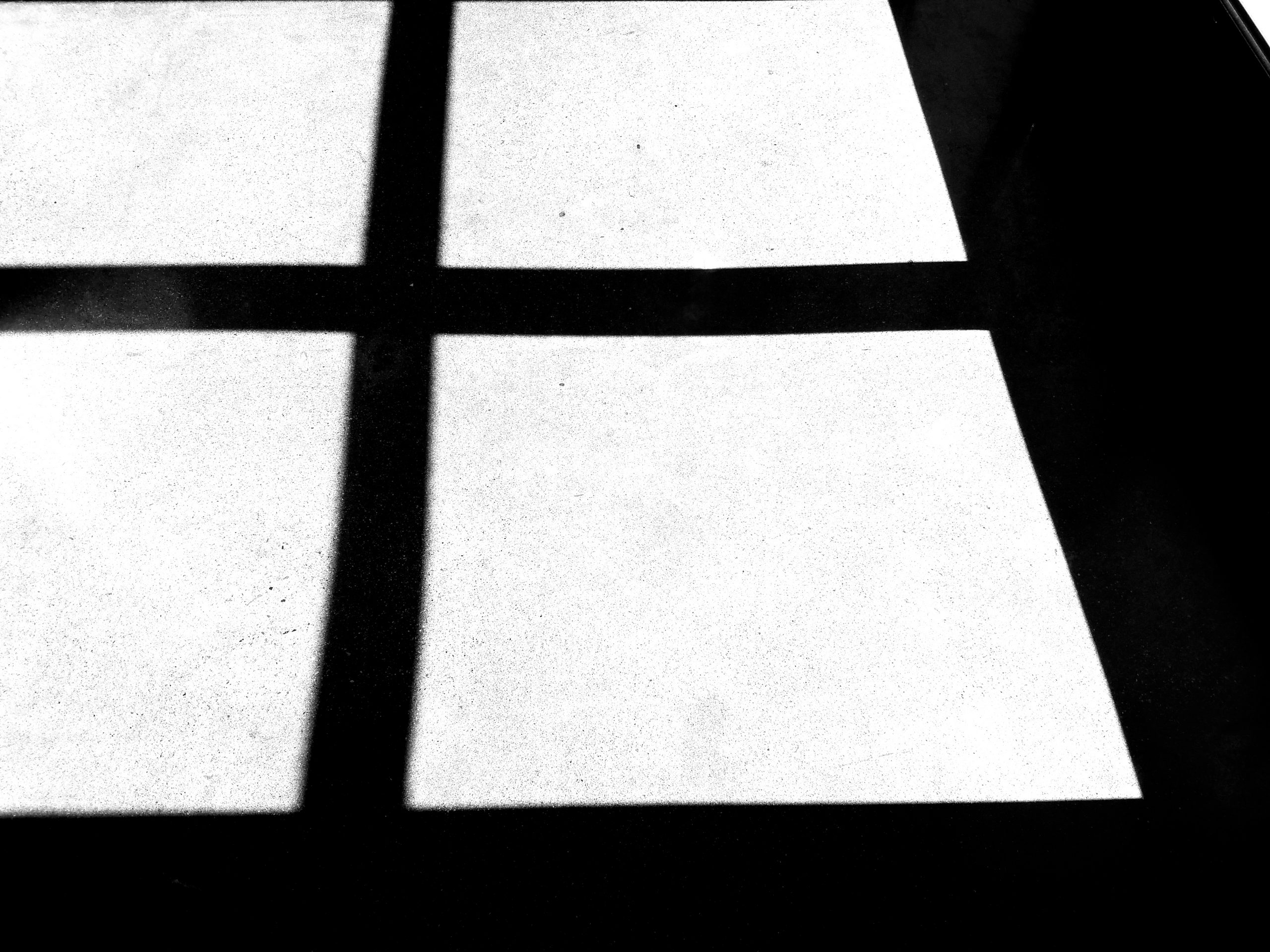
How to Shoot Black and White Photos on Your Phone
I love monochrome. Some tips how to shoot better black and white photos on your phone:
-
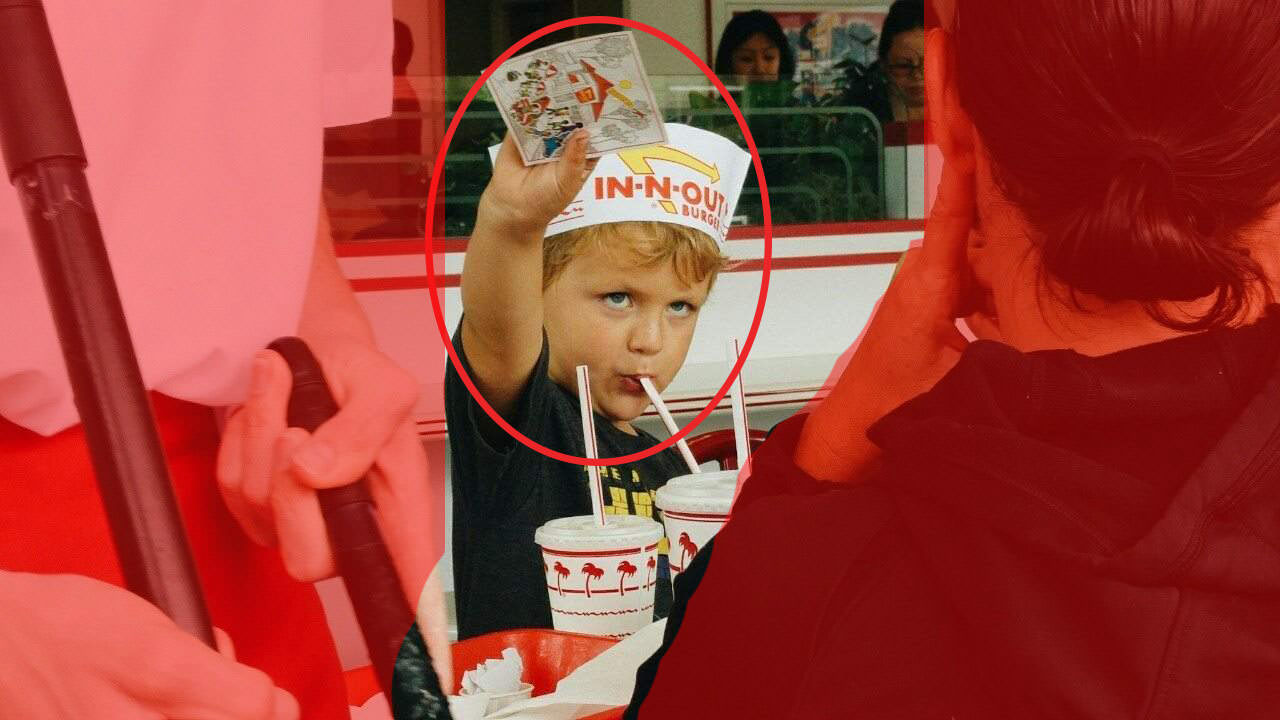
5 Simple Phone Street Photography Tips
Practical street photography tips you can apply to the streets when you shoot:
-

Why Night Sight on Google Pixel 3 is a Game Changer for Mobile Photography
Night sight on Google Pixel 3 is phenomenal:
-
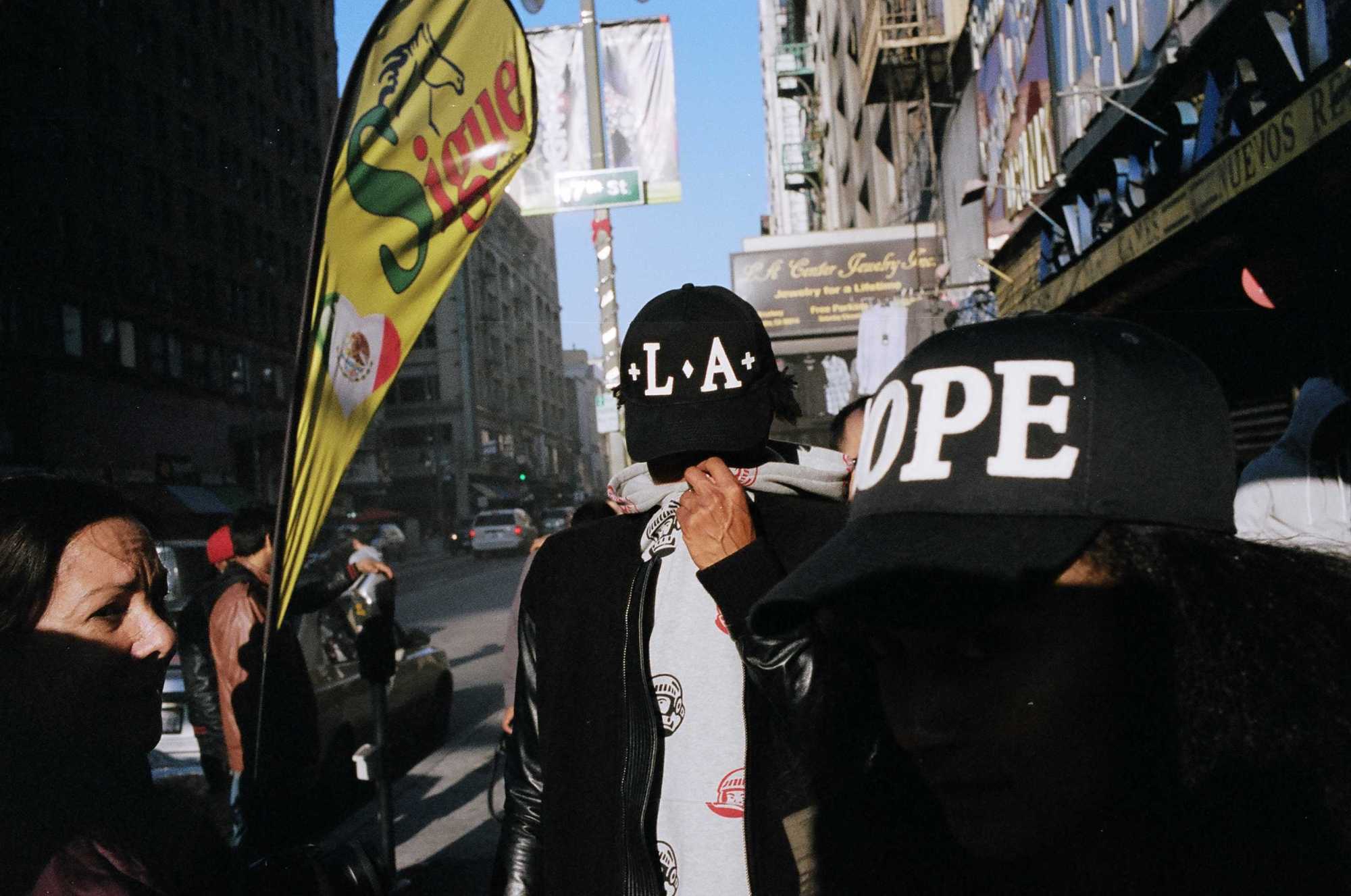
6 Tips How to Shoot Street Photography Faster
I have always been a fan of gun-slinger western movies and films, as well as samurai films.
This is something that has always been interesting to me:
How do gun-slingers or samurai train their speed and precision?
-
Individual Photography
Make photos to impress yourself– photos that when you look at them, you say:
“I can’t believe I made that photo!”
-

Why Photography is the Ultimate Game
The best photographer is the most childlike, having the most fun, being the most curious, and playing the most!
-

Stay Strapped with the HENRI PRO PHANTOM BLACK
The Henri Wrist Strap PRO: the hottest camera strap in the game.
-
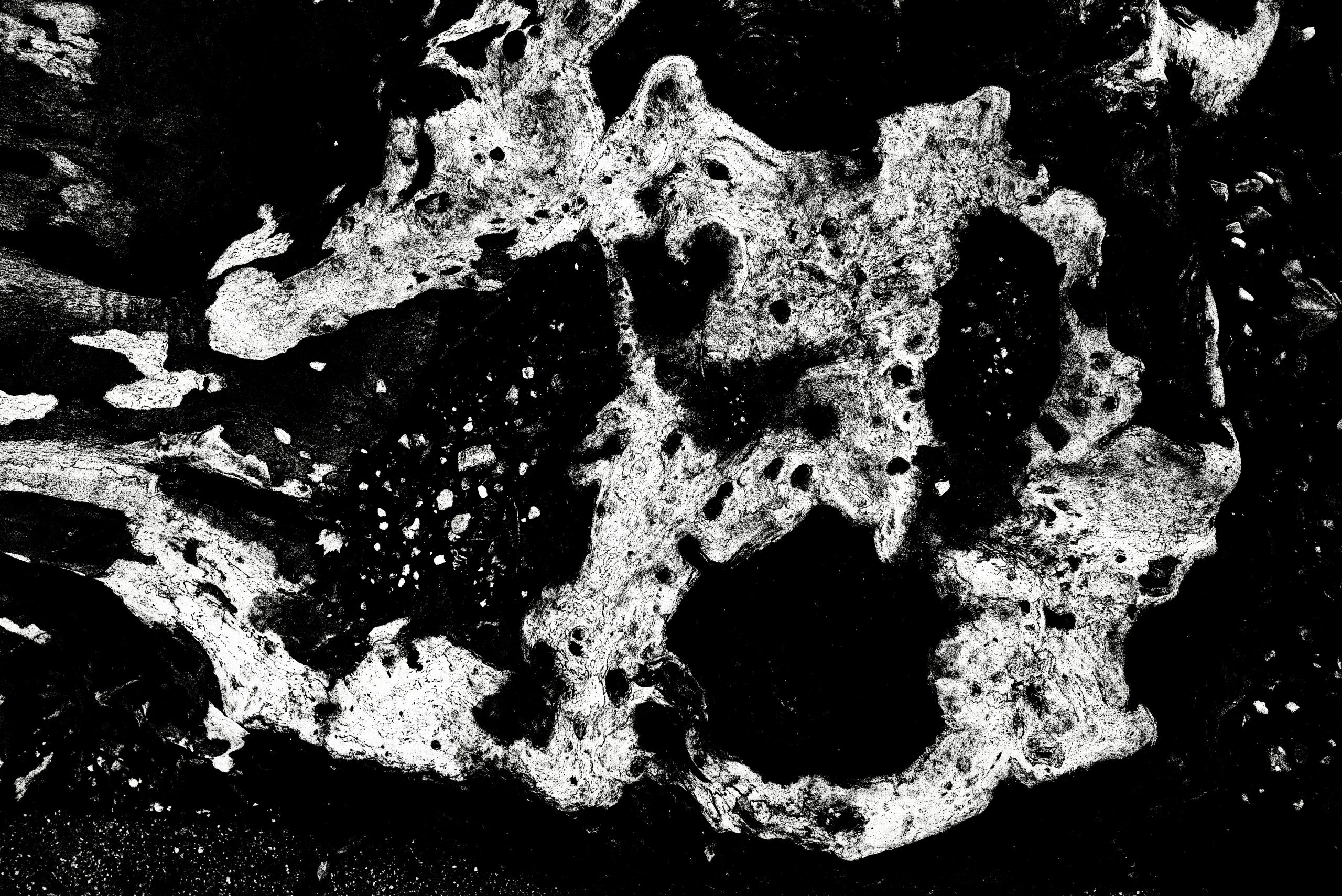
10 Tips How to Shoot Better Abstract Photographs
I love abstract photos and art. But how can one see the world in an abstract way?
-
SUPREME EFFORT OF WILL.
Why don’t we give enough credence and credit to ourselves, and our own will-power?
-
Review of Google Pixel 3 Camera for Photography
Google Pixel 3 camera (and all the computational photography involved) is phenomenal.
-
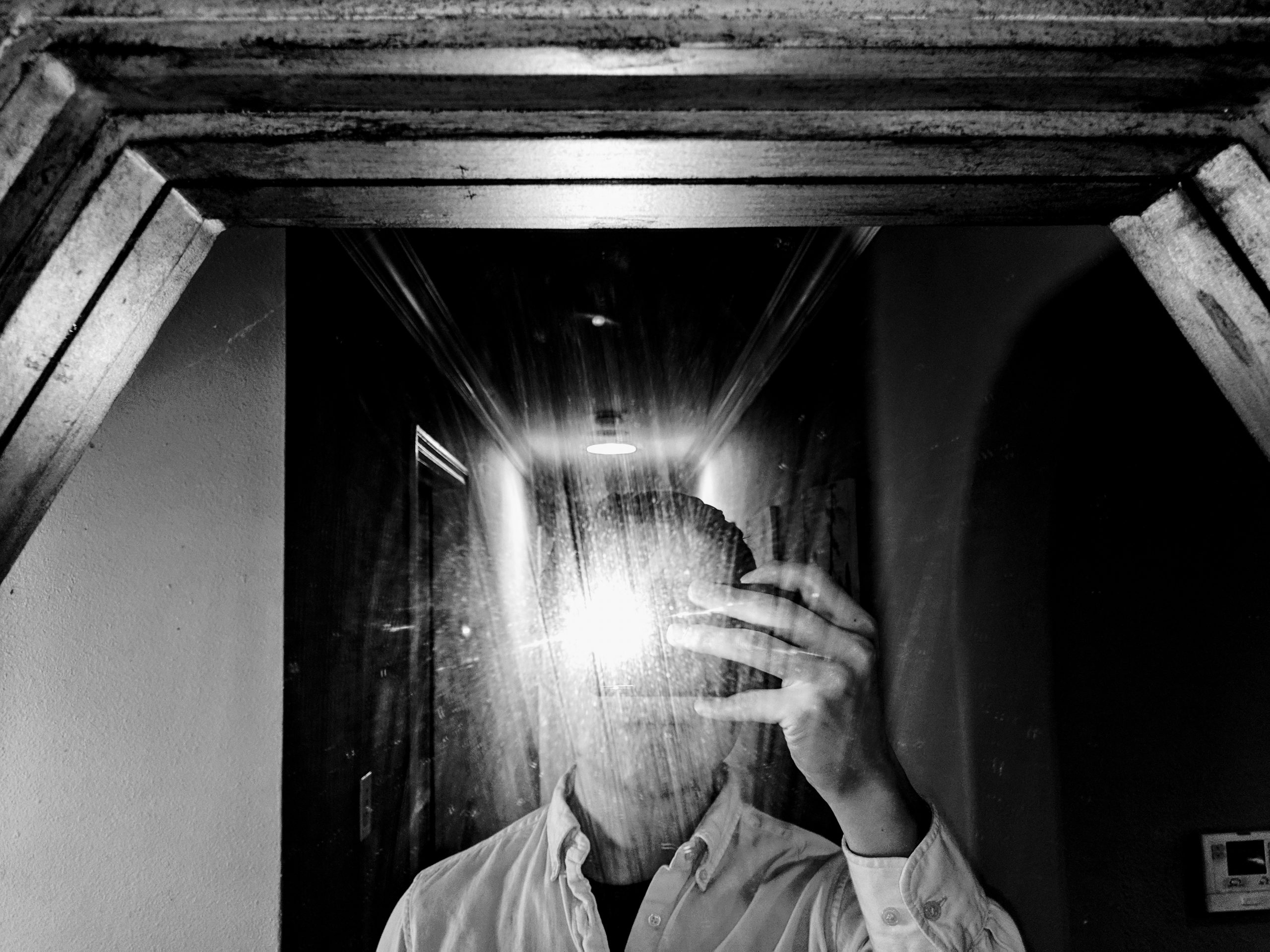
8 Simple Tips to Take Better Photos on Your Phone
In some ways, the phone is the ultimate camera. Some tips to make better photos on your phone:
-
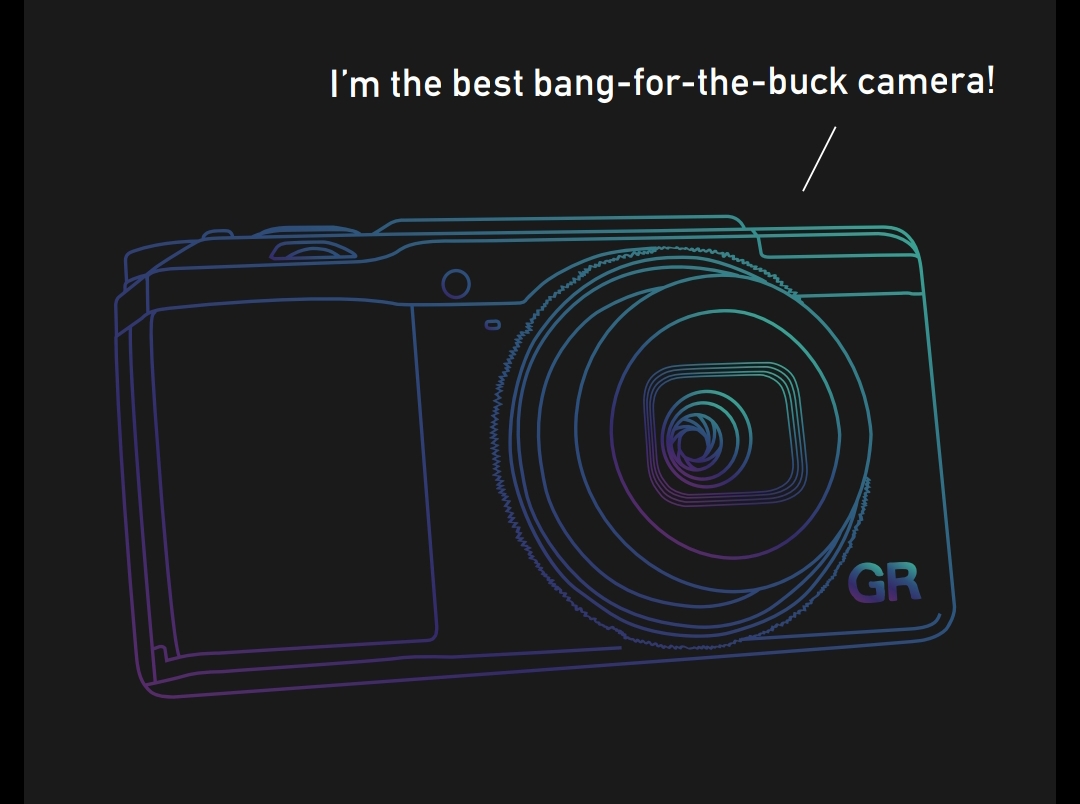
The 3 Best Gifts for Photographers
Gifts are essential to humankind, ever since ancient Greek culture (Homer’s Illiad and Odyssey). As photographers, gifts are lovely! But what are the best “bang for the buck” gifts that money can buy?
-

Unlimit Yourself
Dear friend–
What if we lived a life in which we didn’t believe we had any limits? What if we lived a life in which we kept pushing ourselves further– and devoted our entire life to discover how far we could go?
-

How to Become more Idealistic
To become more idealistic in life is simple:
Cut away negative ideas, people, and fear-inducing distractions.
-
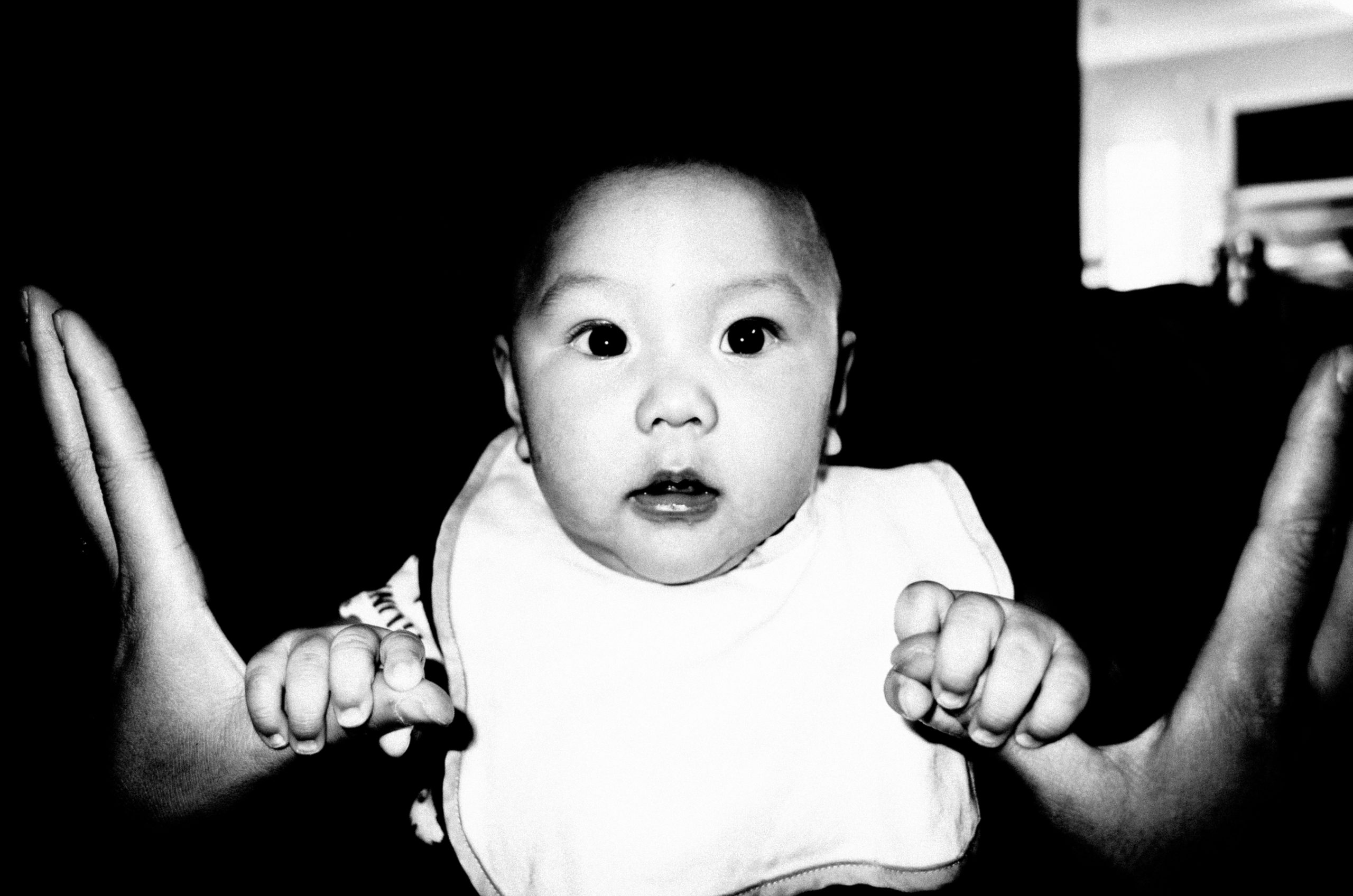
Think Decades
Dear friend,
Practical idea:
In your photography, art, and life– think decades (the long game).
-
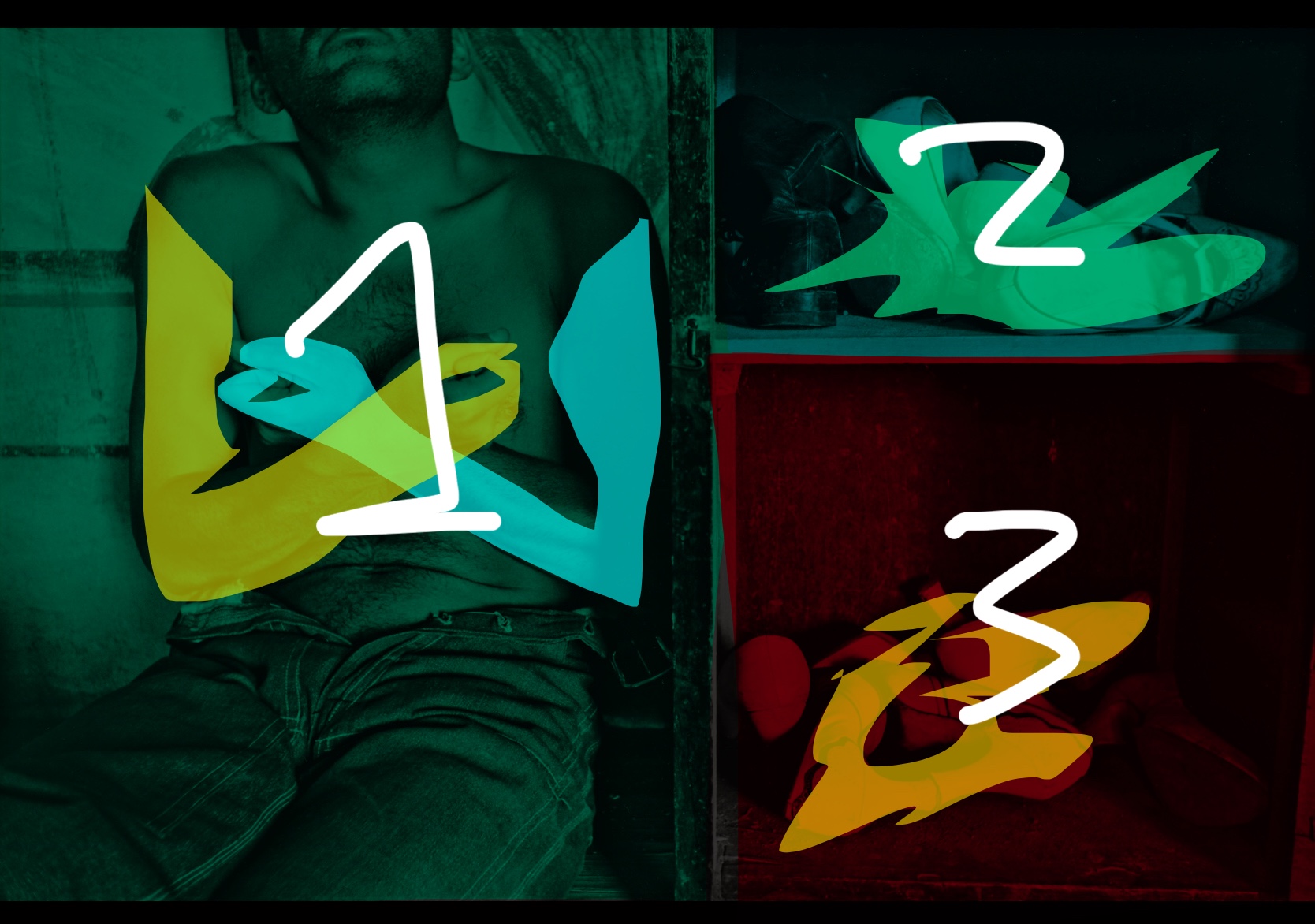
5 Simple Henri Cartier-Bresson Compositions to Apply to Your Photography
Simple yet effective composition ideas for you:
-

How to Become a Master Photographer
I’m not a master photographer (yet). These are some lessons on how you can become a master photographer:
-
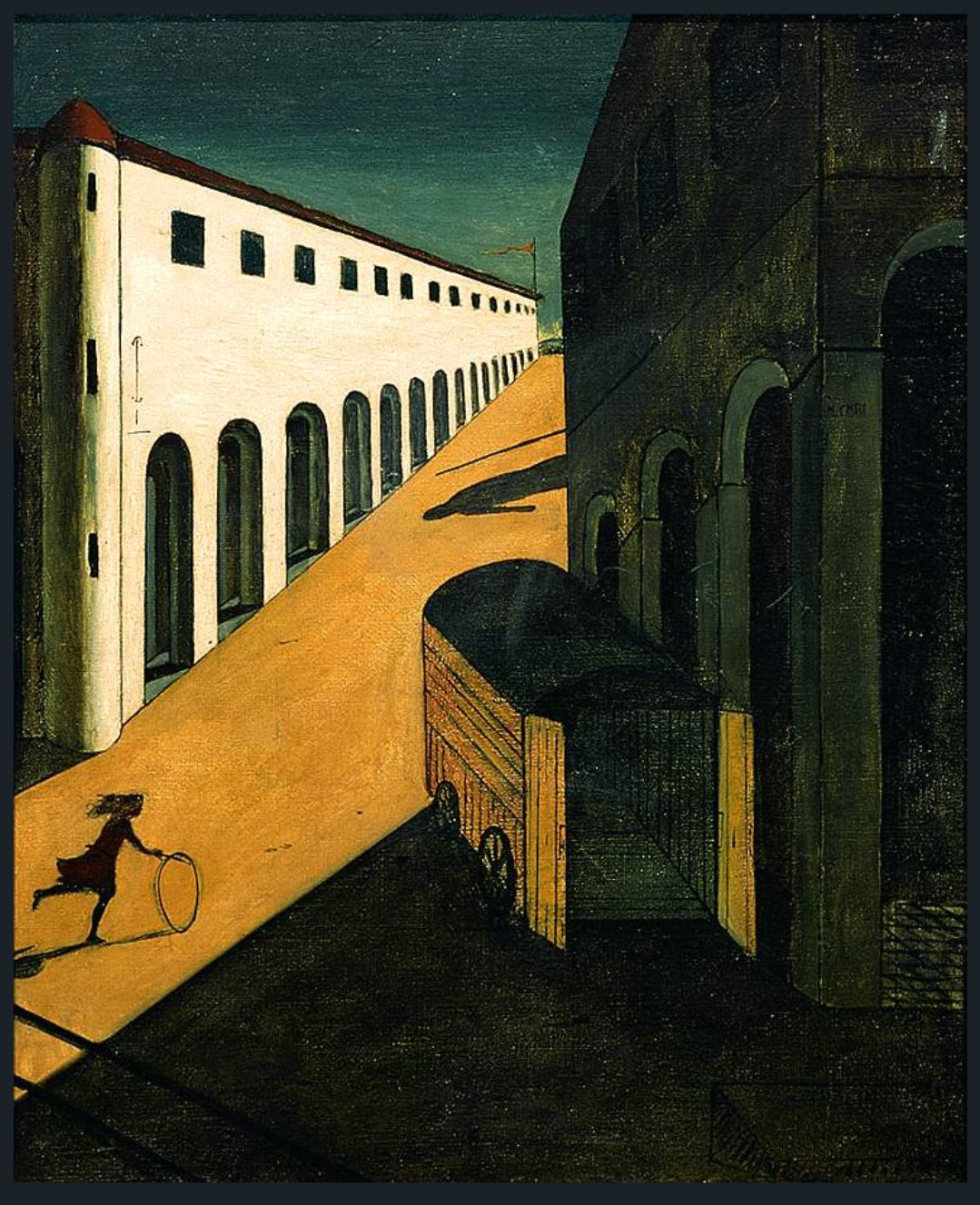
4 Lessons Giorgio de Chirico Can Teach Photographers
Giorgio de Chirico: probably one of the most underrated and underrepresented painters and artists of all time.
-

How to Be a More Productive Photographer
Your life is short. Why waste any of it, not producing things which are meaningful to you?
-
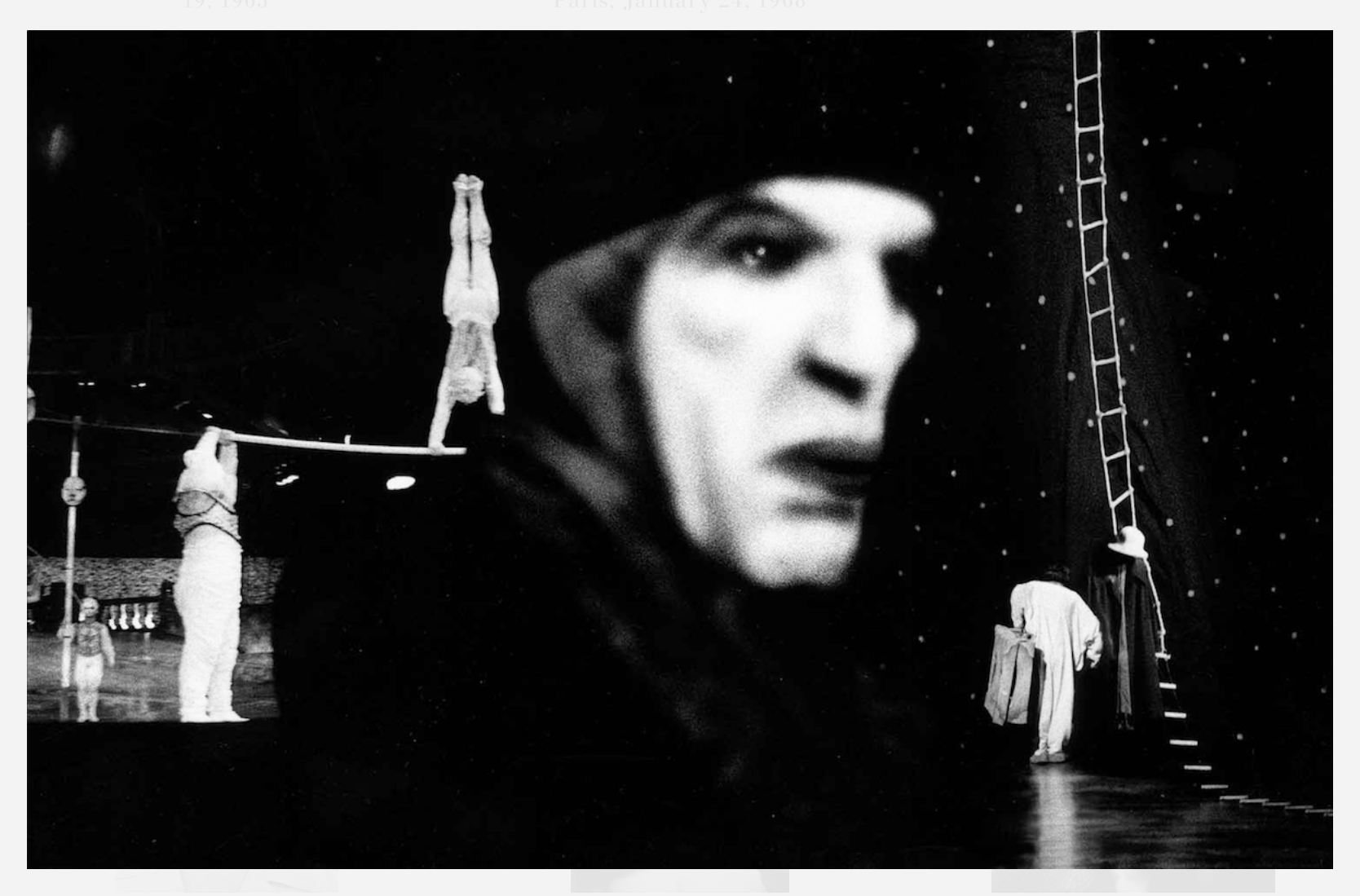
What Makes a Great Photograph? #3 Richard Avedon
What makes a great photograph? Some thoughts on the work of Richard Avedon:
-

Stand Out: How to Cultivate Your Own Personal Photography Style
Some ideas on how you can stand out as a photographer and cultivate your own photography style:
-
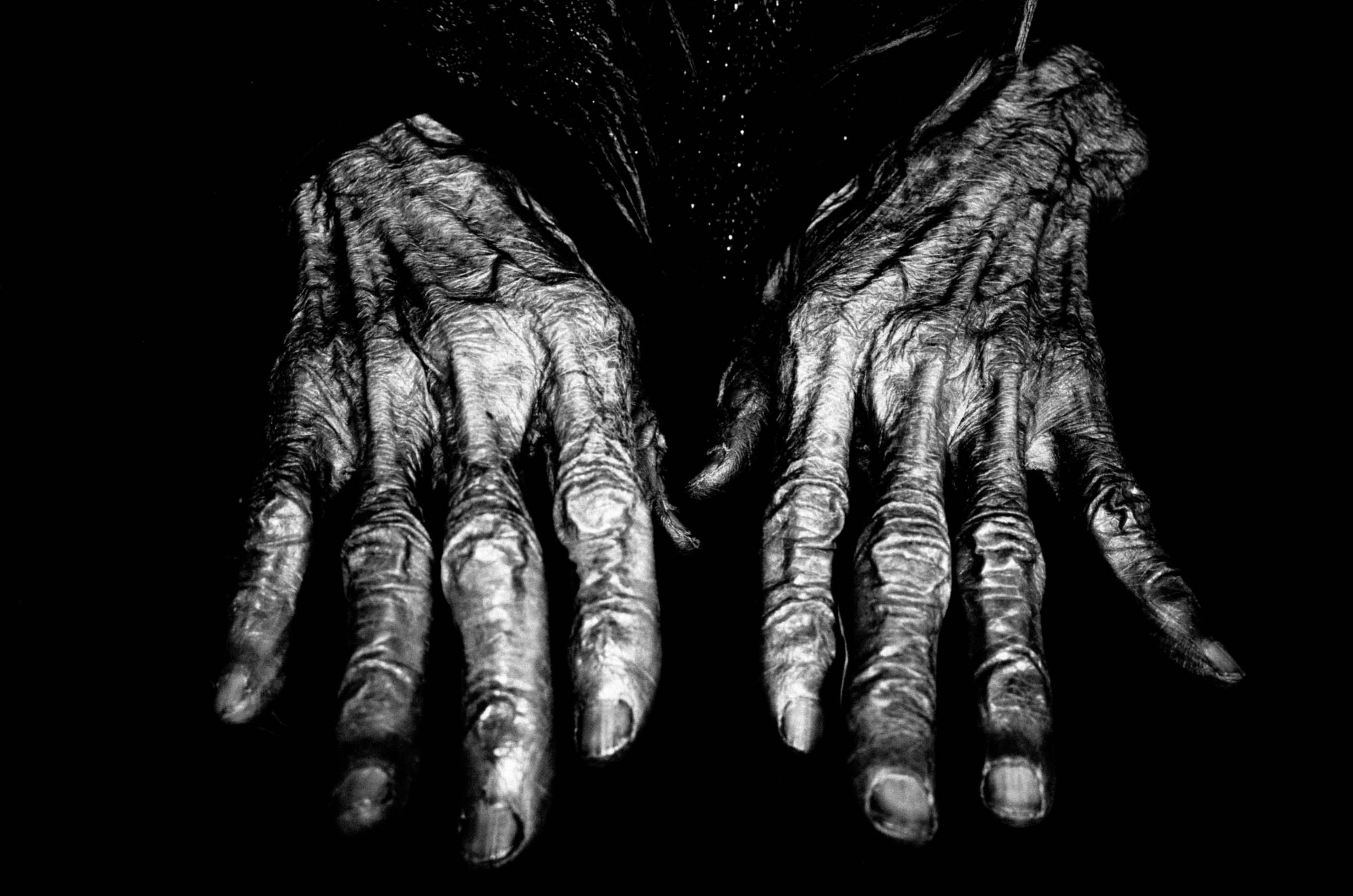
10 Travel Street Photography Tips
To promote my upcoming travel street photography experiences, I want to share some practical street photography tips (when you shoot while abroad):
-

SPLASH OF CHROMA: Get a FREE Crimson Red Henri Wrist Strap (with any purchase over 99 USD)
Limited-time offer: Order 99 USD+ of products from the HAPTIC SHOP and receive a FREE Crimson Red Henri Wrist Strap (limited to the first 20 orders):
-
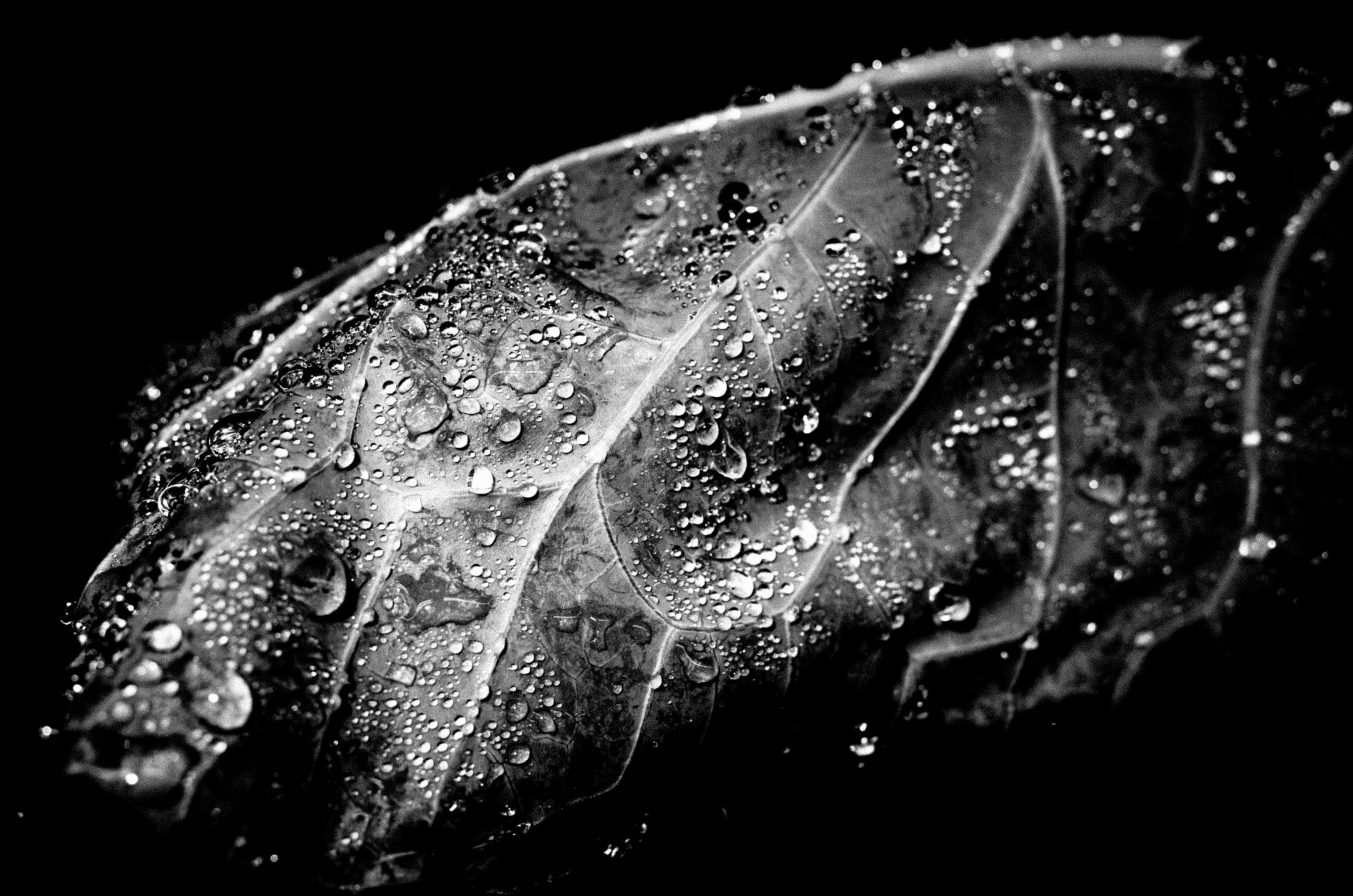
How to Discover Beauty in the Mundane
I’m back in the suburbs of LA, and shooting again with my (broken) RICOH GR II, and I am amazed — there is so much beauty in the world!!! The thing is — you can only discover this beauty if you look very closely.
-
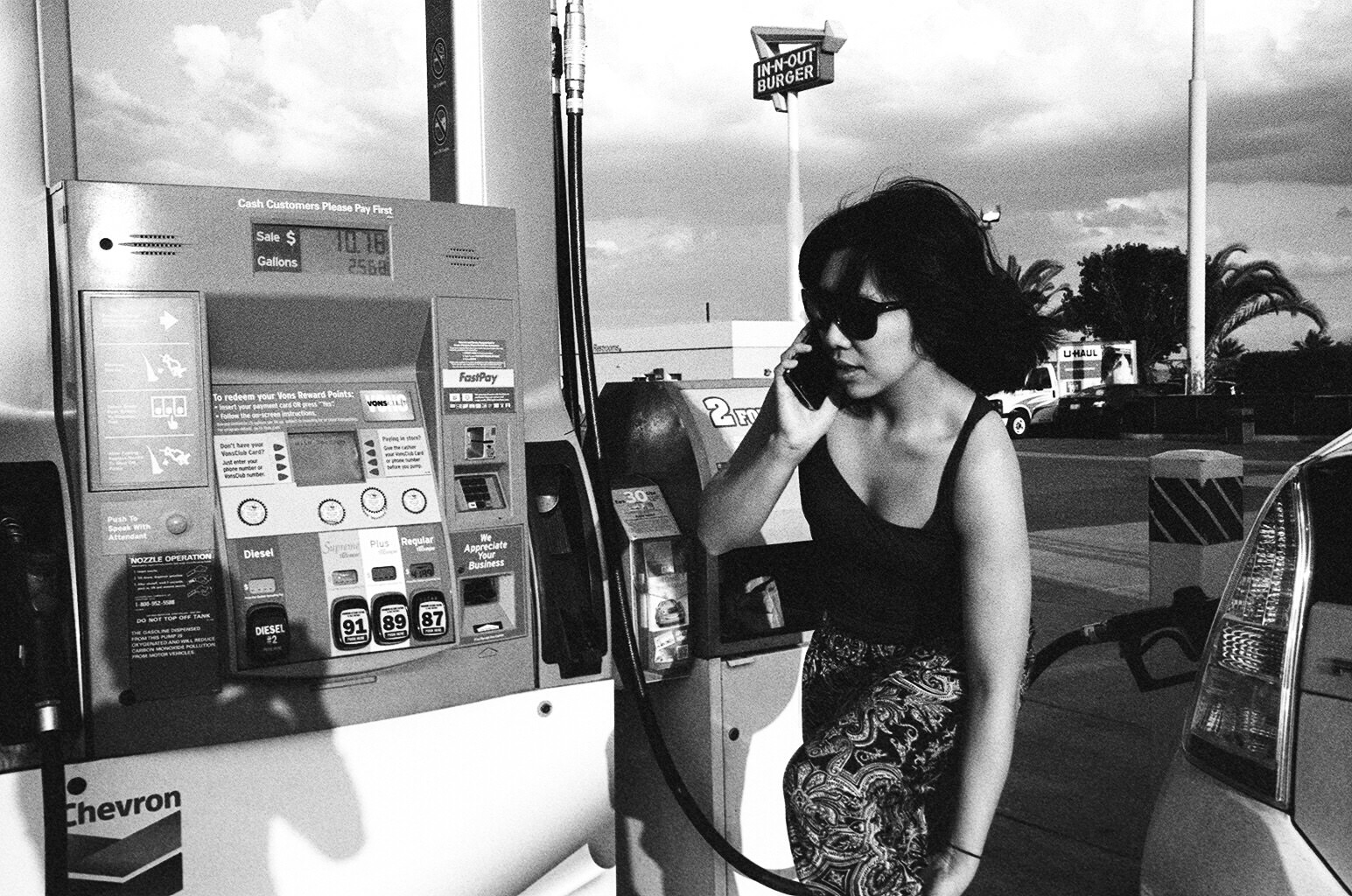
Why Traveling Will Transform Your Life
Traveling will help you discover new truths to live a happier life:
-
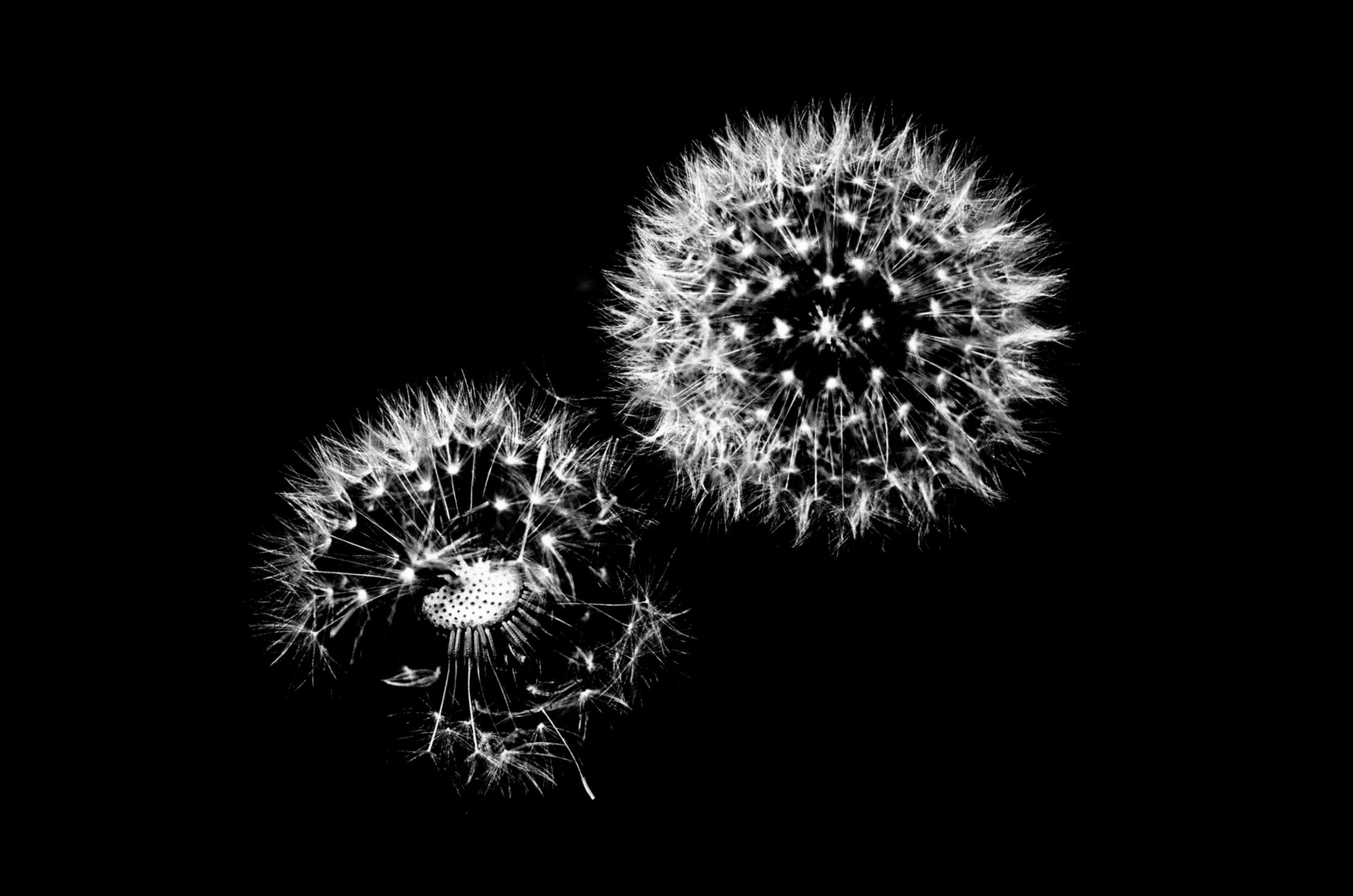
Infinite Inspiration in Photography
Dear friend,
I just got back to the “boring” suburbs of Orange County, and am super inspired again in my photography. Let me share some thoughts with you.
-

Black and White Photography is Simple Yet Infinitely Complex
Why I love black and white photography:
-

How to Start Your Own Personal Photography Project
If you are looking for a fun activity, photography projects can be for you:
-
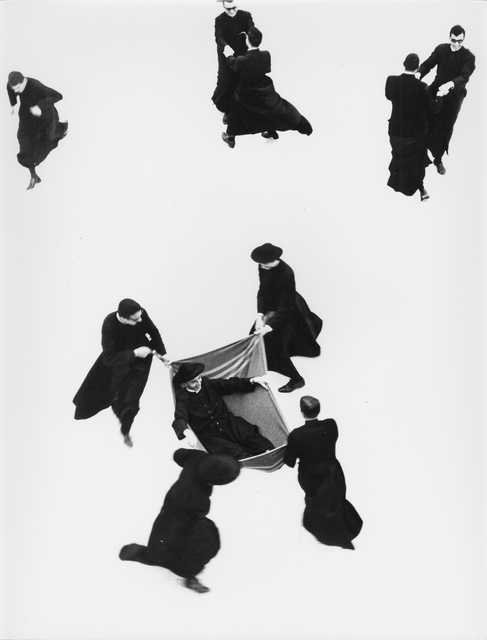
4 Lessons Mario Giacomelli Has Taught Me About Photography
Mario Giacomelli: One of the masters of monochrome:
-

Life Without Photography is a Life Not Worth Living
If art didn’t exist, would you desire to still live?
-

Strive to Make Perfect Photographs
Perhaps the point of photography is to make strong single images.
-
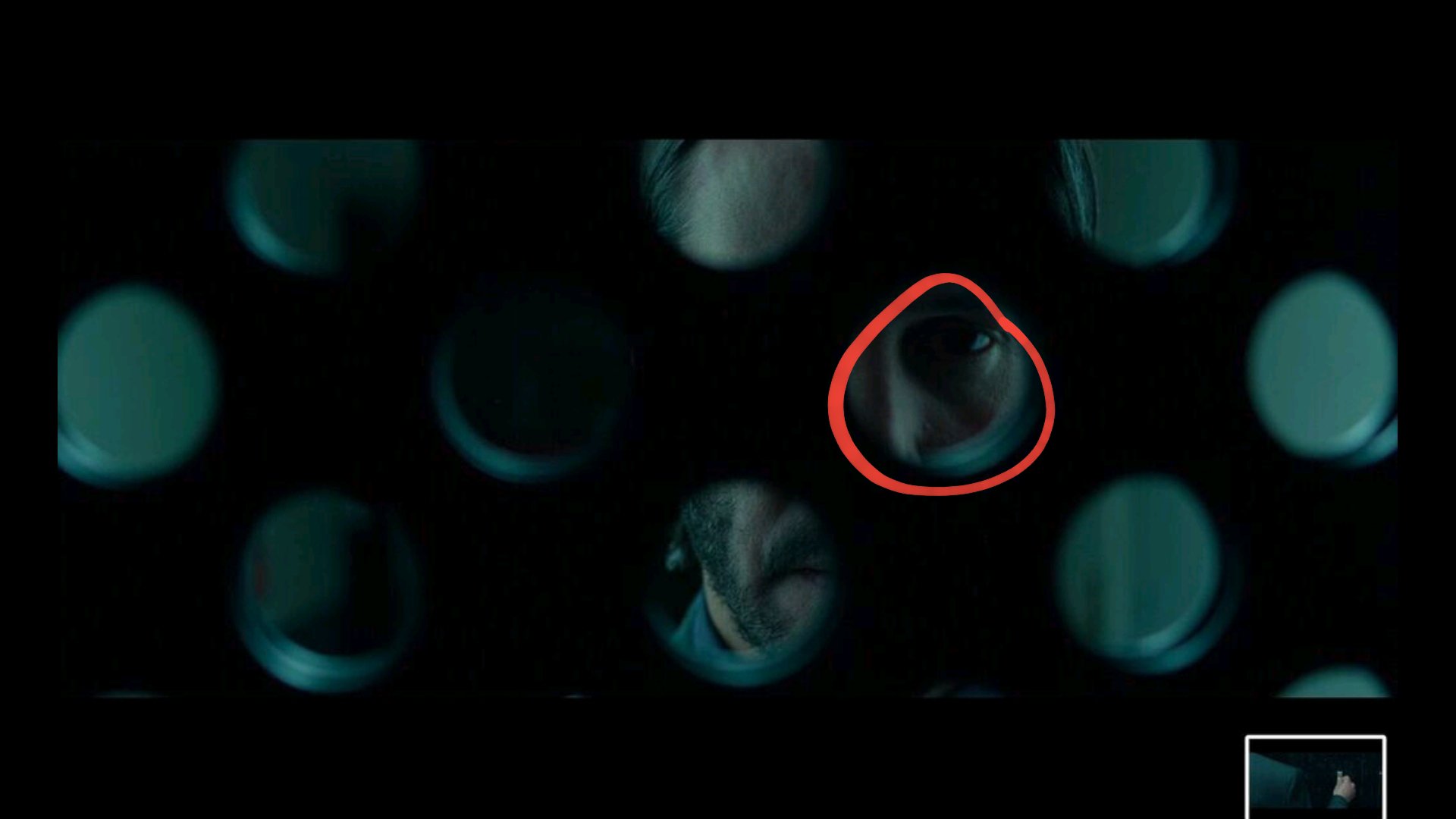
John Wick (Part 1) Film Cinematography Composition
John Wick: I can’t believe I haven’t seen this film until now! Probably one of the best action movies I’ve ever watched. I love the action, cinematography, color palettes, and of course– the ultimate badass Keanu Reeves:
-
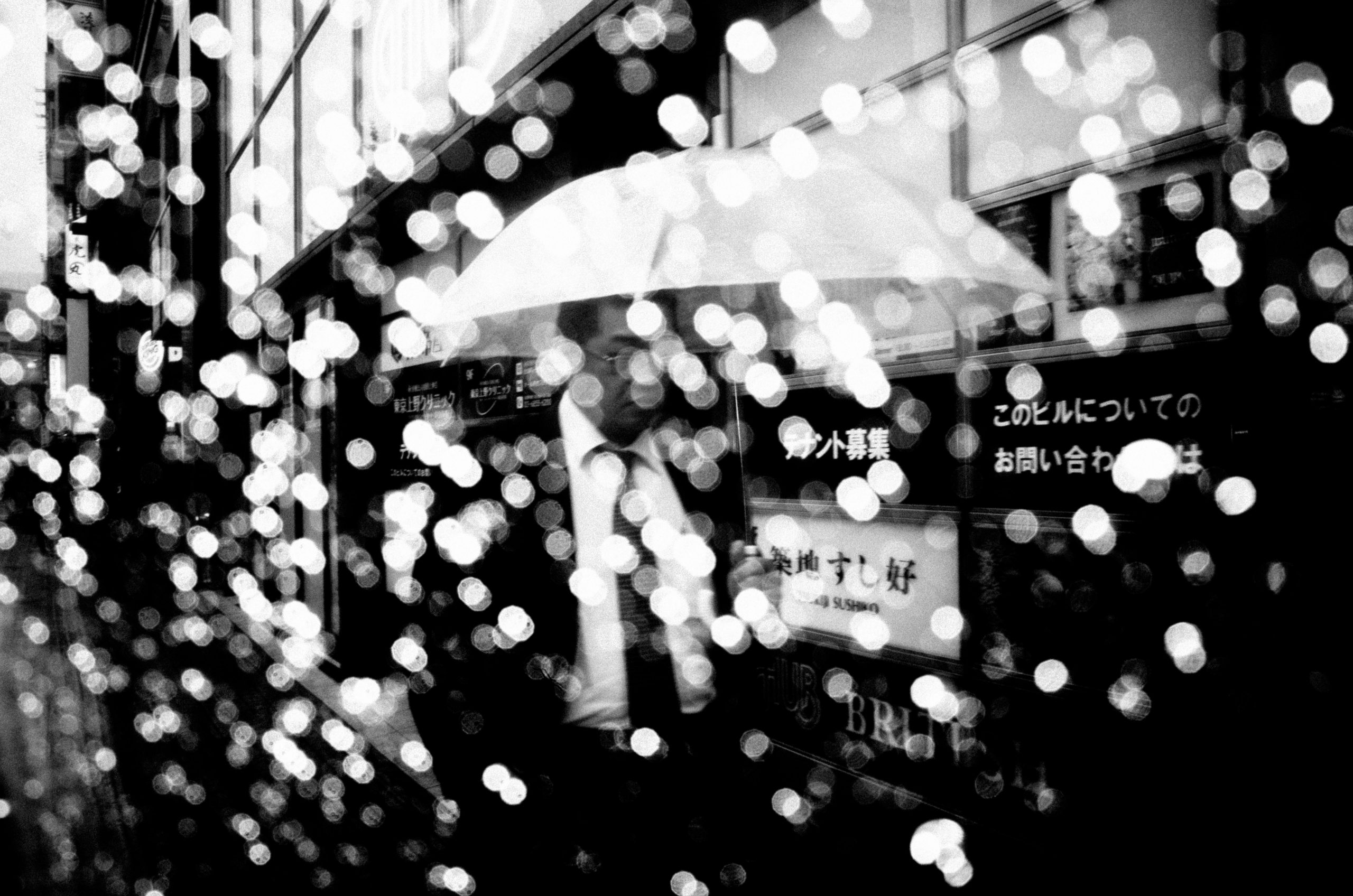
Why is Photography So Fun?
What makes photography fun? Our opportunity to interact with the real world!
-
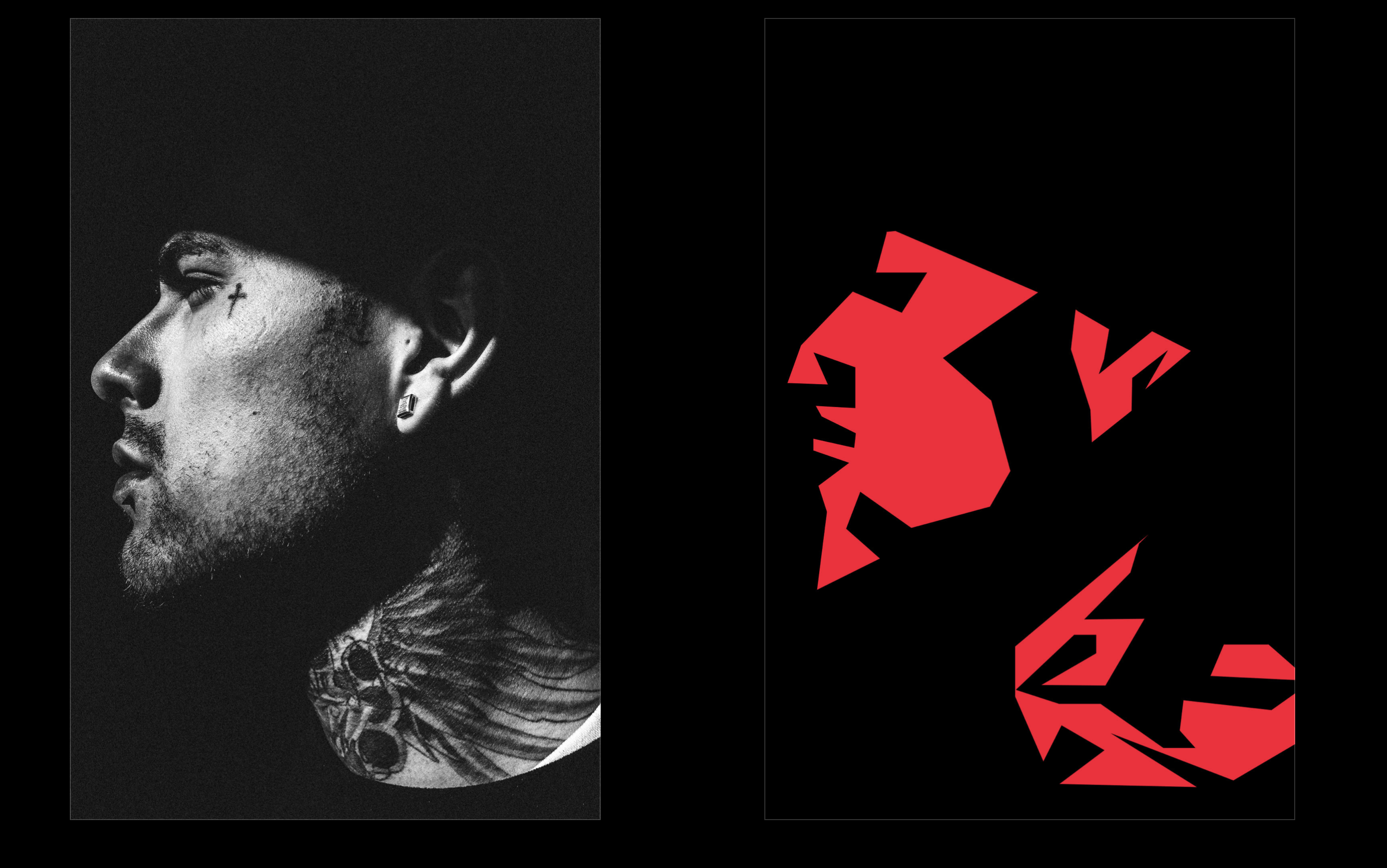
3 Truths I’ve Discovered in Street Photography
A shortcut to accelerate your street photography learning:
-
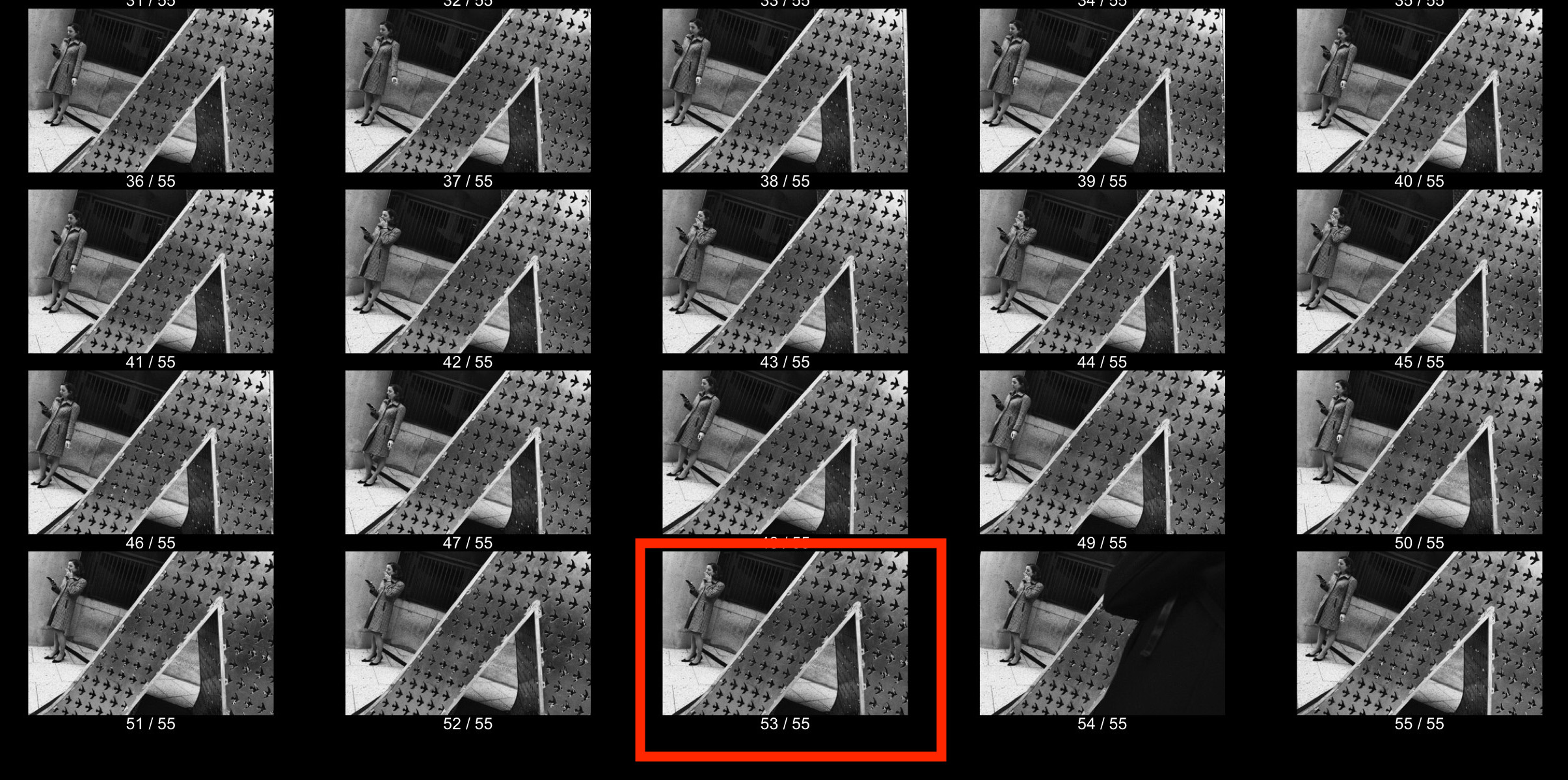
Lingering Technique: How to Work the Scene in Street Photography
Dear friend,
Basic concept in street photography:
When you see an interesting scene, don’t just take 1-2 photos and run away. Instead, keep “working the scene” (shooting the scene from different angles, and distances), and linger around, and keep shooting photos!