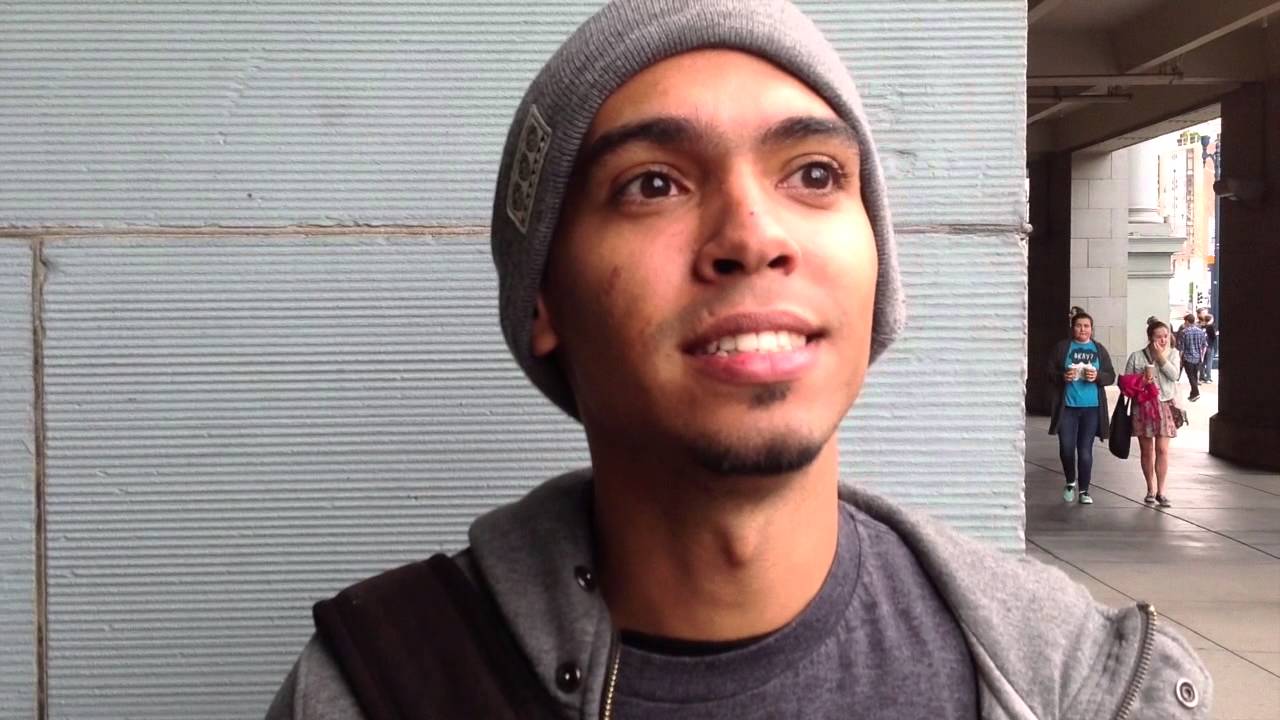
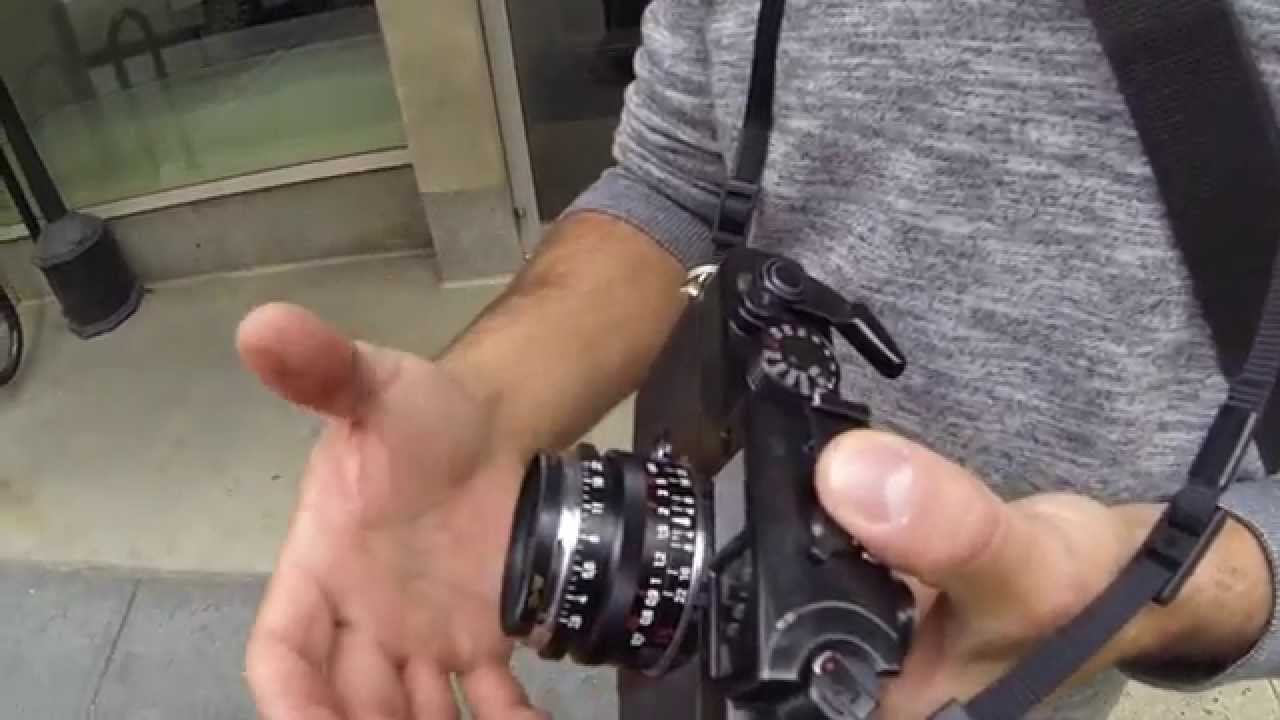
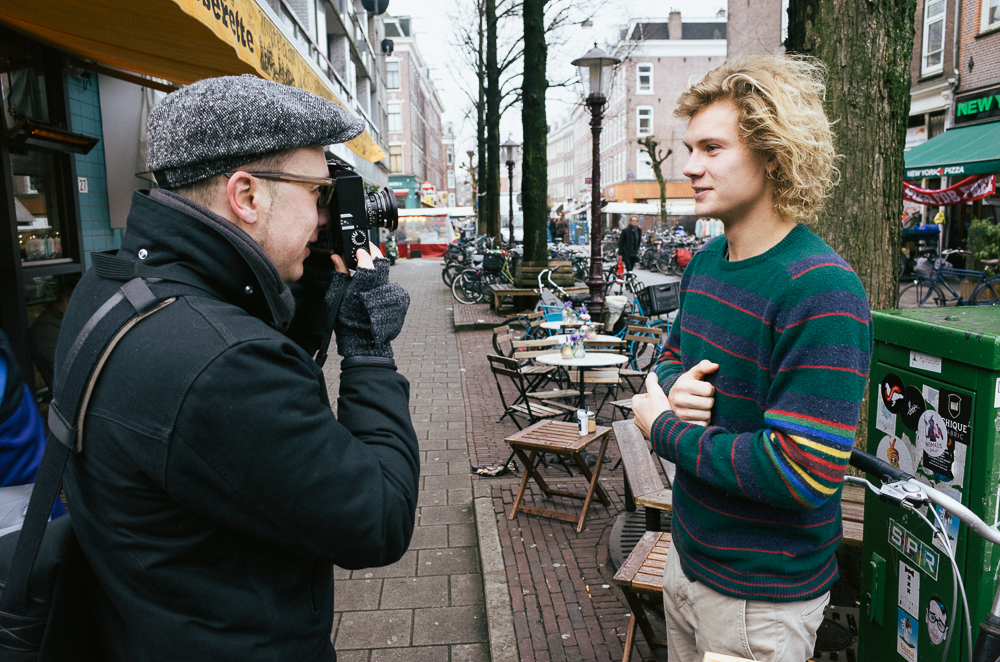
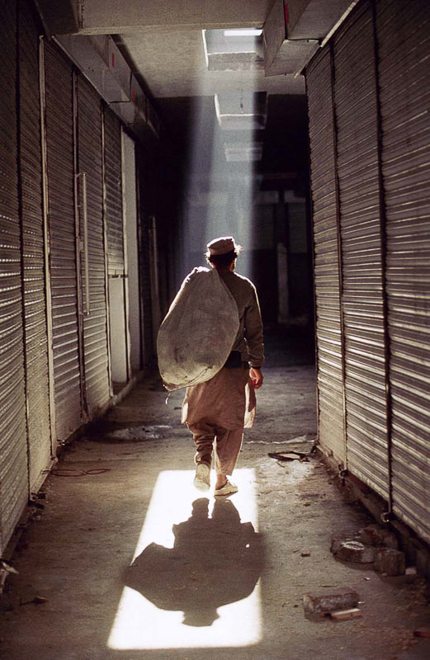
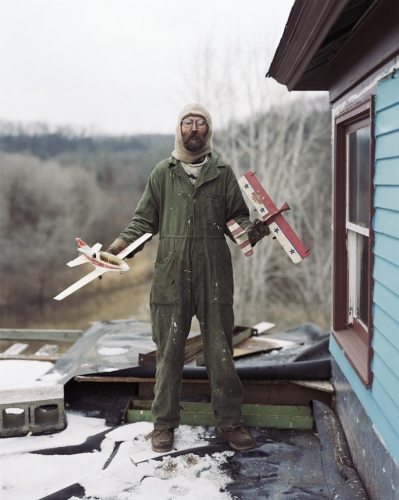
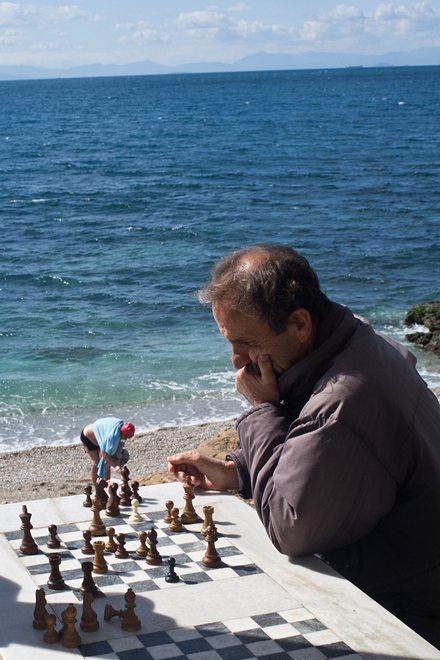
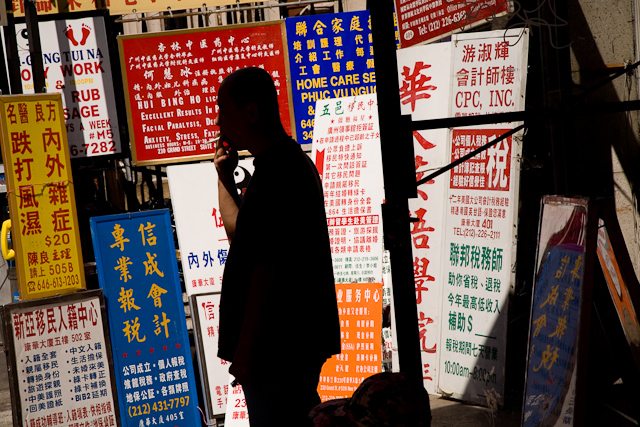
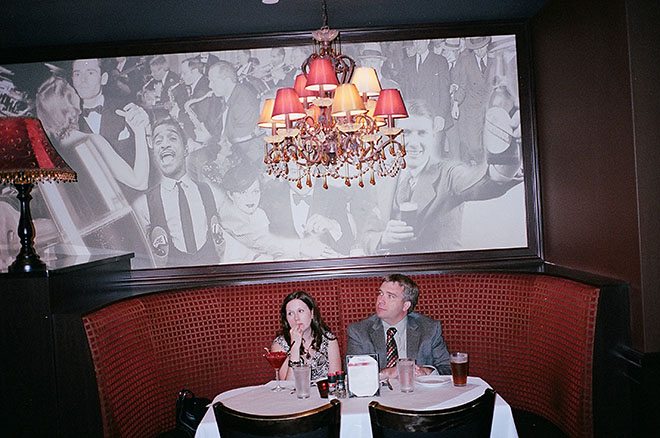
Earlier this year I met up with Hector Isaac, a street photographer originally from Cuba who moved and started shooting street photography in Miami, and now is based in LA. He is a part of the Strata collective.
In the video Interview I talk with him about his start in street photography, about the Miami Street Photography Festival, and his thoughts about working in color!
I recently finished teaching my Istanbul Week-Long Travel Street Photography Workshop with Charlie Kirk. We started off the workshop with a portfolio review, and we focused on each student’s individual needs. I am very impressed with all of the improvements from the students in working really hard during the week, and making a tight edit at the end!
See all the before/after photos below, and if you are interested in taking your street photography to new heights, check out my upcoming street photography workshops.
I recently finished reading “The Snowball“, a biography on the life of Warren Buffett, one of the most successful investors of all time. One inspirational thing I got from the book was how Buffett always played by his “inner scorecard” — staying true to himself and his own standards. Seeking to please himself, and not others.
I think sometimes photographers think photography is a sport with clear winners and losers. But photography isn’t a zero sum game. There are no point system. Rather we sometimes use social media follower numbers, the amount of exhibitions we’ve had, the books we’ve published, the gear we own, to validate our self worth (compared to other photographers).
But screw all of that. Shoot based on your own “inner scorecard”. Challenge yourself in photography, and know you aren’t competing with anyone. There are no clear winners or losers. We should focus on collaborating with one another, rather than worrying about who is a better photographer or who has more “favorites” or “likes”.
Don’t aim to be the best photographer out there. Rather, aim to the best photographer you can become.
My good friend and talented photographer Gary Tyson from F8 Photography in Hong Kong has recently put together a very helpful video on how to convert Fujifilm X-T1 RAW files into black & white with Lightroom 5.4 and Silver Efex Pro 2.
If you are unfamiliar with post-processing your street photography into black & white, the instructions is a great starting point for any camera. You can also download my black & white Neopan 1600 for Lightroom here. You can download all my Lightroom presets for free here.
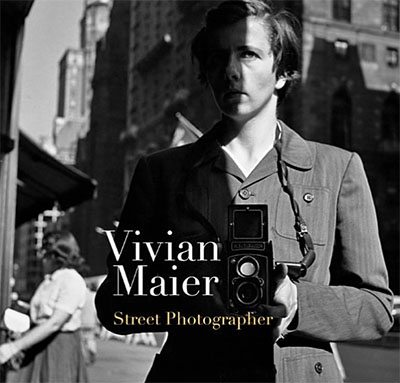
A street photographer whose work and life I hugely admire is that of Vivian Maier. For those of you who haven’t heard her story, she worked and lived as a nanny her entire adult life– and shot street photography on the side for herself. She created incredible black and white and color work through the 1950’s all the way through the late 1990′s. She shot an incredible amount of images– that amount to over 100,000 negatives.
Recently the documentary: “Finding Vivian Maier” on the mystery behind her life and discovery came out. I realized I haven’t written an article on her yet– so I wanted to use the opportunity to do so.
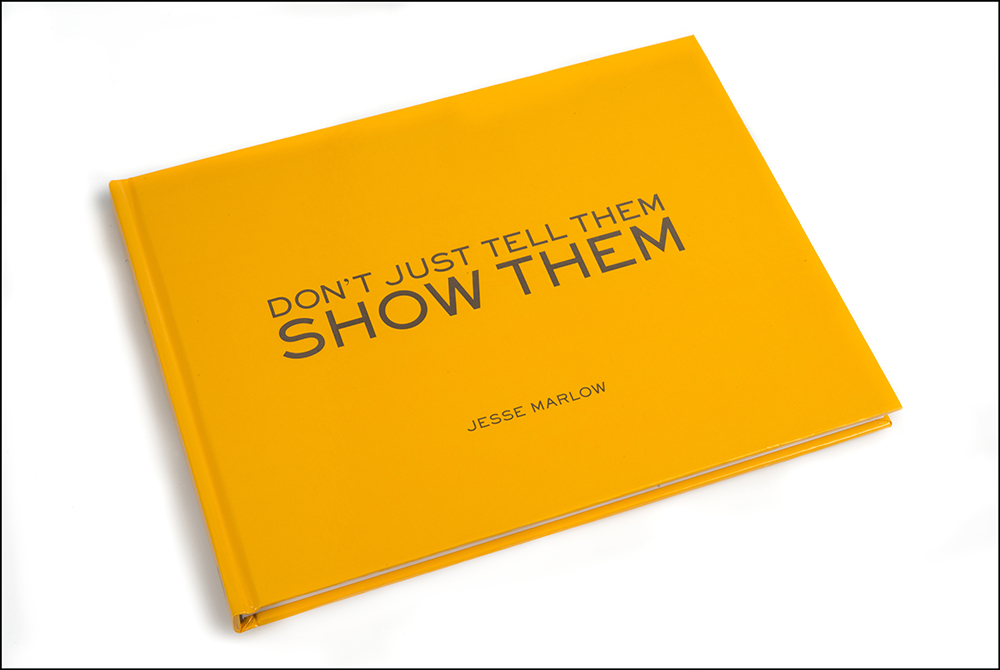
Jesse Marlow is a street photographer based in Melbourne, and a member of In-Public. He recently published his book: “Don’t Just Tell Them, Show Them.” The images were shot over a 9 year period on the streets of Australia and Europe and features 50 color photographs. I interview him on his start in street photography, the book-making process, and his interest in color film.
I just finished my NYC Intermediate/Advanced Street Photography Workshop this past weekend, and was so impressed to see the progress all the students have made. The focus of the workshop was finding your own style and voice– and it was centered on working on a mini-project.
Check out all the students’ before/after work below! If you want to take your street photography to the next level, you can also see my upcoming workshops here.
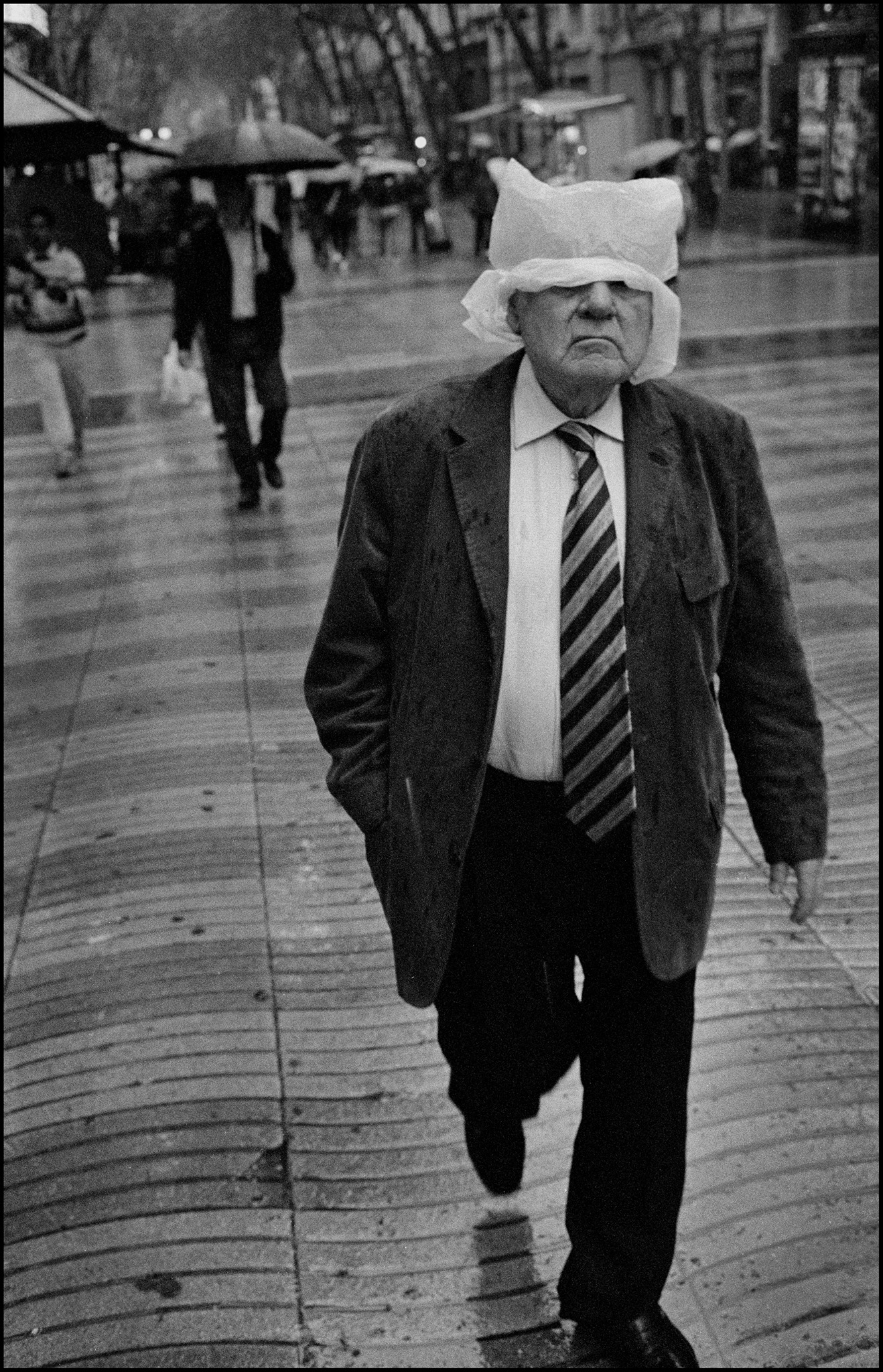
I am excited to share this week’s winner for the “Bad Weather” street photography assignment is Julian Furones from Spain.
I love the sense of humor in the shot, the striped tie juxtaposed against the curved stripes on the ground, and the slightly out-of-focus figures of the people in the background with umbrellas. It is a shot that immediately makes me laugh, and reminds me of an Elliott Erwitt shot that could have been shout out of the 50’s.
This week’s assignment is: “Food” (thanks to Julian for helping me come up with the idea).
How to enter: Upload your (1) best street photograph directly to my Facebook fan page according to the theme (and a link to your Flickr or website). Deadline is this Sunday (April 13th) at midnight, Pacific Time. I will choose my personal favorite and share it on the site. Have fun and good luck!
I recently had a chance to catch up and grab a coffee with Justin Vogel and Matt Stuart while I was in NYC. I did a quick video interview with Justin about his feelings on moderating the HCSP group on Flickr, what he thinks makes a memorable image, shooting color film, and his other thoughts on street photography.
You can also see a past interview with him on my blog here.
All photographs in this article are copyrighted by Richard Kalvar / Magnum Photos
Richard Kalvar is one of the contemporary masters in street photograph, and also a member of Magnum. I have always loved his quirky and observant street photographs, and am quite pleased how active he is– especially on Facebook and the Magnum Blog. I gained a lot of insight about his work and street photography through his various interviews online. Read more to gain inspiration from him!
This article by Josh White, a street photographer based out of Korea. This article originally appeared on Josh’s blog here.Â
DEFINITION
Gear Acquisition Syndrome (abbreviated to GAS) is a term used to describe an urge to acquire and accumulate lots of gear.
TREATMENT
None
GAS hasn’t received any major medical attention. GAS is not a clinical condition. It can be the result of a psychological lack of personality.
source: Wikipedia.
A lot of people have asked me a lot lately about cameras and getting over the feeling of wanting every f*cking camera you see. As much as I hate gear talk now, I really feel like this post is necessary.
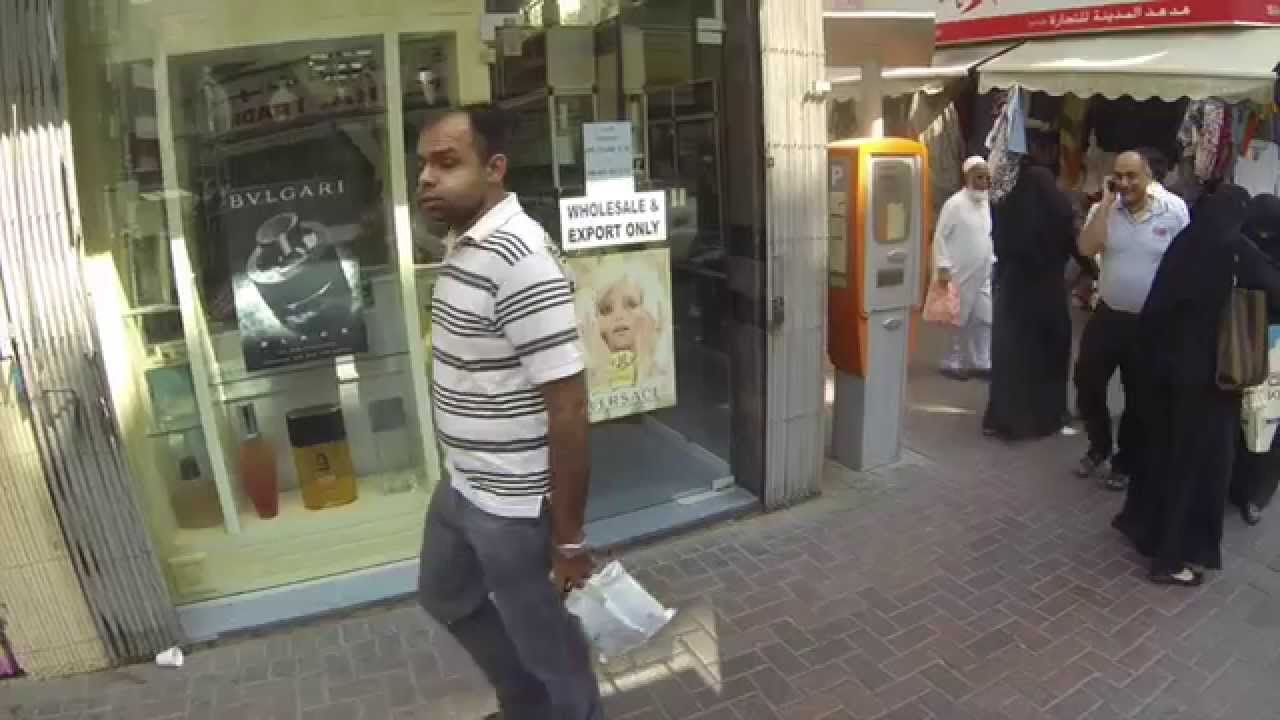
In this video I share a basic street photography technique: finding an interesting background and waiting for an interesting subject to come in and create a juxtaposition. Filmed on my GoPro Hero 3 with the Fujifilm X-T1 in Dubai, during my street photography workshop at Gulf Photo Plus 2014.
I recently hit the streets of NYC with Jerry Pena, a color film street photographer based in upstate New York. Watch him talk about his inspirations in street photography and footage of him shooting on the streets above. You can also see my other feature with him on the blog here.
All photographs in this article are copyrighted by Jeff Mermelstein.
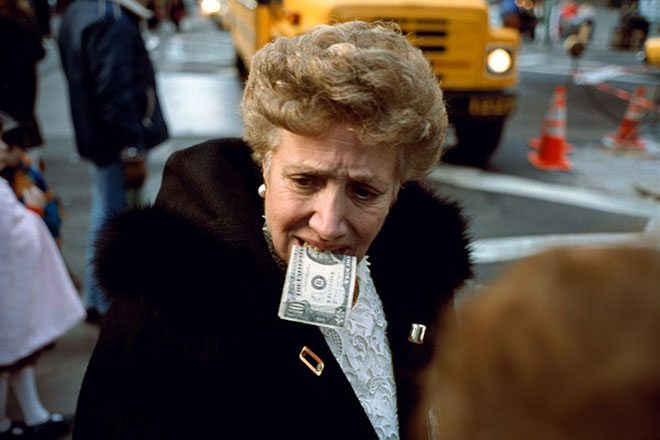
I love the street photography of Jeff Mermelstein. Hailing from New York City, he is one of the most prolific street photographers and photojournalists out there. Besides his personal street photography work, he has done major assignment work for Life Magazine, The New Yorker, and The New York Times Magazine.
When I first saw Jeff’s images, I was blown away by the simplicity but depth of emotions in his photographs. His photographs are very quirky, and intensely powerful as well.
I wanted to dedicate this article to Jeff– in terms of how he has inspired me in street photography. I also hope to share some of his philosophies, images, and experiences with you.
After a long hiatus, I am excited to announce I am starting the weekly street photography assignments again!
This week’s street photography assignment is: “Bad Weather.”
Upload your best (1) street photograph directly to my Facebook fan page wall by Saturday midnight and I will announce the best image via Facebook by this Monday morning. Looking forward to seeing your images!
Igor Rudenko is a street photographer who captures poetic and timeless monochromatic images from Kiev, Ukraine. This interview is by Mehdi Bouqua, a street photographer from Downtown LA.
This post is by Dan K, a writer, camera collector, and photographer from Hong Kong.
Dan: Today I have the pleasure of summarising Eric Kim’s contribution to street photography. At a loss for ideas, I threw the question open to my social media followers. Big mistake! All I got was flames and no tips at all about actual street photography.
When the seat of my pants had sufficiently cooled, I sat back and mulled it all over. Why is one of our generation’s best known street photographers so successful when opinion of his work is so… “divided”?
What can we learn from the way he works that would be useful to the modern street photographer keen to emulate his name recognition?
Lansing, Michigan 2013. Part of my on-going “Suits” project.
Thanks a ton to Michael Meinhardt for interviewing me for the “Shooting Street†podcast. We talked about shooting street photography with flash, finding your own style, overcoming boredom, shooting film, photo books, and ideas for the future! Check out the hour-long interview below:
OBSERVE is an international photography collective focused primarily on the practice of candid street photography. This week’s feature is Fadi Boukaram, a street photographer currently based in Broumana, Lebanon.
Gustavo: Hi there, I’m a 32 years old guy born in Cassia, a small town in Brazilian countryside, now living in Sao Paulo. I first got interested in photography during my journalism course at uni, around 2001. Maybe a bit earlier, as I drew a lot as a child, roughly, and photographed school parties with a point and shoot.
After university, I lived in London for 1 year, working as a waiter and just spending time. I bought a handycam with miniDV tapes and started filming everything around, later editing with Windows Movie Maker. I was inspired by those late boring Godard movies, which are mostly about apparently random images. These were the origins of my street photography, as the process was about the same – wandering alone and watching people. (more…)
This guest blog post is by JT White, a street photographer currently based in Seoul, Korea.
JT: Eric and I often talk about projects as we work on them. We often help each other edit, sequence. He usually does the editing, me the sequencing. I suppose that is just what we’re good at. While editing my project, The Culture, Eric asked if I would write a short post about the project and how it came about.
As a bit of background, Eric and I have been friends for a long time. We taught a Leica Workshop together in Seoul a couple of years ago. Shortly after that workshop I came back to Canada. During that time I had four different Leica cameras and a bunch of lenses. I was like the king of gear. I had everything and bought and sold everything else.
The photos in this article are from my new “Detroit” series.Â
I’ve had the pleasure of being a judge for a handful of street photography competitions: including the International Street Photography Awards 2012, the Urban Picnic Street Photography Contest in 2013, and the International Street Photography Awards 2014.
It was a fascinating experience being a judge– and it has taught me a lot of lessons in terms of how to judge others’ work. More than that, it has taught me to better judge my own work. Here are some lessons I’ve personally learned being a judge, and some tips I suggest when you enter a street photography contest:
David Alan Harvey is one of the living legends in street photography. He is a member of the prestigious Magnum Photos agency, and also quite active in the contemporary photography world– featuring emerging photographers through burn magazine while teaching courses all around the world.
Close to 70 years old, he is still prolific in his photography–he travels constantly and takes photographs everyday. He still retains the passion for photography as he had as a 12 year old boy.
Disclaimer: I was given the Fujifilm X-T1 as well as a 23mm f/1.4 Lens, a 27mm f/2.8 lens for free from Fuijfilm. I am not getting paid to do this review, and will try my best to give an un-biased opinion as possible. But note that because I was given to it for free, I will probably be a bit biased (either consciously or subconsciously). But after shooting street photography with the X-T1 for a week in Dubai, below are my experiences with the camera.
When I was here in Dubai for Gulf Photo Plus, the guys from Fujifilm were generous enough to give me a new Fujifilm X-T1, the Fujifilm 23mm f/1.4 (35mm full-frame equivalent), as well as the Fujifilm 27mm f/2.8 Lens (~40mm full-frame equivalent). I shot with it everyday for around a week.
Overall I like the camera a lot and would highly recommend it (superb image quality, great form factor, and responsive). Some downsides are that the AF isn’t as accurate and quick as other cameras (like the Olympus OMD)– although it is a huge improvement from the X-Pro 1 and x100s. Hope this improves with future firmware updates.
I have a in-depth text-based review coming, but in the meanwhile– check out my video review above. I talk a bit more in-detail the near features of the cameras as well as more in-depth thoughts on how I like it in street photography!
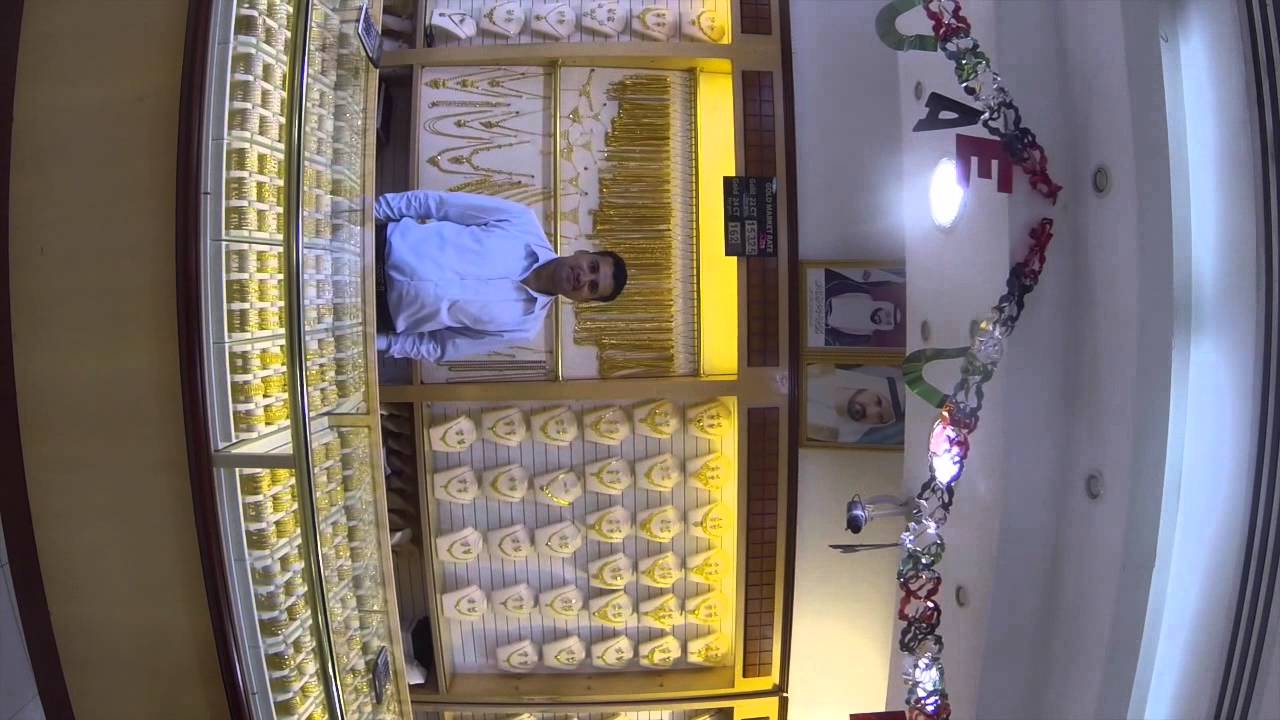
I saw some cool guys chilling outside of a barber shop in the African area of the Gold Souk in Dubai. The video was shot during my street photography workshop here at Gulf Photo Plus with the new Fujifilm X-T1 and Fujifilm 27mm f/2.8 Lens. Still tons more videos to come, stay tuned! :)
Above is another GoPro video I made on the streets of Dubai during my street photography workshop here at Gulf Photo Plus with the new Fujifilm X-T1 and Fujifilm 27mm f/2.8 Lens. Here I instruct Jillian and give her a little encouragement to overcome her fears of shooting street photography. Check it out!
If you were ever curious what it is like at my street photography workshops, here are some fun behind-the-scenes snapshots at my recent Amsterdam Introduction to Street Photography Workshop. You can see the student’s work on Facebook here. You can also see all of my upcoming street photography workshops here.
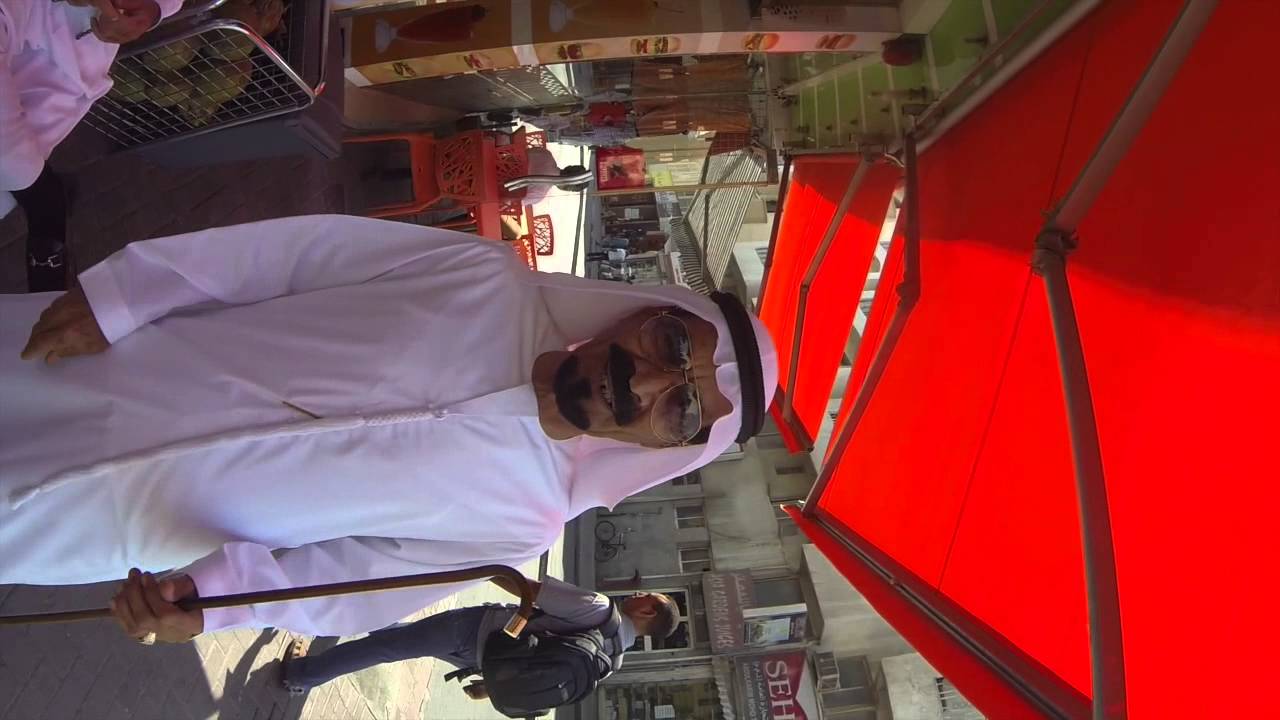
I just put together a quick GoPro POV of me shooting street photography in Dubai with the new Fujifilm X-T1 and Fujifilm 27mm f/2.8 Lens. I discovered Dubai to be a superb place to shoot street photography, and most of the people here are quite friendly. I have a lot more videos coming, stay tuned!
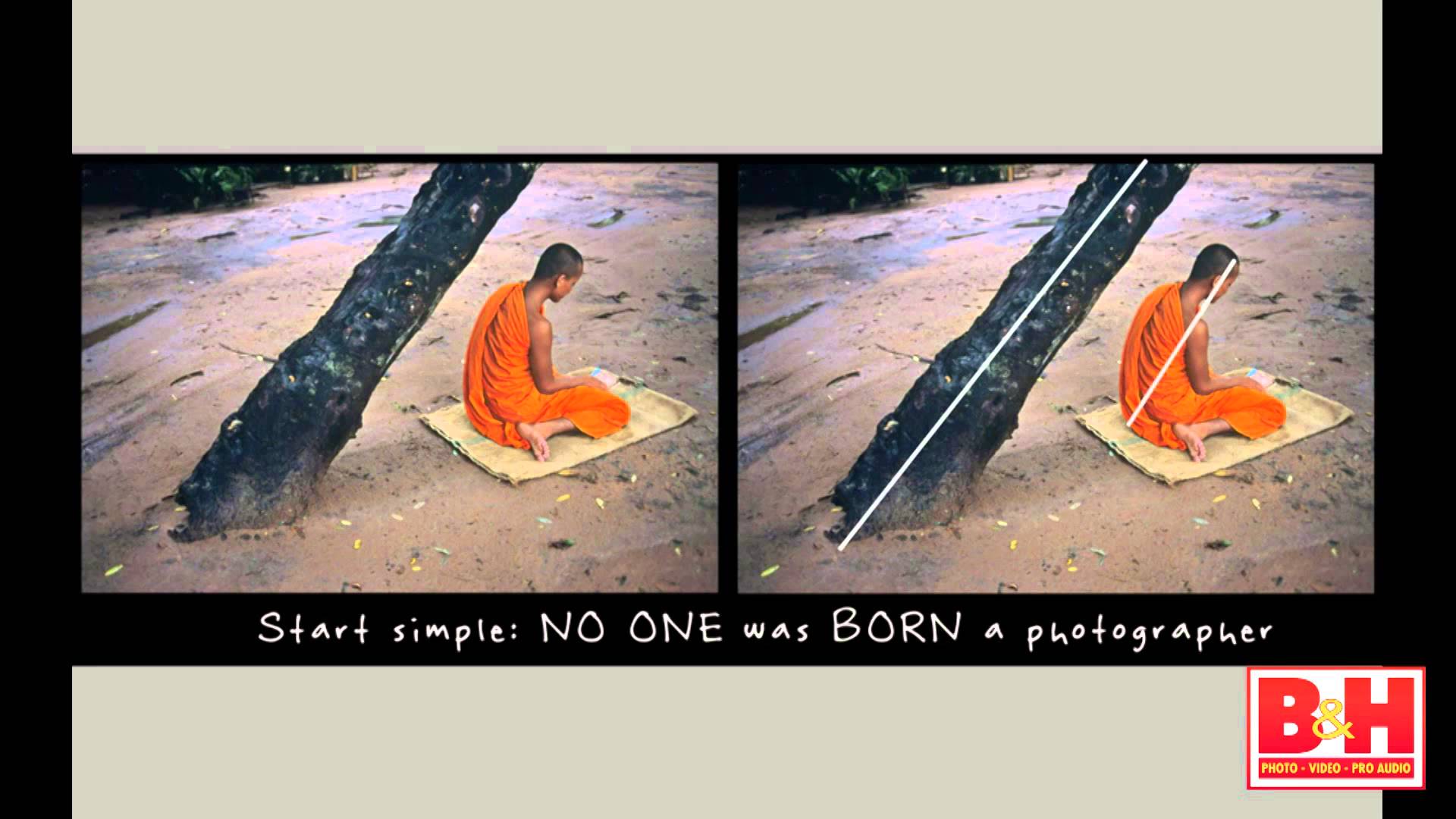
Above is the presentation I used as an introduction to composition in street photography. Feel free to use, edit, and distribute the presentation on Slideshare here.
Learn more about composition in street photography via the lessons below:
For further learning on composition, I highly recommend checking out Adam Marelli (who taught me everything I know). You can also learn more about design and composition from him on Youtube here.
I just had an incredible time teaching my Introduction to Urban Landscapes: A Street Photographer’s Perspective at Gulf Photo Plus 2014 here in Dubai. If you were interested you can see the slides above or on on Slideshare. You can also read more in-depth about Urban Landscapes on the blog here.
You can see all the student photos from the workshop below!
Today I just gave a talk titled: “How to Conquer Your Fear of Shooting Street Photography” at Gulf Photo Plus 2014 in Dubai. You can see the slides above or on on Slideshare. Unfortunately the talk wasn’t recorded, but I will try to re-record it for YouTube in the near future!
Last weekend, I had a phenomenal time teaching my Amsterdam Introduction to Street Photography Workshop alongside Jeroen Helmink, Caspar Claasen, Peter Gerritsen, and Neil Ta. The students all did an incredible job conquering their fears in street photography and stepping outside of their comfort zones. I was also shocked to see how much progress all the students made in the workshop.
They agreed to let me show their “before and after shots.” The “before” images are the 3 images from their portfolio, and the “after” shots are the final photos they got after the workshop. See their dramatic improvements in the post below!
Life is too short to do shit you don’t like doing. I know a lot of people who work in jobs they absolutely hate, stay in relationships they don’t enjoy, and force themselves to do hobbies that they aren’t that interested in.
We all have relatively short lives while we are here on earth. Not only that, but we have no idea when we are going to die. Sure if we are relatively healthy we can expect to live to around 80. But who knows if we get a rare form of cancer and die early? Or if we get into a car accident and die? Or perhaps die in some sort of other freak accident?
Photos in this article are from my “Grandfather” series.
“99% of street photography, if not more, is about failure” – Alex Webb
Street photography is all about failure. The failure to have the courage to take that one shot. The failure to capture “the decisive moment.” The failure to get a clean background. The failure to have your subject make eye contact. The failure to move your feet to get a better frame. The failure to get recognition for your work. The failure to have your photo get “explored” on Flickr. Failures upon failures upon failures.
Daniel Kramer: These images are part of a street photography book in progress that I’m working on and which I’ve tentatively titled “Global Wanderings.” I’ve gone through one round of editing with Mike Davis and now I’m carefully combing through and digitizing my archives which is both a joy and a pain.
Warning: One of the photos in this post is Not Safe For Work.
All photos in this article are copyrighted by Alec Soth / Magnum Photos.
Alec Soth is a photographer whose work I strongly admire. He is a member of Magnum, although he is not the typical “Magnum” photographer. He is generally identified in the “fine art”/documentary crowd– and certainly isn’t considered a “street photographer.” However his philosophies in photography and the way he interacts and photographs his subjects in an empathetic way really helps me connect with him (in street photography).
In this article I want to share some things how Alec Soth has inspired me– both in terms of a human being and as a street photographer:
Eric’s Note: ​OBSERVE is an international photography collective focused primarily on the practice of candid street photography. This week’s feature is David Horton from Boston, Massachusetts.Â
David Horton: I’m a graphic designer by day, street photographer by accident. After art directing and observing some of the finest commercial photographers in the business for over a decade, I made the conscious decision to get behind the camera instead of the photographer. I discovered street photography. I am primarily interested in making emotional connections. I’m interested in telling stories and creating a narrative. I’m interested in capturing the mystery—the mystery of life and the beauty of people moving through the world.
Eric’s Note: Haris P (Xaris P on Flickr) is a street photographer from Crete in Greece. I was blown away by his surrealistic images — and wanted to feature his work on the blog. See more of his images and tips on street photography below.
Haris: Hi Eric thanks for having me in your blog. My name is Haris P(anagiotakopoulos!) and I am a 44-year old greek guy born and raised in Athens. For the last 19 years, I’ve lived in Heraklion of Crete (the cultural capital city of southern Greece as we call it for fun with my mates). I have been taking photos for the last 4.5 years.
Eric’s Note: I am excited to share this interview with the “Street-photographers” collective. I sent them 22 interview questions, and the members shared their personal answers opinions below. See their superb images and insights on street photography below!
All photos copyrighted by Zoe Strauss / Magnum Photos.
About a year I stumbled upon the work of Zoe Strauss in her book: “America.” I was amazed with the power of her portraits as well as how she masterfully combined them with signs and urban landscapes. Also in terms of the book, they are some of the most powerful diptychs I have ever seen.
I recently checked out a copy of her newest book: “Zoe Strauss: 10 Years” and wanted to write an article about her work. She has an incredible story, and equally incredible images to back it up.
Warning: Some of the photos in this article are graphically intense which are Not Safe For Work. This includes nudity, physical violence, which should not be seen by minors or people who are uncomfortable with these types of images.
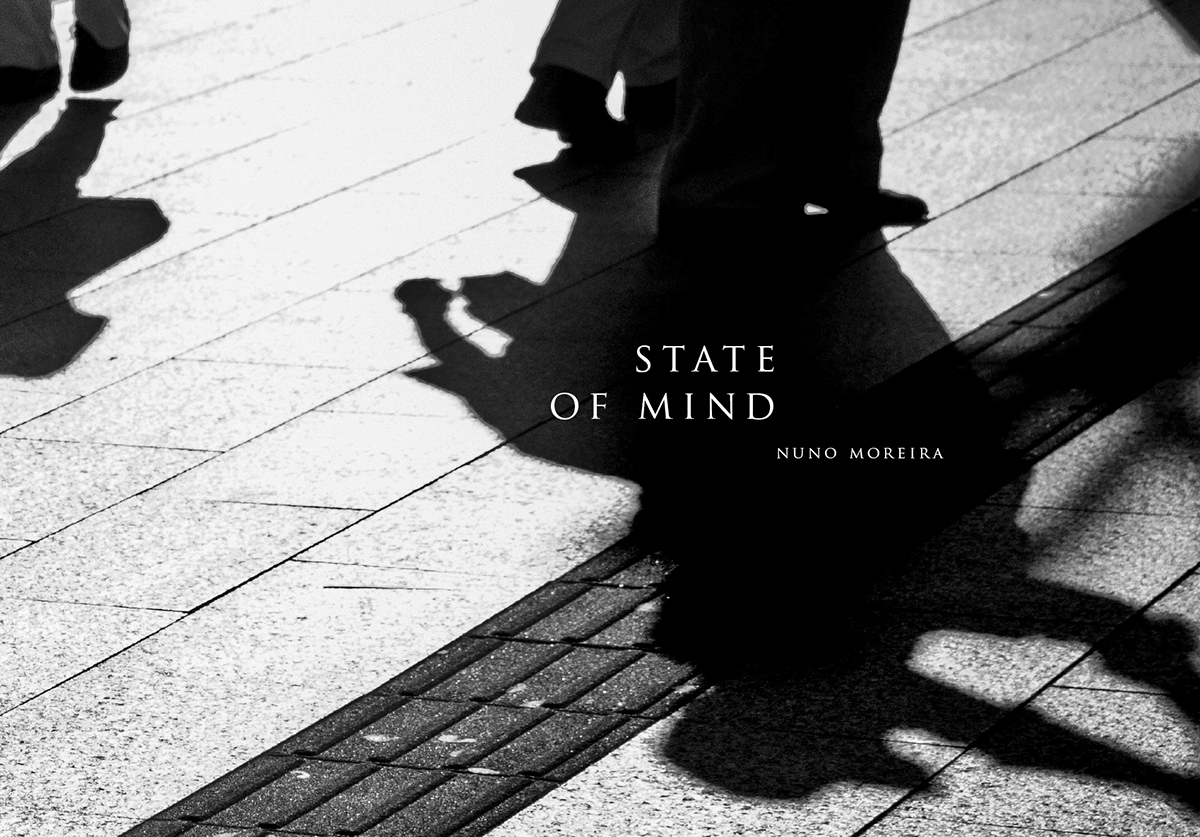
Eric’s Note: Nuno Moreira is a visual artist living and working in Tokyo, originally from Lisbon, Portugal. He has recently published his new book: “State of Mind”, which explores different themes such as identity, memory, psychological states or what he refers simply as the “thinking moments”. Get a little more inside his mind and his images in the interview below.
All photographs in this article are copyrighted by Mark Cohen.
I think Mark Cohen is one of the greatest street photographers out there who isn’t as well known as his contemporaries. I’m sure you might have seen some videos of him on YouTube shooting with a flash without using the viewfinder. I have to admit, even to me– he seems a bit “creepy” when you see him working. However the reason he works the way he does is to create art– he feels that the end justifies the means.
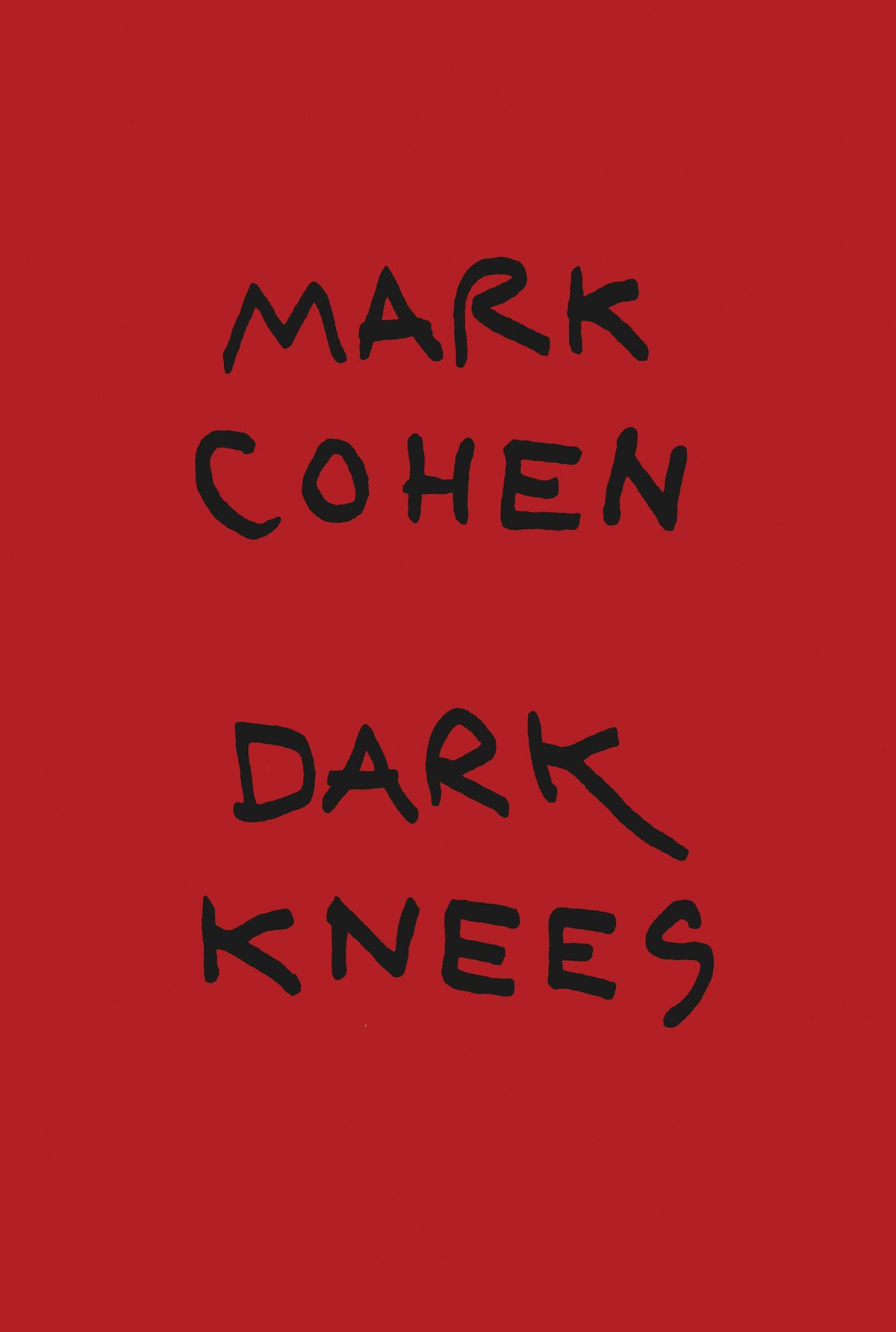
I have been deeply inspired by his book: “Grim Street“– and I just pre-ordered a new book he has in the pipeline called “Dark Knees.” His imagery has inspired the way I shoot quite a bit (especially when it comes to photographing details and decapitating heads). Not only that, but it is quite inspirational to see him shoot in his small town for over 30 years.
Below are some lessons I have personally learned from Mark Cohen:
Joel Sternfeld. The Space Shuttle Columbia Lands at Kelly Air Force Base, San Antonio, Texas, March 1979
All photographs in this article are copyrighted by Joel Sternfeld.
Joel Sternfeld is one of the most important and influential photographers of this generation. His large-format color work: “American Prospects” was one of the most revolutionary color works of the time– when “serious” art photographers were only using black and white. Inspired by Robert Frank, Sternfeld hit the road in a small Volkswagon van for 3 years and traveled across America– seeking to capture the American landscape. In his Guggenheim report he wrote that the urge was “of someone who grew up with a vision of classical regional America and the order it seemed to contain, to find beauty and harmony in an increasingly uniform, technological, and disturbing America.”
When I was in Stockholm end of last year, I interviewed Ola Billmont— a very likable and talented street photographer. He is one of the co-founders of CUP (Contemporary Urban Photography) in Stockholm, and also shared some of his work at my workshop there. He frequents LA quite often for shooting– and he specializes in shooting with a flash in multiple formats (35mm, medium-format, large-format) in both black and white and color. I put together this video interview at a bar, apologies if it is a bit loud in here!
Read more to see the full transcript and his images from the interview.
All photographs in this article are copyrighted by Trent Parke / Magnum Photos.
Trent Parke is one of the most phenomenal contemporary photographers around. What I love about his work is the strong emotional and personal connection he has in his photographs, as well as his fanatical passion to street photography.
One of his seminal books, “Minutes to Midnight” recently got republished– and I wanted to write an article on Parke, and how he has inspired my street photography.
I think I can speak on behalf of all of us that we all want to be happy. In some shape, way, or form.
Over the years I have thought a lot about happiness. How to “optimize” my life to become “happier.” How to avoid unhappiness in my work, relationships, and my sense of purpose in the world.
There are countless books written on the topic of happiness, and trust me– I have read almost all of them. I am quite addicted to “self-help” books, and always looking to better improve myself. And of course one thing I wanted to increase was my own personal “happiness.”
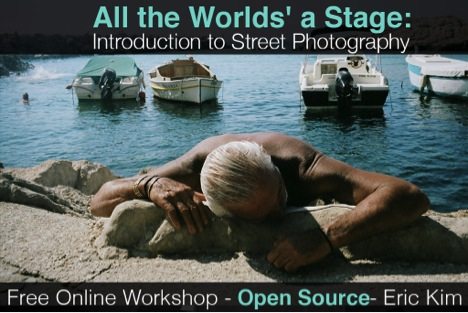
In the spirit of the “Open Source Photography” approach, I present to you the free online street photography course: “All the World’s a Stage: Introduction to Street Photography.” The majority of this course material was made in 2012, and many of my thoughts and beliefs on street photography have changed since then. However if you are starting off in street photography and want a primer to start, this might be a helpful resource for you.
Also because this is an “Open Source” course, feel free to edit, remix, and distribute this course however you would like!
You can download the syllabus for the course here (.docx file).Â
Today I turn 26 years old. Life has been one hell of a ride so far. When I was a kid, I had no idea I would be where I am today– with the love of my life, phenomenal friends I have met all around the world, a supportive family, as well as the freedom and opportunity to pursue my passion (street photography).
Ever since I got laid off my job around 3 years ago, life has been a blur. I remember the anxiety I had no longer having a stable income, health care, and a sense of security. I had no idea where my life would take me from that point– but I am so grateful that Cindy, my family, as well as you (my dear friend) was able to support me to run this blog and teach workshops for a living.
I always use birthdays as an opportunity to reflect on life– and think about the lessons that I have learned. Of course in the spirit of my blog, I will present 26 lessons that life has taught me and how it has even given me insight into street photography.
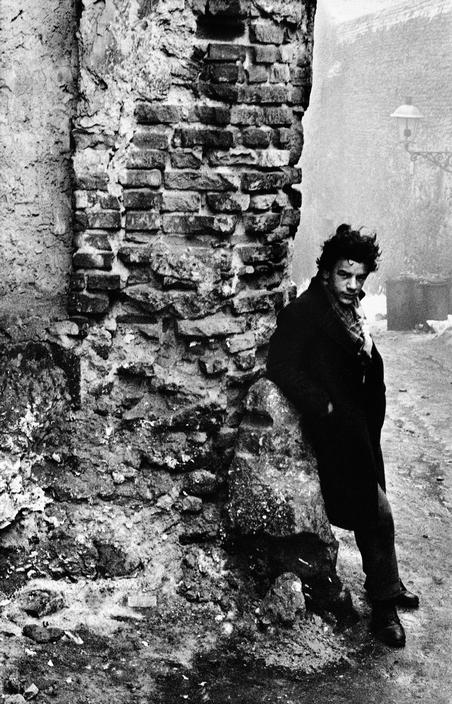
All photographs in this article are copyrighted by Josef Koudelka / Magnum Photos
To continue my street photography book reviews, I wanted to write about “Gypsies” — one of my favorite street photography books of all-time, shot by Josef Koudelka, Magnum photographer.
To give you a bit of background, Josef Koudelka is one of the greatest living black and white photographers of the century– both revered for his phenomenal photography and his obsessive passion for photography.
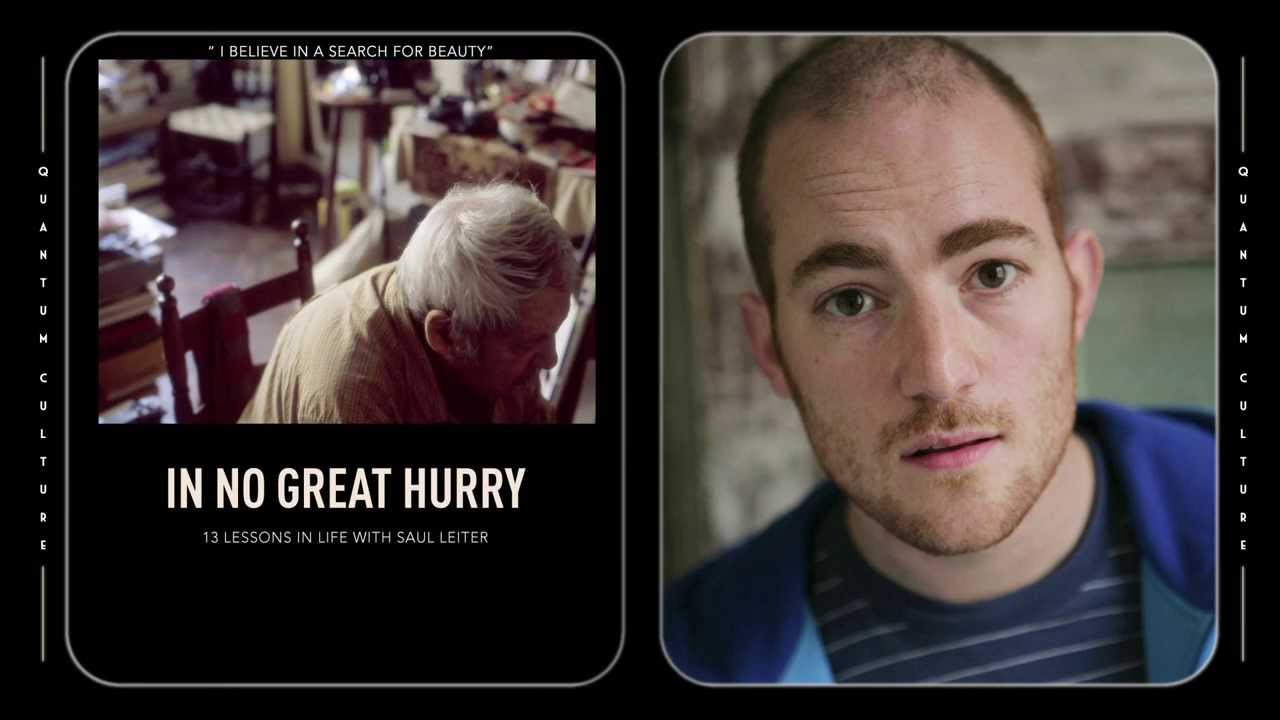
If you haven’t watched “In No Great Hurry: 13 Lessons In Life With Saul Leiter” — make sure you do! It is filled with great wisdom from one of the color street photography masters Saul Leiter, who recently passed away. In the video above, director Tomas Leach talks about his motivations and the making of the film.
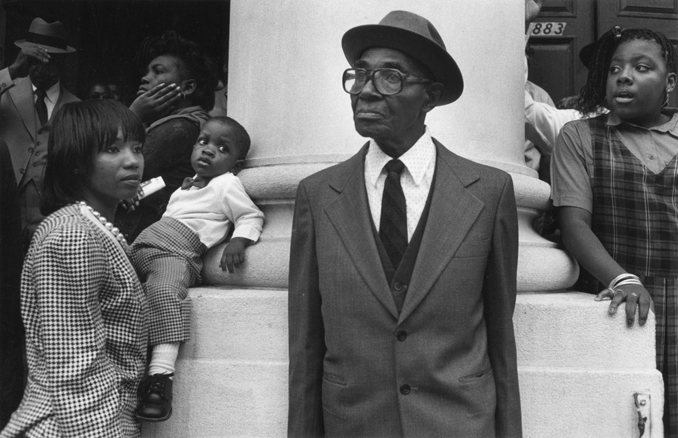
Harvey Stein is a photographer, educator, and curator based in New York City. He just released a new book: “Harlem Street Portraits“, documenting portraits in Harlem for over 22 years (from 1990 to 2012). I interview him about shooting and putting together the book– and what other tips/advice he has for street photographers who want to take more intimate portraits. You can also see my previous interview with him on his book “Coney Island.”Â
Photos in this article are from my on-going “Colors” series.
I recently read a book titled: “Die Empty: Unleash your Best Work Everyday” and found great inspiration in it. It is a great book in which the premise is easy: will you die with all of your dreams, aspirations, and talents inside of you– or will you work everyday towards emptying out your mind of al these great ideas and thoughts? Will you lie on your deathbed having any regrets? Or will you die empty having dedicated everyday towards your life work dying empty without any regrets. You certainly don’t want to die full of regrets.
If you cannot attend one of my upcoming in-person street photography workshops yet want to learn from the comfort of your home, you can also join me for one of my special Online 1:1 Street Photography Workshops via Skype.
If you ever wanted to build your confidence, meet other passionate street photographers, and take your street photography to new heights, join me at one of my workshops in 2014!
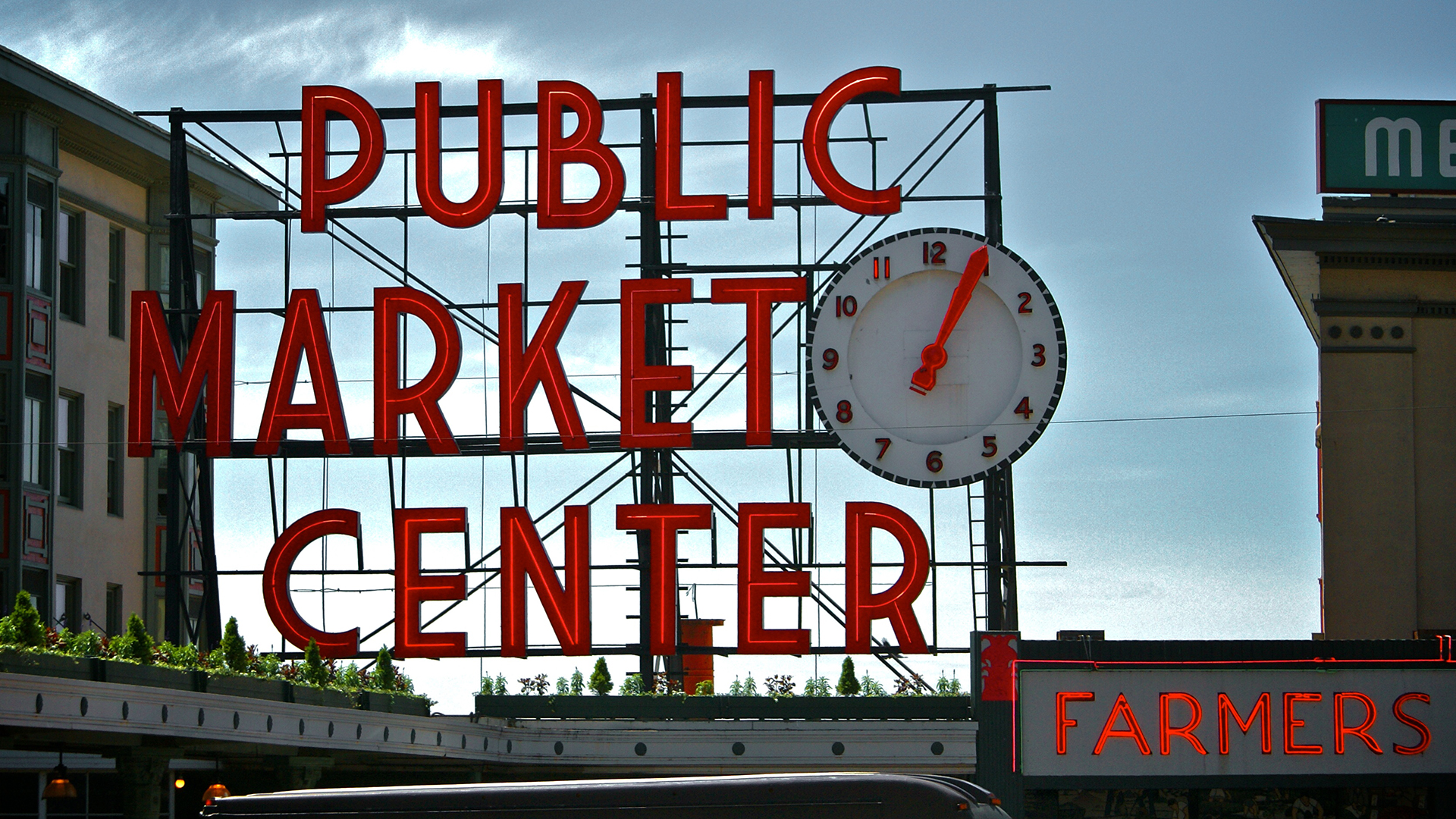
I recently traveled to Seattle and taught a street photography workshop there. As a native Californian, I never ventured to the Pacific North-West, and man– I was impressed. I think Seattle is seriously one of the most underrated places in the West Coast (and in America as well).
If you ever have the chance to visit Seattle (flights are quite affordable via Southwest, a one-way from SFO was only ~$69). So if you want a weekend getaway somewhere– Seattle is your place to go.
Huge thanks to Walter Lau who was my generous host during my time there with Cindy. He showed us all the great spots in Seattle, and here are some of his recommendations in terms of where to shoot, where to have coffee, to get food, and drinks! If anyone also wants to meet up with some other great street photographers in Seattle, check out the Seattle Streettogs Group on Facebook.
All photos in this article are copyrighted by Joel Meyerowitz.
I am surprised I haven’t written an article about Joel Meyerowitz yet. He is one of the living legends and masters in street photography, currently at 75 years old. He shot in the streets with other legends such as Garry Winogrand, Tony Ray-Jones, and even bumped into Henri Cartier-Bresson on the streets once.
All photographs in this article are copyrighted by Martin Parr / Magnum Photos. Warning: Some of the shots in the book are NSFW as they show child nudity.
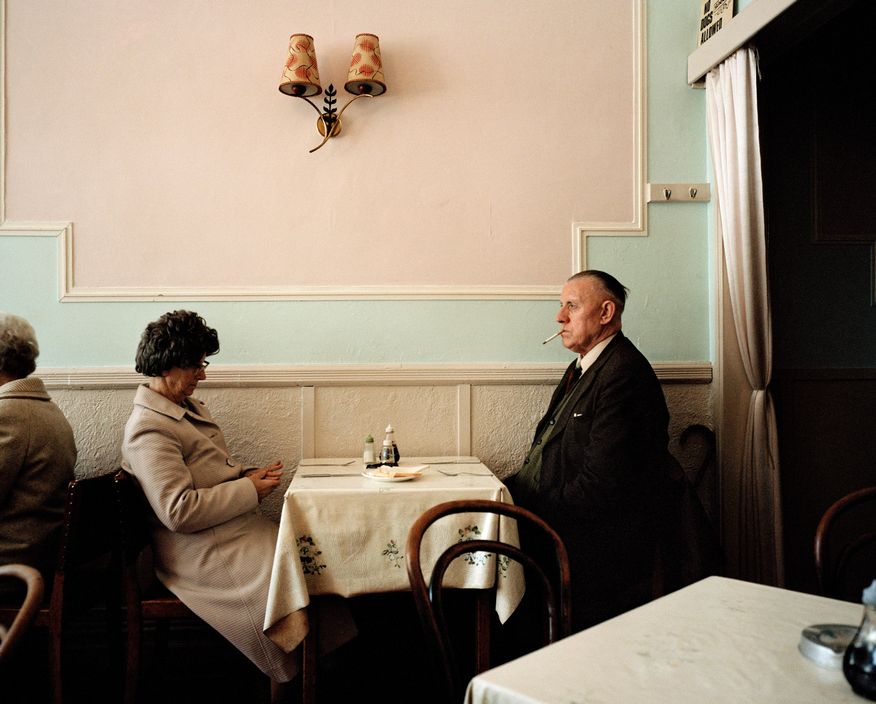
One of my favorite color photography books is “The Last Resort” by Martin Parr. For 2014, I want to start doing more book reviews– sharing some of my favorite books, sharing why I love them, and trying my best to analyze and share my observations about them.
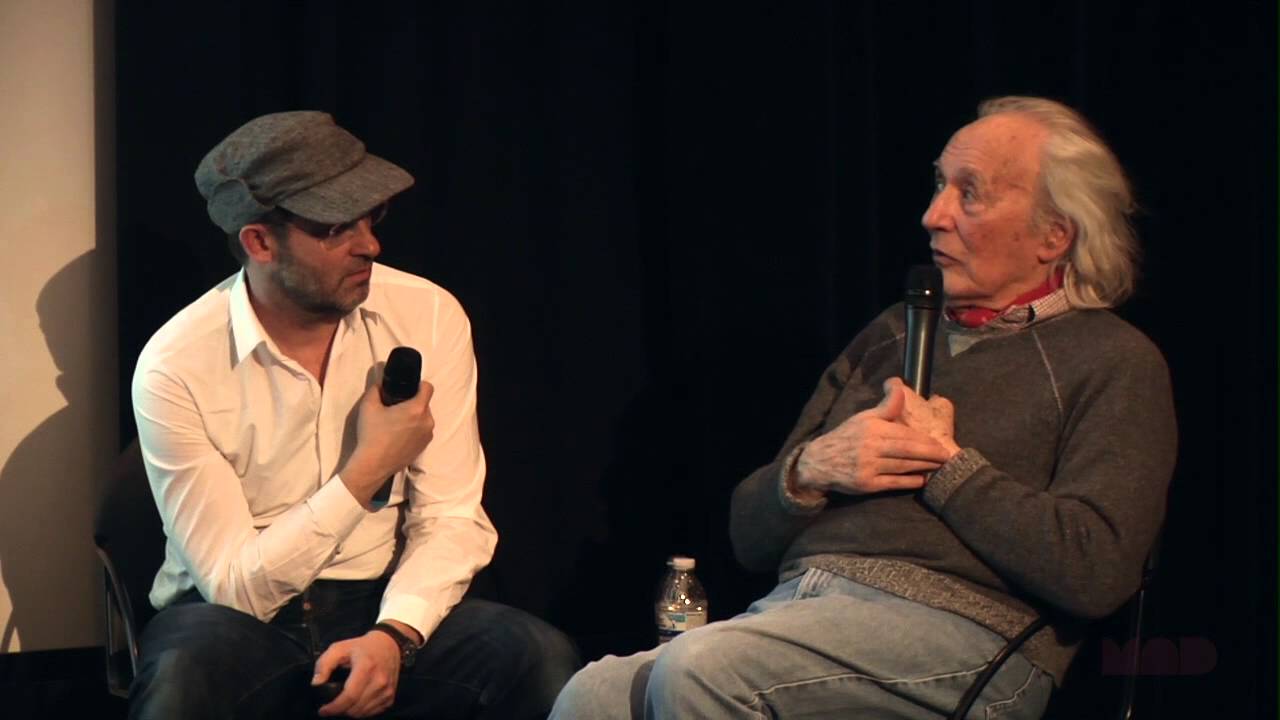
If you are a fan of William Klein, check out this nearly 2-hour interview with MADMuseum. Klein talks about working on the streets, in the studio, and on making his feature films. A great watch to check out over this weekend!
It has been a while since I made a travel video– and I wanted to share some of my experiences traveling and shooting street photography in Sweden, London, and Seattle. I share some thoughts and what I’ve been up to in the video above (filmed in Seattle).
I am also working on some “street photography guides” on where to shoot in those cities (and grab some great food and drinks)– keep posted!
Photos in this article are from my travels in Istanbul this summer.
I often get criticism from teaching street photography workshops. I get criticized that they cost too much. I get criticized that I am not qualified enough. I get criticized that street photography is something that you “cannot teach”– and is something that has to be learned on one’s own.
Instead of defending myself about how I teach street photography workshops I teach– I wanted to write an article about why I teach street photography workshops. I think that we generally forget to question ourselves “why” we do anything at all. By asking the question “why”– it helps us often get to the core of our life’s purpose.
Contrary to popular I don’t teach workshops to make a ton of money and buy all the Leica’s in the world. From my workshops I am living more or less month-to-month (while trying to put a little into savings). I am pretty certain I made more money (after expenses) working at my old 9-5 job.
For this article, I will share some of my personal experiences which brought me to teaching– and dedicate the other part to sharing specifically why I teach street photography workshops– and what I hope that students (and myself) gain out of them.
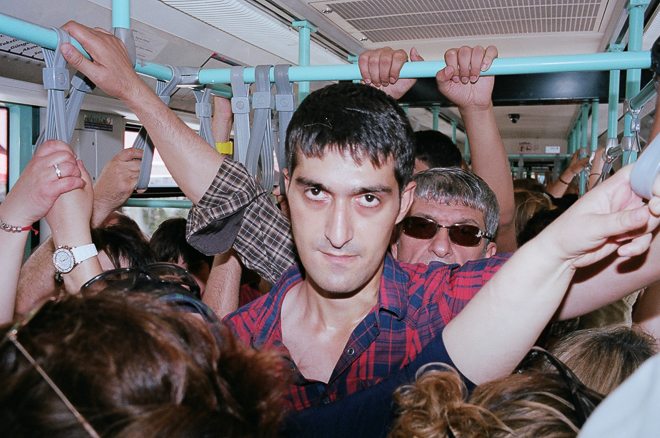
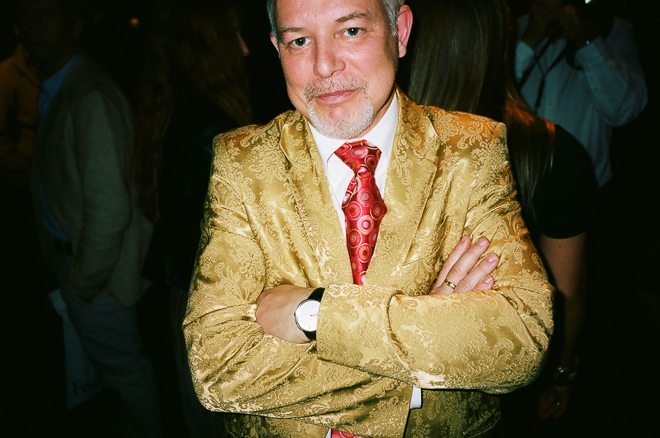
Photos in this article are outtakes/shots I am considering from my on-going “Suits” project.
One of the things I love most about street photography is how open and democratic it is. Anybody with any camera can shoot street photography. You don’t need anything fancy. Not only that, but street photography is accessible to everybody. You don’t need to be in Paris– you can simply shoot in your backyard.
However one problem that plagues street photography and life in general is this need for status.
In this article I will touch upon two aspects of status when it comes to street photography: 1) Status via cameras/equipment, and 2) Status via social media:
The work of Boston photographer Stella Johnson is grounded in her photography training at The San Francisco Art Institute and her advanced degree from Boston University. Stella was a Fulbright Scholar to Mexico in 2003-2004 and a Fulbright Senior Specialist to Mexico, in 2006, for photographing and teaching, respectively and a Visiting Scholar to the School of Art, Northeastern University, in 2007.
She teaches at the Lesley University College of Art and Design, at Boston University and at the Maine Media Workshops in Crete, Greece and Rockport, Maine. Her work is showcased in her monograph AL SOL: Photographs from Mexico, Cameroon and Nicaragua, published in 2008 by the University of Maine Press.
Anahita Avalos was born in Tehran, and has lived in Mexico and Paris. In Mexico she began to take pictures on a regular basis in order to explore her own identity as a Middle Eastern woman who grew up in Europe and mom to a child with a rare condition. By observing and trying to understand strangers, she tries to discover herself.
Photos in this article are from my on-going “Suits” project.
One of the things I notice a lot at my workshops and when I see work online is how there tends to be a lack of consistency in people’s images.
I think while it is great to experiment and try out new things– at the end of the day to create a personal style and vision– you need a sense of consistency.
Now that the new year is under way, I thought it would be a good idea that we could all choose a new year’s resolution in street photography.
I know how difficult it is to keep to a new year’s resolution, but I think it is something fun that we can all look forward to. I just came up with some ideas that we could try experimenting or doing for 2014. Feel free to pick and choose what appeals to you: