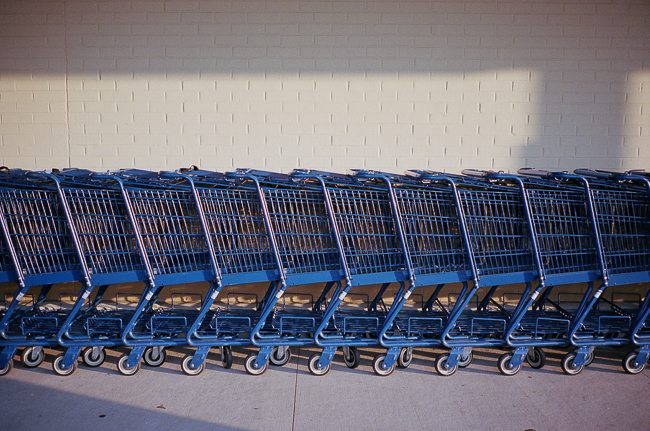
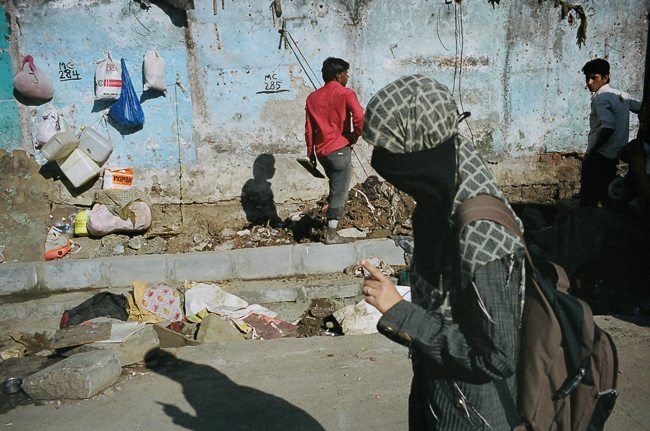
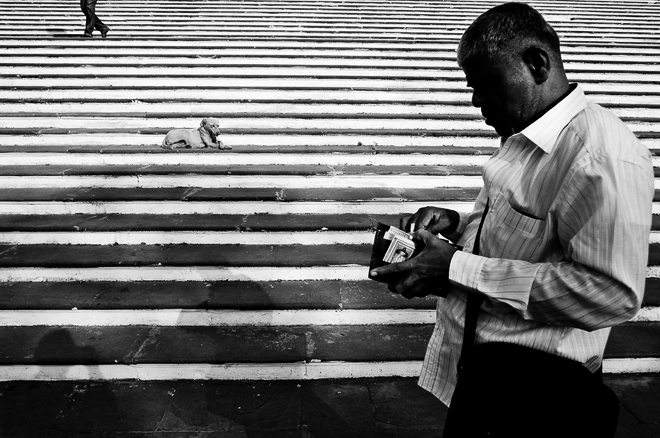
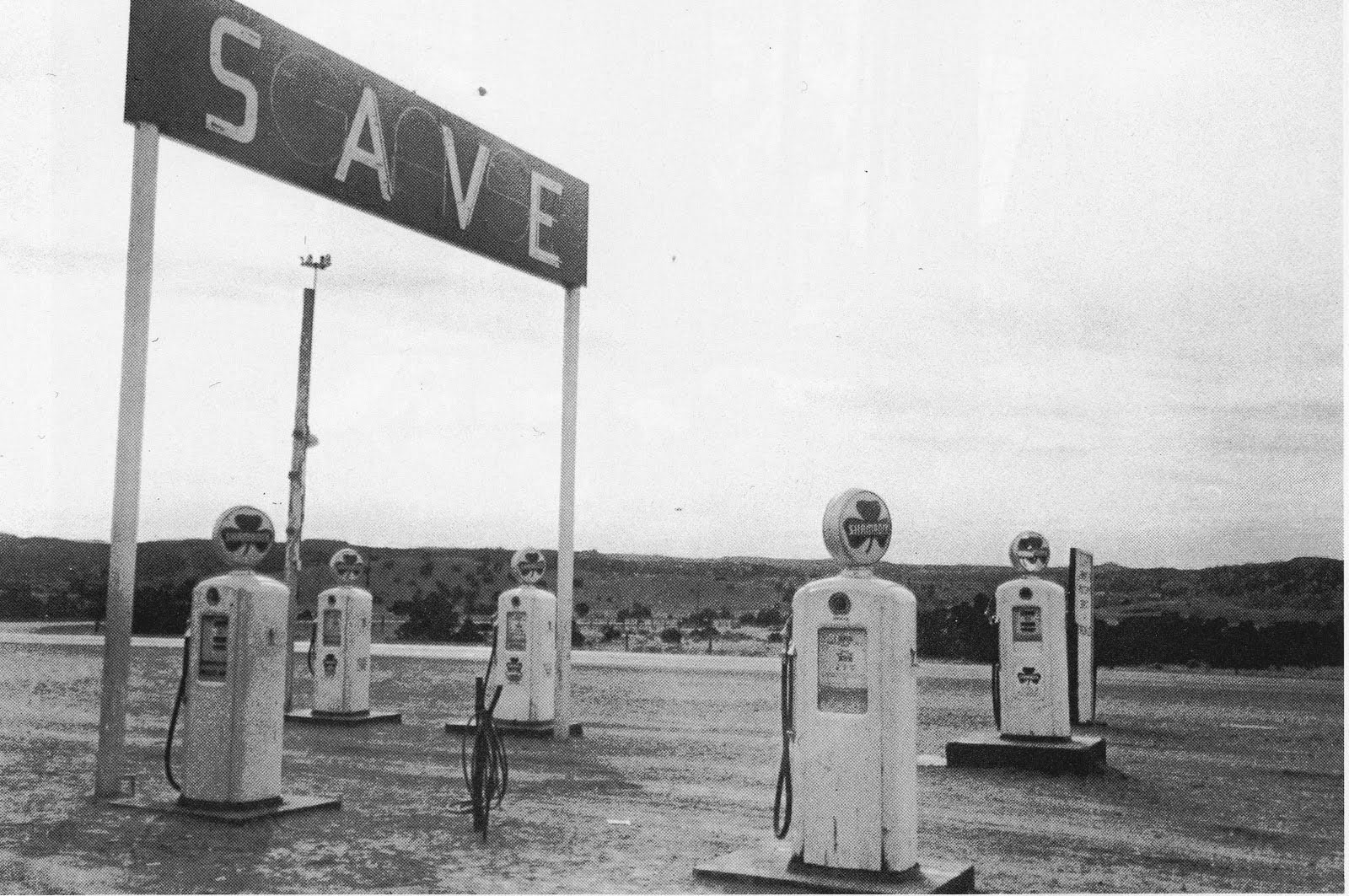
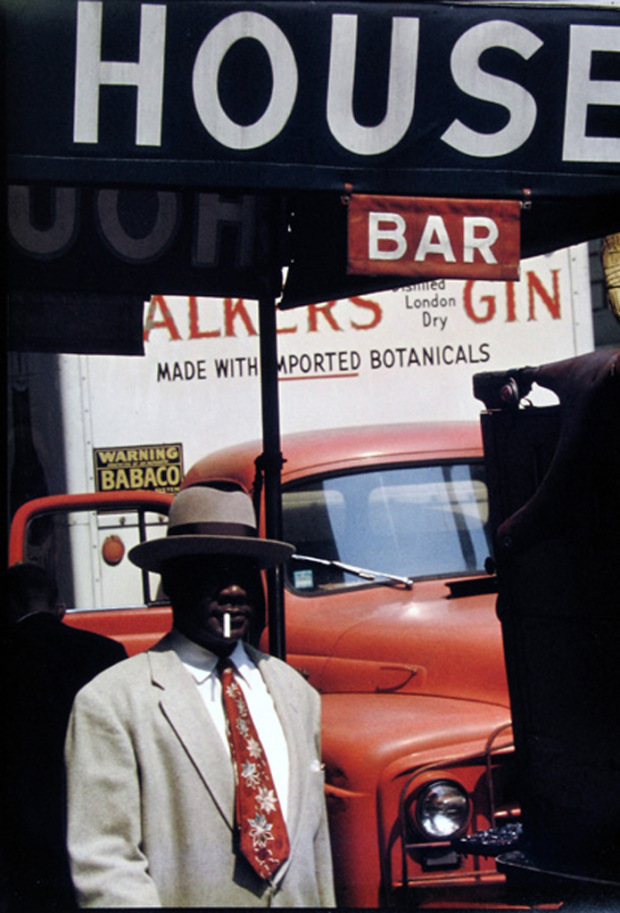
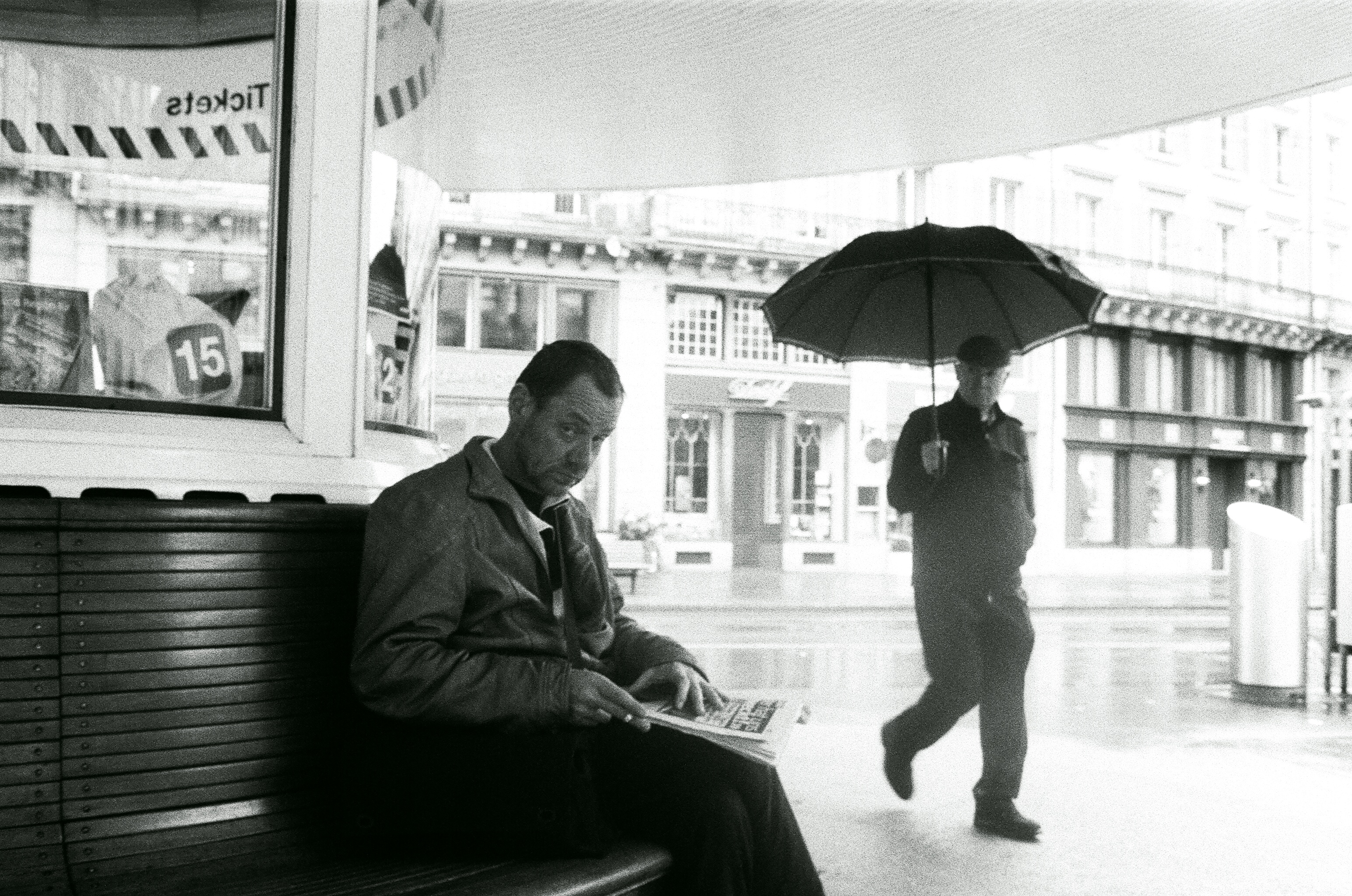
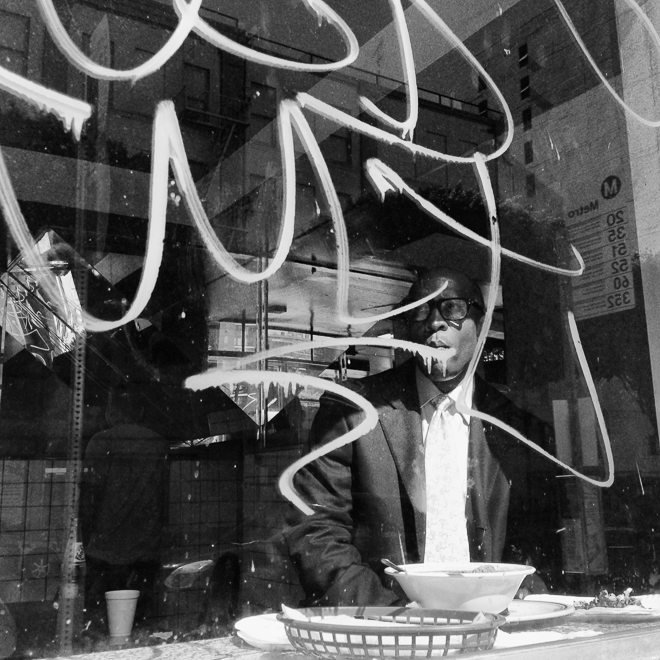
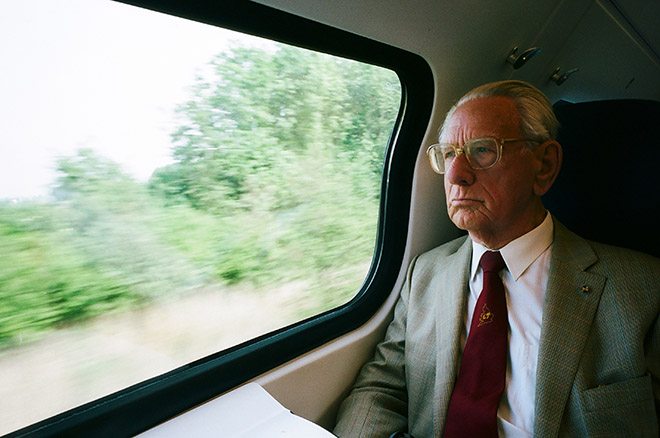
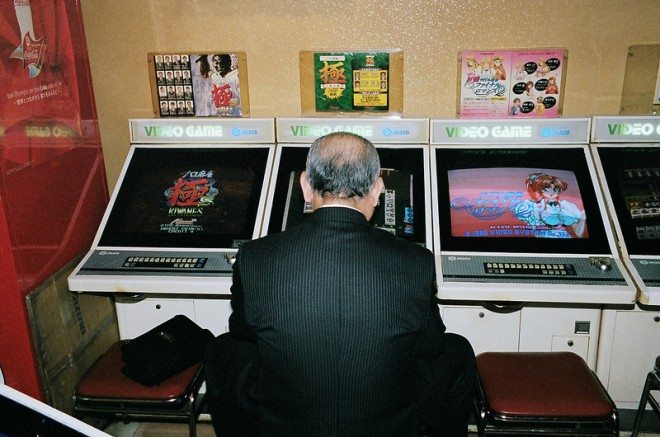
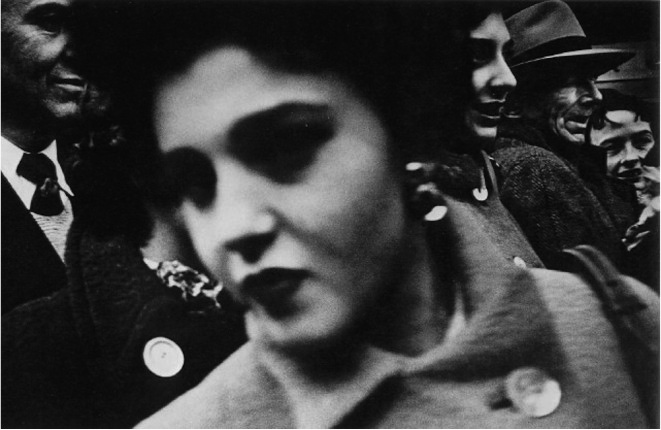
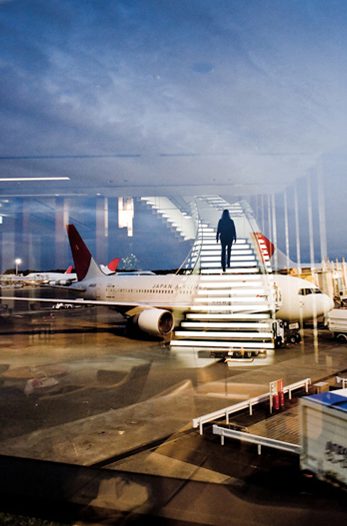
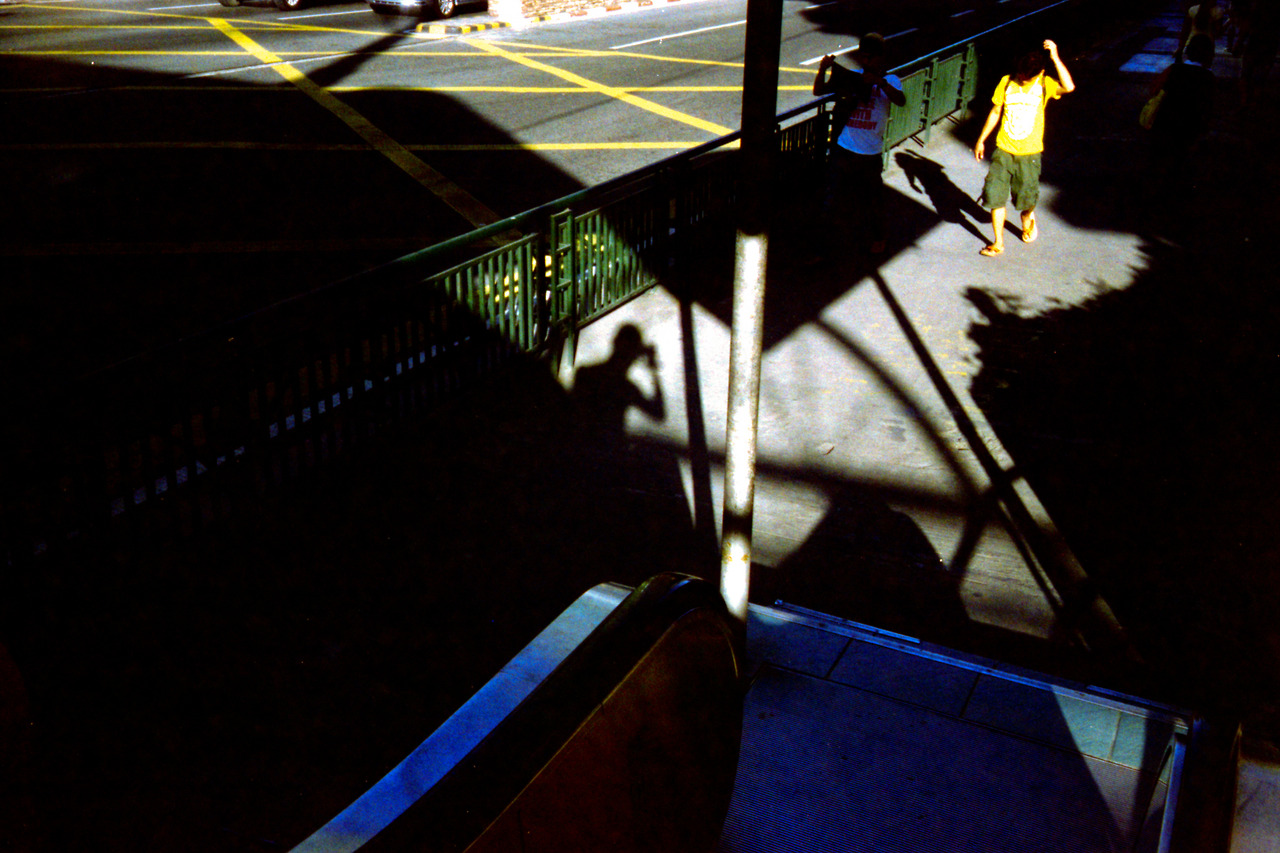
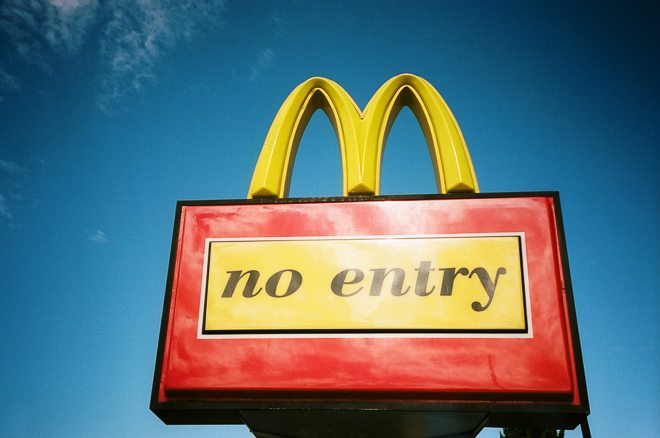
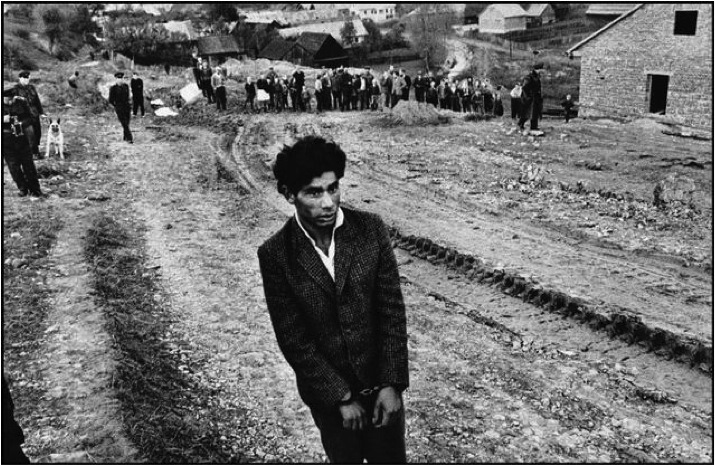
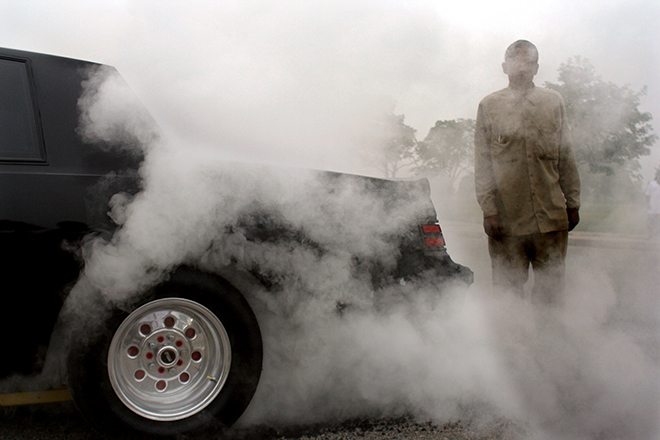
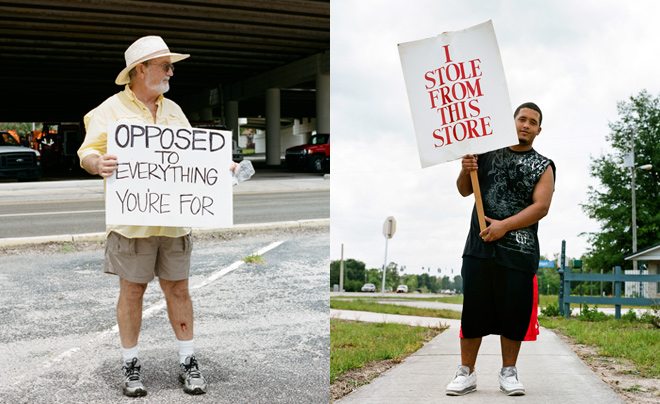
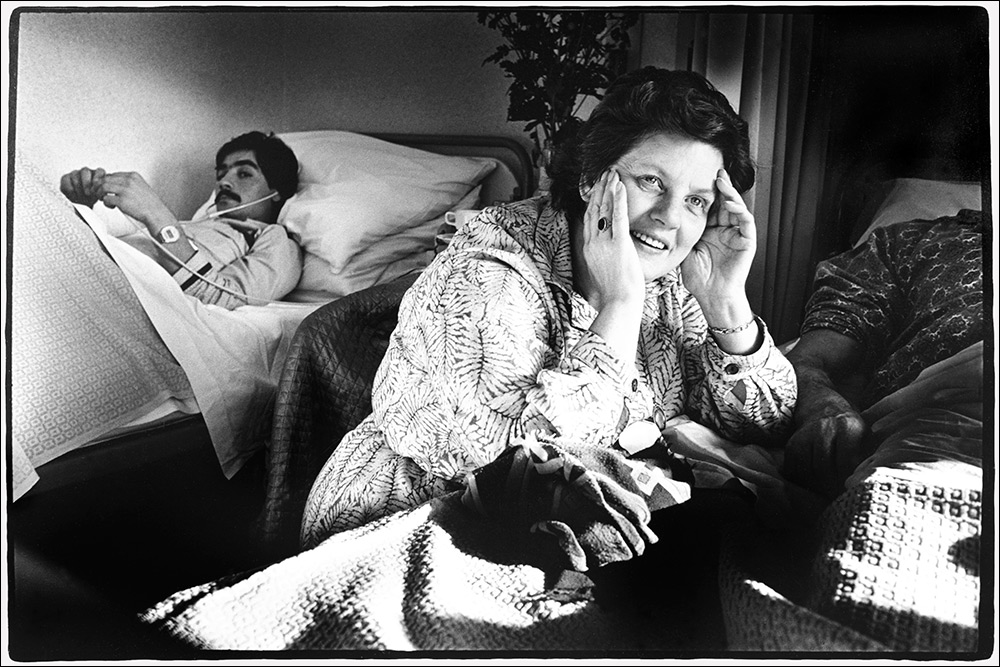
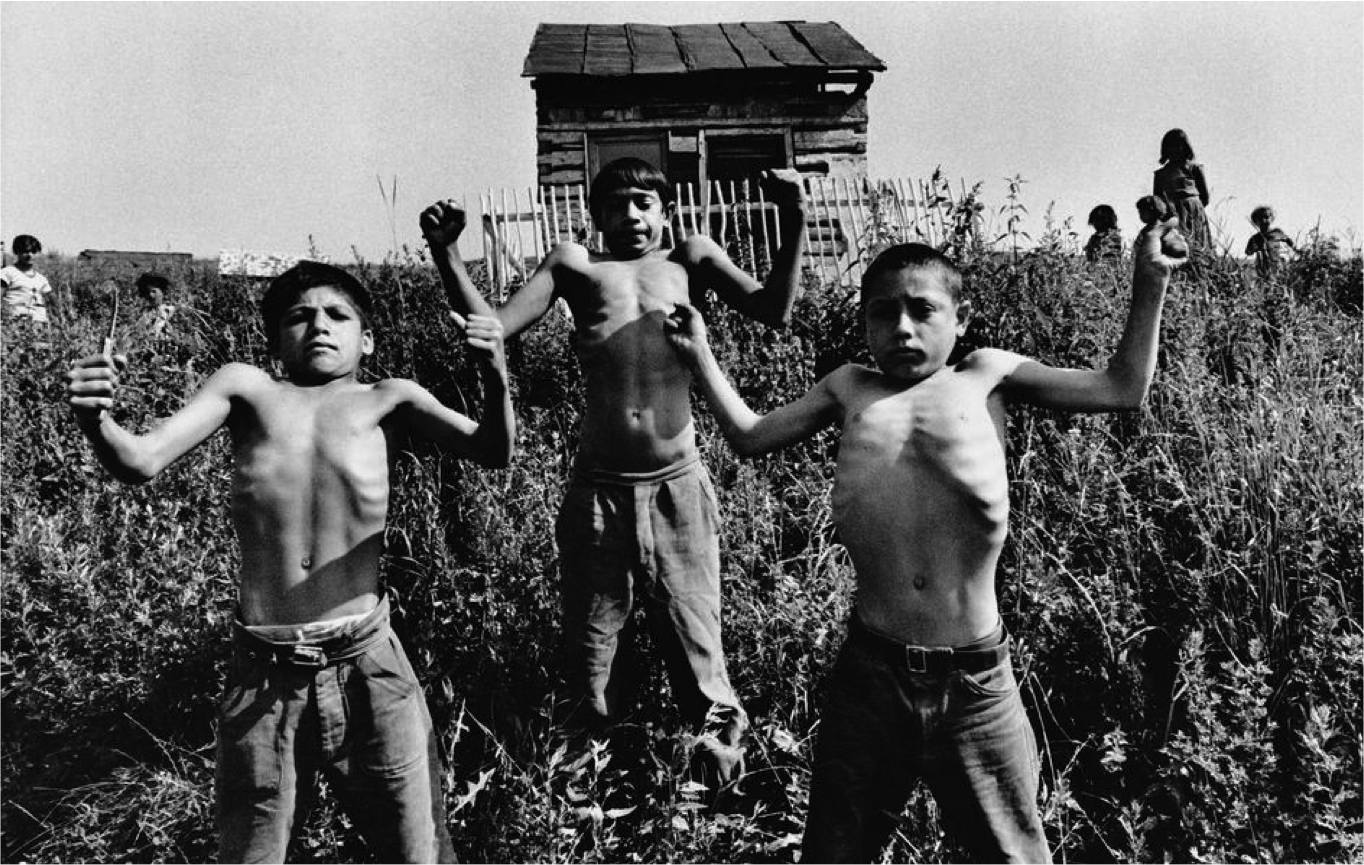
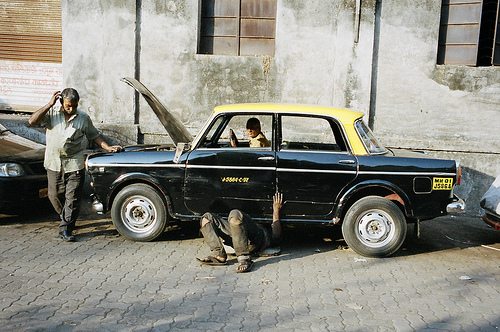
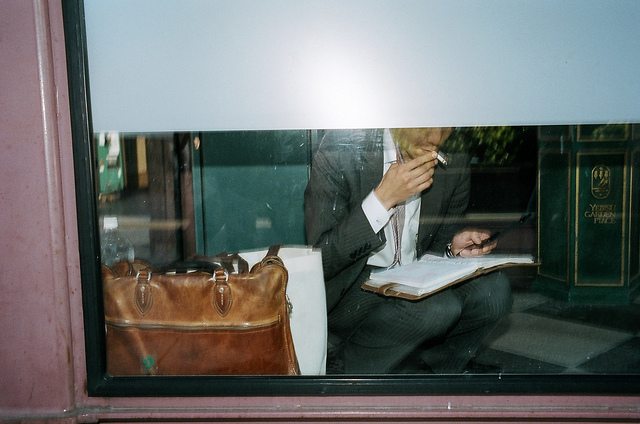
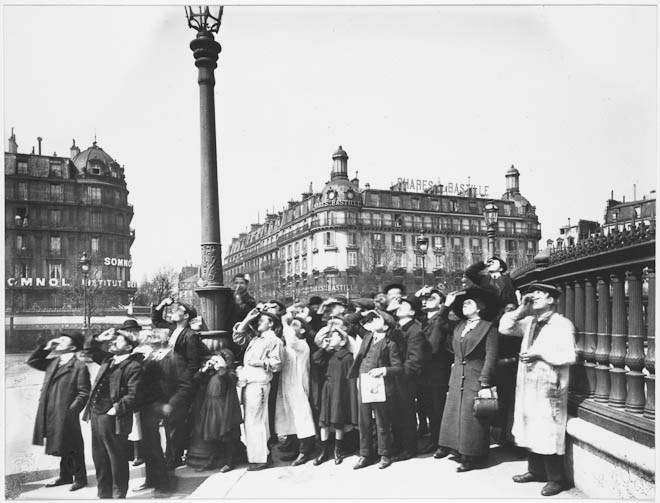
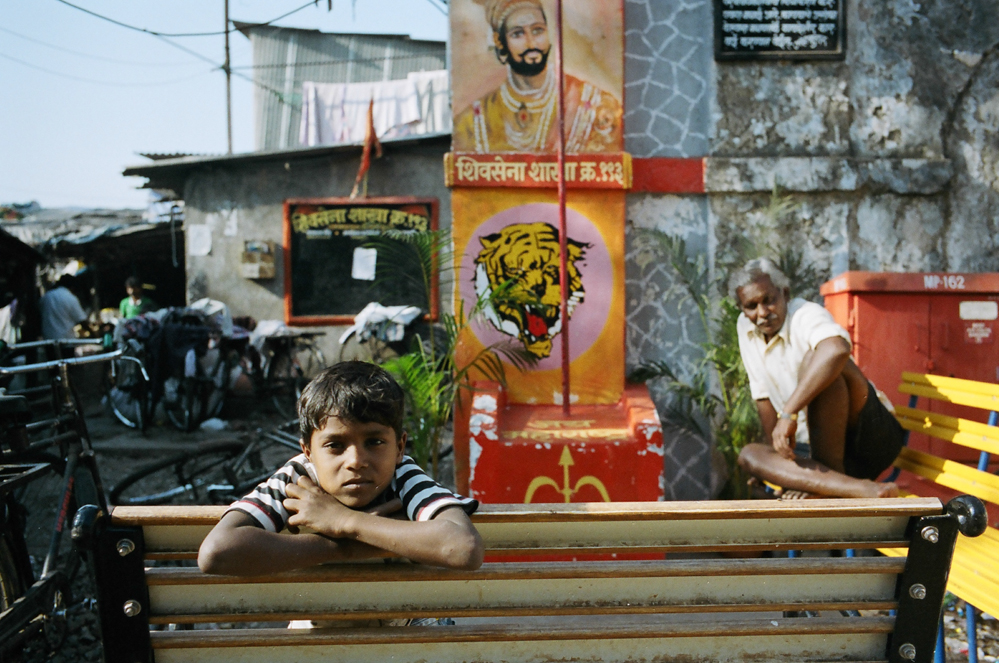
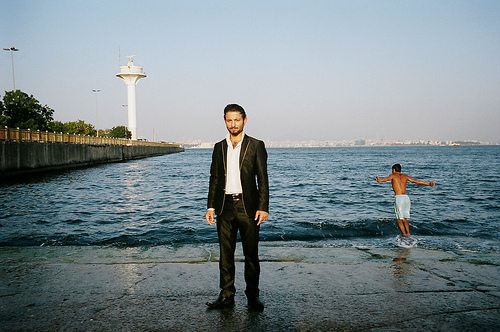
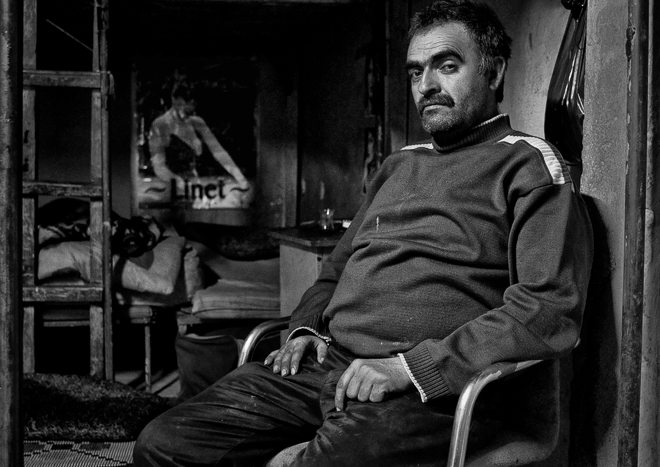
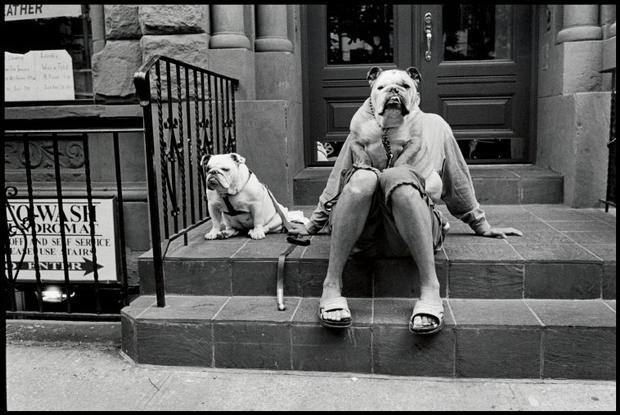
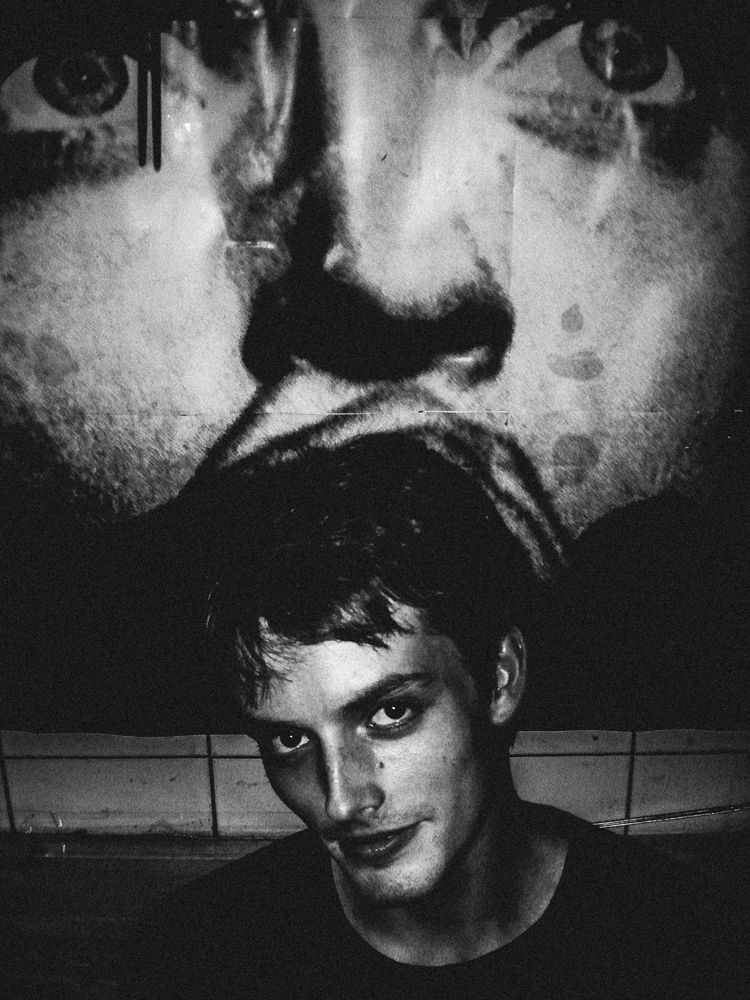
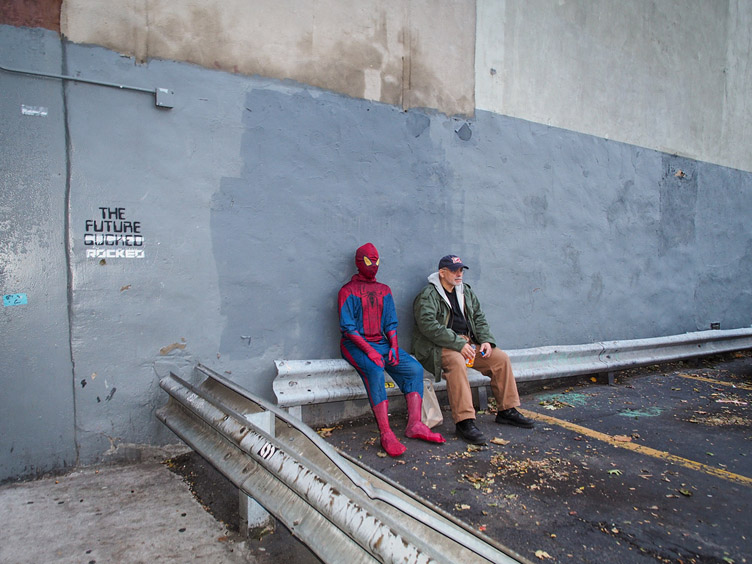
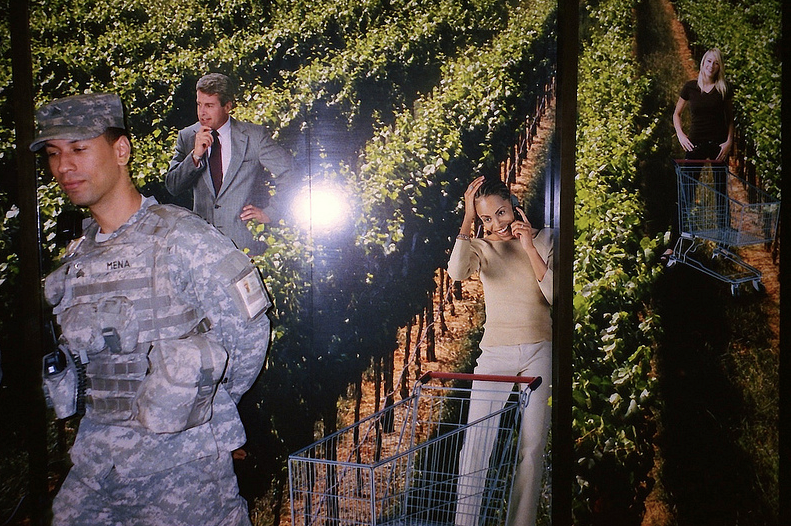
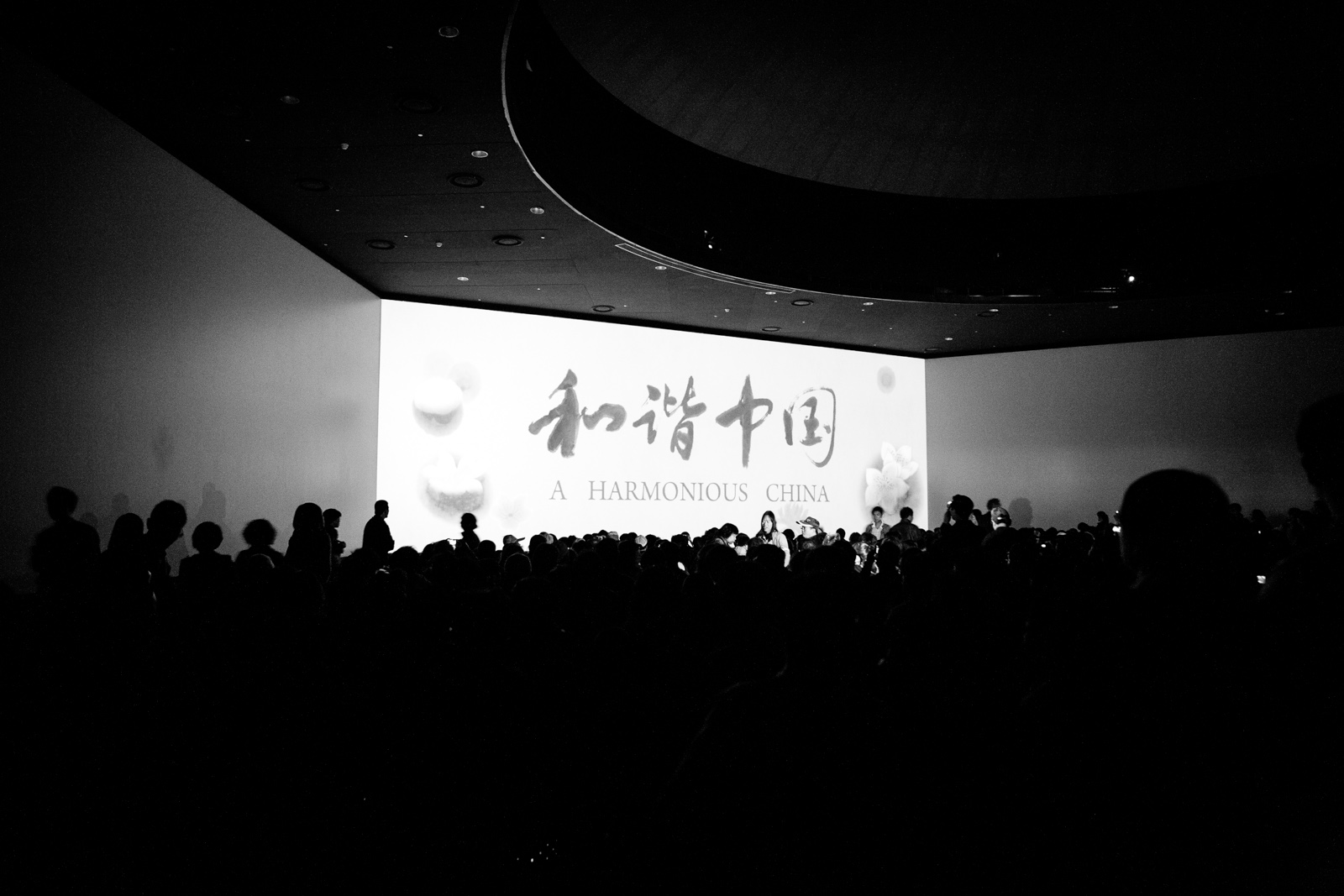
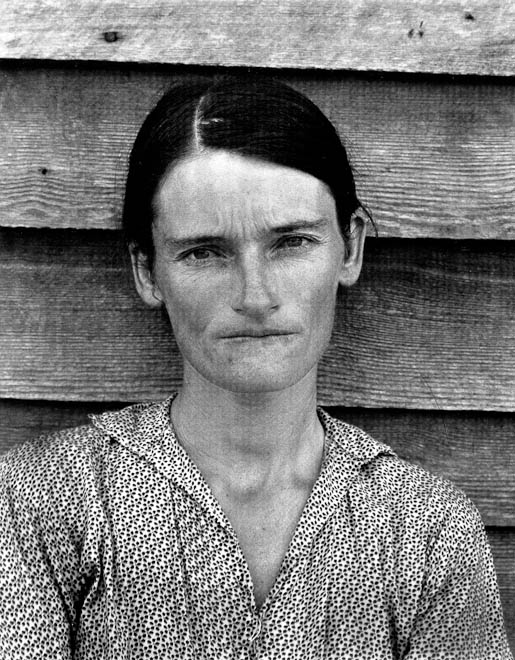
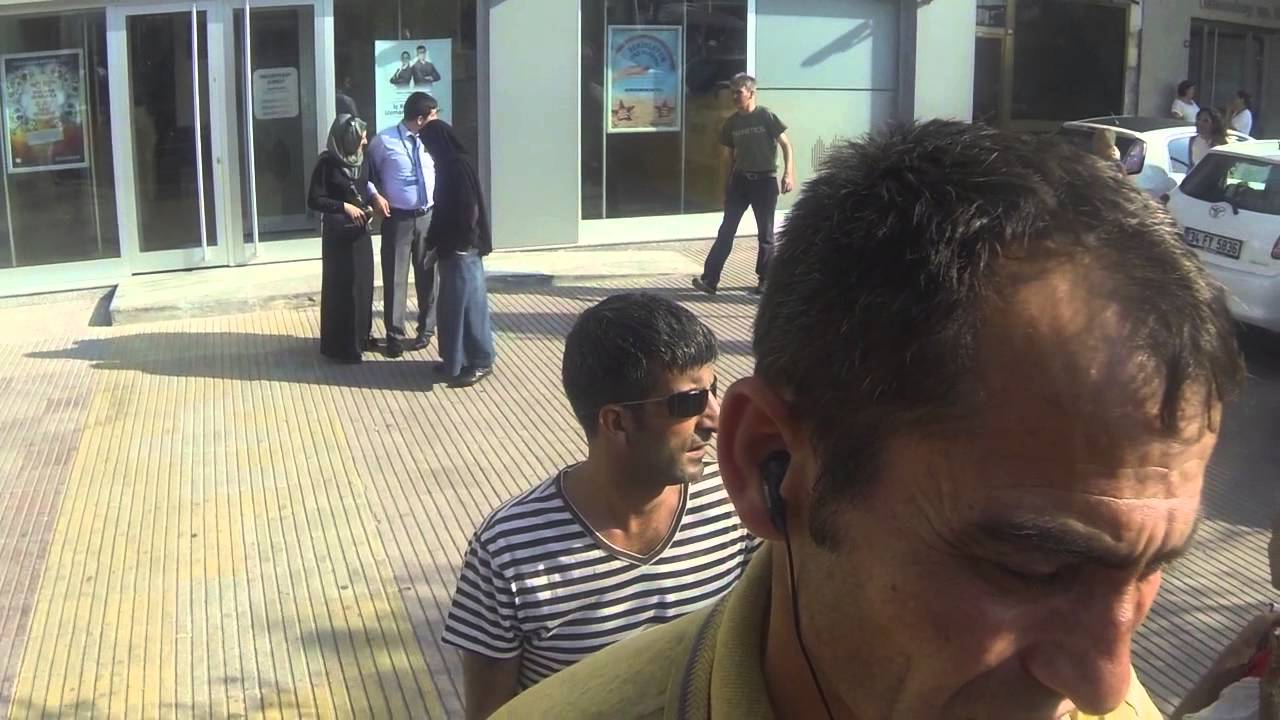
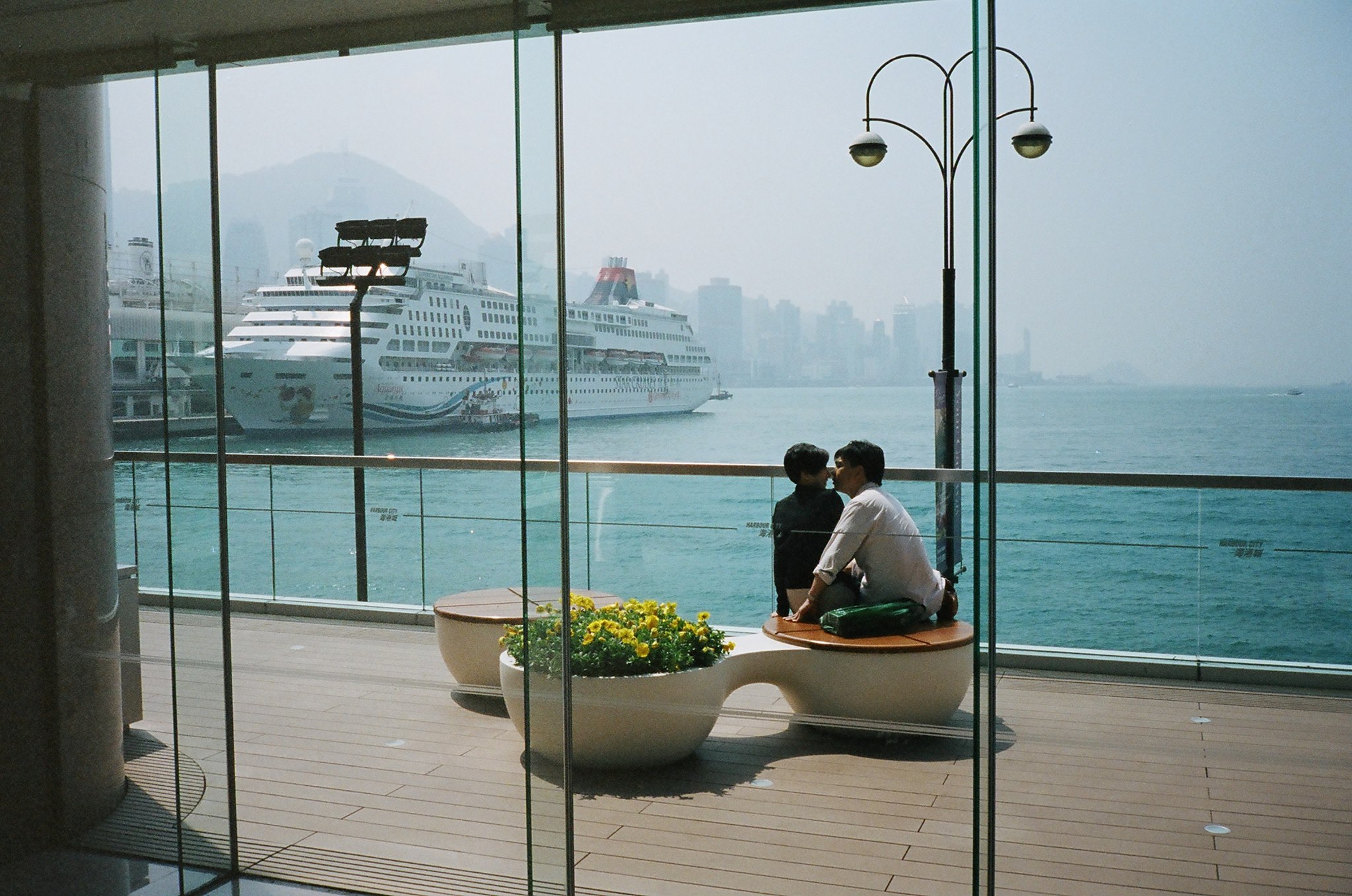
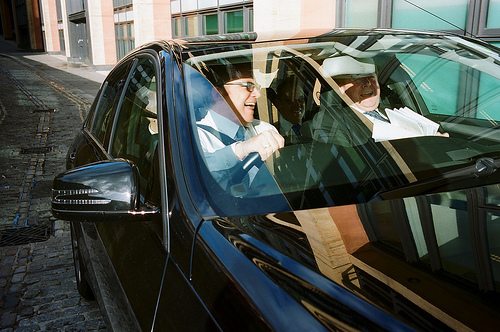
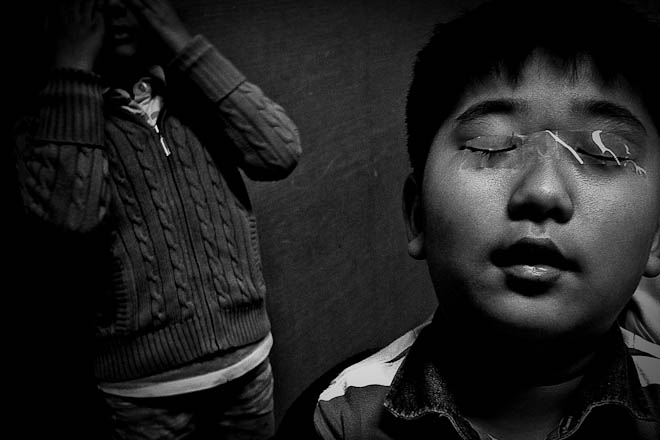
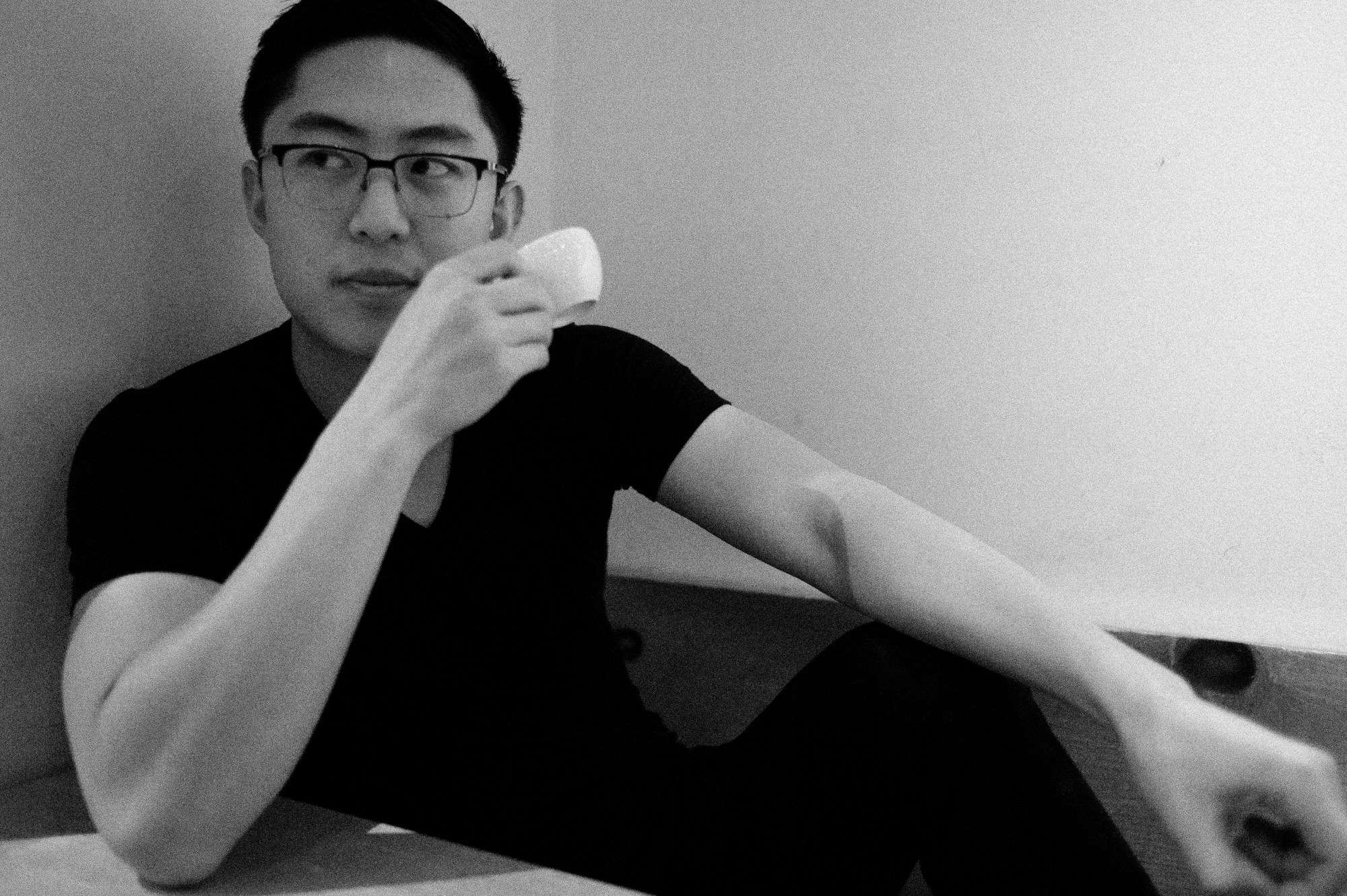
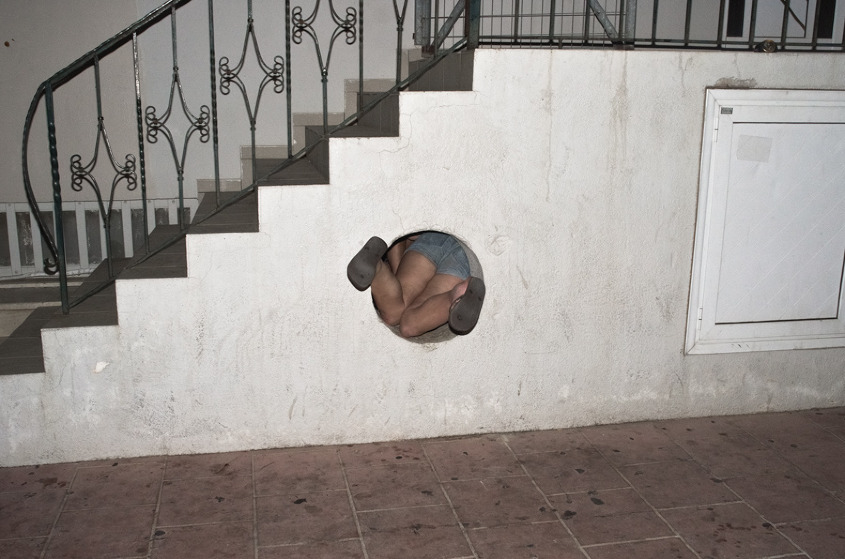
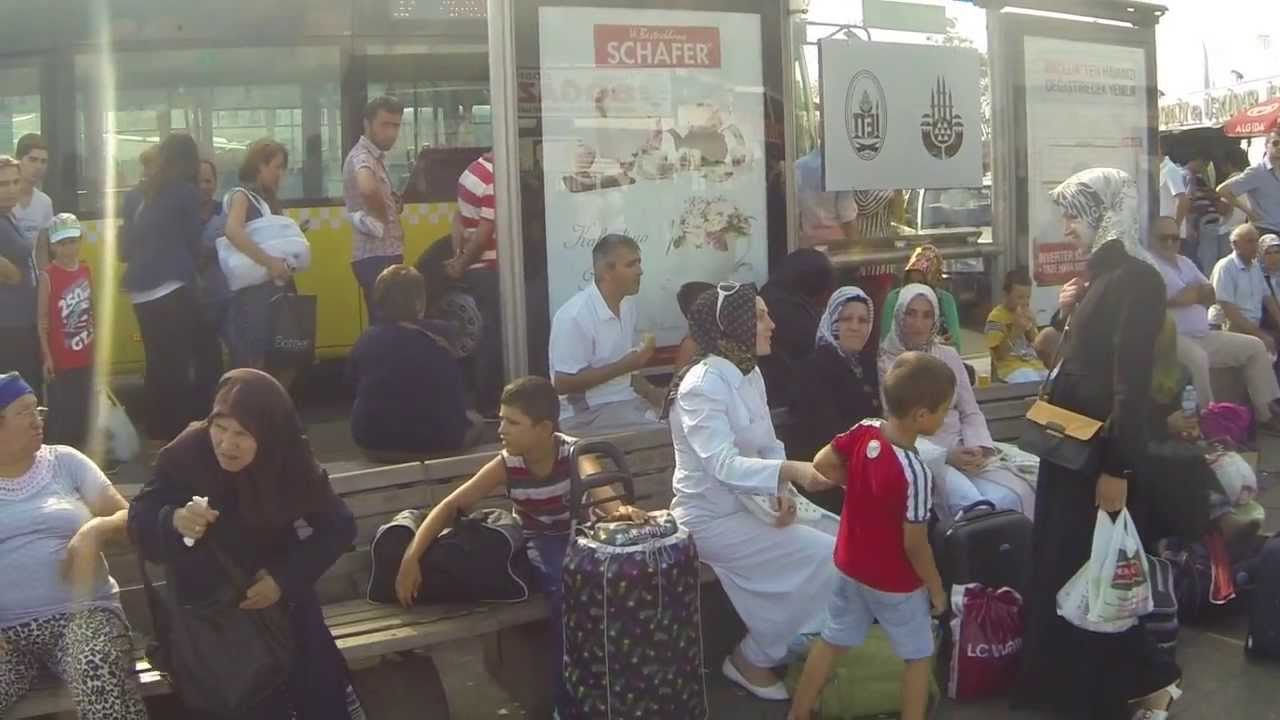
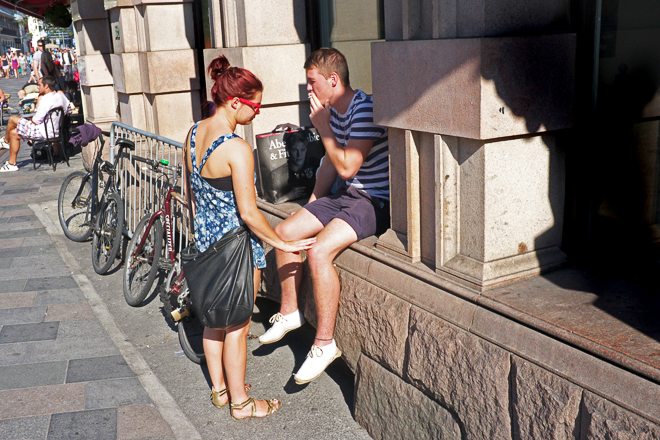
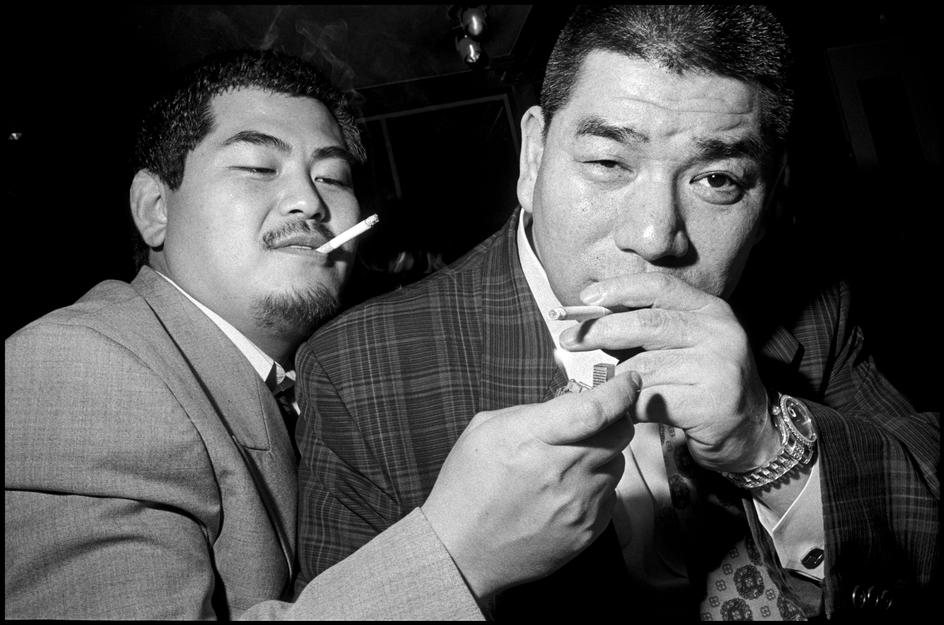
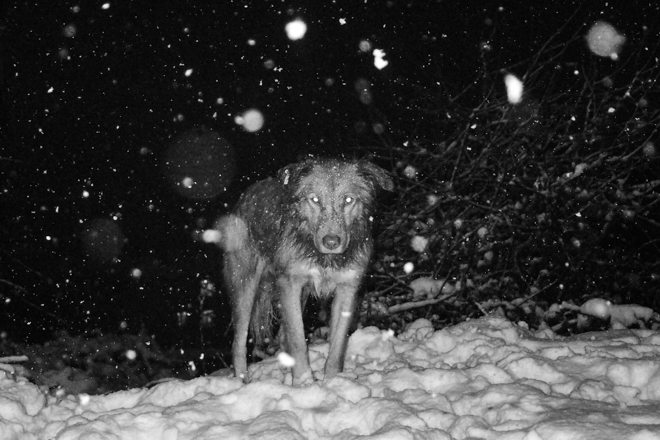
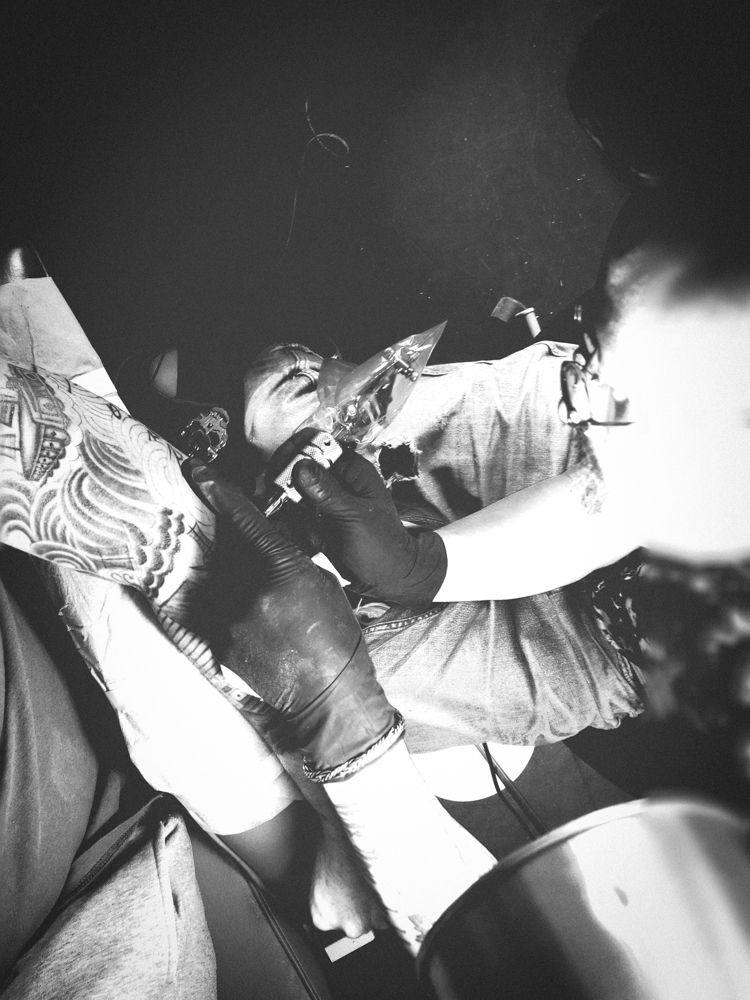
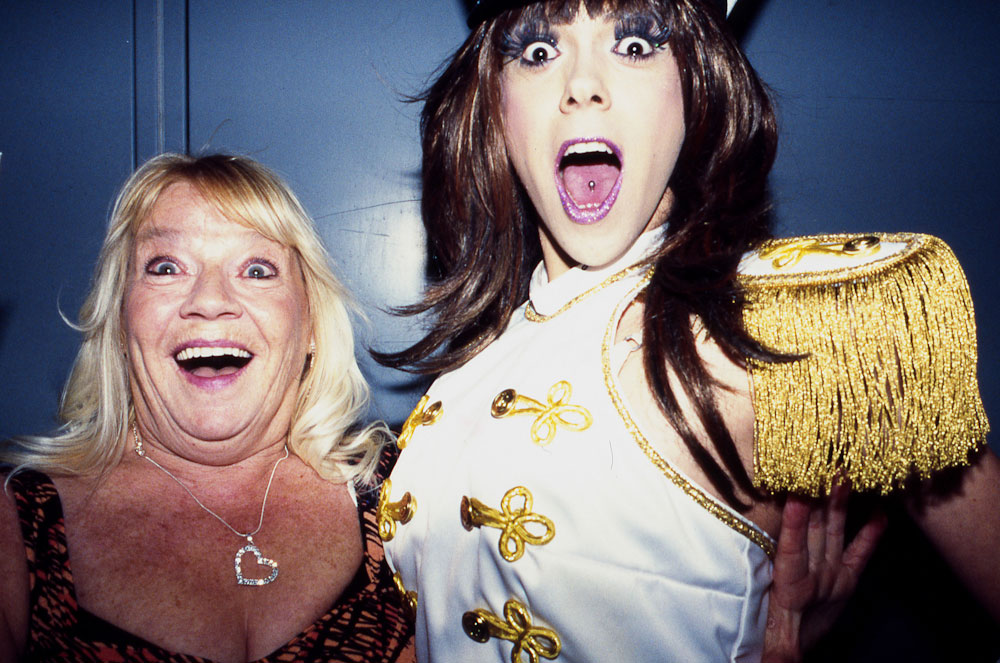
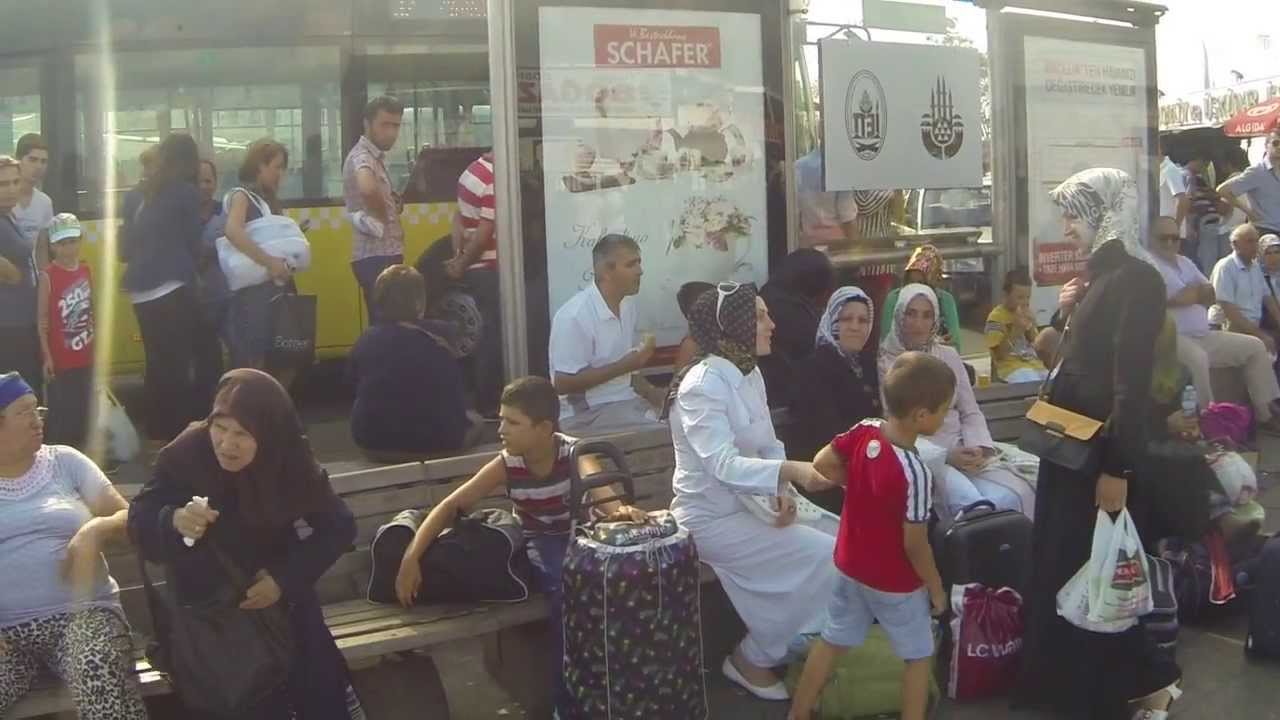
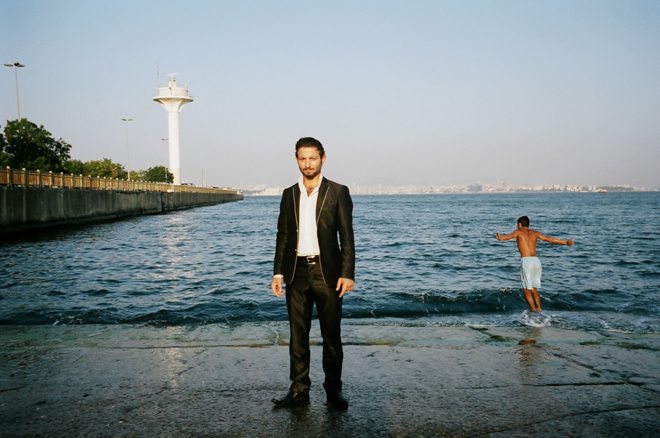
Photos in this article are from my road trip from Michigan to California.
One thing I hate about the modern world is our addiction to speed. We want everything to be done faster, more efficiently, and better optimized. We are frustrated when we are loading up a website on our smartphones and it takes longer than a few seconds. We hardly have the patience to cook anymore, so we just pop something in the microwave. We then inhale our food in a few seconds so we can get back to work and be more “productive.”
Besides street photography, I have a great interest in sociology, psychology, and philosophy. What I love about all these side-fields is that they overlap and add unto one another. Not only that, but I have probably learned more about street photography from these outside fields than from the field of photography itself.
A field I have been quite fascinated with is called “behavioral economics” the idea that us humans act “predictably irrational”. This means that we all have similar cognitive biases in certain circumstances. Although we like to think of ourselves as rational beings– we are far less rational than we’d like to believe.
In this article I want to share some insights I have learned from “behavioral economics” (which tends to fit into the field of psychology and cognitive science).
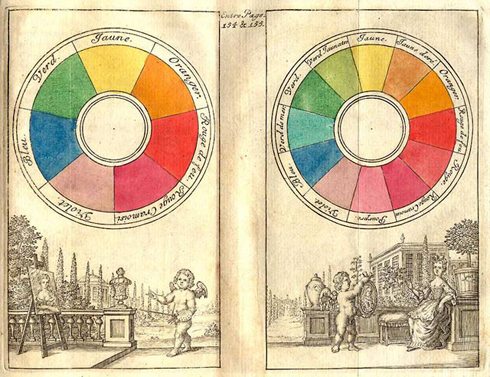
For today’s compositional lesson– I want to talk about color theory— and how you can better utilize colors when it comes to your street photography.
Personally around 2 years ago, I made the switch from shooting fully black and white — to just shooting color film (Kodak Portra 400).
Since then, I have learned to see the world in a totally different way. It has been fun, refreshing, and quite exciting.
However at the same time– shooting in color presented a new bag of worms. Whereas black and white tended to simplify a scene, color could be distracting and take away from a photo (if the colors didn’t add meaning and value).
So for this lesson we will talk about some color theory — in terms of how we can make colors better work for us. I am certainly not an expert when it comes to working in color, but I will try to share some practical tips of how you can better shoot street photography in color.
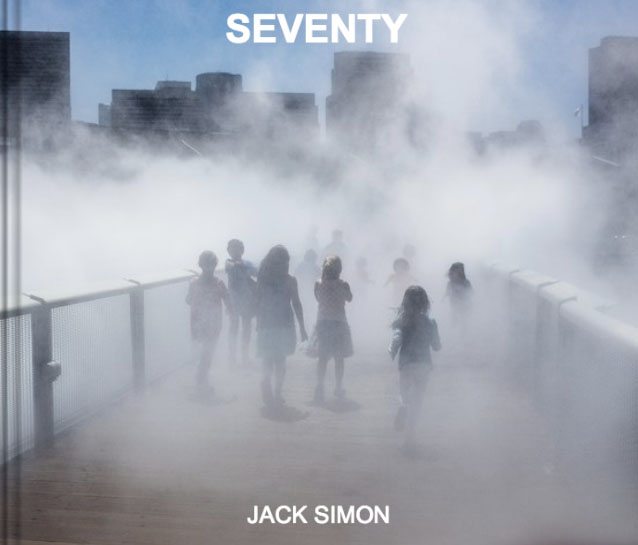
My good friend and talented street photographer Jack Simon (from Burn My Eye) has recently turned 70 years old (he looks about 2 decades younger than he is). In honor of his birthday, he recently published a new book titled: SEVENTY — which is a compilation of 70 great candid photos. He was also generous enough to offer the book free via ebook. More info about the book below from Jack:
SEVENTY is a compilation of 70 unplanned and unposed images. I enjoy the hunt for that moment of mystery, surprise, and humor in my everyday life. I seek images that hint to a larger story, like a publicity still from some forgotten movie. These fragments of fictional stories are drawn from the real world in an odd coupling of my unconscious, my intentions, and chance. As I turn 70, I celebrate these accidental glimpses into other worlds and untold stories that inhabit my surroundings.
If you want to learn more about Jack Simon and his work, you can see this in-depth interview I did with him here.
Jack Simon Shooting the Streets of SF
Below is a fun video I made with Jack shooting in the Mission District of SF:
If you haven’t heard yet the new street photography documentary: “Everybody Street” is now available to watch via Vimeo on demand. You can either rent the film for $4.99, or buy the film via digital download for $12.99. The film is 101 minutes long, and definitely worth the watch if you are passionate about street photography. More info about the film below:
“Everybody Street†illuminates the lives and work of New York’s iconic street photographers and the incomparable city that has inspired them for decades. The documentary pays tribute to the spirit of street photography through a cinematic exploration of New York City, and captures the visceral rush, singular perseverance and at times immediate danger customary to these artists.
Covering nine decades of street photography, “Everybody Street†explores the careers and influences of many notable photographers––a number of whom have never been documented, featuring: Bruce Davidson, Elliott Erwitt, Jill Freedman, Bruce Gilden, Joel Meyerowitz, Rebecca Lepkoff, Mary Ellen Mark, Jeff Mermelstein, Clayton Patterson, Ricky Powell, Jamel Shabazz, Martha Cooper, and Boogie, with historians Max Kozloff and Luc Sante.
When it comes to composition– one of the first things you should ask yourself is: “Who is the subject?”
If you have a hard time identifying the main subject (or subjects) in the photo– you are in trouble.
One of the most difficult things to do in street photography is capture multiple subjects well. When there are lots of subjects in our frame, it is often difficult for us to focus on who the main subject is.
So how do we overcome this difficulty? I propose the compositional concept of: “Spot the not.”
Erics Note: Rohit Vohra is a street photographer based in New Delhi, India. In a search for new methods to ‘read the city’, his photographs are often about contact with humans and basic living elements. He is also the Editor in Chief of Art Photo Feature.
Rohit: Street photography is one of the purest forms of photography. Love the challenge it presents, of capturing the unknown. You are out on the road with absolutely no idea of what you are going to come back with. I enjoy street photography because of this uncertainty… the joy of capturing that perfect moment… perfect in terms of light, texture, and elements all perfectly in place. Such a flawless alignment of elements, coming together randomly, to create a perfect moment which is visible for the smallest span of time before it vanishes forever… that is what I enjoy. When I am on the street I like to show my reading or perception of reality.
For today’s lesson I want to talk about “urban landscapes.” Urban landscapes aren’t really compositions in the specific sense (compared to lines, curves, etc)– but I still feel they are relevant when creating our street photographs.
If you guys have read my prior lessons on composition– I have thought a lot about what a “composition” really is. For me at the end of the day– a composition can really be anything. The dictionary’s definition to composition is as follows:
Composition:Â The combining of distinct parts or elements to form a whole.
So when it comes to street photography, whatever elements we capture in the background make an image.
I am not exactly sure what direction these “composition lessons” are heading– but thank you for your support. Let us continue to ride the wave– and see where it follows:
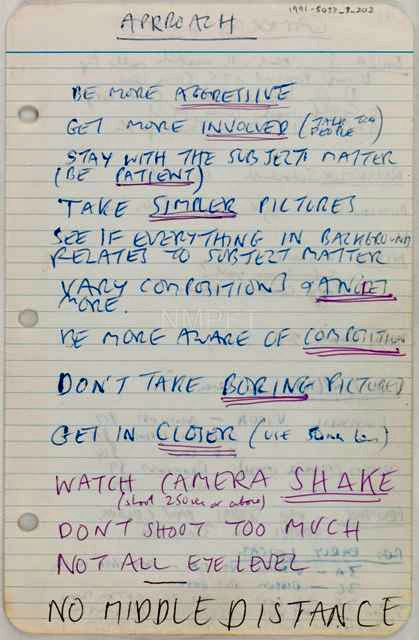
In the late 1960’s, photographer Tony Ray-Jones wrote a hand-written note on his “approach” when he took photographs. I think these tips are lessons all of us as street photographers can learn from him. Read more to see some of his inspirational images (and this list typed out):
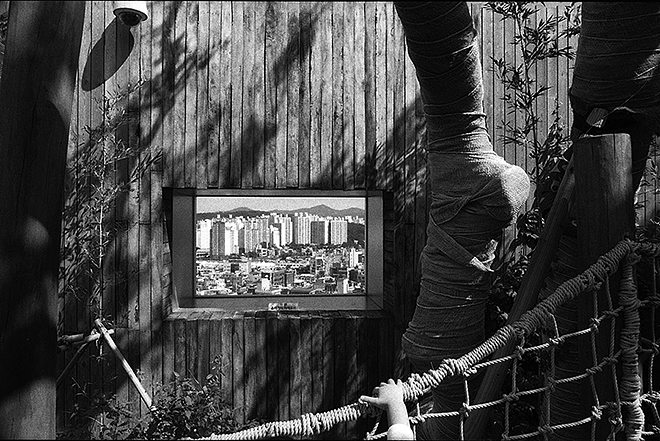
Eric’s Note: This project is by Trevor Marcyzlo, a Canadian street photographer currently based in South Korea. He is a part of the collective STROMA.
Trevor: Located on the 9th floor of Shinsegae Department Store “The 9th Floor” is a rural themed playground for kids in urban city Uijeongbu. Photos June – October 2012.
“At first, my presence in my photos was fascinating and disturbing. But as time passed and I was more a part of other ideas in my photos, I was able to add a giggle to those feelings.â€
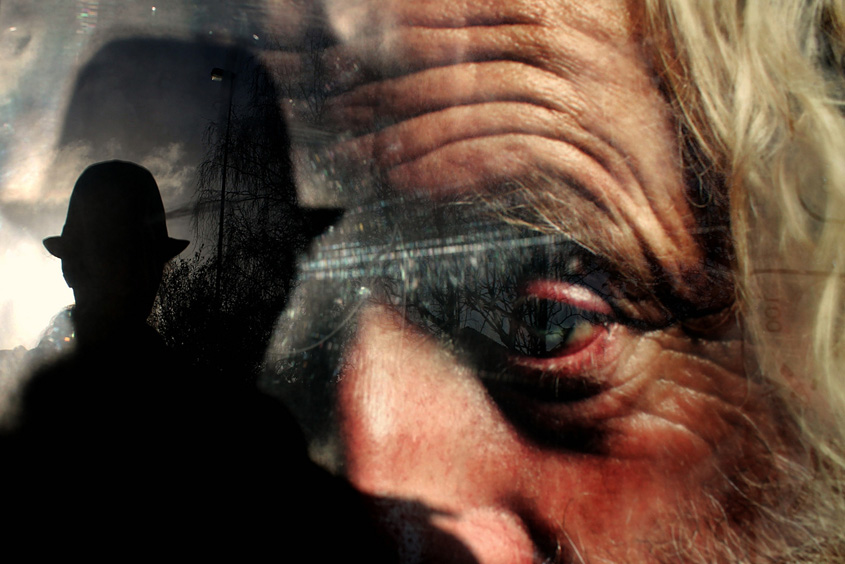
For today’s compositional lesson I want to introduce the idea of incorporating self-portraits into your street photography.
While self-portraits don’t fit into the textbook definition of “composition” per se– I still feel that they are an interesting compositional technique we can add to our toolkit to make more interesting images.
Eric’s Note: ​OBSERVE is a new international photography collective focused primarily on the practice of candid street photography. I have sent questionnaires to all 13 of the members, and will feature their responses and images on the blog for the next upcoming weeks. This week’s feature is Danielle Houghton, based in Dublin, Ireland.
Danielle:Â Picking up a camera in my teens I found myself automatically taking pictures of strangers without really knowing why. After a long break, I now find myself doing the same but this time with a name and understanding of my folly. I like to appreciate the odd in the mundane and find that suburban life can be nicely quirky. In Dublin I often shoot by the coast, in parks or even from the car window. While visually pleasing settings are very important to me the real beauty of photography stems from the uniqueness of people and those moments that cannot be repeated.
I can’t remember the exact moment that I discovered the work of Saul Leiter. I think I remember seeing some link on the internet about the discovery of one of the earliest “pioneers” in color street photography. But upon hearing this, I didn’t dig into it too deeply.
About a year ago when I was in Marseille, I re-discovered Saul’s work through a good friend of mine, Yves Vernin. When I left Marseille back to America, he gave me a beautiful Saul Leiter book. When I flipped through the pages, I was overwhelmed by the beautiful colors, reflections, and abstractions of Leiter. It was unlike any street photography I had seen before. It was much more romantic, poetic, and full of expression.
I then started to research more on Saul Leiter and have not only appreciated his images, but his philosophy of life. At his late eighties, he is very down-to-earth, and has no interest in legacy or fame. He lived a simple life and even now with his sudden rise in fame, his ego hasn’t inflated one bit.
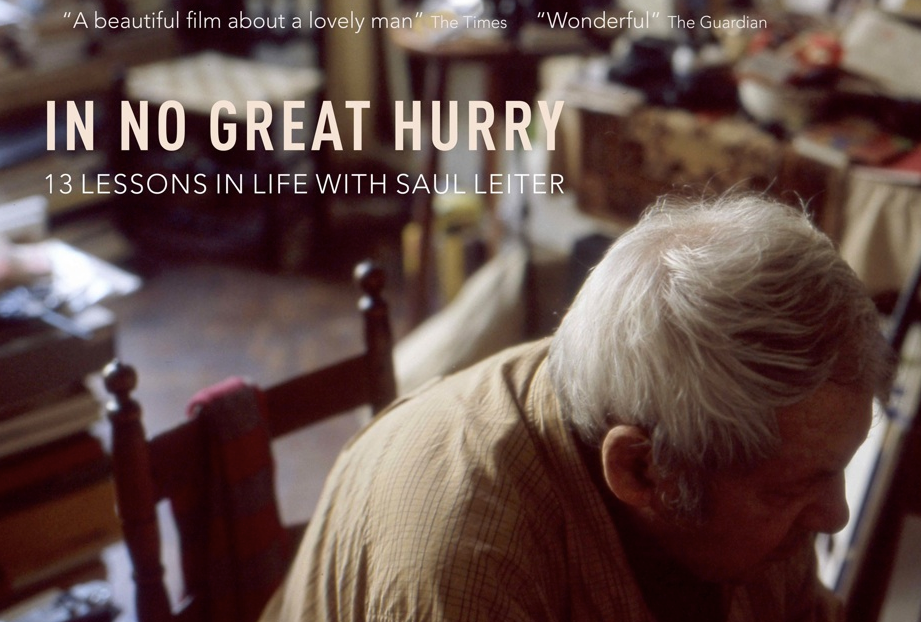
In anticipation for the DVD release of his film “In No Great Hurry” I wanted to write this article about lessons in street photography (and life) I have learned from Saul Leiter.
All photographs in this article are copyrighted by their respective photographers.
For today’s compositional lesson I want to talk about perspective.
Google defines “perspective” as the following:
The art of drawing solid objects on a two-dimensional surface so as to give the right impression of their height, width, depth, and position in relation to each other when viewed from a particular point.
In street photography utilizing unique perspectives or vantage points make images have different impressions and feelings. I often find that street photographers don’t utilize interesting perspectives enough– most photos are just from eye-to-eye level.
To make more edgy and interesting photos, try embracing more unique perspectives (shooting from a really low angle, or getting on top of a roof and shooting from a high vantage point).
I wanted to show some great examples of how some master street photographers used low and high perspectives to make more interesting photographs.
Eric’s Note: This article is written by Mehdi Bouqua, a street photographer based in LA. He shares his experiences shooting with an iPhone– and the importance of documenting life. Mehdi shares more of his thoughts and images below:
Mehdi: Today’s society is definitely over equipped/ flooded with many different types and genres of technological gadgets for all sort of necessities. Photography has become an essential tool of proof and evidence, showing, duplicating a moment and emotion by capturing the exact frame, reflecting it, and documenting it all at once.
All photos included in this article are copyrighted by their respective photographers.
For today’s street photography lesson, I want to talk about framing. Framing itself is a pretty basic compositional technique, something I am sure we all learned when we first started. But let us delve deeper into framing. Let us see examples from the masters– and how they framed their images to retain focus, energy, and depth in their images.
At the moment of writing this, I have over 30,000+ Facebook fans, 13,000+ Twitter followers, 20,000+ Google+ followers, and 12,000+ YouTube subscribers.
People have called me a bit of a “social media phenomenon” at times – and commend me for being so good at “marketing myself.”
I am certainly not the social media guru but I have learned a few things through social media through the years (especially when it comes to photography).
I wanted to write an article on some guidelines I suggest street photographers (and all photographers alike) when using social media:
All of the photos in this article are copyrighted by their respective photographers.
For today’s composition lesson I want to focus on a compositional technique that is more utilized by intermediate/advanced photographers. It is the idea of depth.
What exactly is “depth” anyways? Well, the Merrian-Webster dictionary provides this definition (which we generally think of when it comes to spatial relationships):
a: the perpendicular measurement downward from a surface
b: the direct linear measurement from front to back
For the purposes of photography and composition, we will use b (the direct linear measurement from front to back).
Eric’s Note: This is a full transcript of an interview I did with Jack Simon, a talented street photographer and practicing psychiatrist (over 45 years). I interviewed him at his home, and got to know more about his philosophies and ways of working in the streets. Jack is also member of international candid collective Burn My Eye and based in the Bay Area, California.Â
Eric’s Note: This guest article is written by A.G DeMesa— a street photographer based in Manila.
A.G.: What is street photography for me?
Surely it isn’t the mundane. Nothing gets more mundane than a 16 year old’s meal taken over Instagram. It’s not about capturing history or the little human acts because you will just be beaten by the lens of an experienced journalist. How about the perfection of form and the elements like rhythm, texture, layers, lines and others? Well, can’t photography stand on its own two feet and not rely on the concepts of painting?
So I killed my street photography. I murdered it because I became obsessed with making sure everything aligned together. I was mulling over the small details that should be present. I was looking out for the lines that should converge. I had to find the layers that will highlight the human or non human elements. I lost sight of what is important in photography: Seeing. I was doing photography and being a slave to what it means to photograph. There was no flow and joy in it for me anymore.
Some of the photos included in this post are from my on-going “Colors” project.
I am an ardent believer in the idea of “subtractive knowledge” and “via negative” meaning that we learn most from learning what not to do. For example, when I played tennis the maxims I was taught by my amazing coach Greg Lowe was the following:
Don’t be tight
Don’t miss a day of practice
Don’t try to show off
Don’t try to muscle your shots
Don’t worry about losing
Don’t worry about the racket (tennis players have the worst Gear Acquisition Syndrome [GAS])
Through this negative principle, I was able to excel in tennis– going from not making the tennis team my first year as a freshman in High School, to making the #1 doubles team by my Senior year in Varsity.
I feel that the same can be applied in street photography too.
I know that we all hate being told what not to do. After all, we should do what we enjoy, right?
I totally agree with that mentality as well– but I believe it is restrictions that can help develop our creativity.
Jacob Aue Sobol, Magnum Photographer and one of my favorite black and white photographers, shares his work and insights in this presentation at the Nordic Light ICP. If you are looking for inspiration this weekend, make sure to kick back with a glass of wine and enjoy this video [1 hour 33 minutes long]. You can see more of Jacbob’s photos on his Magnum Photos Portoflio.
All photos in this article are copyrighted by their respective photographers.
For today’s street photography composition lesson– I would like to discuss leading lines.
Leading lines are one of the most basic photography compositional techniques– I am sure you have all heard of it before. But it is a technique that we often don’t listen to or follow. For example, it is easy to have a leading line in the background (for example, a background) that leads your eyes away from the main subject, rather to the main subject.
Whenever I look at a photograph, the first question I ask myself is: who is the subject?
From the point of this writing, I have been shooting street photography for 7 years. However it wasn’t until around 3 years ago that I started to seriously read photography books.
Eric’s Note: I am excited to share this interview as a collaboration between Todd Gross (Quarlo) and Mark Powell (locaburg). I first discovered Mark Powell’s work through Todd Gross- who has been a big fan. I thought it might be a great idea to have Todd interview Mark – as he knew his work far better than I did. Enjoy the interview and images below!
Todd: I’m pretty sure it was my friend, Eliot Shepard who first tipped me off to Mark Powell’s work on Flickr way back in 2004. I was immediately struck by the unique atmospherics and equally out there cast of characters present in the photos. Although I’m fairly certain Mark could point his camera at a blank wall and the resulting image would still have that “locaburg vibe”, Mark has an eye that’s finely attuned to the odd in-between moment.
I had the good fortune of meeting Mark on a couple of occasions and his personality certainly mirrors his work–vivacious, affable, inquisitive and a touch bent.
For today’s street photography composition lesson, we will discuss a compositional rule that is simple enough: the diagonal. Credit goes to Adam Marelli for teaching me about this important design element which can help street photographers all around the globe.
Diagonals are one of the strongest and most fundamental compositional elements– something that we all know quite well.
There are 3 types of main lines: the horizontal, vertical, and diagonal line. They also go in degrees of intensity (the horizontal line being the least dynamic and the diagonal line as the most dynamic).
Eric’s Note: I am excited to share this interview which was conducted by Brian Eden, a street photographer in New York City. He interviewed Joshua Yospyn, a freelance photographer from Washington D.C. about his “American Sequitur” project. Find out more about how Joshua got started and see some more of his photos in the interview below!Â
All photos in this article are copyrighted by their respective photographers.
To continue my street photography composition lessons, I want to now move onto the topic of “figure-to-ground”.
What I learned from Adam Marelli is that one of the most important things in a photo is if it “reads” well. Meaning– if you look at a photo, can you tell what is going on– and see all the subjects clearly?
One of the most important principles is if a photo has strong “figure to ground.” Pretty much what figure-to-ground is having strong contrast between your subject and the background. For example, having a light subject against a dark subject, or a dark subject against a light background.
Hey guys, as a reminder– there are only 2 weeks left to submit to the Miami Street Photography Festival Contest 2013! This will be a great opportunity for you to get more exposure for your work! The winner of the contest will be exhibited and win a new Leica X2.
For those of you who can make the festival, there are also some great street photography workshops lead by Magnum photographers Bruce Gilden and Alex Webb / Rebecca Norris Webb. More details on the workshop here.
The Miami Street Photography Festival is also a registered non-profit, so don’t worry– this isn’t just some money-making scheme. They truly do it for the love of street photography! Read more for all the contest details.
More info about the contest and how to submit here.Â
Eric’s Note: I first noticed the work of Peter Kool on Flickr (and in another interview with Leica Liker) and loved his jolly, whimsical, and fun street photographs. He has a superb eye for details and timing.
Peter was born 1953 in the Netherlands, and moved to Belgium in 1973 to get married. He started to shoot from the birth of his first son, and went to the academy from 1980-1985. He also says, “The life expectancy of a Belgian male is 77 at the moment, so still 17 years of photographing to come.” Read the interview and see his images below.
All photos in this article copyrighted by their respective photographers.
One of the things I don’t talk much about is composition on my blog when it comes to street photography. To be quite honest, I am not as interested in composition of photographers when it comes to their philosophies when it comes to photography. However it is still something important to consider. Therefore I want to start a series inspired by Adam Marelli on how you can improve your compositions in street photography. Some of these lessons may be new, others familiar– and I will use the best examples in the history of street photography to illustrate the compositional techniques (while throwing in a few of my own).
Triangles are one of the best compositional techniques you can use in your street photography to fill your frame, add balance, and add movement in your images. (Thanks also to Patrick Bryan for the inspiration for doing this article).
I recently had the pleasure of shooting on the streets of San Francisco with Jack Simon, a well-known street photographer in the community for this month’s fiestamovement mission. I followed Jack around the streets of San Francisco, seeing how he worked the streets, his philosophies on street photography, while listening to his tips and learned a ton from him.
I also have an hour-long interview that I am in the middle of transcribing that will be live on the blog soon as well. Stay tuned!
My talented (and beautiful) girlfriend Cindy is going to Umea, Sweden for a conference which gives me a excuse to visit Europe! Therefore I am excited to share that I am teaching my popular “Introduction to Street Photography Workshop” in Stockholm (in association with CUP Stockholm) and London this December. I know it is a bit chilly in December, but this workshop will give you an excuse to get out of your house, push yourself out of your comfort zone, and meet other passionate street photographers.
For those of you who cannot attend an in-person workshop, I am excited to announce my Personal 1:1 Online Street Photography Workshops! This is a great opportunity if prefer the flexibility and convenience of improving your street photography from the comfort own home.
I also still have a few spots for my upcoming workshops in San Francisco and Los Angeles, so don’t miss your chance before it is all filled up! The full schedule of my workshops for the rest of the year is below. I am looking very much forward to having you and assisting you on your personal street photography journey!
For more questions regarding the workshops, student discounts, and returning student discounts, email my manager Neil Ta at Neil.ta@erickimphotography.com
One day we are all going to die–whether we like it or not.
I have been thinking a lot about death lately– which I know might not necessarily be healthy for a 25-year-old, but still feel that it is something important to consider.
Regarding death, I often think about the legacy I am going to leave behind. How will people remember me? Did I use all my abilities to the fullest? Did I help contribute to society? Will people remember me after I die? How will people remember me after I die? Will I have finished my life’s “task” (whatever it may be?)
Eugene Atget has always been sort of an enigma to me. When I started to delve into the history of street photography, a lot of people credited him to being one of the “fathers of street photography.†But when I first looked at his work, I was a bit confused. Most of his photos didn’t have any people in them. His photos were mostly of the architecture of Paris: doorways, arches, door handles, street facades, and the streets themselves.
I always thought that street photography had to include people in it. But Atget was talked about thoroughly in “Bystander: A History of Street Photography†by acclaimed photo historian Colin Westerbeck and by the great Joel Meyerowitz.
Westerbeck further explains the relevance of Eugene Atget by writing the following:
“While stop action images of people are bound to figure prominently in many collection of street photographs, this book also contains many pictures in which there are no people at all. The most salient examples are to be found in the works of Eugene atget. Yet even he was, through implication and inference, trying to show us life onthestreets. Suggesting presence in these midst of absence, he was attempting to reveal the character of the street as it inherited in the setting itself. Like every other practitioner of this genre, he wandered the streets with his camera, looking for what would they be called photo opportunities. More important, he’d was also like every other street photographer in his readiness to respond to errant details, chance juxtapositions, odd non sequiturs, peculiarities of scale, the quirkiness of life on the streets.â€
Did Atget even consider himself a street photographer? Certainly not. In no records of him did he ever call himself a street photographer (the term was coined centuries after he even took photos). Not only that, but Atget saw himself as a “collector of documents†rather than being an artistic photographer.
Over the years, I have learned a lot of lessons about street photography. Below is a compilation of some quotes, thoughts, and philosophies which have influenced me and my street photography. None of my ideas are original – some are based on personal experiences and others are based on ideas I heard from books, lectures, and on the internet. And of course, this is not a definitive list of what you “have to do” in street photography – rather it is some of my personal thoughts:
The other night before I went to sleep, I was reading a book on my iPad and then wanted to post an inspirational quote onto Facebook. So I logged into Facebook, shared the quote– and suddenly got sucked into the news feed. I started scrolling through the activity of all my friends– and started to feel pretty down. It seemed that all the other photographers I follow online are doing things much more exciting than me: they are traveling to places I have always wanted to, are doing big exhibitions, publishing photography books of their own, and doing interviews for big-shot media companies.
As I kept scrolling through my news feed and clicking around– I started to feel sick in my stomach. What am I doing here sitting on my ass here in Berkeley– and not achieving as much as these other people? After all, I work hard in my photography, in my blog, making connections, and all that jazz.
I then caught myself: I was being jealous. Jealous of the success of other photographers– and not being satisfied with what I had.
Eric’s Note: This is a transcript of an interview I did with Huseyin Yilmaz, an avid photographer and photo book publisher from Istanbul. Huseyin runs Espas, the premier bookstore in Istanbul. In this interview he shares his passion for street photography, his garbage collector project, his experiences in Gezi park, and the importance of photo books.Â
If you are not familiar with the work of Elliott Erwitt, you have definitely seen many of Elliott Erwitt’s iconic work all around the globe. As one of the original Magnum members and former president, he has one of the longest spanning photography careers- spanning over 50 years.
What I most appreciate about Elliott Erwitt is his wry sense of humor when looking at the world– as well as his straightforward and nonsensical philosophies about photography. When sharing his thoughts and advice, I think he is one of the most practical and helpful- especially based on his decades of experience.
I share some things I personally have learned from him in the article below.
Eric’s Note: This article is by Josh White, a street photographer based in Korea. You can also see my interview with him here.
Josh: One of the hardest things to do in the documentary style of photography is to work on a project. There are many reasons for this, not the least of which is just deciding on a theme or subject. Of course, that is just the start! In this post, I’ll talk about my philosophy on the subject of photographic projects and how you might start one for yourself.
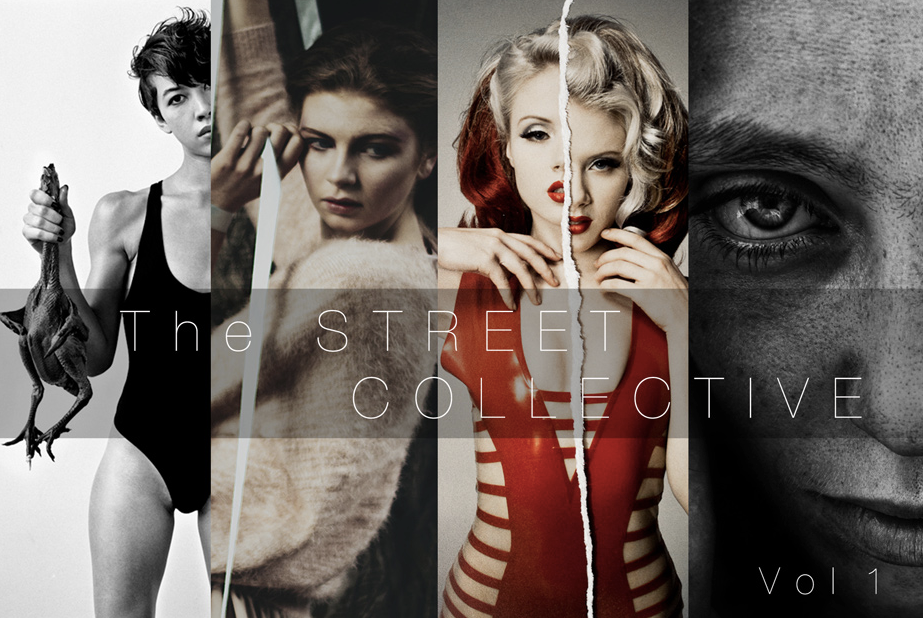
The folks at PhotoWhoa has recently put together their first issue of “The Street Collective: Volume 1“. Â Below is a description of the magazine from the editors there:
We collected the insights of these photographers to help you. Photographers like World Press Photo award winning Laura Pannack, LPV magazine founder and street photographer advocate Bryan Formhals, critically adored Kazuo Sumida, and PDN noted up-and-comer Delphine Diaw Diallo.
In all, we’ve collected 10 different photographers that will teach their own perspective about documenting real life. You’ll learn to how to work with natural light with Odd Future’s own Julian Berman. Find out how to communicate through cityscapes and ordinary moments with Satoki Nagata. And discover how to turn your street portraits into works of art with Lee Jefferies.
The magazine looks superb, with some great and talented street photographers on it. Make sure to download your copy for free here.
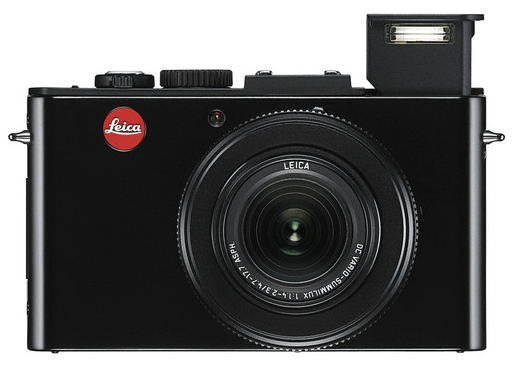
About two months ago (before I was going to embark on my Michigan to LA road trip), Chris Moore and Shirley DeSilva from the marketing division of Leica lent me a Leica D-Lux 6 to test out on the streets (thanks guys!).
I have always been a huge fan of compact cameras– for their weight, size, and easily portability. I think at the end of the day, I prefer having smaller cameras for street photography– as I generally end up carrying them with me everywhere I go (whereas my bigger cameras of the past tended to stay home and collect dust).
So how is the Leica D-Lux 6 for street photography? Read on to see my thoughts.
Eric’s Note: ​OBSERVE is a new international photography collective focused primarily on the practice of candid street photography. I have sent questionnaires to all 14 of the members, and will feature their responses and images on the blog for the next upcoming weeks. Â
Chris Farling: To me, street photography has more in common with other improvisational arts than it does with other types of photography. As such, it is as much about enjoying the process and working at it as it is about the final results, with near-misses sometimes being more interesting than their more polished counterparts. Ultimately, I see street photography—despite its occasional rude manners—as an honest way of actively living in the world.
Have you ever walked on the streets and saw a moment that you wanted to capture, but you were too scared to take the photograph? Do you want to become more confident shooting in the streets and learn how to better interact with your subjects? Do you want to meet other street photographers that are as equally passionate about street photography or interested in learning like you?
I am excited to announce I will be teaching my popular “Introduction to Street Photography Workshop” in Downtown Los Angeles (11/1-11/3) with talented LA street photographers Rinzi Ruiz and Dana Barsuhn.
In this action packed 3-day weekend workshop, you will learn the fundamentals of street photography, how to create visually compelling images, how to conquer your fear of shooting street photography, as well as tips & tricks how to capture “the decisive moment.”
If you are a beginner or intermediate street photographer and you want to take your work to new heights and meet other passionate street photographers, check out more info about the workshop below!
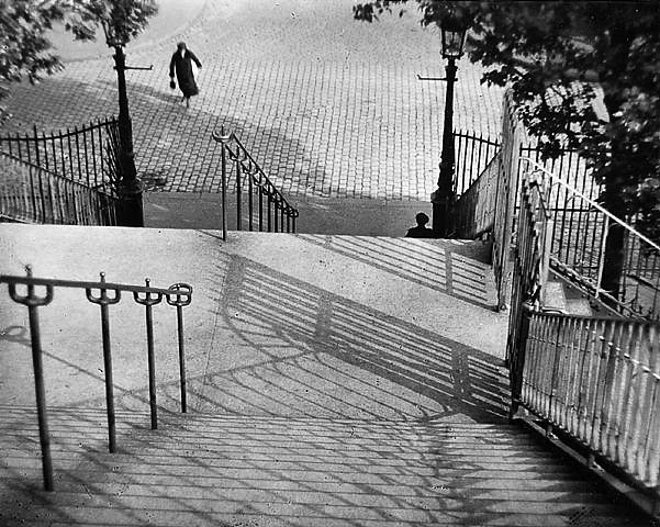
All photos copyrighted by the estate of Andre Kertesz. Also many thanks to Michael Meinhardt for helping me edit this text.Â
Andre Kertesz is one of the greatest photographers who ever lived. He photographed extensively for over 70 years, which also makes him one of the most prolific photographers. Not only did he help pioneer the genre of street photography, he also had a strong impact on an entire generation of photographers – even including the great Henri Cartier-Bresson.
When asked about Kertesz, Henri Cartier-Bresson showed his reverence by saying: “We all owe something to Kertesz.” and even “Whatever we have done, Kertesz did first.”
Another famous photographer, Brassai, beautifully captured what made Kertesz so great as a photographer:
Every street photographer with a desire to learn more about the masters needs to know about Kertesz. I have personally gained a great deal of inspiration from him and will share some insights I have gained from him:
Christine from ONA was generous enough to give me the Bowery Bag to test out and review during some of my travels the last few months. I put it through the rounds, and find it to be an ideal situation for street photographers who want a smaller bag to hold their Fuji, Leica, Micro 4/3rds, Compact, or small DSLR. Check out my review above!
I just gave some members in the Streettogs Critique Group some feedback and made this screencast – thanks to Michael Meinhardt for organizing the images together! I hope to do more of these in the future!
If you want to get some more critique and feedback, join the group and the rule is: for every photo you post to the group, you must leave at least 3 critiques to the photos before yours (at least 4 sentences long). Looking forward to having you!
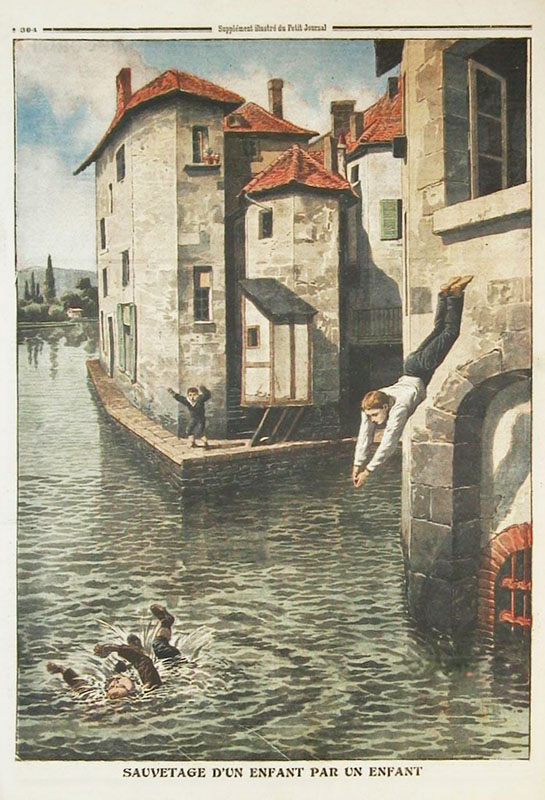
Sauvetage dun enfant par un enfant (Le Petit Journal)
Eric’s Note: This guest article is by Dan K, a British Camera collector and photography enthusiast based in Hong Kong.
Many of the great photographers whose wisdom we like to quote are successful because they have an innate artistic sensibility. For the rest of us, it is harder to grasp what makes a compelling photo.
I recently attended the gallery of one of Hong Kong’s most famous photographers. Michael Wolf made a name for himself creating images of high visual impact with a subtly dark twist of voyeurism. His own work is compelling, yet his longest wall is filled with countless rows of historical illustrations of Le Petit Journal. These lithographs portrayed the events of the day, in a highly dramatised style.
Screenshot of the free “Develop!” iPhone Application
Eric’s Note: I am excited to share this interview with Todd Breslow, a street photographer and the developer of the free “Develop!” iPhone App — which helps you process your own black and white film. He loves street photography with his Leica M3 and working in analog, and lives in Philadelphia with his spouse, two sons, and two cats. When not developing film he can be found tending to his beehives or taking a bike ride. Todd works in the Automotive industry.
Check out my interview with him on how/why he made the application for the community!
STUCK IN A CREATIVE RUT AND LOOKING FOR INSPIRATION TO TAKE YOUR STREET PHOTOGRAPHY TO THE NEXT LEVEL IN THE STREETS OF SAN FRANCISCO?
Do you feel that when you look at your street photographs, you have a hard time defining your style? Do you dream of creating unique and eye-popping images that stand out from the crowd? Do you want to find that signature style that you can put your stamp on and be proud to share with the world?
If so, I am excited to invite you to my upcoming 3-day Intermediate/Advanced Street Photography Workshop in San Francisco October 25-27th.
This unique workshop will give you the opportunity to hone your street photography voice, vision, and style while giving you the skills, knowledge, and confidence to take your street photography to the next level.
Eric’s note: Earlier this year in NYC I bumped into Jerry Pena, a street photographer living in upstate NY. Funny story, he took a street photograph of me, and then I ran after him (not to beat him up) but to just chat. We shot a bit together, chatted about street photography, and I saw some of his color film work – and loved his refreshing style and aesthetic. See more of his color street photos below.
Jerry: My name is Jerry Pena and I’m a 27 year old construction worker living in upstate NY. I have a lot of time off in between jobs and street photography is what keeps me sane. I have always noticed the strange characters and interesting moments that happen on the streets of NYC and always wondered how I could captured them.
Eric: This is a guest article by Neil Ta, my homie and babysitter. In this article he shares his new project, “Harmonious China” and his thoughts about the editing process.
Neil: My good friend and International Street Photographer, Eric Kim, first introduced me to the idea of letting photos marinate. The concept is really simple. When we take photos, there is an emotional attachment or bond that reminds us how amazing we felt when we took the image. Photographers who select and post their photos immediately are often times at a disadvantage because they let their emotions at the time of taking the photograph get in the way of their better judgement. To combat this, Eric has recommended to photographers to let their images marinate. As time passes and we revisit our images, we lose that emotional bond that had initially formed and we’re better able to objectively look at our images without biases.
So why the long-winded introduction to my new project, Harmonious China? Taking Eric’s advice, I recently decided to look at my archive of images that I shot in China back in April 2011. I hadn’t looked at these images in a very long time and secretly I was hoping that (by some act of god) I was able to pull something out of there that I had previously missed.
When I began to review the images, so much time had passed that they were fresh to my eyes, Surprisingly, I was able to pull out a number of images that fit into a centralized idea. Because I let the images marinate for so long, there were a number of shots that I forgot I took or had no immediate recollection of where it was taken.
I want to write about a photographer that most art and photography students know, but not that many street photographers know (or appreciate) online.
That photographer is Walker Evans, one of the most pivotal American photographer from the 20th century. He inspired a league of influential street photographers such as Robert Frank, Lee Friedlander, Diane Arbus, and even Bruce Gilden. He is most famous for photographing the Great Depression with the FSA, his candid work of Subway riders in NYC, and his street photos and urban landscapes all around America (his most famous book being “American Photographs” which was the first photography exhibition to be held at the New York MOMA. He was also a non-dogmatic photographer who often proclaimed that the camera didn’t matter and experimented with the 35mm format of the Leica, the 2 1/4 format of the Rolleiflex, the cumbersome 8×10 large-format, and even using a Polaroid SX-90 more or less exclusively towards the end of his life.
There is a lot that I don’t know about Walker Evans, so I made it a point to learn more about him through doing research for this article. I hope that you find his work to be as inspirational as it was to me.
Before I start this article, I want to share this excerpt that Robert Frank said about Evans and his influence on his famous project, “The Americans“:
“When I first looked at Walker Evans’ photographs, I thought of something Malraux wrote: ‘To transform destiny into awareness.’ One is embarrassed to want so much for oneself. But, how else are you going to justify your failure and your effort?” – Robert Frank
I just uploaded the last Istanbul GoPro POV video in my series above. If you want to watch the full series, you can see all the videos on YouTube here.
I am excited to share that the information for my upcoming street photography workshops in San Francisco and Los Angeles are live!
The Introductory Street Photography Workshop is focused on building your courage, learning the fundamentals of composition, and techniques when shooting on the street.
The Intermediate/Advanced Street Photography Workshop is focused  on honing onto your style, voice, and learning on how to work on projects.
Also as a treat, I will have Rinzi Ruiz and Dana Barsuhn as co-teachers in my upcoming workshops in LA! Make sure to sign up before all the spots fill up in these popular locations!
October 18-20th
San Francisco – Intro to Street Photography Workshop – SOLD OUT!
October 25-27th
San Francisco – Intermediate/Advanced Street Photography Workshop – Info & Register – NEW!
The last two weeks I have spent in Istanbul with my good friend Charlie Kirk. I first met Charlie around two years ago in Paris– and since then we have shot together, had good food and drinks together, critiqued each others’ photos, taught together, and met others together.
During many of my other travels I also had the pleasure of meeting so many incredible people during my life’s journey.
I interviewed Josh White about a month or two ago– and one of the questions I asked him is why he shoots street photography. He told me that it was the friendships that he made through street photography is what mattered to him the most.
Josh White is a street photographer from Newfoundland in Canada, and has done the majority of his work in Seoul, Korea. I conducted a video interview with him when I taught my Introduction to Street Photography Workshop with him in Toronto. We caught up, chatted about his beginnings, his inspirations, working in film versus digital, why he prefers black and white, and some memories from Seoul.
When I first started this blog, I wrote about the idea of “open source photography.†To sum up the idea, I wanted to make a personal vow to always keep the information on this blog open and free for anyone to use, remix, or share.
I remember when I was an undergraduate student at school, and I was so broke I could barely afford textbooks. It always infuriated me how these textbook companies would charge ridiculous sums of money for knowledge that I believed should be open and free to promote knowledge, wisdom, and learning for the rest of humanity. Sure I do agree that these companies have to make a profit somehow, but I think that charging $200 a textbook (required reading) was excessive for a student surviving on pizza and ramen.
I have always been into computers growing up, and my student job was IT. I remember first reading about “open source” software and was amazed how generous these developers were in creating software that changed the world. It gave access to people who could not afford expensive copies of Windows, Office, or Photoshop. The open source versions were free to download, and were nearly as good (sometimes even better) than their expensive for-profit-driven counterparts.
I grew up in the lower socio-economic class in America, with my mom holding down three part time jobs working as a waitress, cashier, and even cleaning houses to put me and my sister through school. The biggest resources that helped us were public services (thank God for libraries) and other free organizations that helped me build character and leadership skills (Boy Scouts, local community centers, etc).
I was also fortunate enough that I was able to pay my way through school at UCLA with a combination of grants from the American government and also through my work study job (also subsidized from the government). I also have had countless mentors throughout my life who dedicated thousands of hours to help shape me into the person I am today, and I have a moral and societal obligation to give back to the community.
Therefore I want to re-clarify my purpose of running this blog. My purpose is to spread and promote the love of photography— via educational posts (what I have learned from the master photographers), inspirational (interviews and feature for contemporary photographers), or community-based (exhibitions, books, etc.) I initially started this blog as a hobby and to help others in their journey in street photography (as there were few community-driven blogs online dedicated to street photography about three years ago). I have been lucky enough to make it a living primarily by teaching workshops.
I am certainly not the authority when it comes to street photography. There is still a lot I am ignorant of and many things I need to learn. I am not the best street photographer either, I don’t have a body of work I am proud of yet. However I have the passion, drive, and fervent love of street photography I want to promote– and I wish to contribute to the community by sharing things I have been learning along the way.
Therefore I want to reiterate the fact that I will never charge anything on the blog in terms of information. I will make sure that anything information-based (articles, videos, features, etc) will always be available openly and for free on the blog. I do envision myself writing more paper-bound books in the future, but if I self publish these– I want to always have an ebook available for free online.
I also plan on offering more free street photography workshops to students as well as those who cannot traditionally afford to attend my workshops. I have recently offered some student scholarships when I taught workshops in Manila, and also hosted a charity-based workshop in Detroit with Brian Day which was pay-what-you-can (the profits went to the Detroit firefighters fund).
I have no intentions to becoming rich through my blog, and certainly don’t want to be a blood-thirsty capitalist. I studied sociology in school and I view my socio-political-economic views as quite liberal, and I hope not to stray away from my core ideals and beliefs. If I do by chance become a blood-thirsty capitalist/vampire trying to suck profits out of the street photography community, please stab a wooden stake through my heart and bust out the garlic.
I also wanted to announce that I have recently made all of my photos on Flickr available for free as full-resolution downloads. So if you have ever liked any of my photos and wanted a print, feel free to download any photo and print any sized photo you want. Use it as wallpapers, prints to hang on your wall, or whatever you want to use them for (non commercial). And no, you don’t need my permission.
I already make a living through my workshops and am currently earning enough to live comfortably. I am starting to think more about my future financially (in terms of starting a family, buying a house, all of that “grown up†stuff) but I want to always keep the information on my blog available for free.
Currently what I think is charging for workshops to earn my living (and also I love teaching as well) while keeping everything else available for free.
I also just moved into my new place in Berkeley and finally am starting to get settled in. I ordered an uber-fast 50megabit Internet connection for my home (will be installed this weekend) so I plan on publishing video lectures, and I also hope to write more free ebooks on street photography. I am also currently a bit burnt out from international travel, and I want to focus my energies more locally while spending more time with my girlfriend, family, and close friends.
I think this year (and hopefully many years to come) will be a well spring of educational learning and community-involvement (I am collaborating more with guest writers for this blog). I also hope to become more involved in the local Bay Area photography scene, as this is where I grew up (I grew up in Alameda).
Thanks again so much for reading, participating, and helping this beautiful art of street photography flourish. None of this would be possible without you.
​OBSERVE is a new international photography collective focused primarily on the practice of candid street photography. I have sent questionnaires to all 14 of the members, and will feature their responses and images on the blog for the next upcoming weeks.Â
Antonis Damolis: I was born in Crete, Greece, in 1980. I’m an orthodontist and I discovered photography in 2010 when I bought my first DSLR. I started shooting in the street because it was an accessible place. I’m amazed by the way my camera sees the world.
Justin Sainsbury is a street photographer based in Brighton, on the south coast of England. He is also a member of Burn My Eye. What I love about his images is that his photos ask more questions than provide answers. Take a look at his images and interview, and participate by making up your own fictional stories in the everyday lives of the subjects he captures.Â
Bruce Gilden is one of the best street photographers currently alive. He is a photographer who has had a deep influence on me and my approach in street photography– especially when I first saw the video of him shooting in the streets of New York City.
Bruce Gilden is also one of the most controversial street photographers– and I also feel one of the most misunderstood.
In this article I will write what I personally learned from his street photography and how I see him as more of a humanistic street photographer (rather than just being an asshole as others might misinterpret him to be).
Photo by Oguz Ozkan from his “Dog walk” series in Istanbul.
Oguz Ozkan is a street photographer based in Istanbul. I was introduced to him by Charlie Kirk– and I was amazed how much progress he has made in only about a year and a half of photographing on the streets. We sat down for a beer over dinner at a bar, and this is a typed transcription of my interview with him.Â
This article is written by Josh White, a street photographer that has traveled throughout Korea, Japan, and Canada. You can follow his blog here.
Josh: Photographic purists, especially ones of the docu/street genre will often argue that photography is a process. They will argue that photography should all be taken seriously and photographs should be left to permeate. They will argue that film photography is good for the up and coming photographer as it teaches patience and discipline. We are more likely to like the photographs taken more recently.
While I believe all this to be somewhat true, photographer’s itch. We itch to take photographs and to look at them. We itch to share them and get feedback. In this world of instant gratification and constant boredom patience doesn’t always come easily.
Charlie: A week or so ago, Brian Sokolowski posted on Facebook: “Is it me, or is there a whole lot of street-photography out there that’s set up and posed? No, it’s not me… there is. What’s the point of that? I mean if it’s set-up, that’s fine. But don’t try to pass it off as street-photography, because it’s not.â€Â I agreed with him and cited a few photos from the HCSP group that looked staged. I’d like to expand upon my thoughts here.
Let me start by saying that, like Brian, I am not against staged photographs per se. Jeff Wall is one of my favourite photographers, and I love the portraits of Gilden – who, I would argue, is the best “street photographer†alive today. What I take objection to is deception which may or may not be a result of a loosening of the commonly held perception that street photography is candid.
Here is the second volume of my Istanbul Street Photography GoPro POV series. I put the new GoPro Hero 3 (and shot at 720p at 60fps) on top of my Leica MP. The framelines are roughly 35mm. I have a few more I’m working on, will upload them in the upcoming week.
If you haven’t seen it already, you can see my first Istanbul Street Photography GoPro POV here.
This is my second time in Istanbul, and it has absolutely been one of my favorite places in the world to shoot street photography. It is a combination of the friendly people, the diverse history, the historic architecture, the multicultural heritage, and the golden light.
The other day I put my GoPro Hero 3 on top of my Leica MP and with Portra 400 loaded, made a POV of me shooting the streets of Istanbul — around the Eminonu area in Istanbul which is right by the water and the New Mosque.