
I am excited to share that submissions for the street photography exhibition for the Miami Street Photography Festival 2013 is live! For more information regarding the exhibition, read more or you can click here for all the details.
I am excited to share that submissions for the street photography exhibition for the Miami Street Photography Festival 2013 is live! For more information regarding the exhibition, read more or you can click here for all the details.
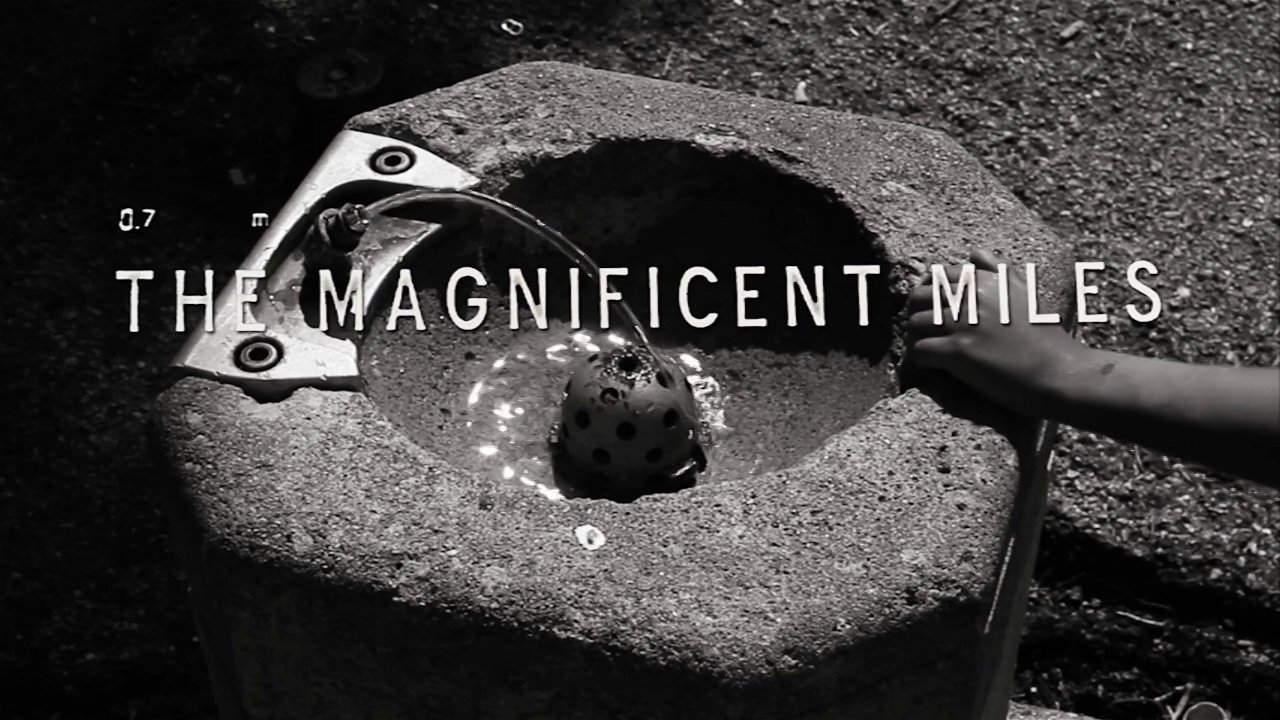
My talented photographer friend Satoki Nagata is putting together a film project titled: “.07 The Magnificent Miles” – a documentation on the city of Chicago. They are completing the film by the summer of 2014, and are current seeking funding for the film. A detailed proposal can be sent per request to anyone interested in supporting the project by emailing info@themagnificentmiles.com. Music in the film is by Laurent Levesque.
If you want to learn more about Satoki, check out my in-depth interview with him here.
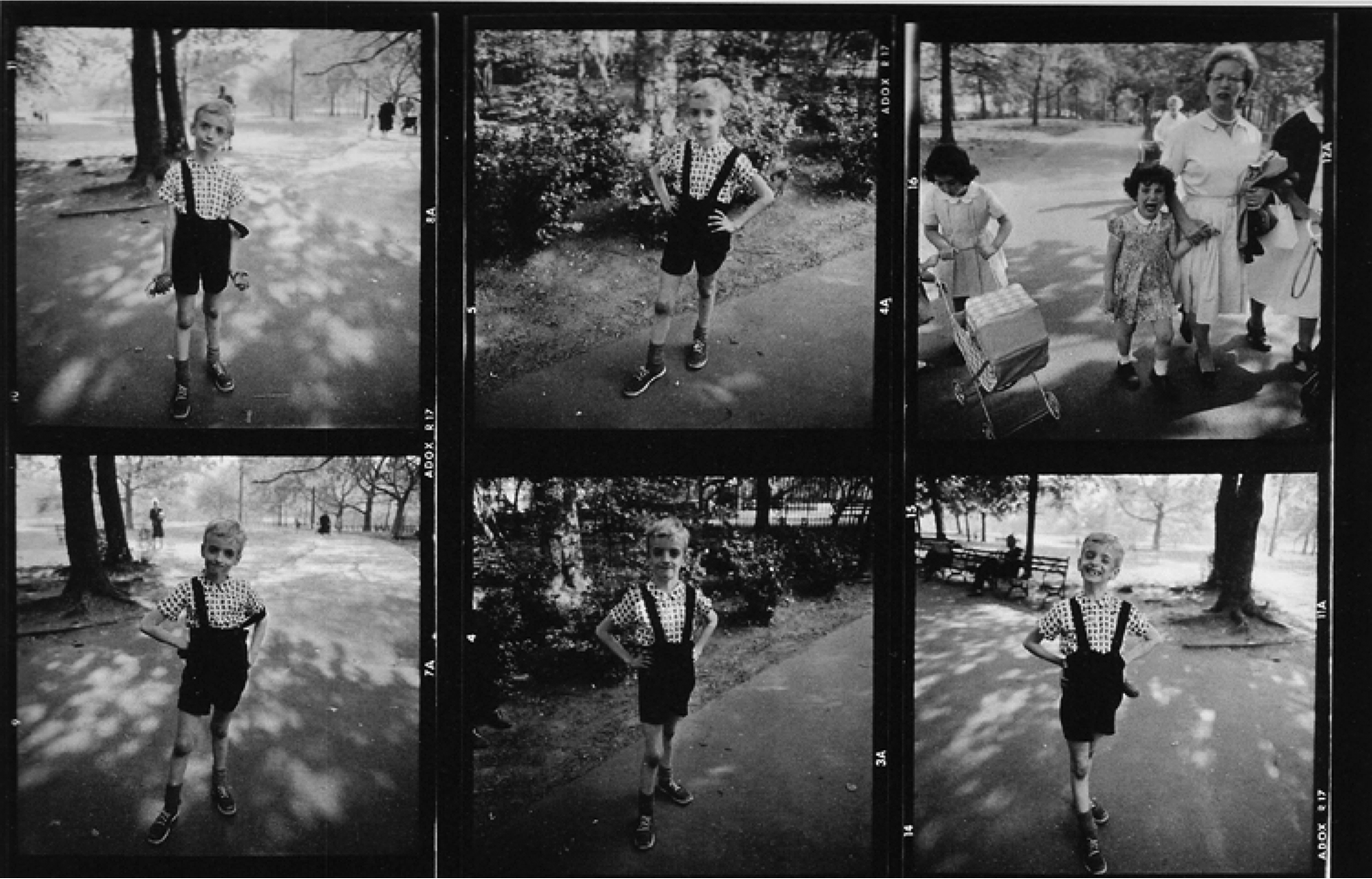

I want to write regarding a subject which is highly debated online: “What is street photography?”
There are countless forum threads, Facebook discussions, blogs, and Flickr boards which argue what street photography is and what street photography isn’t.
I have thought about the question: “What is street photography?” for a long time– and my thoughts and views have changed and evolved over the years.
I don’t have all the answers to defining what street photography is (or isn’t) but I will attempt to come to some sort of logical conclusion on what street photography means to me. Consider this article as part of a self-reflective essay for me to better understand my own personal views. And I also hope that you can take some of my thoughts and incorporate it into your own personal views– and reach your own conclusions for yourself.
My buddy Adam Marelli just presented a talk at the B&H Photo Space talking about feeling more comfortable approaching strangers and photographing them while incorporating compositions and more. Definitely recommend the in-depth 1 hour and 50 minutes.
Also to learn more from Adam, check out his other talk on how to incorporate design & composition into your work (one of the finest out there). If you want to learn more from Adam, check out his upcoming workshops here.
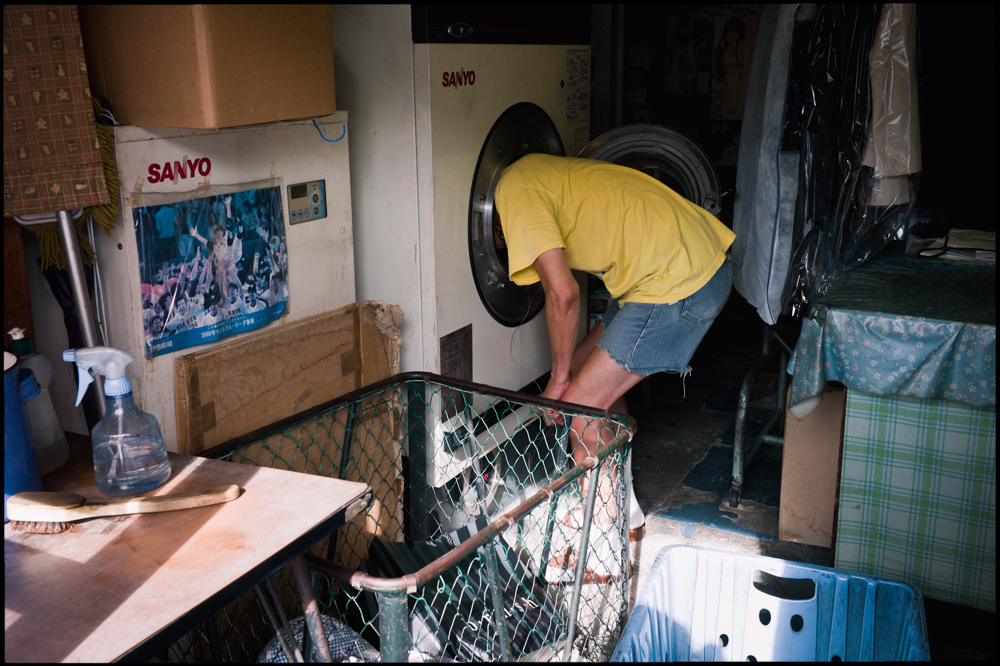

I recently had the chance to interview the talented Shin Noguchi on the Leica blog. He is one of my favorite contemporary Japanese street photographers and what I love most about his work is his strong visual images, uncanny moments, as well as his look into Japanese society.
A quick tidbit from one of the questions I asked him:
Eric: What is some advice you would give to street photographers starting out?
Shin: Currently, activity at SNS is the main stream for all kinds of artists, and as for photography, it is in vogue to get a good reputation at reviewing sites such as 1x.com. Under such circumstances, it is important for street photographers, regardless of a review of one photograph or artistic review, to shoot streets coolly as persistent storytellers or spokesmen from the standpoint of shooting documentaries which exist on the bottom of people’s life.
I do not deny the importance of seeking artistic photographs as expression. On the other hand, I would like photographers to express, without relying on the characters of the subjects, their existence in the themes selected, and the composing ability of elements such as light and shadow, with the final aim of being evaluated by the totality of their activity as a photographer.
>> Shin Noguchi: Open for Interpretation [Leica Blog]
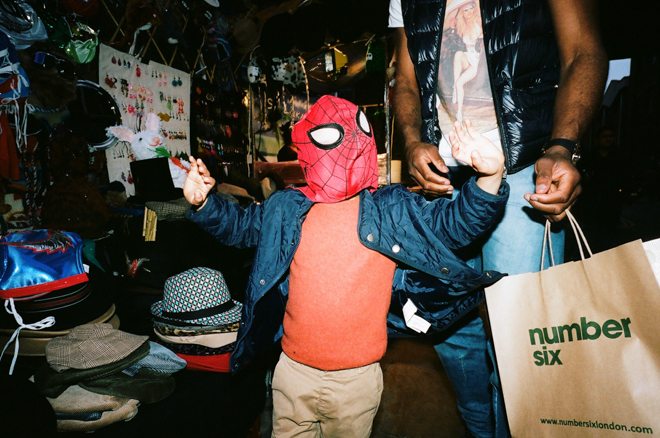

In today’s uber-pedophile-paranoid society taking photos of kids can be a challenge. It wasn’t a problem even a few decades ago (think of all the great photos of kids that Helen Levitt, Robert Doisneau, and Henri Catier-Bresson shot). But now even if you point a camera remotely close to a kid you can be called a pedophile.
Personally I haven’t ever had any problems taking photos of kids (whether it be candidly or with permission).
In this article I will try to share some of my personal tips when I photograph kids– and I hope this will help you!
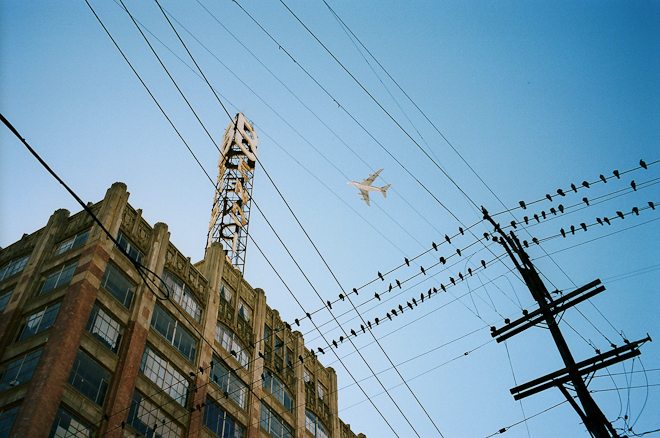

“You need a change of soul rather than a change of climate” – Seneca
Over the last year or so I have been incredibly lucky to travel to over 15 cities internationally, and have met some of the most incredible people in my life.
However as much I have been traveling, I have been longing to spend more time at home (or in one place).
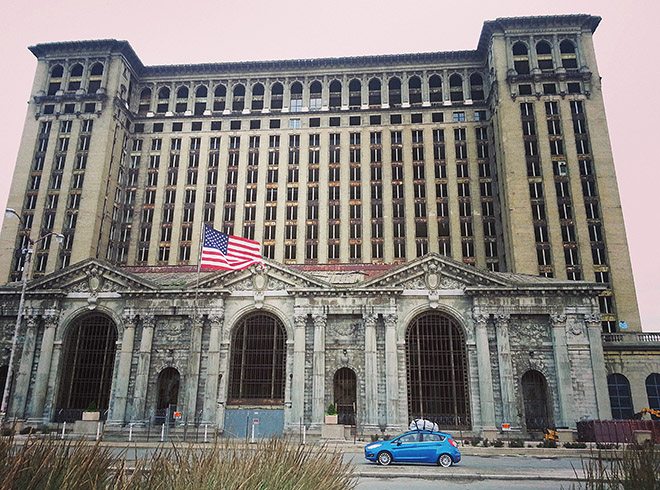

The last week or so I have been on the road– moving from Michigan to California.
Instead of just taking the easy route (flying) we decided to partake in an adventure– to travel the US by car.
I wanted to write this article to share some of my personal experiences through this road trip– and hopefully it can give you some insight to plan your own road trip across America (while taking some photos too).
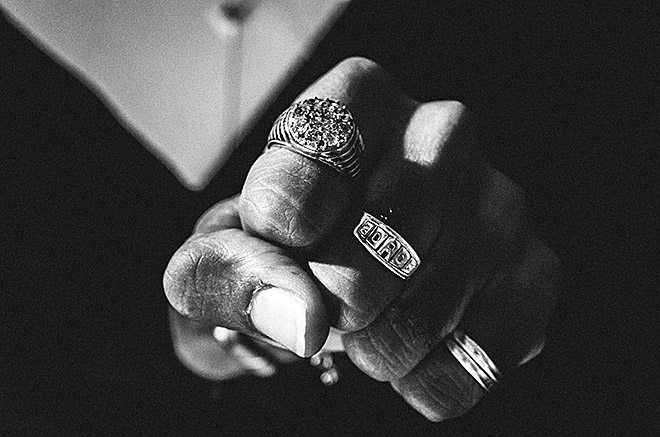
Just uploaded a new GoPro POV video at Gallo Boxing. This time with Ty, a boxing promoter with great swag and bling.
The story behind what happened is that initially I was photographing another boxer, and I was going to take some photos of him working the punching bag. Then I saw Ty on my way over, and was blown away with his outfit (his sunglasses, his patent-leather shoes, and the plethora of rings on his fingers).
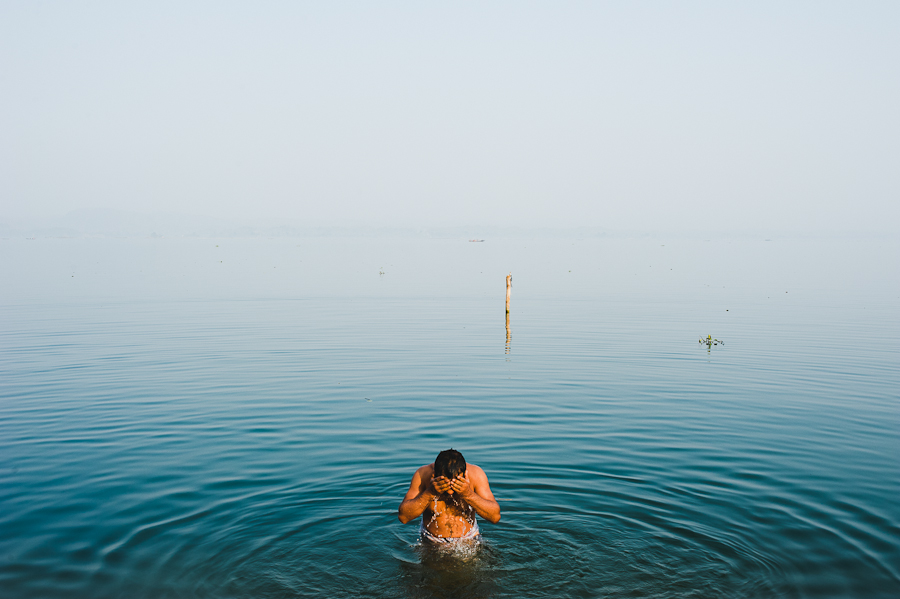

Eric’s Note: This is a guest article by Kristian Leven, a wedding and street photographer based in London.
Kristian: When I started photography six years ago, I didn’t have a problem going out and finding inspiration. Everything was so new and subsequently there seemed to be no end to the ideas I felt I could produce. Looking back, I can see that my work wasn’t particularly indistinguishable from many others – there was no depth, no originality.
But I needed to get through certain stages to get to where I am today. At first I had no particular style, nor did I have any photographic ‘heroes’ to aspire to, but over time and with an accumulation of experience, I connected with capturing natural street scenes in an artistic way, and I translated that approach to my wedding photography, which I had begun three years ago.
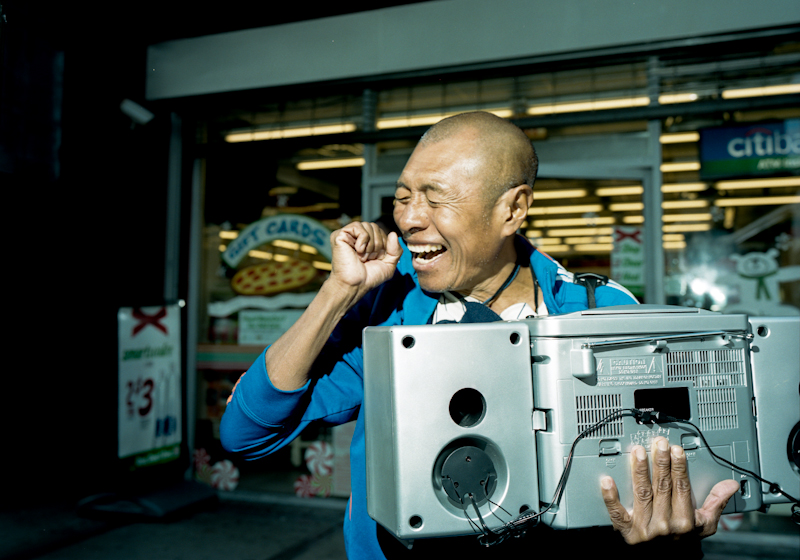

Eric’s Note: Ola Billmont is a street photographer based in Stockholm, Sweden. He is also one of the co-founders of CUP (Contemporary Urban Photography). Learn more about the founding of CUP (Contemporary Urban Photography in Stockholm), his work in film and digital, and how he approaches strangers on the street.Â
Here is Volume 2 of my GoPro POV series at Gallo Boxing.
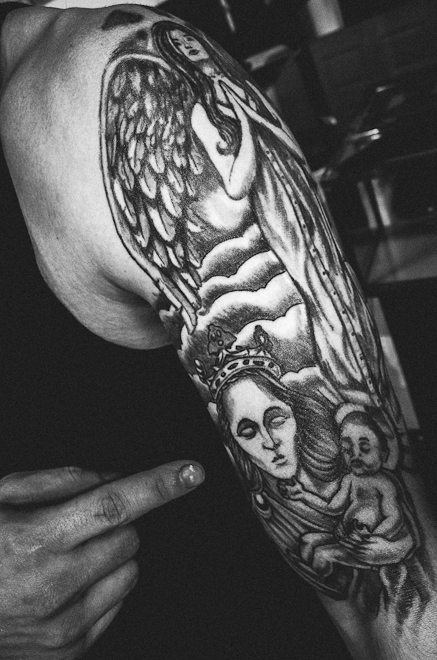
I first saw Christian Bleha chilling after a long workout, dripping in sweat and puffing from exhaustion. I saw him from afar–and loved his tattoos. But I was a bit nervous to first approach him. However I knew I would regret not asking to take photos of him if I chickened out– so I swallowed a big gulp of air, and introduced myself to him and asked if I could take some photos.
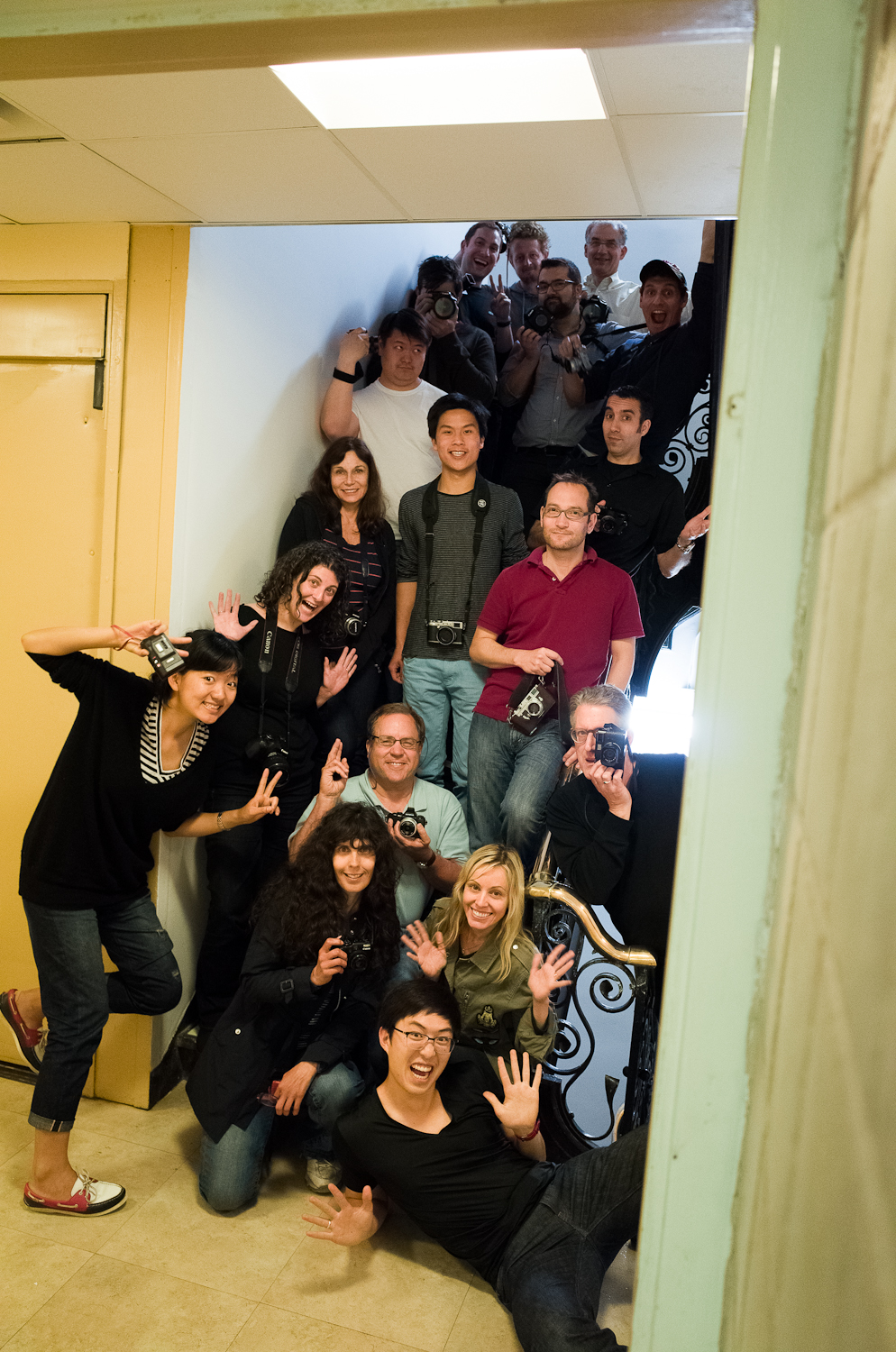

If you feel uninspired in your photography, want to conquer your fears, and meet other passionate street photographers— join me at one of my upcoming workshops below!
This would be a great opportunity for you to step outside of your comfort zone, and even take a break from the day job to travel to an exotic location you have always wanted to visit! I am also so certain you will love the workshop that I offer a 100% money-back guarantee!Â
Istanbul – Introduction to Street Photography Workshop (feat. Charlie Kirk) – Info & Register
 Istanbul – Intermediate/Advanced Street Photography Workshop (feat. Charlie Kirk) - Info & Register
* (There is a 50% discount available if you attend both Istanbul Workshops)
San Francisco – Intro to Street Photography Workshop - Info & Register
Los Angeles – Introduction to Street Photography Workshop - Register intent
Tokyo Introduction to Street Photography Workshop  – Info & Register (OPEN!)
* (There is a 50% discount for each additional workshop you attend in Tokyo/Kyoto)
Tokyo Intermediate/Advanced Street Photography Workshop – Info & Register (OPEN!)
Kyoto Film Street Photography Workshop – Info & Register (OPEN!)
You can see my past street photography workshops.Â

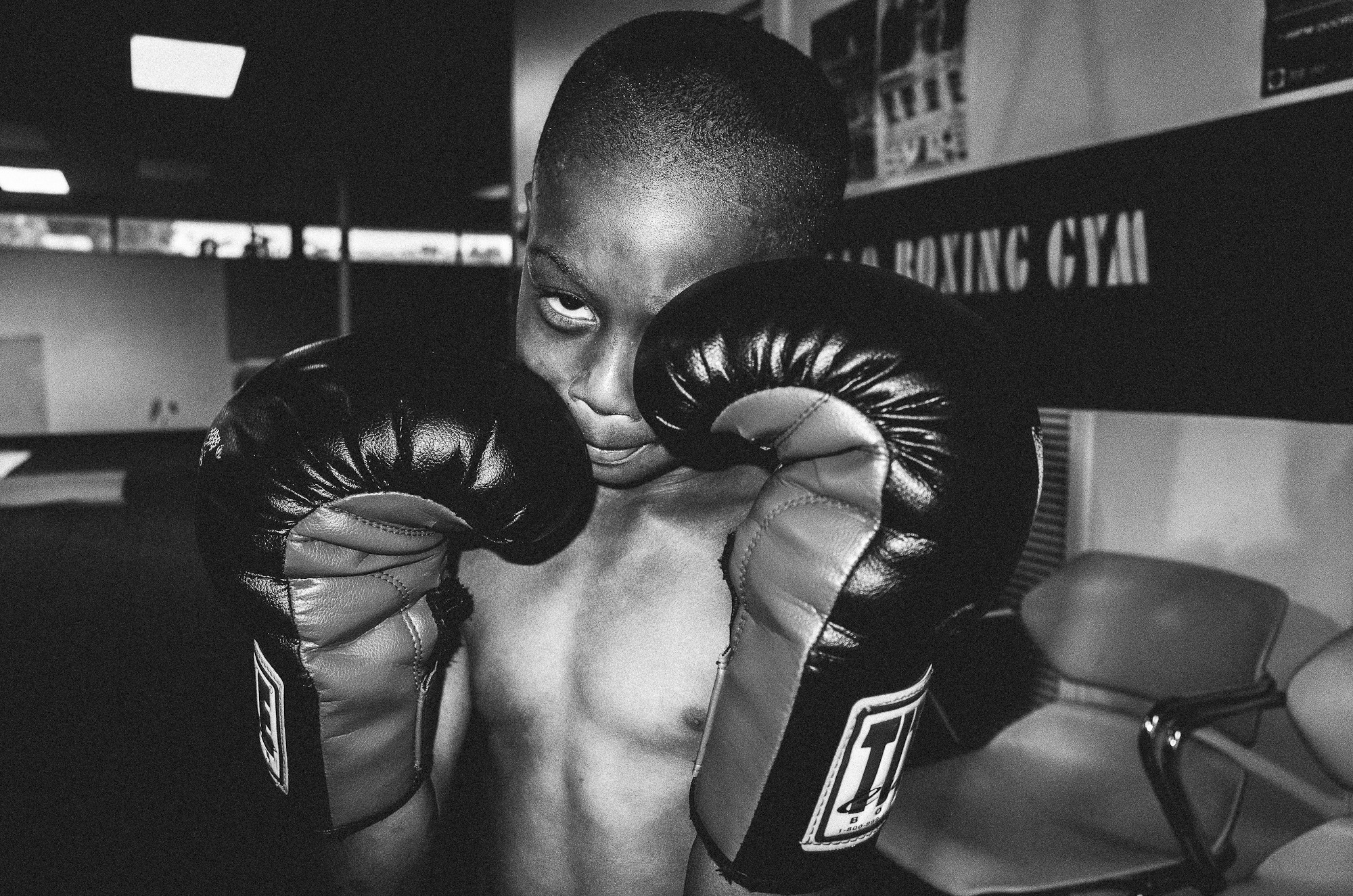
For last month’s fiestamovement challenge, I learned boxing at Gallo Boxing in Lansing, Michigan.
I have always been fascinated with boxing culture– both the sport and the culture behind it. I remember watching tons of Rocky movies growing up, and loved the skill, determination, and physical/mental endurance that boxers had to endure to become great fighters.
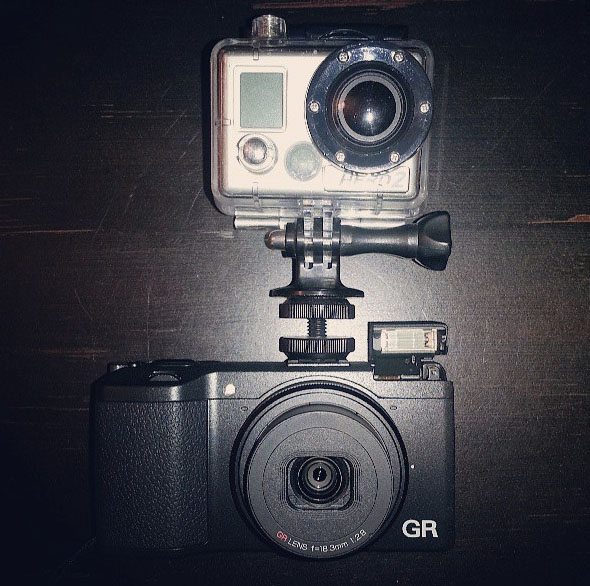
After learning a few moves in boxing myself, I had about two weeks before heading back to California. So I took those two weeks to do a mini-documentary project on the boxers in the gym, with my GoPro Hero 3 strapped on top of my Ricoh GRD V.
I wanted to make these GoPro videos to illustrate how I was able to build rapport with the fighters in the gym (including the very young in this video above) and how I photographed them (how I got them to move around, the angles I used, the use of flash/without flash, as well as how many photos I took).
Shooting documentary-type work has always fascinated me– but I never had a project or location I felt passionate enough to photograph. Luckily enough, this project at Gallo Boxing was something that kept calling me back.
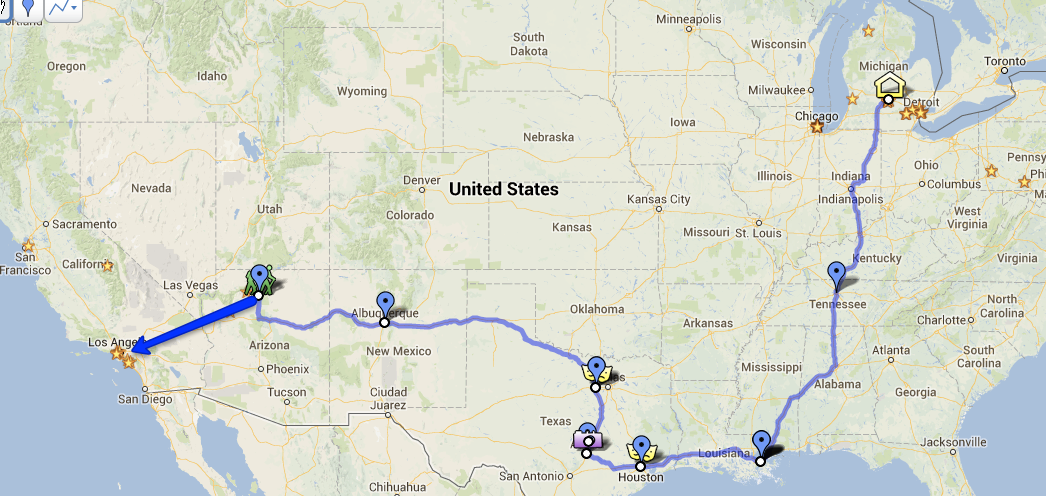

I am excited to share our itinerary for our American Road Trip! Â My girlfriend Cindy has spent the last 2 years in East Lansing, Michigan studying her Ph.D. in Vietnamese Colonial History– and has recently got accepted into UC Berkeley’s Ph.D. program in the same field. So we are packing our bags, and loading them into our Ford Fiesta and heading West!
We plan on taking around 2 weeks for the entire trip (making stops along the way in the places below):
You can see a Google Map Itinerary of our Road Trip.
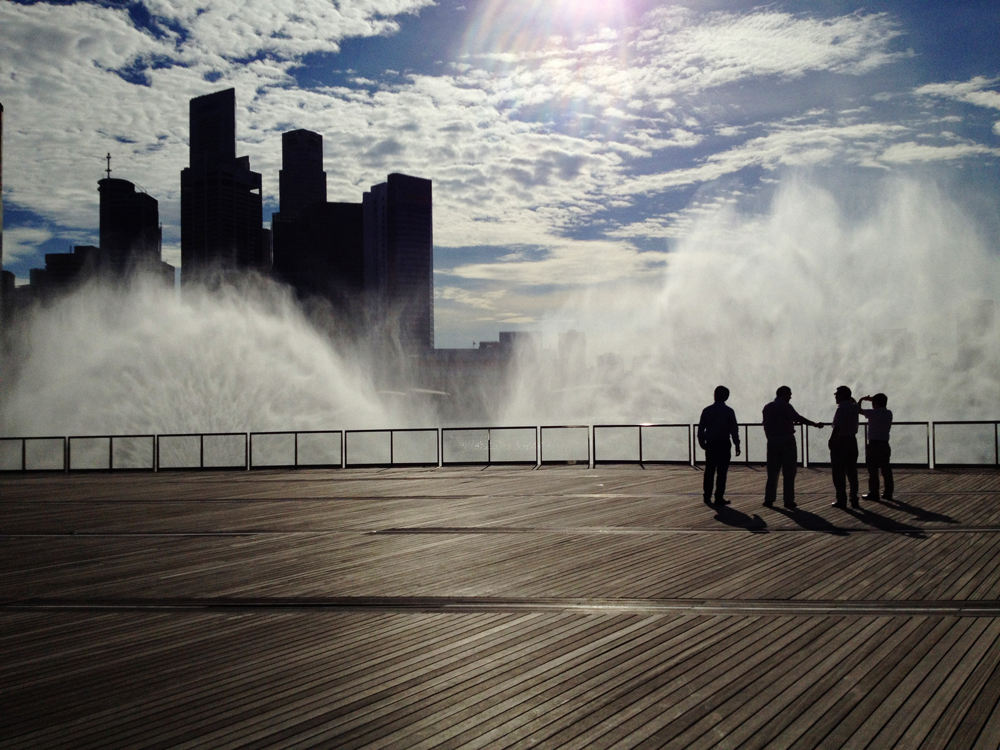

Eric’s Note: Aik Beng Chia (ABC) is a street photographer based in Singapore. I first met him a few years back, and he is one of the hardest working and humble street photographers I know. He has recently published, “Tonight The Streets Are Ours” with Invisible Photographer Asia. To check out what he has been up to, read the interview below!
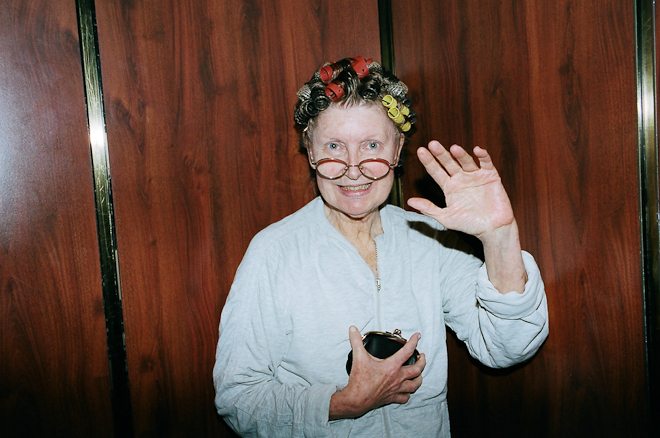

“You don’t eat to be “the best” taster the world, don’t take a stroll to be “the best” stroller in the world, don’t push buttons in an elevator to be the best button pusher in the world.” – Nassim Taleb
One question which has always bothered me is the following: “Why are photographers so competitive?”
Okay I get it– if you work as a commercial photographer you are competing against other photographers to obtain clients and make a living. However in the world of amateur photography (photography in which we do it for pure love, not profit) why does competition matter at all?
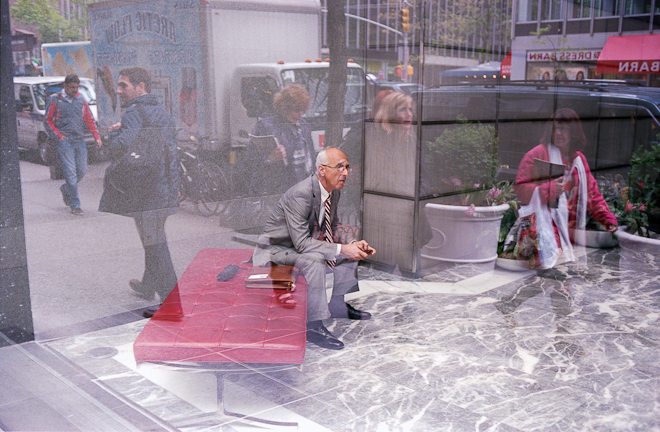
I recently had the chance to interview Todd Gross, currently one of my favorite color street photographers when I was in New York about a month ago. We sat down at Jackson diner, had some great Indian food, and chatted about street photography for about 45 minutes. Watch the interview above or you can read the transcript below.
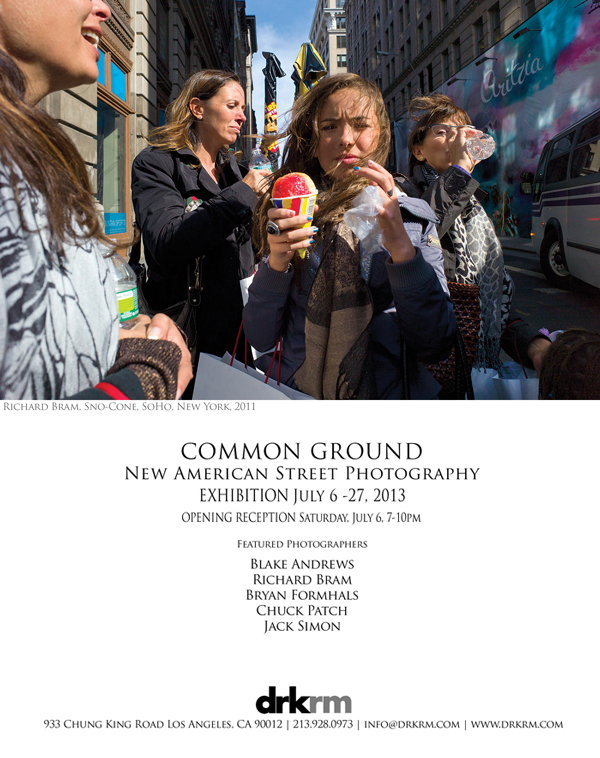

I am excited to share that some of the most talented street photographers I know which include Blake Andrews, Richard Bram, Bryan Formhals, Chuck Patch, and Jack Simon are sharing some of their work at “drkrm” in LA July 6-27th, 2013.
Mark it in your calendar, and spread the word! Click more to read the full press release.

One of the articles I read a while ago (and recently re-read) was the “Top 5 Regrets of the Dying.” To sum up, a nurse who took care of the elderly and dying kept a record of her patients’ top regrets in life.
The top regrets of the elderly were:
I think we can apply this same mentality to street photography to prevent regrets in our life.
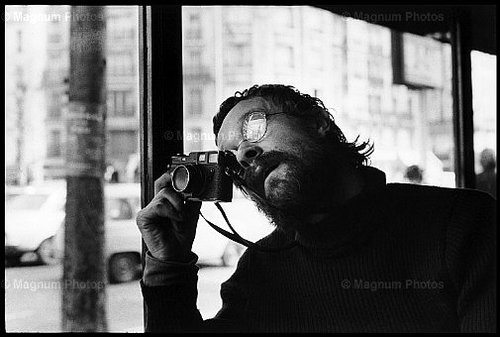

Josef Koudelka, one of the greatest living photographers in history, gave a rare interview at Look 3 in Charlottesville recently. You can see a full transcript of the interview here, but I wanted to share some specific insights which I got from the interview below.
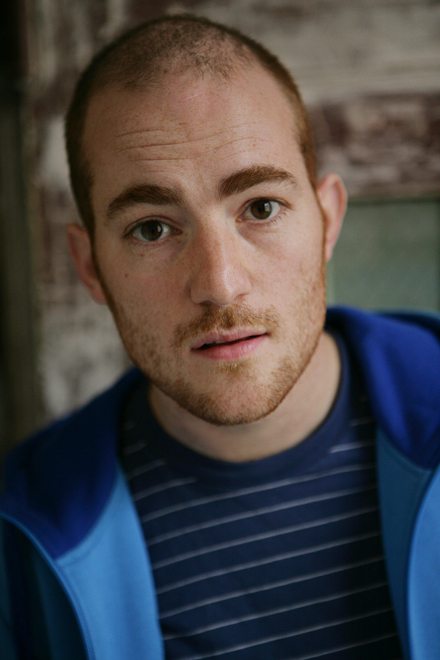

Eric’s Note: I am pleased to share this interview with Tomas Leach, the director of  “In No Great Hurry: 13 Lessons in Life with Saul Leiter.” If you haven’t watched it yet, make sure to catch a screening near you, and also check out my interview with him below.
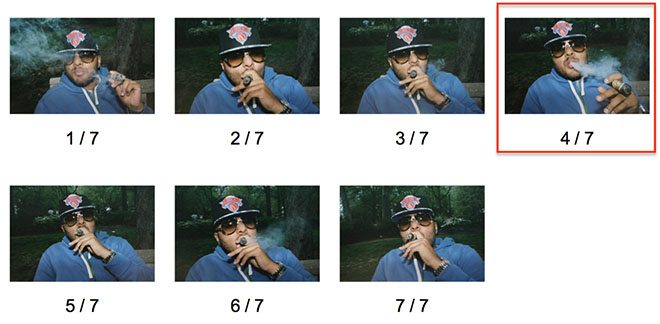

When I was in Philly to pick up my Ford Fiesta for the Fiestamovement campaign, I met up with Chris Urie, a street photographer and journalist based in Philly. We took a stroll around one of the major parks there (forget what it was called) and we started to chat with some of the people we met in the park.
One character I was fascinated with was named Eric Rivera. When I first spotted him, he was chilling on a park bench, enjoying the beautiful weather, while puffing on a nice cuban cigar — donning his Knicks hat with crocodile leather on the bill, and some pretty fly looking sunglasses.
I approached him and commented that I liked his outfit–and we just started to chat. As part of my “America” street photography project, I had my GoPro with me and asked to interview him–so I could learn more about his personal story. What he shared surprised me.


We are always tempted by what’s new. We want the newest cameras, the newest cars, the newest computers, the newest smartphones, the newest tablets, and more.
When does all this madness end? In this article I share some of my experiences succumbing to “G.A.S.” (Gear Acquisition Syndrome) and some techniques I have learned from the philosophy of Stoicism to overcome it.
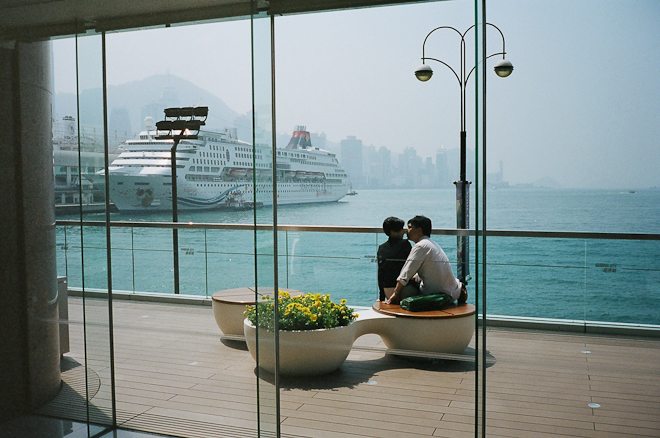

I think one of the most difficult aspects of photography is the editing process (choosing your best images). Garry Winogrand famously said, “Sometimes photographers mistake emotion for what makes a great street photograph.â€
Winogrand famously shot like a madman (shooting several rolls a day for his lifetime), but had the discipline to not even process his photos for a year after he shot them. Why did he do this? In order to forget the memory of having taken those shots– so he could be more critical and objective when it came to choosing his best images.
It is always easier to judge and critique other people’s photographs. Therefore one of the benefits of forgetting some of the shots you took is that you can look at your own photos not like that of your own– but that of a stranger.
The story: When in New York, I stayed with my good friend Spencer (childhood friend) in Queens. Another of my good childhood friends (Aditiya) mentioned that before I left New York, I had to check out Kane’s diner— a 24-hour diner which they frequently visited.
I didn’t expect to go there– but one of the days when I was walking to the subway, I spotted it. I stepped in, checked the Yelp reviews, and saw that their Steak and Eggs were quite popular. I ordered some.
I also started talking with the waiter–who was extremely friendly. We connected well, and he gave me the best steak & eggs I have ever had (at a reasonable price).
I then remembered my new Ricoh GRD V in my bag, and my GoPro that I brought to do some POV videos during my travels. I thought it was the perfect opportunity for me to ask him to take some photos.

Disclaimer: I have been provided a Ricoh GRD V (no strings attached) from Pentax-Ricoh. However I will try to keep this review as un-biased as possible.
Update: The new Ricoh GRD V (Version Number 2) is out, which is essentially the same camera with Wifi and some other minor changes. If you’re interested in the Ricoh GR, I’d just pick up the older one (unless you need the wifi setting).
—
Disclaimer aside, I think this is currently hands-down the best bang-for-the-buck digital camera for street photography currently out there right now. I love the compact size, the superb image quality and high-ISO performance, as well as the ergonomics and handling. It has been traveling with me alongside my Leica MP as a second shooter — and the camera seriously kicks ass.
While I still prefer shooting with film at the end of the day, it is an amazing camera and I highly recommend it to all street photographers who want a smaller alternative. Keep reading for more of my thoughts on the camera.
Also note I don’t really care for spec sheets and technical aspects, so I will keep this review as practical as possible for actual usage on the streets.
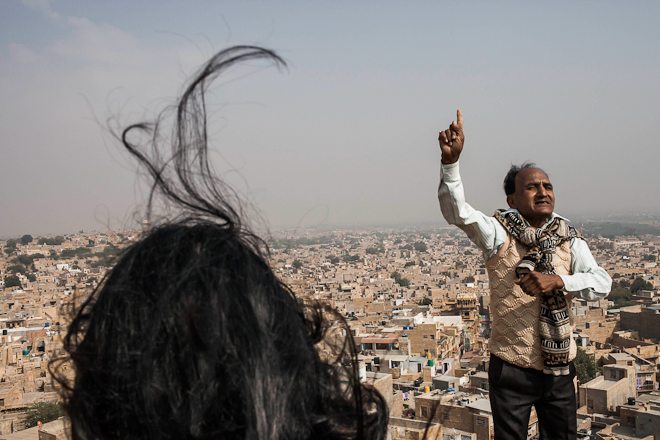

Eric’s Note: I first came across Dimitris Makrygiannakis on Hardcore Street Photography, and was blown away with his unique vision. I love the way how he captures life through his lens, with a surrealistic flair. To see more of his images and his thoughts on street photography, check out his feature below.
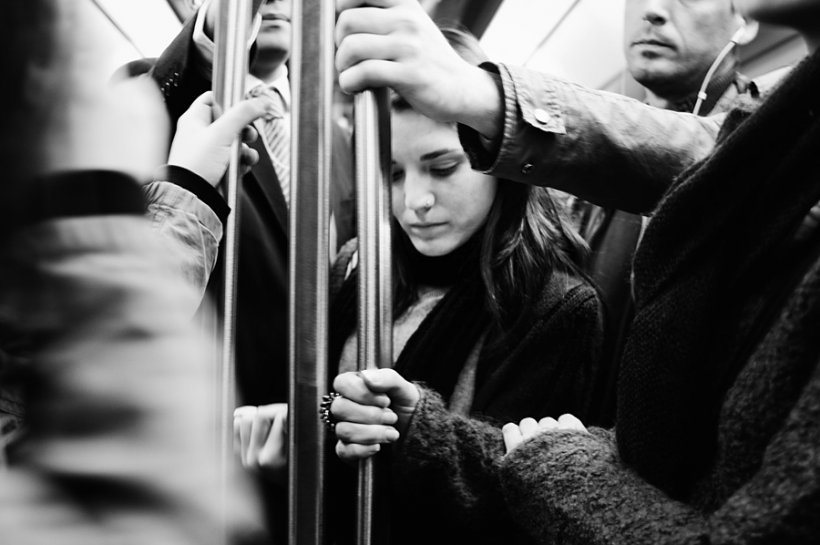

Eric’s Note: Julien Legrand is a street photographer based from the north of France, with a keen eye for the chance moments of everyday life. I was initially drawn to his color work– but have also been impressed by his monochromatic work. Check out his work and thoughts on street photography in this interview below.
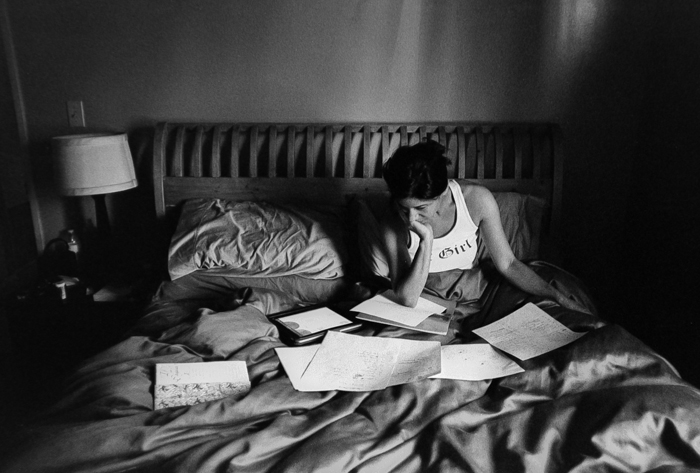

Eric’s Note: This guest blog post is by Robert Larson, a talented documentary photographer based out of Los Angeles. He recently got married (congrats man!) and also documented his own wedding– groomside. If you have ever been curious how it would be like to document your own wedding, check out the article that Robert put together.
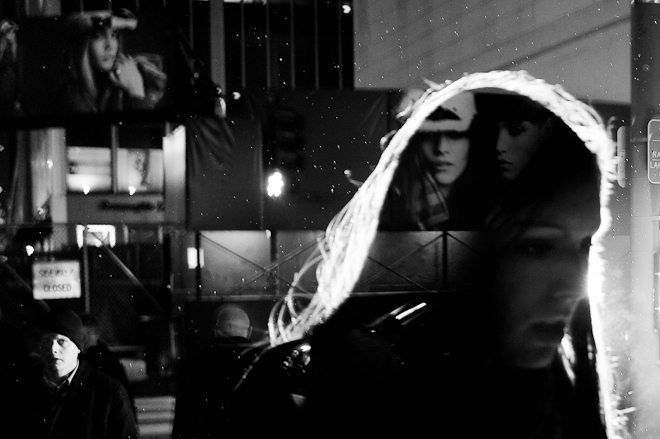

Eric’s Note: I recently taught a street photography workshop with Satoki Nagata in Chicago, and had a chance to sit down for him for an hour and interview him. This is a transcription based on recording we made. If you want to learn more about his philosophies in his street photography, and how he combines it with documentary work — make sure to give it a read. It is a very in-depth interview, which I personally think you will gain a lot from.
Also make sure to attend “Lights in the City: a multimedia presentation†by Satoki at the Harold Washington Library Center, Pritzker Auditorium at Monday, August 5, 2013, 6:00pm.
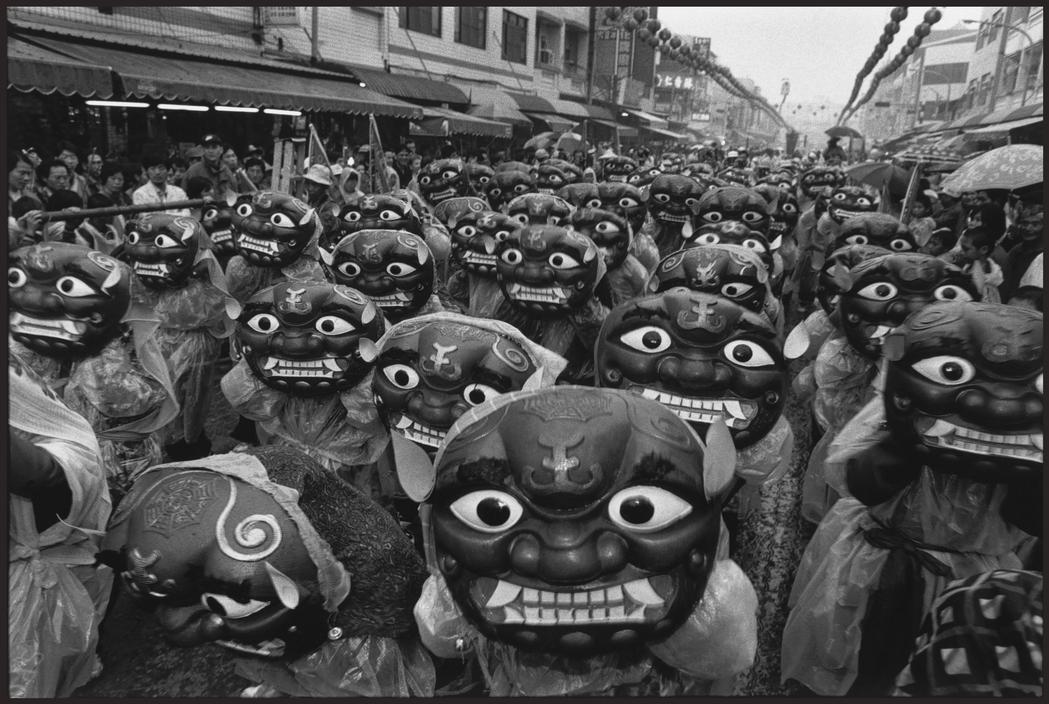

A fun and uplifting book I recently read was “The Tao of Pooh.” To sum up the book, the author explains the philosophy of Taosim through (believe it not) Winnie the Pooh. Yeah, I know it sounds ridiculous, but the author does a superb job sewing the two concepts together– in a language relatable and easy-to-understand for the viewer. Having grown up on Winnie the Pooh, I can certainly say that it brought the concepts of Taosim to life for me.
Similarly to Zen Buddhism, Taoism is a philosophy which was first introduced by Lao Tse in a book called: “Tao Tse Ching.” The philosophy of Taoism advocates staying calm and happy in all circumstances, no matter how difficult or arduous the outside world can be.
So what is the difference between Buddhism and Taosim?
A great analogy explained is the analogy of tasting vinegar. Many different people often taste vinegar, and complain of how sour it is and groan. However the Taoist would taste the vinegar and regardless of the taste, still smile. The takeaway idea is that we should turn negatives into positives, regardless of the situation.
There are lots of insights I’ve gained through Taosim and especially “The Tao of Pooh” that I can relate back to street photography. Also note I am not an expert on Taosim, so please correct any mistakes I make in the comments below.
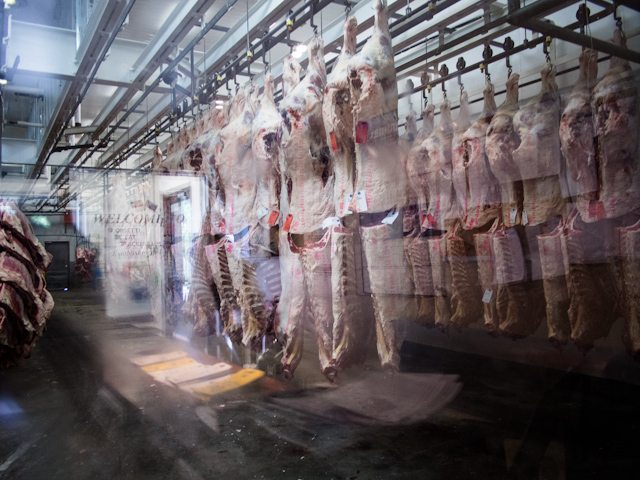

Eric’s Note: This article is written by Neil Ta, my manager and good friend who recently attended a Magnum Photos workshop in Toronto. The project he worked on for the week was “Meat Locker.” Below is his write-up of the experience and the lessons he’s personally learned. You can see upcoming Magnum workshops and events here.
Neil: I recently had the opportunity to attend a Magnum Photos workshop in Toronto as part of the Scotiabank Contact Photography Festival, which is one of the largest of its kind in the world. For the last six years, Contact has invited members of Magnum to run workshops focusing on photojournalism, documentary storytelling, and street photography.
This year’s line-up of instructors included Magnum Associate Moises Saman and Magnum Nominee Zoe Strauss. Moises is most well-known for the work he’s done in Afghanistan and Iraq and his focus more recently has been in documenting the Arab Spring. Zoe’s extensive work is more regionally focused in the community where she was born and raised – Philadelphia.
I ultimately chose to go with Moises over Zoe because I felt his work was a lot different than my own and I hoped he’d be there to guide me through a more photojournalistic project over the week.
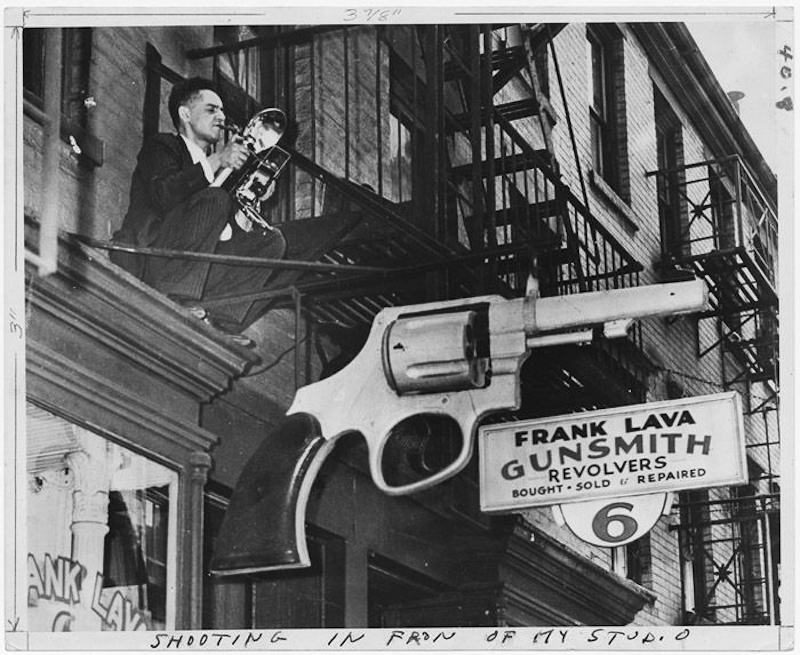

Weegee is certainly one of the most infamous street photographers in history. Although he never called himself a street photographer (he worked as a press/news photographer) his obsession with capturing people was unparalleled. With no formal photographic training, he covered some of the most gruesome murders (and shots of everyday life) around New York City from the 1930’s to the 1940’s. Armed with a portable police-band shortwave radio, he was always on the beat for new stories to cover– and he even had a complete darkroom in the trunk of his car. This allowed him to get his photos to the newspapers as quickly as possible.
Weegee is also famous for the use of his 4×5 Speed Graphic large-format press camera and flash– which added even more drama to his gritty black and white photos. He was certainly one of the forefathers of shooting street photography with a flash (back when they used flashbulbs). He generally shot his camera preset at f/16 at 1/200 of a second, with flashbulbs and a set focus distance of ten feet (and didn’t always know what kind of photos he got until he processed them).
Many street photographers are under the false impression that shooting with artificial light in street photography is just a recent phenomenon. It started as early as 1887, in which the journalist Jacob Riis started using flash power to document destitute people on the streets. Certainly Weegee has had a strong influence on shooting flash in the streets to photographers such as Diane Arbus, William Klein, and Bruce Gilden.
If you want to learn more about the philosophy behind Weegee’s work read on.
Note: some of these photos are gruesome and NSFW.Â
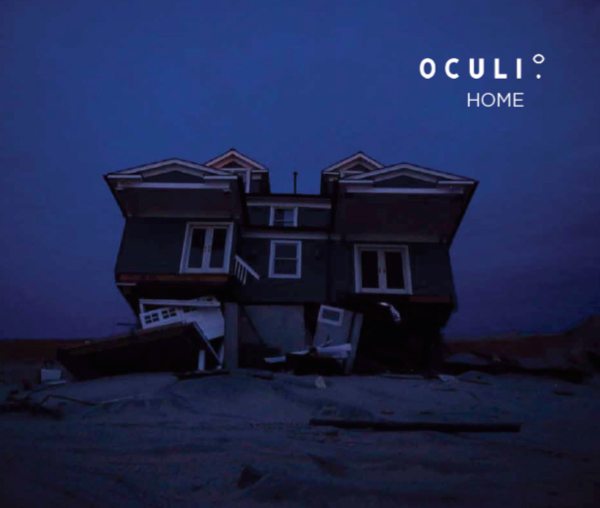

The exhibition opening is May 22nd at 6pm and will run until June 10th at the Cleland Bond in The Rocks (Ground Level, 33 Playfair St.) in Sydney, Australia.
>> Link to the Oculi exhibition and book event
For more info about the exhibition, images, and questions to the members of Oculi, read on.
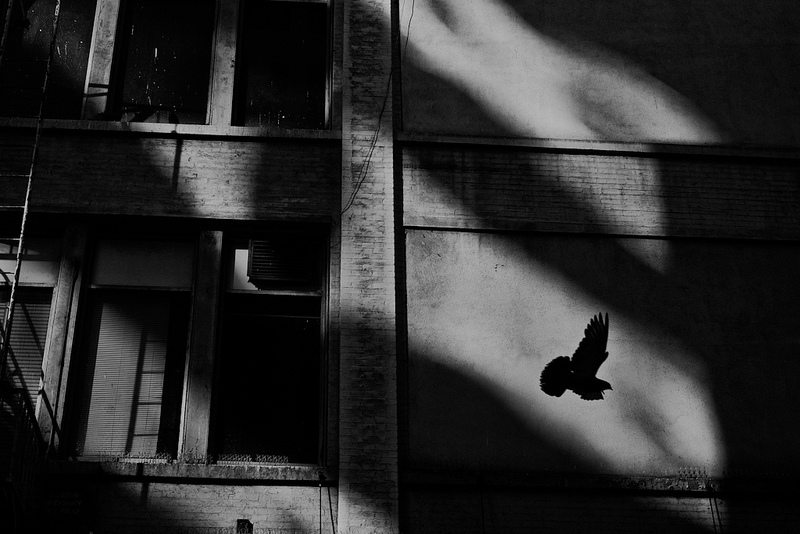

(All photographs in this article provided by Rinzi Ruiz)
My good friend Nicholas Susatyo recently recommended a book to me: “Zen in the Art of Archery.” In-fact, it was the book that Henri Cartier-Bresson said had the deepest influence in his photography. I have been meaning to read it for a while, so on my flight to Philly I decided to give it a go.
The book is written by Eugen Herrigel, a German philosophy teacher who went to Japan for several years and learned the art of archery (while teaching philosophy at a Japanese university). He heard about the art of archery, and was fascinated with the zen philosophy which was embedded in the art.
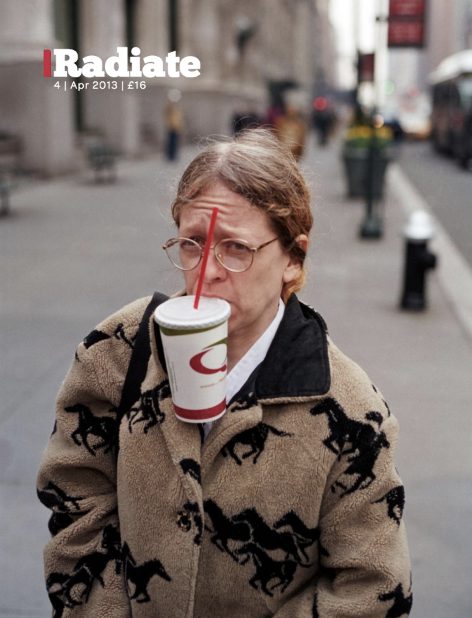

I am very excited to share that Issue 4 of Radiate Magazine is available! If you love street photography I highly recommend getting a printed copy (nothing beats reading it on a Sunday morning with a warm cup of coffee). I just ordered my hard copy, and the printing and binding is superb.
In this issue there are photos by  Simon Becker, Thierry Clech, Artur Eranosian, John Goldsmith, Todd Gross, Andrew Quilty, Kay von Aspern, and Ania Vouloudi.
Read more to see pages from Issue 4 and other links!
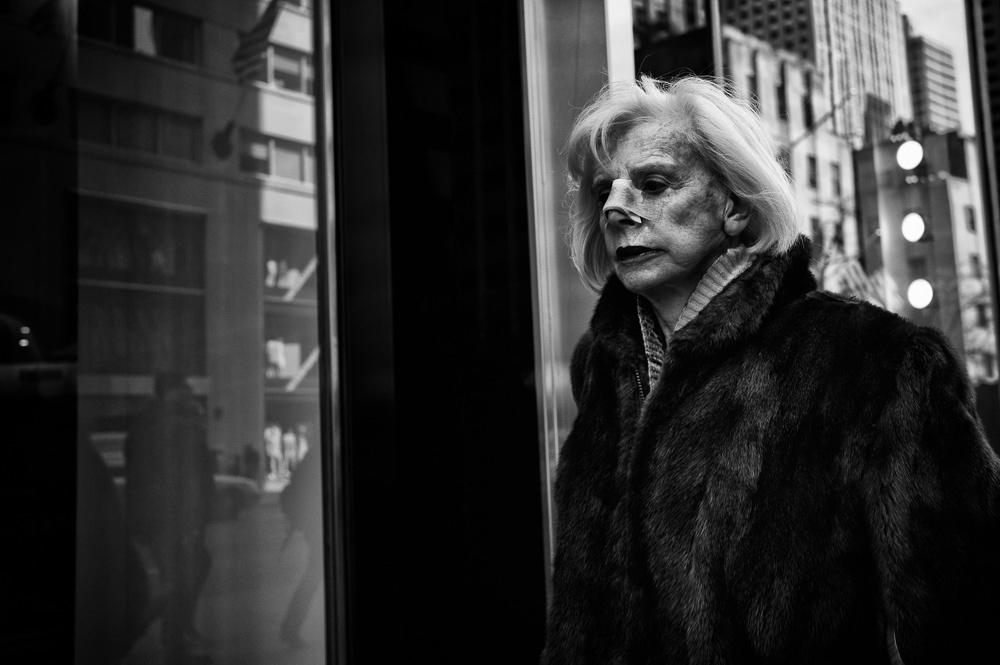

Eric’s Note: Federico Chiesa was born in a small town in Tuscany, Italy, in 1979. He studied commercial photography at “I.E.D” in 2005 and now works as a professional advertising photographer and retoucher. Street photography is one of his favorite vocations. See his “New York Diary” project and his thoughts on street photography below.
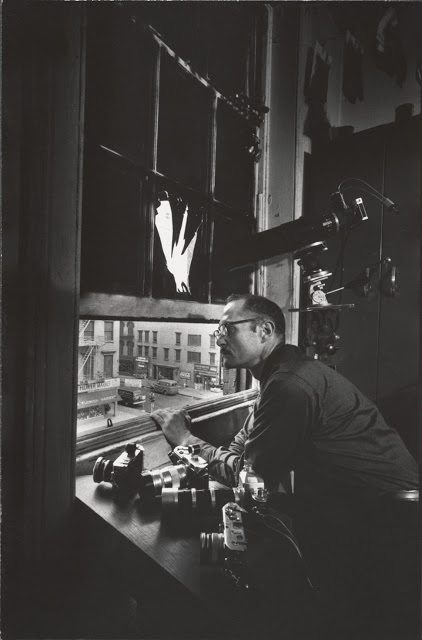

W. Eugene Smith is one of the legends of photography. Although he was notorious for being maniacal, emotionally distant, and unreasonable– he channeled those energies into being one of the best photographers history has ever seen. I consider his approach to be very similar to that of Steve Jobs.
I hope that this article can help you get a better understanding of W. Eugene Smith, his work, and his philosophies of photography– to take your own work to new heights.
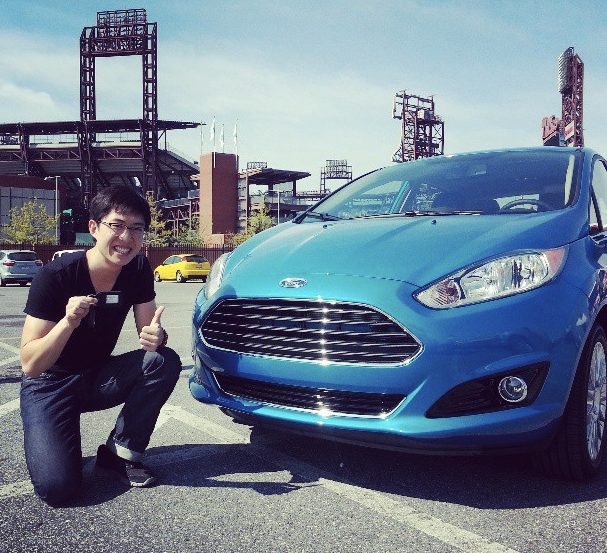
(Above video: I chat a bit about my ideas for my American Street Photography Roadtrip)
One of my favorite photography projects of all-time is “The Americans” by Robert Frank. I have always had a dream of working on a similar project–to take my car and travel across America–documenting the people and places that I encounter.
I am excited to share that this dream has come true (or at least the means). Ford contacted me about a few months ago letting me know about their new “Fiesta Movement” campaign in which 100 “agents” are given a new pre-production 2014 Ford Fiesta with 8 months of gas and insurance covered. The catch? We are given fun video assignments once a month to complete (that somehow have to incorporate the Fiesta).
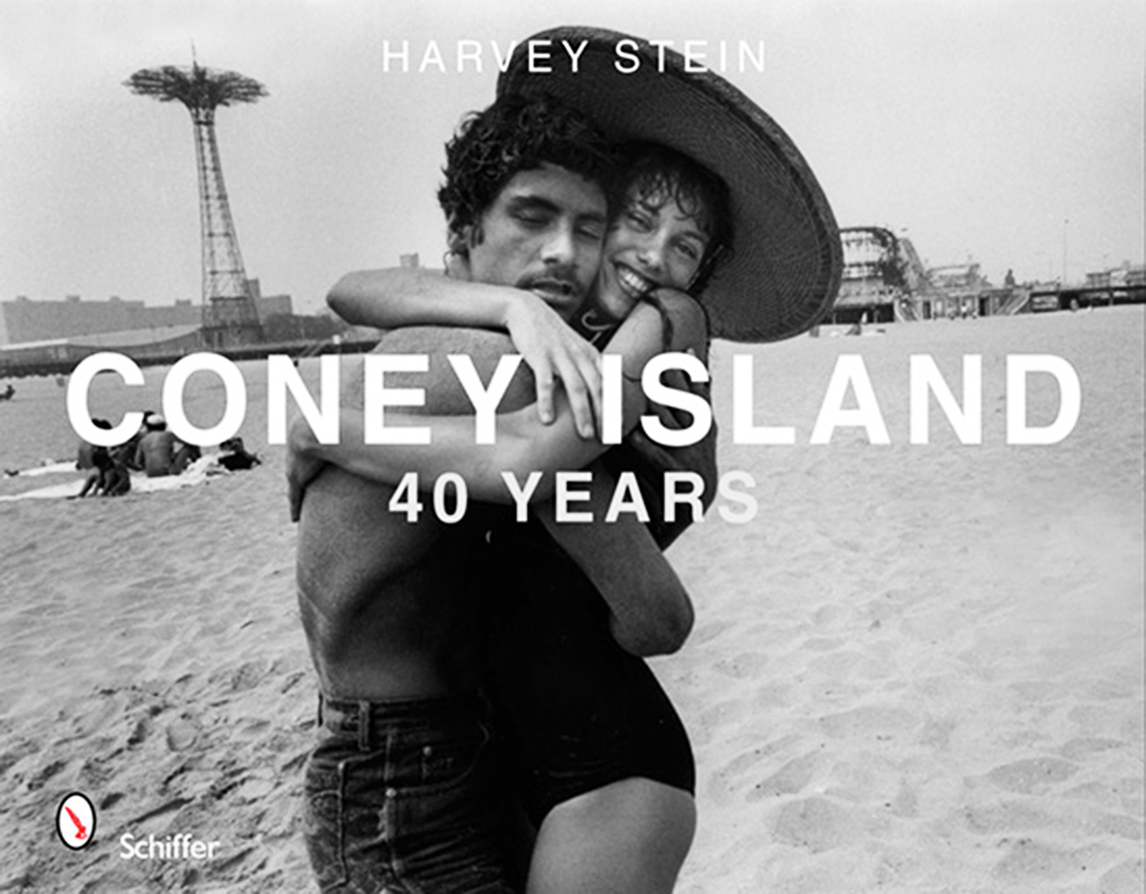

Eric’s Note: I am excited to share this interview with Harvey Stein, a prolific street photographer from NYC. He has been shooting the streets for nearly half a century, and has recently published his book: “Coney Island 40 Years” which is one of my new favorite street photography books. Check out some of his work and thoughts on photography in the interview below.
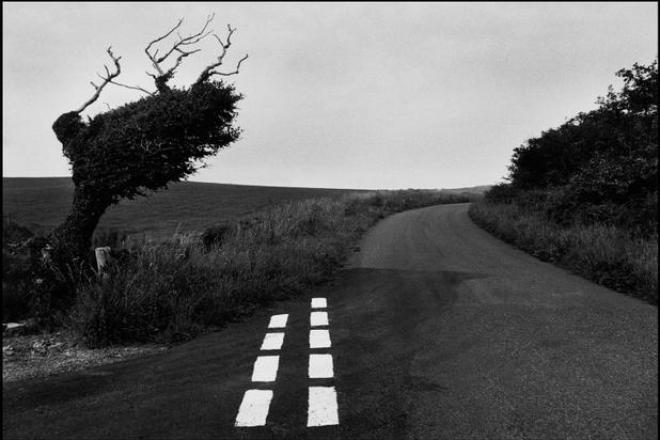
In today’s age, we are always obsessed with the concept of “more“. We falsely believe that we need more stuff, more money, more more cameras, more lenses, more megapixels—more, more, more.
In one of my favorite books “Antifragile†(I mention this book in a prior post on the “barbell theoryâ€), the author Nassim Taleb advocates that the secret of health, wisdom, and happiness can be obtained through less, not more. Taleb calls this approach “via negativa” that we should focus on subtraction, not addition in life.
For example, nobody really knows what makes us happy. However, we know what makes us unhappy and miserable. Therefore the key to happiness may not so much be the “pursuit of happiness”– but the “avoidance of unhappiness.” I think the same applies to happiness in street photography — focusing on less, not more.
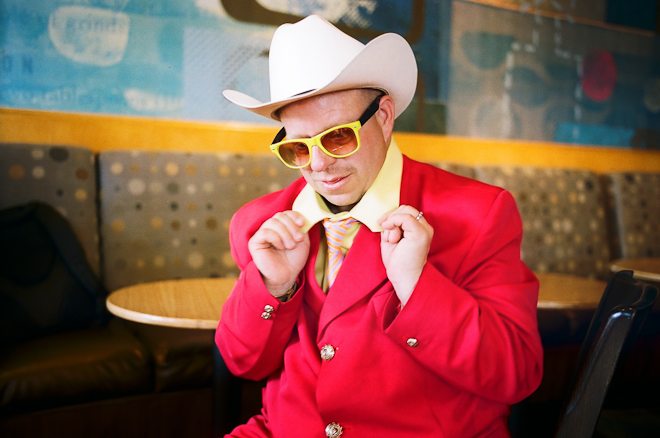
(Above video: New street portrait POV video I recorded in Chicago. Chicago Street Portraits, Volume #5)
I have always been drawn to people, especially those who I find are interesting “characters.” I tend to gravitate towards people who have interesting facial expressions, to those with outstanding outfits, or accessories.
Although the majority of the street photography I do is done candidly, I have been drawn towards doing more posed street portraits of people I find interesting. Why? I find it gives me more time to interact with them, learn more about their lives, and also to take more photos of them (with their cooperation).
So once I get my subjects’ attention– how do I direct them and what is some of the psychology that goes behind it? I will share some candid thoughts (pun intended) about my process in terms of directing my subjects when taking portraits of them.
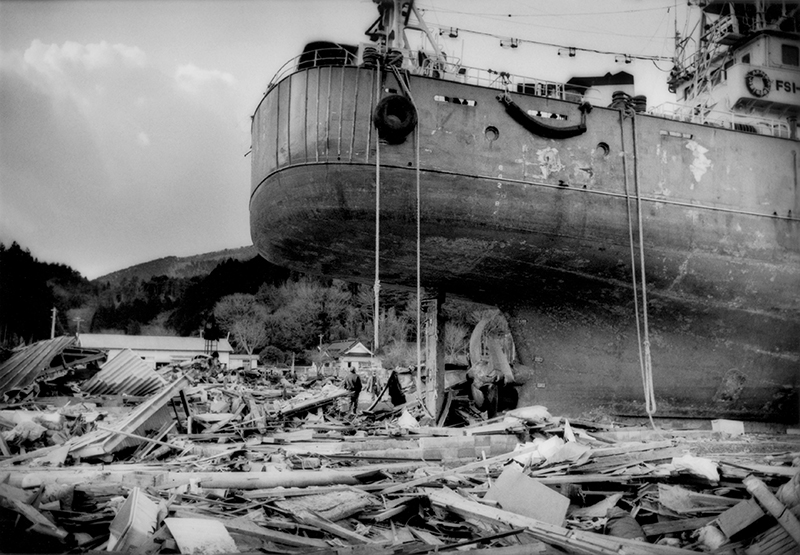

Eric’s Note: I am honored to share this interview with James Whitlow Delano, a talented photojournalist whose work has been awarded intentionally, including the Alfred Eisenstadt Award (from Columbia University and Life Magazine), Leica’s Oskar Barnack, Picture of the Year International, NPPA Best of Photojournalism, PDN and others for work from China, Japan, Afghanistan and Burma (Myanmar). His most recent iPad book Black Tsunami (FotoEvidence) documenting the Japan tsunami and nuclear crisis took a 2012 PX3 Award.
James is now trying to get his “Black Tsunami” book published as a hardcover book. Check out the Kickstarter page and support this noble cause, and also check out my interview with him below.


One of the most influential books that read in my life is “Antifragile” by Nassim Taleb. The book is part philosophy, and part a practical guide on how to live a virtuous life.
One of the central concepts of the book is the “barbell theory.” What is the barbell theory you ask? Well, it is the concept that whenever it comes to things in life– we should approach two extremes (and avoid the boring middle). It is a concept that I have applied to many fields of my life, including street photography. I hope this article can shed a new way on how you see the world, and how you can apply this to your own personal work.
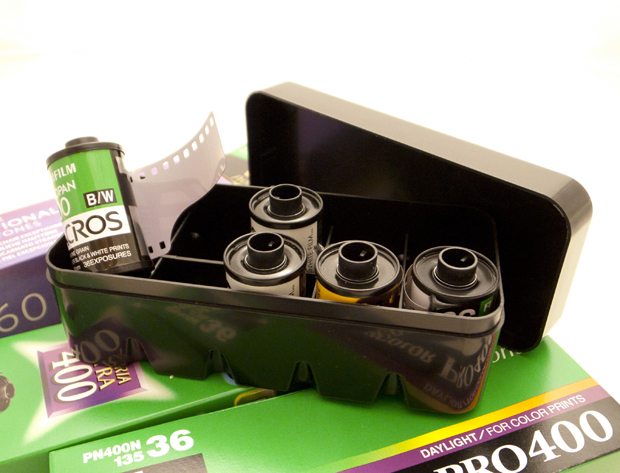

For the last year and a half or so, I have been shooting my personal street photography on exclusively film. After shooting digital for around 7 years or so, it has been a great experience so far and I have learned a ton.
When I first wanted to start shooting street photography I had a lot of fears. What if the photos don’t turn out? What settings should I use? What film is ideal? Where do I get my film processed? Or should I process it myself? What camera should I use? What chemicals do I need? The list goes on.
I am certainly not an expert when it comes to shooting film, but I wanted to write this article as a primer for those of you who want to get your feet wet (but may not know where to start). I will use my personal experiences and opinions– but of course, feel free to experiment. And if you see any mistakes in this article, please correct me in the comments below and I will revise it.

I am excited to share that I added a new workshop to my schedule: my first charity-based (pay what you can) workshop in Detroit with Brian Day (May 10-11th). 100% of the proceeds will be going to charity. IÂ hope this will be a great way for street photography to give back to the community. You can see more info and register here.
There are also a few spots left for my upcoming NYC workshop May 17-19th with Richard Bram from In-Public. Don’t miss out on this unique opportunity.
And of course, I still have spots in my other upcoming workshops — don’t miss out!
Detroit – Charity Intro to Street Photography Workshop (feat. Brian Day) – Info & Register – NEW!
NYC – Introduction to Street Photography Workshop (feat. Richard Bram) –  Only 4 Spots Left!
Toronto - Introduction to Street Photography Workshop (feat. Josh White) – Info & Register
San Diego – Introduction to Street Photography Workshop – Info & Register
Istanbul – Introduction to Street Photography Workshop (feat. Charlie Kirk) – Info & Register
 Istanbul – Intermediate/Advanced Street Photography Workshop (feat. Charlie Kirk) - Info & Register
* (There is a 50% discount available if you attend both Istanbul Workshops)
Los Angeles – Introduction to Street Photography Workshop - Register intent
San Francisco – Intro to Street Photography Workshop - Info & Register
Tokyo Introduction to Street Photography Workshop  - Register Intent
Tokyo Intermediate/Advanced Street Photography Workshop – Register Intent
Kyoto Film Street Photography Workshop – Register Intent


Eric’s Note: Mat Thornton is a 41 year old freelance designer and art director based in sunny Manchester, UK. I first stumbled upon his work in a Hardcore Street Photography thread, and was impressed by his strong graphical form and subtle use of color. Not only that, but how much of his street photography is quiet and doesn’t involve much people. Check out this brief interview with him below, and see some of his superb color work.
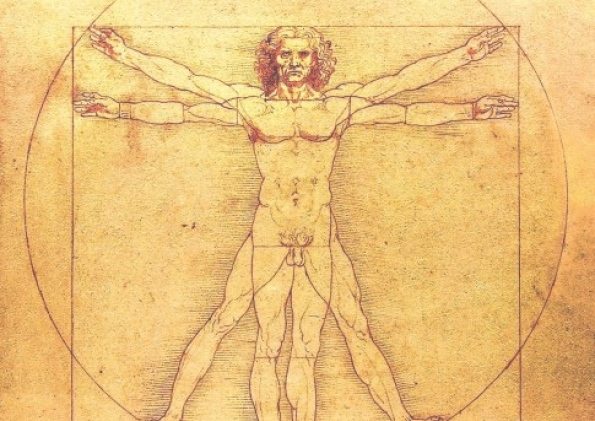

I recently finished a book titled: “Mastery” by Robert Greene. The book is one of those inspirational books which outlines the stories of many famous masters and how they gained mastery. Although the book was a bit cheesy at times, I still found it to be an uplifting read, filled with interesting anecdotes that definitely gives you a huge kick in the ass to go out and to “discover your life task.”
I want to share some of the lessons I’ve learned from the book– and how one can plan to use some of the author’s advice to gain mastery in street photography. Certainly following these steps won’t necessarily cause you to gain mastery, but I certainly think it is a great blueprint.

Eric’s Note: This article was first published on the CSLR blog, but I am reposting it here in-case you didn’t have the chance to read it yet!Â
I first got introduced to photography when I was 18 years old. At my high school graduation ceremony, my mom gave me a little Canon Powershot point-and-shoot. I never considered photography before in my life, but I was amazed by the power I now held in my hands.
I had the power to capture life around me — to photograph those fleeting moments and make them eternal through my camera.
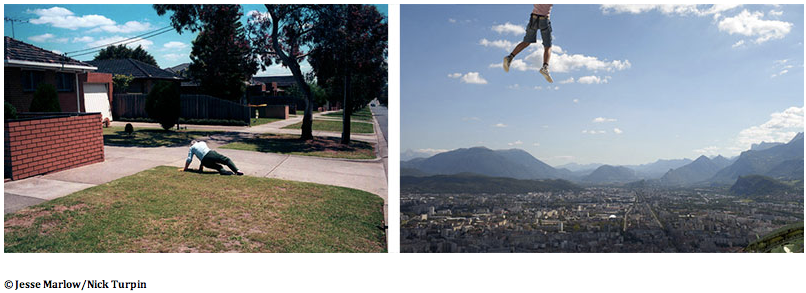

I am excited that a bunch of my good friends and street photography colleagues in Stockholm just founded “CUP” (Contemporary Urban Photography) to raise awareness of street photography in Scandinavia. They have partnered up with In-Public and are presenting an exhibition and workshop with Blake Andrews and Nick Turpin (May 22 – June 26th). All the juicy details below!
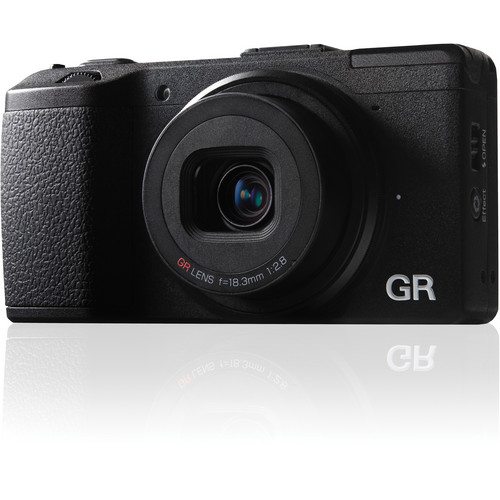

There are a few cameras that make me excited. The Ricoh GR-series are one of them.
Ricoh has an almost cult-like following in Japan (and all around the world) for its compact size and versatile functionality. In-fact, Daido Moriyama (one of Japan’s most famous photographer) uses the GR-series cameras exclusively (he used to shoot black and white film, and now digital GR’s). Frankly, I haven’t met a single street photographer who doesn’t like the camera.
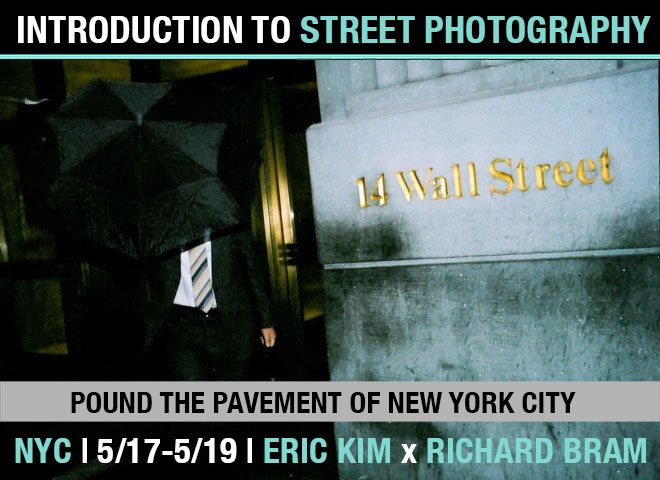

I am excited to announce I will be teaching my popular “Introduction to Street Photography Workshop” in New York City 5/17-5/19 featuring Richard Bram from In-Public. In this action packed 3-day weekend workshop, you will learn the fundamentals of street photography, how to create visually compelling images, how to conquer your fear of shooting street photography, as well as tips & tricks how to capture “the decisive moment.”
If you feel your street photography is in a rut, want to step outside of your comfort zone, or travel to New York City — this is the perfect opportunity for you.
Hurry up and register, the deadline for the early-bird discount is May 4th, less than two weeks away!
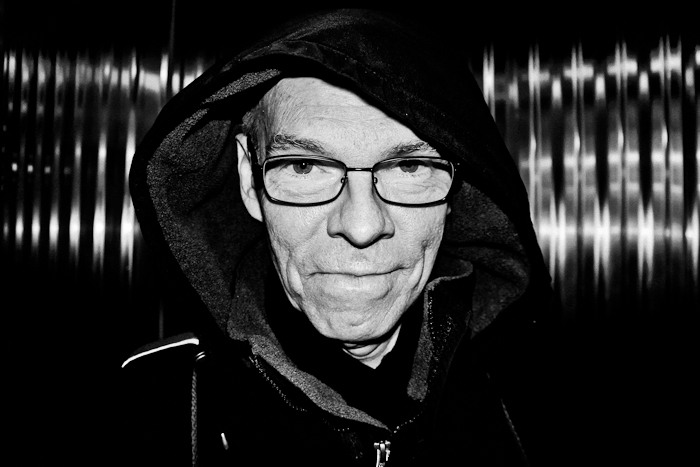
Last November I shot a campaign for Samsung’s NX20 camera using a video camera strapped to my head to record the footage of me shooting street portraits in Chicago with permission. It was a project that was intensive: I shot for 2 days straight from 5am-noon on little sleep.
The thing I loved most about the project is that although I certainly didn’t take photos that made it into my portfolio — it forced me to step outside of my comfort zone and interact with lots of people on the streets in a short period of time. The fact that the video was being played live in Amsterdam while I was shooting did give me healthy pressure which ended up being a great learning experience.
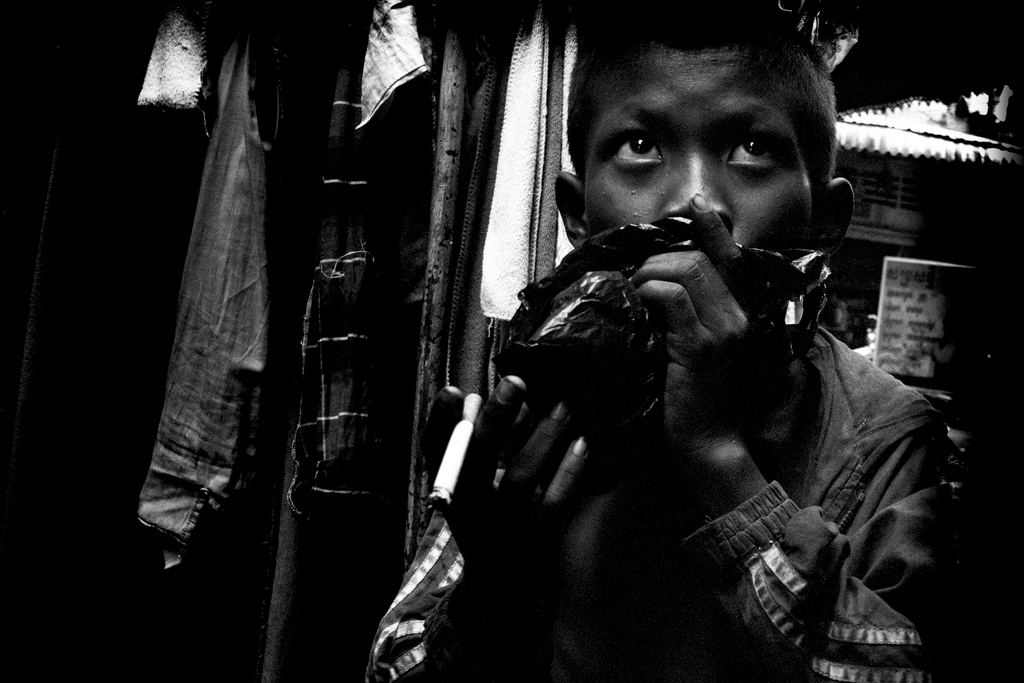

Eric’s Note: This project is by Jonathan van Smit, a street photographer based in Hong Kong. In the past I have interviewed him on the Leica blog and you can follow his work on Flickr. In this post he shares his “Heart of Darkness” project in Phnom Penh. Warning, the photos are explicit and not safe for work. I thank Jonathan for sharing these very touching images with the rest of the community.
Jonathan: How did I start the ‘Heart of Darkness’ project?
Chris Minko, a musician friend of mine in Phnom Penh is the founder, guitarist and song-writer of a local band called ‘Krom’. I was touched by the words in one of his songs, and started a project loosely based on the lyrics.
she no like but she do
no money, no eat
love you like monkey
i no lie, i speak true
‘Yama’ is the God of Death in Sanskrit but in Phnom Penh it’s amphetamine sometimes mixed with heroin. I took these photos of two young women smoking Yama in a back room in the slum behind the ‘Heart of Darkness’ nightclub on Street 51’s red light district. They were beautiful once.
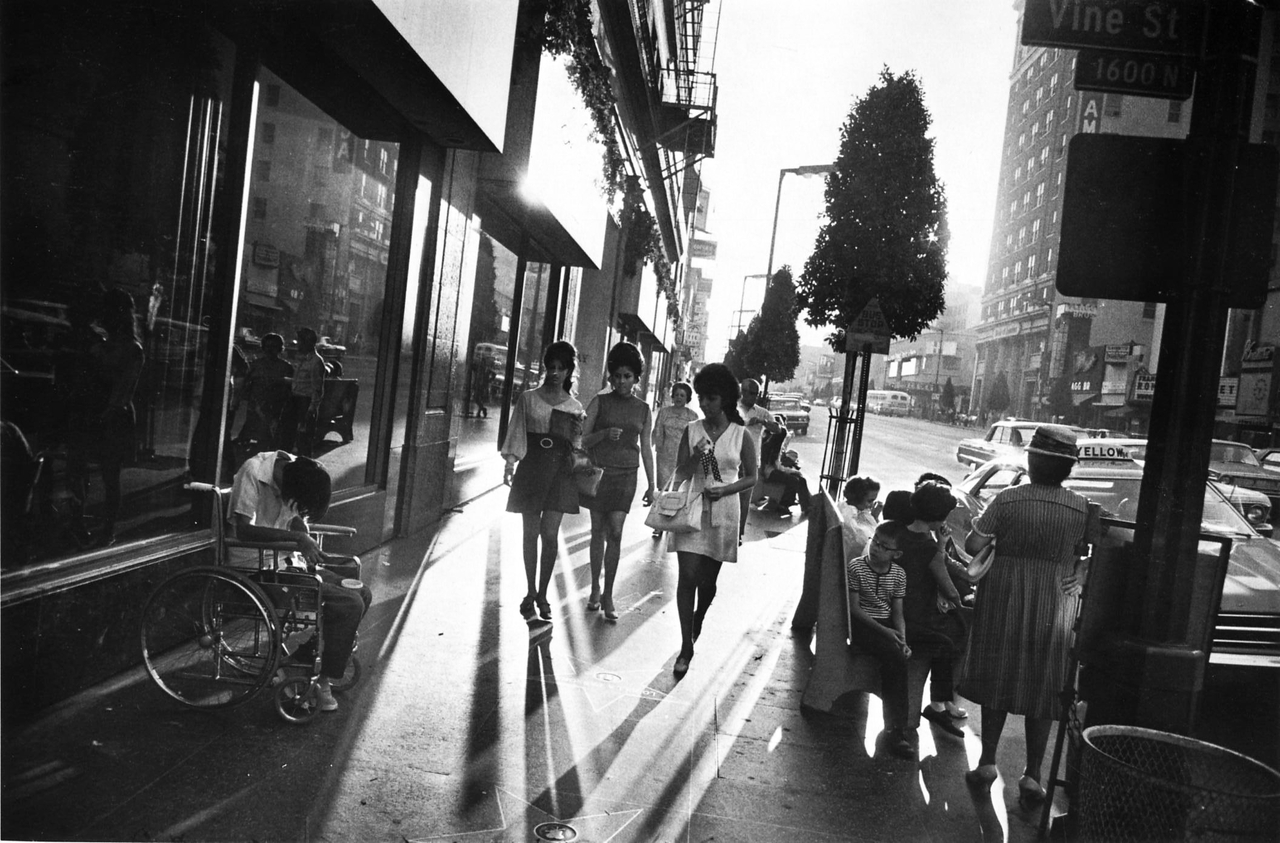

Eric’s Note: This article is written by Mike Aviña, a street photographer based in the Bay Area. You can see his work featured on the blog here and an article he wrote about shooting street photography with the iPhone 5.Â
Mike: The street photography blogosphere has been buzzing lately with discussions about ethics. A recent review published by the San Francisco Chronicle started much of the fire. Jorg Colberg posted his own rant. Street photographers responded on their own blogs and online forums. The debate settled into two general camps and shots were fired between the two. Some argued that we should be more sensitive in how we approach people, others ranted that because the law protects us (at least in the United States), we can do as we like. There’s a bit more going on here and at stake. Street photographers, the art world, and the public at large must remember why photography in the public space is protected expression in many countries.
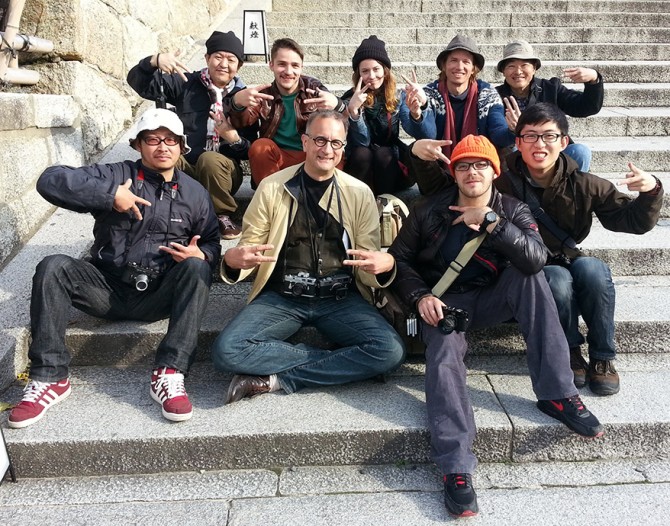

If you want to conquer your fear of shooting street photography, meet other passionate street photographers, and take your work to the next level consider joining one of my upcoming workshops!
I have taught over 35 workshops, across 15 countries, to over 500+ students who have stepped outside of their comfort zones and have had life-changing experiences. Don’t miss out and see where you would like to join me in my schedule below!
Chicago – Introduction to Street Photography Workshop (feat. Satoki Nagata) – Few Spots Left
NYC – Introduction to Street Photography Workshop (feat. Richard Bram) –  Info & Register
Toronto - Introduction to Street Photography Workshop (feat. Josh White) – Info & Register
San Diego – Introduction to Street Photography Workshop – Info & Register
Istanbul – Introduction to Street Photography Workshop (feat. Charlie Kirk) – Info & Register
 Istanbul – Intermediate/Advanced Street Photography Workshop (feat. Charlie Kirk) - Info & Register
* (There is a 50% discount available if you attend both Istanbul Workshops)
Los Angeles – Introduction to Street Photography Workshop - Register intent
San Francisco – Intro to Street Photography Workshop – Info & Register
Tokyo Introduction to Street Photography Workshop  - Register Intent
Tokyo Intermediate/Advanced Street Photography Workshop – Register Intent
Kyoto Film Street Photography Workshop – Register Intent
For student testimonials and reviews of my past workshop, scroll down on this page here.Â
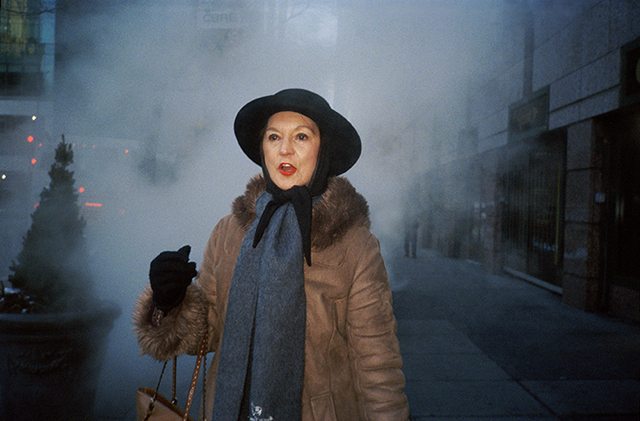

Eric’s Note:Â Jin Kay Lee was born in 1991 and raised in Asbury Park, New Jersey. She currently resides in Brooklyn, New York and attends the School of Visual Arts. I love very much the way in Jin Kay is able to catch odd moments of everyday life with so much humor with a gentle touch. The color really adds to the zaniness of some of the images, and her images are very fresh from other contemporary street photography I see today.
Read more to see her playful color street photography.
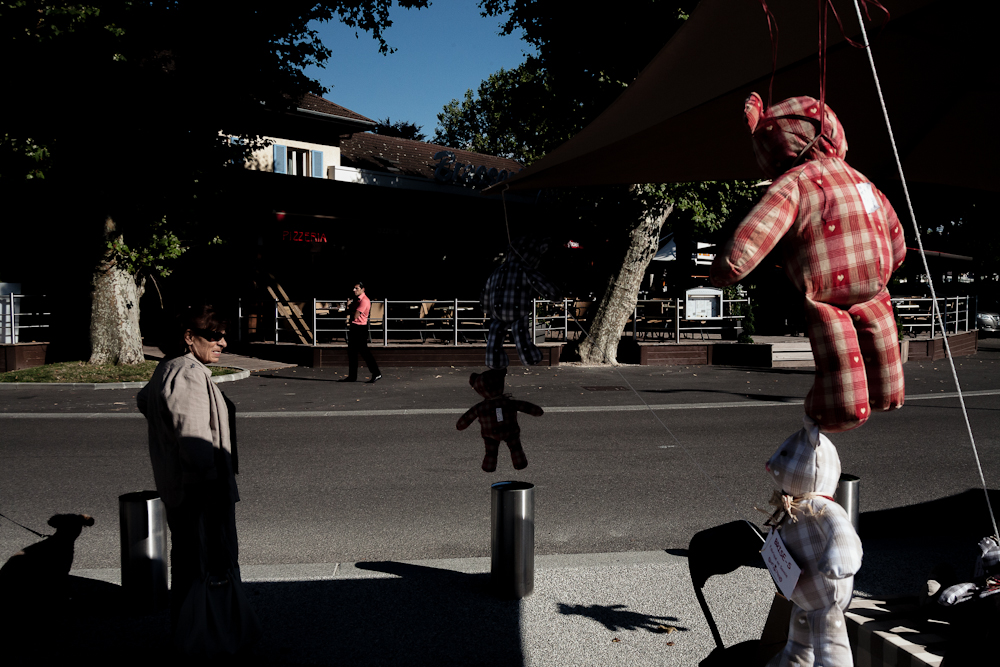

Eric’s Note: I’m not sure how I first stumbled upon Baptiste Hauville’s work, but I knew instantly that I liked his unique vision and color street photography. What I love most about his work is the layers and complexity that he adds to his photographs, with strong geometric shapes and layers. Not only that, but a lot of his photos have a punch of humor in them as well. Check out his images and thoughts on street photography below.Â
Baptiste: I’m 27, and currently live in Lyon, one of the biggest cities in France. I hope to soon be a full-time working photographer. I think I first started photography thanks to my dad. I remember playing with his old camera (a black Minolta SRT101) during my childhood. He owned it for almost 30 years! And it still works. What a great piece of metal!
I got into street photography progressively. Actually, when I decided to go out with my camera for the first time, I had no idea that I was shooting street photography (well, trying to shoot street photography).
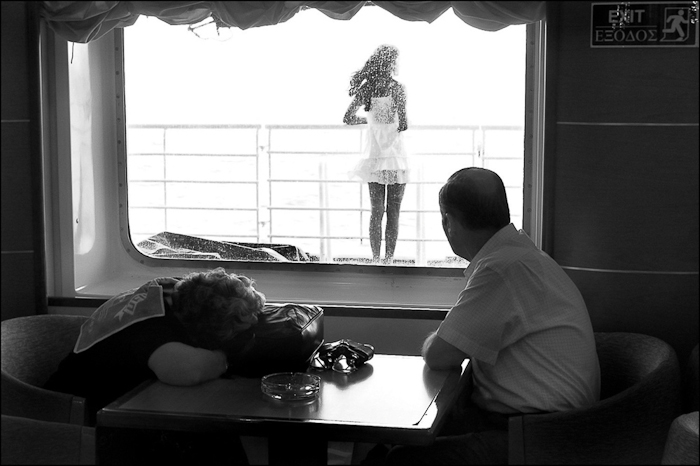

Erics’ Note: Lukas Vasilikos is one of the most original and talented contemporary street photographers today. Not only does he have a strong grasp of black and white, but he is also able to use color to his advantage as well. His photographs are powerful and show a deep insight into human nature. Read more to see his thoughts on street photography and his amazing work.
Lukas: My name is Lukas Vasilikos. I live and work in Athens, Greece. I started to take photos at 2006 after a photo-seminar with Manos Lykakis. Since my first steps in photography, I liked being out at streets and shooting. I like to communicate with people and use them as actors, playing a performance just for me.
Street photography makes me feel free. All my senses are on alert and I like the “huntingâ€: finding and catching the right moment. Right now I’m also working on a whole different project which is more personal, concerns night shooting. This way I explore emotions like death, loss, and more.
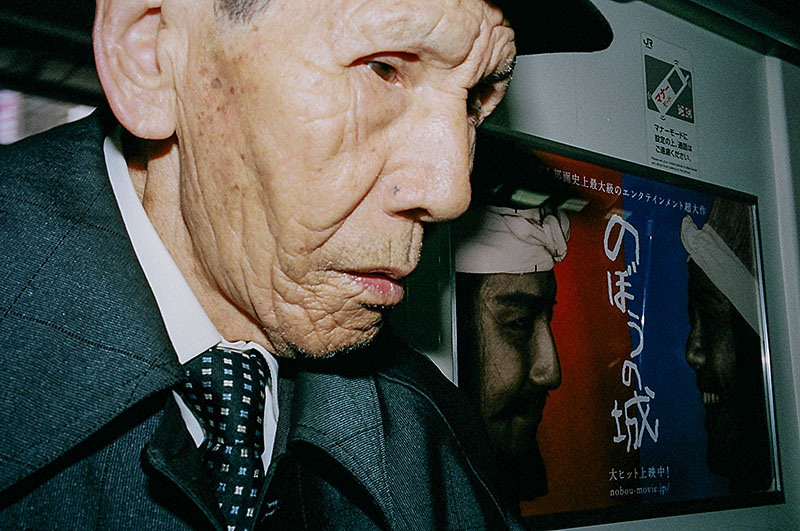

I was sitting at home with my girlfriend Cindy, and I suddenly got a call from my cousin overseas. After two bouts of heart attacks while he was in the hospital, he passed away suddenly. My mom then called me and told me that I had to immediately get on the next plane to Korea to attend my grandfather’s funeral (which was on Sunday).
It was Friday night, and Cindy was fortunately able to help me book a plane that left the next morning. I quickly tossed some clothes into a gym bag, packed my camera and laptop, slept, then left to the airport.
After a 18-hour flight to Busan, I arrived Saturday night in cold and rainy weather. I took a taxi straight to the church where my entire family from all around the globe was getting prepared for the funeral.
In the video above, I talk about my experiences shooting street photography in Dubai, the great joy I had in finding time back home to write, and how I am heading to Korea today for around two weeks. If you would like to meet up while I am in Seoul, write on my Facebook fan page or on Twitter.
In-case you missed my latest articles:
I also have a few more spots open for my upcoming 3-day Introduction to Street Photography Workshop in Chicago with Satoki Nagata (4/19-4/21). Don’t miss out!
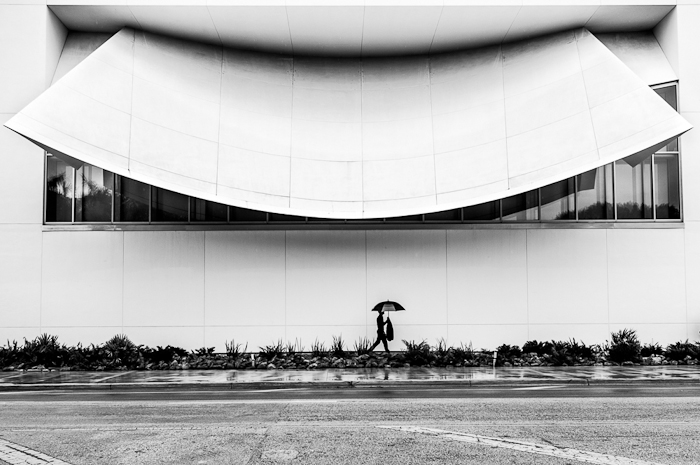
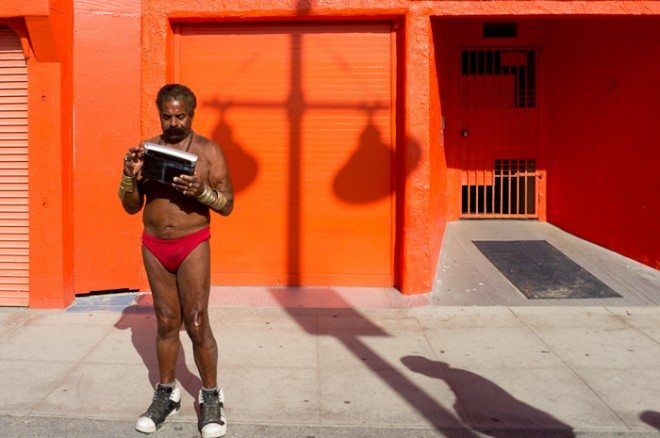
Hector: My name is Hector Isaac. I’m 24, Cuban-born living in Miami, FL, I’m a Computer Science student and work as an auditor on the medical field.
Funny enough photography came as way to escape computers, as it involved much of my life from work, to school, and as a hobby as well. It all started back in December of 2011 after I read Life Magazine: A 100 Photographs that Changed the World. Soon after I bought my first camera, theFuji x100, and since then I have spent as much free time as possible photographing on the streets. Recently have been lucky enough to participate on 2 street photography events as a result: Miami International Street Photography and You Are Here II in Los Angeles.


Erics’ Note: This article is by Christian Nilson, a street photographer based in Zurich. For this article he gives us an update on his 1 year, 1 camera, 1 lens project.
Christian: I have now completed 30 weeks of my 1 year, 1 camera, 1 lens, 1 film project., so a bit more than halftime. I have to say it has been tougher than I thought it would be. On the other side though it has been a very rewarding experience so far. I would like to share my experience of what I have struggled with as well as what I feel I have learnt so far.

Have you ever walked on the streets and saw a moment that you wanted to capture, but you were too scared to take the photograph? Do you want to become more confident shooting in the streets and learn how to better interact with your subjects? Do you want to meet other street photographers that are as equally passionate about street photography or interested in learning like you?
In collaboration with talented Chicago street photographer, Satoki Nagata, I am excited to announce I will be teaching my popular “Introduction to Street Photography Workshop” in Chicago 4/19-4/21. In this action packed 3-day weekend workshop, you will learn the fundamentals of street photography, how to create visually compelling images, how to conquer your fear of shooting street photography, as well as tips & tricks how to capture “the decisive moment.”
The workshop is limited to 15 passionate individuals who want to take their street photography to new heights. The workshop will be an intimate experience in which you will learn solid fundamentals, get honest & constructive criticism on how to improve your photos, and meet other enthusiastic street photographers. This workshop is ideal for beginner or intermediate street photographers.
Register soon, the cut-off date for the early-bird discount is less than two weeks on (Sunday) 4/14!
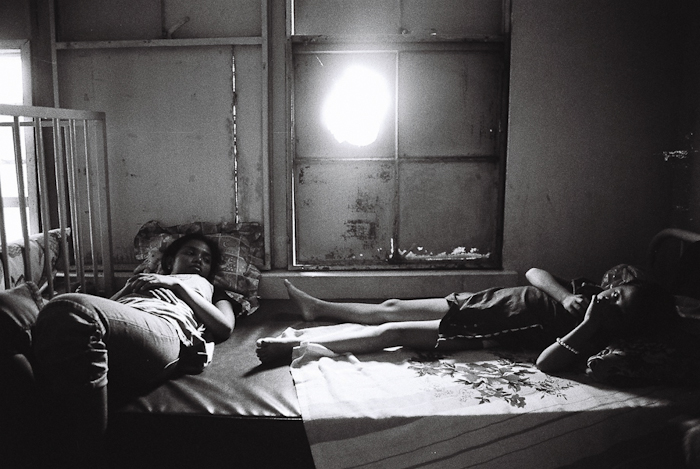

Eric’s Note: I got introduced to Robert Huibonhoa from talented photographer Geric Cruz. When I look at Robert’s work, I am taken back by the elegance and poetry of his images. Although many of his images are quite somber in feel, he still celebrates and highlights the joys of life through his images. Check out his soulful black and white images (and some of his thoughts on shooting) in the feature below.
Robert: I got started in photography by the influence of my friends. I never took any formal training or attended any workshop, but luckily have been surrounded by, in my opinion, the best image makers in my country. There’s so much to be learned from other photographers vision and style. Most photographers are innately teachers of their craft even if they don’t know it. I still continue to look to their work for inspiration.
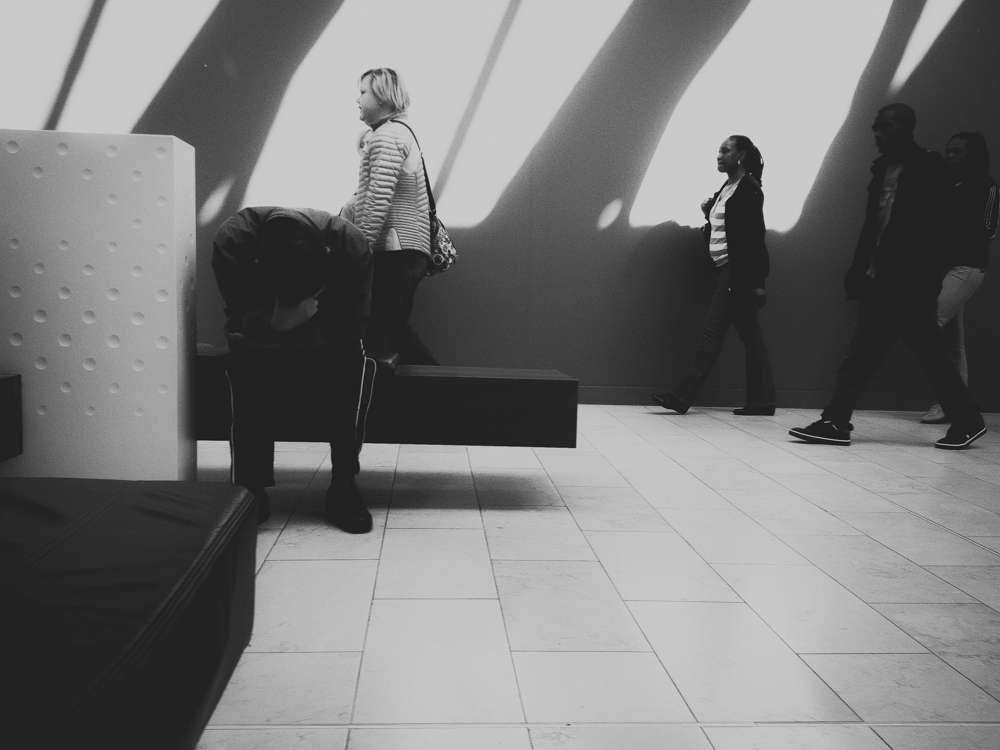

Eric’s Note: This article is by Josh White, a street photographer based in Toronto. I first met Josh in Korea about two years ago, where we taught a workshop together for Leica Camera Korea. Josh is also going to be a co-instructor in my upcoming workshop in Toronto. You can register intent here.Â
Josh: When Eric asked me to contribute to his blog with my thoughts on mobile photography, I had just seen the article “Mall Series,” by Stephen DiRado. The idea of shooting in a shopping mall was something I hadn’t thought much of. Â It’s an interesting place though, the mall.
It also coincides well with mobile photography and something I have been going through.
Since coming back to Toronto from Seoul nearly a year and a half ago I have struggled to find the inspiration I had during my four plus years in Korea. In Korea, every moment I stepped out of my apartment I felt inspired. I walked the streets at night channeling Daido Moriyama’s “stray dog.” I shot the same areas all the time and never once felt bored or uninspired.
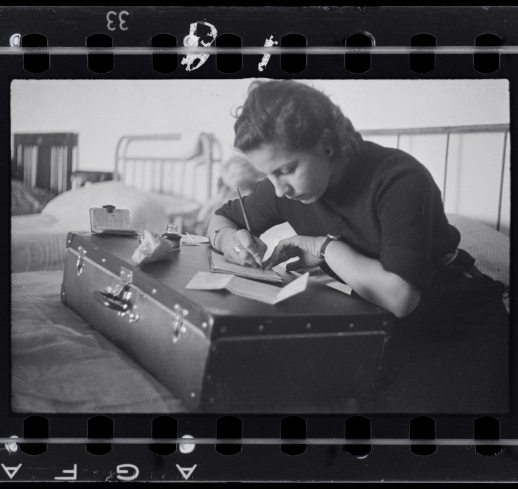

When I was in Arles photo festival last year, I met a photographer who introduced me to a book that he just purchased, titled: “The Mexican Suitcase.” He was jumping up and down with excitement, barely able to contain his enthusiasm.
I was curious what made the book so unique– and I inquired. He then told me the incredible story of the “The Mexican Suitcase“, which were 3 boxes containing more than 4,500 negatives, covering the entire history of the Spanish civil war from 1936 to 1939 which went missing for over 70 years. The negatives included the work of Robert Capa, Chim, and Taro– and gave priceless insights into their working methodologies.
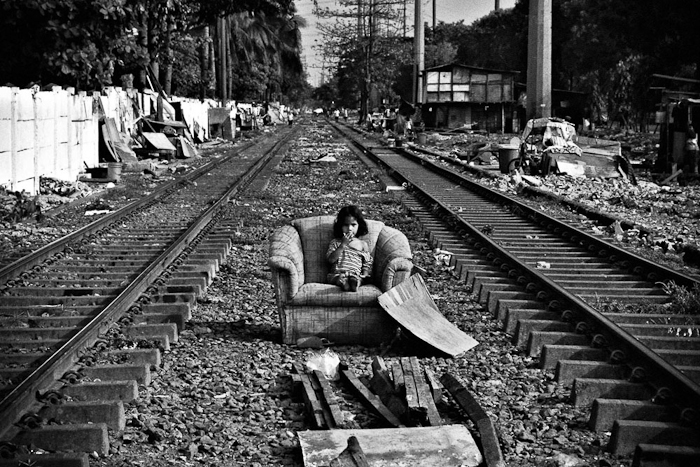

Eric’s Note: When I was in Manila in January, I met Veejay Villafranca at an exhibition of Carlo Gabuco‘s paintings. I heard great things about Veejay’s work, and when I looked at some of his images on his iPhone I was blown away. Not only does Veejay have a great eye for composition and imagery, but a great ability to connect with his subjects on a deeper and more emotional level. He is definitely one of the finest photographers in Manila, make sure to check out some his work below.
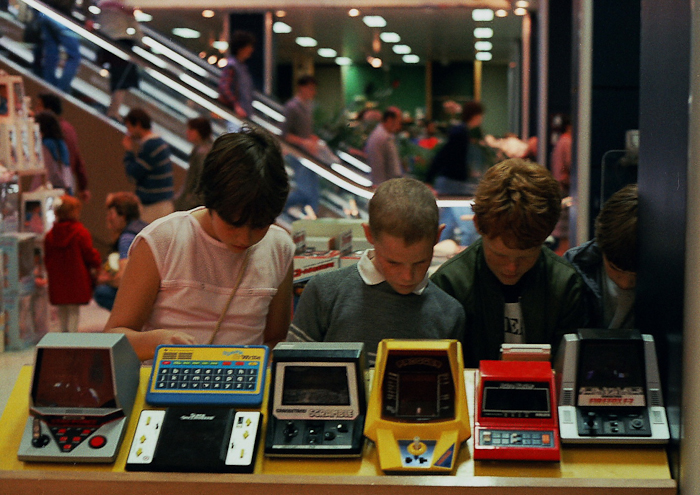

Eric’s Note: Chris Porsz is a street photographer based in Peterborough and has recently published a book on his photos from the 1980’s titled: “New England.” In this interview below, I talk to him about how he got started in street photography, how he embarked on his project, and how he eventually put it together as a book. Definitely an in-depth interview you don’t want to miss! Â
Chris: We share a birthday Eric but I go way back to the early hours of January 31, 1953, safe within the walls of Peterborough’s maternity unit while the worst floods of the 20th century visited our shores; ships went down and more than 300 people drowned.
Just eight years earlier, my mother, Krystyna, had teetered on the brink of death in a Nazi concentration camp. She and her two sisters, Eda and Regina, used to be called ‘the three beauties’. They led happy lives in Warsaw but the family was torn asunder by war. My mother’s father died in the sewers, her mother Sarah, Regina and her five-year-old daughter Lilliana were murdered in Majdanek concentration camp, Lublin. Eda was sent to Siberia by the Russians and that is where my cousin Vicki was born.