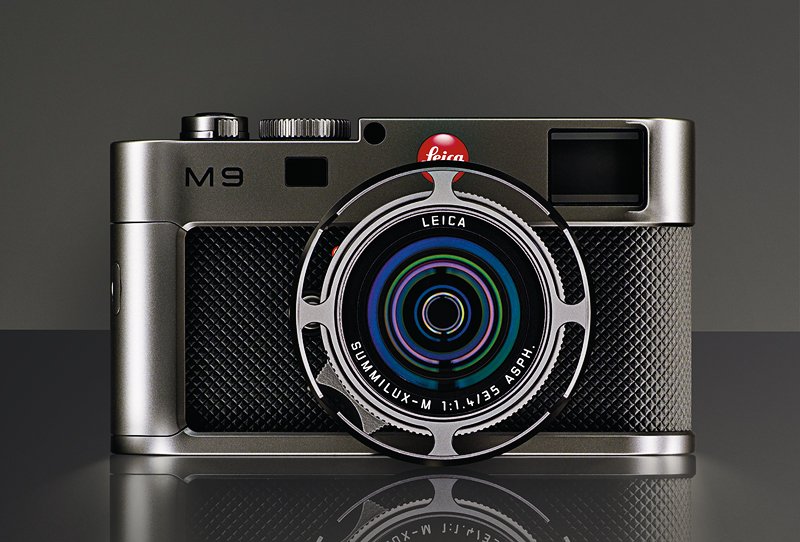
My good friend Mijonju from Tokyo recently got his hands on the new Fujifilm X-Pro 1 in Tokyo and made this little mini-review on it. Hope you find it entertaining and helpful!
Make sure to subscribe to him on YouTube and follow him on Twitter.
What do you think about the new X-Pro 1 for those of you guys who have shot with it? Worth the hype or not? Share your thoughts in the comments below!Â
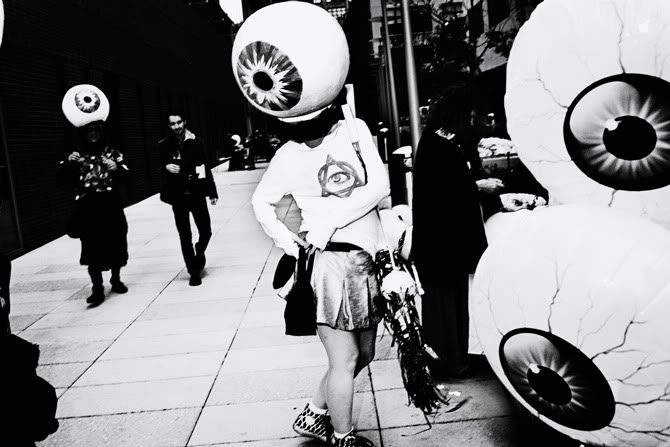
Eric’s Note: For this feature, I am pleased to feature the work of Tomasz Lazar to the blog. Having seen tons of street photographs, I don’t see photographs that often move me. However looking at the work of Tomasz takes me to another world– one full of energy, excitement, and darkness. Quite possibly one of the best street photographers out there, and has had the recent honor of winning the World Press Photo of the Year for News, 2nd place. All of these photographs in this post are from his “Theater of Life” series.Â
Tomasz Lazar – freelance photographer. He was born in 1985 in Szczecin. Graduate West University of Technology, Computer Science. First year student at the Univesity of Opava – Photography. He participated in many workshops such as Tomasz Tomaszewski, Edddie Adams Workshop in the USA. Winner of photography competitions in Poland and abroad (including the Sony World Photography Award, International Photography Award, BZ WBK Press Photo, World Press Photo).
I just finished my street photography workshop in London with Charlie Kirk (two cute dogs) and thought I’d make a quick GoPro video on the behind-the-scenes action! The footage shows us shooting in Brick Lane in London, with the students shooting on the streets (with a little bit of encouragement from myself and Charlie!).
Over the last few months, the amount of haters and online trolls I have attracted has increased exponentially. They are everywhere—on Facebook, Twitter, Flickr, Blogs, Online forums, and the worst—YouTube (I swear, half the things people say there…).
To be quite honest, I used to take a lot of these hateful things to heart—and it still does sting pretty hard time-to-time. Growing up, I always took criticism very personally—but through my experiences on the blog and my online social presence has helped me overcome (mostly) all of this haterade people on the internet love to drink.
For this post I will talk about a bit of my experience with haters on the internet, and some advice I would give to anyone else dealing with online trolls whose sole mission in life is to make you feel like crap (while they are still living in the basement of their parents’ house).
Recently when I was in Kuala Lumpur, I had the great pleasure of meeting Robin Wong, a passionate local street photographer. He was also lucky enough to get a test-unit of the new Olympus OM-D EM-5 directly from Olympus, and tested it extensively the past few days.
As mentioned in my last post, you don’t want to fall victim to GAS (Gear Acquisition Syndrome). However if you are using a DSLR and find it too bulky or have a point-and-shoot and want something a bit beefier yet compact, I found the Olympus OM-D EM-5Â a pretty solid option paired with the Olympus 12mm f/2 Lens (which is great for zone focusing). However if you already have an Olympus EP-3 or any other relatively Micro 4/3rds camera out there, I wouldn’t recommend an upgrade.
If you got any questions about the camera, make sure to ask Robin Wong over at his blog.
Eric’s Note: CritiqueMe is an on-going street photography critique series by Ollie Gapper, a photography student and street photographer based in the UK.Â
Ollie Gapper: So this week I thought I’d try and do something different with the CritiqueMe series, where, instead of trying to offer a full critique to a photographers work, I wanted to shape the critique around one particular aspect I feel the featured photographer and community in general may find useful.
Mark Carey, 48, is a London based, self taught documentary photographer. Trained as a carpenter, Mark made a dramatic career change in 2009 to become a full time reportage wedding photographer. During the spring and summer he shoots weddings in a photojournalistic style and during the winter heads off to India and South East Asia to shoot street and documentary photography.
Marks has been particularly influenced by the wonderful geometry photographer Henri Cartier-Bresson and the complex compositions of magnum photographer, Alex Webb. Mark has also recently been accepted as a member of the Indian street photography collective ‘Thats life‘. You can see more of his travel portfolio here.
We are all gear-heads at heart. We love hearing about the newest and greatest camera out there, and we love seeing comparisons with different lenses, at different apertures, and the sharpness and “characteristics†of each lens. I think it is fine to think and discuss about gear in photography, but when discussed about in excess– it starts getting unhealthy and like a disease.
I am weak, and I get tempted by gear all the time, but I try to constantly remind myself not to fall victim to gear acquisition syndrome (also commonly known as “gasâ€). Based on sociology, psychology, cognitive science, philosophy, and my personal experiences I will suggest some tips how you can cure yourself of gas (no not your farting, you might need to lay off the beans or get some stomach medicine for that).
1. Realize that you are weak
If you ever watch an introduction to alcoholics anonymous, each person in the group goes around in the group and says, “Hi, my name is “X” and I am an alcoholicâ€. Similarly, it is important to realize that we are human, and we are weak– and we fall quite easily to temptation. We love to think that we have strong willpower, but studies show that we actually have extremely weak willpower. Admit to yourself that you get tempted to gear as much as the next person, which will help you better resist the “poisoning†of gear around you. I shoot with a Leica camera, and I meet a lot of Leica users and shooters– and many gearheads and collectors. There is nothing inherently wrong with being a gearheads or collector, but it is a vicious cycle that I feel never brings one true satisfaction and happiness (as we always want more).
Take for example yesterday in Kuala Lumpur. I just finished my street photography workshop and had a cocktail and VIP party at the Leica store, and stumbled upon a Leica MP with a .58 magnification viewfinder. It was so goddamn gorgeous, and I felt my own gear whoring come out of myself. I then started feeling that my Leica M6 was inadequate, and that the .72 magnification viewfinder was useless with a 35mm lens. Also I marveled at the Leica script that was embossed on the top plate of the MP, and told myself I needed one. I had a drink and played with the MP some more, and it felt so right in my hands, with the heavy brass and the “mechanical perfection†of the film advance lever. The guys around me were laughing and “poisoning†me in all good fun, and I knew I had to resist myself. I reminded myself how weak I was to peer pressure and gear — and took a step back and gave back the MP.
2. Create physical constraints
As humans, we have very weak self-control and constraint. Take smoking for example. Many people try to quit “cold turkey†using just their will– but few people actually succeed. Statistics prove that majority of smokers quit when having some physical aid (using a e-cigarette or nicotine patches) to overcome their addiction to smoking. I feel that the same goes with gas. You need to create some physical constraints on yourself. For example, I am awful with money. If kept to my own will, I would spend all of my money on Leica lenses, crocodile leather shoes, and ice cream cones (I love ice cream almost as much as Allamby). I know this, and therefore consult my girlfriend Cindy before making any serious monetary investments.
About a month ago, I asked Cindy what she felt about myself buying a Leica MP (yeah I have been thinking about it for a while). She essentially smacked me upside the head and told me I would be a complete moron if I did, and talked some sense into me. She gave me a ton of clarity, and by having her as a “gatekeeper†to my wallet–she helps me a ton from making stupid decisions. If you don’t have a beautiful and bossy girlfriend to help you keep your money in check, perhaps hire a financial consultant and tell them to prevent you from making stupid financial decisions (including gas). Even by putting all of your savings into a fund (that you can’t touch) and keeping a certain limit on your credit card, you will prevent yourself from buying crap you don’t need.
3. Don’t hang out with gear-heads
One thing I learned in sociology is that “you are the average of the three closest person to yourselfâ€. Therefore if you hang out with a lot of gear-heads, you will be a gearheads yourself and succumb to gas. Rather than hanging out with gearheads and stroking your Leica and lenses with baby oil, hang out with photographers who talk less about gear, and more about photography. Finding a community more focused about shooting (and less about gear) will in-turn make you more focused on photography and less on gear. Inevitability we all love talking about gear at one point or another (the latest Leica rumors, the new Fuji camera, or the new Olympus micro 4/3rds) but try to find a group that keeps it to a minimal.
4. Stick to one camera and one lens
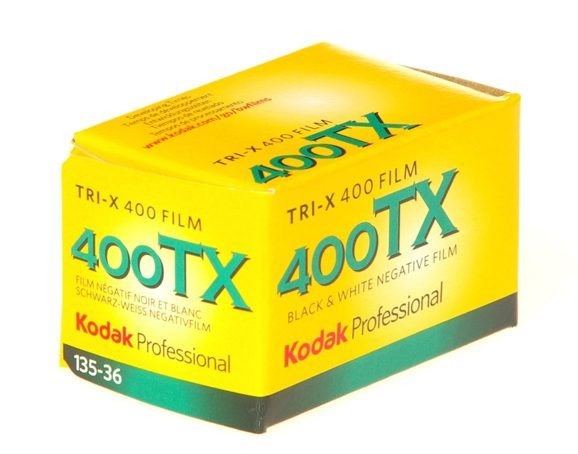
Currently the only cameras I own are my Leica M9 and my Leica M6, along with my 35mm summicron f/2 asph (yeah the latest version baby!) I gave my old Canon 5D to a close family friend’s younger brother (who is an aspiring photo journalist) along with my 35mm f/2 and my 24mm f/2.8. I told him it was all he needed to take incredible photographs. He asked me if he should buy a 70-200 lens and I threatened him that if he bought it, I would take my Canon back. I also recently had a 21mm Voightlander for my Leica, and returned that. I also gave my 21mm to my good friend Todd at the Hatakayana Gallery to use on his sweet new 21mm Leica lens (yeah the same guy who gave me his M6! Even trade.) The last three months or so (since I inherited my M6 from Todd in Tokyo) I have been working on all of my personal projects on film (tri-x and portra 400).
Nowadays my M9 is my backup camera (and really expensive point and shoot camera). Therefore all I am really using for my street photography is my Leica M6 and 35mm summicron f/2. It is one camera and one lens. Nothing more and nothing less. What I love most about having one camera and one lens is that it is just less stressful, and plain bliss. I never concern myself with having a different focal length for a situation (having a 28mm if someone is really close or a 50mm if someone is further away) but rather I learn to adapt to my situation, and become more creative. I have used a 35mm focal length more or less exclusively for around 4 years now, starting with my Canon.
I now know the focal length inside and out, and know how my frame looks in any situation. I don’t really even have the desire to have any other lens, as the 35mm framelines on my Leica are difficult enough to see with my glasses. Less is more. Having more choices simply gives us more stress. Remember the last time you wanted to order something at a restaurant, and there were like five million options on the menu? You then order something, wishing for the best, and it comes out and you feel disappointed? (damn, this chicken Alfredo sucks– I should have gone with the beef stew). Less options is less stress on us, and doesn’t cause “paralysis by analysisâ€. But damn, if I got a Leica MP with a .58 viewfinder and 28mm lens, it would be pretty sweet. Ahhhh nooo! Eric, stop this self-poisoning of yourself.
5. Calculate the lost opportunity cost
New cameras and lenses are expensive, and often that money can be used towards better things related to photography (buying photo books, going on trips, buying film, or paying off your maxed out credit card). I currently have the M6 which is worth around $1300 usd. The Leica MP is around $3300 usd. The cost of upgrading will be $2000.
Let’s do some math:
What else can I better do with $2000?
I can have enough money to buy two round-trip tickets to anywhere in the world. ($1000 a ticket times two)
I can have enough money to buy and process 200 rolls of film ($5 a roll and $5 to process a roll).
I can have enough money to buy 40 photography books ($50 usd for a decent photo book).
All of these things will do me so much more for my photography and happiness than a new shiny Leica. Do your own calculations for what gear or lenses you may be pondering, and see how ridiculous your ideas may be.
6. Buy a film camera
The best thing I have heard digital cameras likened to were computers. Think about how long you can use a computer before it gets outdated. 4 years, at best? Digital cameras as essentially computers. They get outdated fast as hell. There are always new digital cameras coming out with moar and moar megapixels, iso, dynamic range, faster autofocus, and crappy features like hdr and panorama, etc). I doubt you can use a digital camera longer than 4 years, without it being considered a dinosaur.
Ever since I got my film Leica, I no longer am very impressed or concerned with these new cameras coming out (besides the MP). A film Leica will last you a lifetime, and you never need to upgrade. It is simple and straightforward, and remember- all film cameras are “full frameâ€. Regardless of my MP envy, I would say that having my Leica M6 and 35mm summicron — I feel truly “content†with my gear. If you want to make a purchase, remember to get a good lens, as they will last a lifetime (more or less). They will outlast your camera, as there is only so sharp you can make a piece of glass. I doubt they will ever quit selling film- and don’t worry about Kodak going bankrupt. Their film business is stilly profitable.
Remember, when photography first came out people said nobody would ever paint anymore. People still paint. People said cd’s would kill vinyl records. Vinyl records are now thriving more than ever (thanks to all the hipsters who shop at Urban Outfitters). Classic things never truly “dieâ€.
7. Don’t spend time on gear forums
If you spend an unhealthy amount of time on gear forums, stop. It is quite possibly the worst thing you can do in your spare time. I actually suggest downloading an add-on for chrome or Firefox that prevent you from visiting these sites altogether.
In street photography, sharpness and the “bokeh quality†of a lens is the most overrated thing ever. Sure if you give me a Noctilux and have me shoot that bad boy at .95 I will squeal like a little schoolgirl about how creamy and “bokehlicious†the photo turn out, but it is quite useless in street photography. When is the last time you saw a great street photograph from any of the masters and said, “Wow, that photograph is really sharp†or “Wow, that photograph has really nice bokehâ€.
Another thing that I used to do a lot (which I am trying my best not to do anymore) is look at someone’s photographs (who are very good) and ask what camera or lens they use. It is like asking your chef what pots and pans he or she uses to cook your meals (if the food is really good). If you don’t want to get slapped in the face (or your food spit in) realize that it is the artist that creates the art, not the tools.
Frankly speaking, all prime lenses out there are pretty damn sharp (and you will always sharpen the photos a bit in post-processing anyways) and I feel that street photography is best captured using a large depth of field using zone focusing. Therefore don’t worry about having a large maximum wide aperture– unless you want to take nice bokeh shots of your water bottles at home, that is.
9. Realize that you will never be satisfied
Material things never bring true happiness. Yeah, yeah we have all heard it before but it is true. We all tell ourselves, oh–if I only had full-frame I’d truly be happy. If I had that Leica I’d be truly happy. If I had that one 1.4 lens I would be truly happy. Realize that with gear, it is a slippery slope. As humans, we are biologically greedy. We want stuff, and like having lots of it. It was our genetic way of making sure that we wouldn’t die. After all when we were cavemen, if we hoarded tons of food for ourselves, we would have a higher likelihood of making it through tough winters and droughts.
Nowdays modern day life is much different. Most people in the modern world don’t suffer from famine and most of our basic needs are met (food, shelter, clothing). However the instincts we have make us never satisfied with what we have. And of course, advertising and consumerism has a large part to blame as well. There is no “end goal†of gas.
Many of us try to rationalize what we do in terms of our purchasing decisions. We tell ourselves that the cameras and lenses we buy are “investments†and thus make rational decisions. Let’s cut away a lot of the bs. A lot of us (including myself) want to just show off with our gear and have bragging rights.
One of the reasons that I kept my old 35mm 1.4 summilux for so long was so I could state that I had a summilux for the sake of having one. The summilux wasn’t the optimal lens for street photography (far too big and heavy) and I never used the 1.4 (only when taking snapshots of my friends at bars to show them the creaminess of the bokeh!)
The reason a lot of us buy expensive cameras or gear is to try to fit in (if our friends all have a certain camera or lens, we will want to get one). Another reason is that we might want to differentiate ourselves from other people (like Leica users vs Dslr users). We want to feel superior with superior gear to be seen by others as having a higher status. With more status comes more prestige, comes more opportunities for us to connect with other people with high status, and have a feeling of “smugnessâ€.
Conclusion
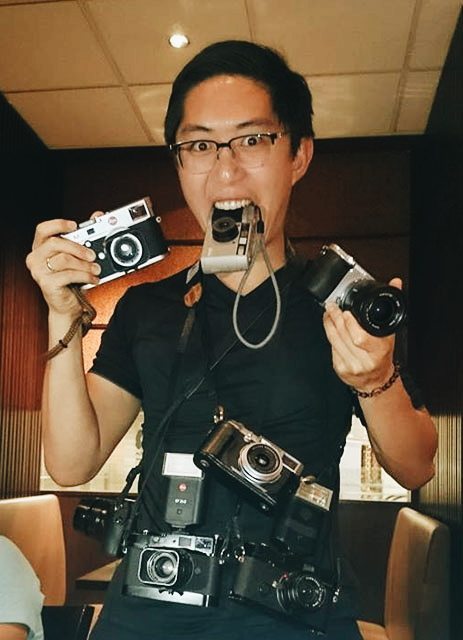
NEED MOAR CAMERAS (Don’t become like this guy)
We all love our toys and cameras and lenses. I don’t see any problem “geeking out†with gear with the friends or playing with our friends new camera or lens. It is perfectly healthy and all fun. However what becomes an issue is when we concern ourselves with gear excessively. Photography is a damn expensive hobby, and not being able to have the best and greatest sucks. We don’t want to be the loser with the “crop sensor†or only having the f/2 lens instead of the f/1.4 lens. We just want to fit in and feel “important†with other people with nice cameras and things.
If you currently suffer from gas, admit to yourself that you are a gear whore and decide for yourself if you want to cure yourself or not. If you have the cash and enjoy continually acquiring lenses and cameras, no problem. If you don’t have the cash and you are taking out credit card debt to feed your addiction, you should probably reconsider things. Life isn’t about getting nice things and being happy.
Spending time with others and being social is what makes us truly happy. Therefore quit spending so much damn time on gear forums and thinking about that stuff, and get out of the house and call some buddies and go shooting. The more time I find myself going out and actually taking photographs and spending time with my fellow streettogs, I am truly happy. I geek out and at times have wet dreams about the next Leica purchase myself, but I realize that I am weak and easily susceptible to peer pressure or advertising. Take a moment to consider how addicted you may be to gas, and I hope this has helped you.
After traveling and having done many workshops on street photography, I have met many Leica M9/rangefinder users who have had difficulty configuring their camera for shooting on the streets. There are lots of misconceptions out there, which make things confusing for people. Therefore here is some advice I have for Leica m9 users (or Fuji x100 or rangefinder users) when shooting street photography. (Note that for the original video, the audio gets cut out at 16 minutes, so I edited the video down).Â
Check out the video below, and I have things written in more detail below!
Eric’s Note: I am very pleased to feature the project, “Bell Pond” by Stephen DiRado, a photographer and a professor at the Photography Visual & Performing Arts Department at Clark University. His current project is called, “Summer Spent” — a photography film about shooting with his 8×10 camera on a clothing optional beach, conversations with subjects and a lot of soul searching on why he photographs. Read more about his “Bell Pond” project below.
Stephen: Fresh out of art school in 1981Â I was eager to find a project. There were some false starts.
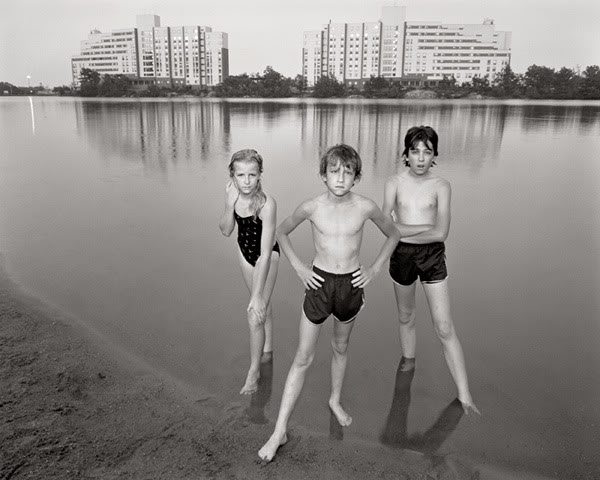
During the summer of 1983 I documented a densely populated community of new and old immigrants residing on Belmont Hill in Worcester, MA. Bell Pond is the public park and pond central to the neighborhood and a magnet for families, individuals and teen gangs. A tight community, all watching out for each other, I came in as an outsider, a suburban kid fresh out of art school looking for a project.
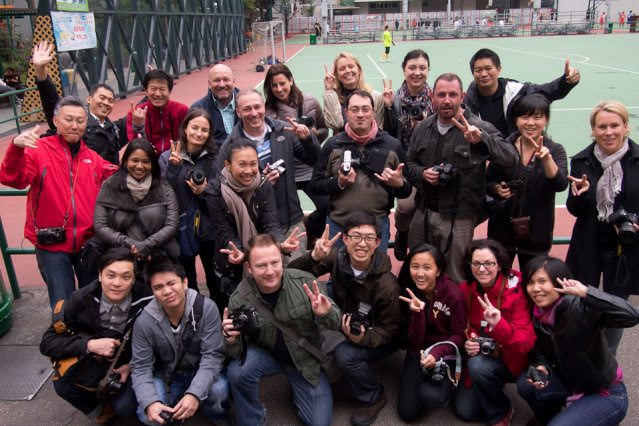
Hong Kong Street Photography Workshop Participants
Here are some snapshots from my recent street photography workshop in Hong Kong with Gary Tyson from F8 Photography. See all the behind-the-scenes fun and goodness below!
Also check out all of my upcoming workshops in London, Melbourne, Sydney, and Sweden by clicking here.
Just had a chance to play around with the new Fujifilm X-Pro1 here in Kuala Lumpur, Malaysia. Looks like a very solid camera, with a few quirks (like every other camera out there). It might be a great option for those of you who have DSLR’s and want something more compact and discrete when shooting on the streets. Check out the video of a unit (without lens or battery) with some of my impressions above!
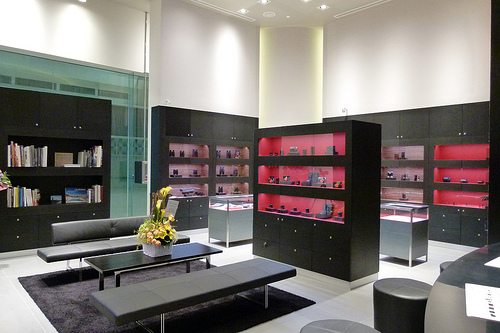
Hey streettogs- I am excited to share this GoPro Tour of the Leica Store in Kuala Lumpur, Malaysia. Some of my photographs are on display, in preparation for my workshop here this weekend. If you are in town, stop by and check out the store and the street photography books, and say hi to Shannel Woo, the Leica Malaysia Retail Manager here. Will keep you updated with everything!
Eric’s Note: Streettogs Gallery is an on-going feature and intiative by Manila-based street photographer A.G. De Mesa. Check out more info here.
A.G.: Gary Tyson is a great commercial photographer and has been in different locations around the globe. He is also the co-insturctor in Eric’s previously concluded street photography workshop in Hong Kong so I was really delighted whe he sent in a link of a collection of his street photographs.
What I usually do when a collection is sent instead of a series is I try  edit properly to show things in common. It could be aesthetic similarities, strong themes, or repeating subjects. So I pointed out to Gary a subject that continually pops up in his street shots:
Group photo for my recent Street Photography Workshop in Hong Kong with Gary Tyson from F8 Photography
Hey streettogs- I just wanted to keep you updated with all of my upcoming street photography workshops. See the list below if I am coming to a city below you! :)
I stumbled upon a street photography POV video with a GoPro by Patrick Casey in Downtown Nashville. You can see that even though the streets aren’t very crowded, there are still lots of photo opportunities to be seen! He gets some solid shots in the video- and also shares them for everyone to see how he works in the street.
I use a Leica M4 with a Zeiss Biogon 35mm f/2. I use portra 400 handprocessed in a unicolor press kit. I print every photo I take in a darkroom. Song in the background is Pretty Lights – Stay
For those of you interested in making your own street photography POV video, this is what you will need:
You can put the pieces together, and have your GoPro mount on top of your camera’s hotshoe mount.
Looking forward to seeing other people make more of these videos! Also let us know what you thought about Patrick’s video and shots in the comments below!Â
It now has been around 5 years that I have been shooting street photography- and I have learned an incredible amount through trial and failure. I made this recent list of things I have learned while shooting street photography– and some of my personal opinions. Remember, take everything in this list with a grain of salt! I simply made this list as both a way for me to self-reflect, and hopefully you can find some of these tips helpful.
Harness the power of groups/collectives to spread your photography
Don’t focus on aesthetics in your photos—but rather the message
Shooting film is magical
Never upload your photographs immediately—let them marinate for at least a week before sharing them
Good projects often take at least a year to complete
Post-processing your images digitally should never take more than a minute
Printing your photographs out large is immensely satisfying
Share your knowledge & technique with others – never hoard it yourself
It is better to shoot everyday for 10 minutes than to shoot once a week for 10 hours
Only show your best work
Photo-sets with over 25 images are exhausting to look through
It is great to constantly experiment with your technique and gear—but once you find something that works reasonably well stop and stick with it
When in doubt, ask for permission
People love to be complimented while on the streets
Don’t take photos of people who look pissed off or walk extremely quickly. These are the people who often get upset when you take their photograph
If shooting digital, always shoot in RAW
Look at other forms of art for inspiration
Take photos of people’s faces, not their backs
Eyes are the windows to the soul. Get photos with eye-contact in your images.
Your photos are only as good as the photos you look at. Avoid the internet and look at photo-books for inspiration
Giving helpful critique to others will make you a better judge of your own work
“If your photos aren’t good enough, you’re not close enough†– Robert Capa
After a whole day of shooting, I am lucky if I get 1-2 good photographs
The more time you spend on online forums, the less you will shoot
Don’t think too much while taking photographs. Avoid “paralysis by analysisâ€
Don’t chimp while shooting on the streets (checking your LCD screen). You will lose many decisive moments
“Luck is when preparation meets opportunity†– Seneca
You can get luckier in street photography by spending more time out shooting in the streets
Don’t crop. Get it right in-camera
Look for the light
You will take the best photographs in the least-likely places
Always carry your camera with you everywhere you go. Everywhere
The smaller your camera is the less intimidating you will look
Don’t shoot from the hip if you have a camera with a viewfinder. Use the viewfinder—that’s why it’s there
Good composition alone doesn’t make a good photograph. A great photograph needs soul.
Don’t let inspiration be your main source of motivation for shooting. Go out and shoot even when you don’t feel like it—and the streets will re-inspire you
Street photography doesn’t have to have people in it
“Creepiness is proportional to focal lengthâ€. Don’t shoot street photography with a telephoto/zoom lens
The best place to shoot street photography is your own backyard
Crouch often when shooting to get at least eye-level (or lower) to get a natural (or unusual perspective)
The lighter your camera bag, the more you will enjoy shooting
Don’t forget to look down and up when shooting
When in doubt, click
Don’t try to just take photos of interesting people, but try to take photos of interesting gestures
It is better to take an extraordinary photo of something ordinary, rather than taking an ordinary photo of something extraordinary
The way people react to street photography (all around the world) is often more similar than dissimilar
There is no perfect camera for street photography. Every camera has its own strengths/limitations
Learn to memorize a focal length so you can frame your shots before even bringing up your camera to your eye
The best combo: one camera and one lens
Focus on hands – they communicate strong messages to the viewer
Contrary to popular belief, most people don’t get pissed off when you take photos of them (most people actually quite like it)
Street photographs are well-balanced with an odd-number of subjects (1 person, 3 people, 5 people, etc)
“Realize that most of your photographs are crap†– Charlie Kirk
Shoot to please yourself, not others
The best response to internet trolls who criticize your work (without helpful critique) is to ignore them completely
If you have the opportunity, don’t just settle for one photograph. Take multiple photographs if possible. “Killers shoot twice†– Thomas Leuthard
If you don’t ask for critiques, nobody will ever give it to you
If you are going to ask someone for permission for a photograph, always preface your question with, “I know this may sound weird, but…â€. Works like a charm.
If you don’t make time to go out and shoot, you will never go out and shoot.
Learn to judge distances well- so you can prefocus before you anticipate the shot (1.2 meters is roughly two arms-lengths, and 3 meters is roughly half the distance of a room)
76. Spend less time arguing over the definition of street photography, and go out and shoot more
77. You only remember 5-10 photographs from some of the most famous street photographers who have ever lived. Aim to take 5-10 great photographs before you die.
78. Photography is incredibly difficult
79. If people notice you taking a photograph of you, tell them, “Ignore me—pretend like you don’t see me†and most people will laugh it off and continue doing what they were doing
80. If confronted by a person on why you took their photograph, take a step toward them and be open and honest about your intentions. Stand your ground and know your rights.
81. Simplify your photographs. Less is more.
82. Don’t put watermarks on your photographs. It cheapens your work.
83. Street photographs don’t sell
84. Travel as often as you can to open up your views to the rest of the world and society
85. Always carry an extra memory card and battery (in war two is one and one is none)
Don’t always hunt for shots—if you are patient enough, they will come to you
Shoot at ISO 1600 or above (keep your shutter above 250ths/second)
f/8 and be there
Black cameras draw less attention to you
It is more interesting to take photos of rich people than poor people
Never delete any of your photographs (you can rediscover hidden gems later in the future)
Silver Efex Pro 2 is the best black and white conversion software for digital
“You miss 100% of the shots you don’t take†– Wayne Gretsky
Don’t aim to take pretty photographs, aim to take meaningful photographs
Don’t be sneaky when shooting—you will get in twice as much trouble if you get caught
A great street photograph both has strong composition and story
When it comes down to it, composition isn’t as important as the story
99.9% of the photographs online are crap
Love your critics
100.Offer to email your subjects their photographs (they love it)
101.Break the rules
102.Make your own list
I had the huge pleasure of meeting up with Kaiman Wong from Digital Rev TV a few days ago- and filming this video! It was great to finally meet Kai in person (he’s really that hilarious!) as well as the video genius Lok and the lovely Alamby who helped coordinate everything. I was shooting with my Leica M6, and Kai with his Leica M2 and 15mm Voightlander lens (super wide!).
Some people on YouTube wrote some responses regarding arranging photographs for my shots. I thought it was a legitimate question and here is my answer:
Generally I don’t ask for permission when shooting, but typically after shooting my first photograph without permission – I enjoy chatting with my subjects and getting them to pose for me. Of course once they start posing and get directed by me, it is no longer candid and thus not proper “street photography”. However in the end – I like interacting with my subjects and I feel that it is able to help me build rapport and good will. I am not so interested in only taking all of my photos without permission- as I do ask for permission at times for my shots as well.
Hopefully the video will be good to those who are uncomfortable shooting street photography, and afraid of the reactions of others. I very rarely have any issues shooting in the street, and I try to show how I interact with my subjects in the video.
In the end I am not so interested in defining what street photography is or isn’t– but creating messages and meaning through my photographs– that make statements about society. I discuss this at length at a previous post titled, “What’s Important in Street Photography?”
Anyways hope you guys enjoyed the video and will keep you updated with more stuff from Hong Kong soon!
Foreword by Ollie Gapper: CritiqueMe is still alive and well, I just haven’t had time to produce a good, in-depth critique this week, it will be returning soon!
Its been thrown at you pretty relentlessly over the past few months: the notion of shooting film and its merits over digital, but what should you know before/during your time spent shooting this marvellous medium? This is a short list of things that I have personally found useful learning in shooting film, things I hope will help you as much as me!
Things have been a bit hectic in Hong Kong and prepping for my workshop this weekend, but wanted to take a chance to feature the best street photographs posted to my Facebook fan page the last two weeks.
On an unrelated note, I actually had the chance to meet Kaiman Wong and the rest of the team from Digital Rev TV and we did some recording for a video on street photography that will release soon (stay tuned).
If you would like to get one of your shots featured in the future, make sure to upload them to my Facebook fan page! (I prefer using Facebook because it is easier to sort/look through all the photographs).
Eric’s Note: Streettogs Gallery is an on-going feature and intiative by Manila-based street photographer A.G. De Mesa. Check out more info here.
A.G.:Â I always defined street photography as “Photographing people in a public place with or without permission”. Â That is how I go about shooting but when I encountered the work of William Eggleston, my definition shattered.
It seemed that his work doesn’t fit how I understood and read about photography. His photos are so simple, mundane, and very uninteresting. So much so that I think Eggleston’s War with the obvious is the anti-thesis of Bresson’s philosophy The Decisive Moment.
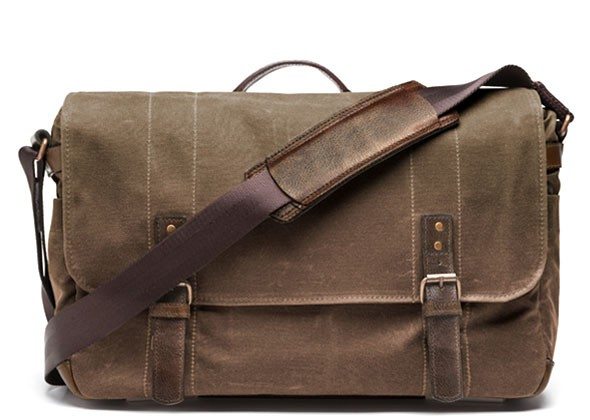
For those who are looking for a stylish, sleek, and functional messenger bag for street photography – check out the new ONA Union Street Bag. ONA sent me a bag to review, and after thorough testing (took it all over India) here is my review/overall impressions of this bag. Keep reading more if you are interested in making an investment into a fashionable and durable bag that will last you a long time!
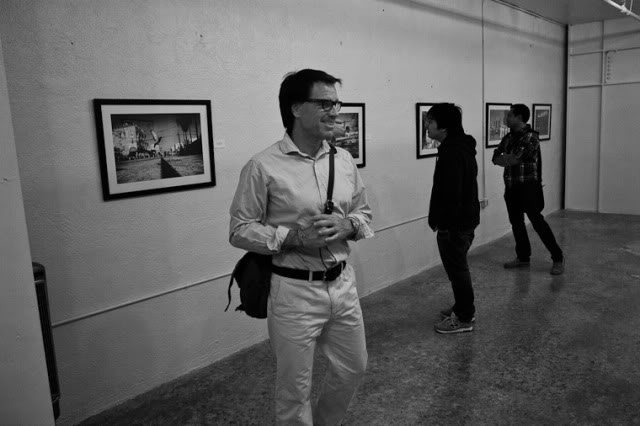
Recently at the Downtown LA Art Walk, some of my fellow LA Streettogs and myself showed our work at the Hatakeyama Gallery. Lots of awesome people came out and supported and checked out some of the work by our group.
In the video I use my GoPro video camera to take you behind-the-scenes of the gallery, and right in all the fun! You can also get a sneak-peak on 3 of my photographs from my series: “Dark Skies over Tokyo” (shot with my Leica M6 and film). I will be sharing the full series later on, so stay updated!
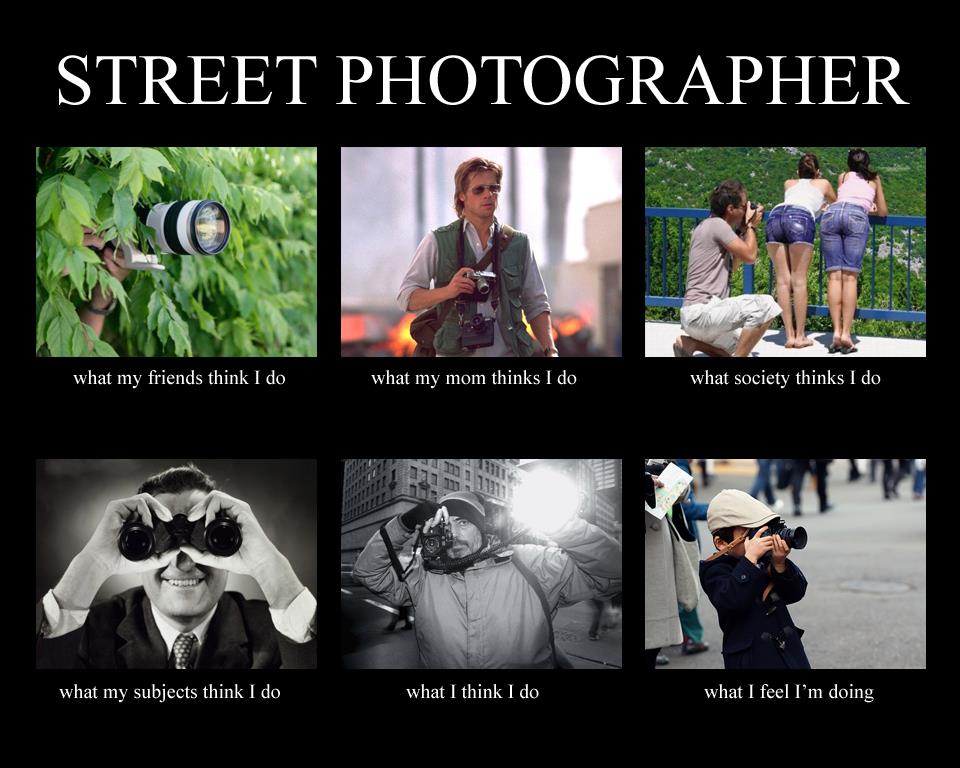
The “What Photographers Actually Do” meme has been spreading like wildfire as of late. Danny Santos just put together a one for street photographers which is pretty hilarious (and true to a certain extent).
What would you add/change in the image above? Leave your thoughts in the comments below!Â
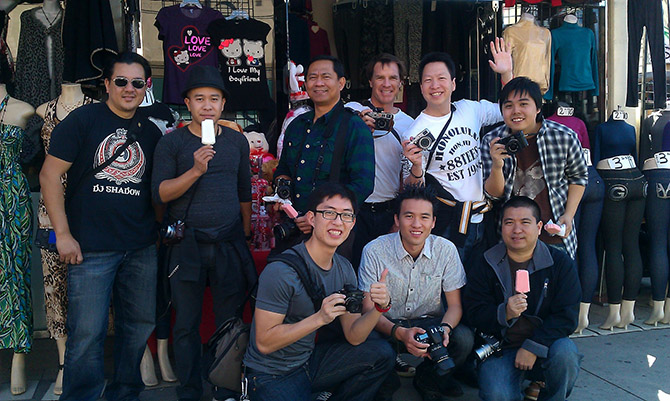
I am pleased to share that my recent street photography workshop in Downtown LA was awesome! Not only were all the participants in the workshop willing to push themselves and find more meaning in their photography, but the group interaction and support was phenomenal. Huge thanks to Todd Hatakeyama from the Hatakeyama Gallery! Also huge thanks to Todd for providing these workshop photos!
Keep updated with all of my upcoming street photography workshops in Kuala Lumpur, London, Melbourne, Sydney, and New York here!
Also keep reading to see all of the photos from behind-the-scenes.
Update 2-27-12: Congratulations to John Barduhn for winning the giveaway! His tip was: “Always say “Thank You“. Stay tuned for our next giveaway soon ;)
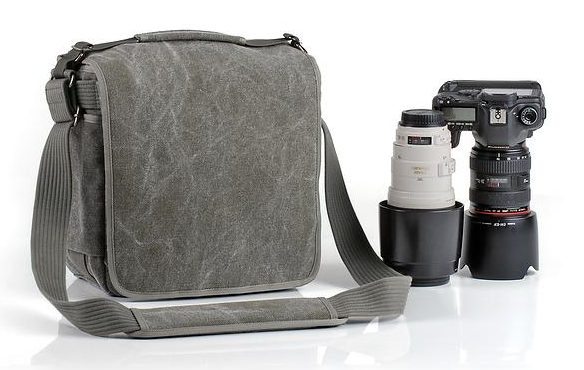
thinkTANK Photo has generously provided a Retrospective 20 Shoulder Messanger Bag ($167.75 value) for a give-away on the blog! You can have the chance to either win a version in Pinestone or Black (I prefer the Pinestone color). They make fantastic street photography bags, as they don’t look like camera bags (thus you can be more discrete). If you want a smaller bag, also check out the Retrospective 5 (good for street photographers with a Leica or Micro 4/3rds system).
To enter this giveaway, all you need to do is:
Share your #1 street photography tip (in 7 words or less)
There are three ways to enter (the more ways you enter, the more chances to win!):
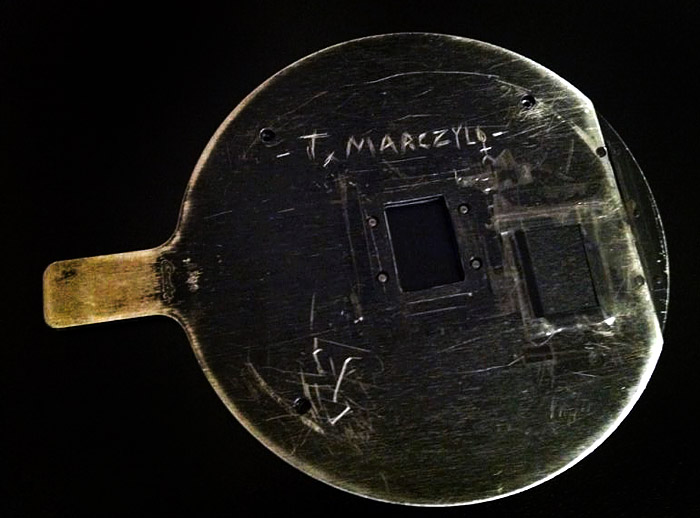
Eric’s Note:Â This feature is by Trevor Marczylo, a Winnipeg-based street photographer who has made the move to Korea! If anyone in Korea wants to meet up with him- drop him a line! Follow his blog as well.
Trevor: I ‘ve gotten a ton of emails over the last few weeks regards to how I get that black sloppy border around my images in the darkroom. I simply just took a file and hacked into it until I was happy.
So for this week’s article I thought I’d write a quick and simple discription on how to file out your negative holder so you can have your own signature negative border style.
There really isn’t anything to it and all you need is a small flat file and your negative holder, some black paint or nail polish and the will to destroy your neg holder.
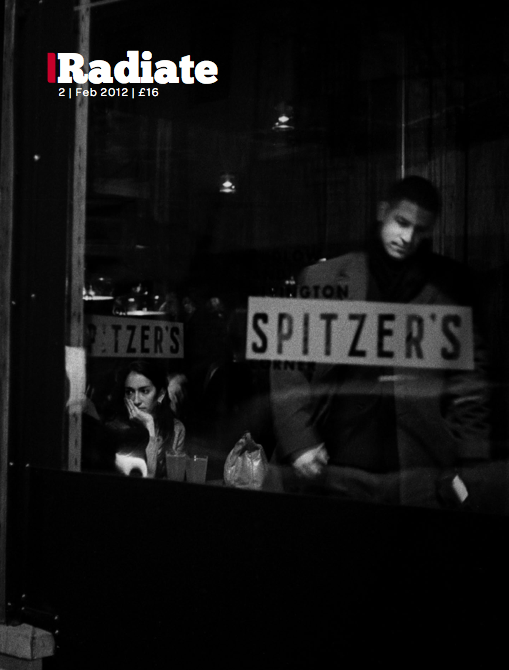
I am excited that issue #2 of Radiate Magazine is out. Radiate is a street photography magazine edited by Stu Egan, and features work, interviews, and features from up-and-coming street photographers from all around the globe.
Included in this issue are David Solomons brilliant and often unseen early BW, Steve Richmond‘s incredible Kimology series and Charlie Kirk’s interview of Claire Atkinson.
Pick up a copy!
You can get hold of printed copies here which costs $21 + shipping. It will make a great addition to your street photography library!
You can also download free PDFs from that page, or if you don’t want to register with Magcloud just head over to www.radiate-magazine.co.uk and get one there.
Eric’s Note: If you are wondering what all those crazy things coming out of Ollie’s head are, check out his last blog post.
Ollie Gapper: I was recently lucky enough to pick up a Canonet QL17 rangefinder off of eBay for a steal at £30 with postage, a camera I had been after for quite a while, and for good reason.
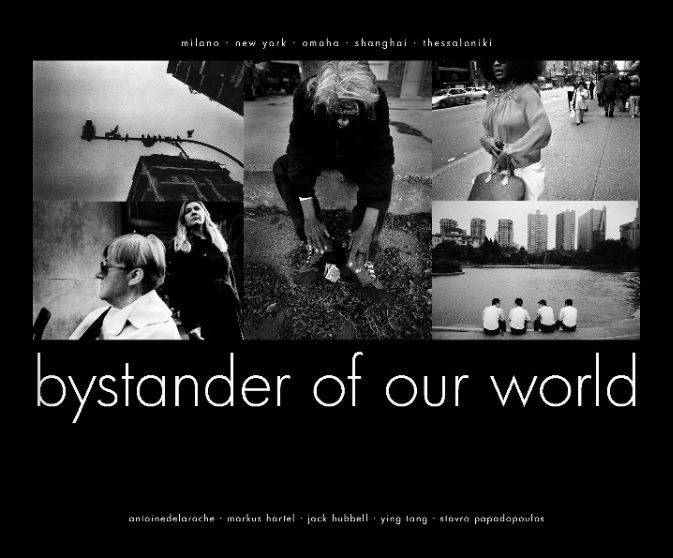
Eric’s Note: Today I am glad to feature the work of Jack Hubbell (Cyclops-Optic) on the blog today. Charlie Kirk turned me onto his work, citing the unique way he saw the world.Â
Jack: To have something in common with Eric Kim. What? Perhaps you think it Photography, but no. Further back than that. Further away than that. Off to a nation called Korea. Whilst Eric’s connection lies with ancestry, mine deals with birth. And by that I mean birth of vision.
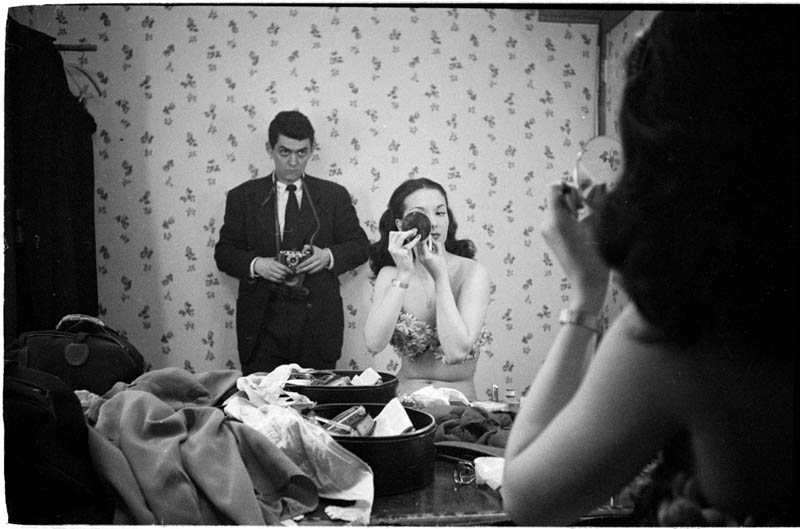
Long before director Stanley Kubrick directed influetial films such as Lolita, Dr. Strangelove, 2001: A Space Odyssey, A Clockwork Orange and The Shining — he took incredible street photographs in New York City since he was 17. He worked until the 1950’s for Look Magazine before he decided to pursue filmmaking.
Keep reading to check out incredible street photographs taken by Kubrick – which are comical, intruiging, and full of energy and excitement! Make sure to also check out Twisted Sifter for all the images!
*Florian Dirks from my Facebook fan page has let me know that not all of the photographs included below are unposed- some of them are elaborately staged. Incredible photographs nonetheless. Also big thanks to Rinzi Ruiz for directing me towards these photos!Â
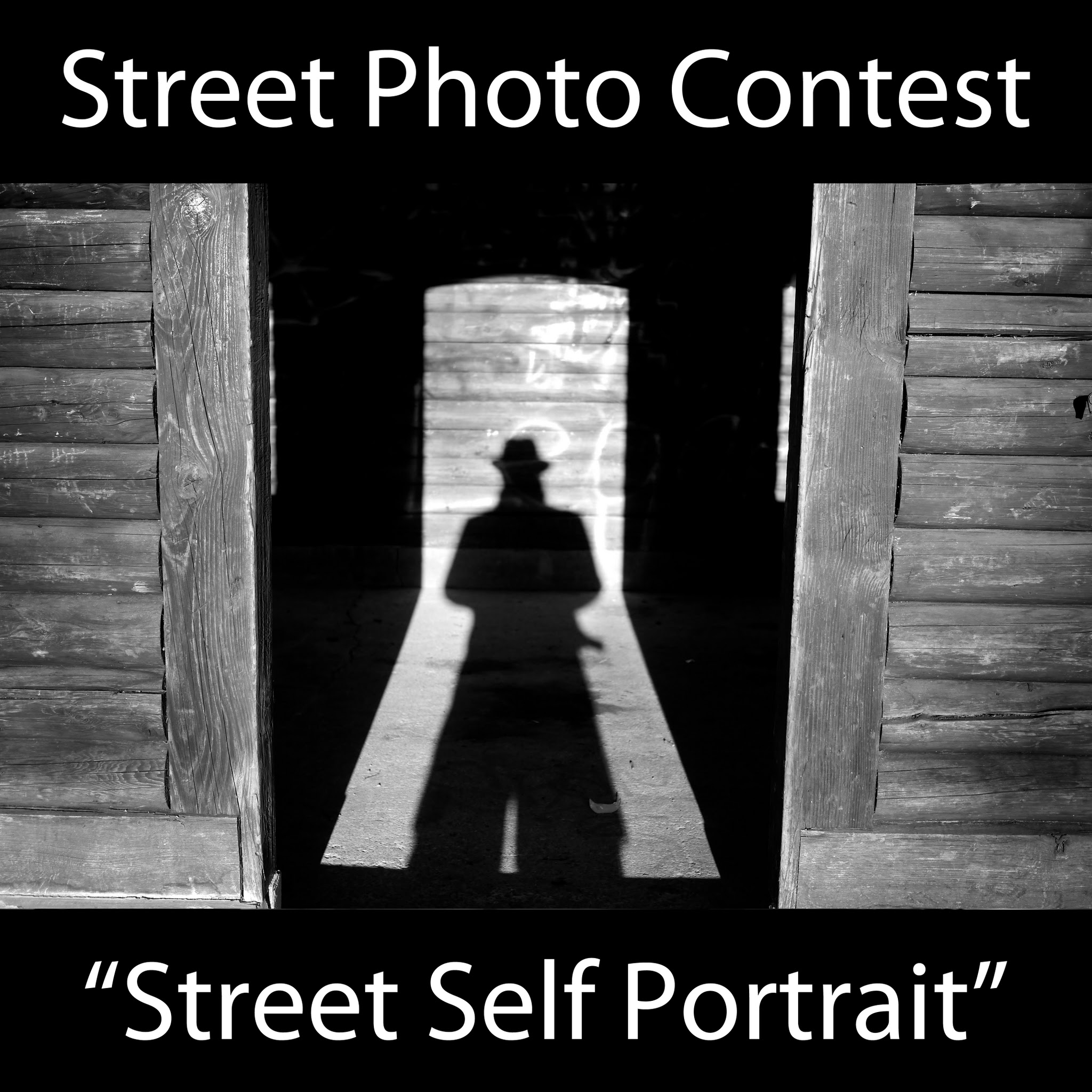
My good colleague and fellow street shooter Thomas Leuthard currently has a street photography contest running titled: “Street Self Portrait” running on Flickr. Some of the rules are below:
These are some of the prizes for the contest as well!
1st prize – 3 years of Flickr Pro
2nd prize – 2 years of Flickr Pro
3rd prize – 1 year of Flickr Pro
If you have any further questions about the contest, please post them in this thread on Flickr.
Good luck to everybody and excited to see the winner!
Enter the contest by uploading your photograph here.
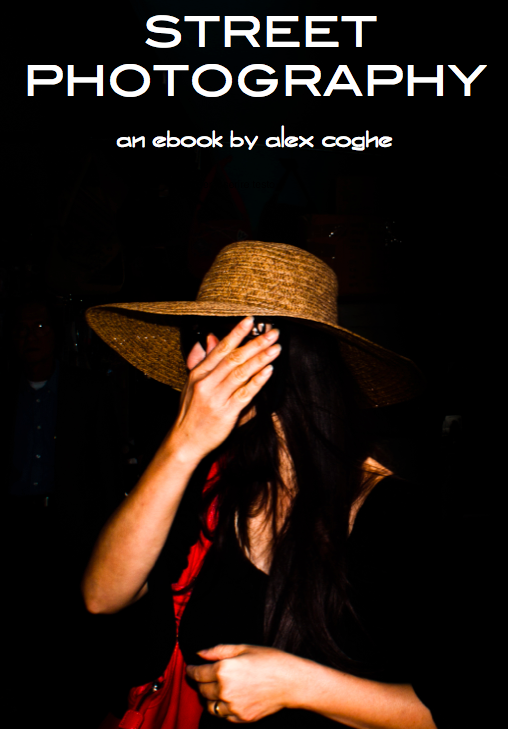
I am excited to announce that my good friend and Mexico City-based streettog Alex Coghe has recently published a free e-book on street photography. He goes over practical tips & techniques, philosophy, and general thoughts about street photography. It has a great wealth of information and inspiration – so make sure to check it out!
You can download a free copy on Scribd or directly here.
If you want more free e-books on street photography, make sure to check out Thomas Leuthard’s free ebooks on street photography as well.
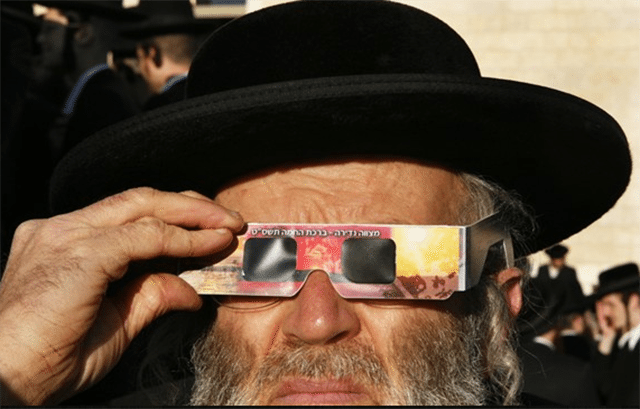
Eric’s Note: I am excited to present these images by photographer Gil Cohen Magen for his upcoming book: “Hassidic Courts“. The images are a great insiders look to the lives of ultra-Orthodox Jews in Israel, and shot with a great street photography aesthetic. Check them out and let us know what you think!Â
The award winning Israeli photographer Gil Cohen Magen has an exclusive and extensive collection of photographs about the inside life of ultra-Orthodox Jews in Israel. Gil  has been given exclusive access to observe and photograph the religious and cultural rites of these closed communities,ceremonies that have never been photographed before and have never been shown to the outside world.
Cohen Magen spent a decade preparing his book “Hassidic Courtsâ€. During this time, Cohen Magen obtained unprecedented access to these usually closed communities. He captured rare religious ceremonies and extraordinary moments in the lives of Hassidic Jews. (more…)
I have recently been working on a project in Beverly Hills that explores the following themes: wealth, disparity, happiness, image, and gloom. In my last POV video in Downtown LA many of you asked me to edit in the shots, and I did! Note that not every shot is fantastic- but wanted to include the shots as an educational tool to help you better understand how to approach, frame, and capture your subjects.
Below is the text pulled from my Yelp review of Steve’s Camera Service to fix my broken Leica M6.
—
So here is the story:
About 3 months ago, I inherited a Leica M6 from a good friend of mine. I had only shot digital (with a Leica M9) and shooting film was a huge blast. I took that baby through half of Asia (Tokyo, Seoul, Kuala Lumpur, Kota Kinabalu, etc).
Then about a week ago I was shooting with it in Downtown LA and suddenly at around 20 shots in- my film advance lever would get jammed. I was scared crapless- because I had to get it fixed ASAP (heading to Hong Kong in 3 days to teach a street photography workshop).
Anyways, I asked on Twitter about the broken M6 problem- and a bunch of guys referred me to Steve.
I am excited to announce that Bellamy Hunt (Japancamerahunter) and my protege Rinzi Ruiz will be teaching a street photography in Los Angeles March 10th-11th. The workshop will be a fantastic opportunity for beginners and intermediate photographers to learn more about the beautiful craft of street photography- including how to take photographs of strangers, composition, as well as shooting on the streets of the City of Angels!
The workshop will be hosted at the Hatakeyama Gallery in Downtown LA. If you are a Los Angeles native or have ever wanted to visit – it will be an amazing opportunity to shoot all the colorful districts of Downtown. This includes the colorful fashion district, the dazzling jewelry district, and the amazing light rays from Broadway.
Beautiful Downtown LA
Some topics that will be discussed in the workshop:
Beating your fear:Â How to get over the fear of shooting strangers. By learning simple techniques we will teach you how to overcome your fears and how to get into the mindset to go out shooting without being nervous.
Find your style:Â Everyones style is different and we want to encourage yours.
Be critical:Â Learn how to self edit your work and how to select the pieces that really define you.
Working for yourself:Â Learn how to develop projects that will help you define your style.
Shooting:Â What street photography workshop would be complete without actually hitting the streets and shooting?
The course will be $395 for the weekend. Places are limited, so sign up quickly before spots are sold out! Check out more details at:Â www.lastreetphotographyworkshop.com
I know it has been a while since I featured street photography from the community – but here is the last batch of great shots I have noticed on Facebook! If you would like to get one of your shots featured in the future, make sure to upload them to my Facebook fan page! (I prefer using Facebook because it is easier to sort/look through all the photographs).
Some tips to get included in the next post:
Don’t use watermarks on your photographs
Don’t over-process your photographs
Street portraits are great – but try to incorporate the subjects/backgrounds more
Get good lighting. Try not to include shots that have been shot mid-day
Crouch more. Get at least eye-to-eye level with your subjects
Think about balance and composition. Don’t have your subjects too center-focused
Don’t shoot people’s backs. Sometimes they work but typically they don’t
“Sharpness is a bourgeois concept†– Henri Cartier Bresson
In the modern age of photography, everyone seems to have an unhealthy obsession with how sharp lenses are, how much bokeh they produce, and how “3d†they can make their images appear.
Ignore these statements. Anyone who talks at excessive length about any of these topics are misled into thinking that what makes a great photograph are the effects that expensive lenses can give you.
Eric’s Note: Streettogs Gallery is an on-going feature and intiative by Manila-based street photographer A.G. De Mesa. Check out more info here.
A.G.: Street Photography is rarely about someone we know very well. The subjects are usually those who are unknown to us and more often than not, we will never encounter again. The only evidence of the existence of these characters is the photograph made during that brief encounter.
In George Smyth’s The Extras, he shows strangers he encounters his daily life. It is something so simple and what street photographers tend to do but what made his work unique is that he presented his work on Bromoil prints. Bromoil printing is an alternative process where the silver from a traditional darkroom print has been replaced with lithographic ink by hitting the print with an ink charged brush for thousands of times. Needless to say, it is a laborious and time consuming process.
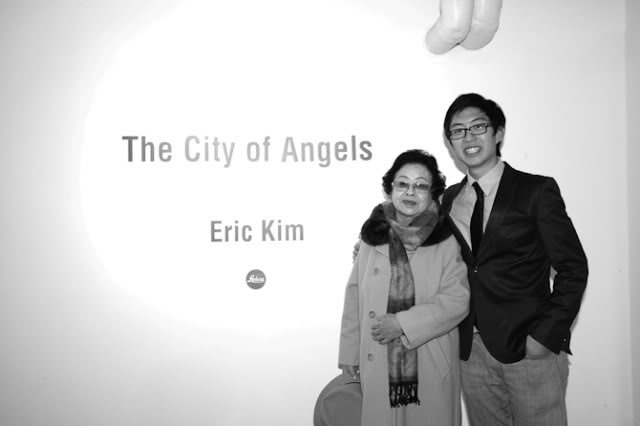
At the Leica store in Singapore for my "Proximity" Exhibition
Already missing the warm weather and awesome chicken rice in Singapore! Huge thanks to Adam Rahim for letting me stay at his place (and being my manager), Leonard Goh, Gracia Yap, and Sunil Kaul from Leica for hosting my workshop – as well as Invisible Photographer Asia for letting us use their gallery space. Let me not forget AikBengChia for being my guest speaker at the workshop as well!
Keep reading to check out all the snapshots of the workshop and exhibition!
Going to Korea was a trip to be remembered for me. Not only did I have the chance to teach my first street photography workshop (in my mother country) but also taught it in both English and Korean! Huge thanks goes to Josh White, Dani Kim, Jasmine Aum, Olivia Lee, Jinhwan Roh, Summer and the rest of the Leica Korea team.  I also had my first solo exhibition at the Illum Gallery at the Leica Store in Seoul.
Check out some snapshots from the workshop and exhibition below!
I recently read a critique on Severin Koller’s blog regarding the ethics of street photography and shooting street photography close, with a wide-angle, and a flash (similar to Bruce Gilden). He brings up issues that I think that all street photographers should consider when they think about why they shoot street photography and whether there is a “right or wrong†approach in street photography.
For this post, I will try to type out some of my personal thoughts on the topic at hand. There will be many flaws in my argument but please bear with me—I consider it more of a personal essay that will help me explicate my own thoughts. I will try to draw from street photography books, my personal experiences, as well as some pseudo-philosophy to back up any of my claims.
My ultimate claim is that there is no “right” or “wrong” way to shoot street photography (as there is an abundance of street photography styles out there). However when it comes to street photography, we should argue less about the aesthetics, styles, technique, and approach and —and concentrate on the question: “Why do we photograph?” It doesn’t matter if you use a wide-angle lens or a normal lens or if you use a flash or not. In the end the most important question remains: “Am I creating images that makes a statement on humanity, and will my images have the power to influence others to see differently?”
INTERESTED IN STREET PHOTOGRAPHY BUT SCARED OR DON’T KNOW WHERE TO BEGIN?
Have you ever walked on the streets and saw a moment that you wanted to capture, but you were too scared to take the photograph? Do you want to learn the best settings to use on your camera to capture the decisive moment on your camera? Do you want to meet other street photographers that are as equally passionate about street photography or interested in learning like you?
If you are an beginner or intermediate street photographer and want to conquer your fear of shooting in the streets or looking to improve your skills, this workshop is for you. Through this dynamic and hands-on 2-day workshop you will get to learn:
How to get over the fear of shooting street photography
How to shoot candid images without anybody noticing you
How to tell a story with your photos
The best technical settings to use in street photography
The secret of converting your photos into beautiful black and whites
How to react to people who get offended by street photography
How to capture “The Decisive Moment“
The laws of street photography
What techniques for taking great street photographs
The history of street photography
Read more for more information about this upcoming exciting street photography workshop in Kuala Lumpur!
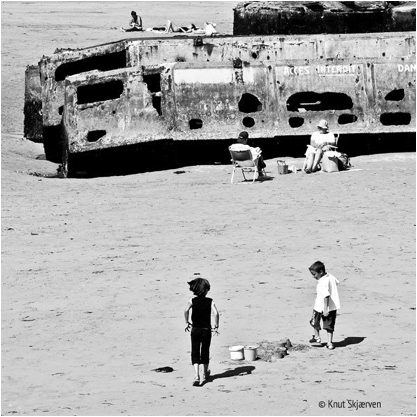
At The Beach (1) Shot in Normandy, France in 2006.  What goes through Henri Cartier-Bresson’s work is a certain lightness of life. It has to do with the subjects he picks, the way he handles them, and also with the print expression that he seems to insists on. Decisive moments and precise compositions, sure, but the lightness of life is the thread that carries it all.
Eric’s Note: I am pleased to feature Knut Skjærven to the blog today, a street photographer with a fantastic eye which I see mirrors many of the aesthetics of Henri Cartier-Bresson. The interview is quite long, but very informative. Keep reading!Â
Knut: First of all, Eric, thank you for asking me for this interview.  I am flattered that you suggest that there is a certain inspiration, and maybe even a likeness, in some of my pictures to those of Henri Cartier-Bresson. You said: “I love how your images convey a similar aesthetic to Henri Cartier-Bressonâ€.
That is a great, great compliment. I am not sure that I deserve it. I know I don’t. After all, it is not that long ago that I started taking photography seriously.
Sure, I have been taking pictures for many years, but it never occurred to me that I perhaps should spend more time with it. It was not till 2010 that I decided to start a proper photographic project. That project is still running. That brought about a change.
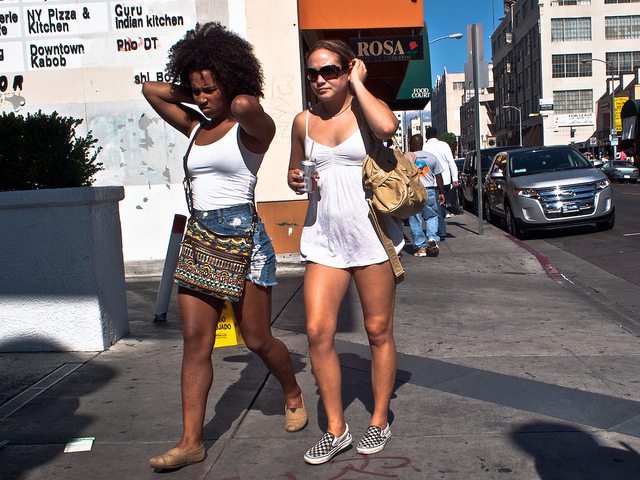
This is the tenth Instruction for the Year 2 of the Street Photography Now Project, written to inspire fresh ways of looking at and documenting the world we all live in. Photographs you contribute should be new work made in response to the Instruction.
The group will open on Friday 03.02.12 at 10.00 GMT. You have until 10.00 GMT on 17.02.12 to upload one photograph in response to this instruction.
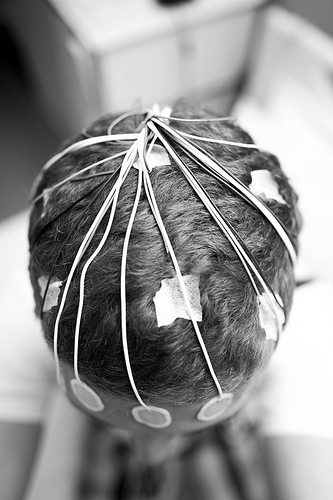
Ollie: Let me start this with an apology. I haven’t had time this week to produce a nice in-depth interview or to find something or someone to write massively about, (the reason is stated below) so as much as I dislike talking and promoting my own work, this week I haven’t really got a choice.
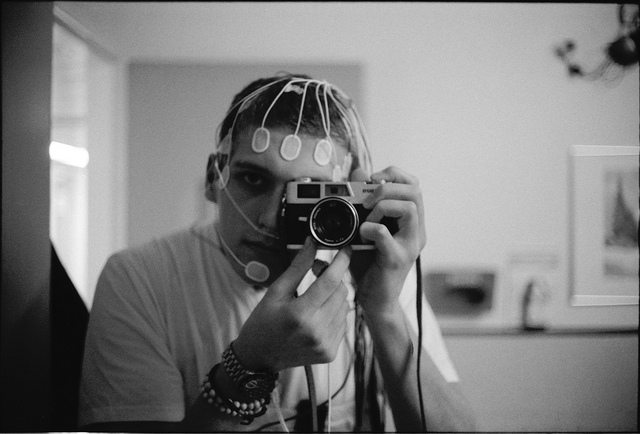
So, as a lot of you will have known from observing my Twitter and Google+ accounts, I have recently spent a night in hospital whilst undergoing tests for a sleeping disorder. It was nothing major, just an uncomfortable night of being hooked up to a computer that monitors my brain activity. I decided to make use of this situation and bring a few cameras with me to enable me to produce some work.
Eric’s Note: This guest blog post is by Alex Coghe, a passionate street photographer from Mexico City. I had the great pleasure of meeting Alex in Los Angeles for the ThinkTank Gallery “YOU ARE HERE” street photography event sponsored by Leica. See this post why he loves street photography, and see how it echoes with you too!Â
Alex: Street Photography for me is all about the photography. There are so many genres of art, but street photography is the most powerful to me.
Street photography is one of the biggest passions in my life. My mind is always on street photography. I spend a large amount of time either shooting on the streets, blogging about street photography, networking with street photography, and thinking about street photography.
Eric’s Note: I am pleased to announce the great concept of the “Streettogs Gallery” — a concept by A.g. De Mesa, a passionate street photographer from Manila in the Philippines.  Hopefully his idea can help bring more great photo series, documentary series, and photo essays!Â
So what is this about?
A.g.: Stemming from Eric’s piece on making a series, Streettogs Gallery is a column appearing every Wednesday wherein I will showcase street photography based photo series, documentary projects, and photography essays together with my thoughts on the stories and the artist which could hopefully contribute to the aesthetic and knowledge of you, the readers.
I also hope to encourage a healthy discussion and show our opinions about the work presented and to judge it not whether if it is good or bad technically (an area in which Ollie’s CritiqueMe series is all about) but rather if it contributes to the art form that is street photography and to push it further.
Read more to see how you can get your work featured here!
Just out shooting the streets of the fashion district in Downtown LA with my film Leica M6 and recorded with a  GoPro HD Hero 960 mounted on top of my hotshoe.
Today I turn 24, and by chance it also happens to be around the 6-month mark since I last got laid off my previous job and decided to pursue street photography full-time. I thought it might be a good opportunity for me to thank you guys personally for all your support and faith, and take a moment to reflect. Please watch the video above where I talk a bit about my fortunes, misfortunes, and the amazing journey I have been blessed with.
People I would like to especially thank in no particular order (sorry if I forgot to include your name!):
Loryne Atoui
Thomas Leuthard
Charlie Kirk
Bellamy Hunt
Damien Rayuela
Jason Gritjas
Adam Marelli
Souvik De
Jason Martini
Todd Hatakeyama
My mom!
Cindy Nguyen
JJ Viau
Christian Erhardt
Adam Rahim
Jasime Aum
Tom Britcha
Jacob Patterson
Neil Ta
Kaushal Parikh
Ryan Ong
Alfie Goodrich
Danny Santos
Dav Cheng
Rinzi Ruiz
Ryan Cabal
ABC
Kevin WY Lee
Ivan Wong
Leonard Goh
Chris Gampat
Josh White
Dani Kim
David Kim
Mijonju
Angelo De Mesa
My sister (Anna Kim)
Olivia Lee
Jinhwan Roh
Luke Ding
Holly Pyon
Brian Reilly
Francoise Callier
And to all of you!
Wish me a happy birthday with film!
If you have gotten something meaningful out of this blog or I have helped you on your personal street photography journey, please wish me a happy birthday and consider getting me some film to work on my future projects! I would love some Portra and some Tri-X!
Eric’s Note: I am pleased to have street photographer Kramer O’Neill share in this guest blog post his experiences about self-publishing two of his books. It is an incredibly difficult process–check out what he learned through the process in the post below!
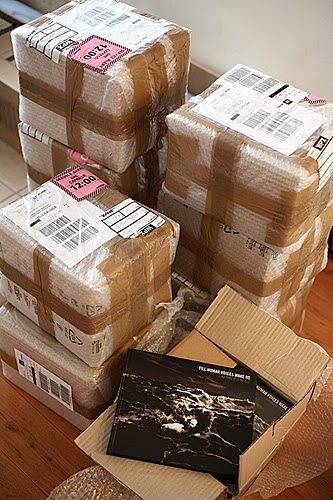
Kramer: In 2011, I designed, printed, and distributed two photo books: Pictures of People and Things 1, an A5-sized paperback, and Till Human Voices Wake Us, a large-format hardcover. The two books are quite different: Pictures of People and Things is an associatively-edited, diverse collection of photos that work as two-page diptychs, while Till Human Voicesis a narrowly-focused, abstract, semi-narrative aquatic series in the street photography tradition, about swimming and the dark pull of the ocean. In both cases, though, I had no idea what I was getting into. In the interest of spreading some knowledge to other would-be self-publishers, here are a few things I learned.
Kip Praslowicz, a very active street photographer in the community, recently got filmed by PBS on his street photography and portraiture work. Check out the video to find out more about Kip’s approach and thoughts behind street photography and portraiture (and his love for medium-format and large-format film).
Eric’s Note: This article is by Trevor Marczylo, a street photographer based out of Winnipeg. He is actually heading out to Korea soon, so after reading this article, make sure to wish him a safe trip!
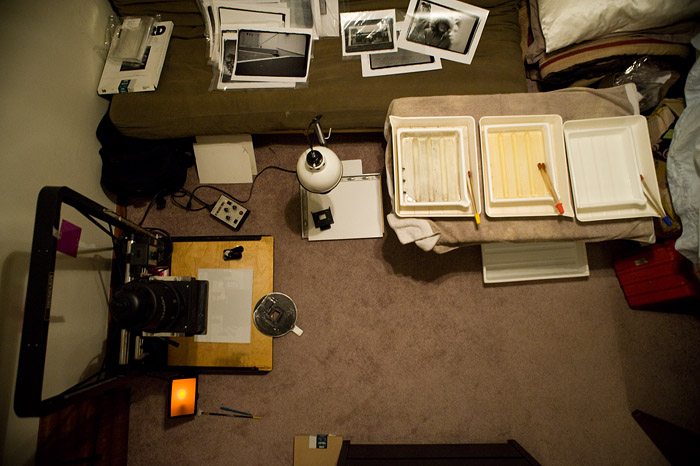
Trevor: The other night I stayed up until 5am printing. I was working on this one shot that took me about 4 tries to get right; burn here, dodge there. I couldn’t stop till I had just the right print. In this digital age where I could achieve what I want on my Mac in just 5 minutes, why should street photographers continue to print black and white in the darkroom? Read more and find out!
Eric’s Note: CritiqueMe is an on-going street photography critique series by Ollie Gapper, a street photographer based in the UK.Â
Ollie: For this weeks CritiqueMe I chose to comb through the work of prolific Tweeter, Gustavo Mondragon. I was sucked into the portrayla of life Mondragon presents from his hometown of Mexico City. I always find it interesting to see, not only different lifestyles, but those lifestyles presented by someone who actually lives them.
Something I have becoming more focused on is working on street photography projects. Street photography projects are important because they help you stay focused when shooting, and help you make more of a statement with a collection of images (rather than just individual images). If you have never started your own street photography project (or want some inspiration), keep reading to learn how you can start your own street photography project!
In this post I’m honoured to have the privilege to present an interview with one of the original members of In-Public and practicing street photographer, David Gibson. David’s work is among the strongest I’ve seen from a practicing contemporary street photographer, and has inspired me to refine my eye even more, to try and make images as graphically enthralling as his.
Are you an avid street photographer seeking to develop your own unique photographic vision and stand out from the crowd?
To this day, there are countless street photographers pounding the pavement and shooting anything that moves with their cameras and smartphones. How does one stand out from the crowd? How does one build a strong, unique look to their photos to make them memorable and worthwhile to look at? How does one get photos worthy of gallery exhibitions and photobooks?
To find out, join me at my intensive intermediate street photography workshop to be held in Downtown LA from February 3rd to the 5thin association with the Hatakeyama Gallery.Â
I consider myself first a sociologist, then a photographer. If anything, being a street photographer allows me to synthesize these two loves. On top of that, I am a lover of knowledge, theory, experimentation, as well as teaching. Fortunately being able to teach street photography for a living makes my life fulfilled.
I am currently reading an essay by Howard Becker (a famous sociologist) who also happened to be interested in art worlds (and especially photography). He is the author in which most of the sociological backbone of my upcoming UC Riverside Online course is coming from when teaching some of the theory behind street photography.
Eric’s Note: This is part of an on-going critique series called “CritiqueMe” by Ollie Gapper. Enjoy the feature below!Â
Ollie Gapper: Well I’d like to first off say thank you to everyone who took the time to enter for the first installment of CritiqueMe, I’ve had the great pleasure of looking at some truly fantastic work. I’d also like to congratulate Nicolas Hermann for being selected! The reason I chose Nicolas for the first installment of CritiqueMe is that I wanted to be really challenged for finding points for improvement (not that some of the work you guys turned in wouldn’t do the same) as the ones I would find will inevitably help a lot more of you.
Recently when I went to Tokyo, I had a ton of fun shooting in the streets with Charlie Kirk and Bellamy Hunt—both who shoot film. I never really understood the rationale why people shot with film. To me at the time, it seemed like a burden. First of all, you had to buy the film. Secondly, after you took the photos you couldn’t see them instantly. And lastly, it was expensive to develop it (and even more money to scan). For these three reasons, I was mostly put off by film. Although I did shoot a bit with my Contax IIIa film rangefinder and did enjoy it—at the end of the day I preferred my digital camera.
Nevertheless, I was intrigued with film once I came to Tokyo. In Tokyo, the analog culture is strong. There are tons of used film camera shops, and tons of other places where you can buy film as well. Not only that, but there are many photographers who shoot film who support one another as well and have their own communities. I had no idea how much influence the analog culture would have on me when I was in Tokyo.
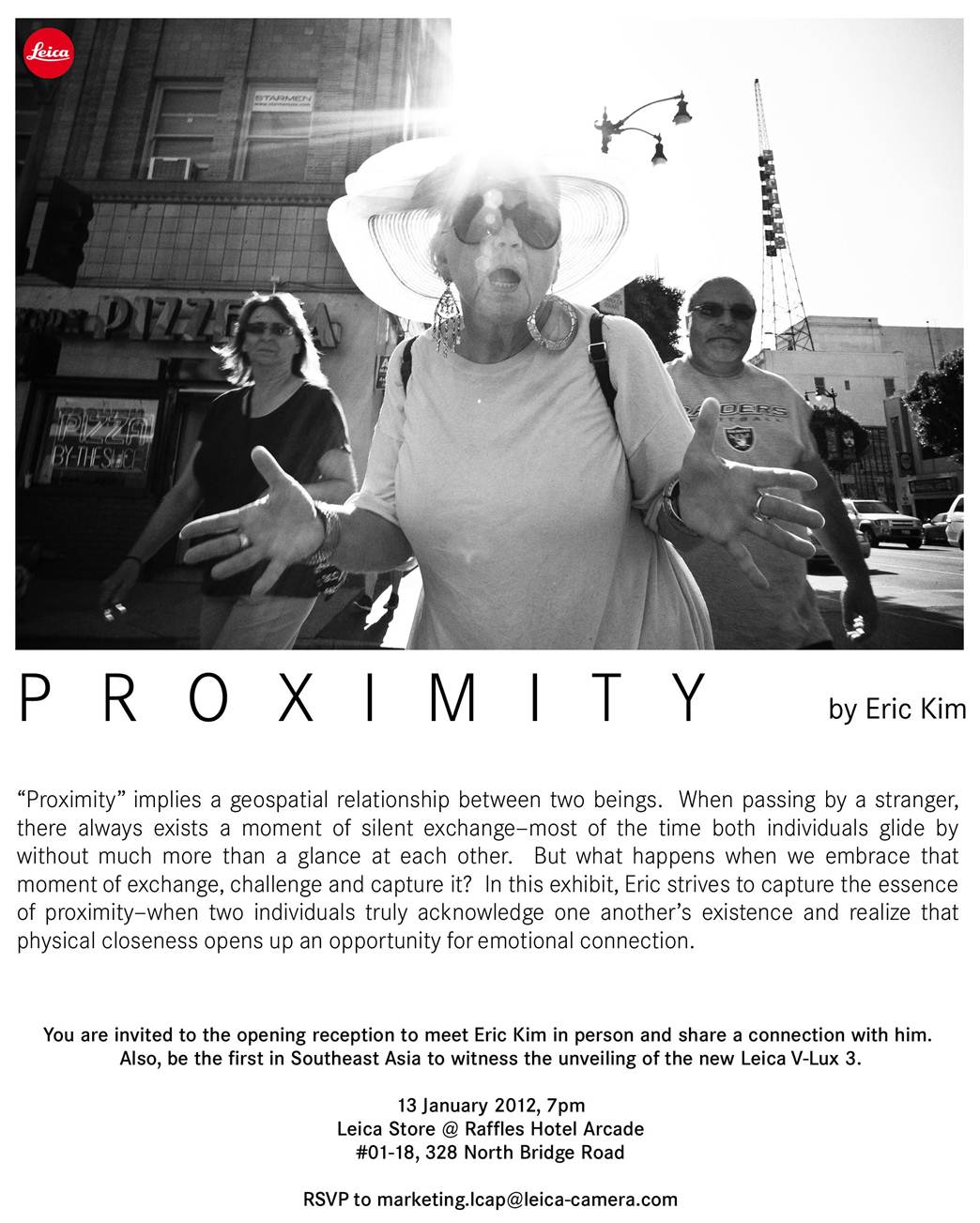
I am excited to announce that I am having a street photography exhibition at the Leica Singapore store this upcoming Jan 13th at 7:00pm of some of my best photos from all around the world. If you are in the area, please feel free to stop by!
Also I will be hosting an Advanced Street Photography Workshop in partnership with Leica Camera Asia Pacific on January 14-15th as well. The workshop will be focused on making your own street photography projects. Click the link below for more info!
Mike Peters from his collection "Pursuit of Happiness"
In this article I was fortunate enough to be able to conduct an interview through email with NY-based photographer Mike Peters. His style of street portraiture is one that has been attempted many times by many names, but never quite to the extent or success of Mike’s work. He is consistent and his work flows well together, but he is not held down by his style and does not limit himself in what he creates. I hope you guys enjoy his work and words as much as I have, and that you may find some inspiration in this article that will help guide and refine your work, I know I certainly have.
One of the books that has profoundly changed my understanding of the world is “The Black Swan†by Nassim Taleb. His thesis is that much of what happens in the world is by pure luck and randomness. He uses The analogy of the “black swan†is that scientists for hundreds of years assumed that because only because white swans were seen, no black swans existed. However the day that a black swan was discovered, their understanding of swans changed dramatically.
In life there are two types of black swans: positiv black swans that bring us fortune, and negative black swans that bring us misfortune.
Recently every book I have been reading (whether it be a finance book, an economics book, a sociology book, or philosophy book) I have been able to always link it back to street photography.
Eric’s Note: I am pleased to announce Trevor Marczylo, a street photographer eating, living, and surviving in Winnipeg, Manitoba as a new weekly contributor to the blog! He is a full-time photographer, making a living selling prints that he takes on a daily basis. Make sure to check out his last feature on my blog with his photos here. Also keep posted for his Friday features!Â
I think a “subjective street photograph” contains the attitude of photographer.
The pure photographic image without thinking of any composition but only capturing the moment of a situation with limited time to only think or react and relay on his/her trained eye and how they view/see through their own camera in a moment.
That being said… It all comes down to the street photograph and how that photograph was taken. I’ll try my best to explain myself and using a few of my photos in this article.
I am excited to announce I will be teaching my first university-level course on street photography at the UC Riverside Extension program! The course will be an online/offline hybrid class- with the majority of the coursework being online, with street photography outings, exhibition outings, as well as a final student exhibition in-person.
Jan. 16 – Mar. 23 (Two field trips to be arranged.)
Preregistration:
Requested by January 13th
Location:
Online
Textbook:
“Looking at Photographs: 100 Pictures from the Collection of The Museum of Modern Art,” John Szarkowski ISBN: 0870705156 Buy Online
Credit:
3 units
Fees:
$375
Course Description
Have you ever seen somebody on the streets and had the irresistible urge to take a photo of them? Whether it was their face, the shadow they cast, or the background they were standing in front of. In this introductory course, you learn how to: capture the beauty in the mundane of everyday life and “decisive moments,” shoot candid photos of strangers up-close and personal, study street photography in a sociological context, use the camera to explore society.
Develop your eye for street photography by studying the masters such as Henri Cartier-Bresson, Robert Frank, Garry Winogrand, and others. The class is a hybrid of an online and offline course. Utilize online tools to study the work of the masters and create an online community where you critique & comment on one another’s images.
The offline aspect will go on field trips to photography museums/galleries, to go out and shoot with one another, and have a final exhibition of all the student work.
Sign up before it’s too late–and let me know if you have any questions by leaving a comment below! Â
Eric’s Note: When I visited Tokyo recently to teach my street photography workshop, I had the great pleasure of meeting Ade Ogunsanya akaÂ
Street Portraitist through my good friends Charlie Kirk and Bellamy Hunt. Check out his project — shooting portraits of strangers on the streets of Tokyo, focusing both on the people and juxtaposing them against their environments. Definitely a great project to check out!Â
The aim of this project is to connect with new people, find out a bit about them and try to take a nice picture of them in the short time I spend with them. Quite a few of the people I take photos of end up contacting me after and we end up becoming friends on social media and I have given prints to a few others. All of these images are taken using a Pentax67 medium format camera with 105mm or 165mm lenses. The main motivation for shooting MF is the extra care you have to take knowing you need to nail every shot.
Eric’s Note: This is article is part of an on-going weekly column by Japancamerahunter (Bellamy Hunt) where he talks about vintage cameras, film, and street photography. You can check out his part articles here or if you need to get hooked up with a lens or camera, contact him here!Â
Well well, good old Uncle Eric has asked me to write another article for you. This time on the joys of shooting street with a compact camera. Eric and many of us spend a lot of time shooting with rangefinders and DSLR’s, but I think it important for people to realize that there are other ways to shoot street. The compact camera is one of these ways (medium format is another, but that is a whole different barrel of fish and something I may talk about another time).
So, why shoot a compact camera for street? Well, there are several reasons, but let me start with the most obvious…
I just finished reading “The Black Swan†by Nassim Nicholas Taleb, where he discusses many misconceptions and fallacies that we face as humans. He talks from a scientific-philosophical viewpoint, and has many fascinating insights.
One of them was about knowledge—and that it isn’t necessarily additive—rather something subtractive. For example, a good stock-broker won’t tell you what to do, but rather what not to do.
Therefore for this blog post I will share some of my insights and experiences in street photography in terms of what not to do. Hopefully this will help you get more compelling images when out on the streets!