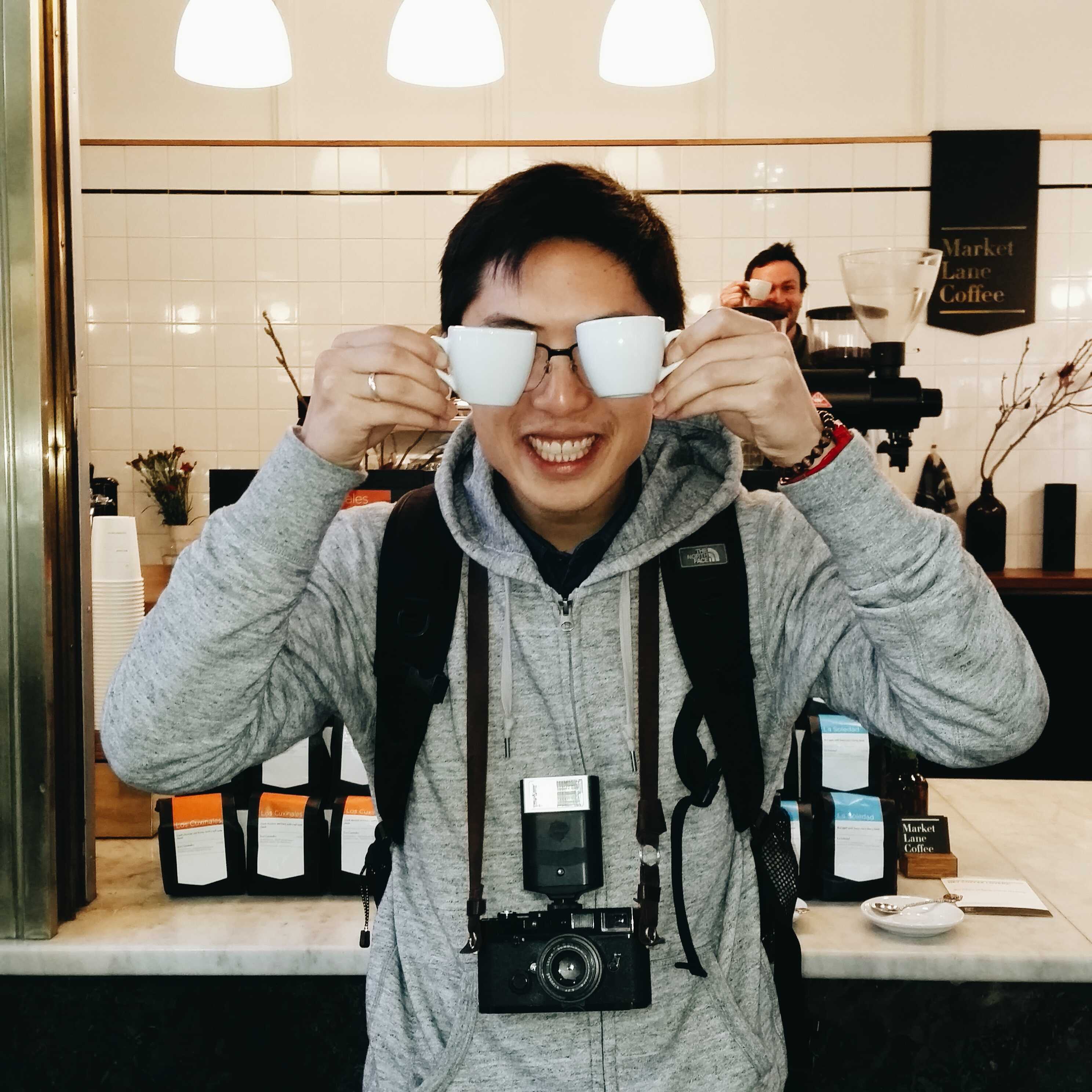
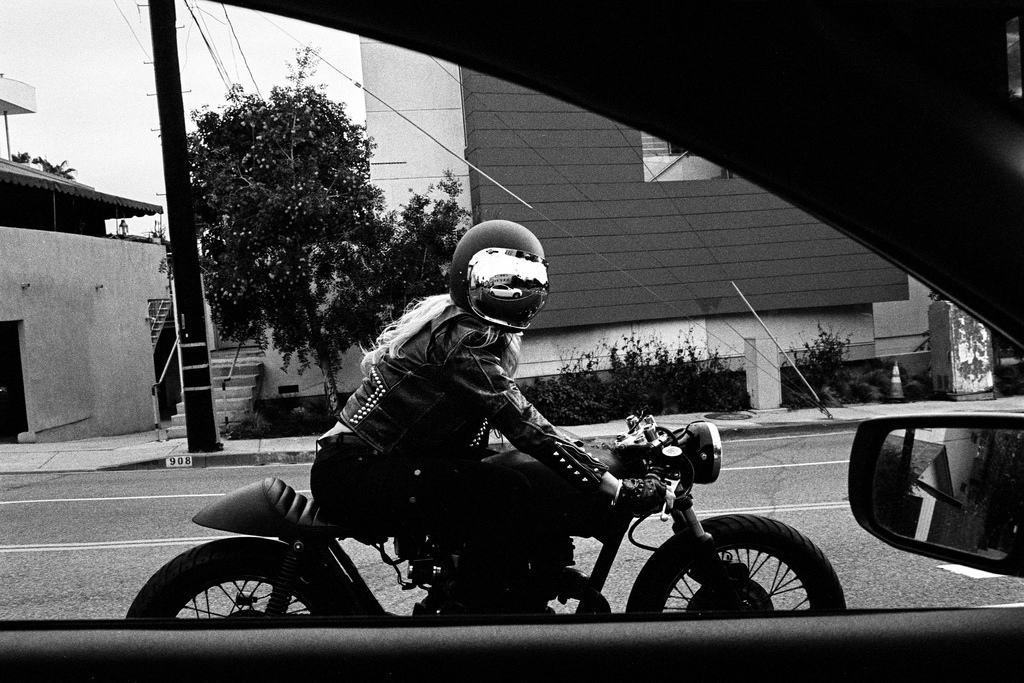
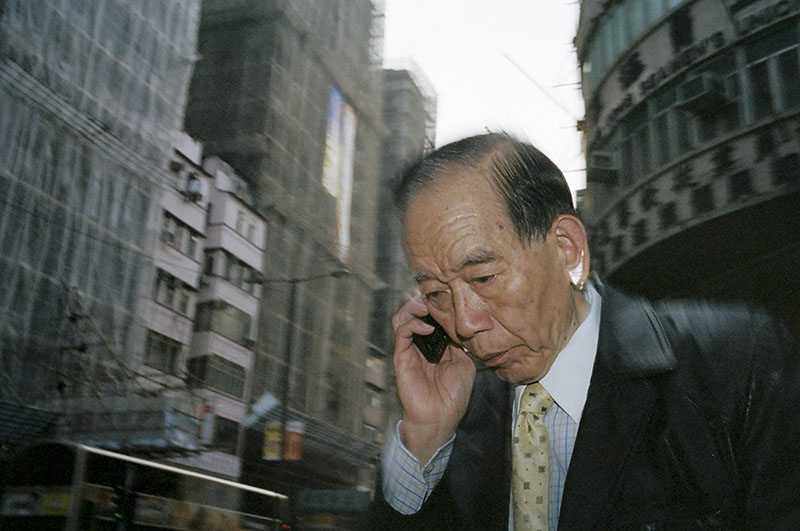
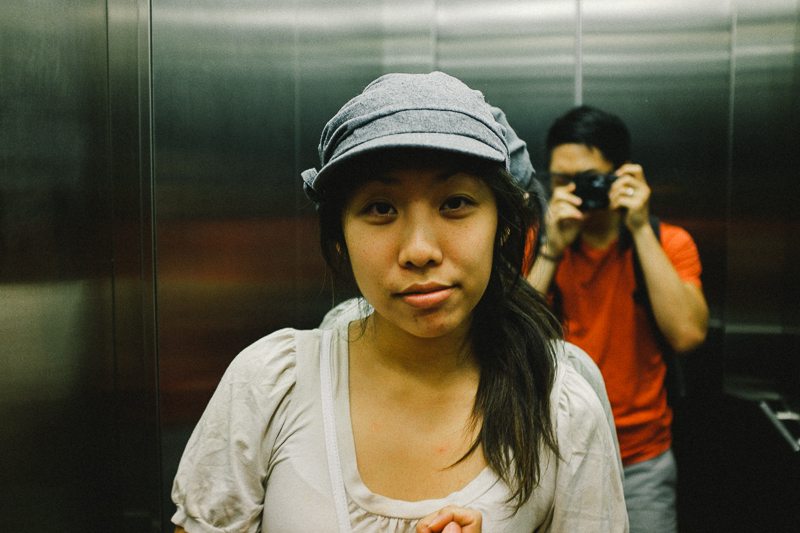
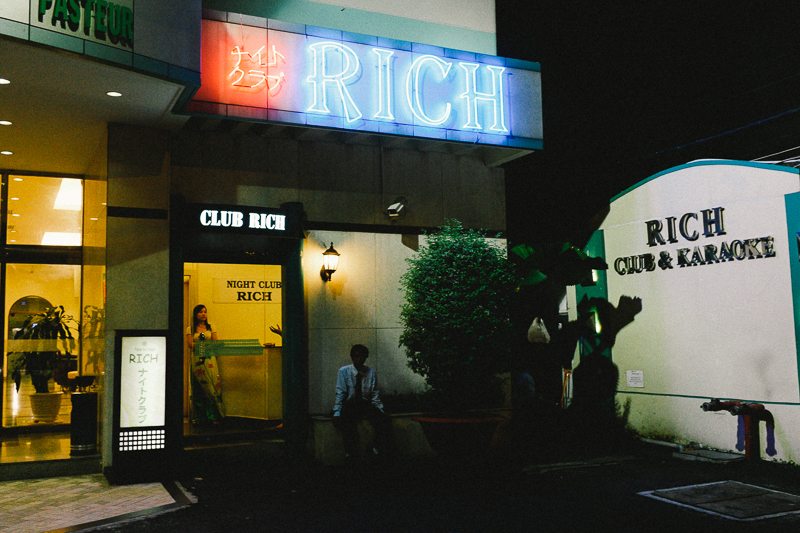
Hohoho, Merry (upcoming) holidays streettogs. If you weren’t sure what to ask for the holidays this year, I have compiled this list of street photography books to ask Santa (or your friends, family, significant other) for. Read more to see my full list of recommended books below!
In “The War of Artâ€, the author Stephen Pressfield talks about “The Resistance†— and how it is the biggest obstacle to all of our artistic pursuits and endeavors.
We can encounter “The Resistance†in many ways in our life. We encounter it when we want to start our own business (and we have thoughts of self doubt), we encounter it when we want to start exercising more (but the resistance keeps us from leaving our house), and we encounter it when we want to go out to social functions (we are nervous of meeting new people, and would prefer to stay at home).
As this article is very long, I recommend reading this by saving it to Pocket or Instapaper. All photos in this article are copyrighted by Henri Cartier Bresson / Magnum Photos.Â
I recently picked up a copy of “The Mind’s Eye†– which is a great compilation of thoughts and philosophies Henri Cartier-Bresson wrote. Aperture published this great volume (as they are an amazing non-profit dedicated to promoting photography, education, and great ideas).
Ever since I have been back home, I have been dedicating more of my energy, attention, and focus to great photography books – and trying to distill the information. I’ve learned all of these great lessons personally– and I want to share that information with you.
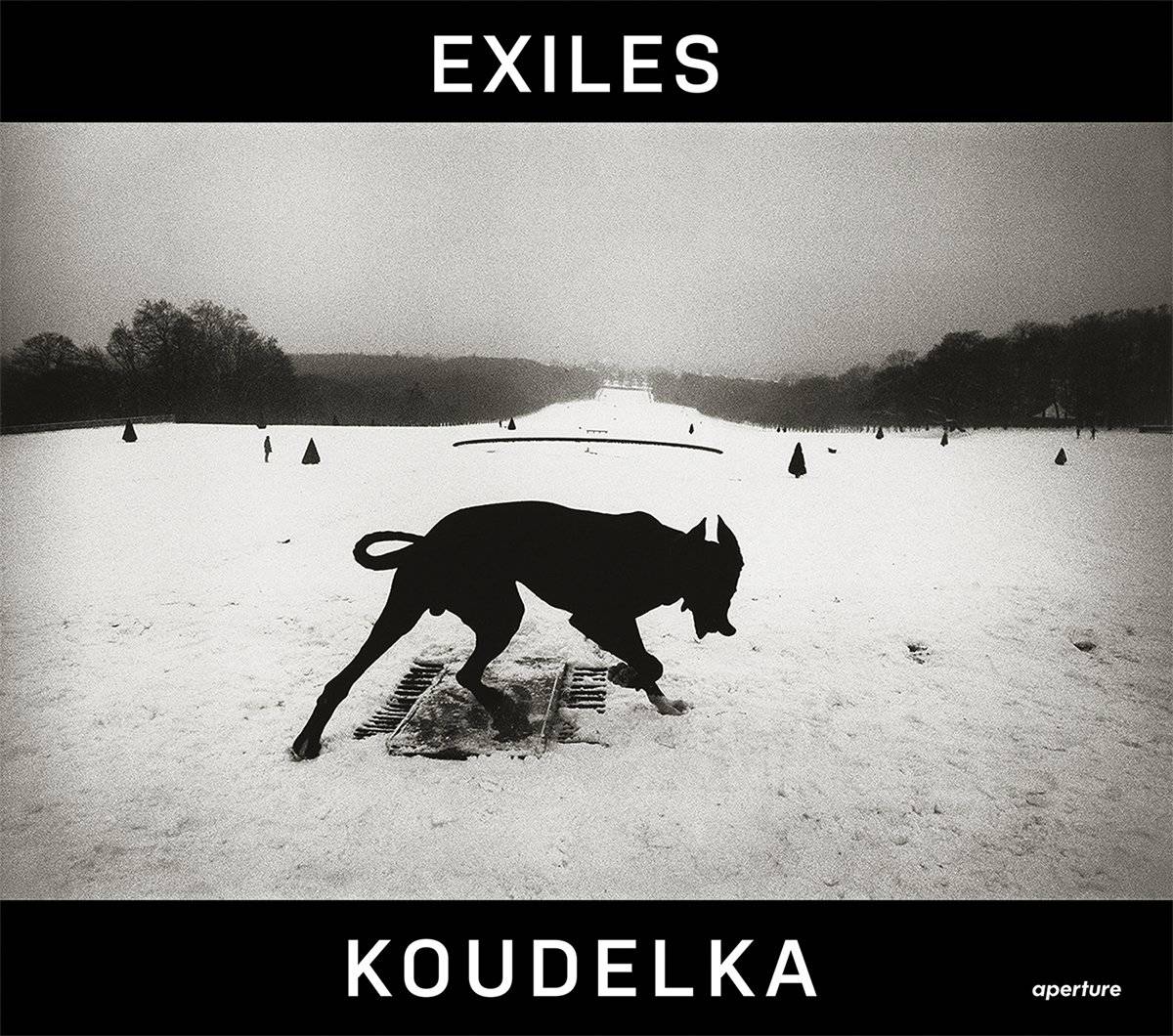
“Exiles” by Josef Koudelka is one of the must-buy books of this year. Previously (before this re-print by aperture) the book would sell second-hand for around $300. I personally couldn’t afford a copy — and when I heard this edition (the last and final) was coming out, I jumped on it like a fat kid on cupcakes.
Before writing this book review, I re-read the book several times, read a lot of interviews by Josef Koudelka– and reflected on the book (and the life and photography of Koudelka).
Now on it’s 10th year, the Angkor Photo Festival has always been a great showcase of photography in the Asian region. This year, they keep doing what they do best by giving everyone the best photography in Asia has to offer. If you have nothing to do on Nov. 29 to Dec. 6, I suggest you head on to Siem Reap and feast your eyes on what the festival has to offer. Everything is open to the public and free of charge.
Josef Koudelka is one of my favorite photographers of all-time. I love how he has been able to craft his life around photographing only what he wanted to photograph, how he is able to capture emotional and empathetic images (especially in his “Gypsies†project), his ability to continue to re-invent his photography (switching from 35mm to panoramic), and his absolute dedication to his craft.
At Gulf Photo Plus, as a part of the “Street Photography Series” in November in Dubai, I gave a free talk on street photography yesterday (11/24/2014). The title of my presentation was: “10 Lessons Street Photography Has Taught Me About Life” in which I share some of my personal philosophies about street photography (and life).
Tonight at 7:00pm at Gulf Photo Plus is the opening exhibition for “STREET.” — an international street photography exhibition curated by me and the team at GPP. If you’re free, come join us! :)
The streettogs academy page is growing and bustling as we continue with our 6th assignment. To those who joined and have been there since the 1st assignment, thank you all! Our editor’s choice for Assignment No. 5, Enamul Kabir Rony got a simple theme for us today. It is straight forward but there are many possible interpretations:
There is no better time in history to be a self-published photographer. There are so many great options out there— like Blurb (print on demand), and even getting books printed in China (it seems most publishers are printing overseas, which is much more affordable, with great quality).
In the past, there have always been lots of “gatekeepers†— people who prevented you from achieving your dreams. These gatekeepers are the editors, publishers, and media moguls who control the stream of information. They had all the power whether your work would be shown or not as an artist.
Now with social media (and modern technology), the tables have flipped. As photographers, we no longer have excuses for not publishing a strong body of work, due to financial constraints or outside forces. What matters the most now is the quality of our work (and effective marketing to get the word out).
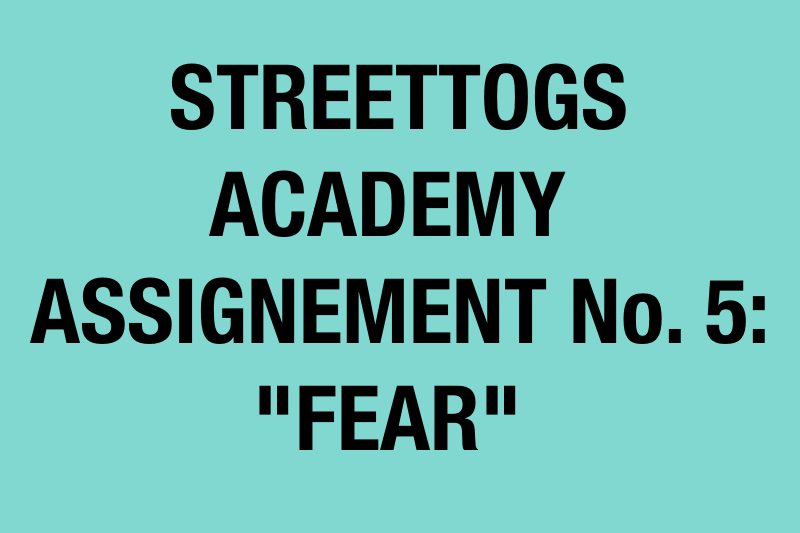
Our assignment no. 5 themed “Fear” came at an excellent timing. The Halloween period was ripe with opportunities on how to show our theme and it manifested well with the entries for this assignment. Excellent choice for an assignment from Assignment No. 4 winner, Florin Ghebosu.
I put a twist on how I present the selections for this assignment by identifying what type of fear is being shown or manifested on the images selected which may or may not be correct but hey my mistakes shouldn’t take away from the good images for this assignment. I think it would be fun so let’s check it out!
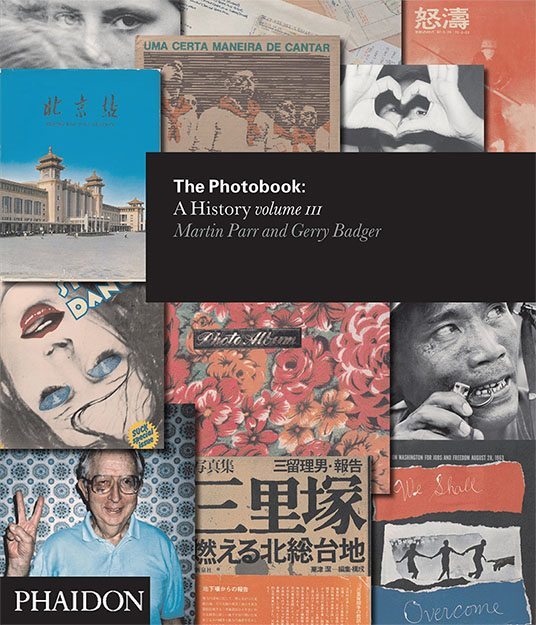
Alongside “The Photobook: A History Volume III†by Martin Parr and Gerry Badger it is the best resource for photobook making, the philosophies of editing and sequencing, the importance of collaboration, explaining the working methods of certain photographers, their philosophies, and advice and thoughts on publishing via the printed medium (and on social media).
It is a beautifully put-together book, with tons of great “behind-the-scenes†materials, via photocopies of the photographers’ actual “sketchbooksâ€, contact sheets, and personal notes. I highly recommend everyone to pick up the actual book — and use it as a great reference when putting together your own book or body of work.
I personally learned a lot from the book, and I wanted to share some of the personal lessons I’ve learned from ingesting this beautiful tome of information:
(A.g.’s notes: Out of the 4 Assignments we have finished over at Streettogs Academy group, Arnold Despi got into the Honorable Mentions list 3 times. He is a very active photographer always shooting and always looking for suggestions on how to improve from other folks. I decided to talk to him to get some feedback on how he keep things consistent, his style, and the things he enjoys most with street photography. I hope you all enjoy! Photos by Arnold Despi)
Here at the Photographer’s Gallery in London, I recently picked up “The Photobook: A History Volume III†by Martin Parr and Gerry Badger. I’d heard about the book before (the previous 2 volumes) but never had the chance to actually sit down, crack one open, and analyze it.
I am teaching a two-day crash-course in street photography in Stockholm the next two days, and here is the presentation I am giving to my class. It is a collection of images from great Magnum and contemporary photographers (as well as some of my own work) in terms of capturing emotions on the streets, as well as how to interact with strangers. In each photograph, I ask each student: what makes the photograph memorable, great, and how does it capture emotion?
At the end of the presentation, I also share some of my contact sheets which I hope is a good educational behind-the-scenes look/tool.
Feel free to download, share, and distribute for any educational purposes.
(A.g.’s note: I asked some of the folks over at Streettogs Academy what part of their street photography they want to improve on. One of the many things that popped up was people are still shy going out to shoot or finding interesting places to shoot in. Hopefully this article gives you new ideas on where to shoot)
The best way to become good at something is if it becomes second nature. You have to constantly build habits and the right attitudes so you can turn something on and be in the zone when you need to. That principle applies to street photography.
If you are still uncomfortable venturing out in the streets, here are some places that can be a great venue to take street photographs without the fear of being hollered upon or confronted so you can concentrate on practicing and making images and not be wary of other things.
I recently read a quote that went something like this: “If everyone knew how much suffering there was in the world, and how much pain, anxiety, and sadness that their enemies had (and also knew how much love they had in their lives), the world would be a much better place.â€
Pretty much the concept was this: we are often suspicious, jealous, envious, and hateful of others. However if we realized that those we hated the most also went through pain and suffering in their lives, and also had joy, hope, and love in their lives— we would treat them with much more empathy, kindness, and love.
I currently wrote an article titled: “Advice for Aspiring Full-Time Photographers†which had a lot of interest. I have also been connecting a lot of young photographers lately (high school and college students)— and wanted to focus on doing more blogging which aimed at the younger photography population. Of course this doesn’t just have to be age— it can also be based on experience. So if you consider yourself as a young photographer (age-wise), experience-wise, or want some insights about the economics of being a full-time photographer, this article might be of some insight to you.
The recently concluded Assignment No. 4 yielded a lot of great and creative executions which you can view again here. Thanks again to everyone who joined and to Bertrand Domas who gave us that assignment. Moving on, it’s Editor’s choice Florin Ghebosu‘s turn to give us our assignment for the coming weeks! It is something very timely that fits on the spooks and spoils that occur during the end of October:
Recently I gave a short 2-hour presentation on street photography at one of the photography clubs at UC Berkeley. It was great being surrounded by students again– with all of the energy, enthusiasm, and passion that college kids have.
Some of the students asked me how I went from college to surviving off photography full-time as a living. I gave some of my personal experiences– and I had the realization: perhaps this was information that may be useful to other college students (who want to make photography their living), or anyone out there with a day-job who wants to make photography their living:
I invited my parents to go to a photo walk with me
I’m sure that at one point in our lives as photographers shooting the streets, there was a time that we get asked to explain what street photography is. When I was starting out, I had no concrete idea what street photography is, let alone explaining to my family and friends. So here’s a simple list that could hopefully help you  in telling friends and family about our artform.
Steidl has recently re-published “Minutes to Midnight†— and it has been a massive hit. It is hard to find copies that aren’t sold out, you can currently get some more pre-orders on Amazon.
For the Steidl re-print, there has been a slight change to some of the images, formatting, and printing (all in a positive way). I currently have my copy of “Minutes to Midnight†in my street photography library— and it is one of the most precious black and white books I own.
I wanted to write this article sharing my thoughts on the book, why I think it is a great body of work, and I hope you find this article useful.
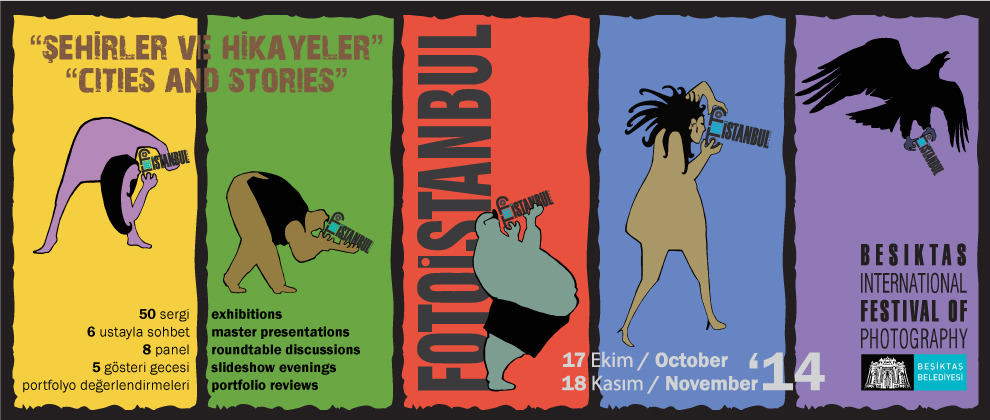
Welcome to a new era of the photography festival in Turkey. We are bridging the gap between east and west, classic and modern, master and student, making Istanbul the regional hub of the international photography scene for years to come with FotoIstanbul.
A.g.’s Note: Here we have another guest post from Sven Kraeuter. He previously shared to us a story of his interesting encounter while shooting medium format film. He’s back sharing his experience during a workshop with Alex Webb and Rebecca Webb. Enjoy! Words and Photographs by Sven Kraeuter.
Sven: Stockholm, Sweden, early summer 2014. I’m in a meeting room named “Daido Moriyama” and getting a little tense. I’m about to present some prints on a table to somebody who’s name could be on the door plate as well. Perhaps there’s another room here named after Alex Webb, too?
When I read the e-mail that confirmed I would be going to participate in one of Fotografiska’s “Masters Of Photography” workshops with the legendary Magnum photographer I couldn’t quite believe it. Now I’m here with about fifteen other photographers who prepared thirty prints to present in order to get n overview of their bodies of work. Quite amazing sets so far, a talented group presenting a broad variety of different styles ranging from personal documentary over street photography to still life.
I’m next, having different sets ready: my portfolio as well as experiments that are spreading over the table side by side. When four prints get picked that are actually part of my portfolio edit I’m quite relieved already. When Alex and his creative partner and wife Rebecca have some kind words for my playfull approach in general and two prints in particular, I am stoked. I know that kindness and hospitality play a role – probably a major one – in these sweet sentences, but I decide: I am going to produce at least one more good image during this workshop.
You can see the original article I wrote on David Alan Harvey here.
I just finished a week-long workshop with David Alan Harvey as a part of the Provincetown Magnum Days event. I have already written an article on the lessons I’ve learned from David Alan Harvey– but wanted to use this opportunity to further expand on what I’ve learned from him, and also add some new things I’ve learned. Here I go!
Recently I had the great pleasure of being accepted as a scholarship student (under 30) for the Magnum workshop in Provincetown, Massachusetts with David Alan Harvey. Unfortunately David got stuck in Paris en route, so the first two days I spent with Costa Manos. And I’m glad I did, I learned so much from his decades of experience (he has been in Magnum for over 50 years).
So based on my two days with him, I wanted to distill some wisdom he shared during the workshop. Here I go:
Thank you to all the street photographers who are keeping our Streettogs Academy Facebook page a very nice and active community. Thank you for all of your participation and to Jomel “Dada Bear” Bartolome for our previous assignment. Our Assignment no. 3 editor’s choice, Bertrand Domas came up with a nice assignment for us. It was inspired by one of his favorite photographers. To pull it off, you need to have mastery of one of the basic types of light a street photographer encounters.
Given those thoughts, Bertand’s assignment for us is….
I’m currently re-reading “Antifragile†by Nassim Taleb, one of my favorite authors.
One of the views he has on life is to trust to trust disconfirmation over confirmation, and that much of happiness in life is knowing what not to do (relying on external validation from others, falling into consumerism, being a consumer over being a producer, deal with a miserable commute) than what to do.
Street photography is the most difficult type of photography out there. There is so little we can control, and it takes a lot of courage and confidence to shoot in the streets.
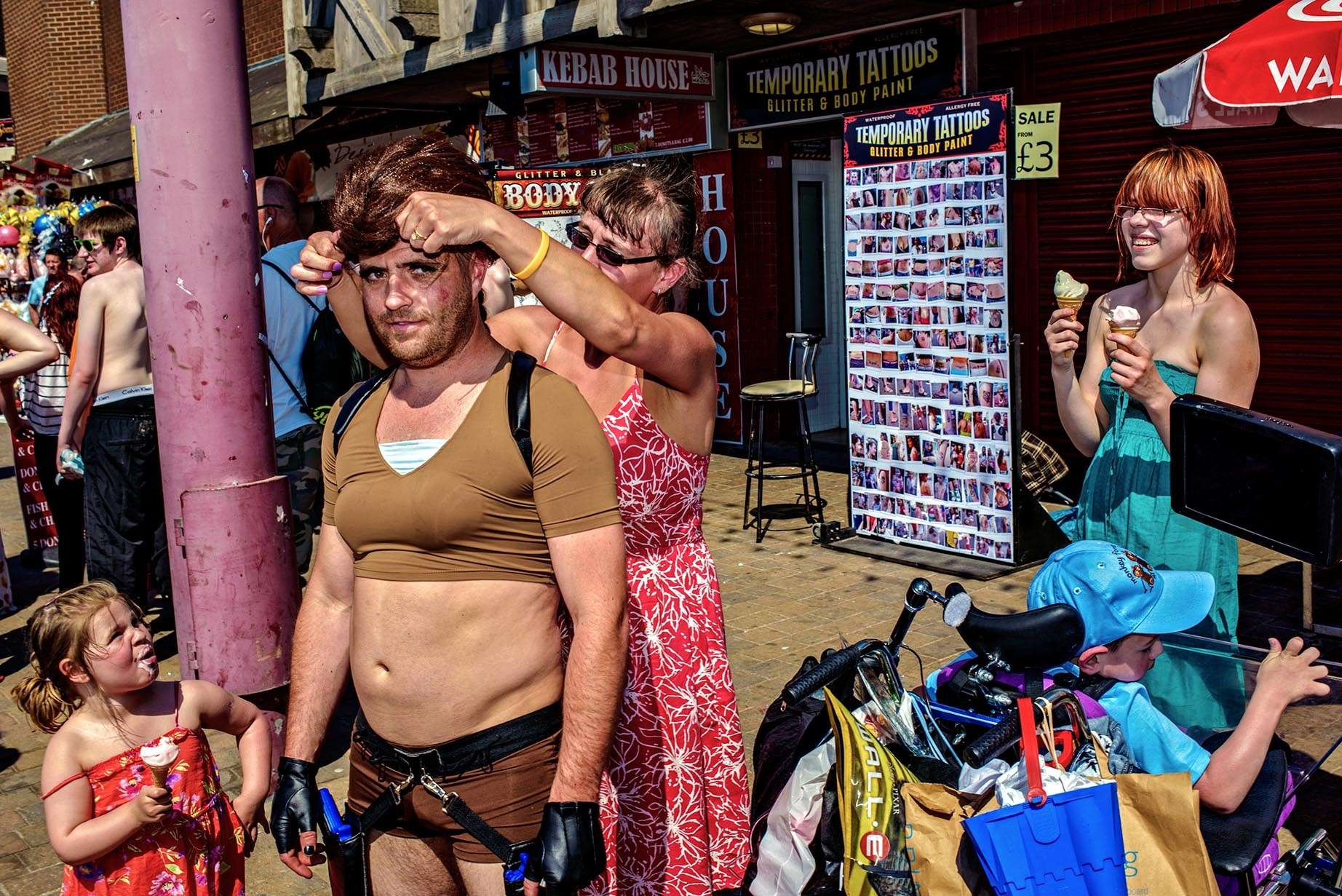
(A.g.’s note:Â Some of the photographs in the article are for mature audiences only. Viewer discretion is advised. Words by A.g. De Mesa. Interview and questions by Eric Kim. All photographs are the respected copyright of Dougie Wallace)
Through the years of photography, the question weather the photographer is but a mere passive participant in the scene and subjects has been debated through in through. For a person like Dougie Wallace who actively documented Blackpool, witnessing how England’s generation is growing up in a place where Lads go to get hammered and ladies let go of their inhibitions, can we argue that the photographer itself is merely an observer? Or perhaps the mere presence of the photographer brings about a certain personality or performance in the subject since they know they are going to end up in a photograph somewhere?
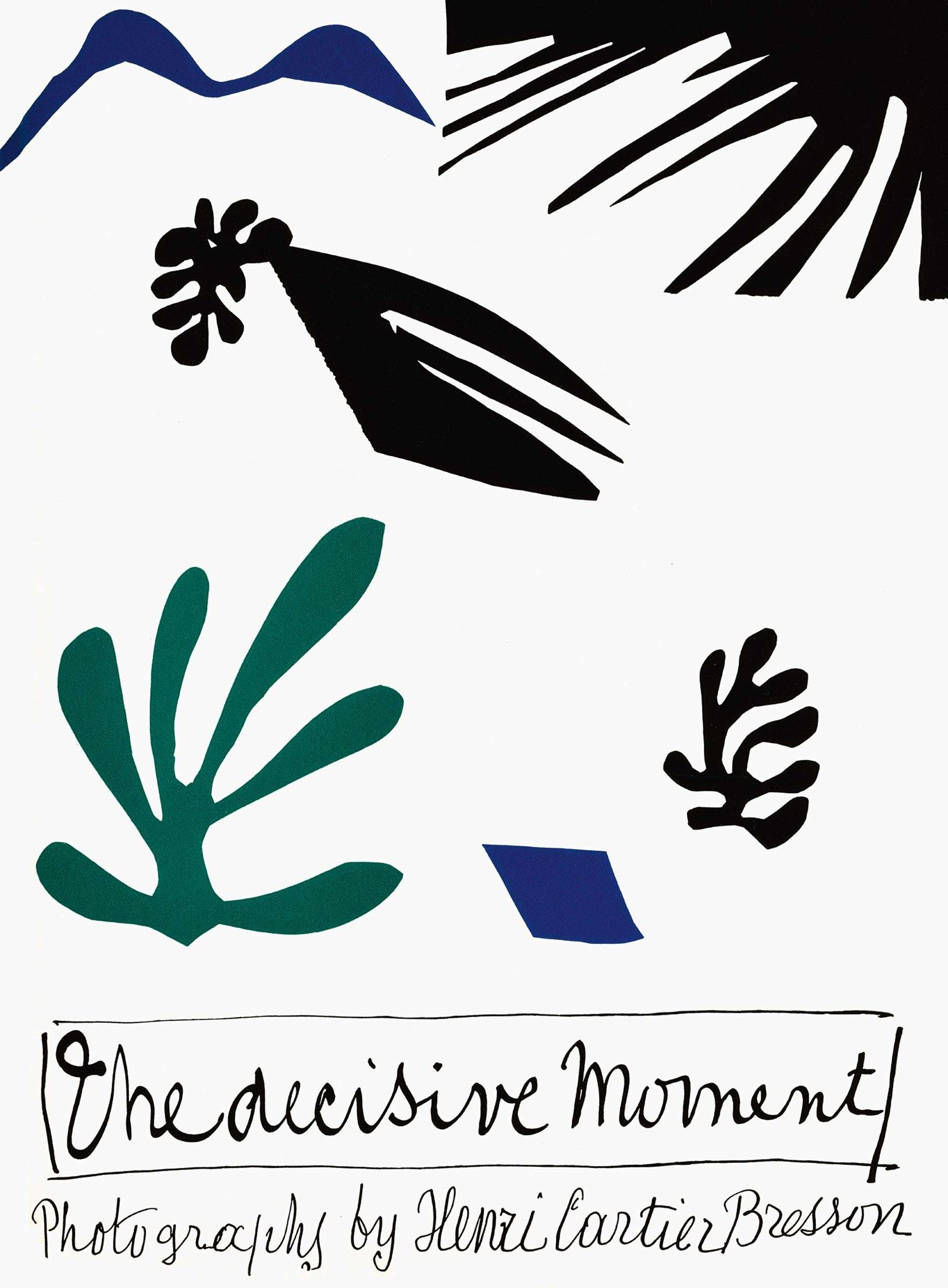
I am really excited to share that Henri Cartier-Bresson’s “The Decisive Moment” in addition to “Exiles” by Josef Koudelka is going to be reprinted. These are two of the greatest street photography books published in history, and once sold for hundreds (or even thousands) of dollars.
A.g.’s note: Here’s a guest post for Sven Kraeuter that was originally posted in his blog. He shares to us an encounter he had while shooting around his neighborhood with a medium format camera that lead to an interesting encounter. Text and photographs belong to Sven Kraeuter.
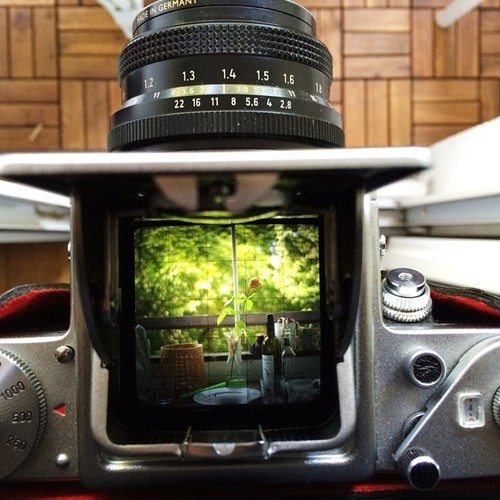
Sven: Resurrecting my old east German medium format camera is a great experience so far. Coming from a rangefinder where you don’t look through the lens, hence have no visible indication of the depth of field, the first astonishing difference was to see this huge 6 by 6 centimeter view through the open aperture lens. This is a problem since everything looks gorgeous with that massive three dimensional pop and you could snap pretty much everything you frame right away ;-).
Recently I hooked up with my buddy Vishal from Hong Kong (he runs Camera Film Photo) and he hooked it up with some Rollei Digibase CN200 film. I was quite excited about the film (as it is new) — and decided to have a go. I shot around 2 rolls of film, and wanted to share some images and share some thoughts about the film.
This article is written by Josh White, originally posted here.
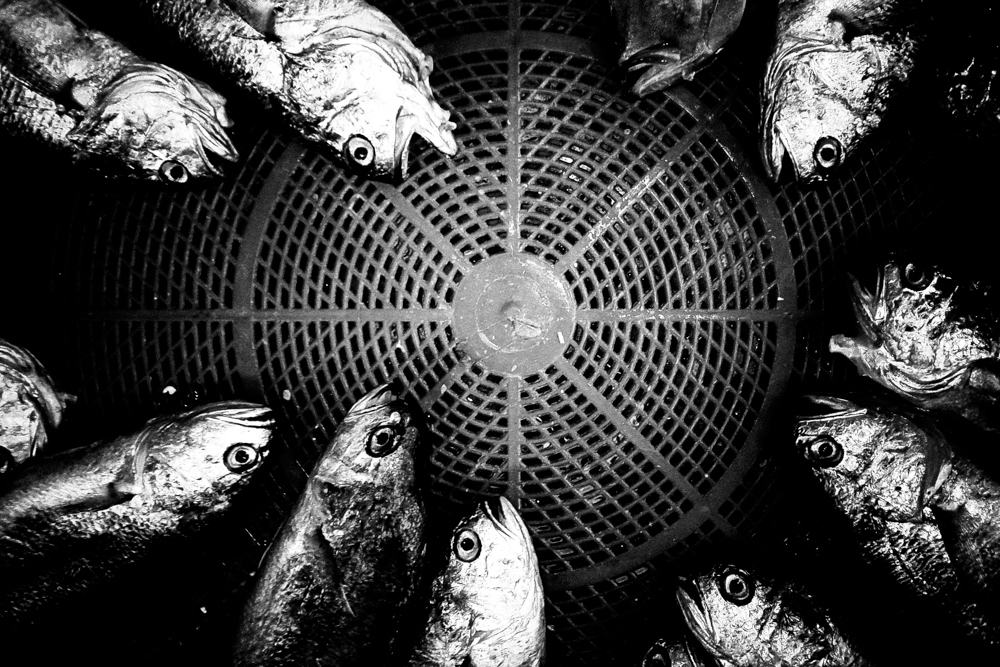
Josh: More fish. After spending the previous weekend in Busan I found it hard to get away from the couple of photos I took there. I feel like I figured something out about myself there.
I’ve always found it really hard to explain why I like the photos I take with small, compact cameras more. It always seemed that if I went on a trip or something no matter how many huge cameras I took the photos I ended up liking the most were the ones from the smaller cameras.
We are insecure. We don’t want people to be brutally honest with us. We like feeling liked. We don’t want to hear the truth, or at least what people really think about us and our work. We like it when things are sugar coated (I know I do), and facing reality can be tough.
I remember when I started photography, I thought I was awesome. I thought my work was incredible, and I deserved fame, glory, and attention.
Then one day, I remember stumbling on the work of the masters and the greats of photography. I then realized my work sucked in comparison to theirs.
At first I was discouraged. I though to myself: I could never be as good as them, why bother even trying?
Thank you again to everyone who participated in our 2nd Assignment and to everyone who is making Streettogs Academy Facebook Group a nice place to find good people and good photography.
I got to talk to Assignment #2 Editor’s Choice, Jomel Bartolome aka Dada Bear about the next topic. This one is something near and dear to his heart.
I’m currently on the skyliner, on the way to the narita airport to Hong Kong and wanted to share some reflections of my trip. For those of you who have never been to Tokyo, it is an incredible city. It is one of my favorite cities to shoot street photography in the world. There is so much action, energy, and a pulse to the city that isn’t matched anywhere else. Going to shibuya, shinjuku, and harajuku are like blasts to the past– with a modern day twist. I love the romanticism of Tokyo, and the food here is also amazing. (more…)
I always thought to myself: the day I had unlimited money, unlimited time, and unlimited cameras was the day I could truly be creative.
Funny enough, I found out that wasn’t the case. Out of all photographers I’ve met, the ones that are most creative are the ones that are strapped on resources– the ones that have constraints.
One of the most exciting ways to live life is to avoid boredom. By following what makes us curious, passionate, and have fun create meaning in our life.
I think one of the great ways to guide our work in street photography is to avoid boredom.
A few days ago I wrote a letter to my 18-year old self, and gave myself some advice on if I started street photography all over again. I told myself things I learned in the 8 years I’ve been taking street photos. I wish someone told me this when I started off.
Similarly, I was inspired to write this post for young street photographers starting off. I think this can apply to both young photographers (age wise) and also street photographers just starting off (young, experience-wise).
After being in Vietnam for about a month and a half, I am currently here in Seoul, Korea for a week. I’m primarily here on holiday, and wanted to have a chance to see my grandmother, some family, and some close friends here. In the spirit of my “Saigon diary†series– I wanted to share some personal reflections about my trip so far:
This is the last installment of my “Saigon Diary” series. I plan to continue this “Diary” series moving forward in my travels.
I’m currently in Seoul. Just left Vietnam a week or so ago, so I wanted to share some reflections towards the end of the trip.
After a great time in Saigon, I headed up to Hanoi with Cindy. We didn’t have a real reason to go– we just wanted to check the place out (because it was so close in Vietnam).
Hanoi was a beautiful place. Much smaller than Saigon, a lot less hectic, and more peaceful. It felt almost like Paris in the sense that the streets were narrow, windy, and a bit random. But there was great beauty in the randomness of the city.
While in NYC, I visited the ICP bookstore and picked up “Ping Pong Conversations: Alec Soth with Francesco Zanot” a lovely photobook/series of interview questions. I found it to have lots of great wisdom regarding photographing strangers, editing, and projects.
I copied my favorite excerpts which I found was particularly helpful, especially to those of you who want to be more serious about your photography and projects. Read more to learn from him!
I think one of the most difficult things as a photographer is to stay inspired. How do we stay inspired to shoot everyday– when the boredom and monotony of everyday life sets in?
I recently read some advice by author Ray Bradbury for aspiring writers:
“Write a short story every week. It’s not possible to write 52 bad short stories in a row.â€
I think the same applies for street photography. To change the numbers a bit– I think it is impossible to take 100,000 bad street photographs in a row. I think it was Henri Cartier-Bresson who said, “Your first 1,000 photos are your worst.†I think in the digital age, it is more like “Your first 100,000 photos are your worstâ€.
Assuming you shot 100 photos a day, that would be 36,500 a year. So at that rate, you can reach the 100,000 street photos mark in 3 years. If you’re more prolific and shoot more– you can reach that 100,000 mark much quicker.
I think it is impossible to take 100,000 bad street photographs in a row.
If it weren’t for my blog I wouldn’t be anybody. I have my blog and the street photography community to thank for my “success†in life.
I’m lucky to be born in a age where one can easily build an online presence with a blog and social media. And of course, I have to greatly thank you, my dear reader, and the street photography for supporting my blog and the beautiful genre of street photography.
One of the best pieces of advice I got on writing is the importance of writing without editing. Which means, turn off the inner-censor in your mind and write freely.
What or who is the “inner censor”? Well, the inner-censor is the little voice in your head which tells you “Oh don’t do that, that’s stupid. That sounds stupid. That looks stupid.” It is that inner-voice that prevents you from writing in a stream-of-consciousness flow.
I have learned a few things about shooting street photography on film from my own experiences (and the advice of others). If you want to read the full list of things I learned shooting film– read more!
Sorry guys, it has been a while since I last updated my “Saigon Diary” series. A lot has happened since the last time we talked. During that time, I taught a week-long Saigon street photography workshop, I traveled to Malaysia and visited Pulau Bidong (a refugee camp where Cindy was born). I also took a week-long trip to Singapore, where I did a free talk for Fujifilm Singapore, did a 3-day weekend workshop, and now I am back home.
I recently came upon this superb publication by IdeasTap and Magnum. In this magazine, there are exclusive interviews with 12 Magnum photographers– spanning from advice for young photographers, difficulties in photography, and their thoughts on technology. I included my favorite quotes from the magazine in the feature below, enjoy!
Copyright: Henri Cartier-Bresson / Magnum Photos / SPAIN. Valencia. 1933. Inside the sliding doors of the bullfight arena
Sharpness is over-rated in street photography. Even Henri Cartier-Bresson once said, “Sharpness is a bourgeois concept.”
I remember when I first saw one of HCB’s exhibitions in person in Paris, I was surprised by how soft most of his shots were. And many of his photos were significantly out of focus (thinking about the famous shot of the man in a bullfighter’s ring in Spain (above).
When I stated street photography, I was obsessed with sharpness. This of course, was due to all the nerds on gear forums who showed corner to corner sharpness tests on brick walls. I was suckered into thinking a sharp photo was a good photo.
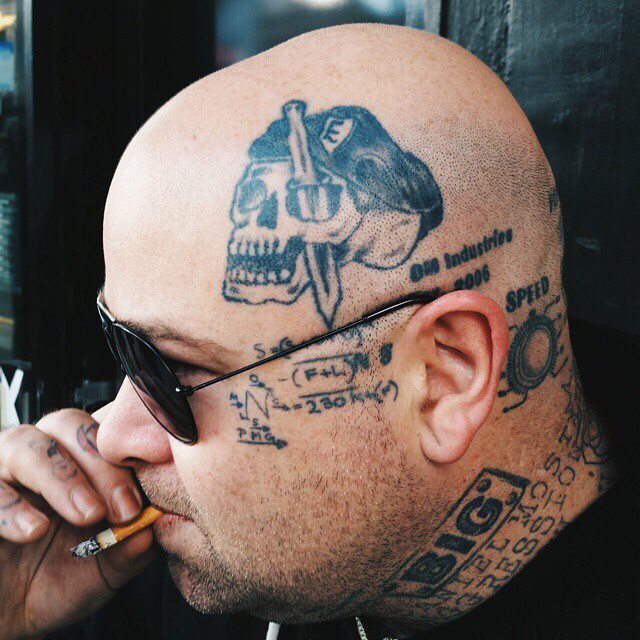
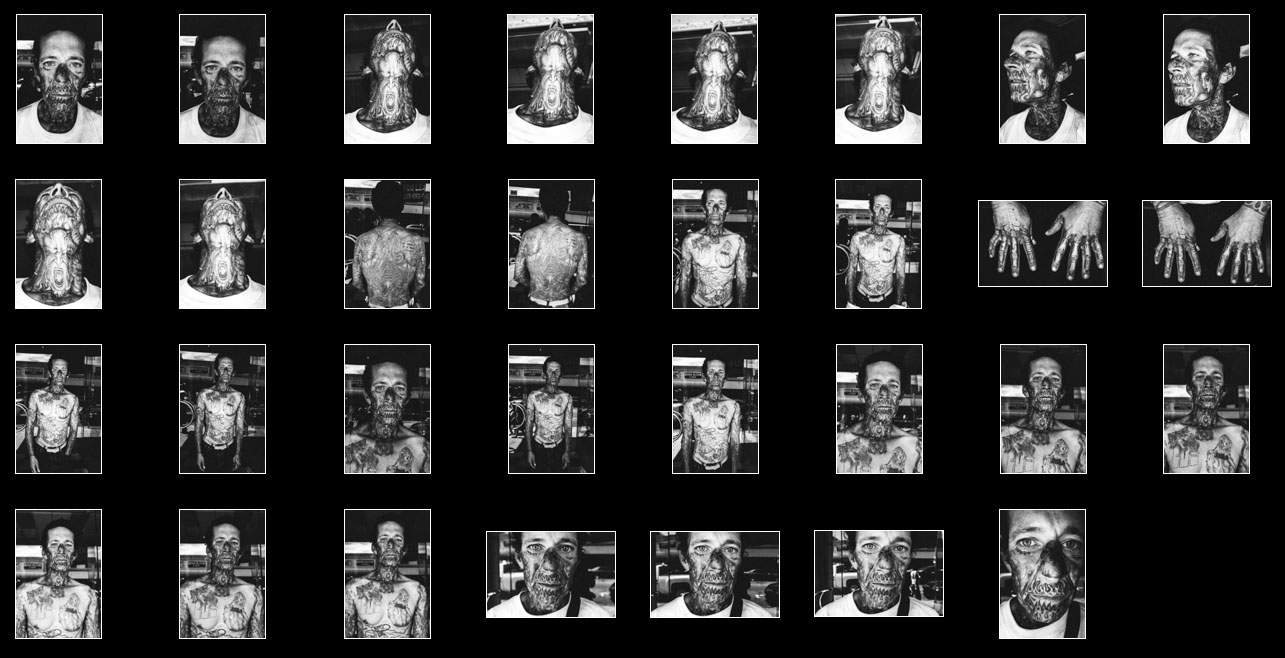
At a recent workshop in Downtown LA, IÂ was shooting with one of the students (Luis) when we come across an interesting character with all these tattoos all over his body. He told us he just got out of jail (a few days ago), and was struggling on the streets. We gave him around 2 bucks, and asked him if it was okay if we took some shots. He had no problem with it– and to pose for the camera.
I asked him somewhere along the line what other tattoos he had, and he got excited and showed us all of his other tattoos all over his body.
I just finished reading a book titled: “Trying Not to Try: The Art and Science of Spontaneityâ€. It was a fascinating read on the paradox of “wu-weiâ€â€“ which is a concept in Taoism of “action without actionâ€. This means nature accomplishes everything without effort. Similarly, we should be able to accomplish many things in our life without unnecessary effort. In-fact according to wu-wei, most things in life (especially things we love) should be effortless.
Of course you know in my blog, I like to relate everything I read back to street photography. And I think this idea of “wu-wei†in street photography is quite fascinating.
To sum up, in street photography (according to wu-wei), our best shots should come to us naturally– without making any unnecessary effort.
(Editor’s note: All photos are the respected copyright of the members of SelvaSP)Â
Take a look at this interview of  SelvaSP. They are a street photography collective hailing out of Sao Paulo, Brazil. We explore how this collective is being run, what it is they look for, and how they approach the art of street photography.
I feel one of the most important traits to become a better street photographer is first identifying what makes great street photography. This means having good taste.
A quote from Ira Glass from NPR comes to mind– in terms of having good taste:
“Nobody tells this to people who are beginners, I wish someone told me. All of us who do creative work, we get into it because we have good taste. But there is this gap. For the first couple years you make stuff, it’s just not that good. It’s trying to be good, it has potential, but it’s not. But your taste, the thing that got you into the game, is still killer. And your taste is why your work disappoints you.”
Cindy by the water in Bien Hoa, just outside of Saigon.
Hey streettogs, thank you for waiting for this new episode of “Saigon Diary“.
A lot has happened the last week, namely me and Cindy visiting Bien Hoa– a place about an hour outside of Saigon. Cindy’s cousin got married recently, and it was a great time getting to know her father’s side of the family (while of course, eating some delicious food).
I’ve also learned a lot more Vietnamese– and can now hold a pretty basic conversation (a 4-year old is still better than me).
I’m still not sure what I ultimately want out of this “Saigon Diary” series– nor do I expect to really make any good photos while I am here. But like I mentioned before, I want to share some personal thoughts on the trip, my photography, and keep it all as transparent as I can.
I have been quite fascinated with the square-format in street photography for a while. My fascination first came about from Jeroen Helmink, a photographer from the Netherlands (you can see a fun video we made on shooting Hasseblads). There was something quite sexy about the 6×6 format– the way that it created perfect balance in the frame, the simplicity, as well as the novelty.
Of course as Instagram has become insanely popular– the square-format just looks like an “Instagram shot.” I have heard of Instagram as “ruining” the 6×6 format (medium-format film).
However I don’t think it really matters what camera, format, or aspect ratio you shoot in. Ultimately the most important thing is to create a visually compelling image that speaks to our hearts or souls.
Hey streettogs, thanks for staying tuned in for the “Saigon Diary” series.
For the sake of getting sleep and having higher quality posts, I’ve decided not to keep a daily diary– but to update every 2-3 days (depending on how interesting my days are).
Some people are asking me why I’m showing bad photos in these series. So to clarify, I am trying to make this process of taking photos in Saigon as transparent as possible. So I am purposefully putting out bad photos, critiquing my own work, and sharing some of my thought process. My hope is that this is helpful to you!
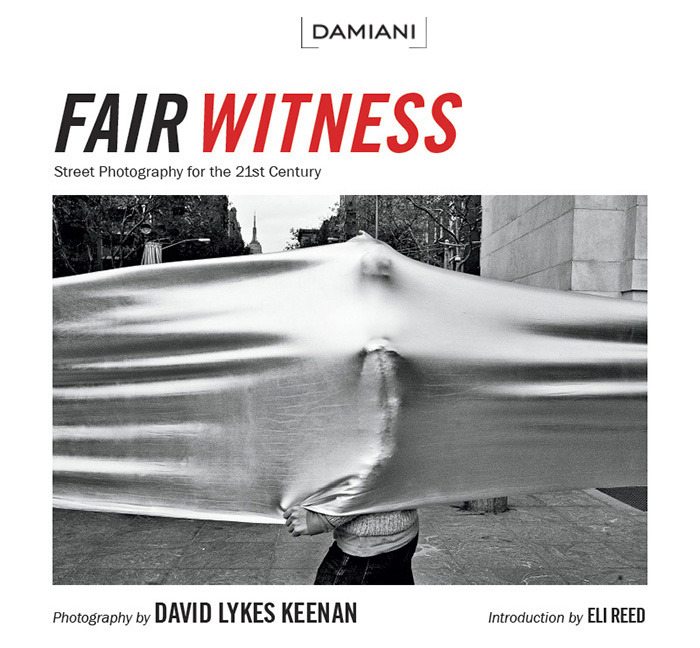
Special thanks to Clifton Barker and Gary Gumanow for putting together this interview with David Lykes Keenan, who is currently fundraising a kickstarter for his “Fair Witness” street photography book.Â
Clifton: Few have done such great things for the photography scene in Austin as David Lykes Keenan, who I have the pleasure of interviewing today. He founded the Austin Center for Photography and helped it grow during the organization’s first three years. David’s work has attracted some very impressive fans from the likes of Elliot Erwitt and Eli Reed, and ultimately brought legitimacy to the art of street photography in Austin. His book FAIR WITNESS, a collection of photos from NYC, Austin, and other cities, is positioned to be a great success, take a moment and support it on Kickstarter.
Nowadays. we are all really busy. We have countless commitments at work, at home, with our friends, and with our families. It is really hard to find time to shoot street photography. Not all of us can leave the obligations of the “real world†and just go out and shoot all the time.
Ironically enough even though I am a “full time street photographer‖ I still find it really hard to make time to shoot. I spend a lot of time with emails, social media, blogging, finances, helping out Cindy and my family, and church related activities.
If you consider yourself a busy person, here are some tips I suggest to shoot more street photography:
However, I did wake up pretty exhausted. The light from the morning light was nice, getting me up at around 8am. I slept probably around 1:30am (staying up to write Saigon Diary #2). But I think no matter how tired I am, I want to keep up this daily diary.
Anyways, went to the gym– lifted some weights, took a quick shower, and then woke up Cindy. We headed down to breakfast in a rush (at around 8:40– as breakfast ends at 9am). We enjoy our morning meal, and I practice some more Vietnamese to the chef who makes me my morning eggs.
Today is exciting because we meet up with Minh, a friend of a friend of Cindy– who teaches English and agrees to show us around town on his motorbike. I never rode a motorbike before, and am quite excited.
Due to the positive feedback from the first “Saigon Diary #1” I will see if I can do daily diary entries.
Thank you guys also for the feedback on the new blog design. I’ve been wanting to change my blog to a “responsive design” — that would look great across smartphones, tablets, and computers. I also made the change from a 2-column blog to a 1-column blog, to create a better reading experience for you guys. The 1-column design allows me to upload larger images, and also larger text.
I liked having the links on the right column, but now you can either find the articles in the “Start here” page or the “Masters” tab on top. I will play around with the design more in the upcoming weeks. Would love to hear your feedback on the new design in the comments below. Please let me know what you would like about it, and what you would like to see me add/change.
Anyways moving on– today I woke up relatively early again (around 7am). I wish I could wake up that consistently everyday back in the states (I usually get up at around 10am). I did some bodyweight squats in the room to get pumped up for the day, and also to prepare myself for breakfast.
Hey what’s up streettogs– this is Eric Kim reporting live from Ho Chi Minh City (Saigon) in Vietnam. After a lovely 14-hour flight from Vancouver and a 4-hour connecting flight from Hong Kong, my girlfriend Cindy and I made it safely here!
Today over some strong Vietnamese coffee with Cindy– she helped me come up with a good idea. I wanted to document my time here in Saigon, and also document Cindy’s experience here. I am going to include the contact sheets as well — and take you behind the scenes. I hope you enjoy this journey with me!
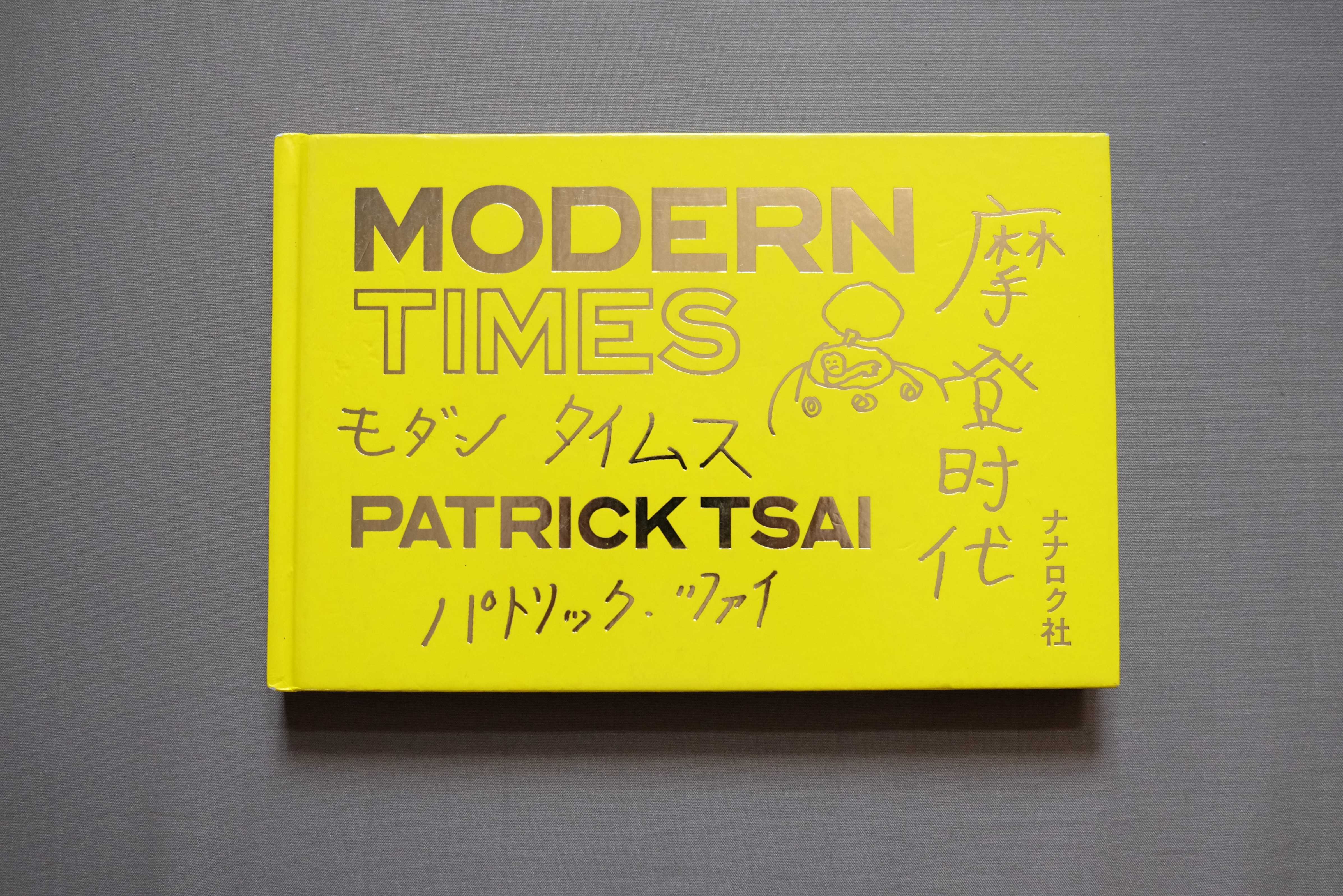
One of the best things about photography is it gives us a view of places we otherwise won’t be able to visit. Street Photography ups the ante by actually heading to side streets, roads not taken, and places that won’t appear in your usual travel guide. In Patrick Tsai’s modern times, he shows us a China devoid of media’s prejudice and how this diaristic photographer tries to prove that he can document his surroundings as well.
Is he successful? Let’s analyze his book to find out.