
There isn’t a lot of things you can control in street photography. However these are the things you can control:
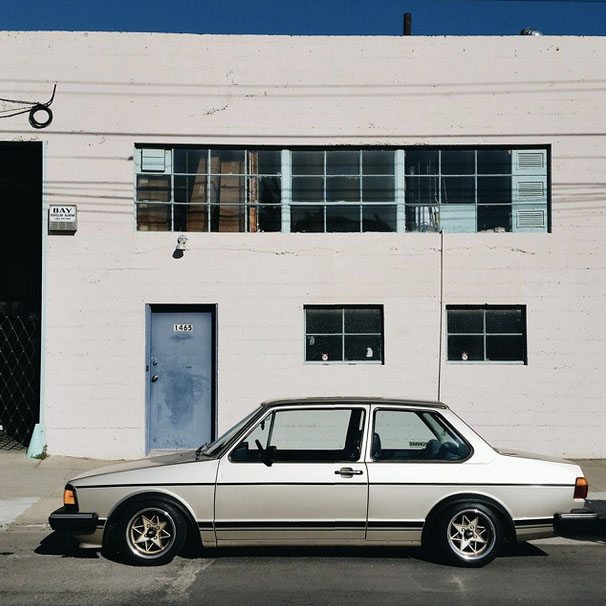
There isn’t a lot of things you can control in street photography. However these are the things you can control:

I currently wrote an article titled: “Advice for Aspiring Full-Time Photographers†which had a lot of interest. I have also been connecting a lot of young photographers lately (high school and college students)— and wanted to focus on doing more blogging which aimed at the younger photography population. Of course this doesn’t just have to be age— it can also be based on experience. So if you consider yourself as a young photographer (age-wise), experience-wise, or want some insights about the economics of being a full-time photographer, this article might be of some insight to you.

Tied into the previous chapter on how to live a happy life– I also encourage trying to live a purposeful life.
What is the difference between a happy life and a purposeful life?
I think simply a “happy†life is to be free of pain, to be overall joyful, and to be free of stress and concern of how others think of you.
However when it comes to a “purposeful†life– I think it is to live a life not for just yourself– but for others.
As a social creature, we often gain the most happiness by helping others. And I think one of the biggest secrets to a “happy†life – is to live a purposeful life. By living a purposeful life– we not only help build value, love, and help others – but we also benefit ourselves (we are “happy’ as a by-product.
Marcus Aurelius also shares the same ideology– know that you have a purpose in this world. And it isn’t to live for yourself– but to live and serve others:

For this chapter I want to focus on a section which I think is important for everyone in life: learning how to be happy, fulfilled, and content with your street photography (and your personal life).
Happiness is one of the most elusive things in the world– which we have always chased for millennia. However the problem is that we often go down the rabbit hole and follow the wrong things. We try to chase money, fame, power, wealth, prestige– all external forms of recognition to confer “happiness†unto ourselves.
However happiness is more than that– happiness is an inner-state, which can be controlled by you (not affected by external conditions).
How do we seek to gain more happiness, purpose, and contentment in our photography and lives? Let us seek the wisdom of Marcus Aurelius in “The Meditationsâ€:
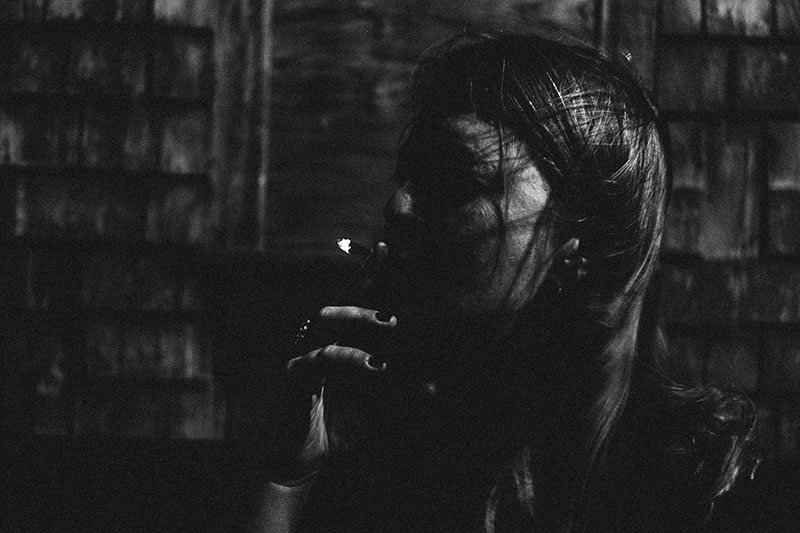

I’ll admit it. I’m incredibly jealous. Whenever I see my close friends, other photographers, family, or anyone else doing “successful†things– I feel a tinge of jealousy. In the back of my head– I might think negative thoughts like, “That person didn’t deserve that recognition or success†– self-doubt myself “Why am I not as successful as that person?†and I start to sink into a hole of despair.

The recently concluded Assignment No. 4 yielded a lot of great and creative executions which you can view again here. Thanks again to everyone who joined and to Bertrand Domas who gave us that assignment. Moving on, it’s Editor’s choice Florin Ghebosu‘s turn to give us our assignment for the coming weeks! It is something very timely that fits on the spooks and spoils that occur during the end of October:
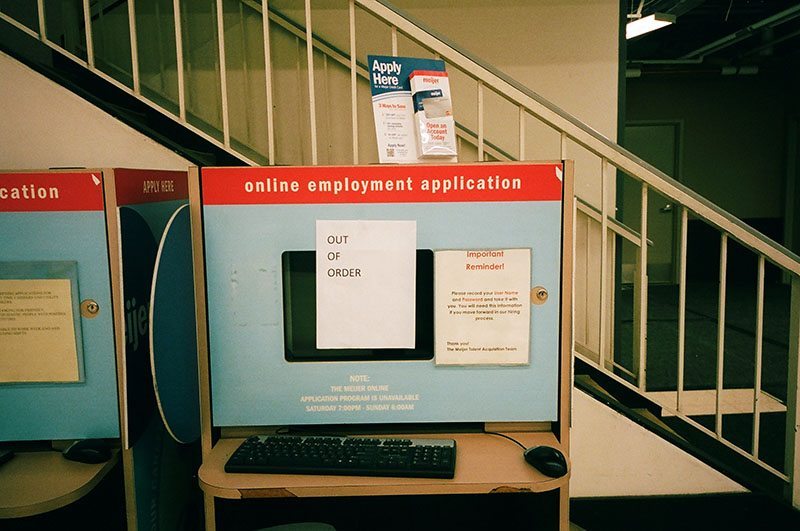

Recently I gave a short 2-hour presentation on street photography at one of the photography clubs at UC Berkeley. It was great being surrounded by students again– with all of the energy, enthusiasm, and passion that college kids have.
Some of the students asked me how I went from college to surviving off photography full-time as a living. I gave some of my personal experiences– and I had the realization: perhaps this was information that may be useful to other college students (who want to make photography their living), or anyone out there with a day-job who wants to make photography their living:
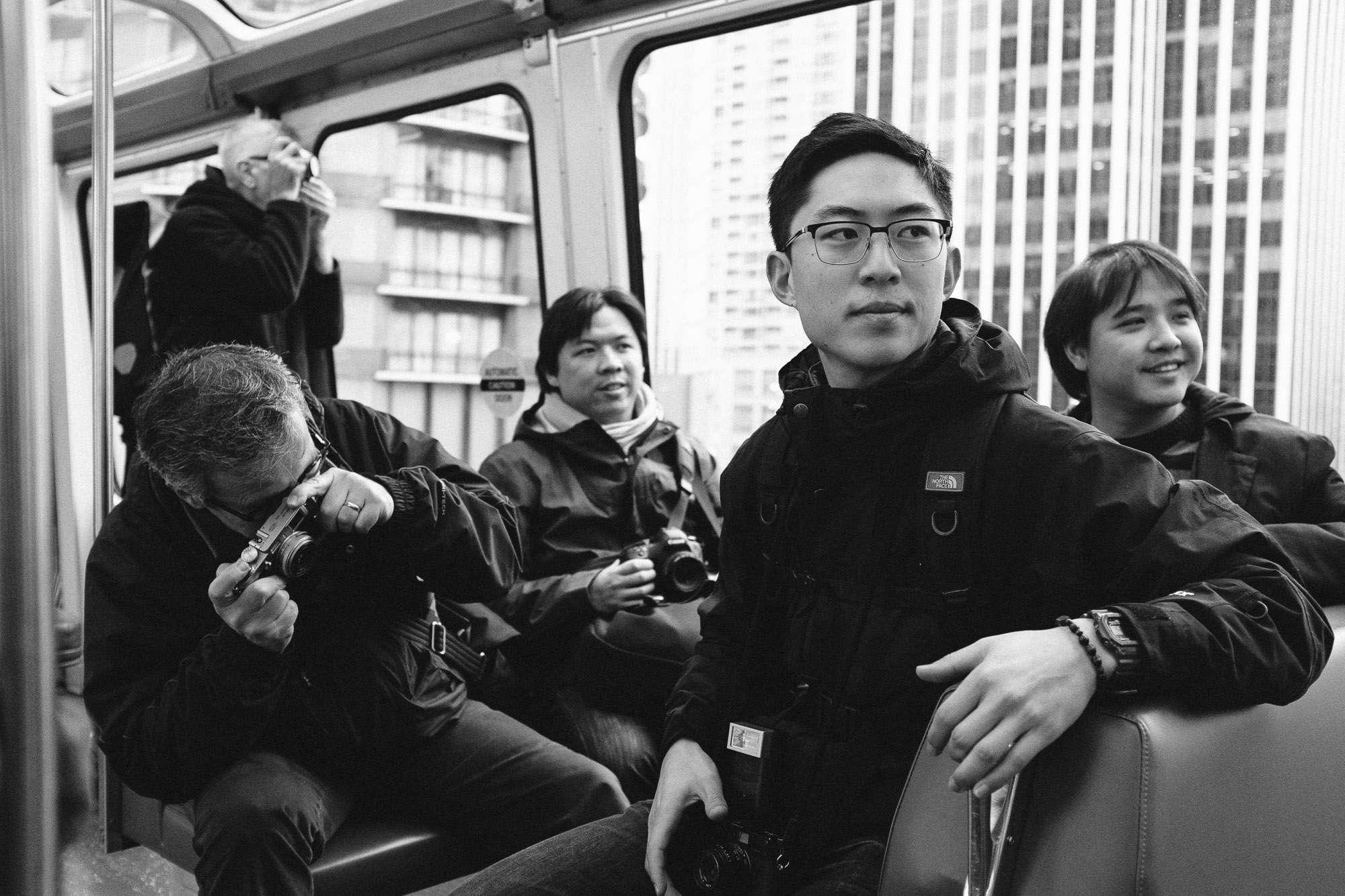

One of my biggest beliefs in life is in transparency. Whenever I learn something potentially useful or insightful– I don’t want to simply hoard the information to myself. Rather, I want to share it with as large of an audience as humanly possible.
I wanted to share how I teach my street photography workshops— and I hope this can be used as a blueprint for anyone out there who wants to teach their own street photography workshop. I believe what I am sharing here doesn’t only apply to street photography workshops– but any photography workshops (or teaching in general).
A lot of the philosophies I will share are based on personal experience, and also from the honors pedagogy course I took at UCLA (USIE: Undergraduate Student Initiated Education). I learned a lot from the USIE course at UCLA, where I taught a 1-unit seminar (we met once a week) for a quarter. I taught a course: “The Sociology of Facebook and Online Social Networks” where I made a blueprint for a course, gave assigned readings, assignments, and had once-a-week course discussions. I credit my mentor Kumiko Haas for all of my pedagogical training.
Take everything in this guide with a grain of salt. This is just my personal philosophy– and won’t work for everybody out there. But I think you might learn 1-2 things that you will find helpful in your own teaching (or learning).
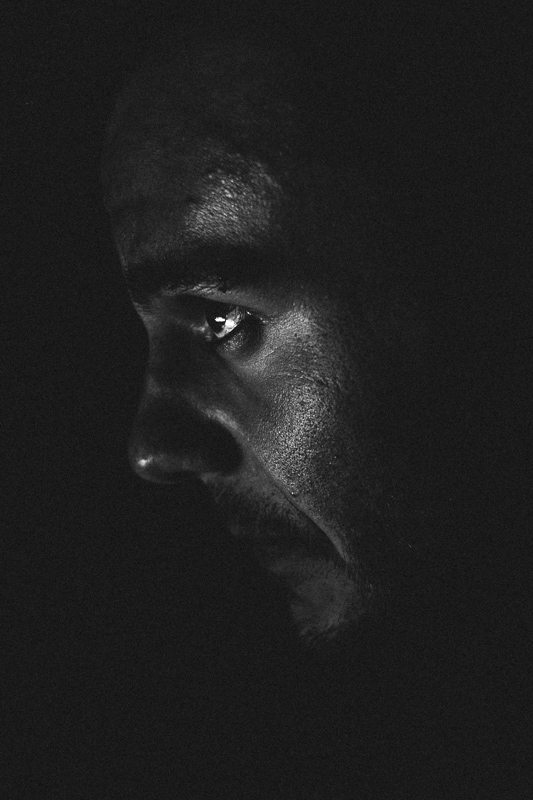

There are so many distractions out there. We live in an age where it is almost impossible not to be distracted.
Our phones are constantly buzzing. We see thousands of advertisements a day that are vying for our attention. We are bombarded with emails from spammers, we are bombarded with notifications, we are bombarded by new technologies that promise to make our lives more “efficient” and “optimized.”
I read something online that the average office worker is interrupted every 20 minutes– and it takes an average of 20 minutes for a worker to re-focus on work.
Many of my friends who work in the corporate world complain of constantly being texted, IM’d, emailed, and sucked into meetings at work– which prevents them from getting any “real” work done. (As a side note– Paul Graham has an excellent essay on managers versus creative time schedules which I highly recommend).
I think focusing is easy– only if we have no distractions. But how do we escape distractions and focus on the work which is truly meaningful to us?
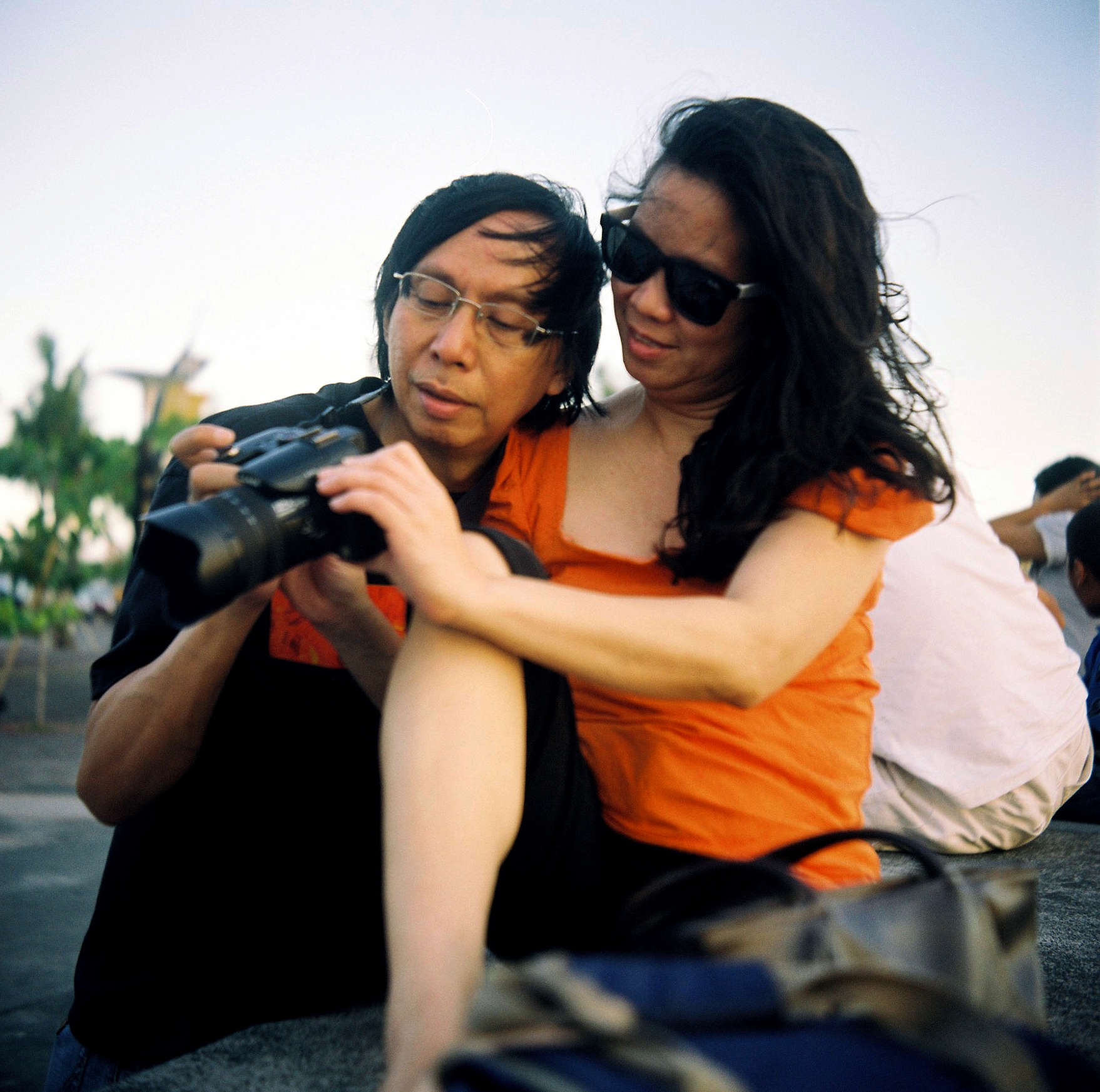

I’m sure that at one point in our lives as photographers shooting the streets, there was a time that we get asked to explain what street photography is. When I was starting out, I had no concrete idea what street photography is, let alone explaining to my family and friends. So here’s a simple list that could hopefully help you  in telling friends and family about our artform.
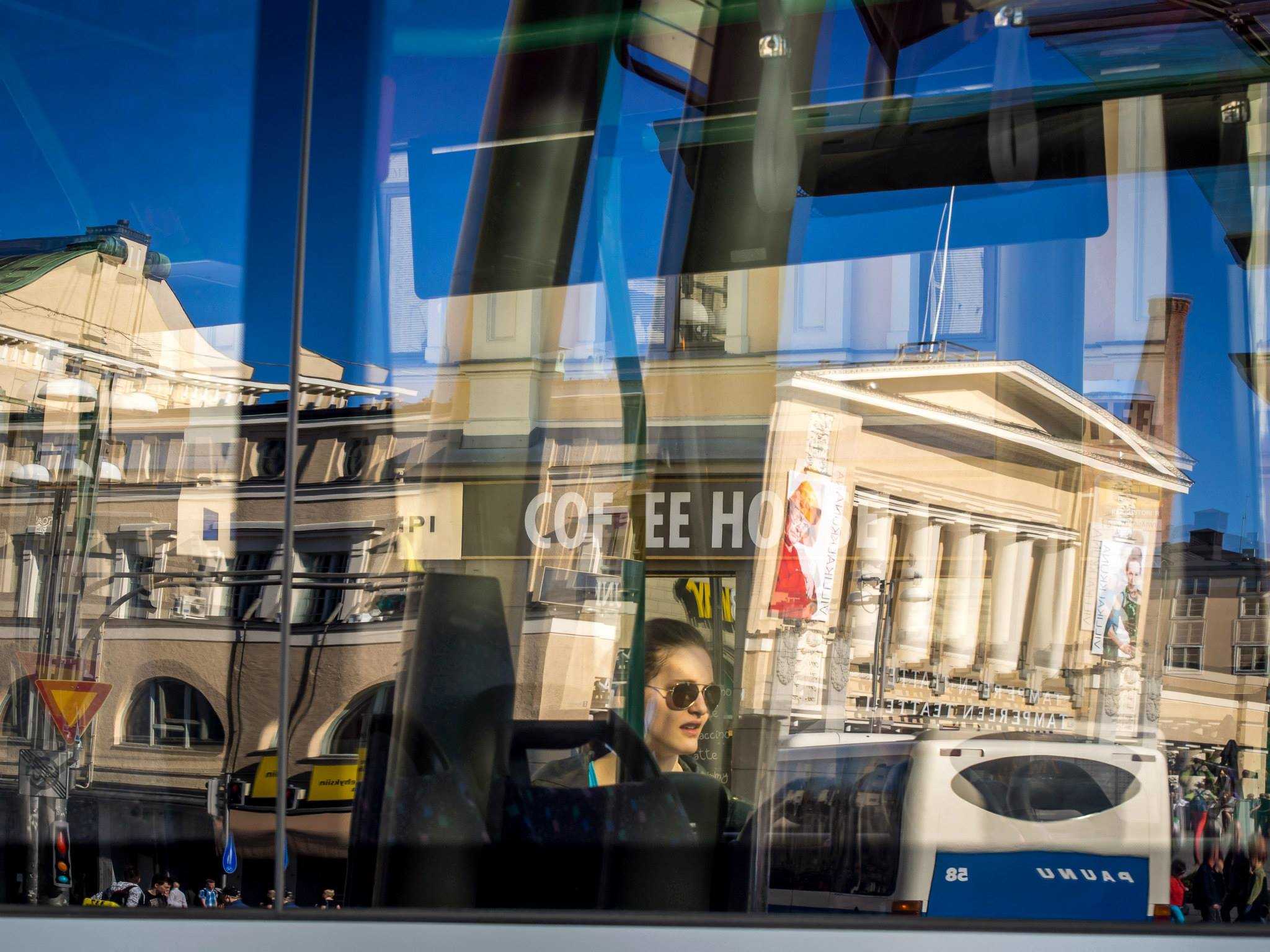

Assignment No. 4 has probably the most number of beautiful images I’ve seen in an assignment. There were plenty of great photographs that adhered to our theme of “Strong Light” as well some creative executions that still fits the theme well. I give my thanks to all of those who participated for this assignment and of course to Bertrand Domas for giving everyone in the group an amazing assignment. I sure hope many were able to learn and harness the creative possibilities of “Strong Light”.
Without further ado, here are some of the interpretations of Assignment No. 4 “Strong Light”
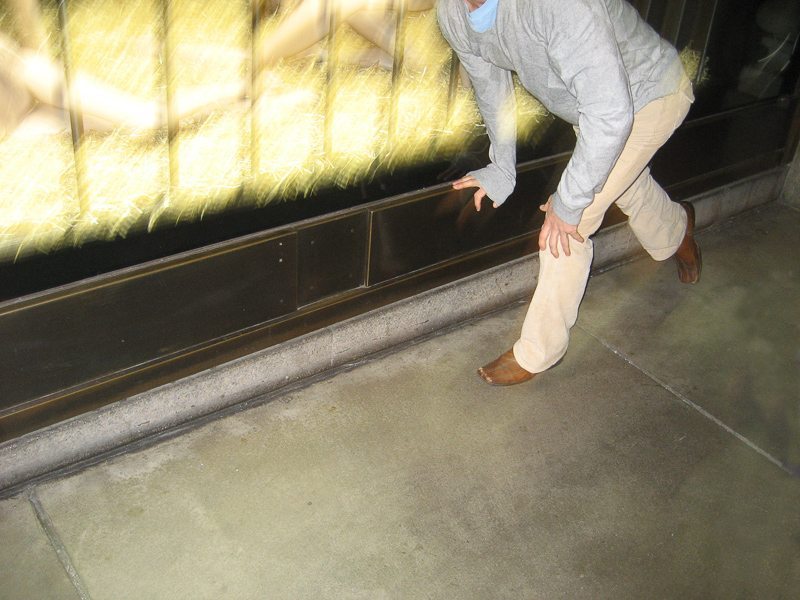

It was an absolutely incredible weekend teaching the Intermediate/Advanced Street Photography Workshop in San Francisco. We had folks come from all over: Seattle, Texas, Zurich, Tokyo, and all over the Bay Area in California. I am so proud of the friendships we made during the workshop– and the huge before/after improvement after the workshop.
Side note: If you’re free this Friday at 6pm — we are having a meetup in Berkeley, California at Artis Cafe. RSVP on the Facebook event.
Read more to see all the epic before/after student photos! Also check out all of my upcoming street photography workshops.

This is Part 2/2 of my chapter on How to Deal with Negative Criticism. Read Part 1 on How to Deal With Negative Criticism.

We all want to make a memorable street photograph. An image that burns inside our memory. An image that touches our heart and touches our soul. We want that image to be epic, energetic, edgy, and emotional. And of course, we want external validation for our image (via respect from other photographers, validation on social media, and possibly having our image be timeless).

For this chapter in my on-going “Letters from a Street Photographer†book, I wanted to write a topic that I am very familiar with– how to deal with negative criticism (and thrive and benefit from it).
For those of you who have followed me and my blog for a while– you will know that I have a fair amount of negative critics and negative criticism. Here are a list of things I have been critiqued (or criticized, hated for) – and a list of (sort of similar to real-life) comments I’ve gotten:

This is Chapter 1 on a series of blog posts I will do on the philosophy of Stoicism, and how I relate it to street photography. I draw upon the book: “On the Shortness of Life” from Seneca. The title of this series is inspired by “Letters from a Stoic” (also by Seneca).
I have recently been reading a lot of literature on “time management†and have discovered a new angle– “attention management.â€
The basic premise is this: time management is overrated. We have all the time in the world. However what we don’t have is attention.

I have been a long-time admirer of the philosophies of Zen Buddhism, Taoism, and Stoicism. In-fact, I have gained more insights about photography from these philosophies (than I have from any book on photographic theory).
I recently re-read a new english version of the “Tao Te Ching“– the classic manual on the art of living. It was a version written by Stephen Mitchell, and I like the flow and how it reads in English.
In my life and photography– I often feel a lot of anxiety, frustration, stress, and the need for external validation. However reading these Taoist philosophies have helped bring peace to my day-to-day life, and I hope these lessons I’ve learned can help you as well.
I am no expert in Taoism, Zen, or any of these philosophies– and I have a lot to learn. But I will share what helps me fall asleep at night– I try my best to follow these principles that I learned from the “Tao Te Ching“:

Life is short and limited. We only have so many days to live. We only have so many zeroes in our bank accounts.
We all want to live happy, productive lives. We want happiness in our photography. We want to creatively thrive, and live a life which we don’t have any regrets.
I have lots of temptations in my life. To earn more money, to buy more physical possessions, which creates a lot of distractions in my life. Â But what really matters in life?
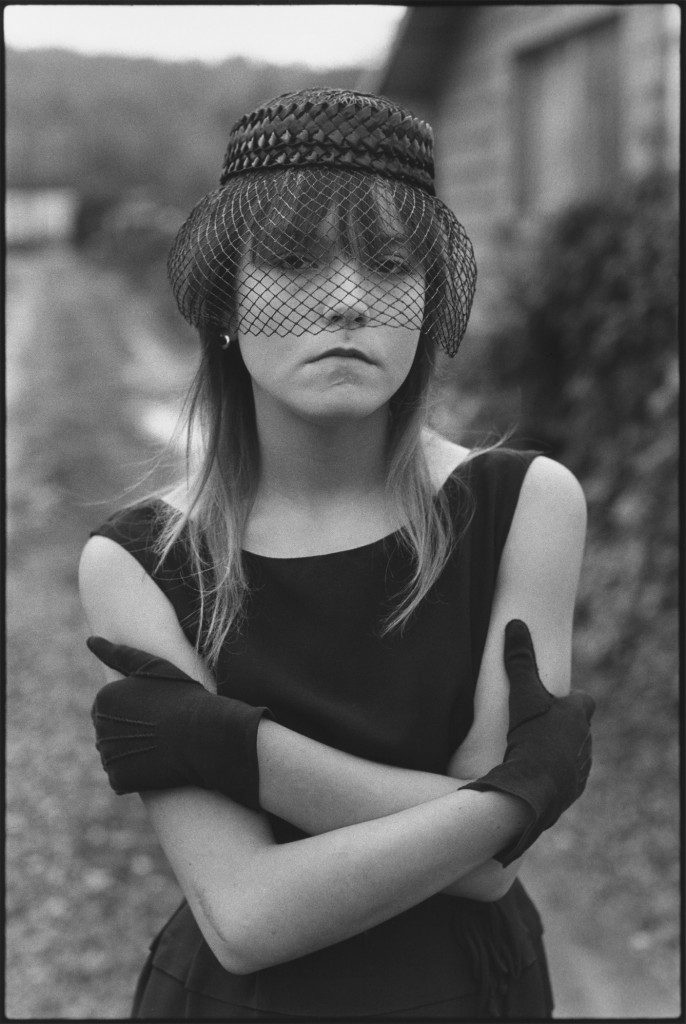

All photos copyrighted by Mary Ellen Mark.
I remember when I first saw the work of Mary Ellen Mark, I was blown away. Her work had such a deep sense of love and empathy for her subjects. Not only that, but her compositions and framing was brilliant. I always noticed that around the edges of the frame– she always had great little details which made her photographs great.
Even though Mary Ellen Mark is more of a documentary photographer– her photos have a very strong “street” feel. She photographs people, and her images have emotion and soul. I feel that we can all learn a lot from her life’s work.

Hey Scandinavian (and European) streettogs– I am excited to share that I am hosting an intimate 2-day Introduction to Street Photography Workshop in Stockholm limited to 6 students (October 29-30th, 2014). I know it is a bit last-minute (and in the middle of the week), but I wanted to have a chance to host a workshop open to the public before I do another workshop for adopted children in Stockholm (that same weekend). I don’t know when the next time I’m going to be in Stockholm (or anywhere else in Scandinavia) — so don’t miss out ;)
If you are a bit timid in your street photography (and want to build up your courage), if you want to improve your compositions (or style or vision), or meet other passionate street photographers– this workshop is perfect for you. Don’t miss out on this experience to make new friends, have great food (and strong coffee), and of course hit the streets of Stockholm together.
If you want more information about the workshop, read more. If you can’t attend this workshop, make sure to check out all of my upcoming street photography workshops.
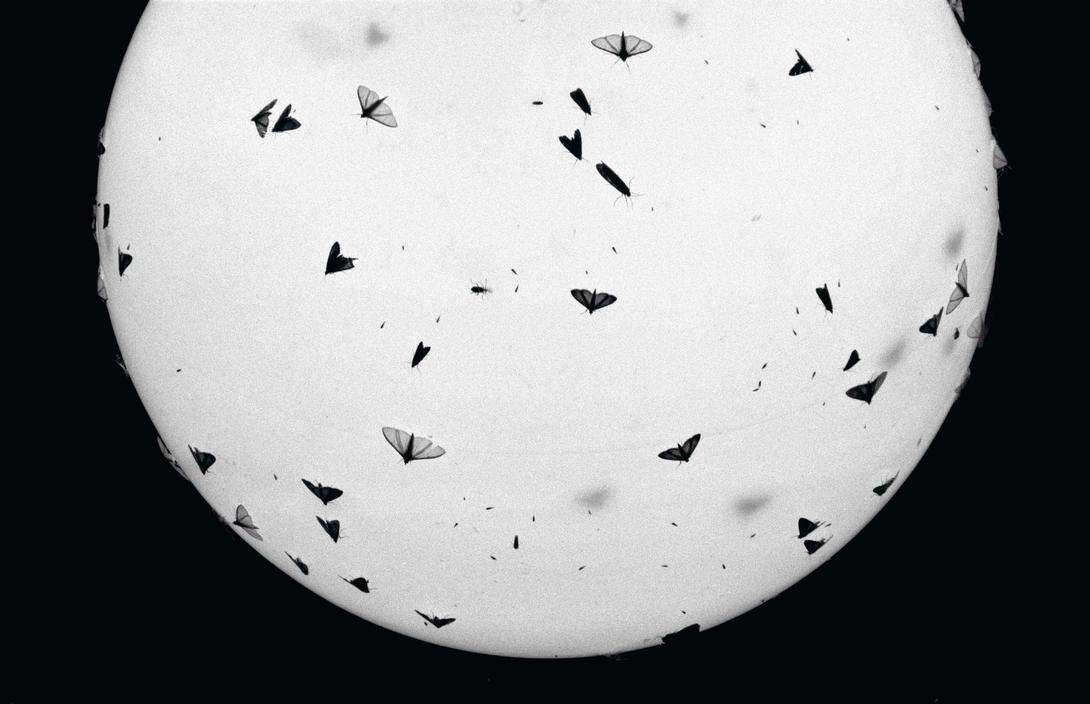

I’m not 100% sure how I stumbled upon the book: “Minutes to Midnight†by Trent Parke. But when I did— I was blown away by Trent Parke’s incredible story-telling, visuals, and vision. It inspired me to write my first article on him: 12 Lessons Trent Parke Has Taught Me About Street Photography.
Steidl has recently re-published “Minutes to Midnight†— and it has been a massive hit. It is hard to find copies that aren’t sold out, you can currently get some more pre-orders on Amazon.
For the Steidl re-print, there has been a slight change to some of the images, formatting, and printing (all in a positive way). I currently have my copy of “Minutes to Midnight†in my street photography library— and it is one of the most precious black and white books I own.
I wanted to write this article sharing my thoughts on the book, why I think it is a great body of work, and I hope you find this article useful.
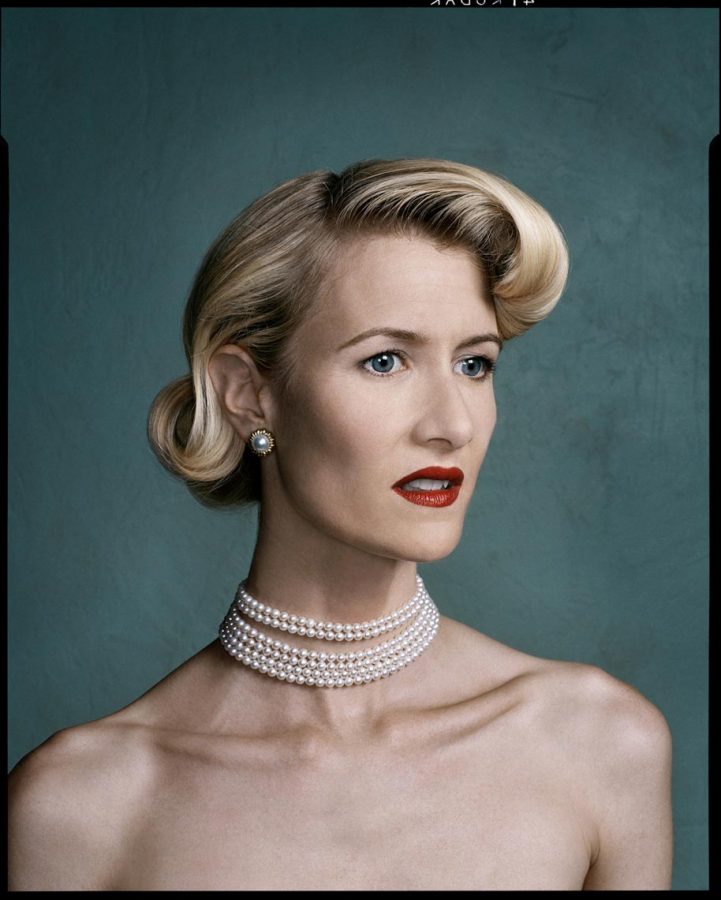

All photographs included in this article are copyrighted by Dan Winters.
My good friend Bill Reeves recently bought me a copy of “Road to Seeing†by Dan Winters. I’ve always known Dan Winters as being a quite edgy portrait photographer– and had no idea that he was actually quite interested in street photography, and had quite deep philosophical views on photography.
When I first got the book, I was pretty astounded. It is a thick book (about four-fingers thick) and has amazing typography, binding, and the photos in the book look like small prints.
The other day, I devoured the book– it took me about 5 hours and I also jotted down some of my favorite quotes and ideas from Dan. Through this post- I want to share some of the lessons I’ve learned from Dan, while also giving an overview of the book.

I’m currently reading a book titled: “Happiness by Design: Change What You Do, Not How You Thinkâ€. In the book, the author defines happiness as being primarly composed of two things: pleasure and purpose. To find “optimal†happiness in life, the author encourages us to find a balance between pleasure and purpose in our life.
I have read dozens of books on the topic of happiness. When I studied sociology as an undergraduate I would ask myself questions such as: Why is it that the richest people in the world are often the most miserable people? How much money do you need to be really happy? Does more money bring you happiness? What things could I do (or change) in my everyday life to make me be more happy?
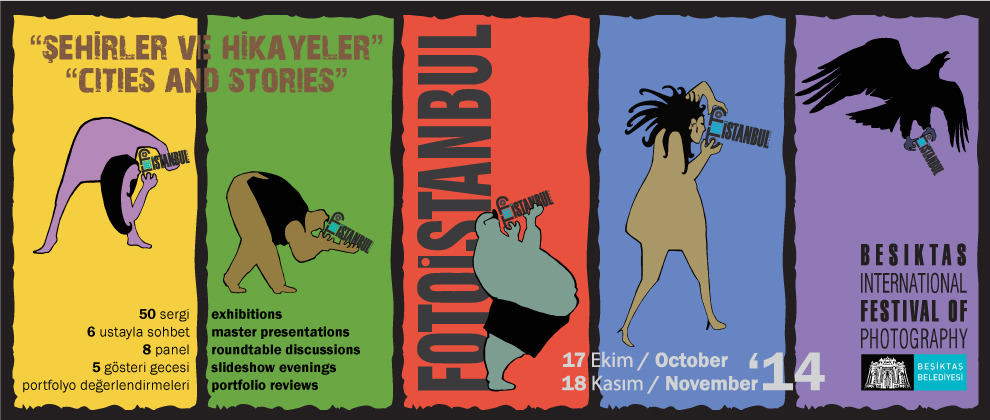

Press release for Fotoistanbul:
Welcome to a new era of the photography festival in Turkey. We are bridging the gap between east and west, classic and modern, master and student, making Istanbul the regional hub of the international photography scene for years to come with FotoIstanbul.
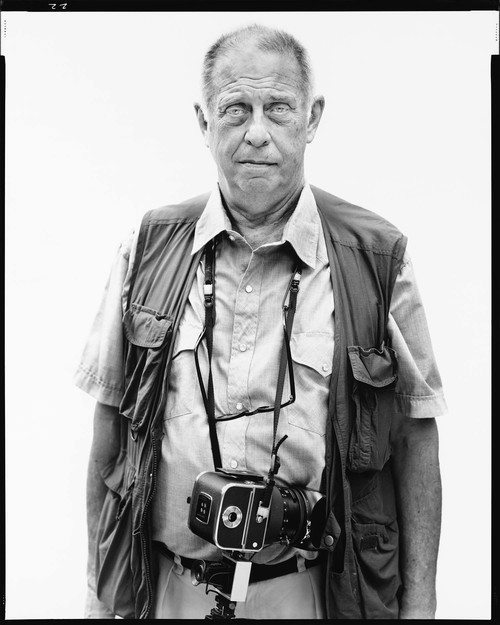

Richard Avedon isn’t a street photographer— nor did he consider himself one. However, he did shoot street photography in his life, in Italy, New York, Santa Monica, and more.
I was particularly drawn to Richard Avedon because I have a fascination with portraiture and the human face. Even for my personal street photography, I might consider it “street portraiture.â€
I have recently binged on everything I could about Avedon— and have gained a ton of inspiration from his photography, his love of life, and his personal philosophies. I hope you enjoy these lessons as much as I did.
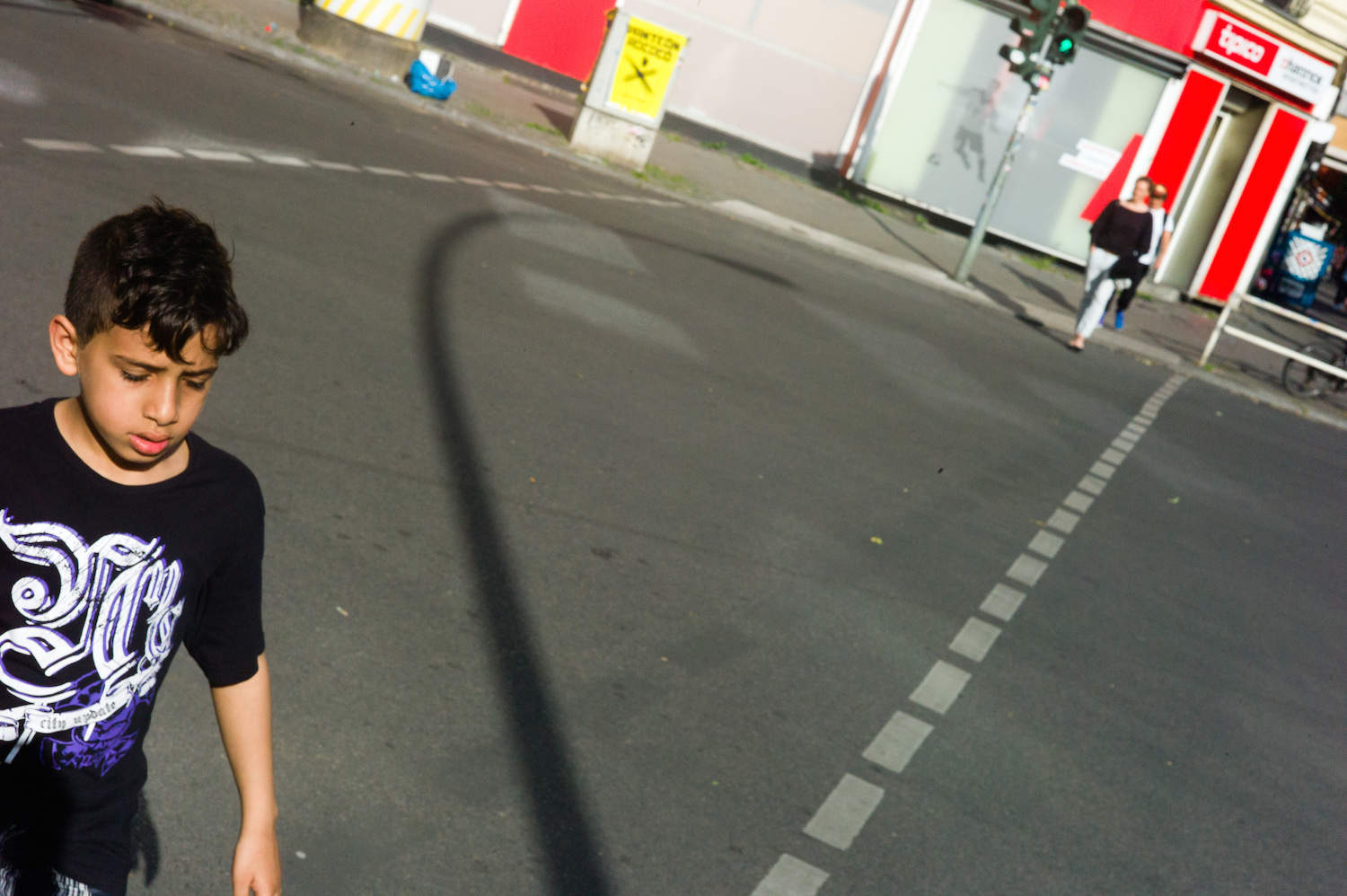

A.g.’s Note: Here we have another guest post from Sven Kraeuter. He previously shared to us a story of his interesting encounter while shooting medium format film. He’s back sharing his experience during a workshop with Alex Webb and Rebecca Webb. Enjoy! Words and Photographs by Sven Kraeuter.
Sven: Stockholm, Sweden, early summer 2014. I’m in a meeting room named “Daido Moriyama” and getting a little tense. I’m about to present some prints on a table to somebody who’s name could be on the door plate as well. Perhaps there’s another room here named after Alex Webb, too?
When I read the e-mail that confirmed I would be going to participate in one of Fotografiska’s “Masters Of Photography” workshops with the legendary Magnum photographer I couldn’t quite believe it. Now I’m here with about fifteen other photographers who prepared thirty prints to present in order to get n overview of their bodies of work. Quite amazing sets so far, a talented group presenting a broad variety of different styles ranging from personal documentary over street photography to still life.
I’m next, having different sets ready: my portfolio as well as experiments that are spreading over the table side by side. When four prints get picked that are actually part of my portfolio edit I’m quite relieved already. When Alex and his creative partner and wife Rebecca have some kind words for my playfull approach in general and two prints in particular, I am stoked. I know that kindness and hospitality play a role – probably a major one – in these sweet sentences, but I decide: I am going to produce at least one more good image during this workshop.

I’ve had the photographic week of my life in Provincetown with Magnum last week. I wanted to use this opportunity to reflect on some of my thoughts and experiences– and I will try my best to be as candid as I can (pun intended).
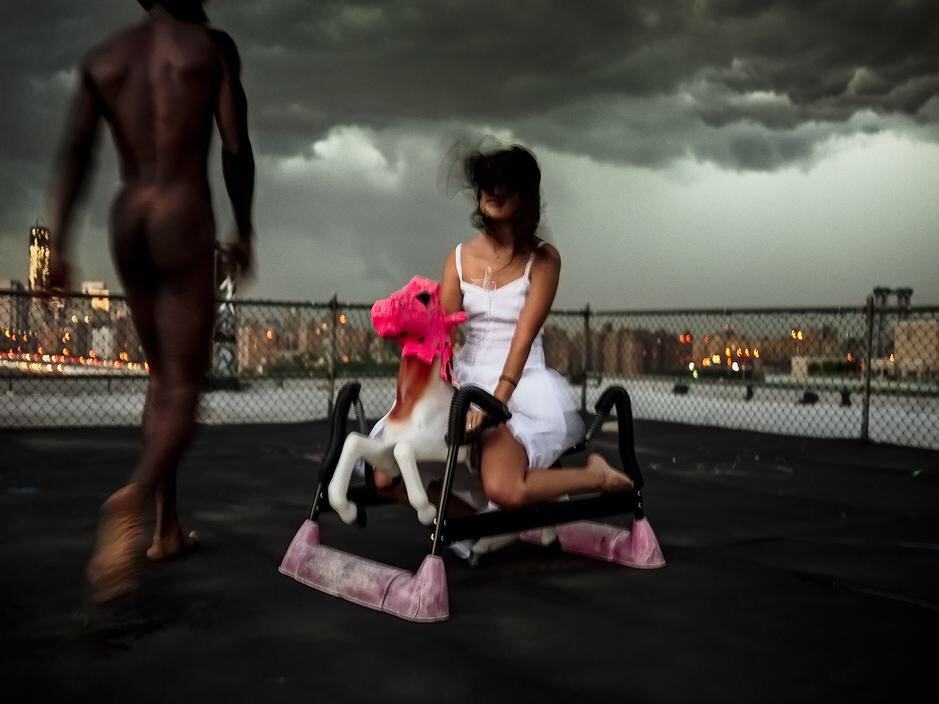

You can see the original article I wrote on David Alan Harvey here.
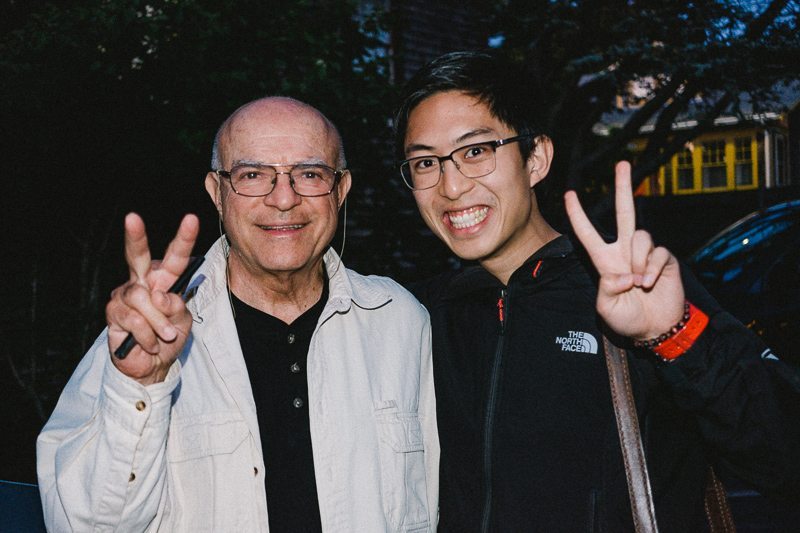
I just finished a week-long workshop with David Alan Harvey as a part of the Provincetown Magnum Days event. I have already written an article on the lessons I’ve learned from David Alan Harvey– but wanted to use this opportunity to further expand on what I’ve learned from him, and also add some new things I’ve learned. Here I go!
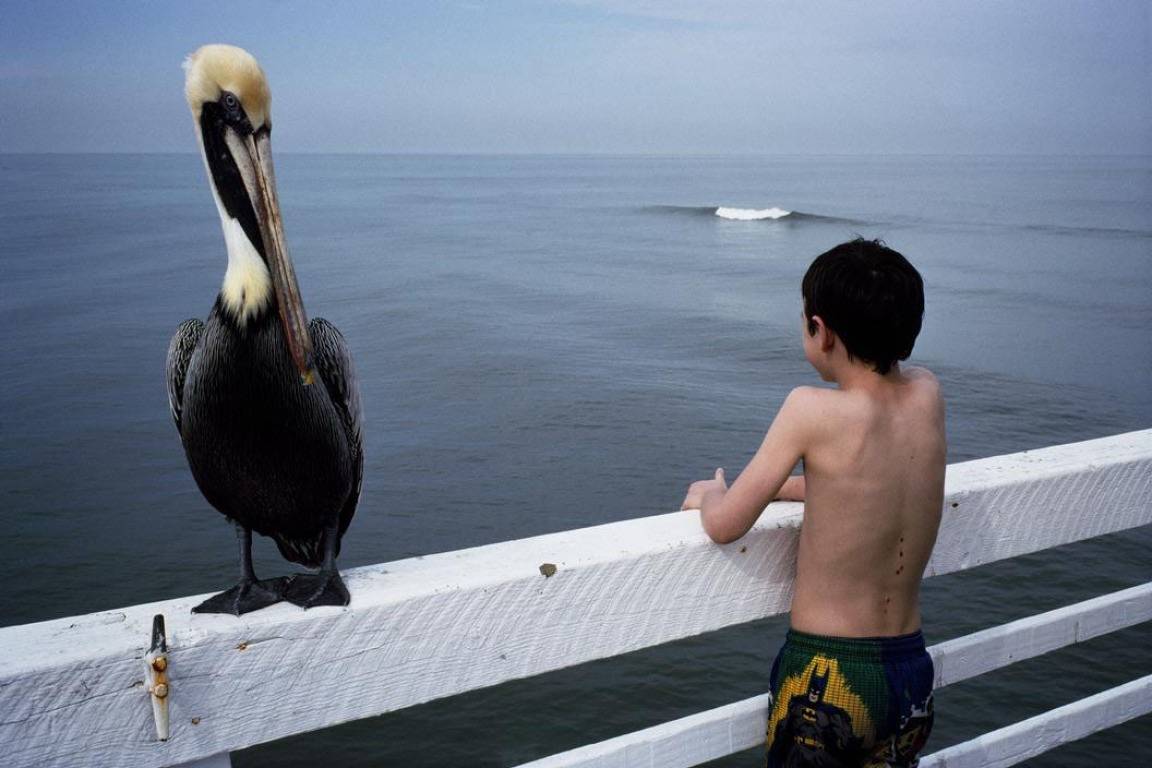

Recently I had the great pleasure of being accepted as a scholarship student (under 30) for the Magnum workshop in Provincetown, Massachusetts with David Alan Harvey. Unfortunately David got stuck in Paris en route, so the first two days I spent with Costa Manos. And I’m glad I did, I learned so much from his decades of experience (he has been in Magnum for over 50 years).
So based on my two days with him, I wanted to distill some wisdom he shared during the workshop. Here I go:

The legend Bruce Davidson was in town for the Magnum Days in Provincetown, and did a slideshow of his best images and some of the great stories behind them.
If you want to learn more about Bruce, I recommend reading: 15 Lessons Bruce Davidson Can Teach You About Street Photography.
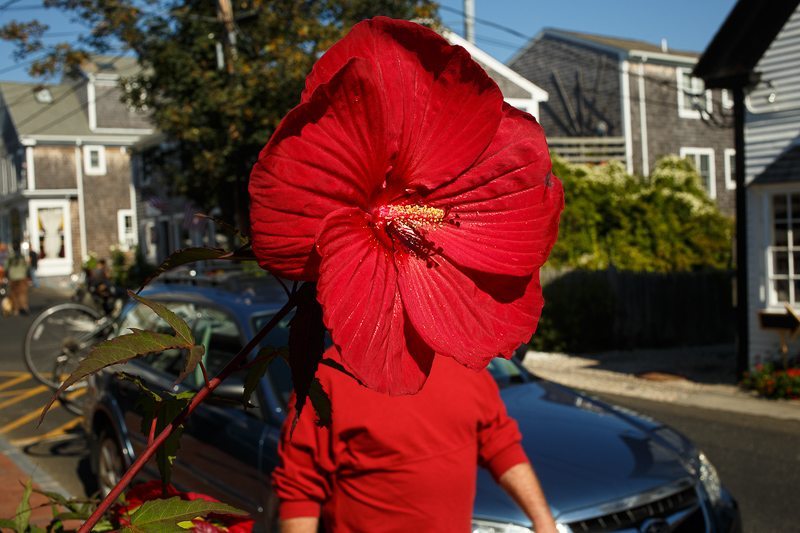

I had an absolutely phenomenal time at the Magnum Days workshop and slideshow in Provincetown this week. Below are some of the video slideshows of each teacher’s students– I was really impressed by everyone’s progress. Read more to see all the student photos.
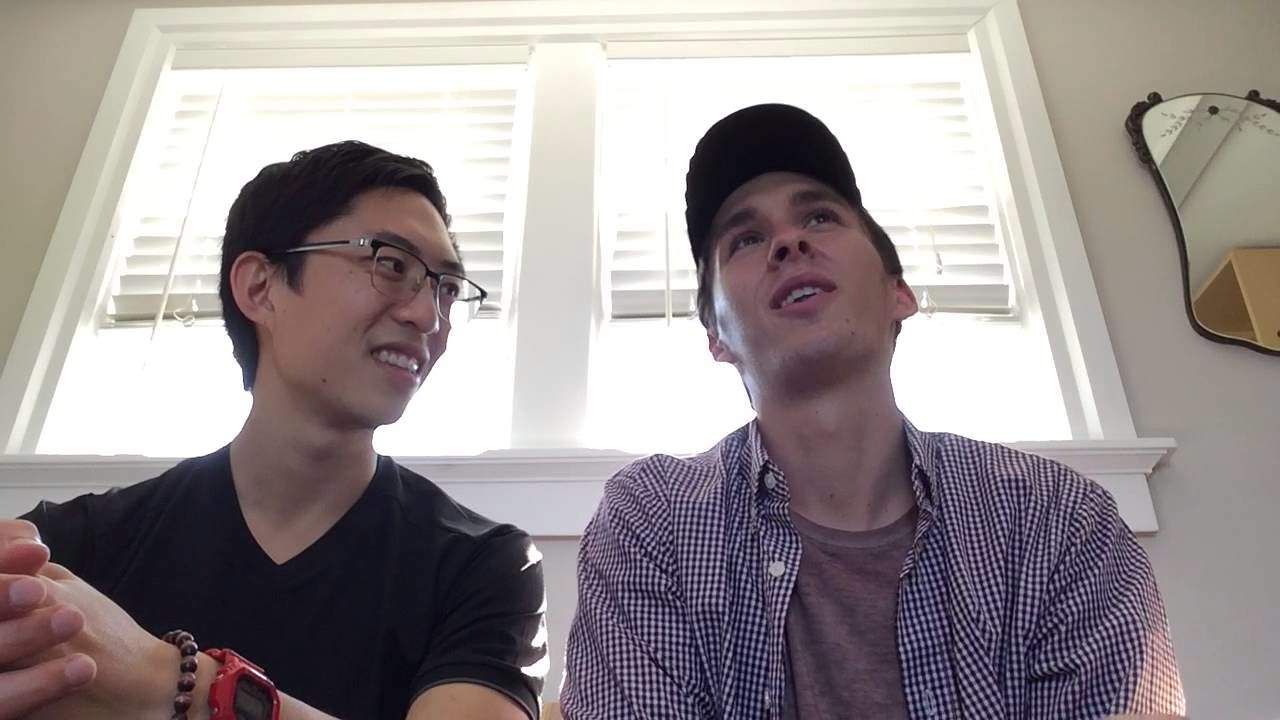
I met Kile Brewer at the Magnum workshop here in Provincetown. He is a 24-year old working photo-journalist, who attended the University of Missouri’s Journalism program. He was one of the under-30 scholarship winners, attending a workshop with Costa Manos, and also my roommate for the week here in Provincetown (we go on romantic walks in the morning). Check out my casual interview him (shot on the iPad) with him above, and follow him below:
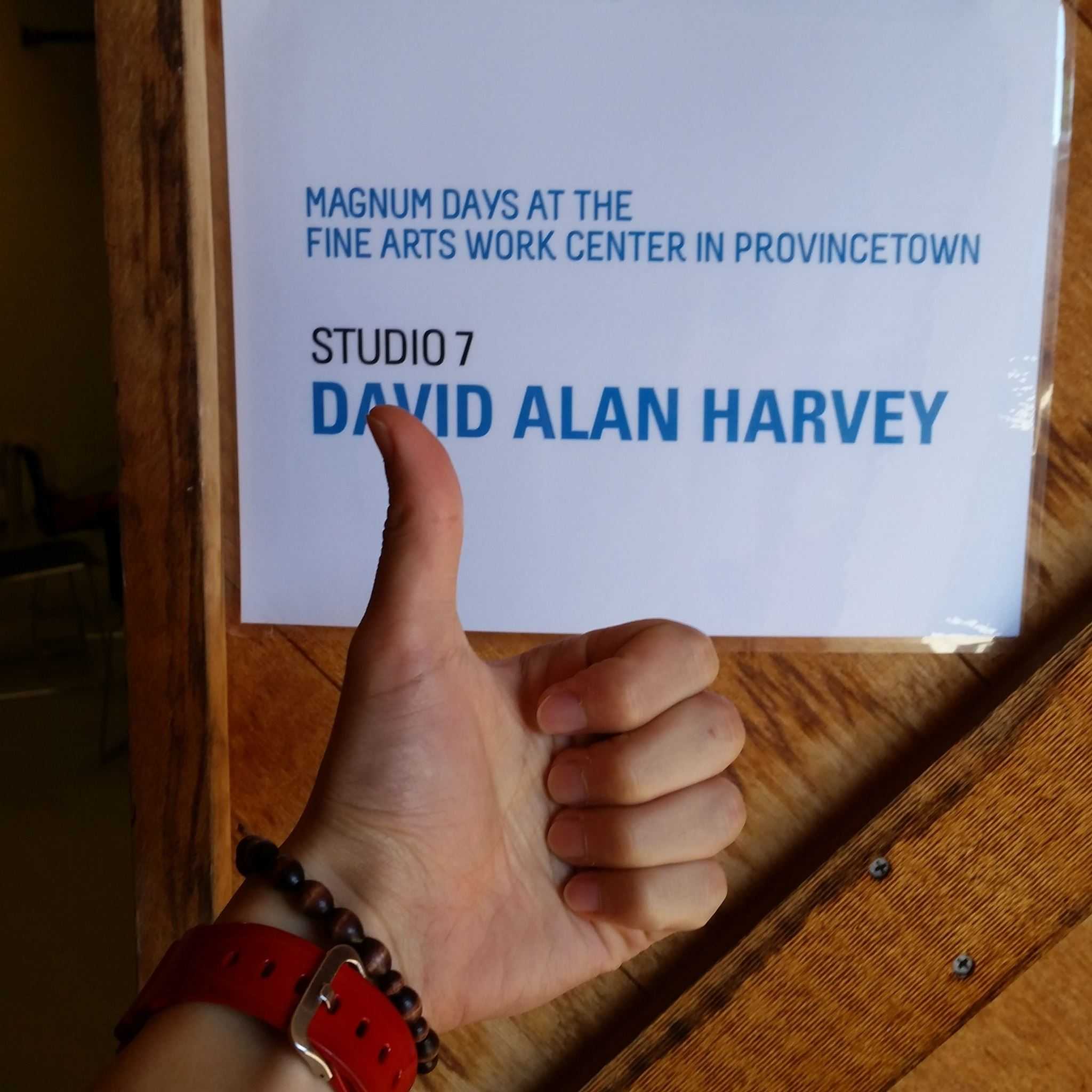

Just got up my notes for David Alan Harvey’s Magnum Workshop. Check it out and the video presentations/critiques below!

Today David Alan Harvey just arrived from France, and I had one last morning session with Constantine Manos. Below are my notes and video critique recordings:
Also check out Karl Edwards notes on “Street Shootr”:

Thank you to all the street photographers who are keeping our Streettogs Academy Facebook page a very nice and active community. Thank you for all of your participation and to Jomel “Dada Bear” Bartolome for our previous assignment. Our Assignment no. 3 editor’s choice, Bertrand Domas came up with a nice assignment for us. It was inspired by one of his favorite photographers. To pull it off, you need to have mastery of one of the basic types of light a street photographer encounters.
Given those thoughts, Bertand’s assignment for us is….
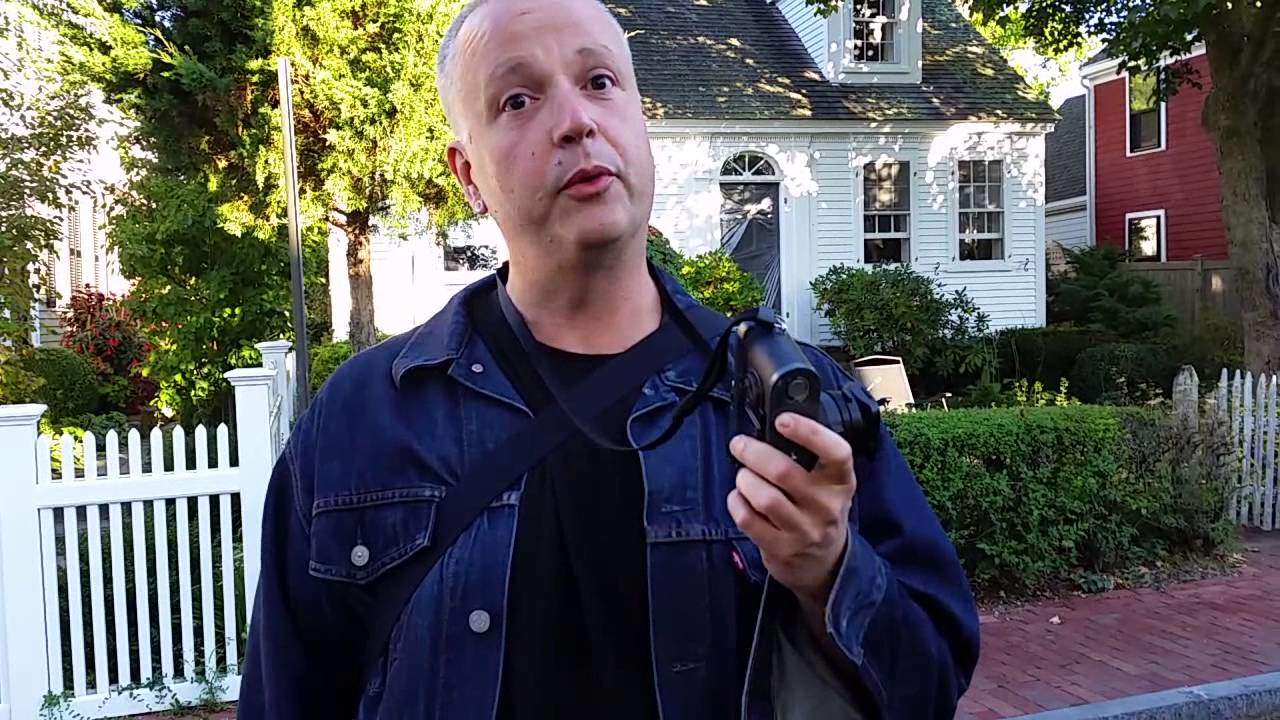
Today I went for a lovely 6am walk with Karl Edwards in Provincetown. Karl Edwards is a street photographer based in Toronto, and is also doing the Magnum workshop with Constantine Manos. We have a lively chat about street photography, shooting on the Leica M-E, and his new venture: “Street Shootr” — which is the Petapixel for street photography (breaking news on street photography).
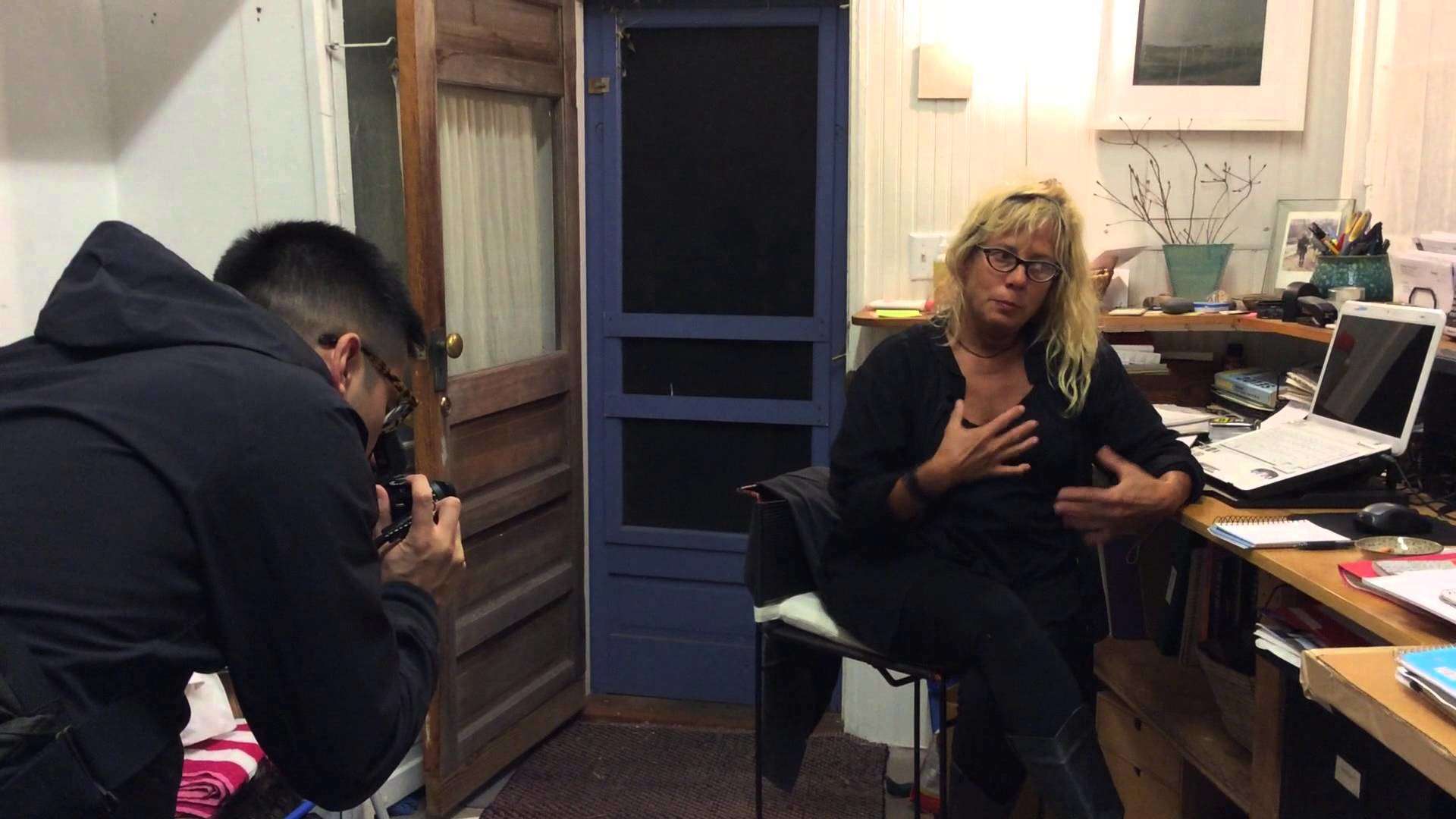
Having some fun shooting portraits with Quoc and Kile in Provincetown with Heather Bruce, a local painter here. We met her at a local bar at night, shared her life story, and showed us her beautiful home by the water on commercial drive.
If you want to contact Heather Bruce regarding her work (or anything else), email her at: hbruce2800@yahoo.com
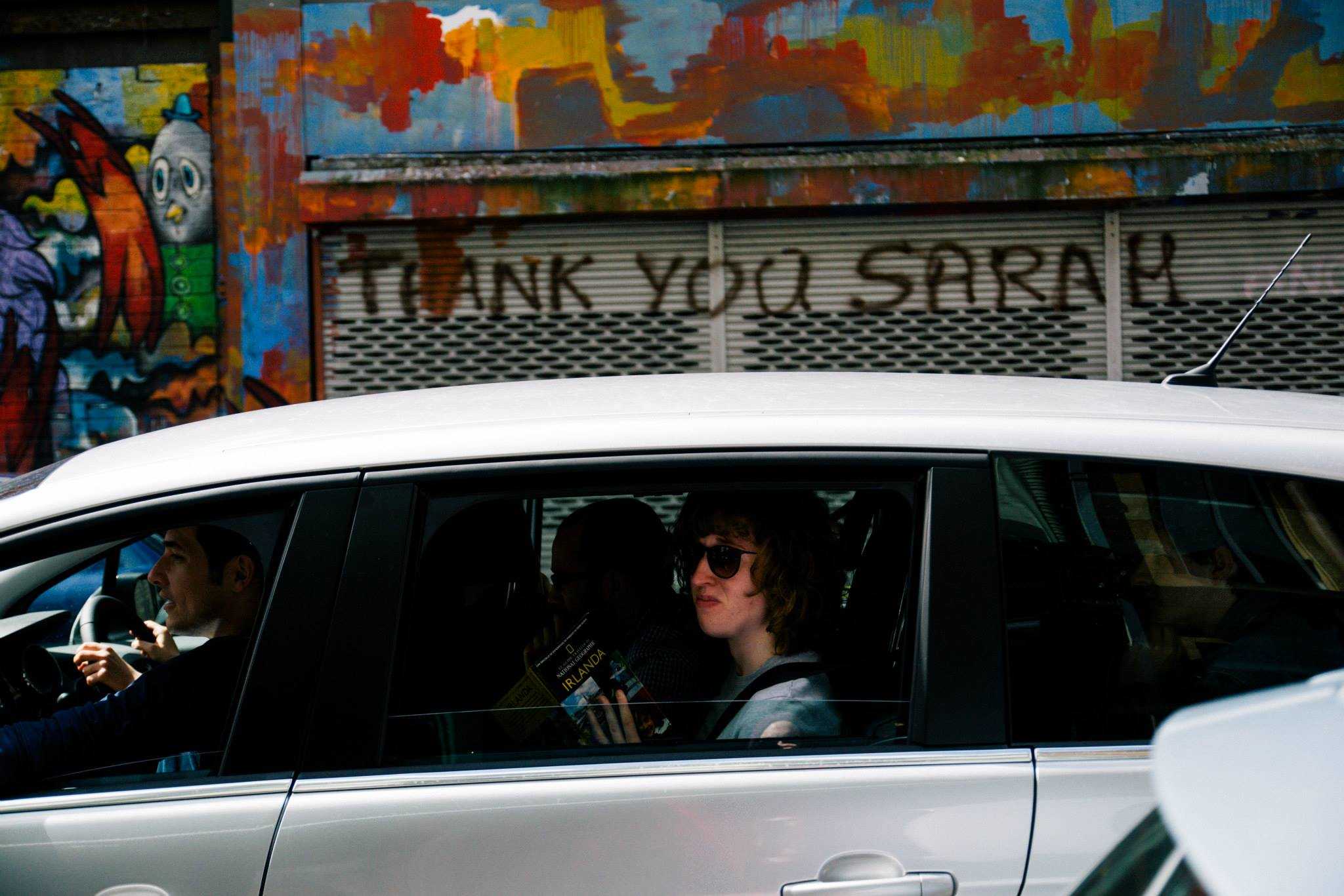

As always, thank you to everyone who participated in our Assignment No. 3. Special thanks goes to our editor’s choice Jomel Bartolome a.k.a. Dada Bear for picking this very interesting and challenging assignment for. It not only tests our skills in making a street photograph but it also asks us to challenge how to tell a story with a single photograph with his added task of showing what it feels like to be in a land foreign and different from yours. Offcourse, that isn’t the only way to interpret the theme.
Without further ado, here are some of the interpretations of Assignment No. 3, Foreigners!


Dana Danzel, a drag queen at a bar. I approached and asked her if I could take a few photos. I loved her personality, and blue accents. Shot a roll of Kodak Portra 400 on her on my Leica, and shot a few photos with my phone to email her. Provincetown, 2014.
Just flew out from sfo this morning at 6am and arrived for the meet and greet for the Magnum Workshop. Was met with a beautiful sunset, and was able to meet some great folks. Also had a great chat with Song, the Magnum workshops coordinator.


I’m currently re-reading “Antifragile†by Nassim Taleb, one of my favorite authors.
One of the views he has on life is to trust to trust disconfirmation over confirmation, and that much of happiness in life is knowing what not to do (relying on external validation from others, falling into consumerism, being a consumer over being a producer, deal with a miserable commute) than what to do.
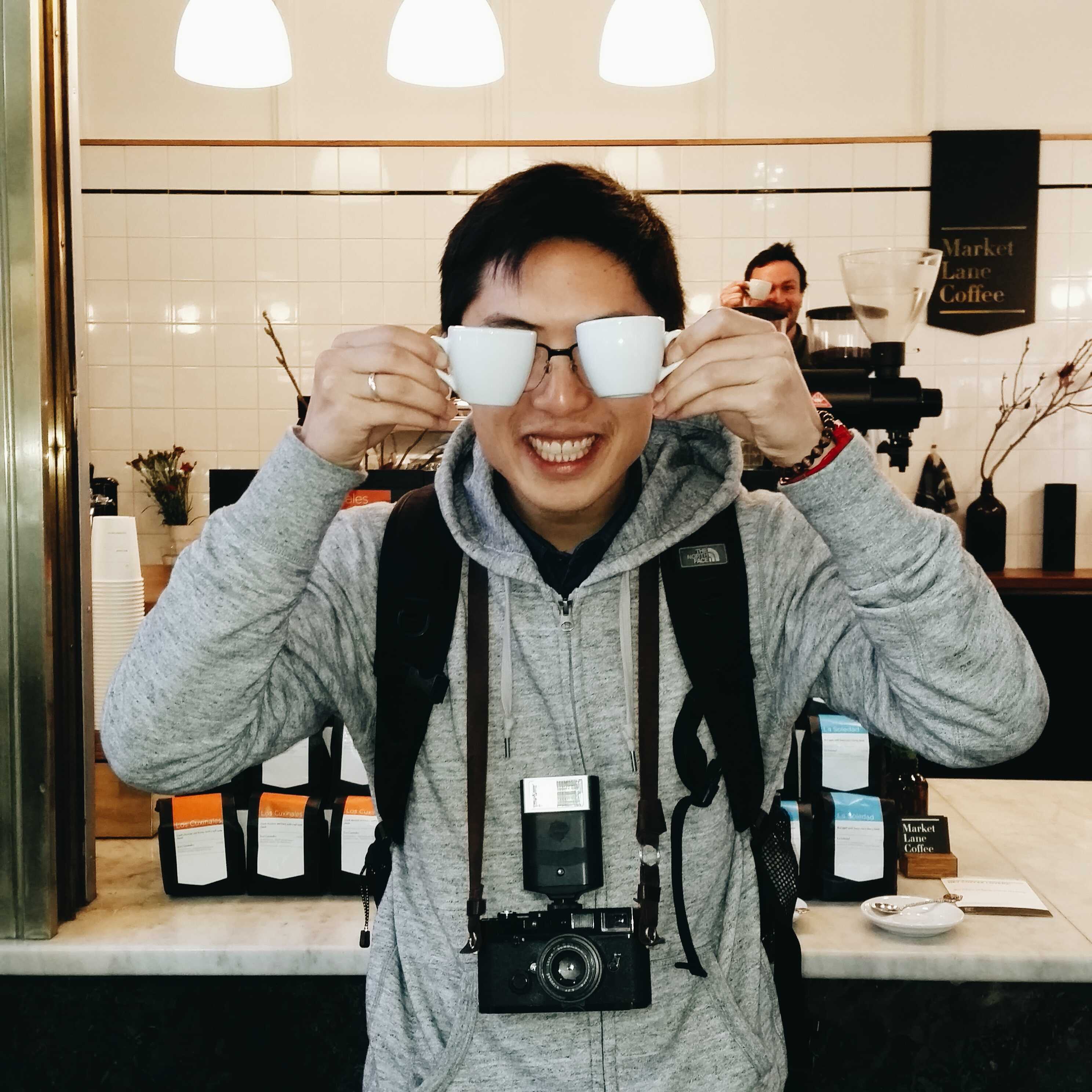

I am currently in Melbourne, and about to head back home to the states after being abroad for nearly 3 months. A travel itinerary I had:
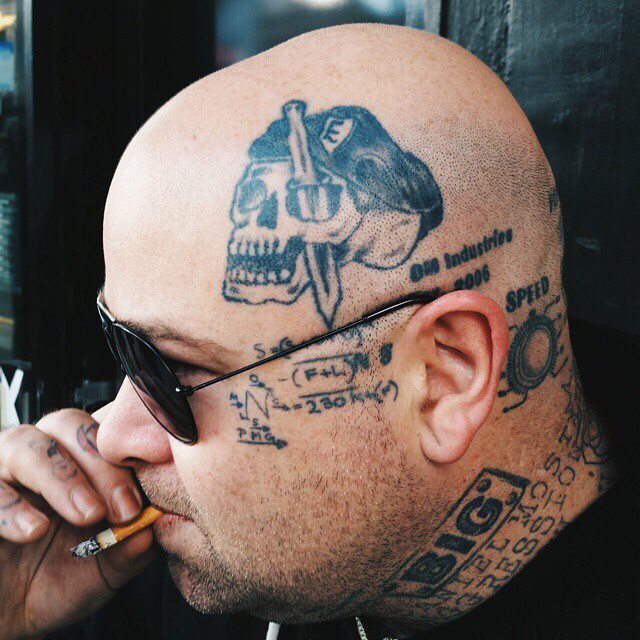

Street photography is the most difficult type of photography out there. There is so little we can control, and it takes a lot of courage and confidence to shoot in the streets.
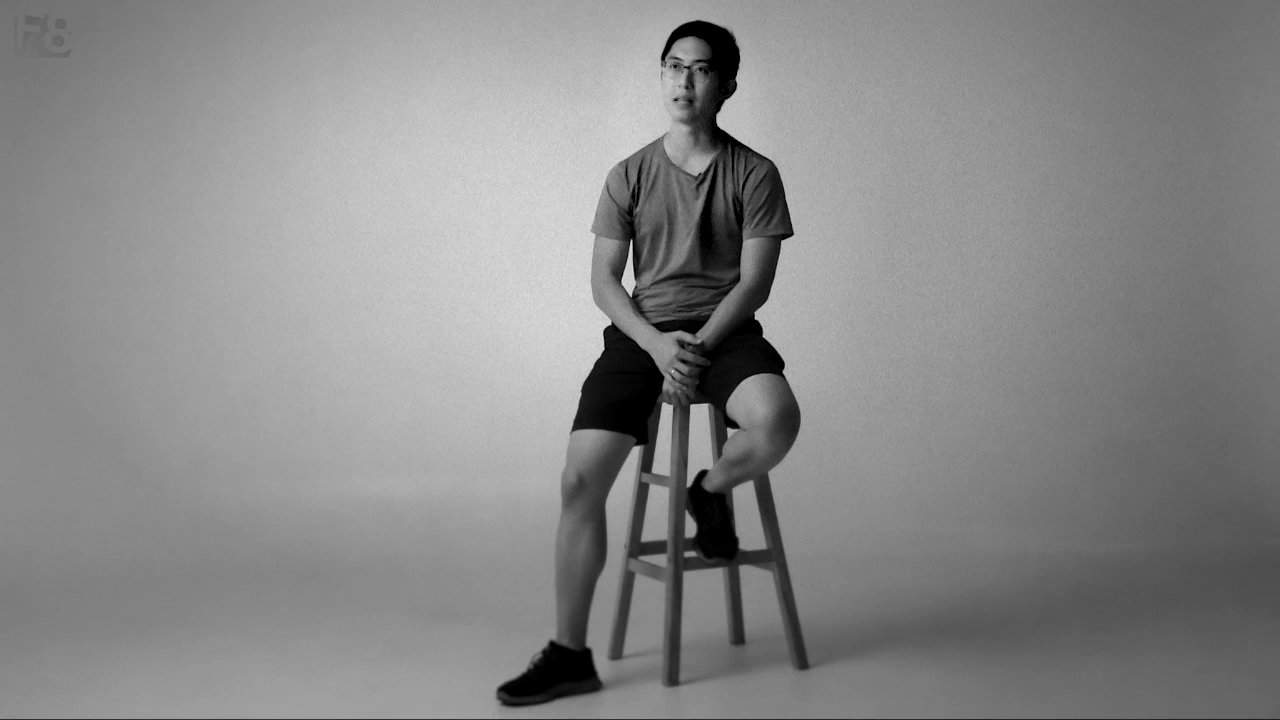
Huge thanks to Gary Tyson and Vishal S from Camera Film Photo for putting together this interview video and questions while I was in Hong Kong. We talk about my fears in street photography, books, film, and more.
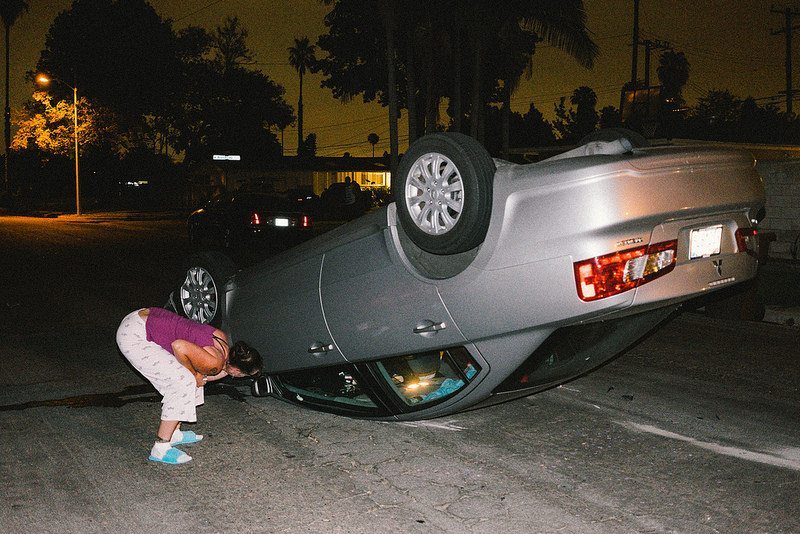

I am often frustrated with my photography. Sometimes I will prowl the streets for hours, without getting any decent shots. Sometimes I ask myself, “what is the point of all of thisâ€â€“ does it all really matter?
One of the biggest inspirations in my photography is Josef Koudelka. He is the type of photographer who takes 10 years to publish one book, and the book is damn good. He takes his time with his photography, and the only person he has to impress is himself.
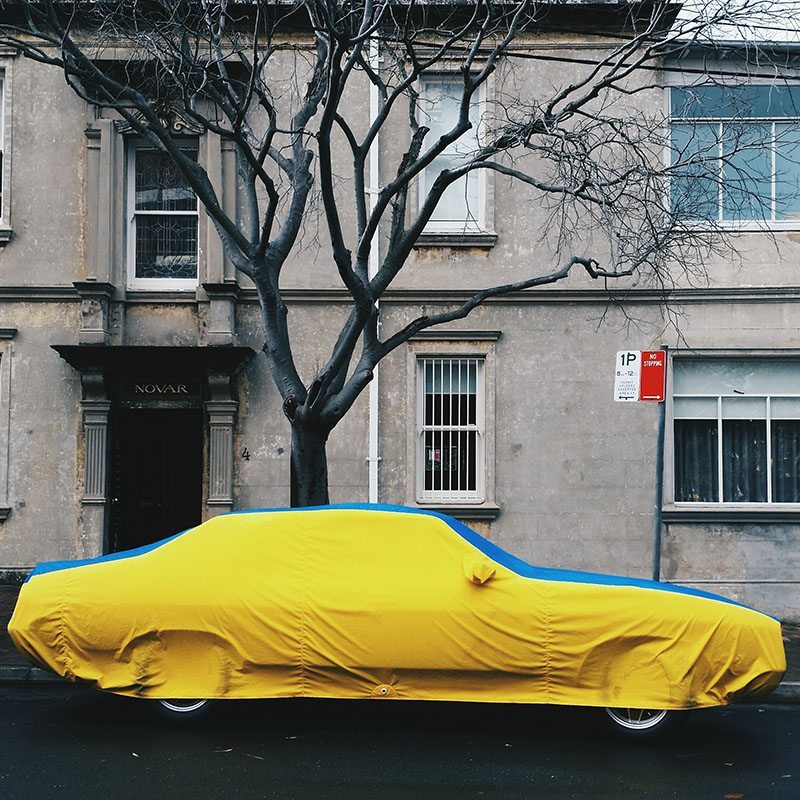

We often have tons of excuses in life. We don’t have enough time. We don’t have enough money. We don’t have the opportunities to do what we love.
I always make tons of excuses in my street photography. When I am traveling on the road, I have tons of opportunities to shoot and always feel inspired. However, when I’m back home— I don’t feel the same inspiration. I fall into the same boring routines of my everyday life.
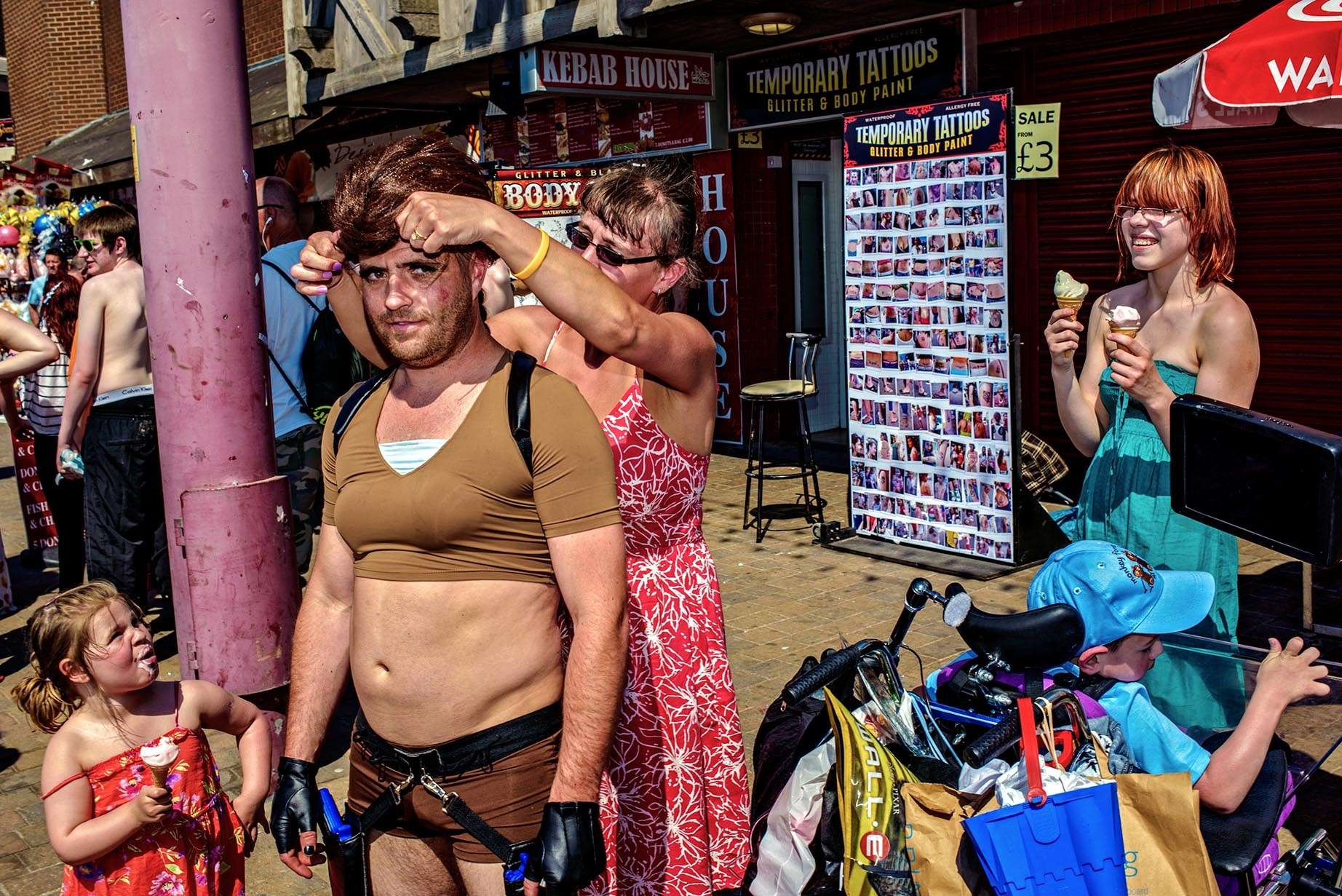
(A.g.’s note:Â Some of the photographs in the article are for mature audiences only. Viewer discretion is advised. Words by A.g. De Mesa. Interview and questions by Eric Kim. All photographs are the respected copyright of Dougie Wallace)

Through the years of photography, the question weather the photographer is but a mere passive participant in the scene and subjects has been debated through in through. For a person like Dougie Wallace who actively documented Blackpool, witnessing how England’s generation is growing up in a place where Lads go to get hammered and ladies let go of their inhibitions, can we argue that the photographer itself is merely an observer? Or perhaps the mere presence of the photographer brings about a certain personality or performance in the subject since they know they are going to end up in a photograph somewhere?
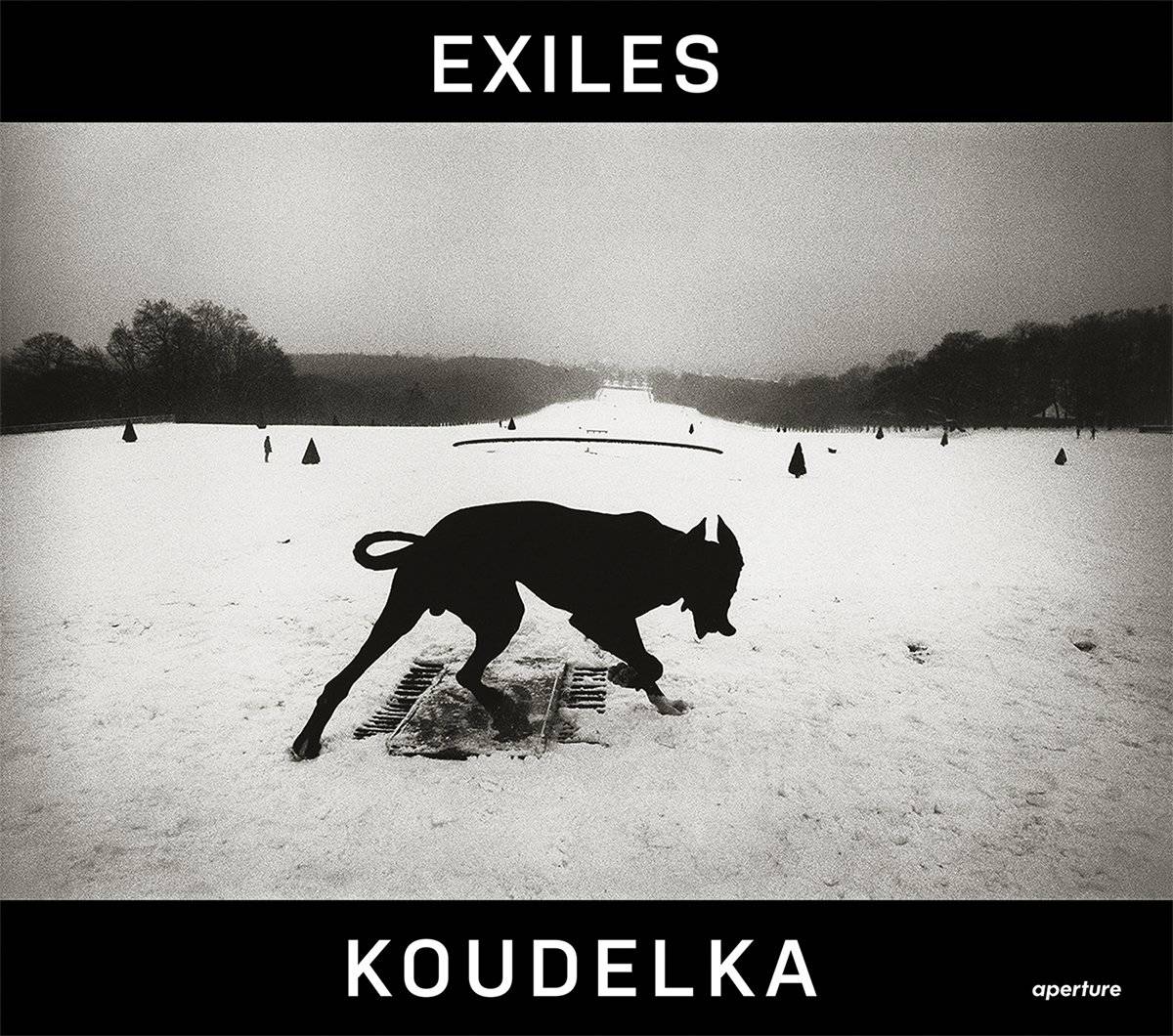

I am really excited to share that Henri Cartier-Bresson’s “The Decisive Moment” in addition to “Exiles” by Josef Koudelka is going to be reprinted. These are two of the greatest street photography books published in history, and once sold for hundreds (or even thousands) of dollars.
Don’t miss out, pre-order a copy today!
Learn more about the masters:
Remember if you’re feeling uninspired in your photography, “buy books, not gear“– and check out this list of inspirational street photography books.
What other photography books are on your list? Share your recommendations in the comments below.
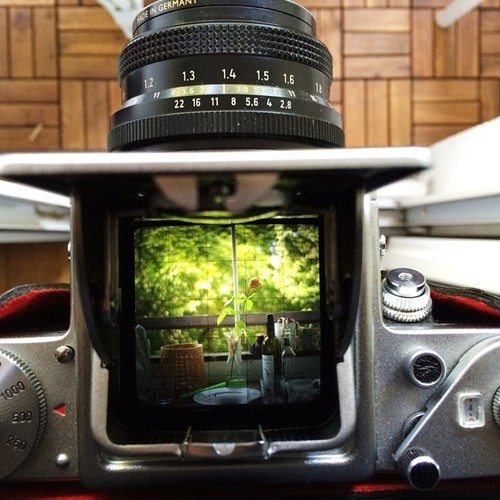

A.g.’s note: Here’s a guest post for Sven Kraeuter that was originally posted in his blog. He shares to us an encounter he had while shooting around his neighborhood with a medium format camera that lead to an interesting encounter. Text and photographs belong to Sven Kraeuter.
Sven: Resurrecting my old east German medium format camera is a great experience so far. Coming from a rangefinder where you don’t look through the lens, hence have no visible indication of the depth of field, the first astonishing difference was to see this huge 6 by 6 centimeter view through the open aperture lens. This is a problem since everything looks gorgeous with that massive three dimensional pop and you could snap pretty much everything you frame right away ;-).
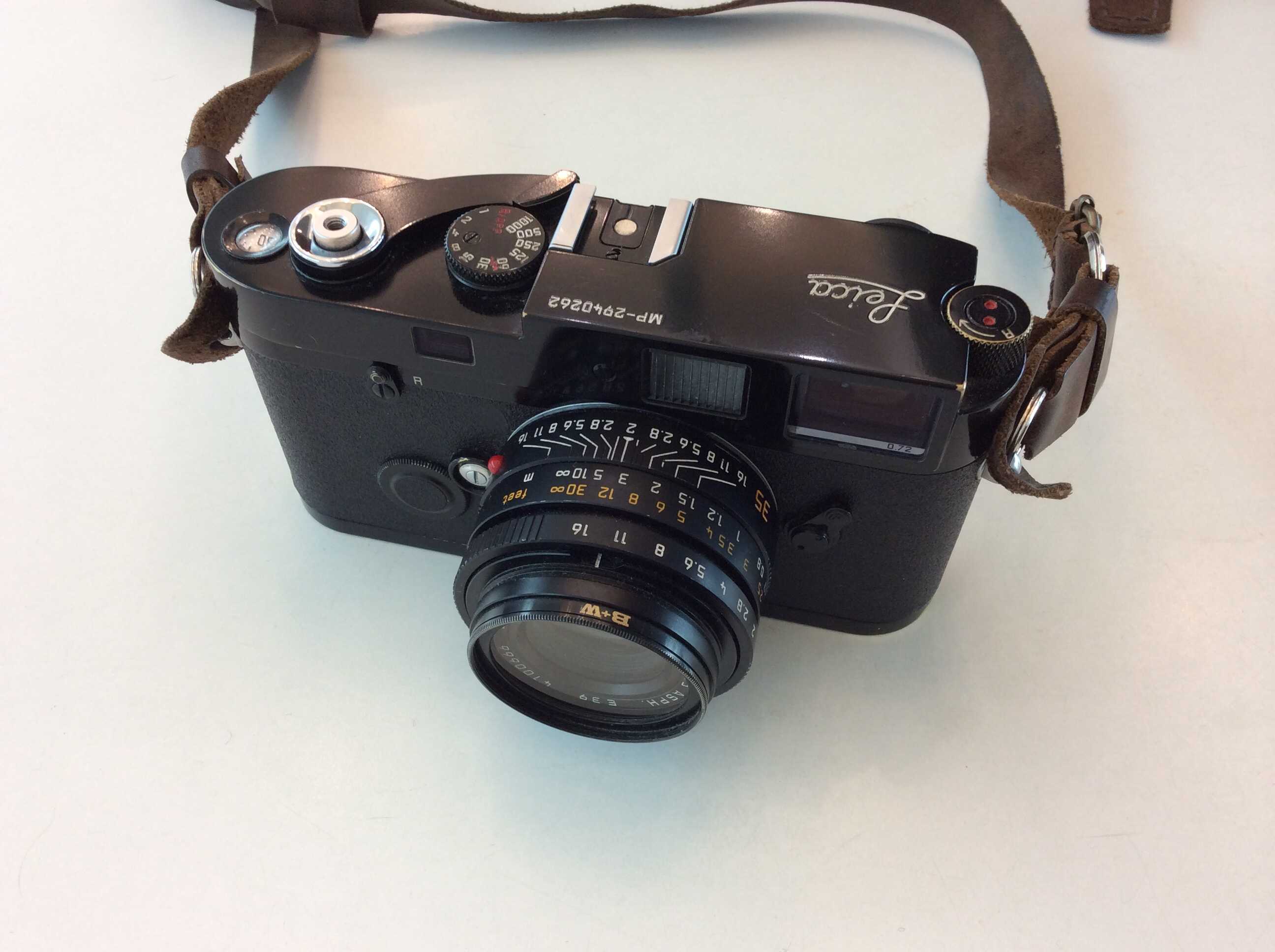

I know a lot of street photographers who have gotten into film recently, and have recently invested in film Leicas (specifically Leica m6’s). I wanted to write this guide to share everything I personally know about shooting on a film Leica based on my 3 years of experience.
Disclaimer: I am not a Leica expert, nor do I claim to be. But I will to share some practical tips and insights about film Leicas and how to shoot them on the streets.
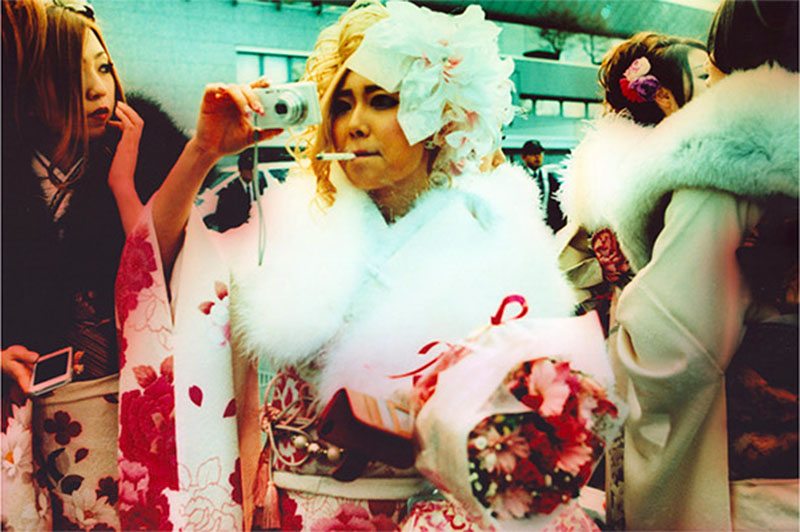

Sean Lotman is a street photographer based in Kyoto. I recently met up with him in Kyoto and he showed me his beautiful 8×10 color darkroom prints. I was amazed by the colors, poetry, and beauty of the images– and wanted to share some of his work on the blog. You can see my past feature with him here.
Sean is a storyteller, critic, and occasional haiku mechanic.
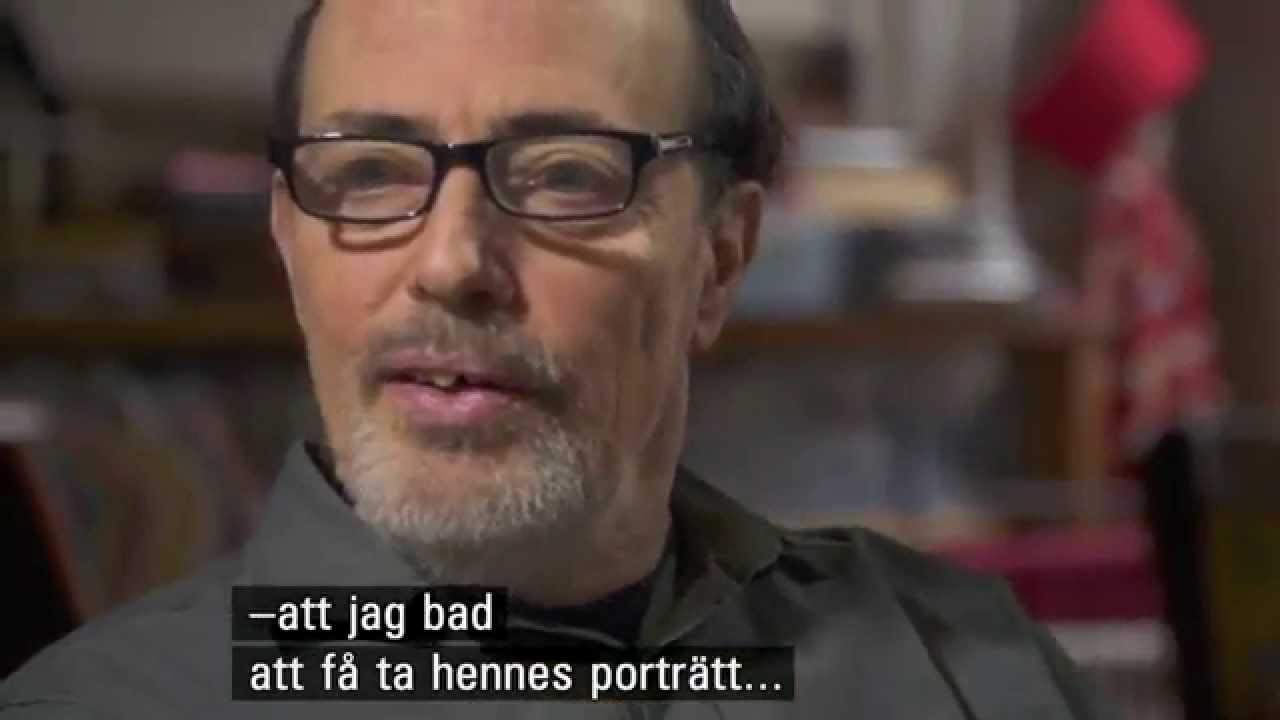
To learn more about Bruce Gilden, I recommend reading: “5 Lessons Bruce Gilden Has Taught Me About Street Photography” and “An Afternoon with Bruce Gilden“.
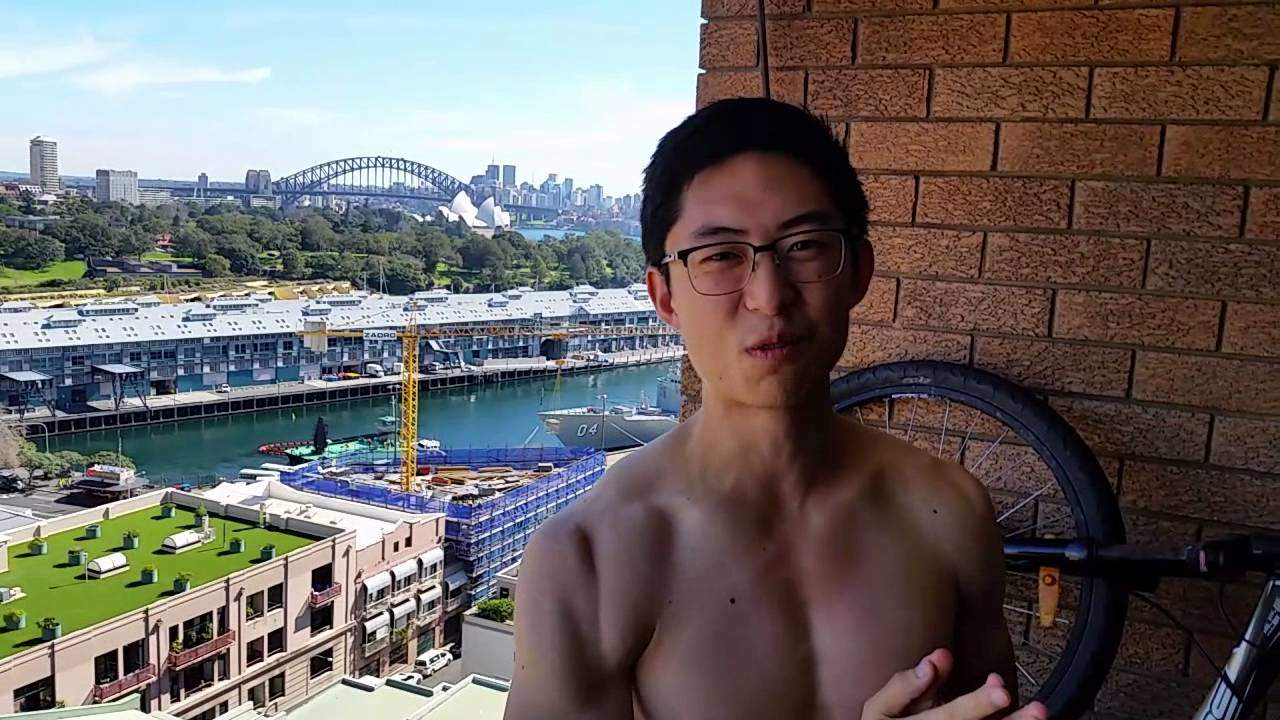
Charlie Kirk nominated me for the Ice Bucket challenge and I just donated $100 to support ALS. If this blog has helped you out in any way (or this video entertained you) please consider also donating to ALS. There is no better joy than paying it forward and helping others :)
To pass on the torch, I nominate Justin Vogel to do the Ice Bucket Challenge! Special thanks to Greg Marsden for helping out make this video!
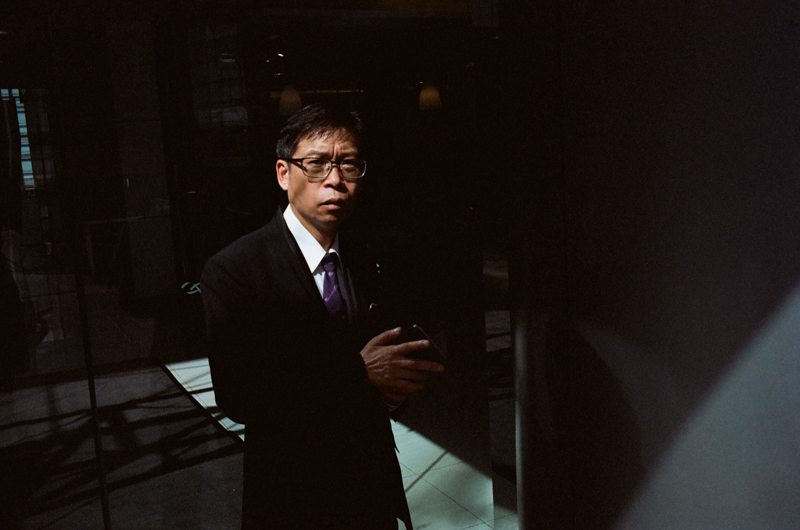

Recently I hooked up with my buddy Vishal from Hong Kong (he runs Camera Film Photo) and he hooked it up with some Rollei Digibase CN200 film. I was quite excited about the film (as it is new) — and decided to have a go. I shot around 2 rolls of film, and wanted to share some images and share some thoughts about the film.
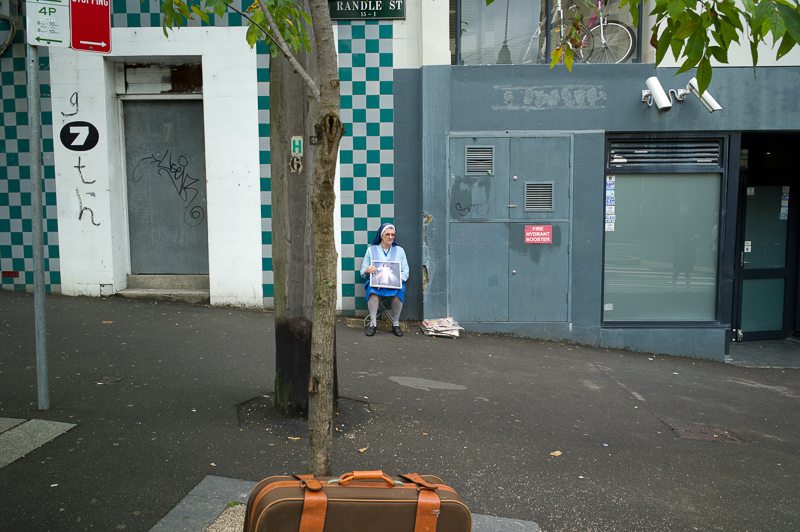

Greg Mardsen (Ho Hum) is a street photographer based in Sydney, Australia.
I’m Greg, an LA-born, Sydney-based photographer. I’ve had a number of life experiences that have shaped how I see the world and take pictures. From playing bass in a pre-Guns N’ Roses band with Slash and Steve Adler to working in combat zones in Central America and the Middle East to busting bad guys as an undercover cop in Germany. I’ve traveled significantly throughout America, Asia, and Europe; was in Berlin for the fall of the wall and at the flash point in South Central Los Angeles during the LA riots.
I’m a trained psychologist and more recently was a senior executive in a large corporation. A few years ago I decided to ditch the tie, follow a passion, and take pictures full-time.
I’ve never been poorer. Or happier.

This article is written by Josh White, originally posted here.
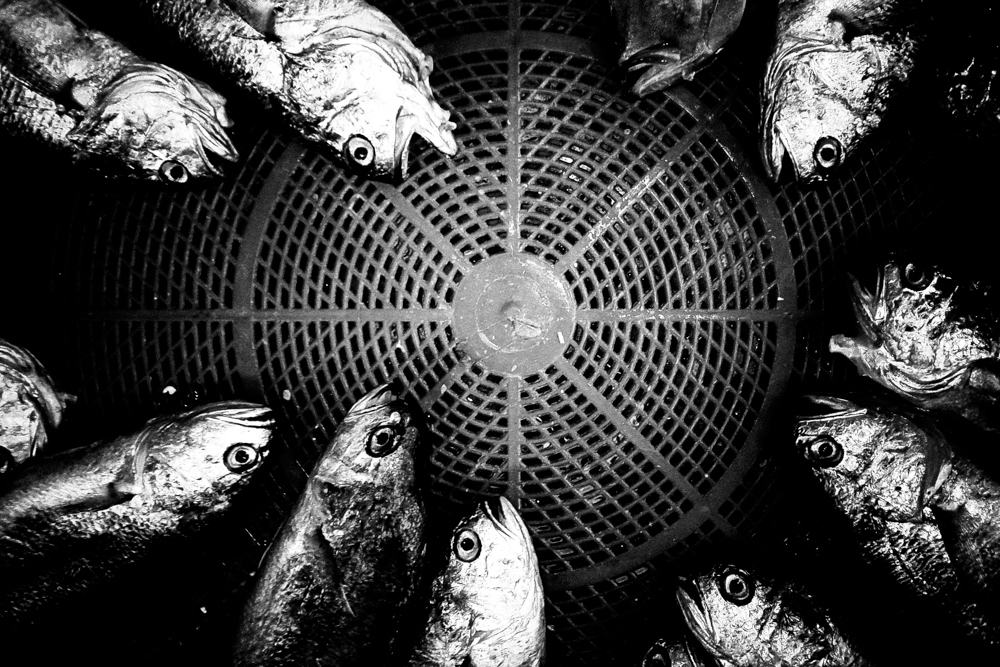
Josh: More fish. After spending the previous weekend in Busan I found it hard to get away from the couple of photos I took there. I feel like I figured something out about myself there.
I’ve always found it really hard to explain why I like the photos I take with small, compact cameras more. It always seemed that if I went on a trip or something no matter how many huge cameras I took the photos I ended up liking the most were the ones from the smaller cameras.
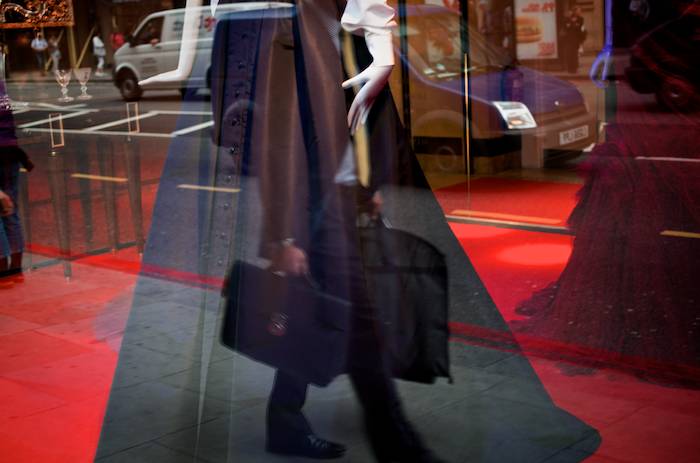
(A.g.’s note: Eric interviewed Andy Kochanowski. Check out his origin story, Life as a Burn My Eye Member, and his interesting advice to photographers. All photographs are the respected copyright of Andy Kochanowski.)

Eric: Great to have you Andy. Let’s start from your beginnings in photography. When did you first pick up a camera and “discover” street photography?
Andy: Let’s get the terms right, Eric, I like to think of it as loose documentary. What I do is watch and wait until something interesting happens.
But the beginning, that must have been back in the ‘90’s when I was traveling a lot to London after I got done with school. I had learned how to develop film and built a small darkroom in my basement, and began to travel with a Canon AE-1 that I had bought a couple years earlier and shooting Tri-X at night when I wasn’t working. I had never picked up a photo book, though I did have a subscription to Photo & Darkroom magazine that (I think) was then edited by Mike Johnston, The Online Photographer. I shot quite a few rolls in SoHo, Leicester Square, which were close to where my firm had a flat. That was my first introduction into just being there and looking. The results were predictable and boring of course, but since I’d never seen anything else I thought my photos were pretty good.
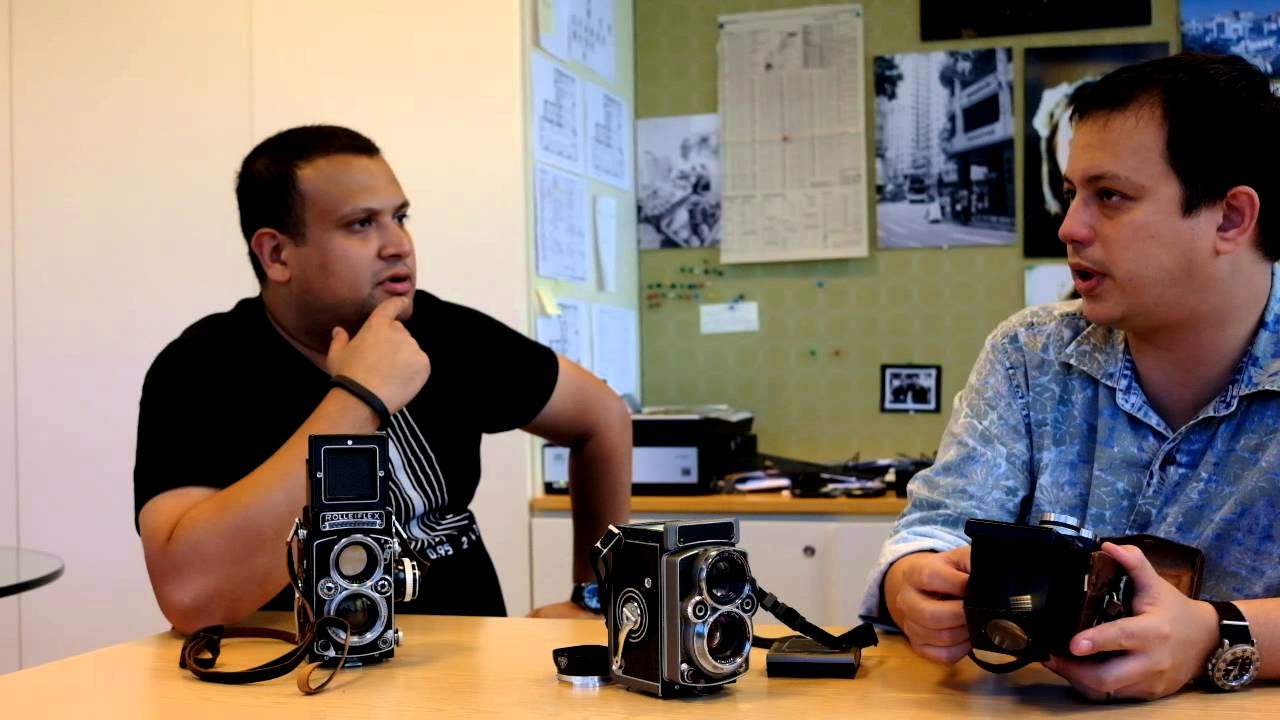
I just made a fun video at Dan K’s office in Hong Kong featuring an episode on Rolleiflex’s, TLR’s, and film. Enjoy! :)
Featuring:
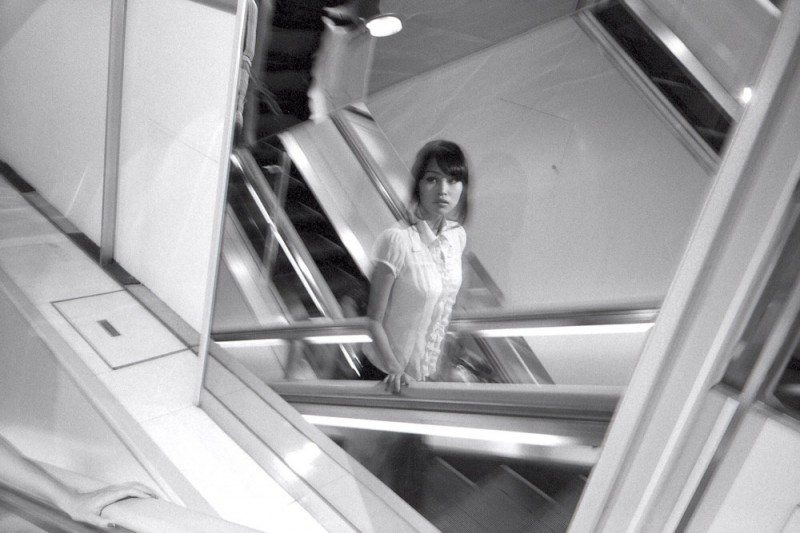

If you want to read two cute dog’s deliberately controversial (yet incredibly insightful) tips on street photography, read more:
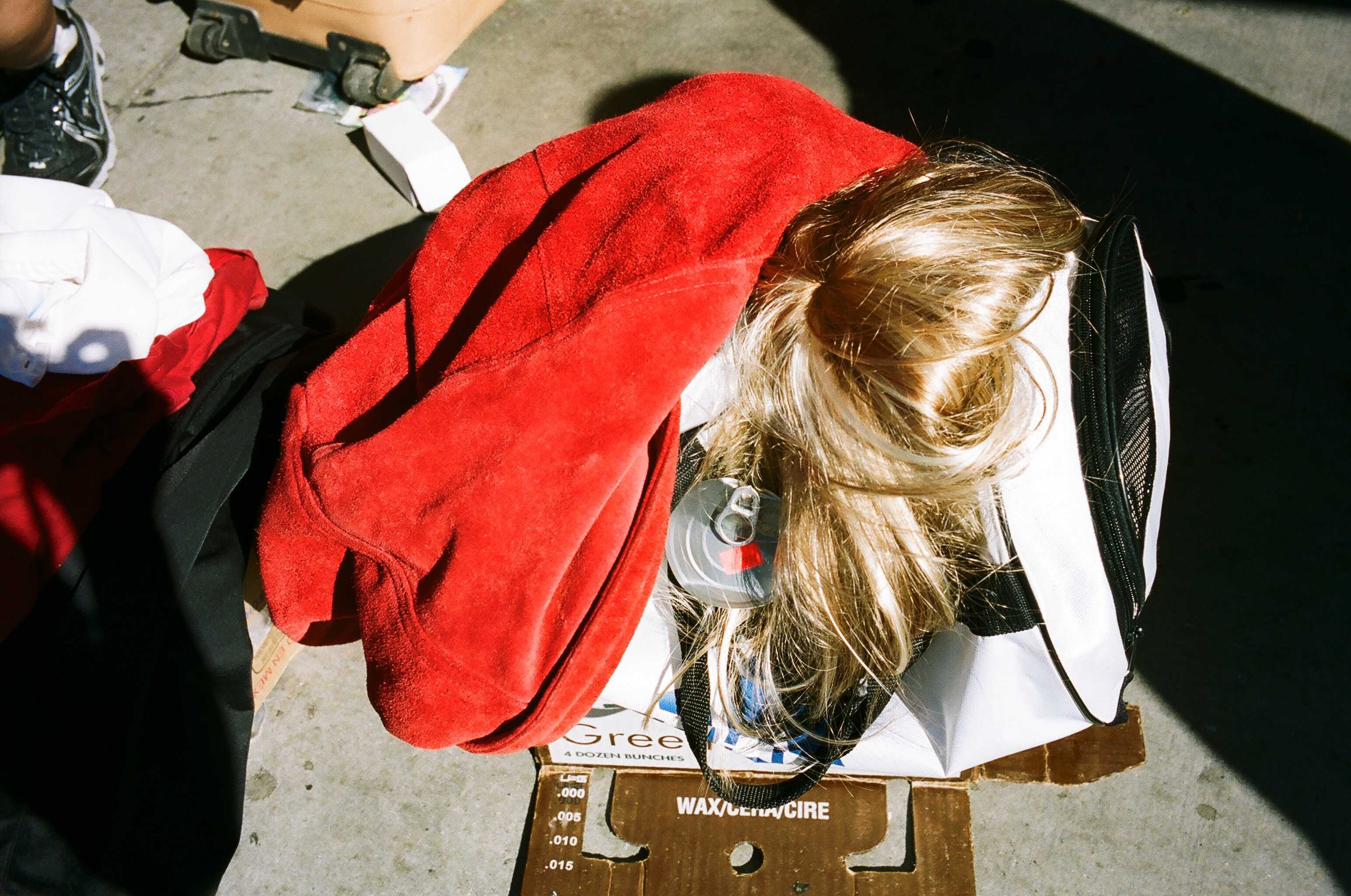

We are never satisfied. Nowadays with a barrage of advertisements and commercials– we always want the next big thing. We want something better. We want to optimize the stuff we own. We become easily dissatisfied with what we own.
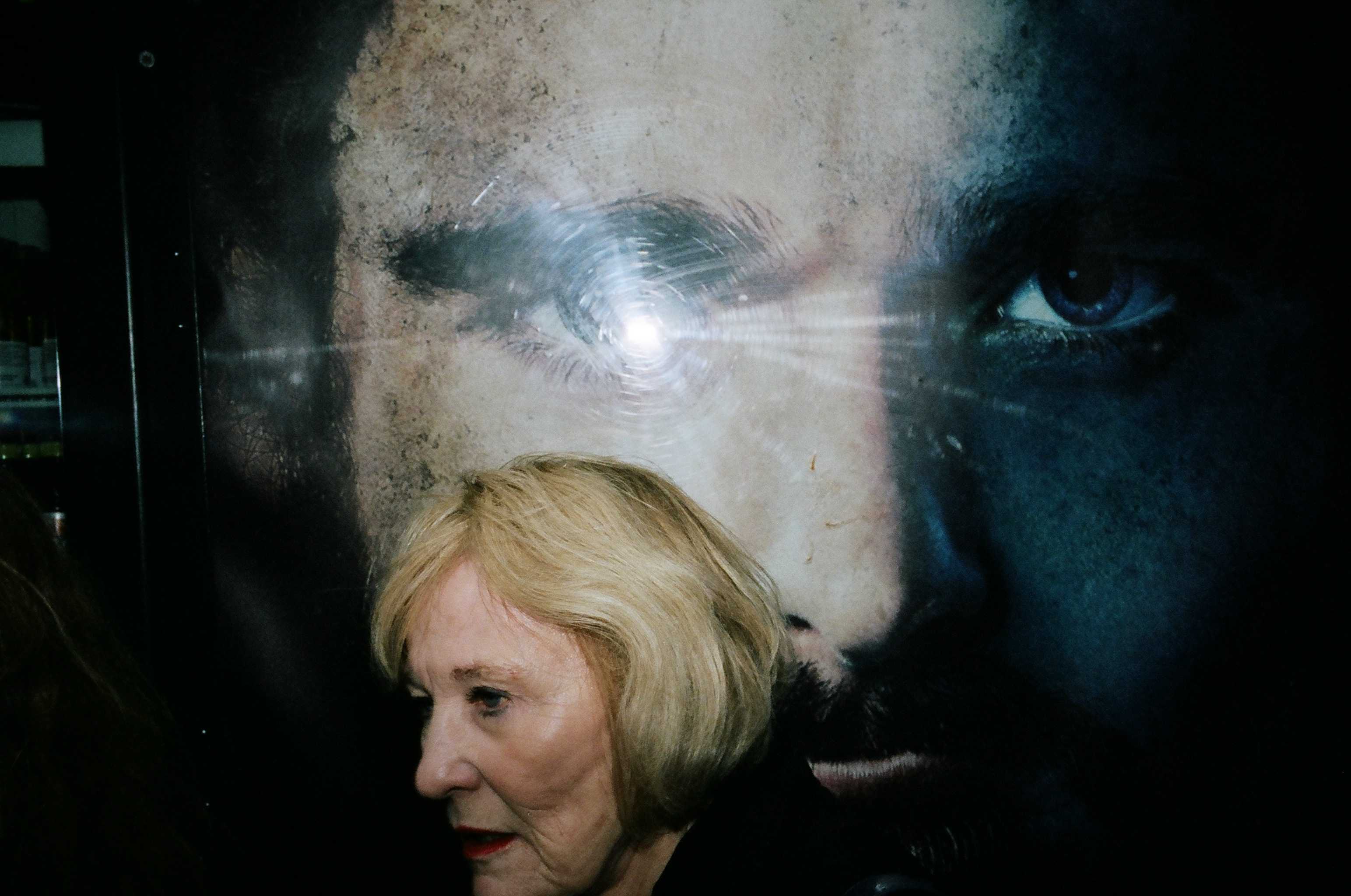

We are insecure. We don’t want people to be brutally honest with us. We like feeling liked. We don’t want to hear the truth, or at least what people really think about us and our work. We like it when things are sugar coated (I know I do), and facing reality can be tough.
I remember when I started photography, I thought I was awesome. I thought my work was incredible, and I deserved fame, glory, and attention.
Then one day, I remember stumbling on the work of the masters and the greats of photography. I then realized my work sucked in comparison to theirs.
At first I was discouraged. I though to myself: I could never be as good as them, why bother even trying?

Thank you again to everyone who participated in our 2nd Assignment and to everyone who is making Streettogs Academy Facebook Group a nice place to find good people and good photography.
I got to talk to Assignment #2 Editor’s Choice, Jomel Bartolome aka Dada Bear about the next topic. This one is something near and dear to his heart.
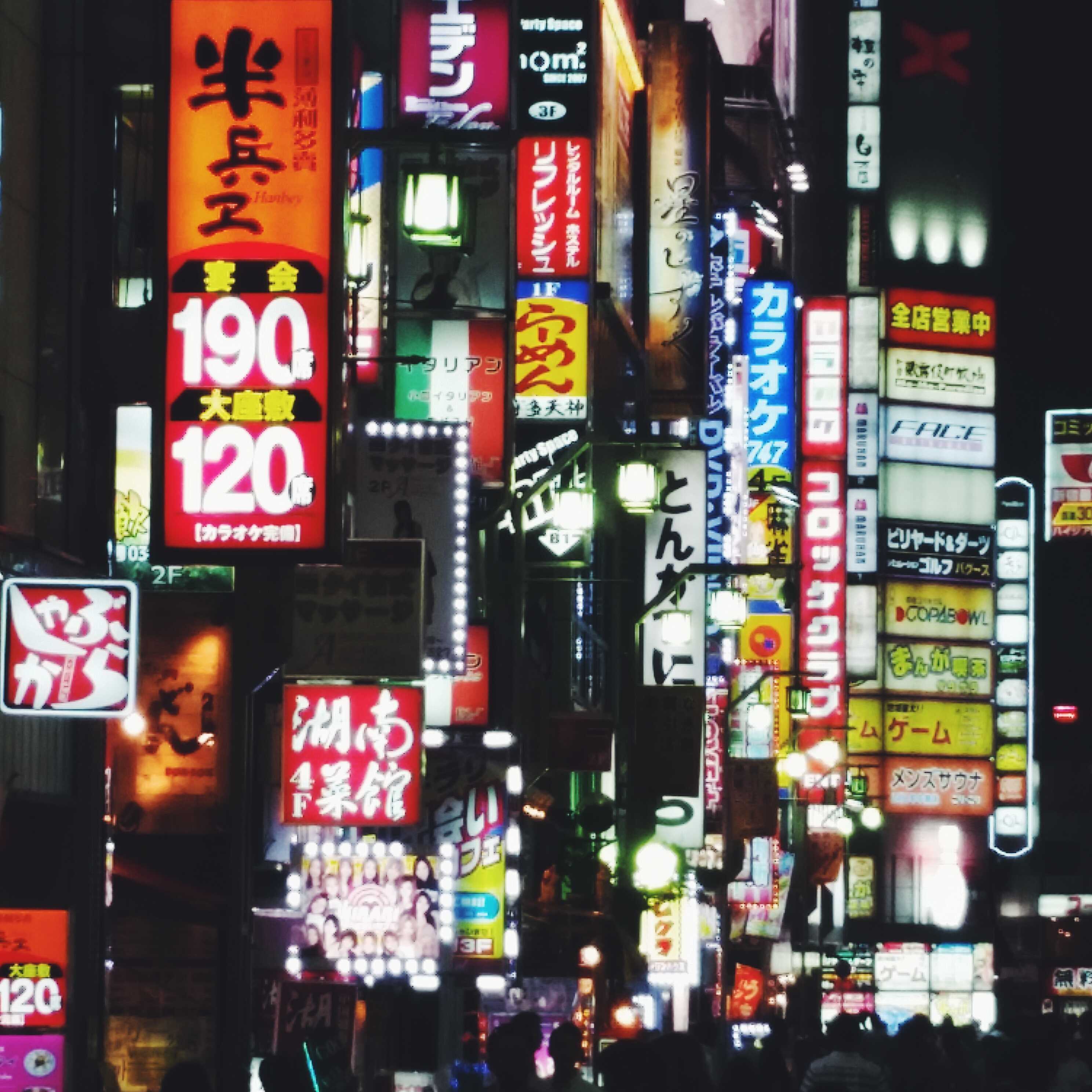

I’m currently on the skyliner, on the way to the narita airport to Hong Kong and wanted to share some reflections of my trip. For those of you who have never been to Tokyo, it is an incredible city. It is one of my favorite cities to shoot street photography in the world. There is so much action, energy, and a pulse to the city that isn’t matched anywhere else. Going to shibuya, shinjuku, and harajuku are like blasts to the past– with a modern day twist. I love the romanticism of Tokyo, and the food here is also amazing. (more…)

What motivates you in street photography? What is the fuel that keeps you going? Why do you decide to go out and shoot, even though you might be tired, exhausted, or frustrated?
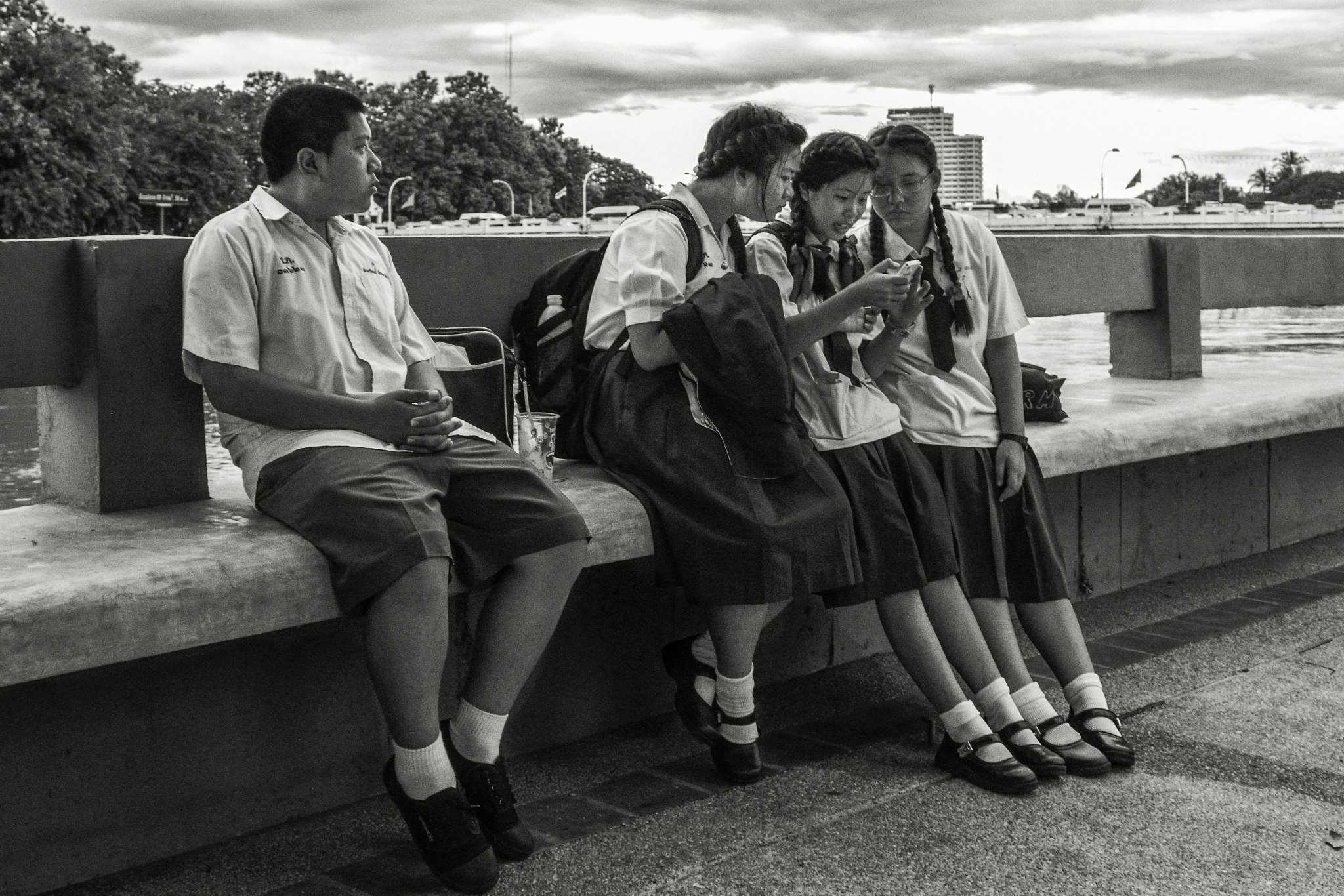

“Friendship is born at that moment when one man says to another: “What! You too? I thought that no one but myself . . .”â€
― C.S. Lewis, The Four Loves
The 2nd Assignment, chosen by 1st Assignment Editor’s choice Helio Tomita, focuses upon the basis of human interaction that fosters romance, lifelong companionship, and the light when things are bleak. Friendship is an essential part of human sustenance. It does not fill the belly like a good hearty meal but it fills the soul with experiences and unforgettable moments. Such moments often times happen on the streets. These are those moments.

I always thought to myself: the day I had unlimited money, unlimited time, and unlimited cameras was the day I could truly be creative.
Funny enough, I found out that wasn’t the case. Out of all photographers I’ve met, the ones that are most creative are the ones that are strapped on resources– the ones that have constraints.
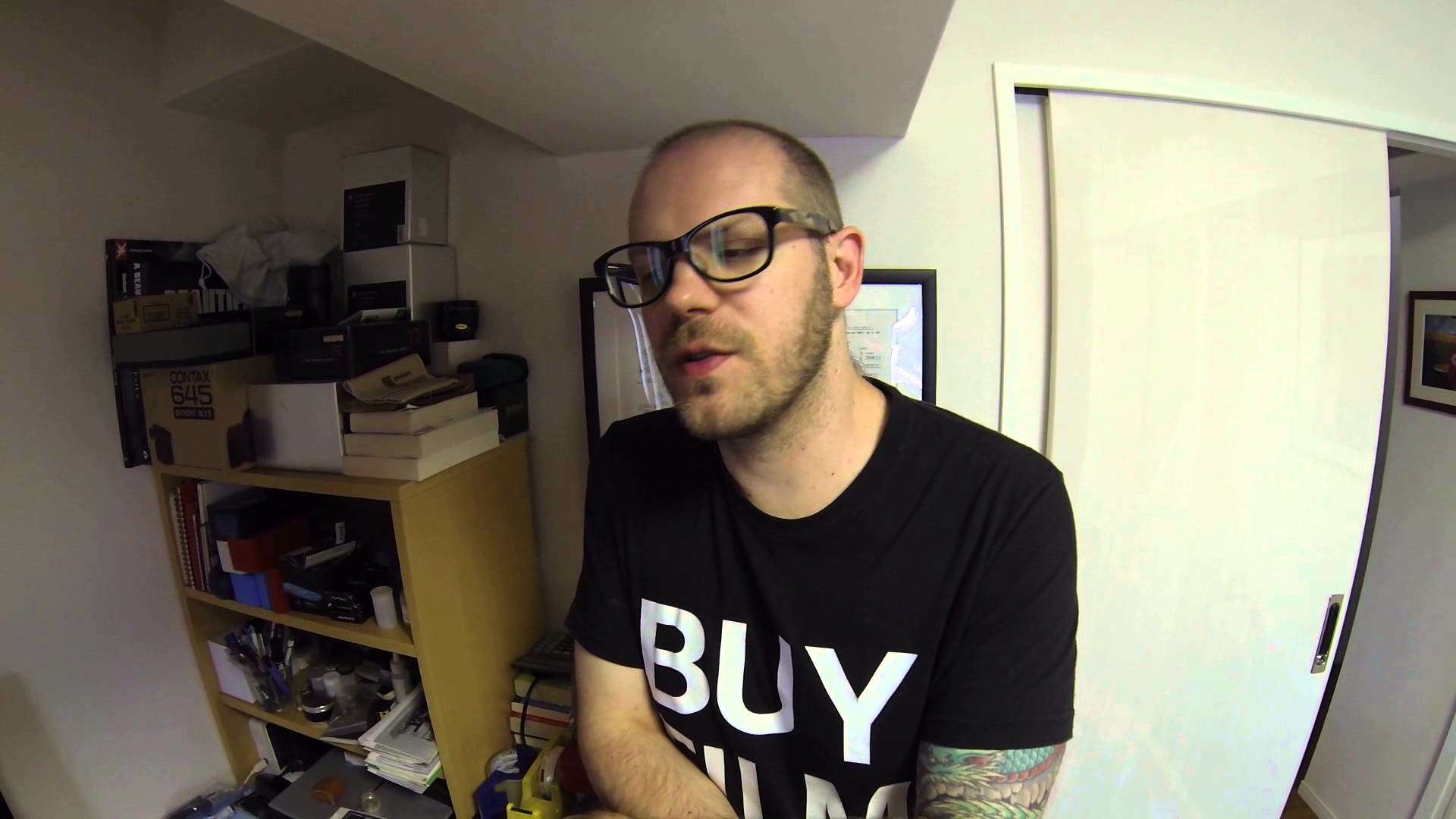
I recently had the chance to catch up with Bellamy Hunt (Japan Camera Hunter) in Tokyo. In this video he gives us a tour of his office, shares why he does what he does, and advice regarding photography, film, and life.
See my video interview with him from 2 years ago and a video of us camera shopping.
Follow Bellamy

One of the most exciting ways to live life is to avoid boredom. By following what makes us curious, passionate, and have fun create meaning in our life.
I think one of the great ways to guide our work in street photography is to avoid boredom.

Nobody gives a shit about your photos (except yourself).
Sometimes I get frustrated and confused why I take photos.
I think ultimately I take photos because I want my photos to influence, affect, and perhaps inspire my viewers (and other photographers). This sometimes gives me anxiety because it puts a lot of pressure on me to “perform†by making really strong images for my audience.
But it has recently dawned on me that the only person who really cares about my work is myself. Nobody else really cares or gives a shit.
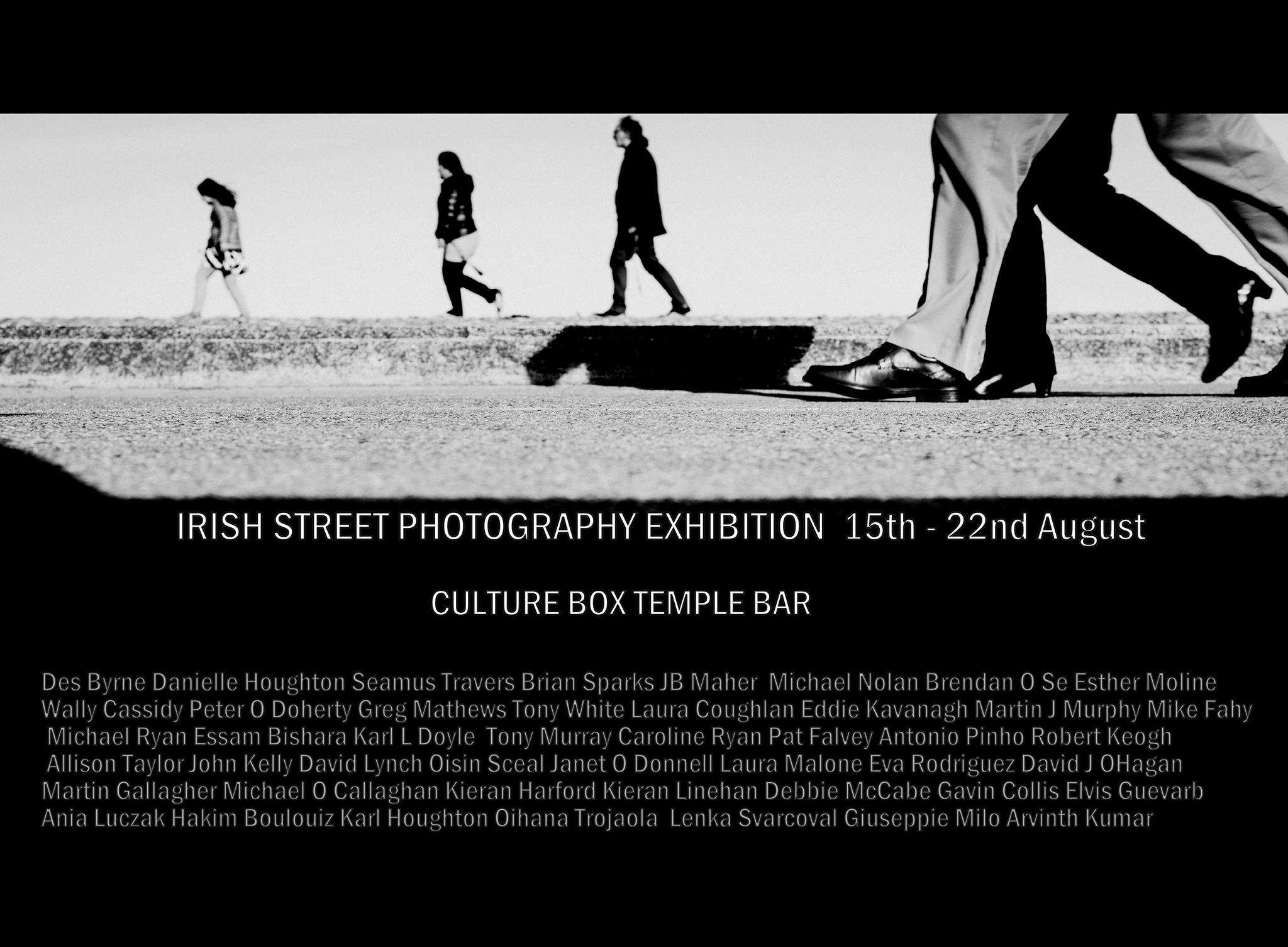

All roads lead to Dublin as the Irish Street Photography Group together with the group admin Des Bryne brings together the Irish Street Photography Exhibition.
47 Street Photographers, 47 Photographs from Established Street Photographers to Emerging New Talent from Ireland and beyond, this is the first “Irish Street Photography Exhibition” from the ISPG (Irish Street Photography Group)

I recently came across a funny phrase: “FOMOâ€. It stands for “fear of missing outâ€.
Nowadays, “FOMO†is ubiquitous in digital life. We always feel like we are missing out– that someone is doing something more interesting than us.