
One of my friends asked me: “Eric, what should I do if I’ve totally lost my passion or inspiration for photography” This is what I would tell him:
One of my friends asked me: “Eric, what should I do if I’ve totally lost my passion or inspiration for photography” This is what I would tell him:
What is your “style” in street photography? How can you make your work stand out? What makes your photos unique, and what do your photos say about you?

There is a sea of photographers out there. How do you distinguish yourself from the mass of other photographers?

“The Decisive Moment” — a fabled concept introduced by the founder of street photography (Henri Cartier-Bresson). The “decisive moment” is that beautiful fleeting moment– where all the compositional elements come together, and you only have a split second to capture the moment. How can you better capture the “decisive moment” — or better yet, identify the decisive moment?
Dear friends,
Cindy and I would love to share with you our creative project we have been working on for the past two years. We call it ‘Haptic Industries.’ Part labor of love, part creative tsyxploration, Cindy and I have shared ideas and workshopped projects over many cups of coffee. Our dream for Haptic Industries is to provide artful, educational tools that empower and inspire others.

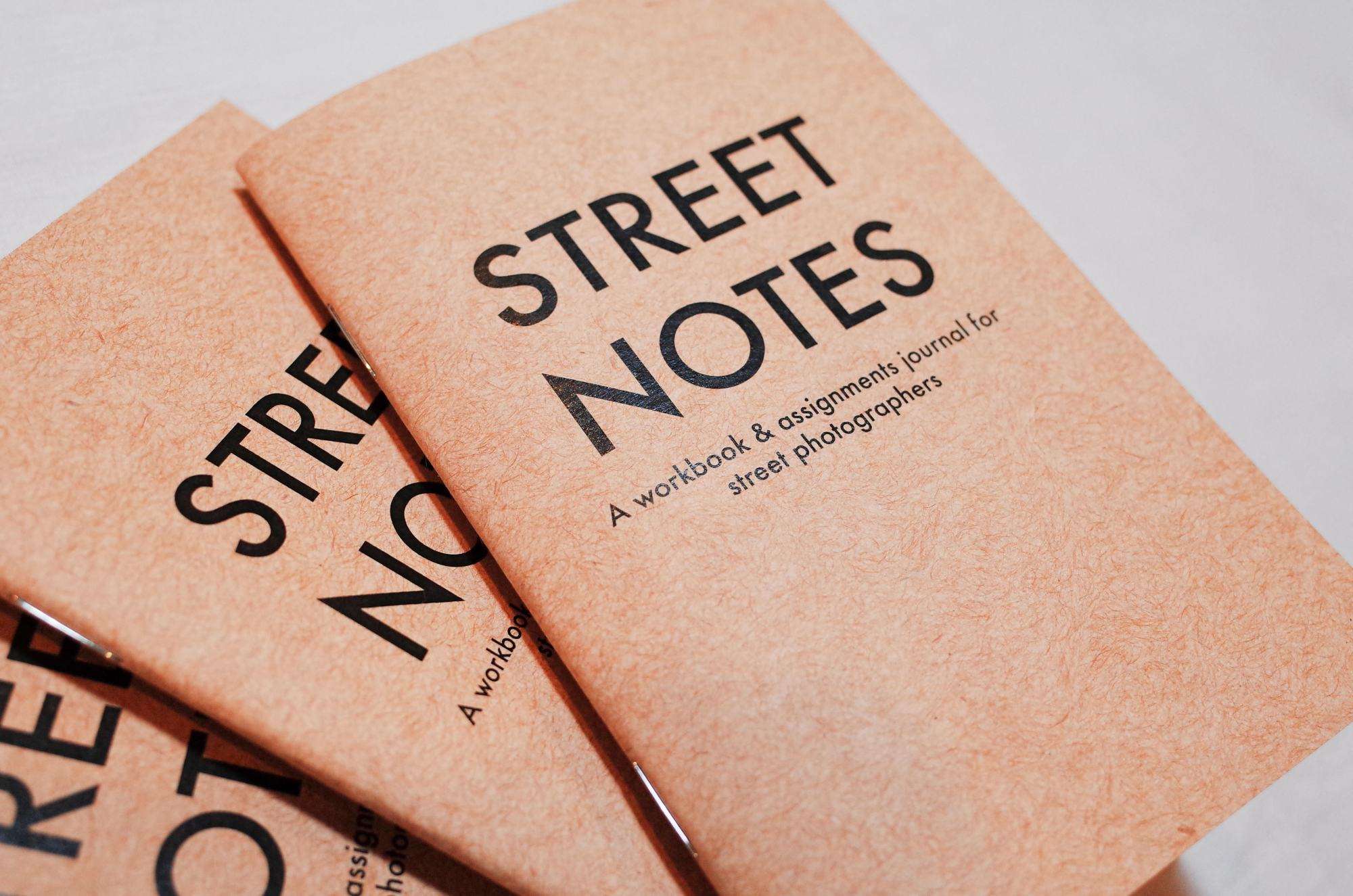
Pictured above: Henri Neck Strap, Henri Wrist Strap, and Street Notes.
 Street Notes is your personalized guide to take your street photography to the next level:
 Photo Journal is a handbook to make your photography more personally meaningful:

The Henri Neck Strap will accompany you on your future street photography adventures:

The Henri Wrist Strap is for the minimalist in you:

The City of Angels by Eric Kim is a handmade photography print portfolio that honors the rough edges and honest beauty of Los Angeles, California.
Haptic Industries: Artful tools to empower you.
Follow updates from Haptic Industries on Instagram: @hapticindustries
For questions, contact Cindy at hapticindustries@gmail.com
If you’re like me, you might have a hard time staying inspired in your photography. Here are 7 tips which have personally helped me:
The photographers I admire the most are the ones who are able to combine their outside interests to make their photography their own.
I first met Bil Brown on Instagram, and since them have collaborated with him in sharing ideas about street photography, fashion, poetry, and Japanese aesthetics. Bil started off as a poet, discovered photography by accident, and now runs his own magazine (Black & Grey Magazine) and does fashion work. In the YouTube interview, we see the gear he is shooting with now, how he got started, his favorite photo books, and tips he has for anyone wanting to get more into fashion/street photography. Also make sure to follow Bil and his new YouTube Channel.

I recently did a workshop at the studio of my friend Bil Brown, and was blown away with his awesome collection of Japanese photo-books. He re-sparked my interest in Shomei Tomatsu.
I’ve seen many images of Shomei Tomatsu before, and was intrigued by his mysterious, surrealistic, and extreme compositions. His photographs had a sense of darkness to them, longing, and a bitter-sweet nostalgia of the past.

Trust; human civilizations have survived for millennia with it. Societies without trust have disintegrated. Trust is the glue which holds humankind together.
How can you use trust to help you succeed as a photographer?

Nobuyoshi Araki (more commonly known as Araki) is one of the most controversial figures in the photography world. While he is a rock star and a superhero in Japan, a lot of the outside world sees his work as sick, pornographic, and misogynist. This couldn’t be further from the truth.
Warning: Photos are NSFW.
Dear streettogs, lately I’ve been inspired to take things “back to basicsâ€. Often I take photography too seriously and forget the importance of always staying a beginner, and sticking to fundamentals. Consider this an opportunity for me to share some practical tips I’ve leaned over the last 10 years in terms of what I think makes a great street photograph (either watch the video above, or read more for the text).
Of course this is not an all-inclusive list; there’s lots of other things which make a great street photograph. But if you’re starting off in street photography, or want a quick refresher, I hope some of these ideas will spark some inspiration for you:
Hey streettogs, if you want to learn some practical tips and techniques when shooting on the streets, check out the video above, or read more to see all 15 tips:
Another quick video on how I direct my subject when shooting street portraits. You can see the first version: How to Direct Your Subject for a Street Portrait.
In this video, you can see how I interact with my subject and direct them for a street portrait. You can see how I asked my subject to stand behind a clean background, how I started further, and then started to frame closer. I also tried to get my subject to be more interactive by playing with her hair, and throwing it back and forth. Shot in macro mode with a flash in “P” mode on the Ricoh GR II.
If you want to learn more how to shoot street portraits, check out my free book: “The Street Portrait Manual.”
Shot in Downtown LA by Todd Hatakeyama.

I often do a poll during my workshops: “Raise your hand if you don’t like having your own photo being taken.†Usually more than half of my students raise their hands.
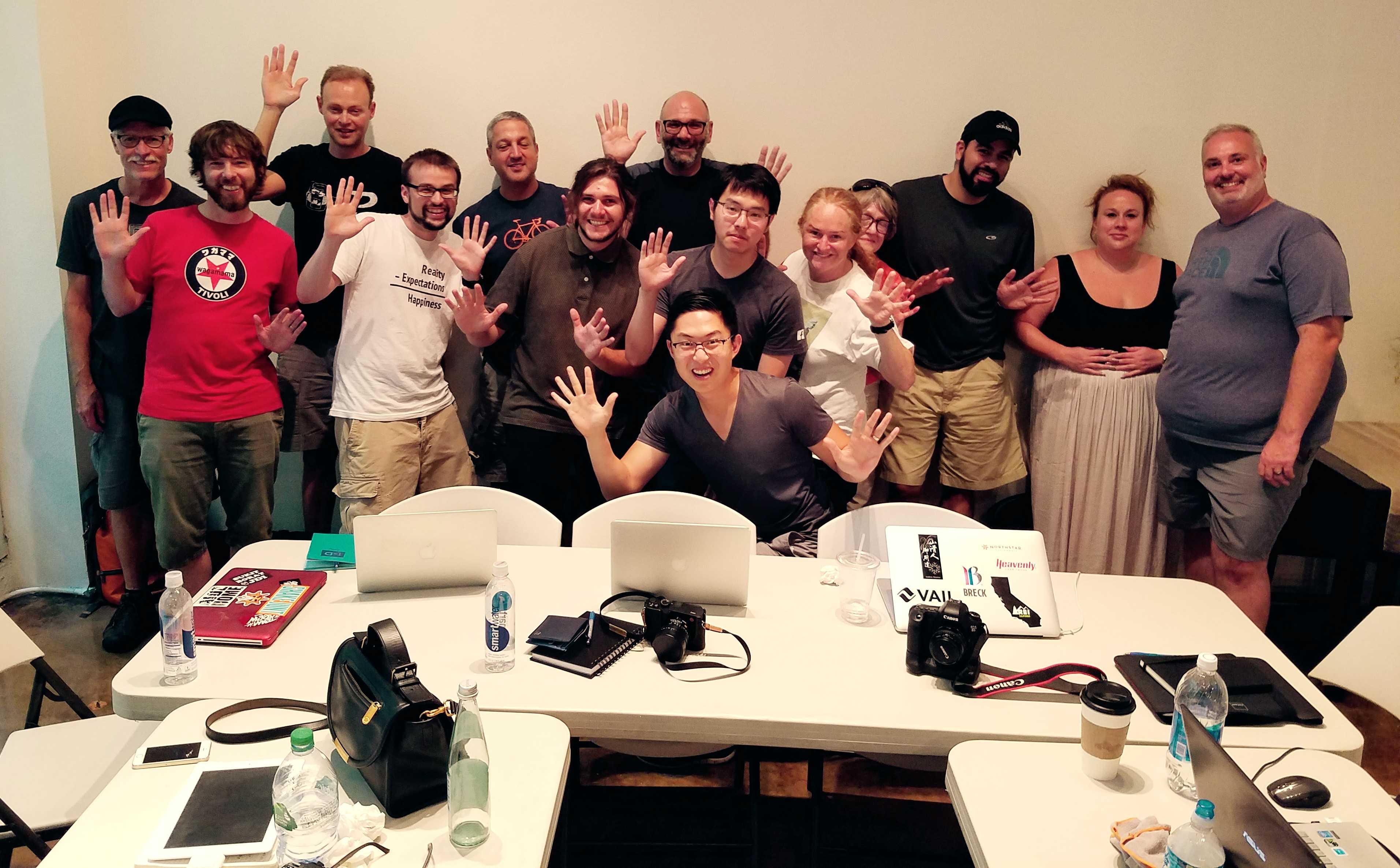
Hey streettogs, my good friend Todd Hatakeyama just put together this cool behind-the-scenes video of the past “Conquer Your Fear of Shooting Street Photography Workshop” in Downtown LA. Check me and the students having fun on the streets, and how I direct some of my subjects when shooting “street portraits.”
If you want to take your street photography to the next level, invest in an experience you will never forget below! I still have a few spots for my upcoming LA “Discover Your Unique Voice in Street Photography” workshop this weekend. It is the last workshop I have in America before I’m in Vietnam/France for the next 2 years — don’t miss out:
For any questions regarding workshops, email neil.ta@erickimphotography.com


It is hard to know what makes a “good†photograph, but it is easy to know what makes an intimate photograph.
Dear friend,
I wanted to write you this letter about the importance of staying fresh creatively by taking a break from your photography, not forcing you to take photos everyday against your own will.

For a long time I’ve seeked “happiness†in my photography and life. While I still don’t know what “happiness†is, I know what makes me unhappy.

Dear friend,
One thought that I’ve been thinking about: why do we “need†more likes or followers? Do we desire more likes or followers because it boosts our self-esteem? Or because it helps validate our photography? Or because we want to gain more power, fame, money, and influence with our work? Or a little bit of everything?
Dear streettogs, here are the slides that I used during my “Street Photography 101” presentation on Day 1 of the Adobe Live-Streaming Workshop. In this presentation I talk about how to conquer your fears in street photography, practical tips, and show some of the contact sheets behind my favorite photos.
You can also download the PDF for free.
Also check out my other free street photography presentations on Slideshare.
Dear streettogs, if you didn’t have the chance to watch my free 2-day live streaming street photography workshop with Adobe, below are the videos. If you want to learn how to conquer your fears, find your style in street photography (and see me breakdance and do really bad freestyle rapping), watch the videos below:


Apparently in the Marines they take great pride in having the “shittiest equipment†with the least amount of support. They pride themselves in being able to get by with less. They make up for their lack of equipment through their hustle, determination, creativity, and hard work.
What if we could do the same in our photography— to pride ourselves in the fact that we might not have the best camera, lens, or equipment. What if we can achieve our creative greatness with “less�

I feel one of the best ways to stay inspired and motivated with your photography is to focus on a project. To take lots of random photos of anything and everything often leads to a body of work that is cluttered, un-focused, and uninteresting. In this article I will share some of my personal thoughts on how you can create your own photography project idea.
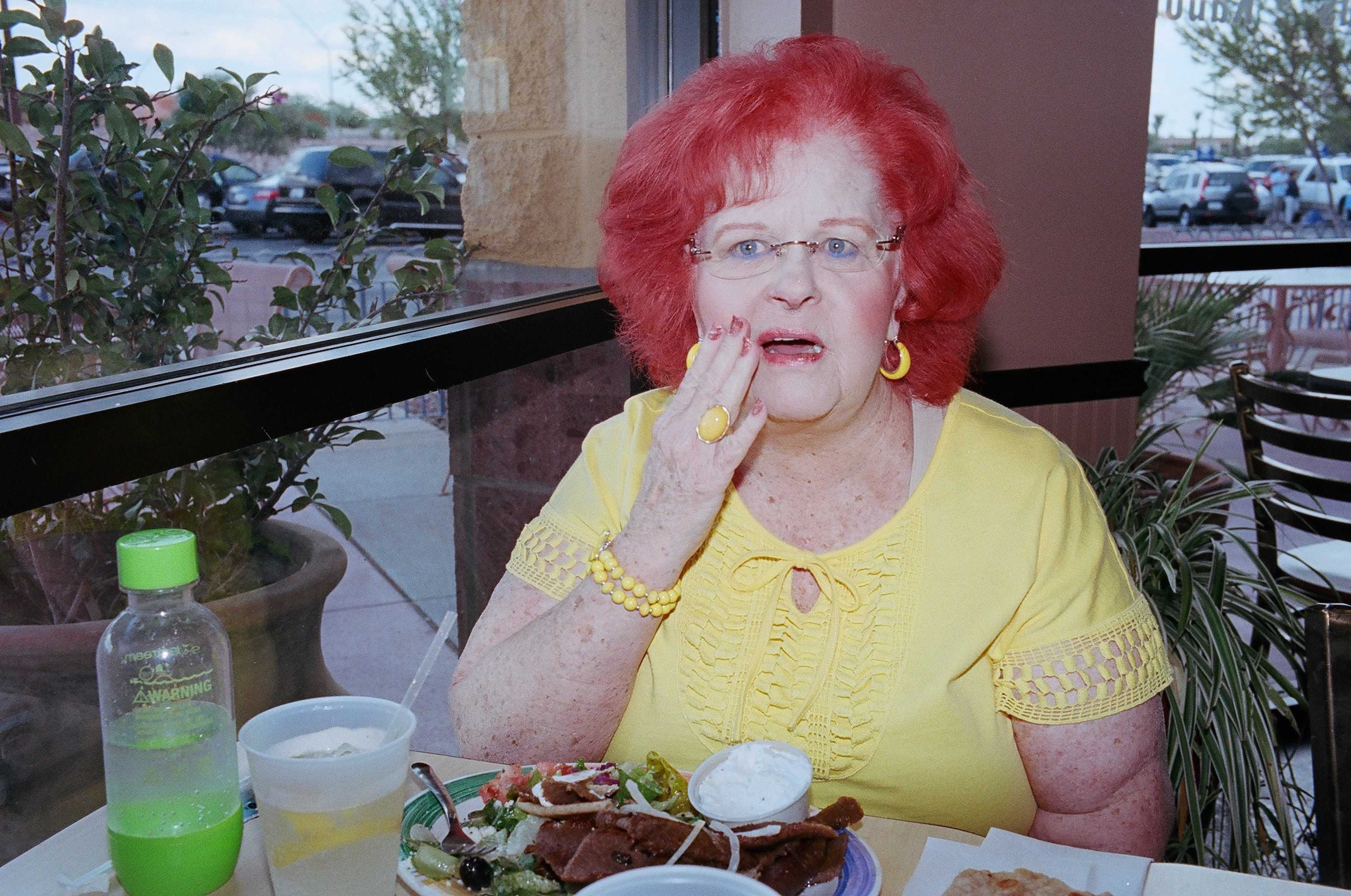

When I started street photography, my biggest barrier was myself. Specifically— my barrier was my fear of shooting street photography. It was all in my head.
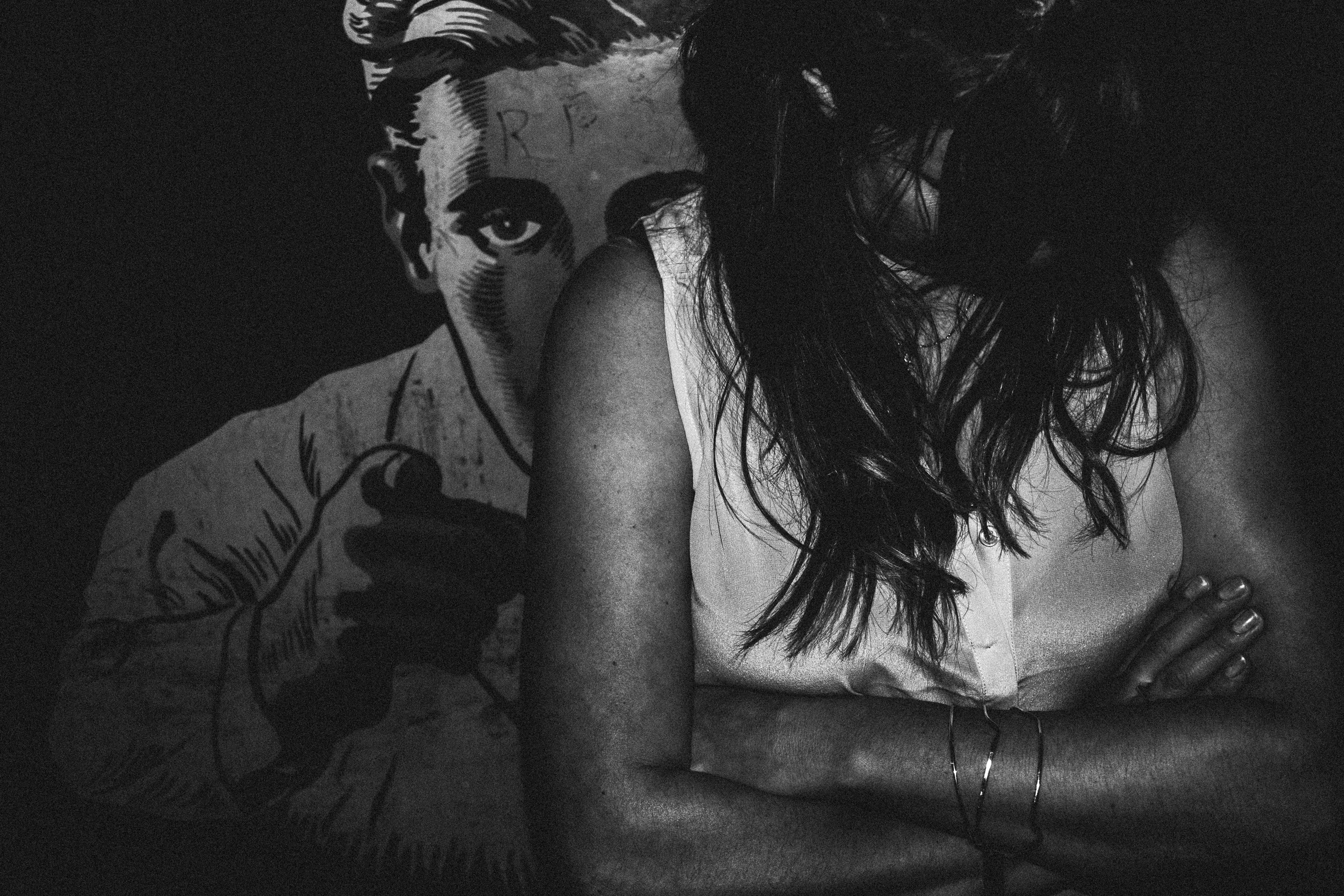

We all know the feeling— having to do something without wanting to do it. The feeling of going to the gym and meeting a gym trainer against your own will. The feeling of having to do extra “busy†work while you’re in school. The feeling of having to stay late at your job, even though you’re done with work, only to appease your boss.
There are a lot of things in life that feel like chores— why make your photography one of them?
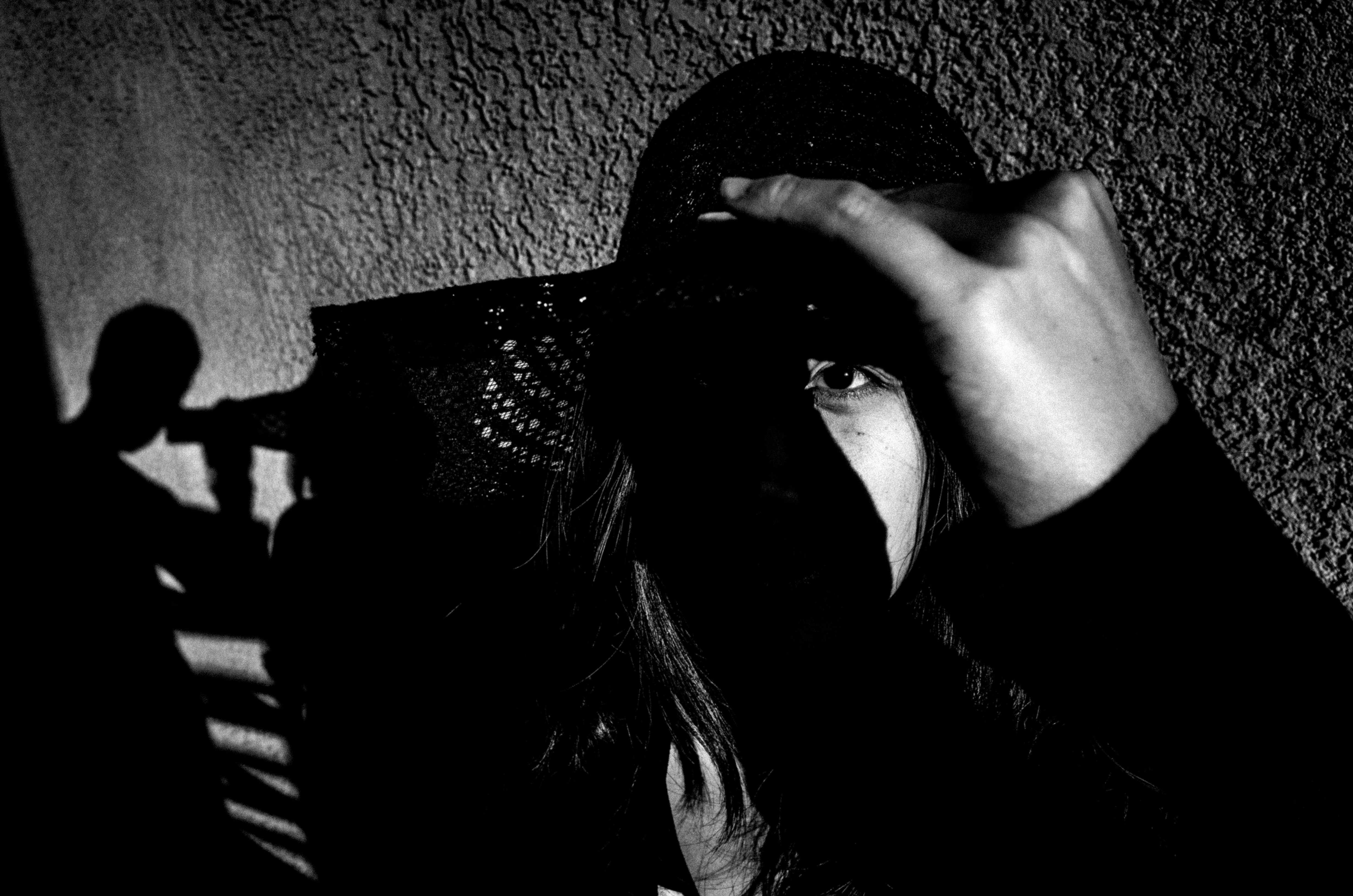

I recently read an eye-opening book: “So Good They Can’t Ignore You: Why Skills Trump Passion in the Quest for Work You Love†— in which the author argues against the “passion†hypothesis (the idea that you should follow your passion). The author argues that following your passion often leads to failure.


(A.g.’s note: Today’s interview is probably an interesting one. John Milton is a citizen of the world. His travels has brought him to some of the most uncommon places for travel. He answers Eric’s questions and shares some of his experiences on the road and what pushes him to keep going)

Thank you so much for your patience and support as Cindy and I worked to prepare the last batch of Henri neck straps. We received a lot of great feedback, and have made the newest batch a little bit longer in length and the leather of the neck pad softer. This run is limited to 100 straps, pick one up before they sell out:
For International Orders (outside of the US), you can order here >>

Dear streettogs, I am super pumped to announce that I am hosting my first free live-streaming street photography workshop on July 19-20th (12-3pm Pacific time) on the Adobe Twitch Channel >>
The workshop is a two-day affair, and streamed live (so you can ask me any questions or feel free to interrupt me during my presentations). July 19th will be focused on how to conquer your fears in street photography, and July 20th will be focused on how to work on your own personal projects and discover your own personal style.
Also through the event (starting July 19th) I will give honest feedback and critique to some of your street photos with the hashtag #StreetPhotoJam on Instagram/Twitter on July 19th).
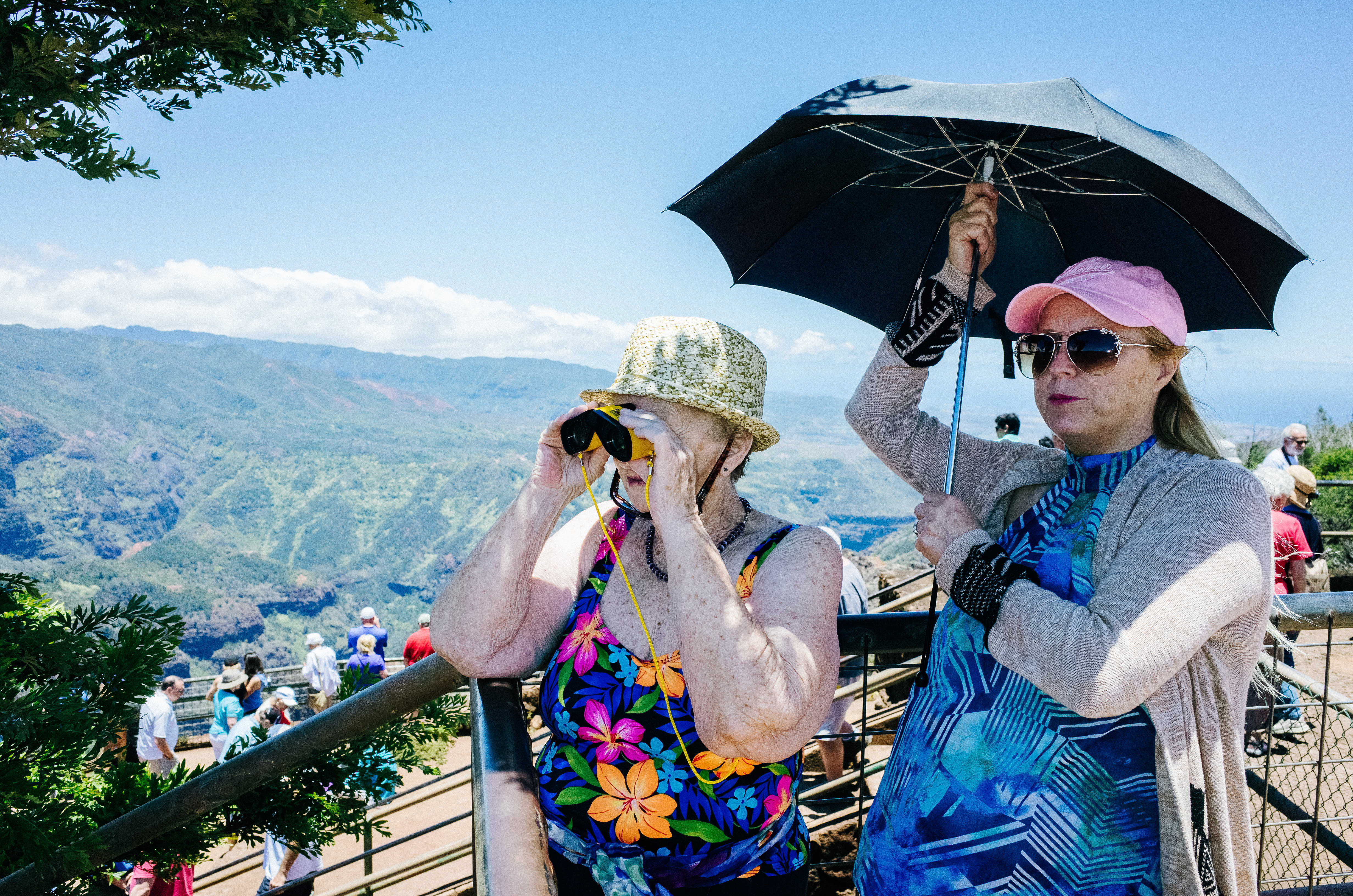

The “snapshot†is a word looked down with disdain and hatred. No photographer wants to hear that his/her photos look like “snapshots.†We want our photos to be respected, appreciated, and seen as “art.â€
But what if there is a benefit of making snapshots in our photography— and what are the joys of making “snapshots†in our daily lives?

SA 19 Editor’s Choice Evandro Nunes de Oliveira wants us to explore faces and places!
(Details of joining and more info after the jump!)

I’ve pretty much shot RAW all my life. There are so many benefits of shooting RAW– in terms of how much flexibility you have with the files, as well as the raw data in the files. However, as time goes on, I’m starting to lean more towards shooting JPEG– and I’m starting to realize the benefits of shooting JPEG.
I remembered when I was sitting in my cubicle, dreaming and lusting after a digital Leica M9. I imagined after buying it, all of my life’s problems would be solved. I imagined the camera would inspire me to be more creative, brave, and inspired in my photography. I imagined how cool I would look in the streets with a Leica over my shoulder. I also imagined how much more people would “respect†or admire me, simply because I had a Leica.

What is a photographer? A photographer is an individual who sees beauty in the mundane. A photographer is an individual who walks at a slow pace, experiences life fully and vividly, and can capture fleeting moments with precision and poise.
A photographer is an individual who is always grateful to be alive, to have a pair of eyes, and to be able to visually decipher complexity in the world.
A photographer isn’t graded by how many cameras, lenses, awards, or books he/she has. Rather— a photographer is graded only be him/herself. A photographer never judges his/her work by how many likes they get on social media— a photographer judges him/herself based on how much personal satisfaction their photos bring them.

I don’t know about you— but there is nothing I hate more than being a tourist. When you’re a tourist; you feel trapped. You do what everyone else tells you what you should do— rather than doing what you personally want to do.
There are a lot of ways we can “de-touristify†our lives, photography, and creative processes.

Dear friend,
I recently got back from my honeymoon with Cindy from Mexico city (amazing city, highly recommended) and finally we have some time to decompress, reflect on our wedding, and look through all our wedding photos (shot by Neil Ta, Brandon Phan, and video from my cousin Regina). And having all these photos— we wondered; how would we best immortalize our special day?
In today’s modern world, procrastination is seen as a negative thing. It is seen as a “disease†that needs to be eliminated. Thousands of self-help books, blog posts, and podcasts encourage and teach us how to overcome procrastination — and get more things done.
But what if there are certain things that shouldn’t be done immediately— and should be left undone? What if procrastination can be a good thing (in certain circumstances)? What if procrastination can actually help us be more creative in life and our photography?

Dear friend,
I wanted to write you this letter on how to liberate yourself in photography— by photographing what interests you rather than what you think other people will be interested. It means to make your photography more personal, and to make your photos a reflection of who you are as an individual. Remember; photos are always self-portraits of yourself, not of your subjects.
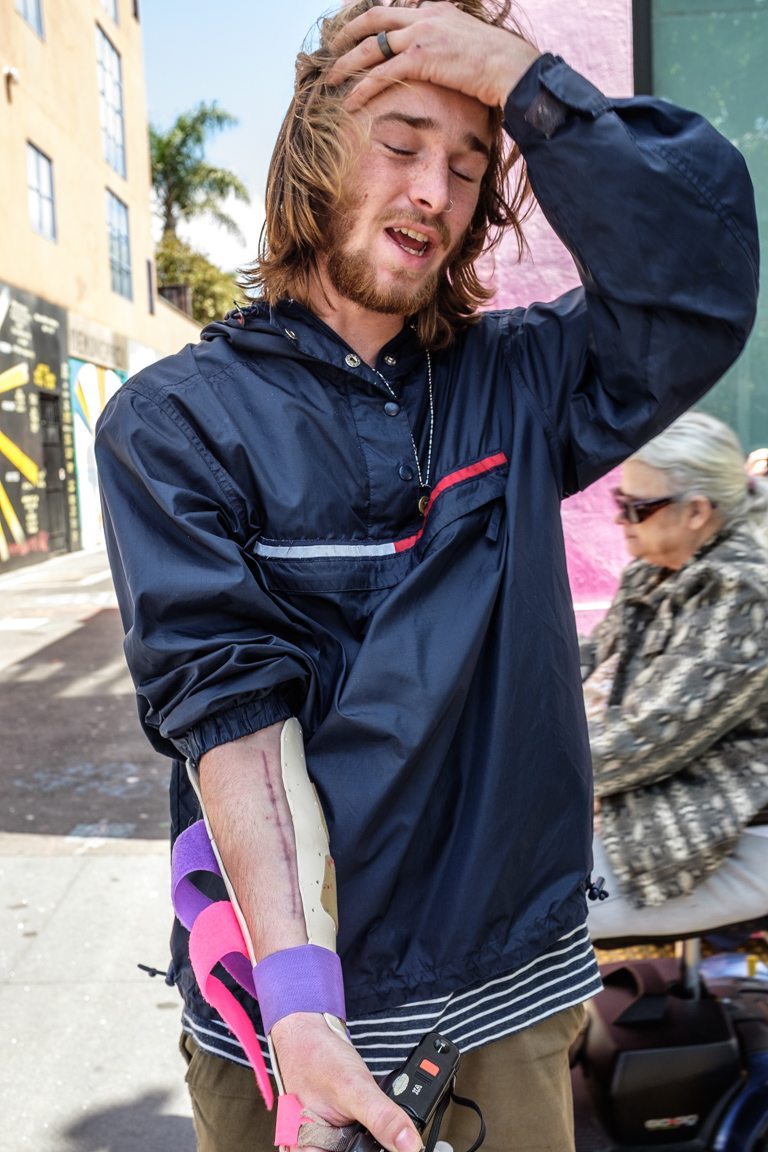

(A.g.’s Note: Today’s guest post on the blog is by Vincent Tam. He’s an inquisitive and persistent photographer. He’s sharing with us his insights and research on how to produce quality work and how he tested this research with the backstory of getting the photo above. All photos and text are by Vincent Tam.)
Vincent: I had a massive misconception about great photographers. I thought every shot they take must be great. This is not true. Magnum photographer Alex Webb reportedly shot ten rolls of Kodachrome film for his famous Istanbul barbershop photo. He says “street photography is 99 percent about failure.†To improve our odds of making great photos, does it make sense to simply shoot more? As it turns out, in his 2016 book about how non-conformists move the world, Adam Grant tells us the most predictable path to quality is, in fact, quantity.
Hey streettogs, for those of you who like videos– I just put together a new one sharing my personal experiences photographing my own wedding. You can read the original blog post here: What I Learned Photographing My Own Wedding
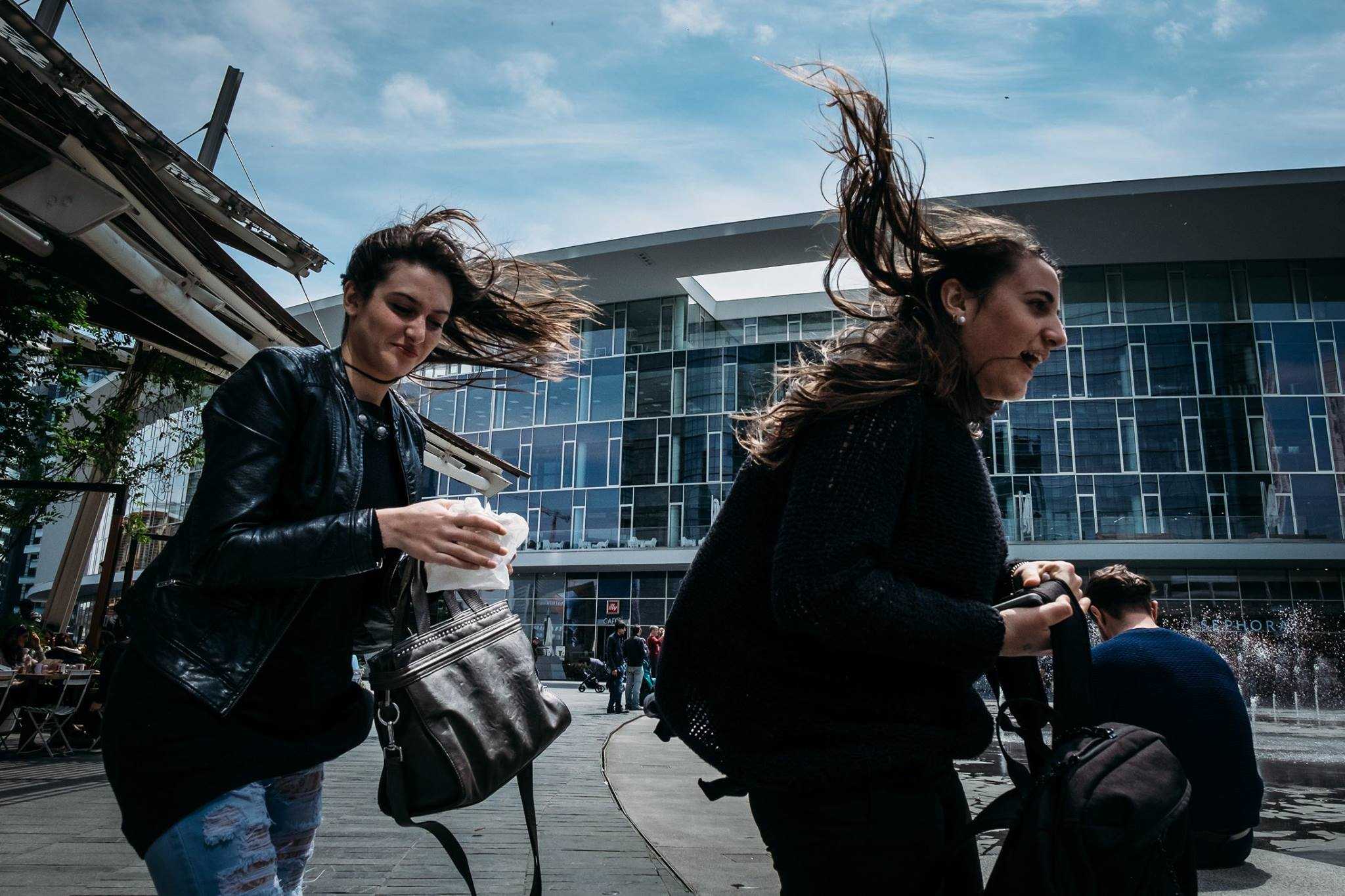

We can not control the winds but we can always adjust our sails. Lets see who made the best out of our 19th Assignment!

Dear friend,
I wanted to write you this letter about some thoughts I have on “doing nothing”; not feeling like we always need to be “productive”, that we don’t always need to be producing, and how calmness, peace, and tranquility might be the key to what we’re searching for in life.
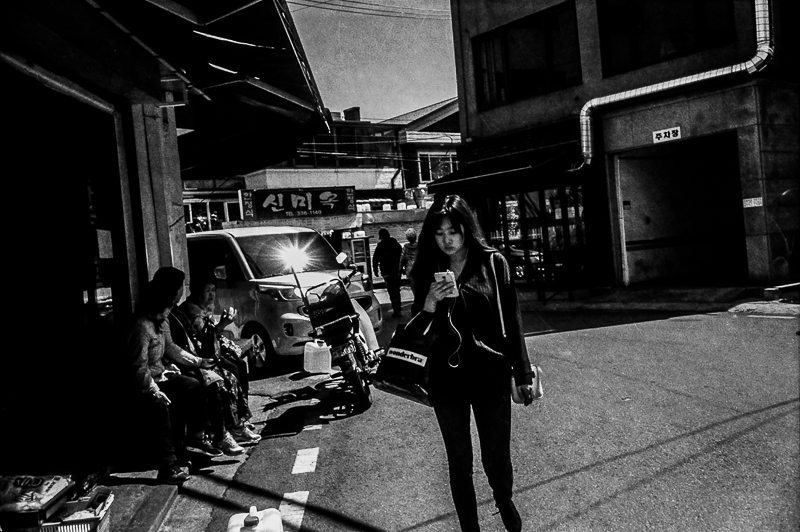

6 months ago, right around the time of my birthday, I actually got a very interesting message from Eric:
“You should write something about yourself so that our readers can know the real you.â€
For those of you who don’t know, I’m A.g.. I’m his content manager here at the blog and I’m also in charge of Streettogs Academy working out of Manila, Philippines. Aside from my task as admin of Streettogs Academy, I usually get assignments from him to interview photographers, fix a blog post or two, and do a feature or other things.  He hasn’t really made a formal introduction of me for the past 2 years that I do things with him here on the blog but better late than never I guess!
I was stumped for weeks as to how I am going to make this write-up. I don’t want to sound like a pretentious arrogant and I don’t want to give a biography. So instead, I will answer with why I love photography. I believe that what you love shows you what you stand for and why you do the things you do. Without further ado, here’s my love letter to photography:
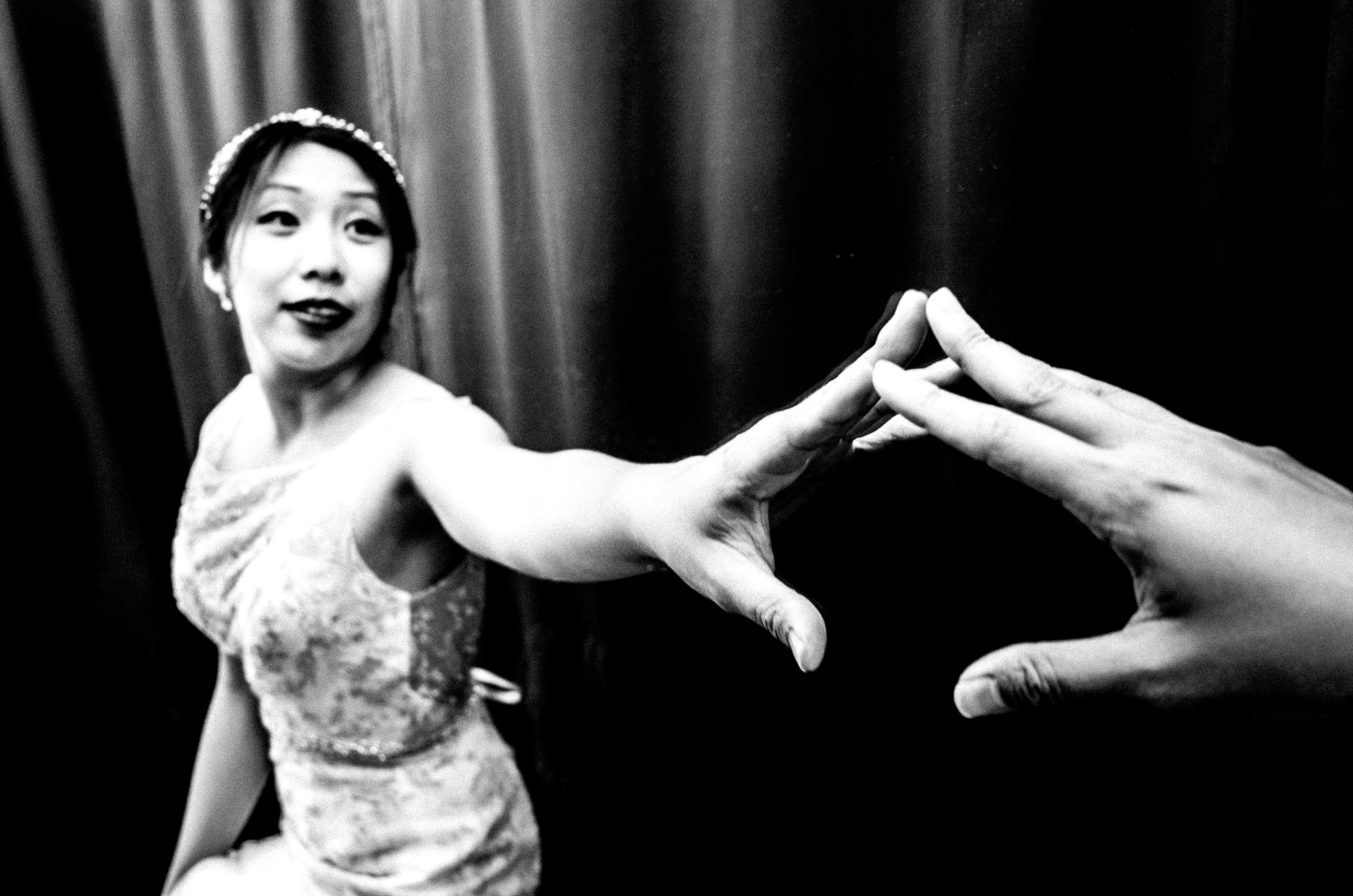

Dear friends, family, and loved ones: on June 11, 2016 I just married the love of my life, Cindy. It was (one of) my favorite days with her, and also one of the most stressful days to prepare for. It was a celebration of love, friendship, and shared experiences.
Needless to say, being one of my most personally meaningful days, I wanted to document the process (up to the wedding), the wedding day itself, and the aftermath of the wedding.
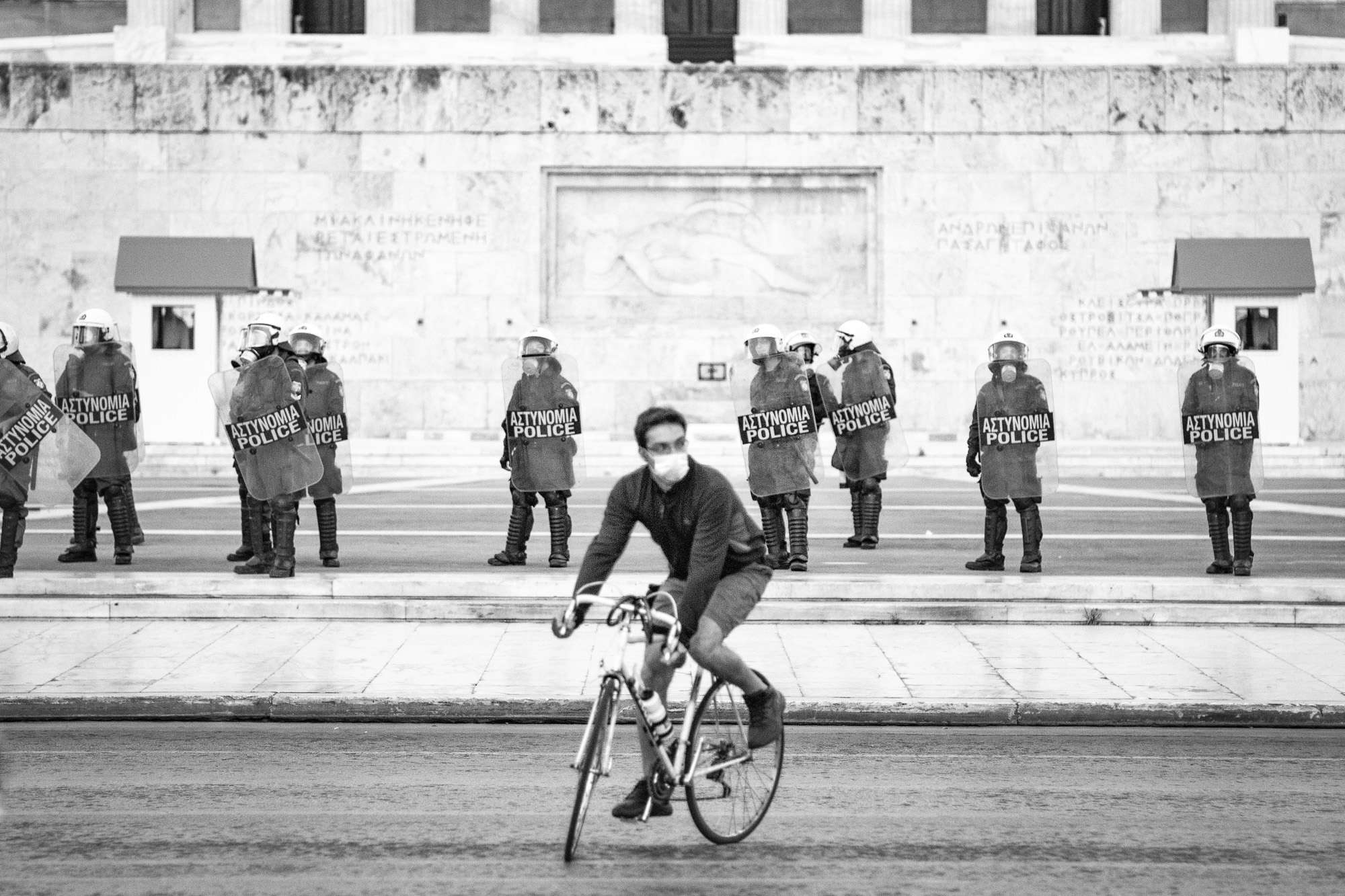

Editor’s Note:  Mehran Khalili is a British-Iranian photographer that works in political communications by day and shoots photos by night (and sometimes the other way around). He recently published a photo project on Greece, ‘Standstill’, which looks at the country’s economic shock in over six years of crisis. It has been featured on LensCulture, Vice, Dodho and other platforms as well. Here he shares his thoughts for photographers on what he learned from making and publishing the project:
Hit the streets with my buddy Josh White (@jt_inseoul) in this film about the 24 Hour Project with photographers (Pierre Ricadat (@ghostdogpr), and Michael Fincham (@thelastfin). It is beautifully directed by Dong Kim of AFTER STORY FILM, shows what it is like to roam the streets of Seoul, and has incredibly soulful music to get you in the mood.
The mission statement of the 24 Hour Project is to “document the human condition of multiple cities” during a single day, founded by Renzo Grande (@aliveinnyc) and Sam Smotherman (@whittiersam).

One of the most toxic feelings that a photographer (or human being) is to feel envy. Apparently envy is a trait that is deeply embedded in us, even as babies.
But why is it that we feel envy, what are we envious about, and what can we do about it?
Dear streettogs,
I know I already advertised some past workshops as my “last workshops” in the states before leaving to Vietnam, but this time is “for real.”
If you’re looking to invest in an unforgettable adventure and experience, join me at one (or both) of my workshops below:
You can also see all of my upcoming street photography workshops >>.
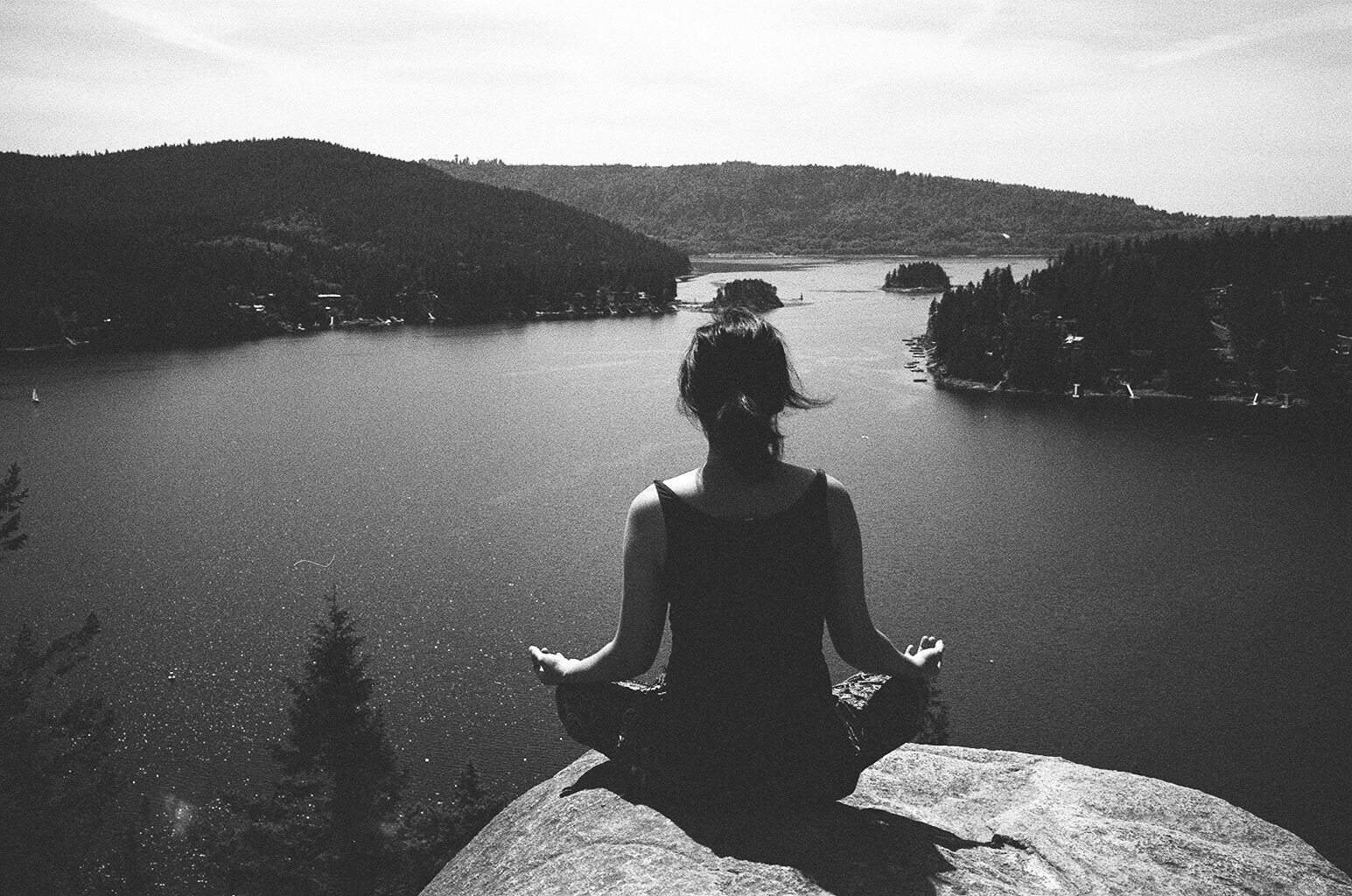
A nomad mindset means that you are mentally and physically light. You don’t hold onto past possessions. You live in the moment, and you are flexible.

A few weeks ago, I taught a SF Street Portrait workshop in the downtown financial district. It was an intensive 1-day workshop, where the students hustled hard to (quickly) conquer their fears of shooting street photography, as well as learn how to better interact with strangers.

Dear friend,
I wanted to write you a letter on patience– how to be patient in our photography, our personal lives, and how we approach growth and self-compassion.

Dear friend,
One thought that struck me recently: we all have an impulse to document and photograph things in our world. But what is this impulse exactly? Can we explain it psychologically? Is it something that all humans have? Or is it something that is unique– which differentiates us photographers from other people?

Dear friend,
I wanted to write you a letter about the benefit of randomness, unpredictability, and chaos in our life.

The other day I did something really stupid. I accidentally deleted a ton of photos on my camera before uploading them to my laptop.
In this video I give some of my thoughts about life, travel, minimalism, blogging, and hopefully some tips that can empower you!
You can also read more about my future plans in-depth.

In Silicon Valley, one of the main obsessions a lot of entrepreneurs are having is to eliminate “friction†in user-experiences; whether that be apps, websites, or businesses.

If you want to learn from the top thinkers and influencers in the field of street photography, don’t miss out on The London Street Photography Symposium (August 20-21, 2016). Tickets are now available to purchase >>.
Read more to learn more, and see my interview with organizer Jason Reed:
I feel in today’s world in order to be successful, you need to be a “generalist†— someone who isn’t uber-specialized in one thing, but you can do many things very well.

Dear friend,
I just read a book on Japanese Aesthetics titled: “In Praise of Shadows.†It was a beautiful book that helped me reflect on the beauty of darkness and shadows (Japanese aesthetics) while we in the west love white, the brightness, and light.

Dear friend,
I wanted to write you this letter on gratitude— and thanking you for everything, and some life updates (moving out of Berkeley, moving to Vietnam for 2 years, and some other random ideas in my mind):

Dear friend,
I wanted to write you a letter (to hopefully empower you). My suggestion: realize that everything in your life is up to you; nobody else.

If you don’t desire or “want†anything superfluous in life, you are truly wealthy. When you have all your needs (food, water, shelter, love); what else do you need in life?

Dear friend,
I wanted to write you this letter regarding your calling— the reason you were put on the earth.
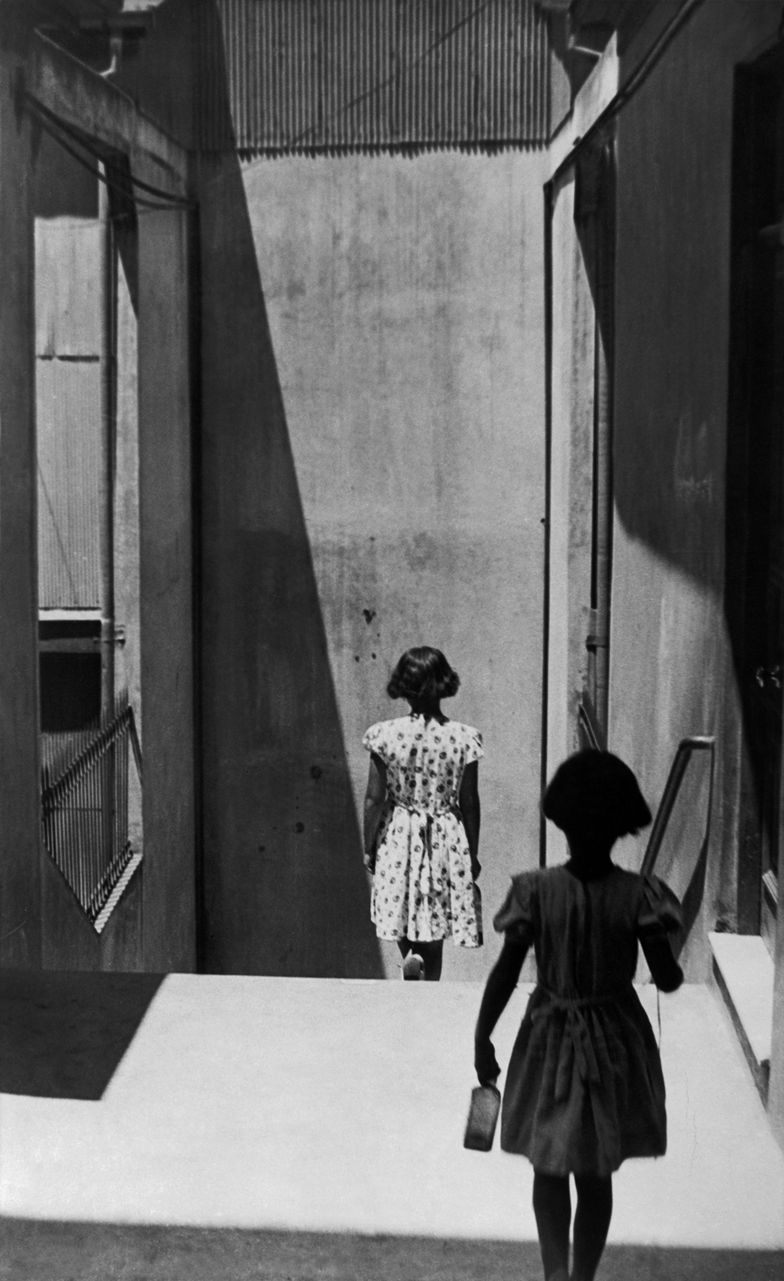
Sergio Larrain is a figure in photographic history who isn’t well-known, and is a bit of a mystery. He barely shot for more than a decade, and then decided to pursue a more “mystical†path in life— focusing on yoga, meditation, and secluded himself from society.

We are all born into different situations in life. Some of us are born rich, some of us are born poor. Some of us are born with parents who taught us photography; others of us learn photography later in life.

I first met Kaushal Parikh around 6 years ago— when he first invited me to Mumbai, to teach some street photography workshops there. He was one of the first street photographers I got to know really intimately— and I was always inspired by his passion for black-and-white photography, seeing beauty in the everyday world, and his dedication to the photographic community.
“Fragments of a Spinning Rock†is his first self-published book. I recently got a copy of it in the mail (thanks KP) and wow— the book truly blew me away.
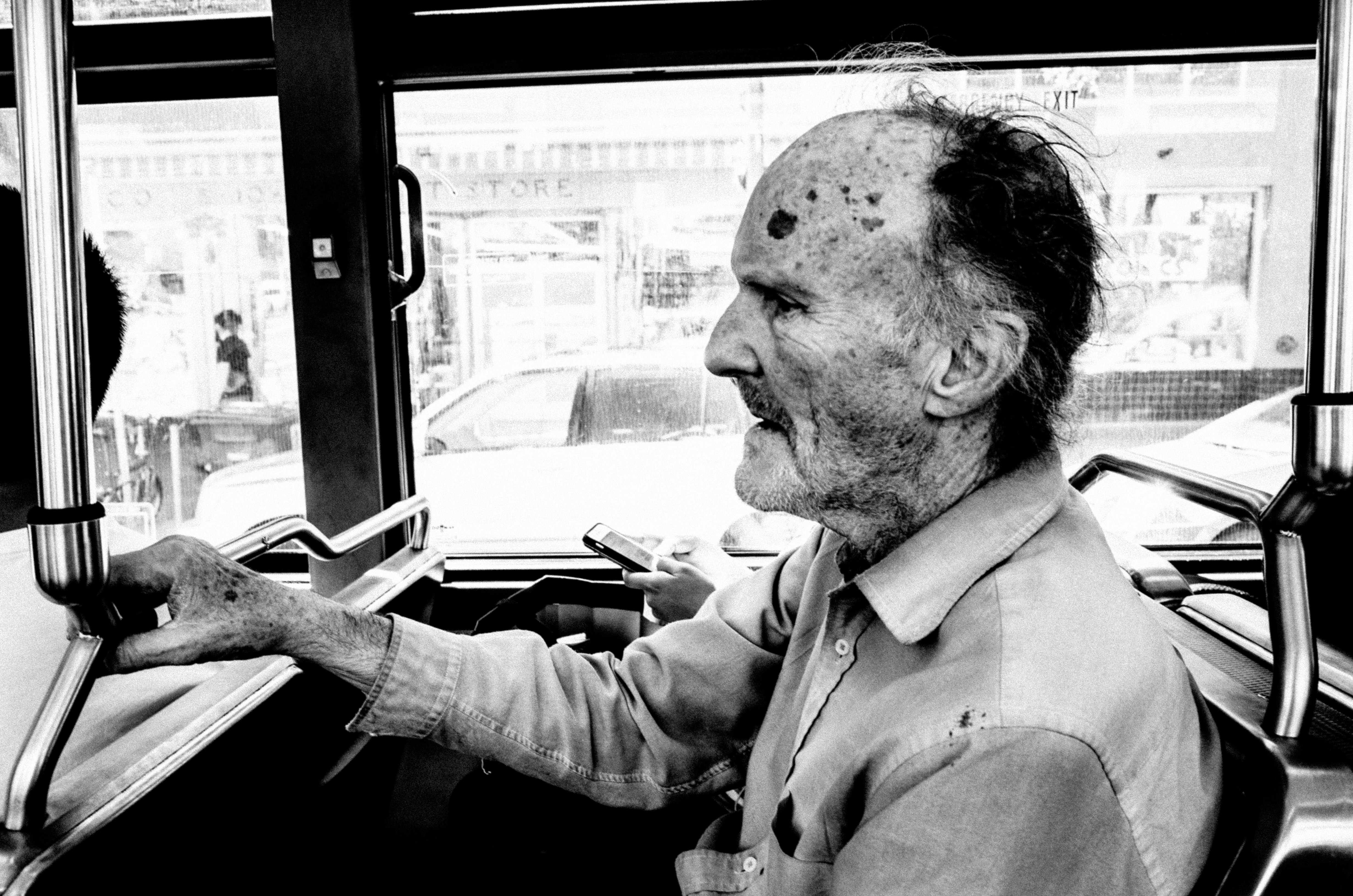
One of the things that plagues me as a photographer is that I think too much and don’t shoot enough. I think about what camera I should use, whether I should shoot film or digital, and what project I should work on. But all of this thinking leads to “paralysis by analysis‖ I think so much that I end up getting nothing done.

A.g.: In the spirit of Open Source here on Eric’s Blog, this is a German translation of 10 Things Garry Winogrand Can Teach You About Street Photography. There’s also a German translation of 10 Things Henri Cartier-Bresson Can Teach You About Street Photography both made by Lukas Beinstein.
