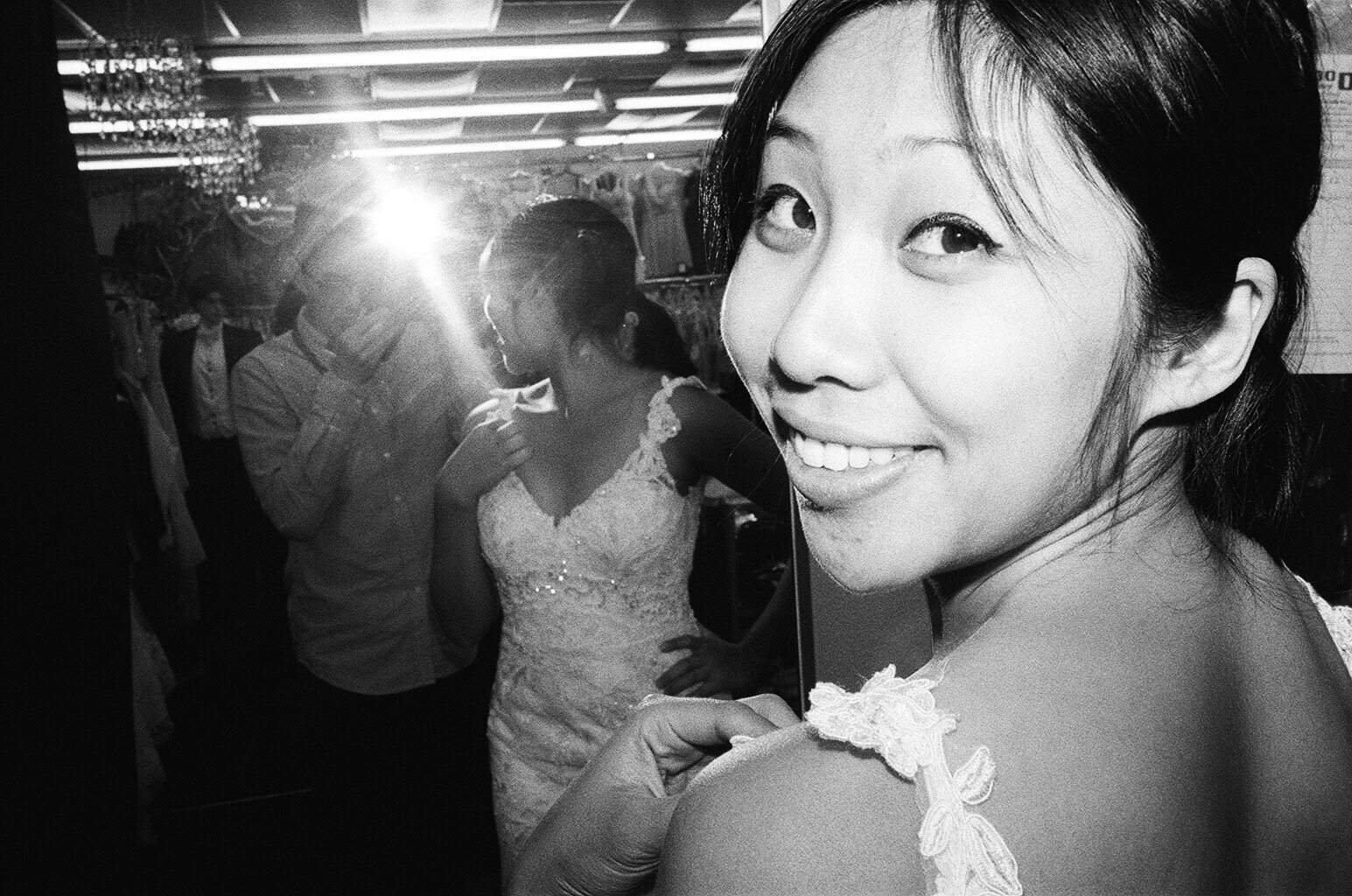
Dear friend,
I want to propose a new school of photography called “personal photography.†Consider this letter as a way for me to work out some ideas, and to share some ideas with you.
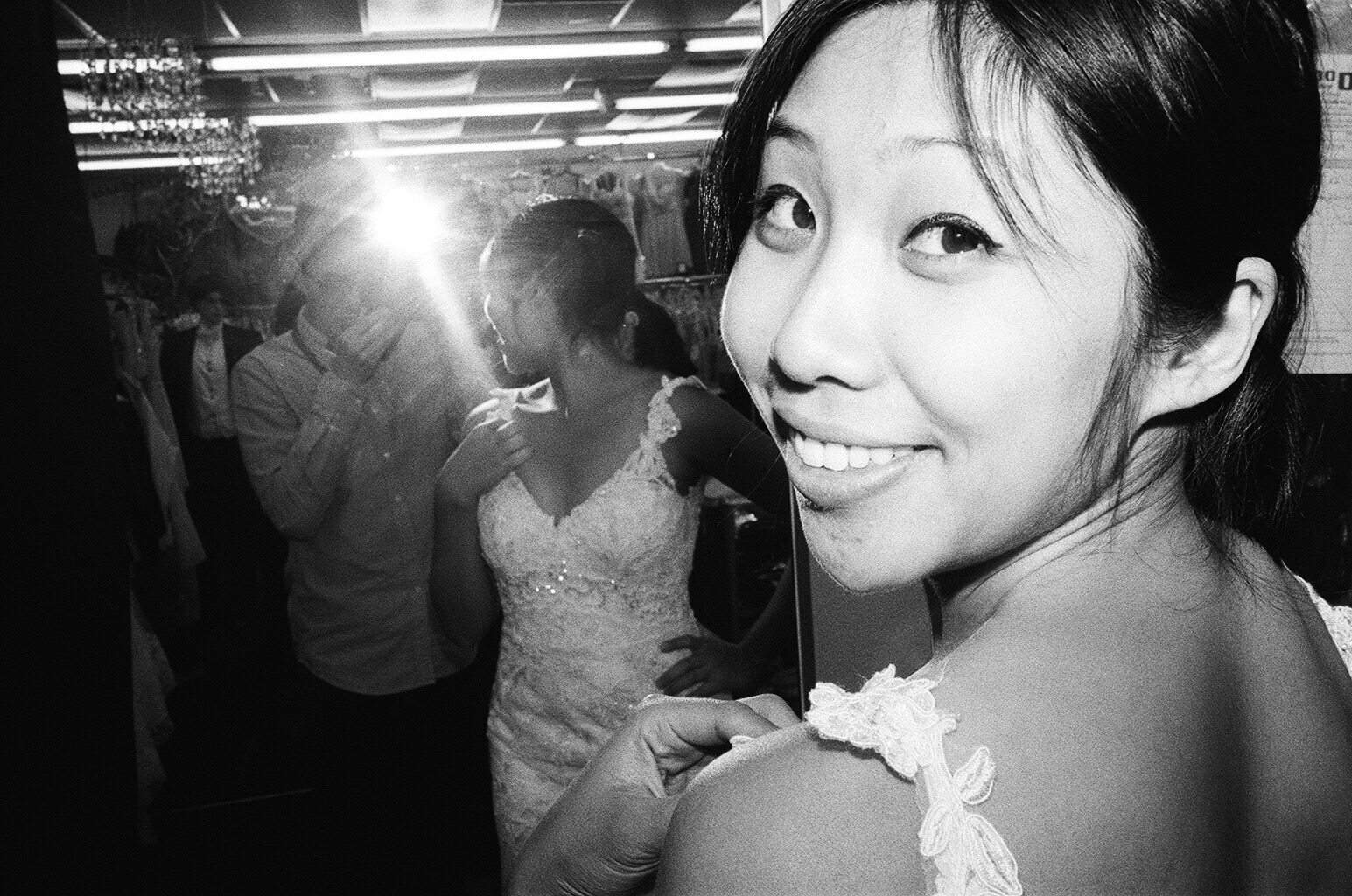
Dear friend,
I want to propose a new school of photography called “personal photography.†Consider this letter as a way for me to work out some ideas, and to share some ideas with you.
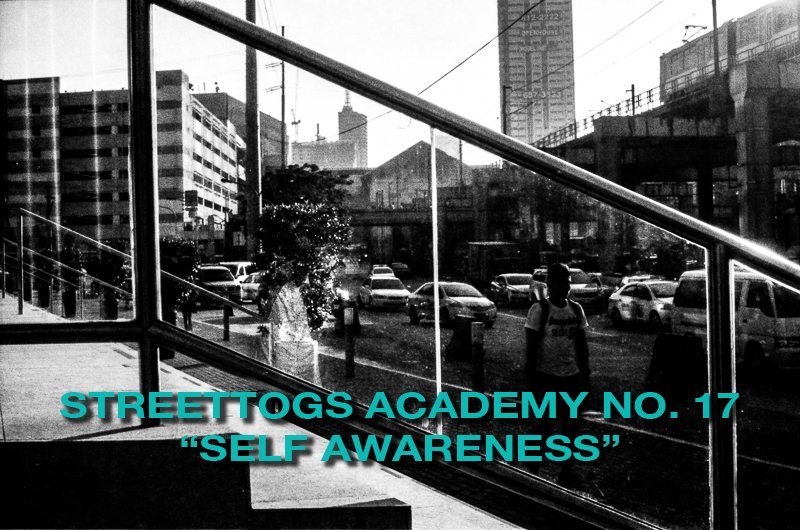
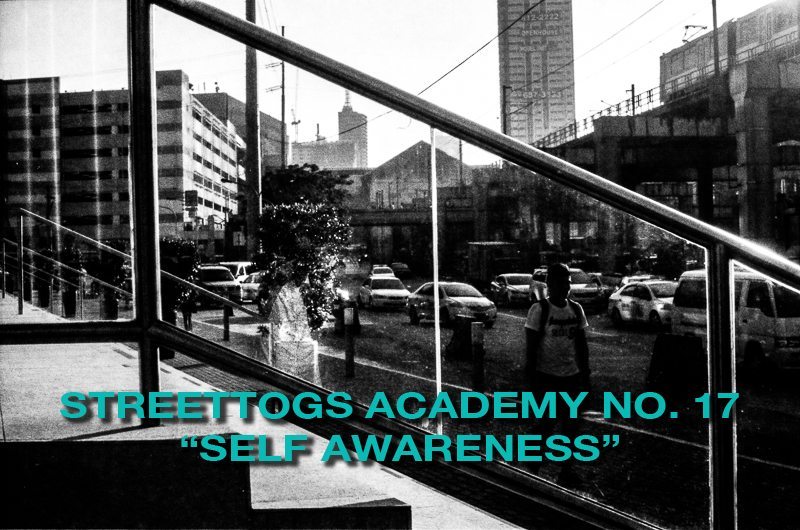
For the latest Assignment over at Streettogs Academy, our editor’s choice, Jota Barros chose Self Awareness.
(Details of joining and more info after the jump!)

Dear friend,
I want to let you know— I am a brand-slave. Meaning; I love brands. I love the way they make me feel, but I am imprisoned by them.

Dear friend,
I just wanted to write you this letter to share you some personal thoughts after reading “Capital†and “The Communist Manifesto†by Karl Marx. And no, it isn’t some crazy communist shit– it is rather about how you should never let anything hold you back from unlocking your creative potential.

After about a hundred shots of espresso, the newest “Learn From the Masters of Street Photography” PDF Book is live. This version (Version II) is the newest and cleanest version that distills the wisdom of the masters of street photography into 100 practical lessons.
This book is “open-source” and free to download, edit, modify, translate, remix, and share.
For further reading, learn from all the masters of street photography.

“It’s not the daily increase but the daily decrease. Hack away at the unessential.†– Bruce Lee
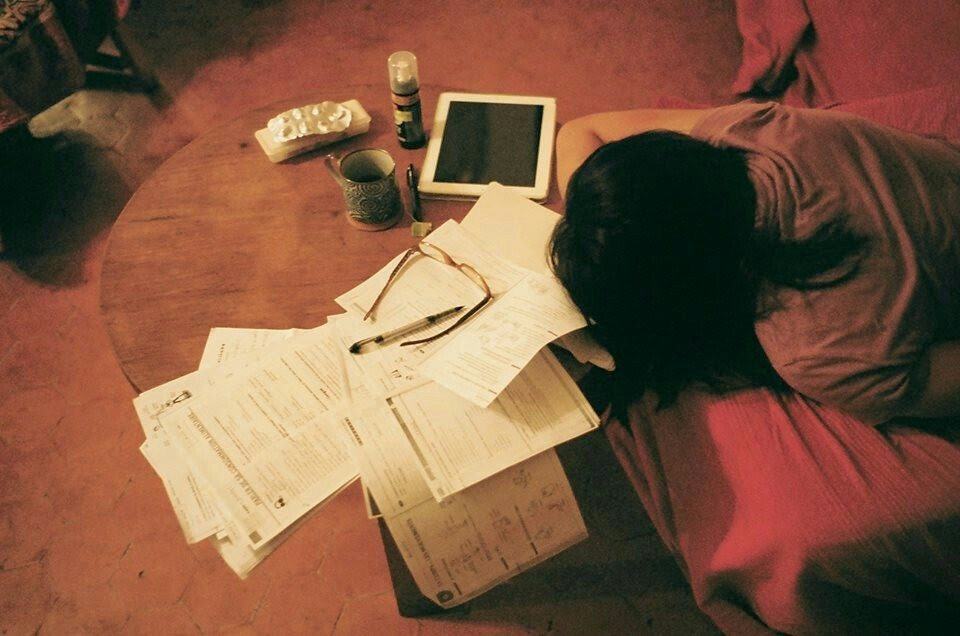

I’m like a pigeon. I am so easily distracted. If you saw how many Google chrome tabs I have open at once, you’d know what I mean.
When I was walking around in SF in Soma, I saw a sign that said:
Deep Focus
It really stuck to me the next few weeks. What is “deep focus†anyways?
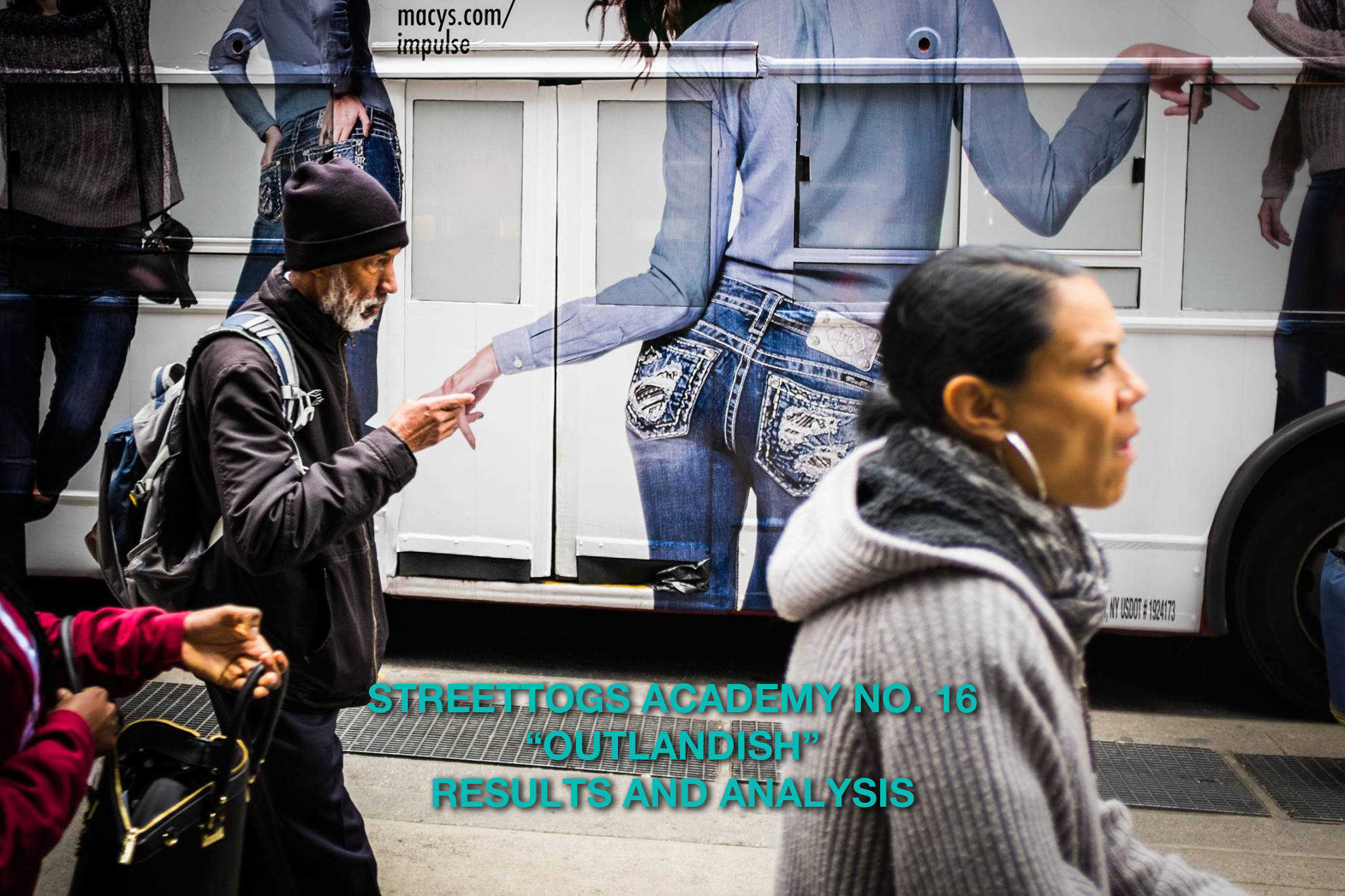

Better late than never as they say. The “ber” months have been tough on your admin balancing a busy schedule, the flu, and paying the bills. That said, I want to say that this assignment was a great treat. The entries are very creative and I’m happy with the continous participation of everyone despite my shortcomings. So here we go with some of the selections for the assignment and of course our editor’s choice!
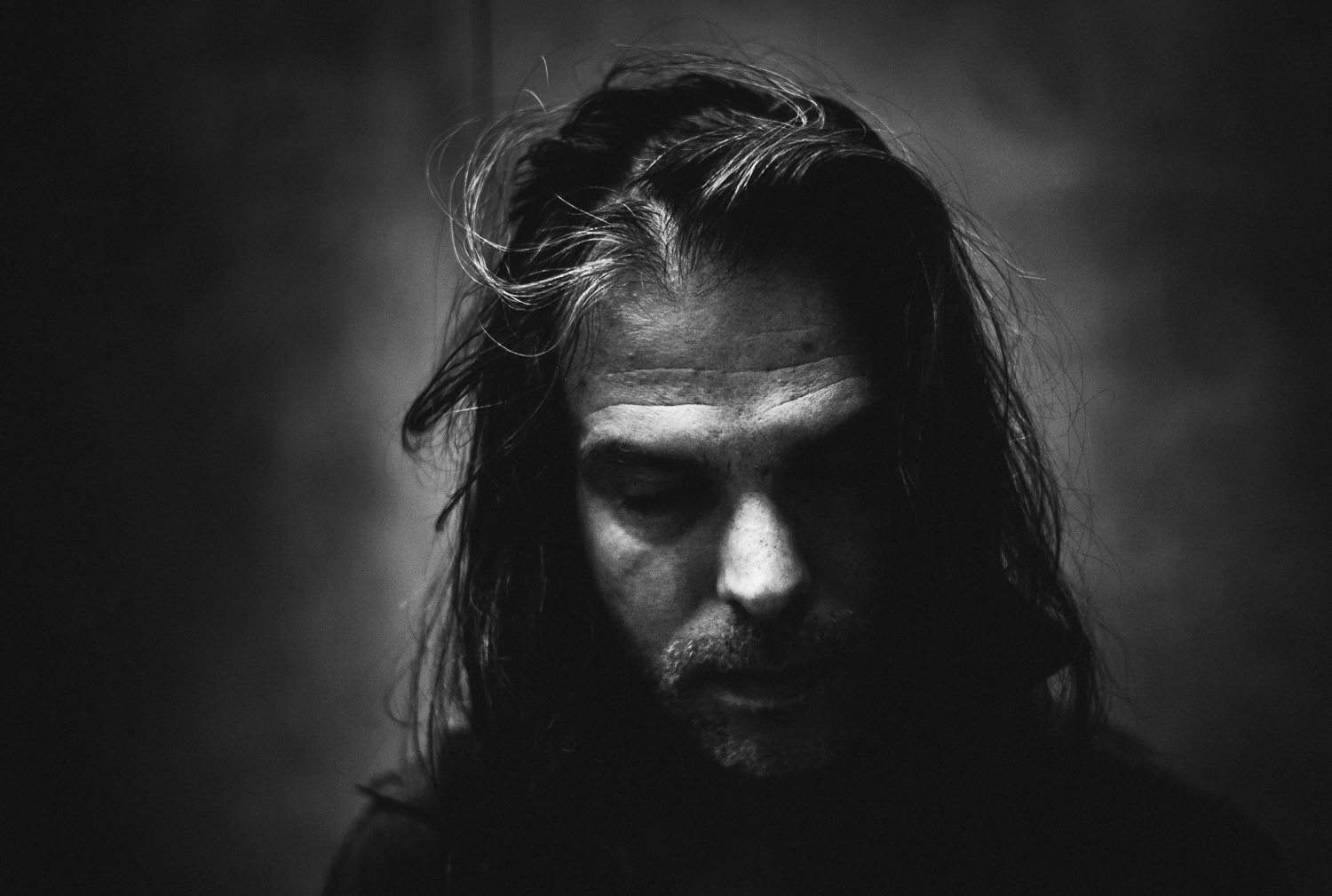

Don’t be afraid.
Fear is what prevents your inner-artist from expressing itself.
Fear is what prevents you from approaching that stranger you want to talk to/take a photo of.
Fear is what holds you back from quitting your job, and traveling the world.
Fear is what prevents you from approaching that curator to show your work.
Fear is what prevents you from uploading that one photo online; you are scared that others will judge you, you are scared if you aren’t going to get any likes, and you are afraid that you might be revealed as a “fraud.â€

Dear streettogs,
I am excited to share that I am one of the instructors at “Gulf Photo Plus 2016†this year. If you’ve never heard about the event, long story short— it is the most epic, fun, and educational photography-related event I have ever been to.
The event “Gulf Photo Plus†is also the name of the organization (also called Gulf Photo Plusâ€â€” yeah it can be confusing)— and it is a yearly event in Dubai (the place that has the ski-lift inside a mall). It brings all the world’s best instructors (both adept photographers and great teachers), and honestly it is just a fun time to hang out with other photographers, grab drinks at the bars in the evening, and feel love and inspiration.
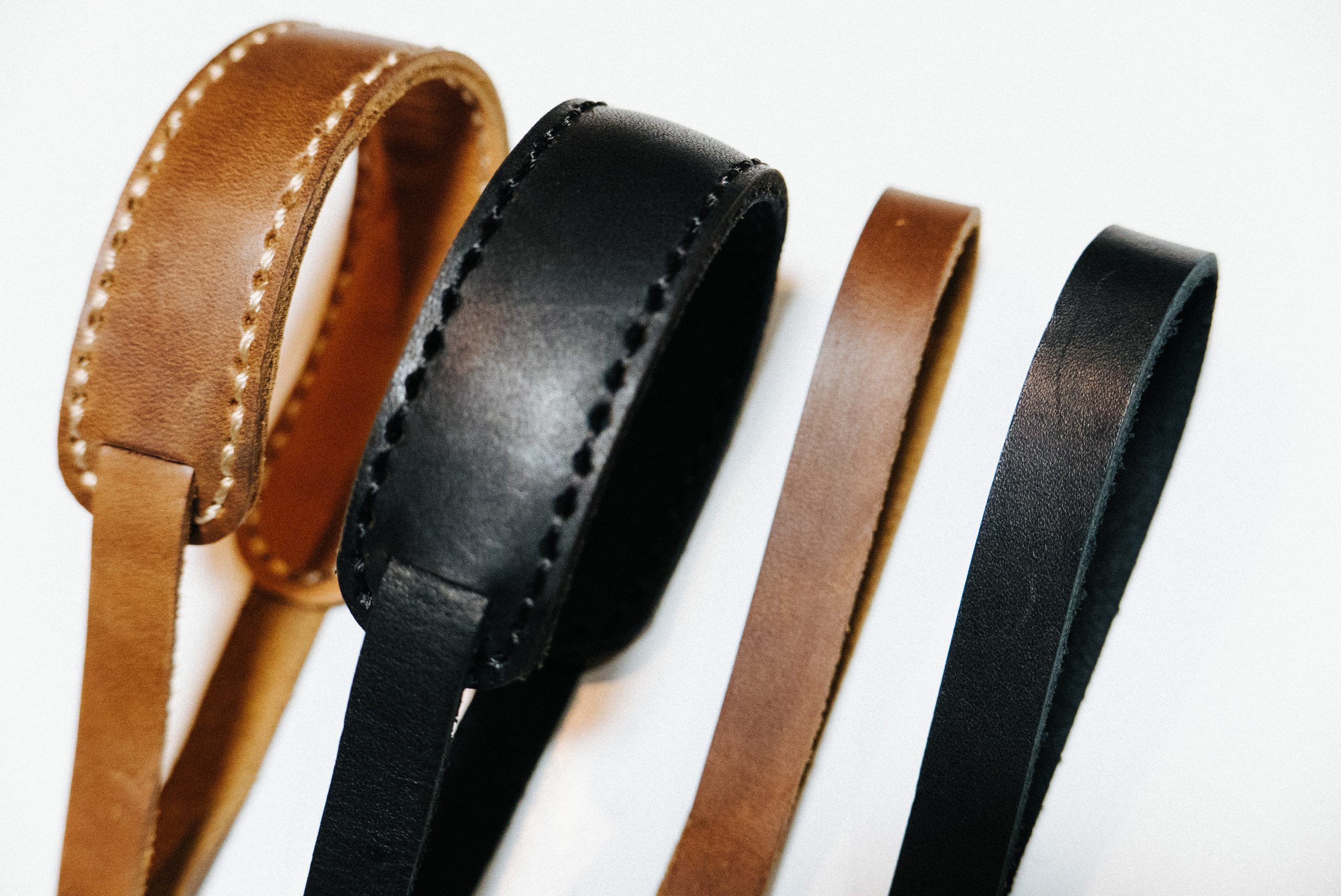
Discover all of the camera straps made by HAPTIC INDUSTRIES:


HENRI CHROMA Wrist Straps: available for a limited time.


This post is written by Cindy aka Haptic:
In summer of 2014Â Eric and I met a group of talented artists in Saigon. We hung out, drank lots of coffee, and talked about creative projects to work on:
Project 1: Our friend Gin and his gang of skilled film producers put together this beautiful film about shooting street photography in Vietnam along with Fujifilm Vietnam:
Project 2: Gin also introduced us to his childhood friend who are models and musicians, Lan and Uyen. In Vietnam, rarely do people just do one thing. There is a spirit of creativity, entrepreneurism, and scrappiness in Saigon. Lan and Uyen also are talented leather makers and artisans.
Over the course of three years we worked together to design, experiment, and make different products.


All of our leather products — the HENRI COLLECTION (neck strap, wrist strap, wrist strap pro, shoulder strap, chroma) and ERIC KIM COLLECTION (wrist strap, neck strap) are 100% leather and handmade and crafted with care from start to finish. Lan and Uyen source the leather, handmake the straps during the weekdays between music gigs, and ship them to California from Saigon.


Rather than mass produced, these are handmade in small, limited-quantity batches in order to preserve a level of excellent craftsmanship and quality. Each strap is unique.


Once they get to California, Eric and I, (and now with the help of our loving and supportive family–sorry Mom for taking over the dining room table…) work to quality check, finish, and package each strap.

I designed the packaging of each product (I love boxes). The labeling is hand-stamped!


Unlike huge, anonymous factories, this is the entire operation: Eric, me, my family, Lan, and Uyen. We are transparent about the labor practices behind the straps because we are proud and love each product we make.
We live in Vietnam currently and are very cognizant of global inequality, especially in labor practices. This is why we price our products the way we do. We want to give a fair and respectful wage to everyone involved. We do not run a wholesale factory, but support honest and beautiful work.
We know there are so many other straps and camera accessories to choose from, so we thank you for choosing to support us!
Here are our friends from all around the world, proudly displaying their HAPTIC products:


Moving forward, we are focusing on HAPTICPRESS — to publish more art, books, and guides to inspire and empower our artists and photographers. We wish to build a platform of mutual empowerment, and to also hopefully feature your work one day.
We are also building up the ERIC KIM FORUM — your new home to improve, grow, and learn as a photographer and artist.
We thank you so much for building this positive community of sharing, growth, and openness. Let’s continue to ride this creative wave together.
Always,
Cindy & Eric
Saigon, 2017


Raise your hand if you don’t have enough time to make photos.
[Raises hand]

Dear friend,
I want to tell you about my camping trip in Yosemite during the thanksgiving break.
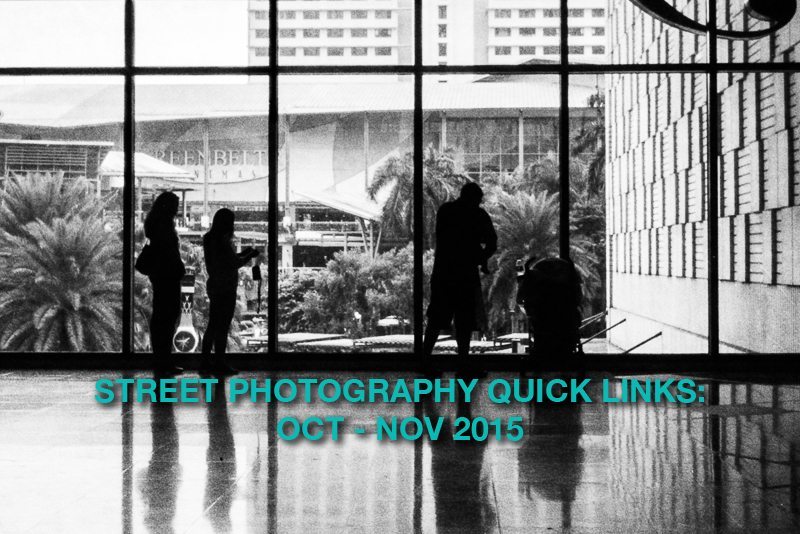

Street Photography Quick Links is a compilation of Links, Projects, News, Videos, Events, or anything that is related to street photography or photography in particular that I have personally consumed. Perhaps these might interest you or make you think. If you want to send some links my way, details will be at the bottom of the post below:
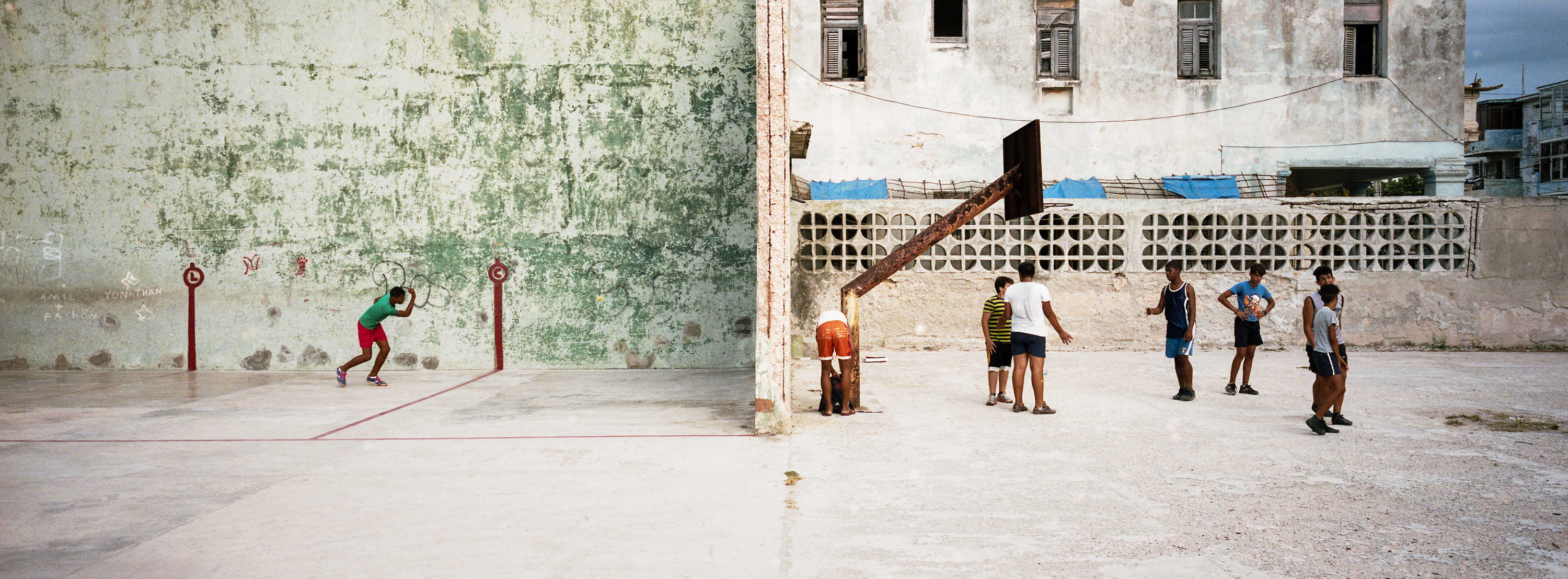

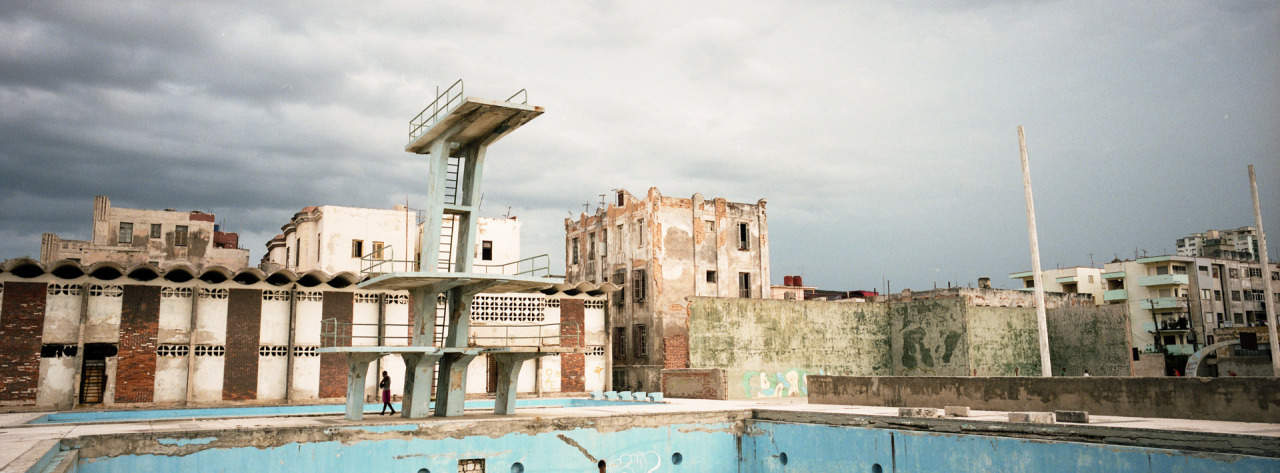
This is an interview between me and Neil Ta, my good friend (and manager). He’s recently taken his street photography to the next level by shooting exclusively with a Hasselblad Xpan (panoramic film camera), and has taken a few trips to Cuba. See his on-going edit of Cuba, and learn more about him and how he shoots:
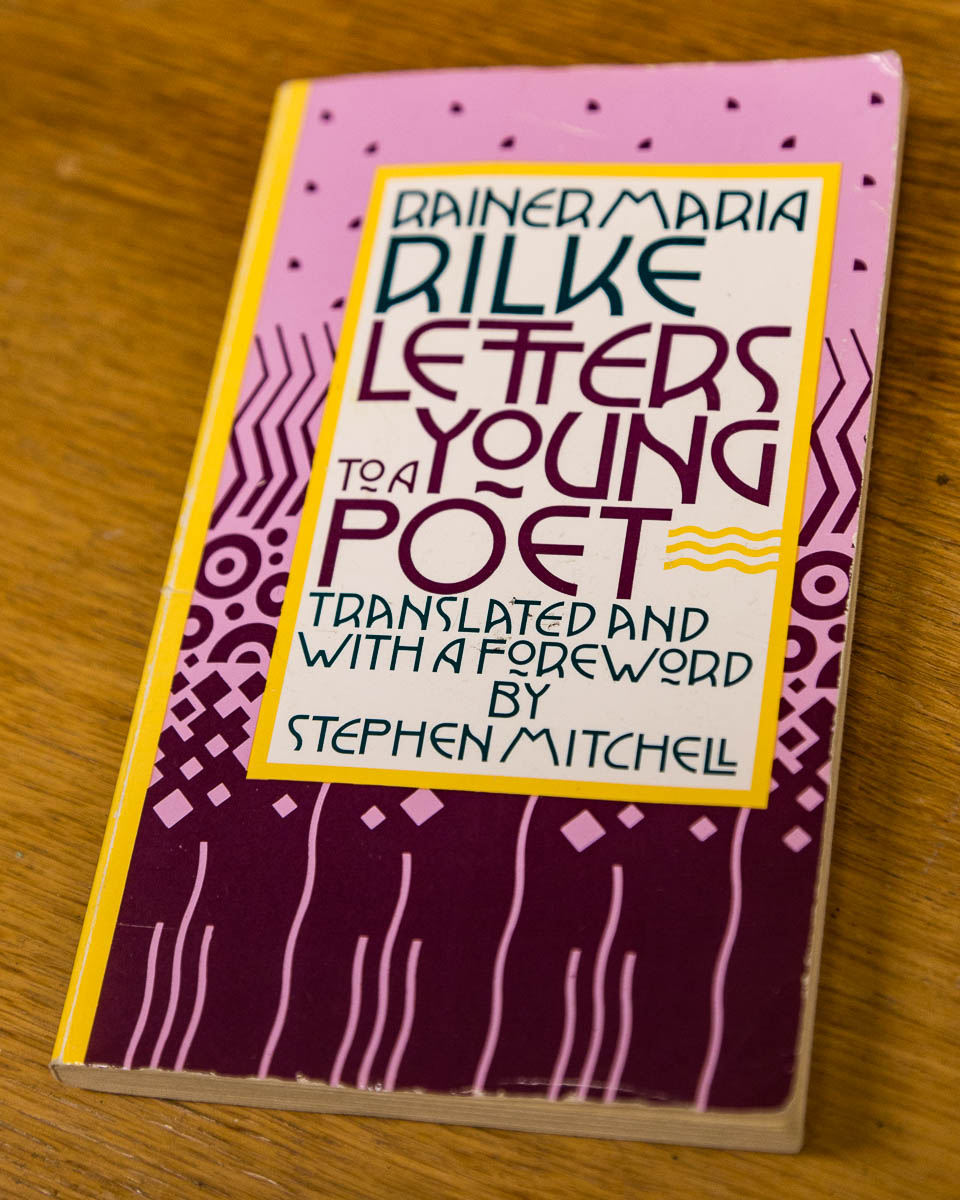

“Have patience with everything unresolved in your heart and to try to love the questions themselves as if they were locked rooms or books written in a very foreign language. Don’t search for the answers, which could not be given to you now, because you would not be able to live them. And the point is, to live everything. Live the questions now.†– Rainer Maria Rilke
A.G. DeMesa: We have another guest post from photographer and self publisher, Maarten Rots. He previously wrote about Printing Your Work. Here is at again with how poetry can affect your photography:
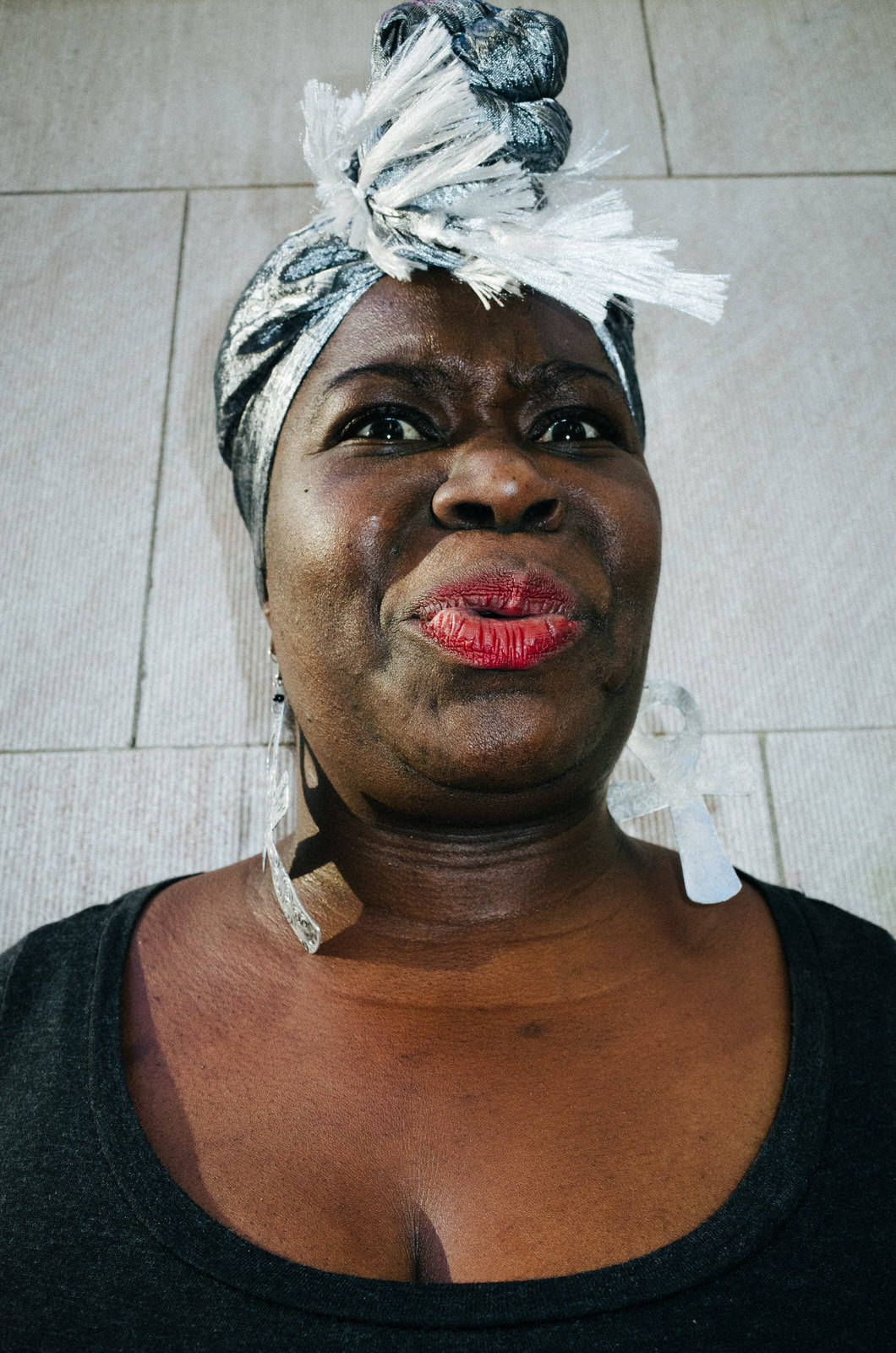

Read this as a Google Doc
I was talking with one of my friends and students David— and he has an excellent camera. He shot with an Olympus OM-D EM-5 Mark II with a Lumix 15mm lens (30mm full-frame equivalent). I was actually curious about the camera (as Josh White, one of my best friends in Korea) has one— and has been taking phenomenal shots with it.
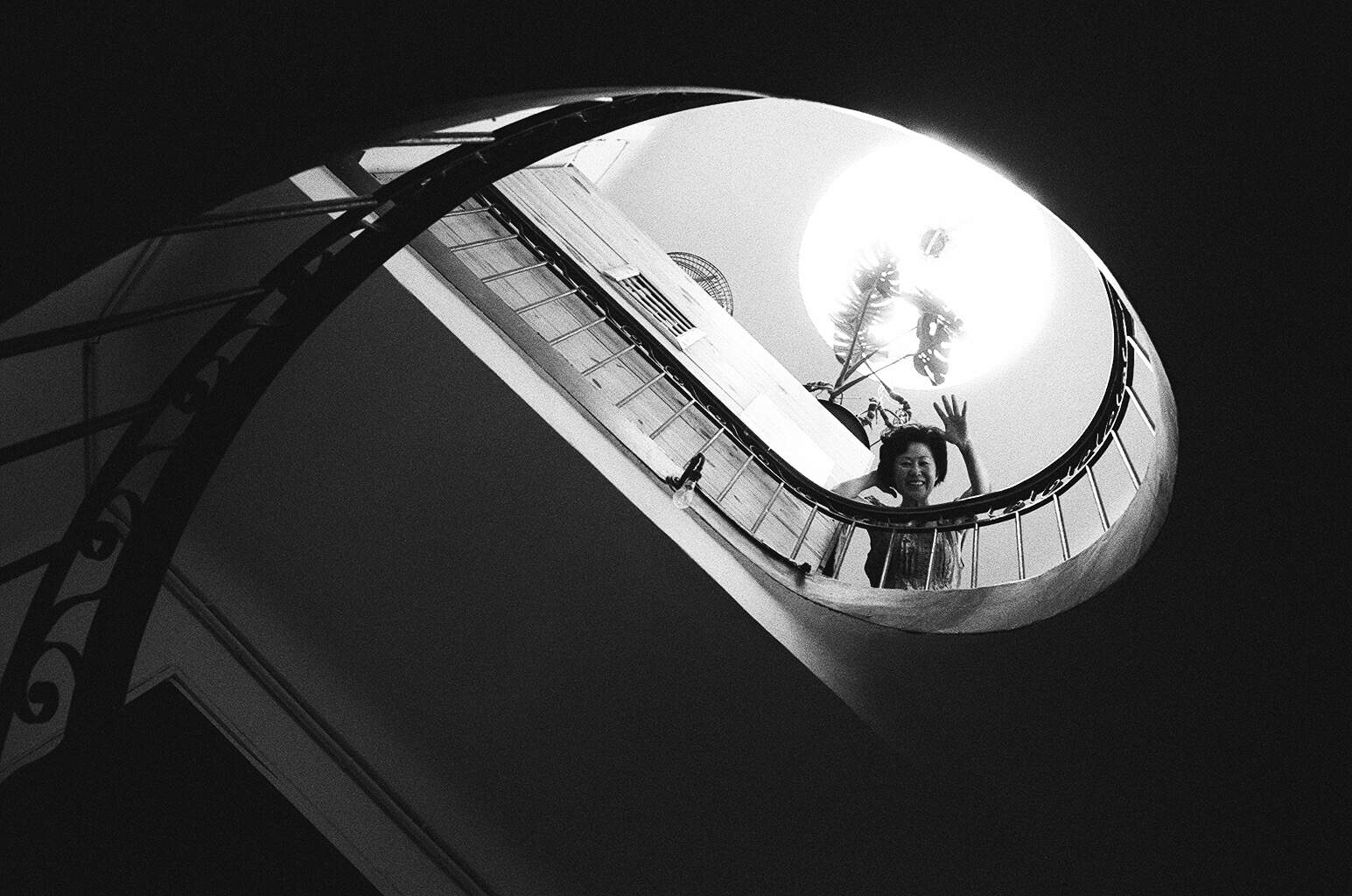

“Happiness: take away from your desires, not to add to your riches.†– Epicurus
Today is American Thanksgiving. It is a time of the year to appreciate what you have— to spend time with friends, family, and eat lots of (dry) turkey. I think about Thanksgiving as a chance to really “give thanks†— here is what I am grateful for in my life:
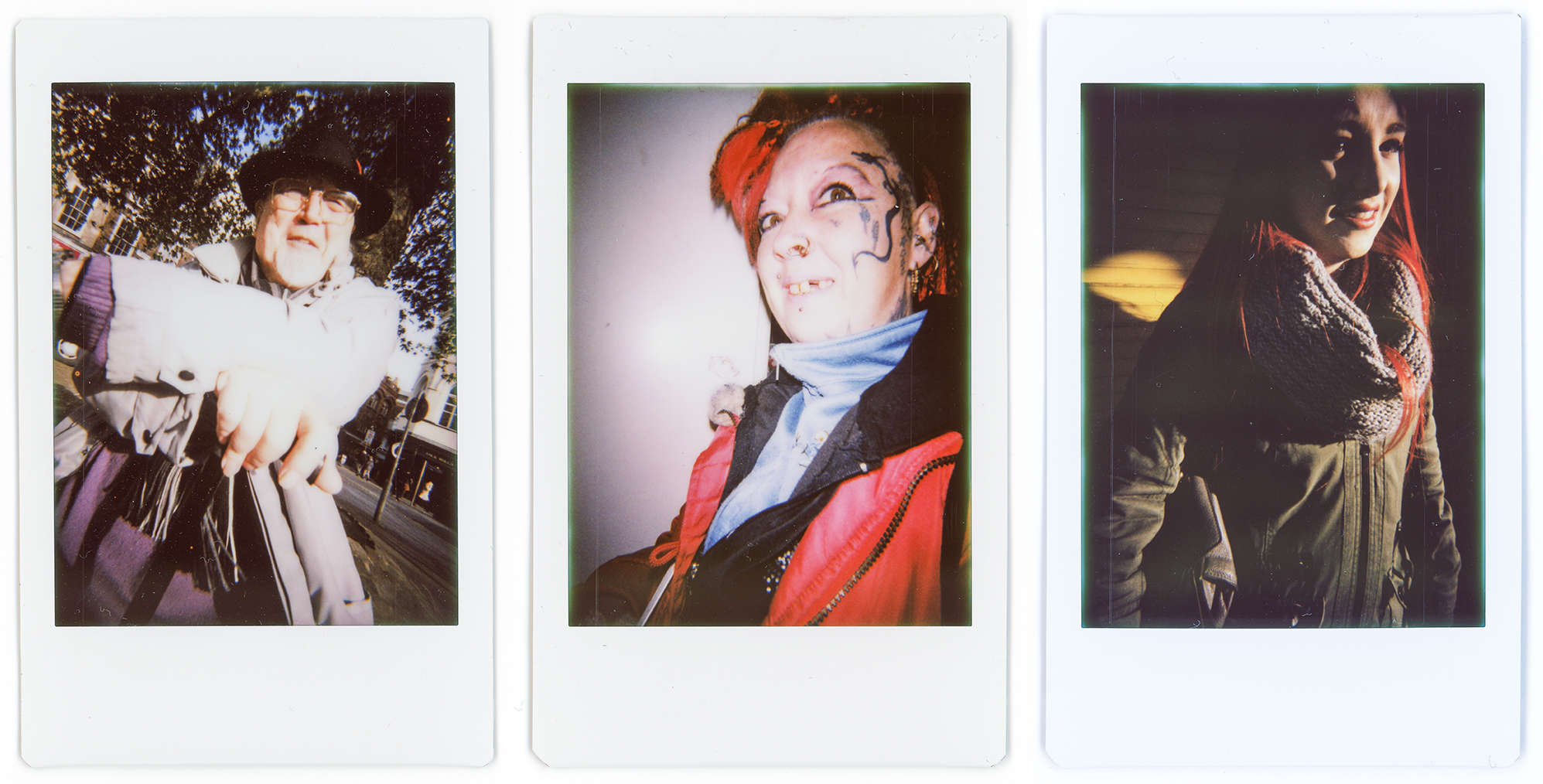

With the end of the year holiday season only just around the corner, I thought it would be fitting to write about Can Giving Make Us Happy?
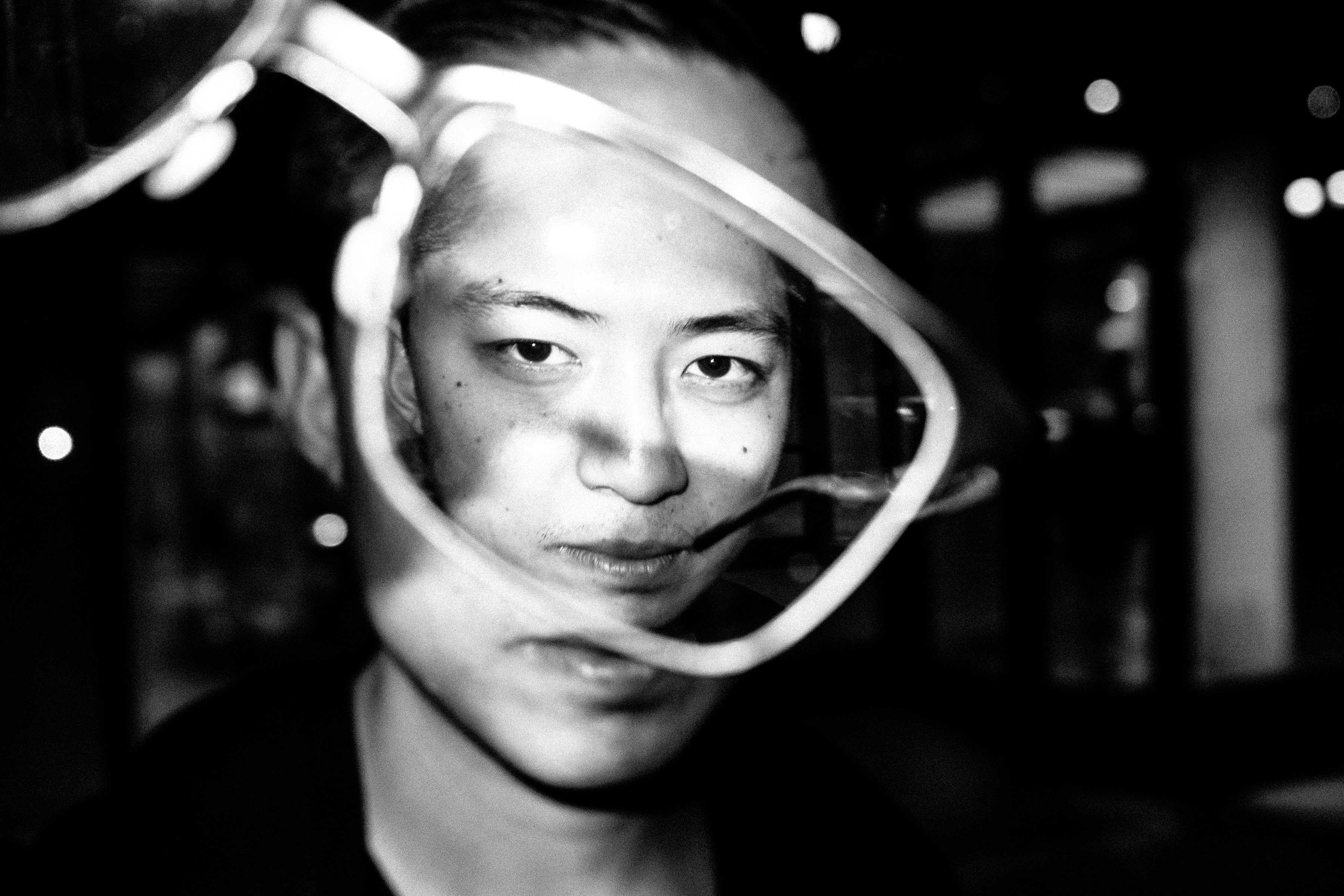

Dear friend,
I am writing this as a practical instructional manual in terms of how to start your own photography blog. Note that none of this is “truth†or “rules†— these are simply guidelines that I wish I knew when I started a photography blog. I will share some tips, pieces of advice, and lessons which can help you practically when starting a photography blog.
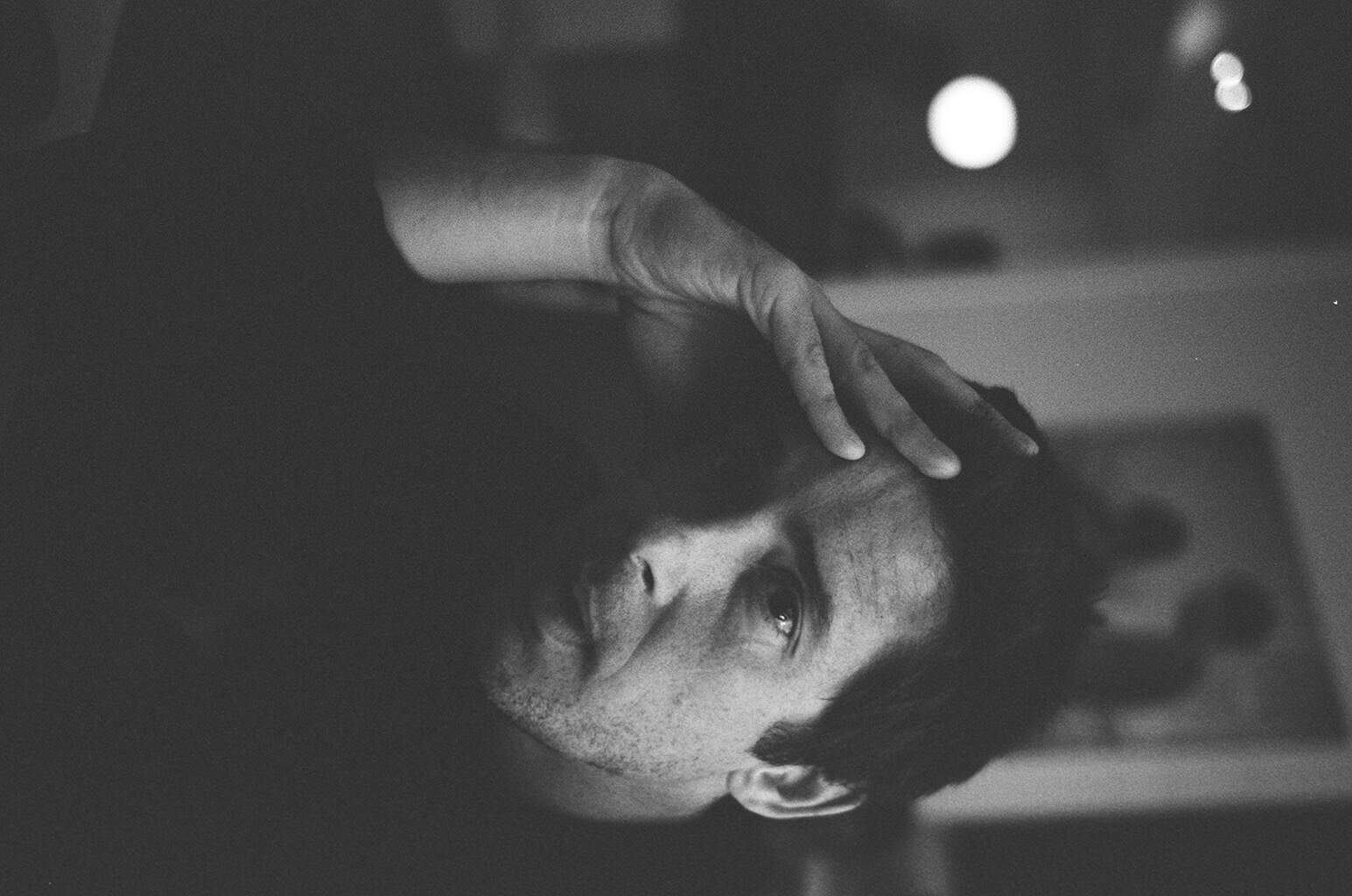

Dear friend,
I am addicted to G.A.S. (Gear Acquisition Syndrome). I always want to buy new shit— the newest iPad (Epic), cars (Mustang), phone (iPhone 6s or Nexus 6P), clothes (hipster $200+ raw denim), coffee makers ($500+), and tons of other stuff in my Amazon gift list. Here are some practical tips that have helped me (partially) combat G.A.S.:
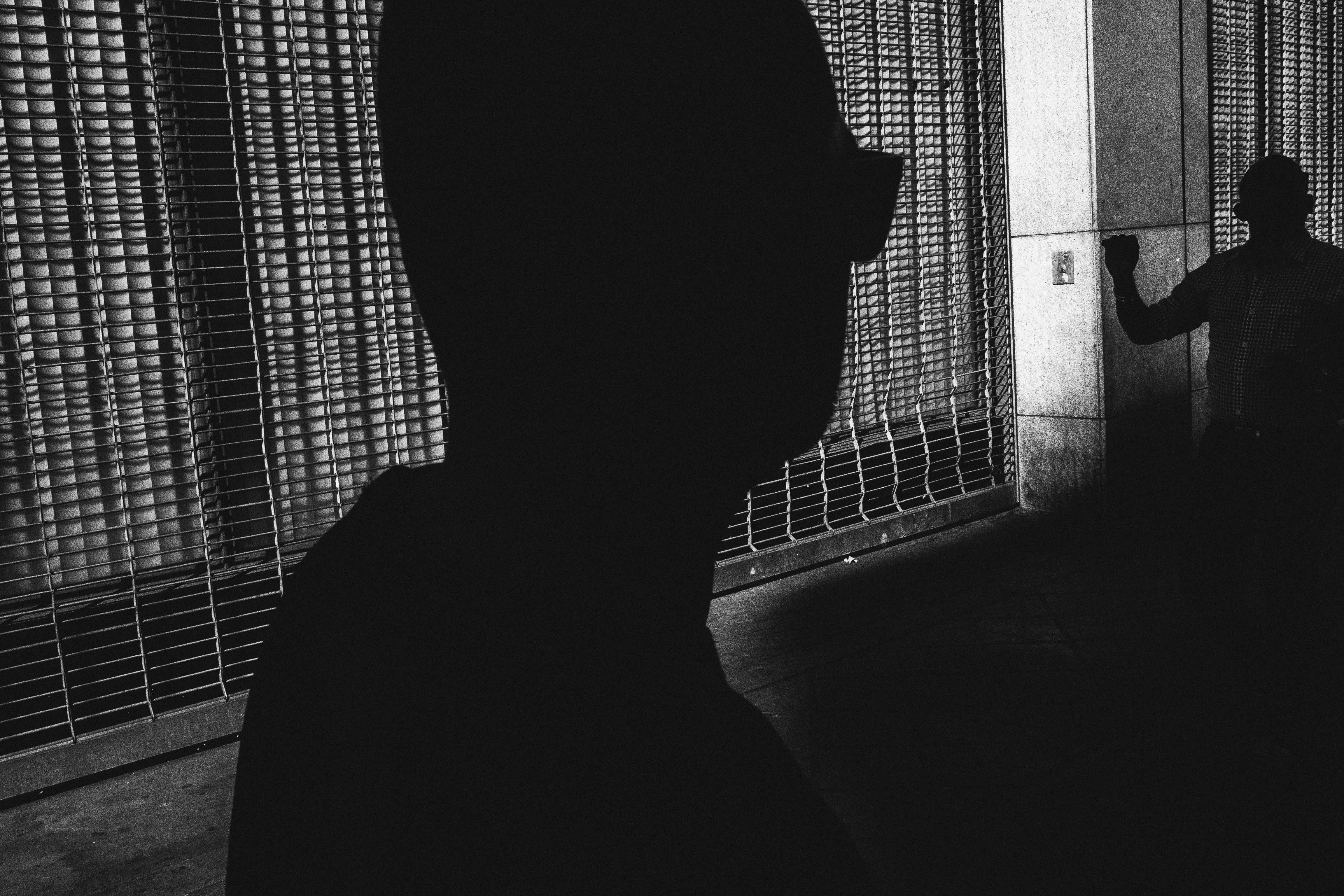

I love to buy shit. It makes me feel great. I feel cooler, handsomer, sexier, more powerful, and more important. I always feel that if I just bought “X†I would become happier. For example, if I bought a Leica, I would feel more “creativeâ€, “inspiredâ€, and become a better photographer. Not only that, but I would be more “respected†if I had a Leica.
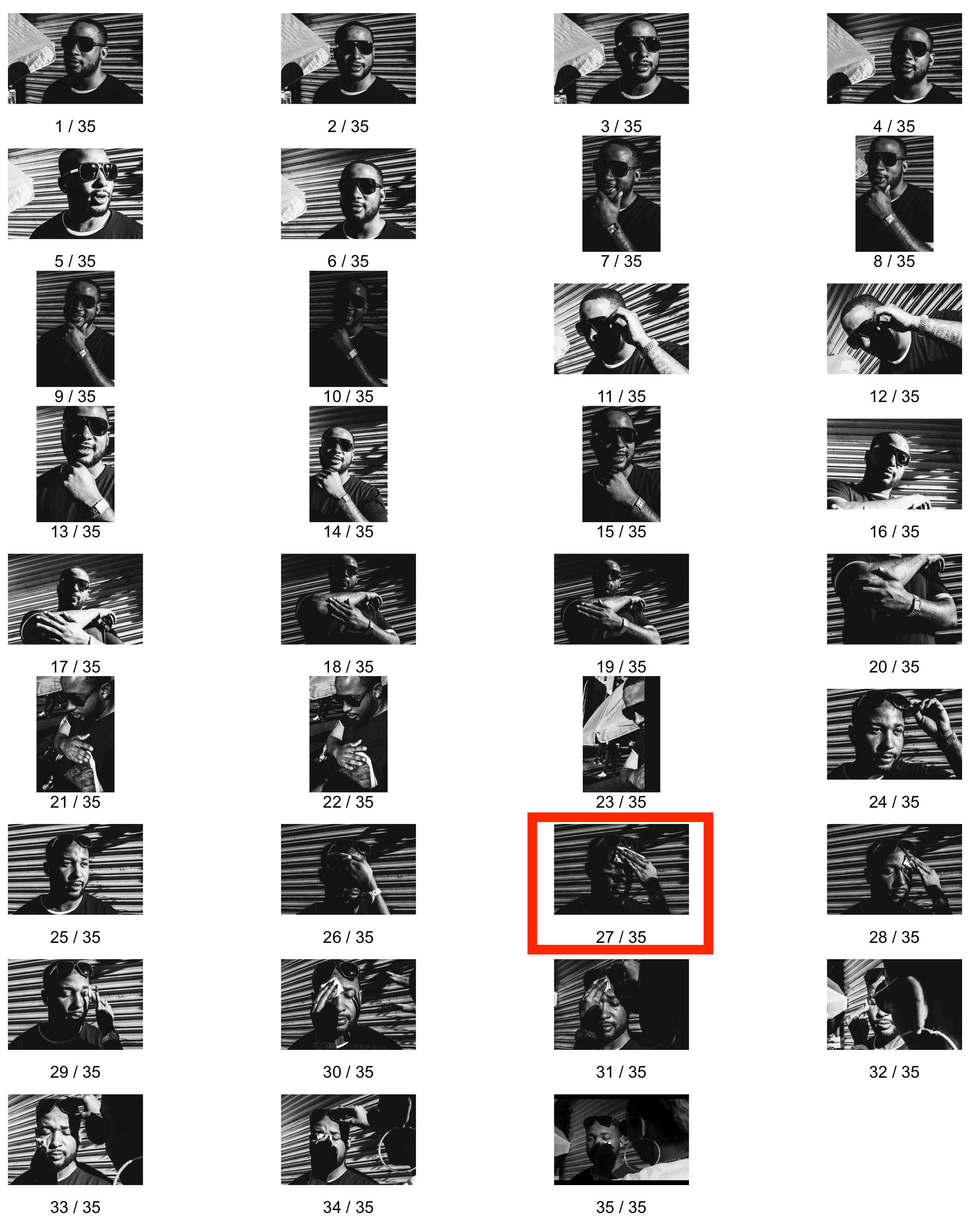

Ugh, I just woke up and haven’t had my espresso yet (fortunately it is being made right now).
Anyways— I wanted to share an idea that I had when I was rolling out of the couch today: practice random acts of kindness.

This weekend I’m teaching a “how to find your unique voice†street photography workshop in Downtown LA. One of the things I love most about teaching a workshop is that it gives me the opportunity to come up with new posts to share with you.

Dear friend, life is brutally short; live a life of leisure.

This is part two of my review on Alex Webb and Rebecca Norris Webb, ‘On Street Photography and the Poetic Image‘.
For part one, click here.

Hey Neil,
Happy birthday man. I’m not 100% sure how old you are now, but all I know is that you’re about a decade my senior. I wanted to write this letter to wish you a happy birthday, and share some personal thoughts of how grateful I am to have you in my life.
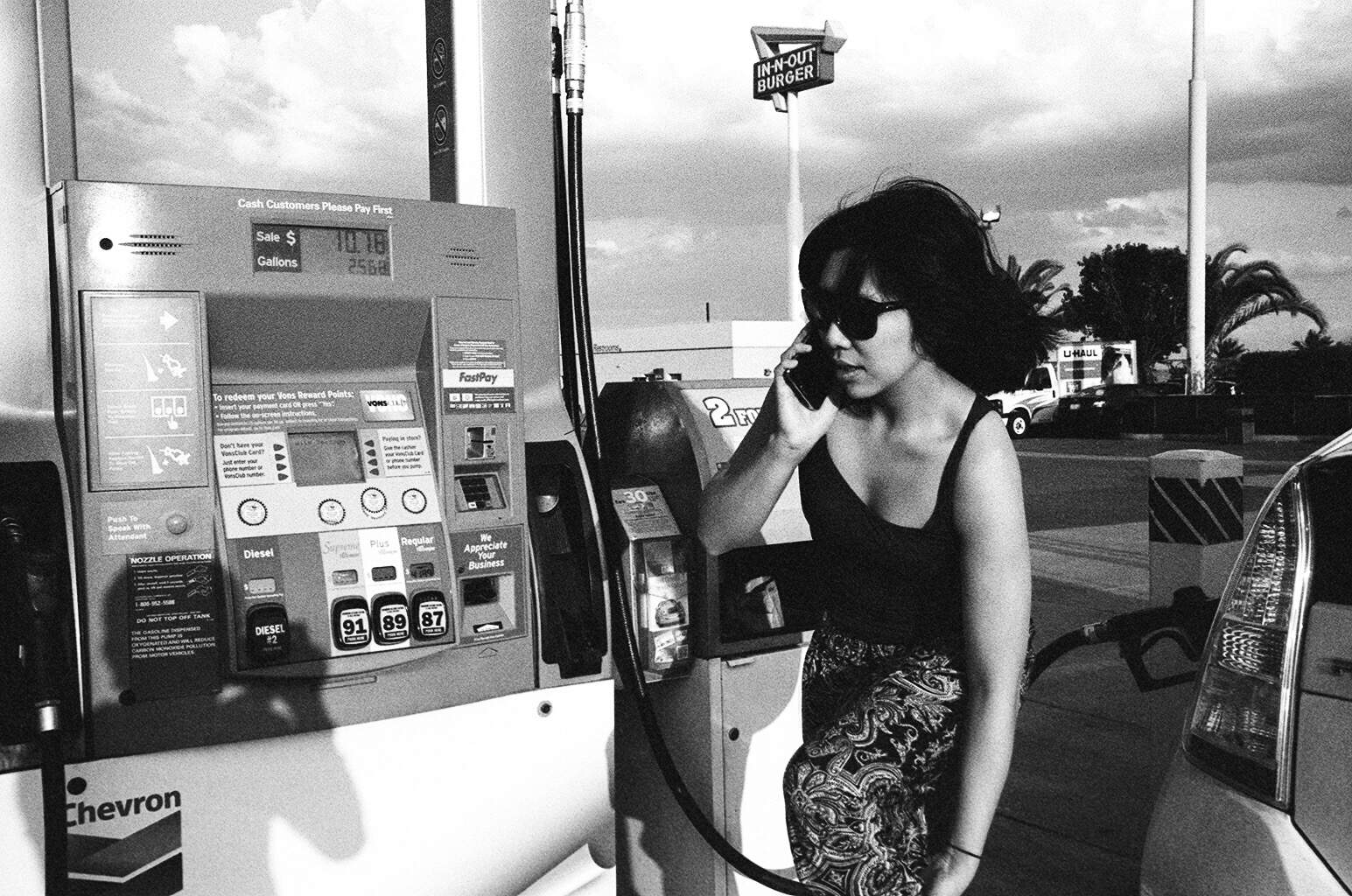

Dear friend,
I want to share some ideas with you– specifically about “personal” street photography. I’m going to ramble a bit before that, so please be patient with me.
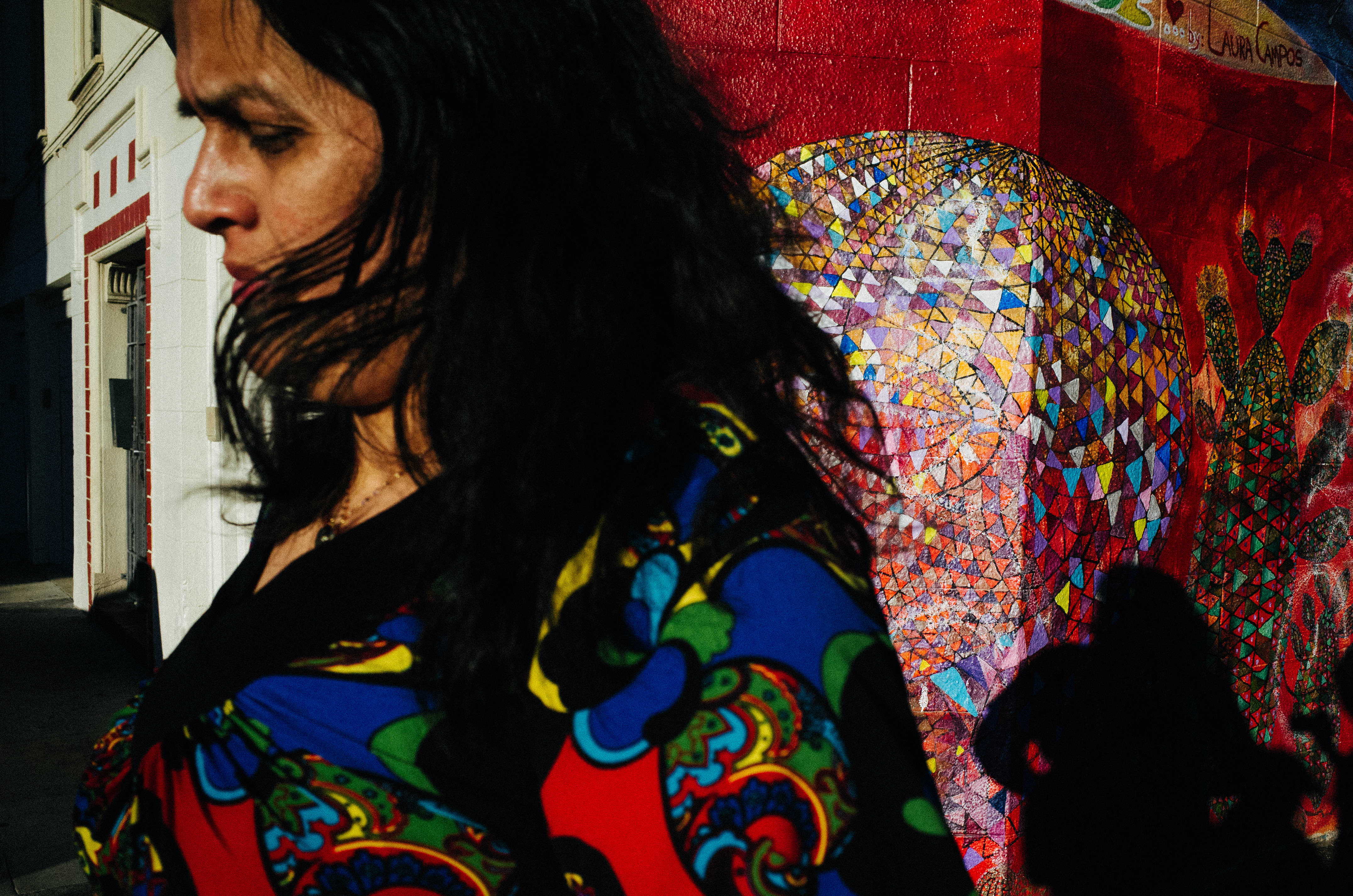

Dear friend,
I wanted to share some ideas with you on my mind; one of them being on happiness.
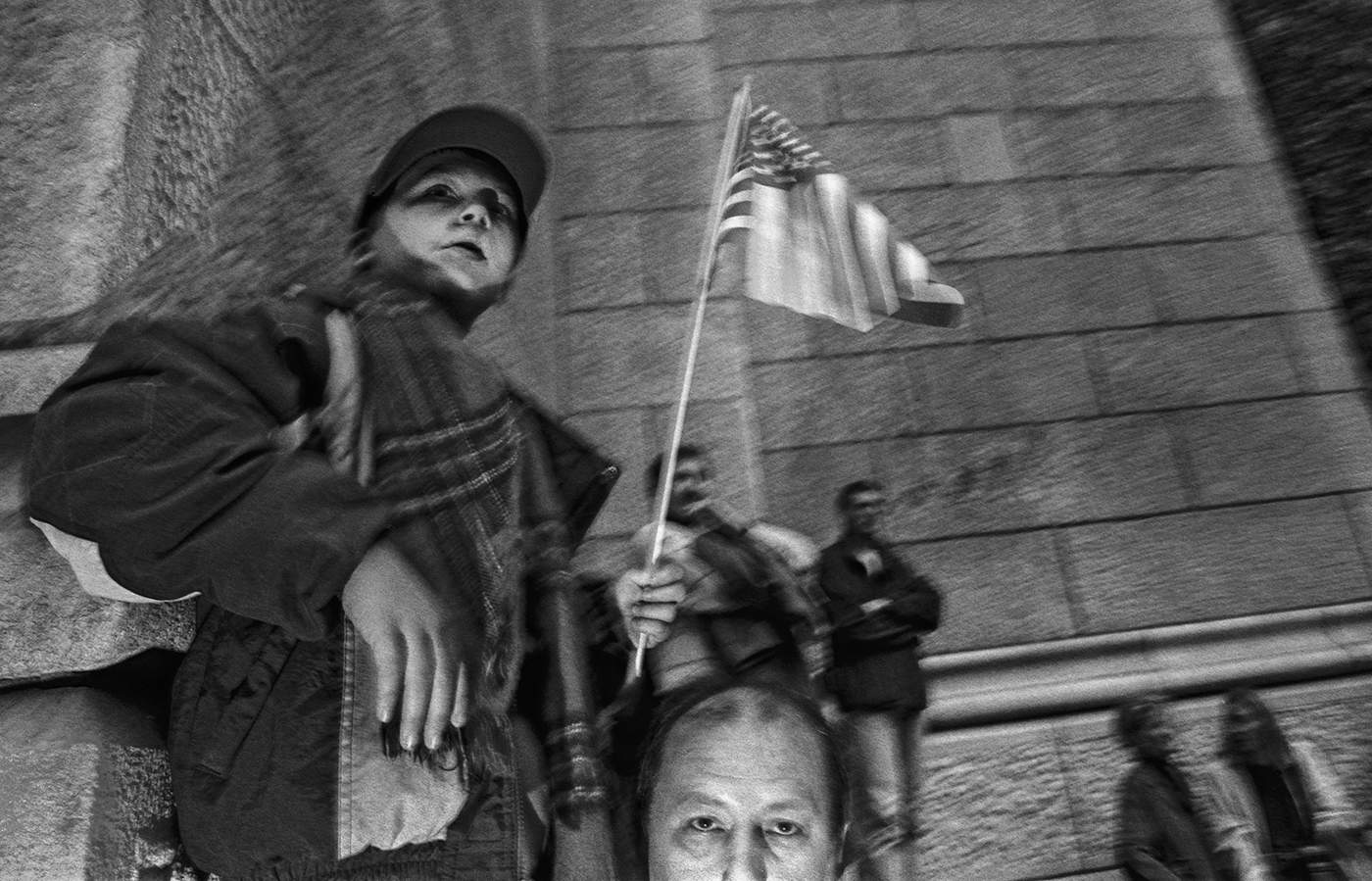

Interview by A.g. De Mesa, photos by Harvey Stein
The thing about any creative pursuit, specifically photography, is that it is easy to pick up but only a few can stay with it let alone be good at the same time.


I’m in a plane to LA from Oakland (Southwest), and wanted to use this hour or so to write and share about my experiences shooting 100 rolls of Kodak Tri-X Film pushed to 1600 this summer.

(A.g.: In the spirit of Open Source here on Eric’s Blog, this is a German translation of Eric’s 10 Things Henri Cartier-Bresson Can Teach You About Street Photography made by photographer Lukas Beinstein).

Aperture have released a book collection called ‘The Photography Workshop Series‘ and currently have four in that set. I recently bought the co-authored one from Alex Webb and Rebecca Norris Webb, ‘On Street Photography and the Poetic Image‘. As Alex is one of my favourite photographers, I wasn’t going to miss an opportunity to gain knowledge and guidance from such a great photographer. Especially as it’s unlikely that I’m going to get the chance to meet him in person, and what better alternative than with a book.
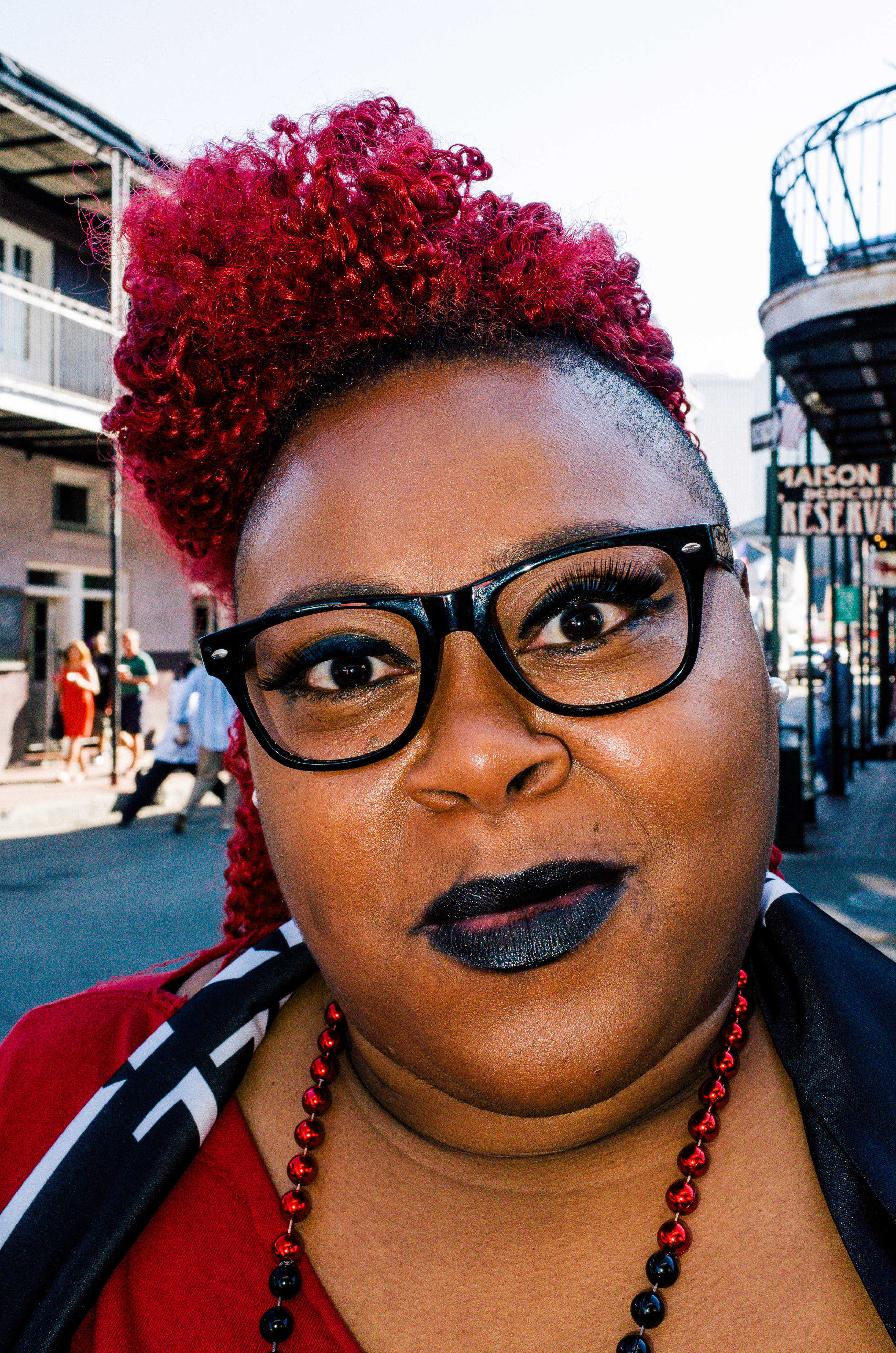

Simon: I recently took part in Eric’s workshop in New Orleans and during one of our daily critique sessions Eric asked if I’d like to write a post about the top 5 things I learnt.  After taking the time to reflect on the week I really struggled to cut it down to 5 and decided to share the top 10 – sorry Eric!
Before I get into what I learnt about photography I want to share a couple of other things I learned from this trip:
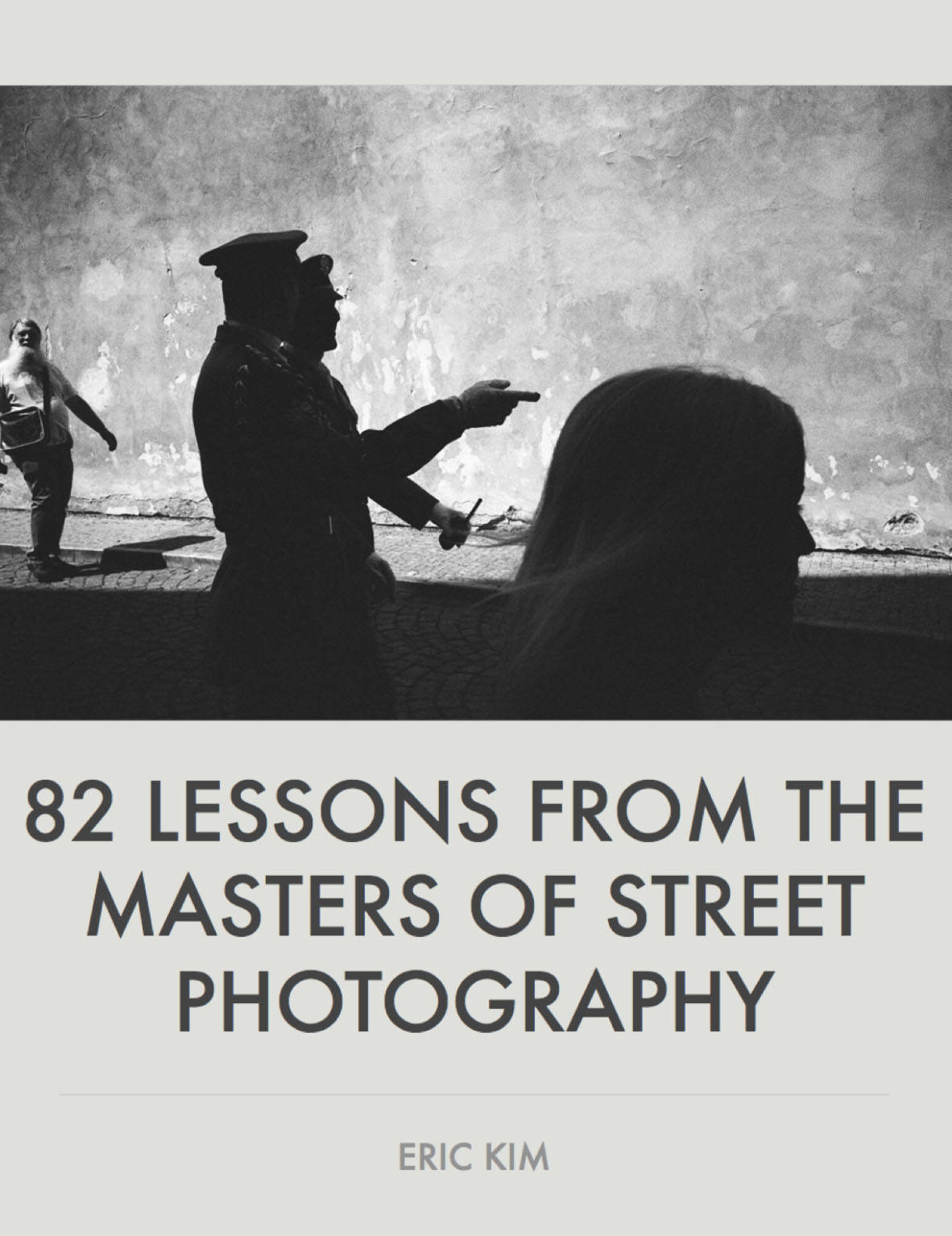

See the most recent version of this book (Version III): “100 Lessons From the Masters of Street Photography.”
Learn from the masters of street photography, with 82 practical lessons and assignments that will push you outside of your comfort zone, and take your work to the next level.
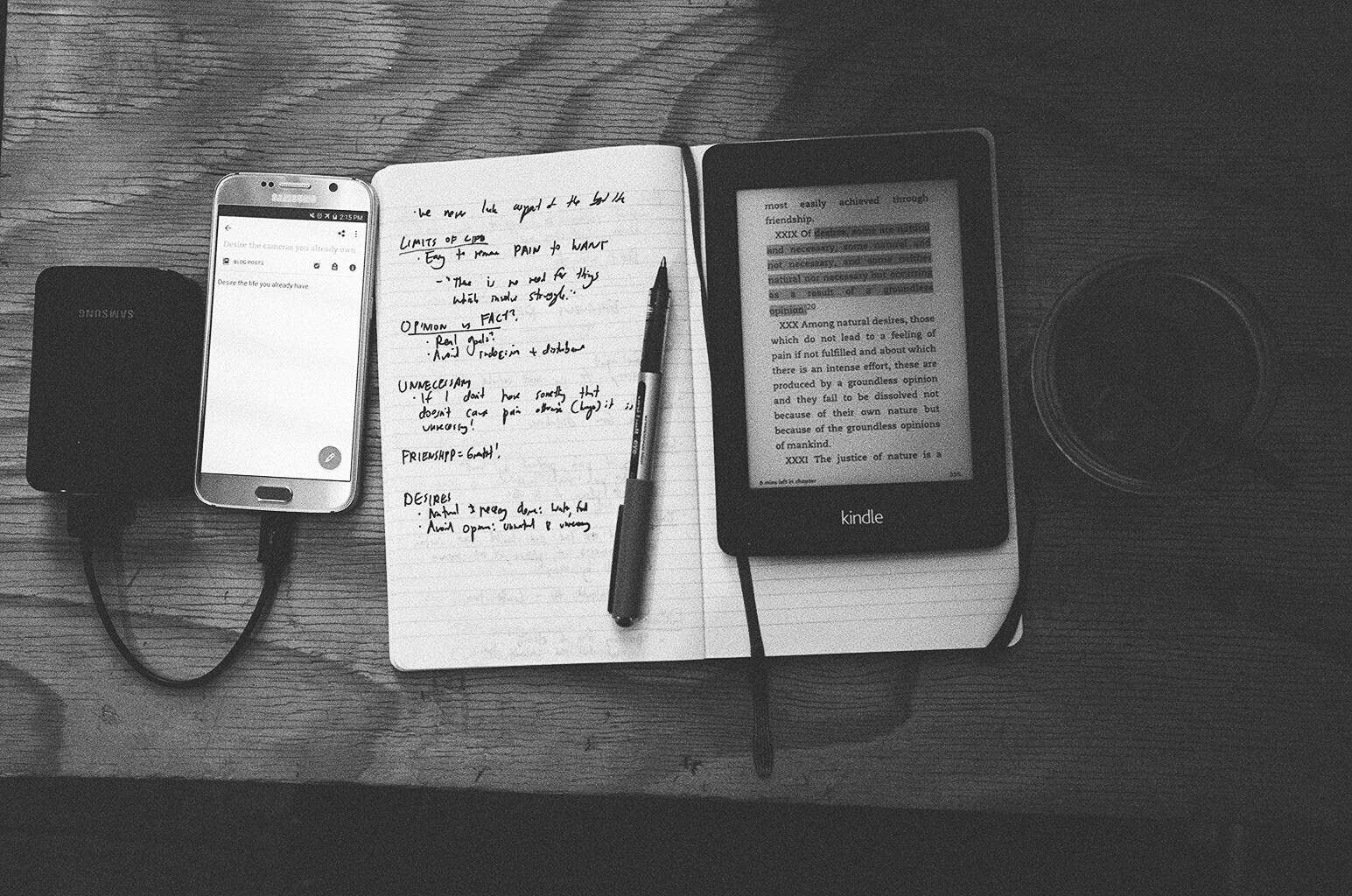

I’ve been in the “social media†game for as long as I can remember. Let me tell you a story:
I just turned 21 years old, and I got 100+ “happy birthday†messages on Facebook. No phone calls. Two text messages (one from Cindy and one from my mom). No presents. No hugs in real life. I felt sad, shallow, and neglected.
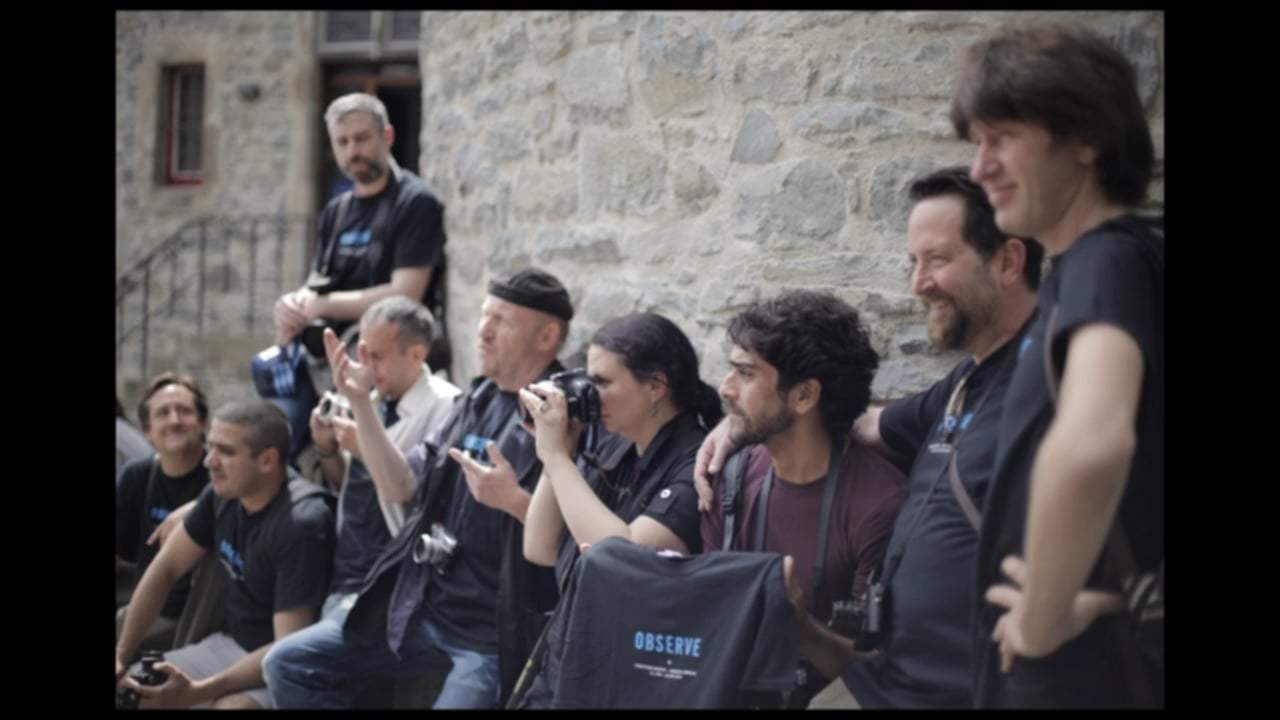
(A.g.’s Note: We’re glad to have Observe Collective back on the blog again with some highlights of their recently held Under Construction exhibit in Germany. Check it out!)


Dear fellow streettog,
I want to live my life to the fullest. I want to die without regrets.
Often I piss away my days, live a life according to the opinion of others, and desire shit that I don’t need (materialistic things like cars, a lot of money, fancy cameras, shiny devices, and a big house).
As a reminder to myself, I always try to remind myself of “The Top 5 Regrets of the Dying.” A hospice nurse wrote a list of 5 common regrets people had on their death bed.

Hopefully by now, you already know what this means! If you don’t know what we do, check my introductory post of Streettogs Academy Here! For those of you already know, read on!
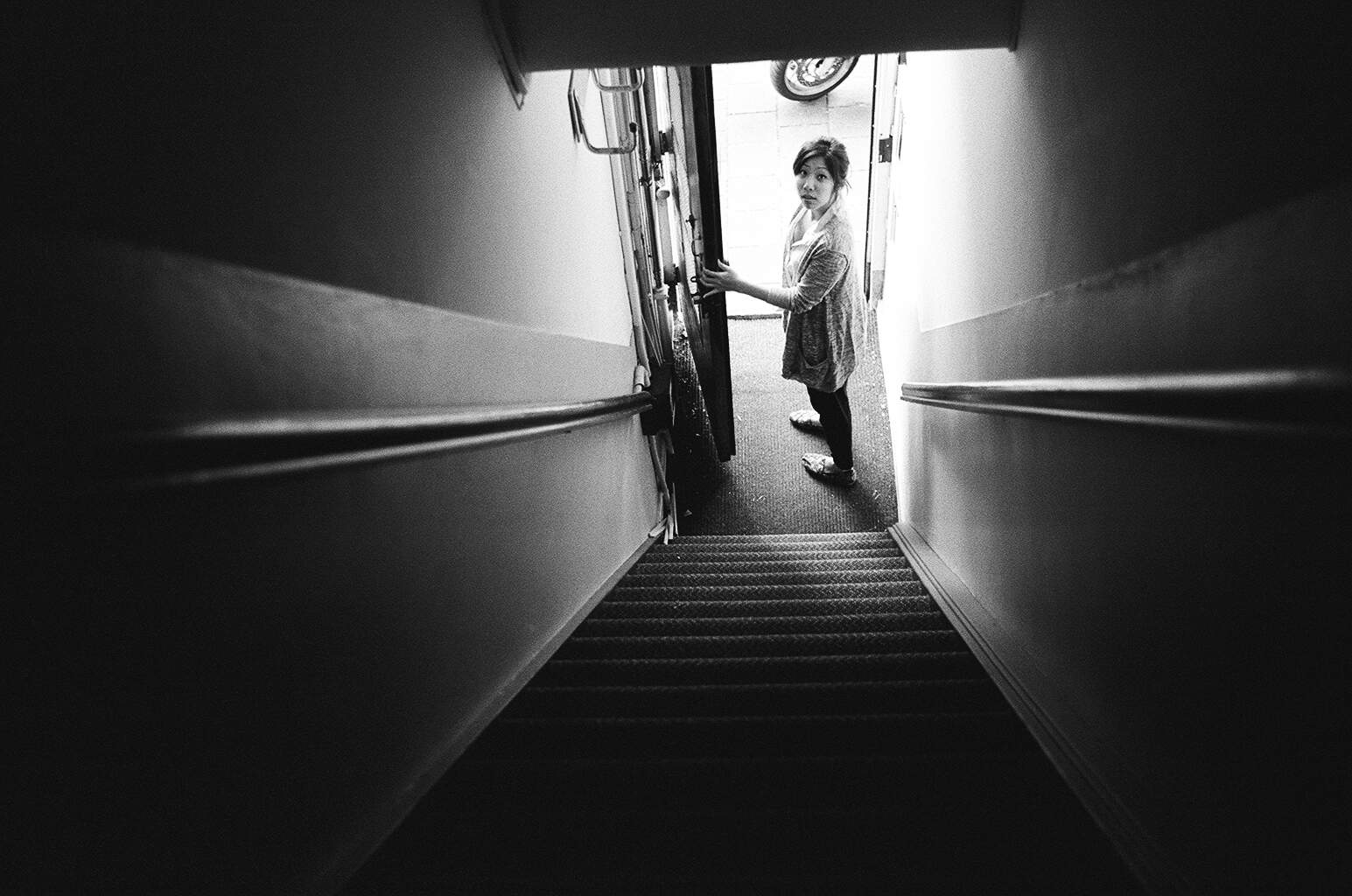

I am currently loving my “boring”, humble, yet simple life back in Berkeley.
Everyday my life with Cindy is like this:
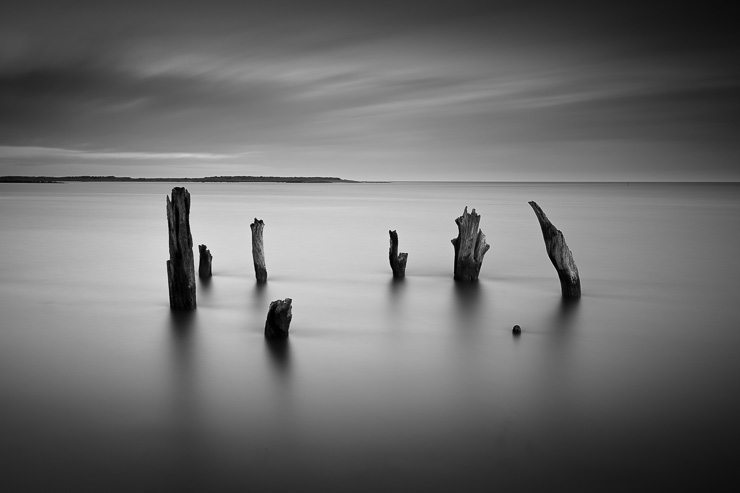

Original post from Nick’s blog.
So it’s that time of year again when I look at my life and all of the things that I’ve accomplished, or in my case, haven’t. My opinions have changed as I’ve gotten older and the things that mattered to me weren’t always the same. I was a selfish person as I only thought about material things. As clichéd as it sounds, but I’ve realised that it’s not the things around me that matter, but who, that make me happy.
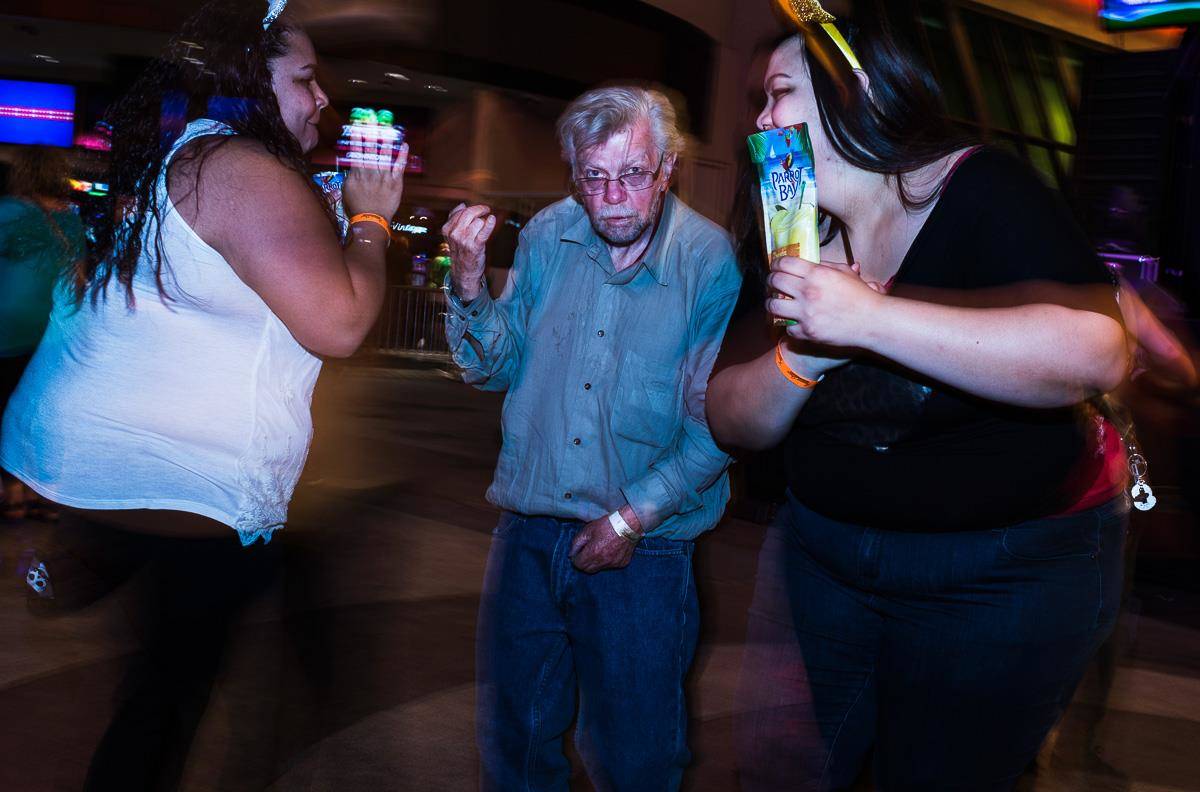

(Cover Photo by Assignment No. 15 Community’s Choice, Salman Taseem Haque)
While sifting and reading these pictures, I constantly have a smile on my face. This has got to go down as one of my favorite because it reeks of so much positivity. That said, let’s look at some of the best in this beautiful assignment.
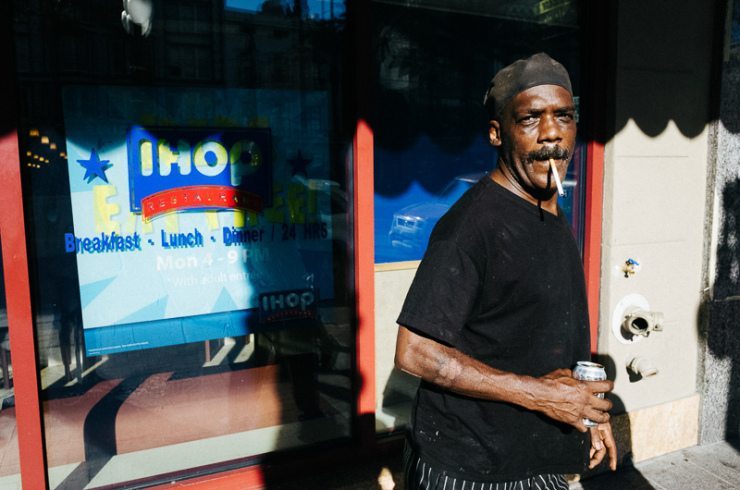

(This was initially sent to my newsletter)
Dear friend,
Long time no talk! I am excited to share that I just got back safely from New Orleans after an epic two-week trip there. I have to admit; it is my new favorite city in America (top 3 cities in the world, the other two being Saigon (Vietnam) and Beirut, Lebanon.
Why? It is the only city in the US where you feel like you’re not there. Also, southern hospitality is real— seriously some of the nicest human beings I have ever met.
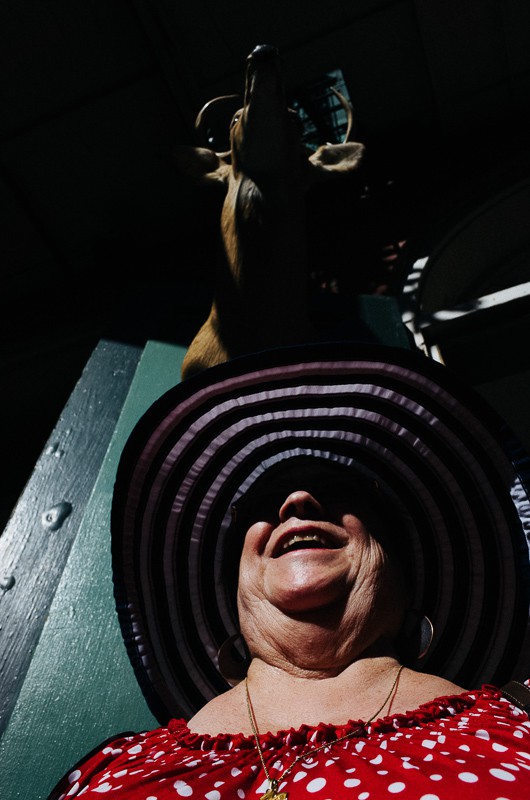

Dear friend,
I wanted to give you a new “no bullshit” review of the Ricoh GR II (new version, Mark II). I can honestly say that the previous Ricoh GR is the best value camera for street photography (read my review).
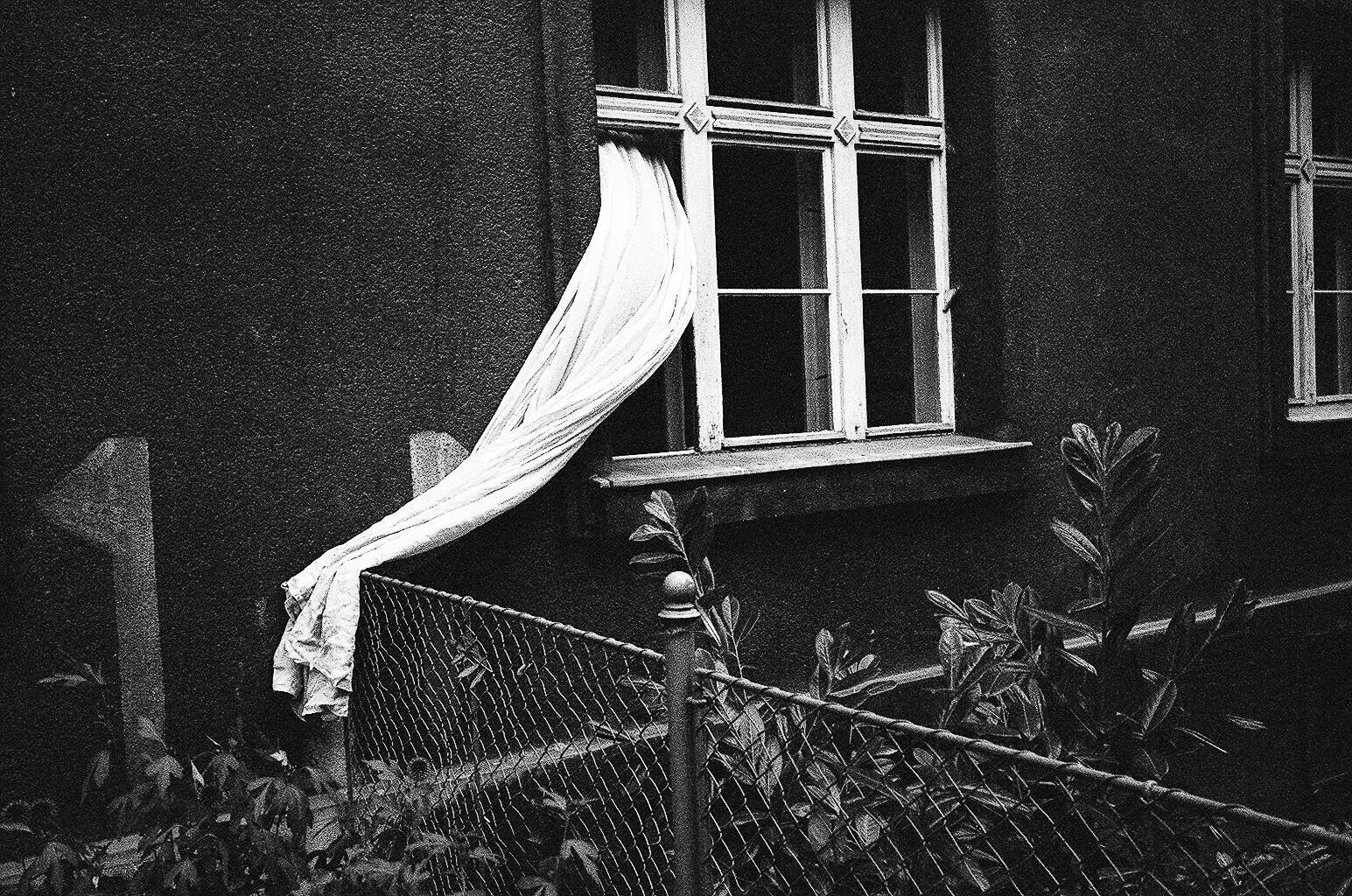

Dear friend,
I wanted to write you this letter on photography and life.
I just finished an epic week-long street photography workshop here in New Orleans, and it was an absolutely incredible experience. I had such a great time with the students, in terms of teaching, bringing people together, and sharing new experiences together.
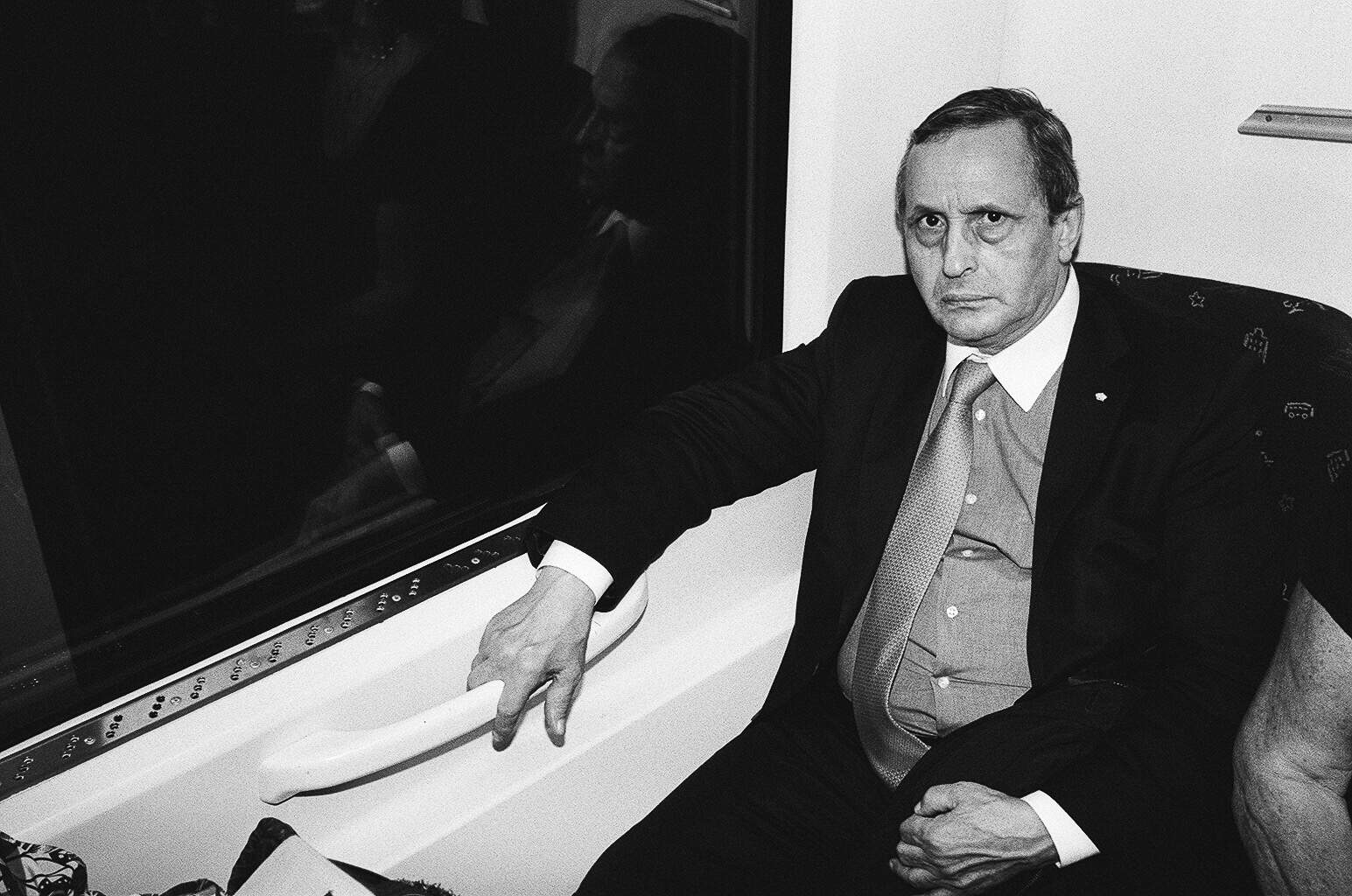
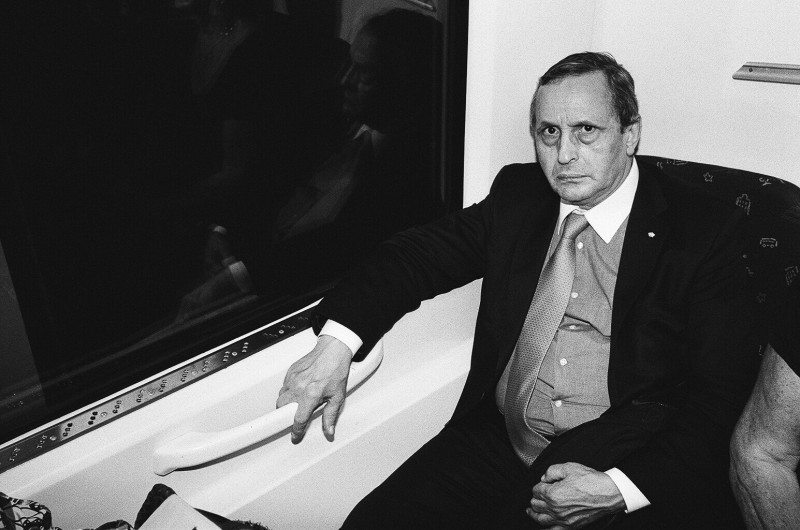
Dear friend,
It is 7:20am in New Orleans, and I just downed a “Miss Tracy’s Addiction†(Double espresso, Cayenne pepper, Thai coconut milk) at Addiction Coffee and I’m feeling good. Had a nice chat with Dave, the barista here, and ready to do some writing to share with you some ideas.
Just as a random note, I was thinking about this article for the last day, and woke up super-early for you (6:30am after sleeping at 1am), because I felt it could be of use for you.
I’m currently staying at an Airbnb with my friend Todd and Neil, and Chris (new friend, who is also a workshop participant at my week-long street photography workshop here in New Orleans). All three of them have the new Sony A7RII (the 40+ megapixel monster), with Neil and Chris bringing both of them.
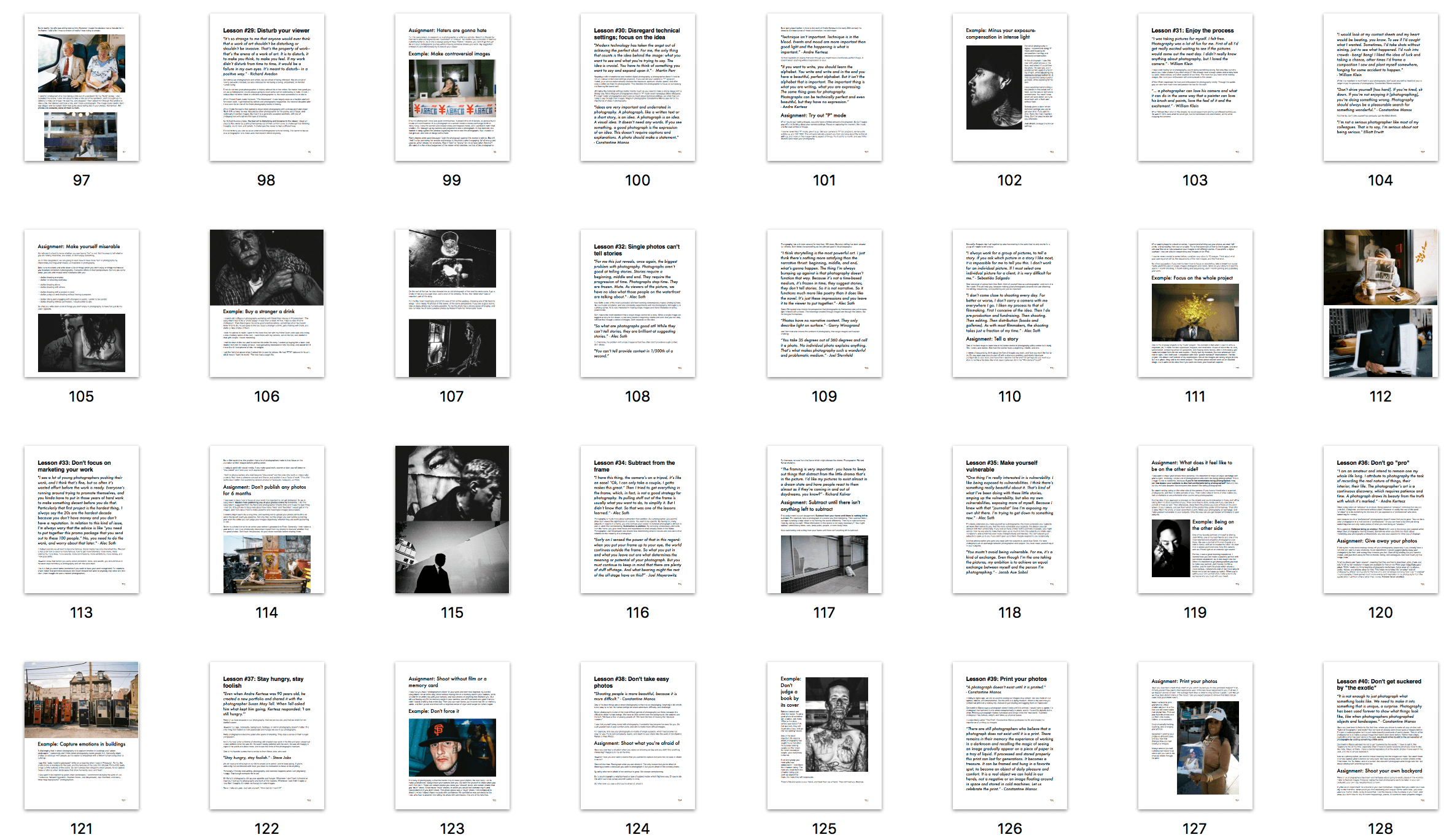

Check out the updated book: “100 Lessons From the Masters of Street Photography.”
Dear streettogs,
I am excited to announce my new free “open-source” e-book: “Learn From the Masters of Street Photography.” This book is a compilation of all the lessons I’ve distilled from my “Learn From the Masters Series” on the blog, in a convenient PDF for you to read, learn from, edit, remix, and share.
This project is very close to my heart, because I think it is my greatest work to date. I have poured my entire heart, blood, and soul into this work (along with drinking close to 100 espressos in total). I truly hope that this book helps stimulate some new ideas, helps push you outside of your creative zone, and for you to embrace these timeless lessons from the masters of photography.

Street Photography Quick Links is a compilation of Links, Projects, News, Videos, Events, or anything that is related to street photography or photography in particular that I have personally consumed. Perhaps these might interest you or make you think. If you want to send some links my way, details will be at the post below:

Eric: This article is by John Hall, a photographer and human being I respect deeply. John Hall was one of my students at a week-long street photography workshop in SF, and since then he has been my zen master (he always reminds me to stay centered). He recently attended a Jacob Aue Sobol workshop in Kyoto, Japan and I loved the article so much I wanted to share it with you. You can see his original article here.
John: I just finished a week long workshop with Jacob Aue Sobol in Kyoto and it was terrific. The Leica team was also most helpful during the week as the workshop was held in their beautiful Gion Leica store. Jacob, Chloe and Albert did a super job with a diverse set of students. A highly recommended workshop!
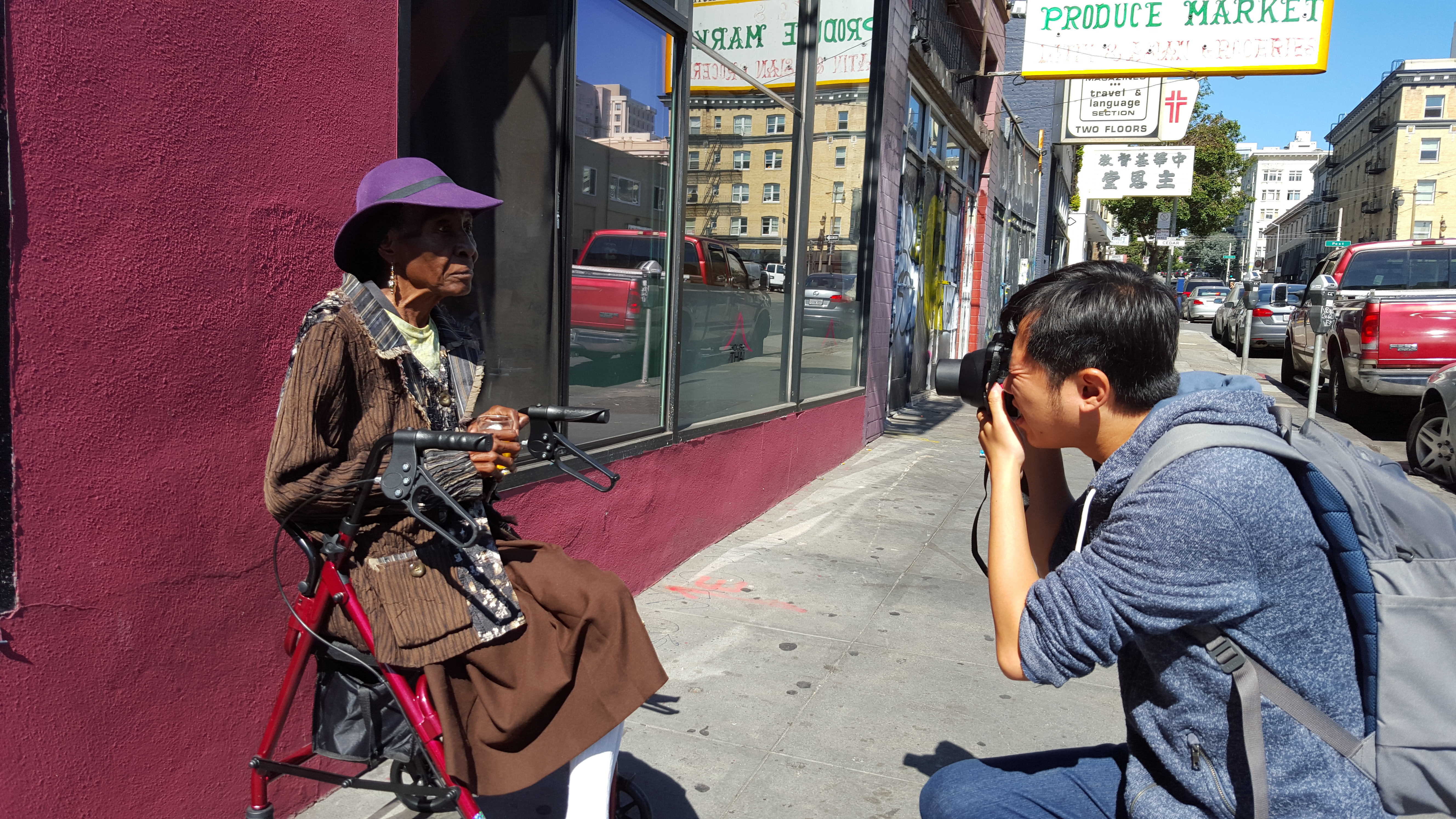
During my street photography workshop in SF this weekend, I experienced something that touched my heart. Peter Zhang, one of my students, was having a lovely chat with this woman in the Tenderloin of San Francisco. When I approached them, I saw him already deeply engaged with her in conversation, and he even gave her a kiss on the cheek!
What he did next amazed me; he took a portrait of her on an Fujifilm Instax Wide camera, and gave her a print as a present. The woman was blown away, and I recorded all the footage on my phone to share the love.
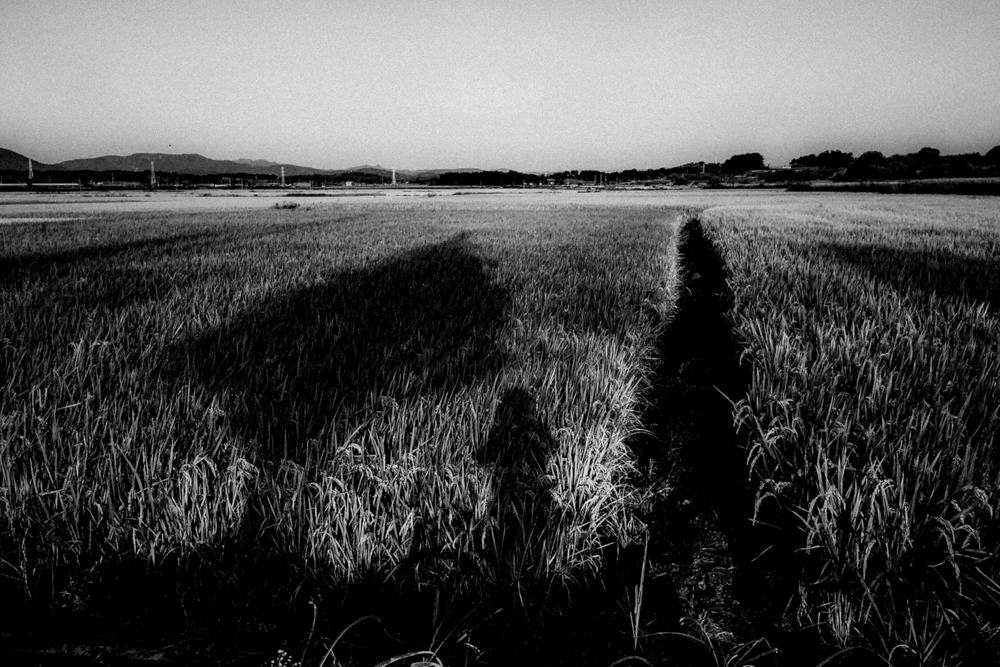

A post taken from Josh’s blog. He doesn’t always say much, but like this post talks about, simple things are sometimes good ones. Enjoy.
The end of a long weekend. I used to travel on weekends like this. I would go to Tokyo or Hong Kong. Now, I prefer to stay nearer home.

(Editor’s Note: Words and Photographs by Steve Simon. Steve is a very passionate photographer, author, and an educator that has traveled the world shooting for various brands, companies, and organizations. His work focuses on street and documentary photography. He shares with us today how simple it is to start a street project and how it will develop your photography further. All words and photographs are by Steve Simon.)
We all have a unique vision of the world and photography is such a great way to express your vision. The more you shoot, the more focused and recognizable that vision becomes, a style if you will. But you don’t set out to create a style, your style reveals itself when you get through a volume of work. It’s unconscious and not contrived. Others might see it before you do… you’re too close to your work to always recognize it.
I have been a street photographer since I first picked up a camera as a young kid, wandering the streets of Montreal.
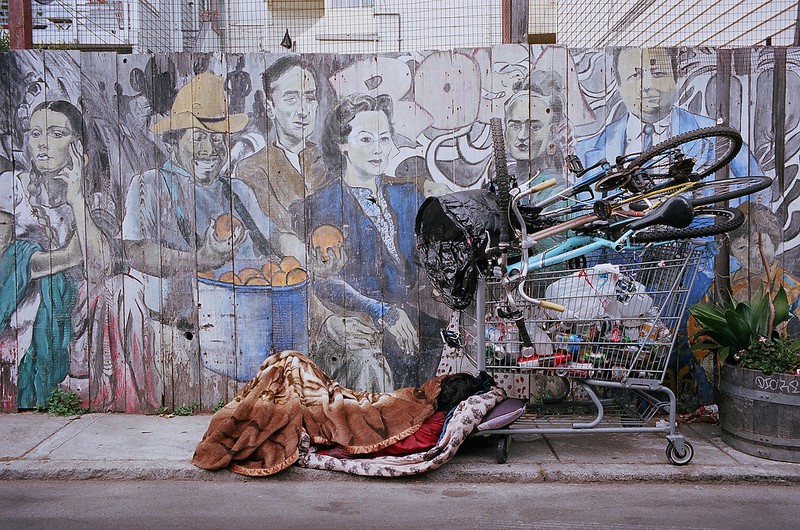

How much is enough?
How much is superfluous in life? What is excess baggage that holds you back?
What are some demons from your past and mental baggage that holds you back? What are physical possessions which hold you back?
What kinds of cameras and equipment hold you back? Which cameras are sitting on your shelf or drawer which you haven’t used for a few months, or even over a year? Why do you keep onto them? What do you fear? Do you worry about these “what if?” situations?
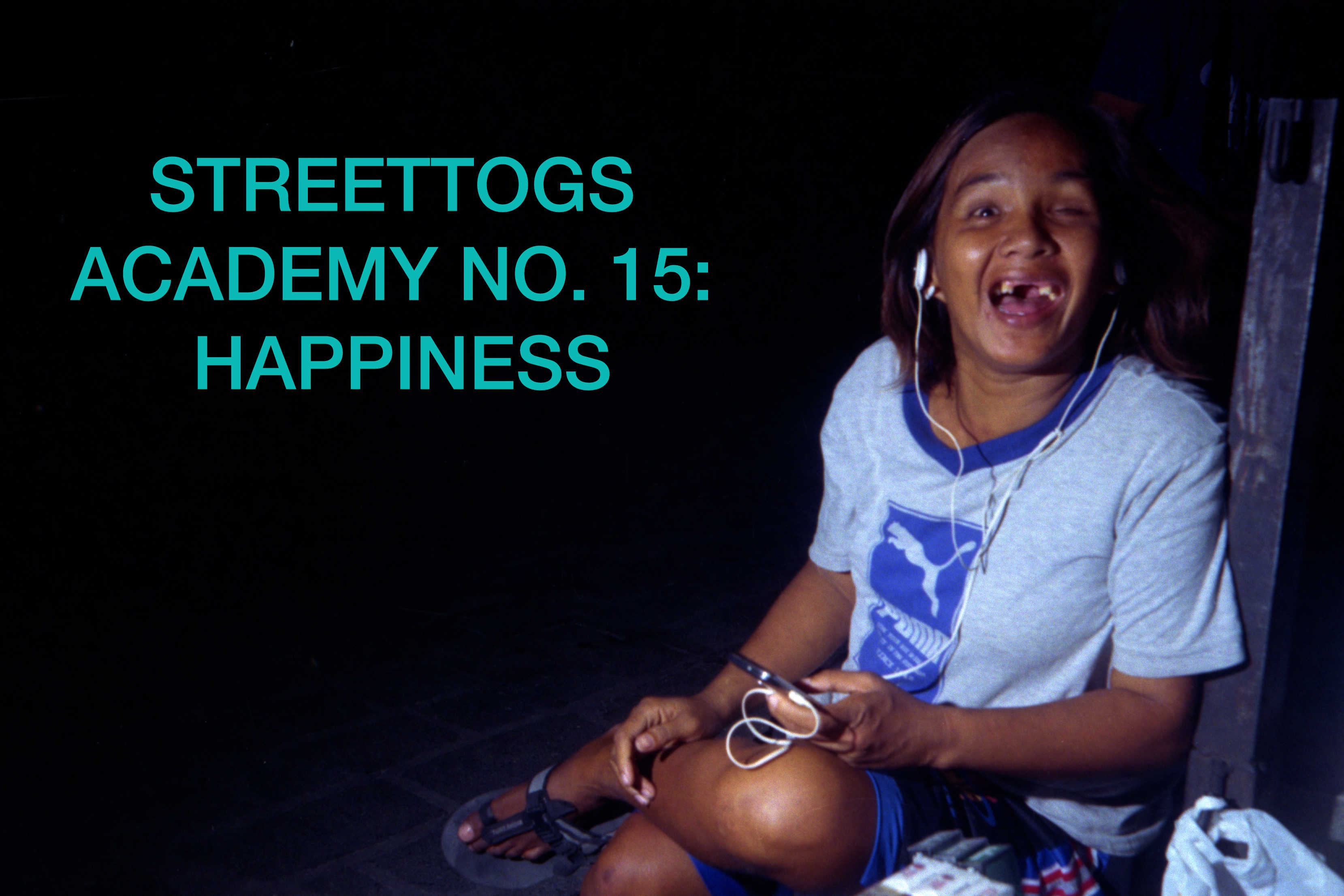

Let’s keep things going and get to more shooting with the latest assignment for Streettogs Academy!
For avid readers of Eric’s blog, you’d notice he’s on a relentless pursuit towards zen, stoicism, and minimalism. All of this is in the pursuit of one thing. Actually it is a thing we are all pursuing in all the aspects of our lives.
Here is our next assignment:
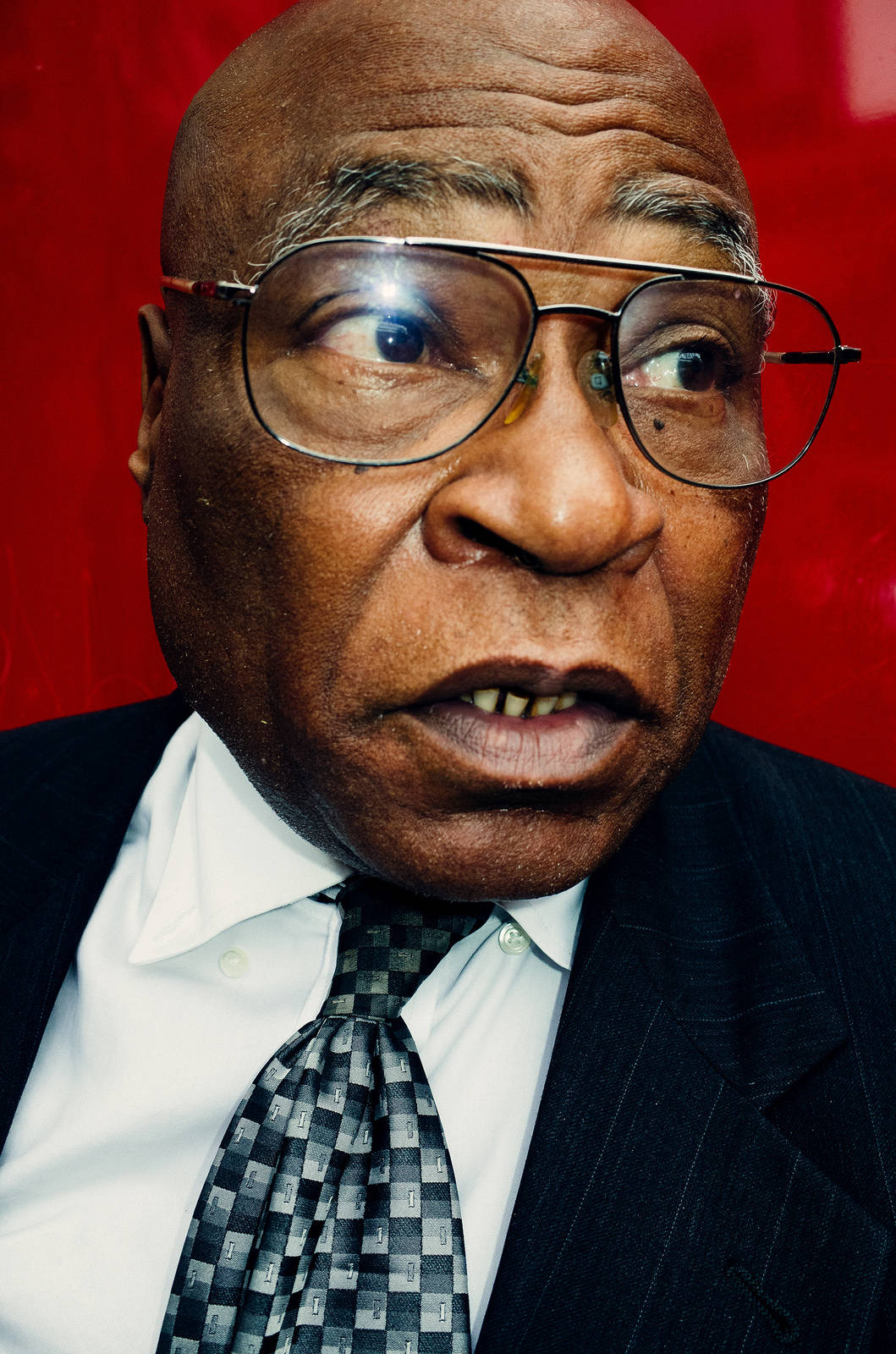

Dear friend,
I wanted to write you a letter about “Wu-Weiâ€, a Taoist philosophy and concept that I learned from the “Tao Te Ching†(recommend the version by Stephen Mitchell).
So let me pose you a question: have you ever been out shooting on the streets for an entire day, and you tried really hard to make good photos, and you ended up not making any good photos after 8 hours of hard work and stress?
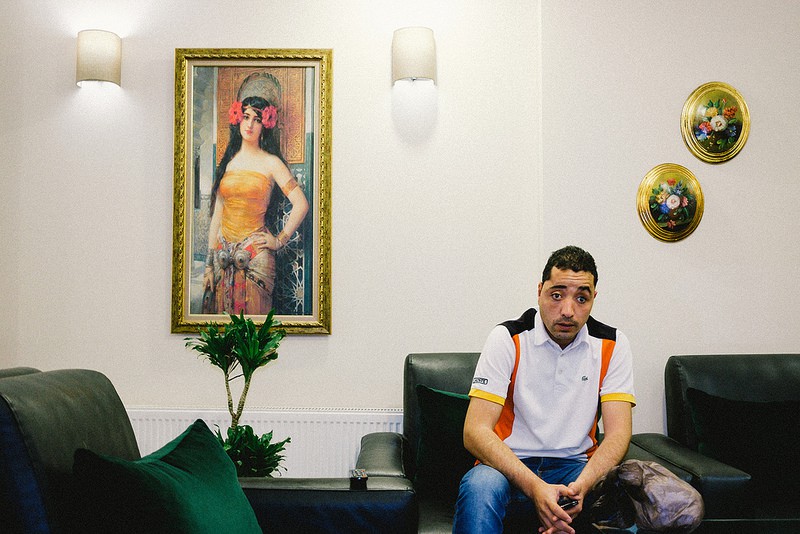

Dear friend,
I wanted to give you some advice on bouncing back from negative and debilitating experiences when you’re shooting street photography.
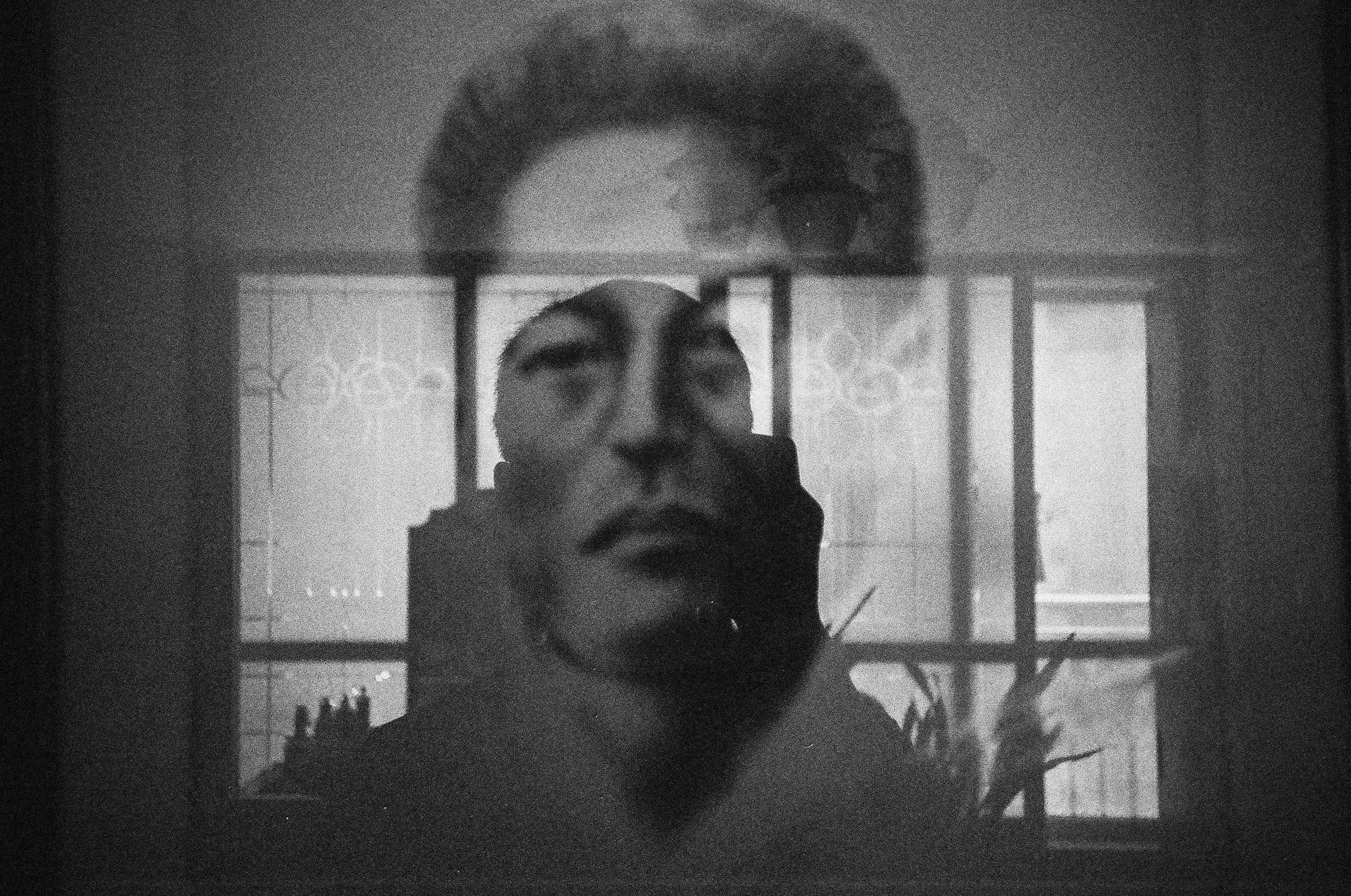

Dear friend,
I wanted to write you a letter on the concept of “killing the masters of photographyâ€. It is kind of a Buddhist philosophy, as well as a philosophy I gained from Seneca, my stoic philosophy hero and mentor.
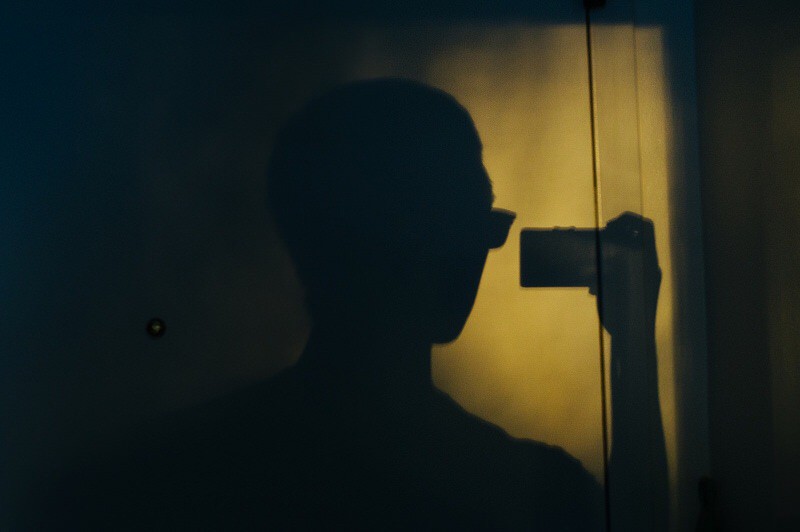

Dear Eric,
I want to write this letter for you, as a reminder of sorts to meditate upon some of the thoughts running around in your head.
Remember when you used to work in IT at UCLA? How many people complained that their computer didn’t work, and a simple rebooting of their computers fixed the problem?
I think the same thing applies to your own life’s problems: simply reboot. Don’t let the demons of your past drag you down. Reboot, and start afresh.
I think one of the things you did for yourself which was refreshing was rebooting your Flickr. I know how attached you were to your images, and how great you thought you were. You were attached to your older black and white photos, and while they were pretty, as your friend Josh told you, they weren’t that memorable (besides a few photos, like the dark faced man in Tokyo, the jazz hands lady, and your grandfather series). So what you ended up doing was listening to Josh, re uploading your “Grandfather†series to your portfolio, and you removed your older black and white “Grit and grain†series of your best black and white photos. That was difficult, but damn refreshing.
So anyways, you marked all of your photos on Flickr to private, except your new color street portraits shot on a digital Ricoh GR. Josh told you that he felt these images felt more honest, and you agreed. Not only that, but wasn’t it refreshing to simply “reboot†your entire Flickr and start again from scratch?
A few months ago, your blog went offline. Suddenly, all 1,000+ of your posts over the last few years were gone. Disappeared.
At first you freaked out. You crapped your pants. You thought you got hacked, and jumped to all these conclusions.
Yet after the first hour of panic, you actually felt an intense wave of calm. Everything you said before was now dead. You actually looked forward to restarting from scratch, just like a beginner. And honestly at the end of the day, the only thing you’re really proud of include your recent ebooks made into PDFs. If suddenly your entire blog disappeared again, I think you would have no regrets. Just keep writing, putting together those PDFs, and don’t expect to leave some sort of legacy. Just do your work, day by day, and be diligent. Don’t give up, keep drinking coffee, and ultimately write for yourself and a few good friends, without seeking others approval.
Another interesting thing that you tried out is dropping “street photography†from your title. After all, your ultimate passion (at least for now) is street photography. Why would you change your title from “Eric Kim Street Photography Blog†to simply “Eric Kim Photography Blog?†Well, nowadays you’re starting to feel a bit trapped by being pigeonholed into the genre of “street photographyâ€, because you don’t only shoot street photography. You shoot different types of photography. You’re exploring a lot more “personal documentary photography†(similar to Anders Petersen) in which you’re photographing your loved ones (like Cindy). Josh White also helped inspire you in this direction.
Not only that, but you don’t want the blog to just appeal to street photographers, but to all photographers. I think what you want to do is to make it more general, because ultimately all of us photographers deal with the same issues in life: issues with not having enough money and free time, issues trying to find our own voices, and the stress and anxiety of not getting enough “likes†or comments on social media. So why restrict yourself to just a small audience of street photographers. You were built and put on this earth to serve all of mankind. So don’t restrict yourself. Perhaps even down the line you can rename the blog to just “Eric Kim Blogâ€, where you don’t even have to just talk about photography either, because your interests also lie in philosophy, happiness, psychology, history, and other topics. Don’t restrict yourself. Speak your mind, be open and free, and know that most people won’t appreciate or care what you say or do or write. But once again, you’re ultimately writing to solve your internal fucked up mind, to solve your inner stresses, to medicate your own ailments. If anyone gains benefit from it, be happy. If not, be happy that you’re helping yourself at the end of the day.
So how else can you reboot your life? Reboot your family history; don’t be held back by the demons of your past with all the drama with your mom and your dad. Reboot your photography, don’t feel you only need to shoot “street photographyâ€, just shoot whatever makes you happy. Reboot your social life; only spend time with the select few friends who truly bring joy to your life. Reboot your philosophies on a daily basis; don’t feel tied to these arbitrary “rules†you set yourself. Know that when you find a rule you set yourself in life no longer works, change it. Don’t be a fool and be stubborn. Ditching film (for now) and shooting digital has made you feel like a beginner again, more free, and more fun. So stick with it, don’t feel like you need to stick with film just for the sake of it.
Anyways, you have an amazing day to look forward to, to teach your Seattle street photography class. Help the students build their confidence, show them love, compassion, and your heart. Ultimately focus less on technique, and more on treating them like human beings. Remember at the end of the day, they’re not going to remember what you taught them, but that you loved them.
Oh yeah, and you’re allowed to have as many coffees today as you want (you deserve it). Hipster espressos galore, woot!
Love always,
Eric
9:35am, Thursday, 9/17/2015 @ Walters house after a nice espresso he made for you, always be grateful of his friendship and those who have helped you along the way.
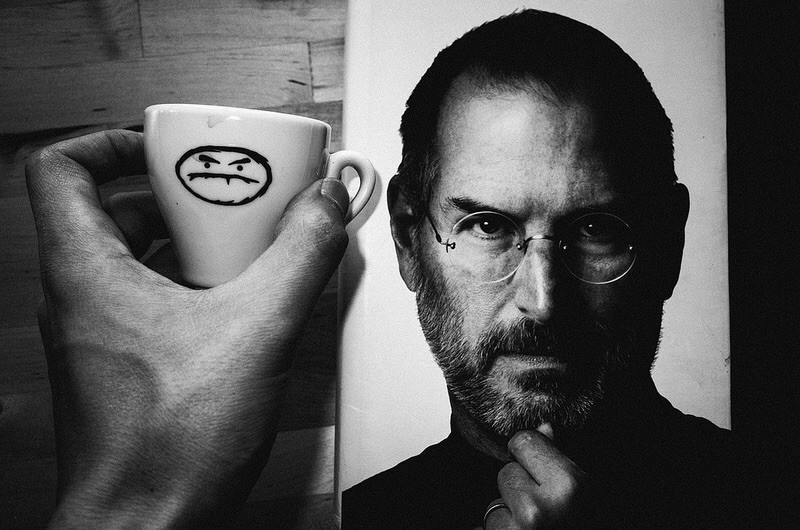

About a month ago I gave a talk on street photography at EyeEm headquarters in Berlin. During the question and answer session, there was a member in the crowd who asked me the question: “What is your dream?â€

“If your mind is empty, it is always ready for anything, it is open to everything. In the beginner’s mind there are many possibilities, but in the expert’s mind there are few. †― Shunryu Suzuki

(Cover photo by Assignment 14 Community’s Choice, Michele Berlingeri)
This has got to be one of the assignments that got the most number of beautiful pictures so far! The number of interpretations given to our theme is very diverse. Let’s start our analysis with our Community’s Choice:


You can download this essay for free as a PDF or Microsoft .DOCX file.
Dear friend,
I wanted to write you a personal letter on innovation. Not to say that I am the most innovative person (I’m not), but in the hope that I can hash out some of my personal thoughts on creativity, pushing boundaries, which I hope can ultimately help you too, my dear friend.
I just finished re-reading the excellent biography of Steve Jobs written by Walter Isaacson. If you can own just one book on innovation and inspiration, this is the book to get friend. So let me map out some of the lessons I’ve learned from the book, and the life and philosophies of Steve Jobs:

Read as a Google Doc (where you can suggest edits, and also download as a PDF).
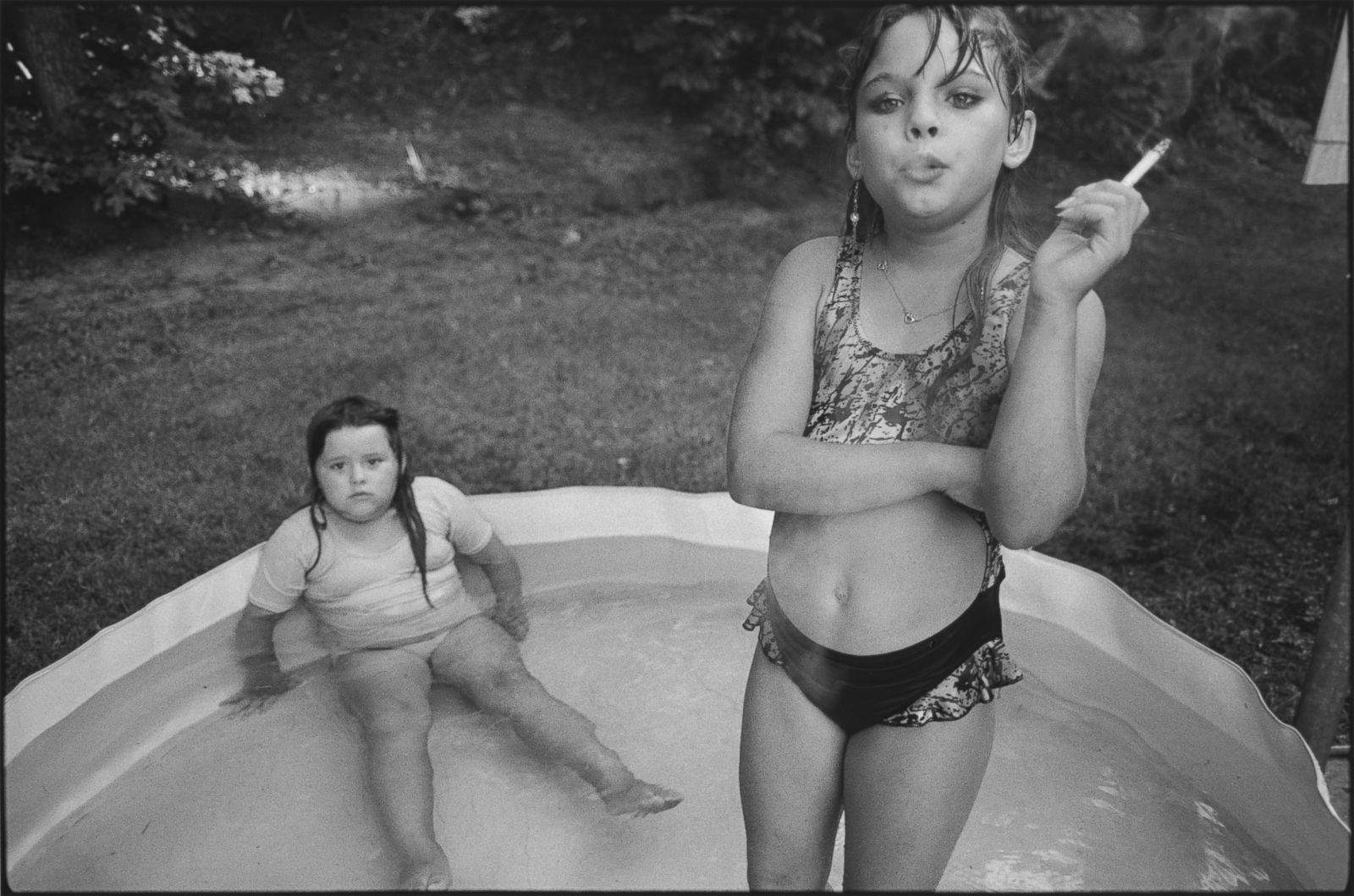
I recently came across the excellent book: “Mary Ellen Mark on the Portrait and the Momentâ€, an educational workshop book published by Aperture, at the home of my friend Brian Sparks. Mary Ellen Mark is a photographer who endlessly inspires me, and especially with her recent death, I wanted to meditate on some of her thoughts and philosophies about photography and life.
I have already written an article on Mary Ellen Mark titled: “8 Lessons Mary Ellen Mark Has Taught Me About Street Photography.†However I still learned new lessons that I want to share with you:

I’m still afflicted with GAS (Gear Acquisition Syndrome). I want new shit all the time. I’m always dissatisfied with the technology I have (smartphone, tablet, laptop, camera, espresso machine) as well as my car, clothes, standard of living, quality of my food, etc.
What causes this constant treadmill of dissatisfaction?
There is a disease that Nassim Taleb calls “neomania” in his book, Antifragile. It’s probably my favorite modern book (I’ve re read it about 5 times, cover to cover). The concept of neomania is that we love the new for the sake of the new.
For example, whenever the new iPhone comes out, everyone instantly becomes dissatisfied with their old iPhone, and want the newest and greatest. And they forget how happy they were when they bought their “old” iPhone, and how slick and advanced it was when it first came out.
This is a psychological problem, that Daniel Kehnnamen explores in his book, “Thinking fast, and slow”. The problem with humans is that we notice differences more than similarities.
For example, when it comes to digital cameras, we always point out the differences (megapixel count, body style, sensor) rather than the similarities (all cameras take photos at the end of the day). The difference between a Canon and Nikon is negligible at best, but people always want to separate themselves from “others.” It is sort of a tribe mentality, which is sad. At the end of the day, we are all photographers. Who gives a shit which cameras we use? It especially pisses me off when Leica shooters look down on Fuji shooters. Probably like how guys who wear Rolex watches look down on guys who wear Seikos.
So I have a new mental heuristic (rule of thumb) that I’m trying to follow: ignore differences, and pay attention to commonalities.
For example, we always make differences in terms of places we live. I always complain of living in Berkeley instead of San Francisco. But at the end of the day, they are more similar than dissimilar. They both have huge commonalities (hipster coffee shops, hipster people, good restaurants, a downtown area you can walk around). But I’m always dissatisfied because I feel like I’m “missing out” not living in SF. It’s the whole “FOMO” idea (fear of missing out); that I’m missing out on the “street photography scene” in SF by being stuck in Berkeley.
Similarly, there is always a debate of film vs digital. Honestly at the end of the day, just shoot whatever makes you happy. Film and digital do have differences, but at the end of the day, they’re far more similar than dissimilar (you make photos either way).
The same applies to cars. There are people who compare Nissan with Toyota and Honda, and people who compare BMW vs Mercedes and Audi. But people always focus on the tiny differences, rather than the commonalities. And at the end of the day, a Honda Civic isn’t much different than a Porsche 911 (they are both cars that have four wheels, are made out of metal, and take you from point “A” to point “B.”
We can also point out the same in fashion. Is there really a difference between wearing Nike sneakers versus Adidas sneakers? Or a difference between Louie Vuitton and Coach? If aliens came to earth and saw us humans comparing the differences, they would think we’re fucking idiots (which we are).
Even a huge debate (iPhone vs Android, or Mac vs PC); they’re much more similar than dissimilar (regardless of what fan boys want to say). I used to be so dependent on my MacBook Air, but when I got it stolen in Paris a month ago, I bought a cheap Windows 8 tablet laptop. Sure there were some small differences between them (I prefer the Mac), but I was still able to get all my work just fine.
So as a practical tip whenever you hear about some new camera rumored or being released, don’t ask your friends what’s new about it. Ask them: “What is similar about it?”
Another thing I think about: no matter how cool or slick a new camera may seem, one day (generally 2 years) it will seem outdated and shitty.
For example, whenever I see an old iPhone 4, or even an iPhone 5 it looks so tiny and outdated compared to the iPhone 6. Whenever I see older MacBooks (not Air versions), they look like they’re from the stone ages. Even when I see old Leica m9s, I remind myself of how much I lusted and craved for it. But now it looks so dated compared to the new Leica M240.
Do we really need more megapixels in our cameras, bigger sensors, better image quality, faster autofocus, high iso performance, and image stabilization?
Isn’t it incredible that some of the best photos taken in history were shot with ancient cameras (manual focus), with low-Iso film (iso 25-100), tiny viewfinders, and other limitations? In fact I think that these limitations of technology forced photographers to be more creative (to start using a flash, shooting in good light, or mastering their equipment). Whenever I hear someone complain that their camera is grainy at iso 6,400 or that they moan that their camera isn’t “full frame”, I want to slap them. Similarly, we complain that our cameras and equipment is too big and heavy. Have you ever tried to carry around a medium format or large format film camera?
Don’t get me wrong, I bitch and moan all the time. I think new cameras with new technology will help me be more creative. But the truth is having less technology in your cameras will force you to be more creative (I think the best photographers often shoot manual focus and with outdated film cameras). The more limited you are by your camera technology, the more you’re forced to be creative. It is a “creative constraint.”
I’m so damn picky with coffee too. I only like hipster espressos. But at the end of the day, coffee is more similar than dissimilar (caffeine is caffeine).
Same with food; I eat to live, I don’t live to eat. I need to stop wasting time on Yelp and Trip Advisor trying to find a new restaurant to “entertain my palette”. I need to realize at the end of the day, most restaurants are more similar than dissimilar. And who you decide to eat with is far more important than what or where you decide to eat.
I’m going to try being less picky in my life, have fewer preferences, and be grateful for what I have (rather than wanting the new, and better).
God grant me the serenity to appreciate what I have, and not bitch and moan about what I don’t have.
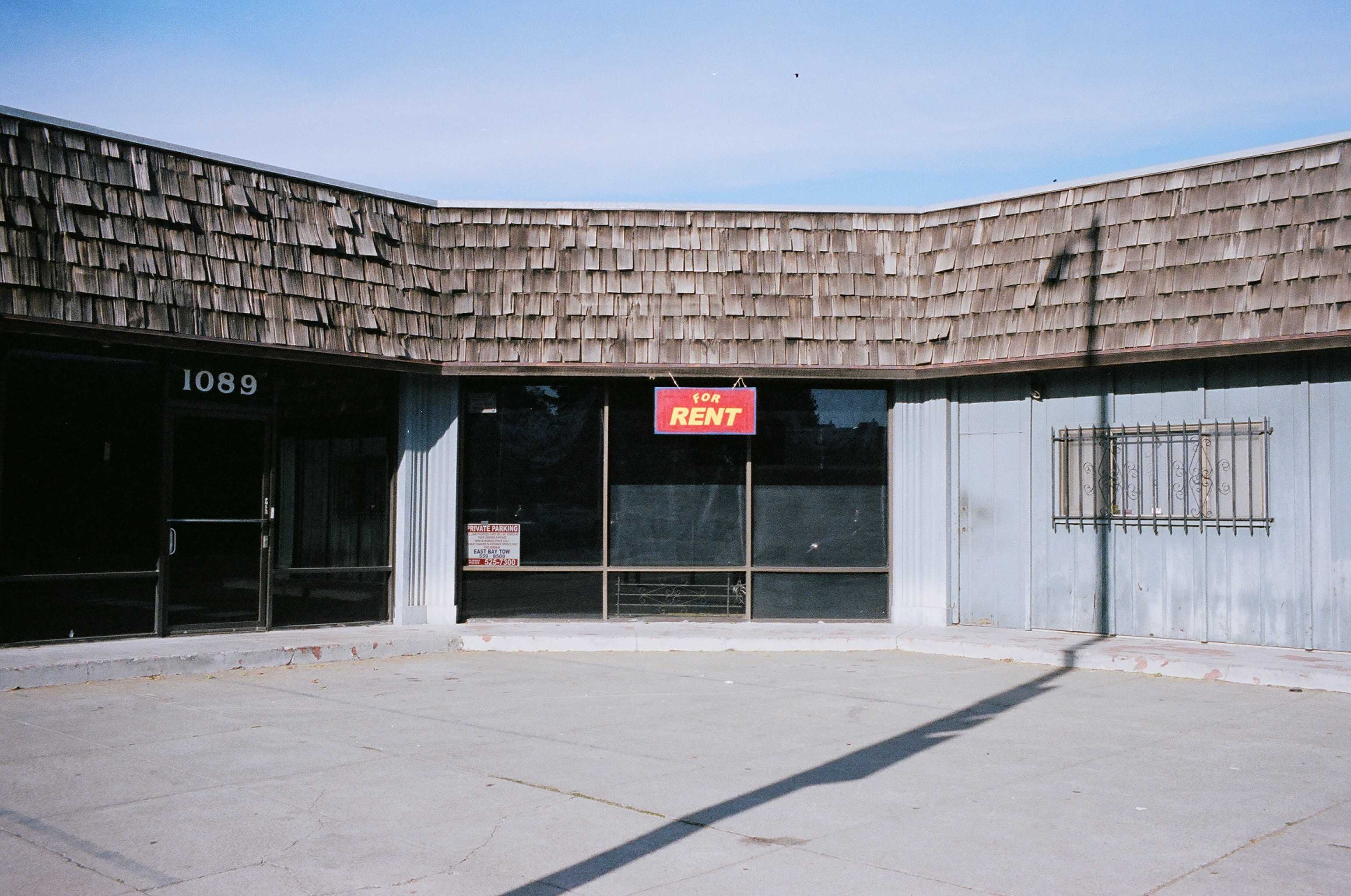

Dear friend,
I’m currently sitting at my desk, facing outside. There are beautiful trees, a soft breeze, the sound of birds chirping. I have a “HappyLight” on my left (which helps me wake up in the morning), I have some beloved books to my right, and I’m enjoying a lovely espresso, while doing a little bit of typing.
Life is perfect.
Never forget: you’re living in a paved paradise, heaven on earth.
Think of all the blessings we have in our life:
Okay I know I’m being a bit dramatic; but just realize that we live in the best time ever in history. Even though I’m having a shitty day, feeling depressed, or not feeling good about myself, I have nothing to complain about (my ancestors were probably dealing with hunger, famine, droughts, and death). Not only that, but the greatest blessing in modern society: the internet.
Know that we live in a “paved paradise” — that sure it isn’t all roses, flowing hills of green, and unlimited apple trees for us to survive on. But in our “paved paradise”, we have people on the streets we can photograph and interact with, we have libraries and photobook stories where we can look at images and be inspired, we have the ability to walk in public places and experience life on the streets, and to have technology (cameras) to document it.
I know I’m just babbling on, but this letter is also a reminder to myself. There are so many things that I wish for in my life, and things that I am dissatisfied about. But I need to remind myself of all the positives, not the negatives.
If we see our lives as “paved paradise” — the world is like our own jungle gym to explore, to have fun on, climb up and down, and sometimes fall off.
Paradise isn’t some far-away foreign country or city, like India, Tokyo, Paris, New York, San Francisco, or LA. Paradise isn’t some nice sandy beach, where we can drink a Corona with lime. Paradise isn’t having a little mountain cabin in the woods, surrounded by trees and deer. Paradise isn’t being a millionaire and not having to work a day of your life.
Paradise is the life we currently have. The friends that we have. The relationships that we have. The food in our fridge, the coffee we can enjoy in the morning, the camera that we currently own, and the freedom of time we have to make images. Paradise is the hug of our child, of our partner, the high-five you give a stranger, the smile that a stranger gives to you, someone letting you merge in traffic, or the one person who left you a comment or “like” on Instagram.
Lately I’ve been trying to practice “walking meditation” — which is essentially walking mindfully, and not being distracted.
I am constantly distracted; which prevents me from appreciating this “paved paradise” we have around us.
So I have been removing all the distractions from my life, as much as humanly possible, by trying to do fewer things in my day, to turn off my phone when I’m walking around, not listening to music while walking, and certainly not texting-while-walking.
When I practice “walking meditation”, I try to walk about half the speed I am normally used to, and I try to notice all the beautiful small details around me. The little crack in the pavement, the little birdsnest in the nook of my apartment roof, the sound of the birds chirping outside, the gentle hum of traffic passing me, the feeling of the pavement pushing against my shoes, and noticing the way that the light and shadows hit cars, peoples, and reflect.
Being able to practice “walking meditation” has also helped my photography in the sense that I can find beauty in the small details of my “boring” city (Berkeley). Once again, I suffer from the “grass is greener on the other side syndrome” (I always think I would be so much happier in San Francisco, because it is better for street photography, more people walking around, better art scene, and it is more hip).
But I need to realize that Berkeley is my paved paradise. I have everything I need here. Rather than changing where I live, I need to change my attitude. Rather than seeing what Berkeley lacks, I need to focus on seeing what Berkeley offers me; which is everything.
So friend, if you live in a boring ass place, know that there is beauty all around you– you just have to slow down, turn off your smartphone, and appreciate the small details all around you.
Also don’t feel that you have to constantly be shooting “street photography” with people in it. Hell, if you like it– shoot flowers, landscapes, macros, whatever makes you happy. Don’t worry about not being considered a “serious” photographer. Don’t even call yourself a photographer, call yourself a human being that happens to like to take photos for fun.
Don’t take photography too seriously; don’t stress yourself out, and have fun.
So instead of going out to “take photos”, just go out for a nice walk, enjoy the nice breeze, the warm sun, and bring your camera along (just in case). Perhaps stop by the local cafe, enjoy a nice coffee, and count the blessings you have in your life.
Love always,
Eric
Thursday, September 10th, finished writing @ 9:03am after a lovely v60 pour-over and espresso. Fortunately that weird throat-swelling thing isn’t happening. Reminder to self; don’t have more coffee for the rest of today.
So being back home in Berkeley has been truly wonderful and a blessing. I’ve been enjoying the “small” and “simple” things in life; spending time with friends and catching up on random chit-chat, walking around my neighborhood (with the Ricoh GR, shooting b/w high-contrast JPEG + RAW) and taking photos of rubbish on the ground and flowers, doing chin-ups in the local park, cooking new dinners for Cindy everynight (I’ve made her a pretty bomb cast-iron garlic lamb-shank and plum-sauce duck), finally had the chance to catch up on 100+ emails this morning (sorry if it took me so long to get to you, I still feel guilty because I am not able to answer the other 100+ emails that are sitting in my newsletter email inbox), reading books that I am passionate about (Steve Jobs biography is incredibly inspirational), and having my family over (recently had a lovely family dinner with my mom, my younger sister, Cindy, and both her parents).
Oh not sure if I told you this, but I actually got a book offer from a small book publishing company called “Rockynook” who are interested in publishing the “Learn From the Masters” book. I am going to hash out the details with them about printing, the contract, and other legal details sometime in the next few weeks. I am really excited; I hope to put a paper-back book that I am proud of, and that can bring a lot of value to the lives of others.
The thing is that there are two non-negotiables that I plan on asking for: 1) To have a free PDF edition online for free, in accordance with the ‘open source‘ philosophy and 2) For them not to own copyright of the text (I don’t think anybody, including myself, should own the ‘copyright’ to any information). If they say “no”, I will thank them for their time, probably figure out if I can self-publish this (which might be a fun opportunity), and stick in accordance with my virtue and morales.
One thing that I learned from Steve Job’s biography is to NOT COMPROMISE. Not compromise regardless of how much money companies or people try to throw out at you.
I’m not saying that corporations are trying to control me, but I need to remind myself not to “sell out”. Apparently corporations constantly approach rappers and ask them to make rap songs about their products, and offer them a shitload of money.
And friend, I am ashamed to admit that honestly, I think all the cameras I have accepted in the past (Ricoh GR, Fujifilm x100s, x100t, XT-1 + 23mm 1.4 + 27mm f/2.8 lens, Pentax K3) has made me a slave to these camera corporations. I am a selfish human being, who cannot refuse free stuff. But the problem of receiving these free cameras is that I no longer own my own opinion, and I am being consciously (or subconsciously) influenced in promoting products.
I can honestly say that I have never promoted a camera to you that I didn’t personally like. But at the same time, I realize that it is unethical for me to accept free gifts of any kind (I also get free smartphones from Samsung, which included a Galaxy S3, a S5, a S6, Note 3, Note 4) that I myself wouldn’t spend money on. And to be frank, as much as I love the Samsung phones, if I had my own money, I would just buy an iPhone.
But sorry for the random rambling– essentially what I wanted to say is that I am extremely excited for this book offer. But if they don’t allow me to print and publish this book with them and keep it “open source”, I am going to have to say no (even though I might have the potential to earn $200,000+). I’m just making up that number, but I think morally, ethically, and based on my principles– I should accept NO amount of money that wouldn’t let the information NOT be “open-source.”
But damn, it’s awfully hard rejecting money. But at the end of the day, I don’t live for myself, but I live for the community, for society, for humanity, and for you.
Anyways, will keep you in the loop friend, until next time, Godspeed!
Oh and another note: you might have noticed that I disabled the comments. I did so because I feel massive guilt not being able to read all the comments on the blog, so for now, I will keep the comments off (until the near future). Thank you for your understanding :)
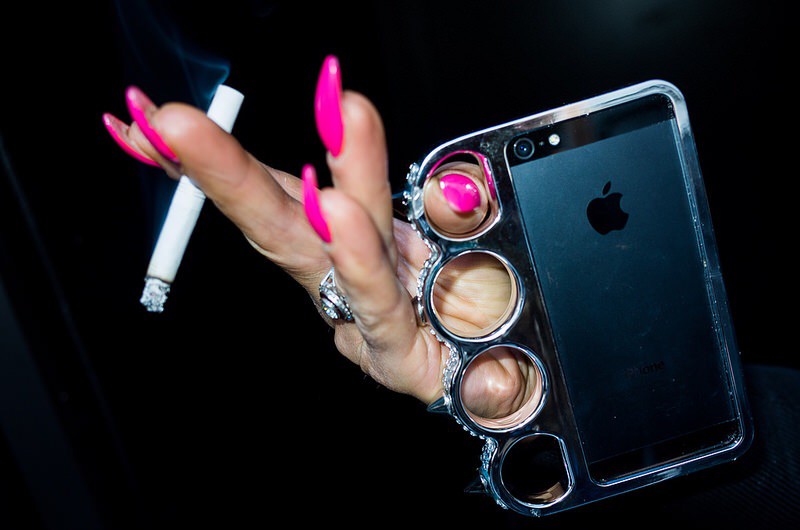

Dear friend,
I want to share a story with you. It is an important life lesson that I learned from Greg Lowe, my tennis coach from high school.
Okay let’s start from the very beginning. I was a sophomore (or perhaps freshman) in high school (Castro valley high in California), and I heard that there were tryouts for the tennis team. I’ve always (kind of) been interested in tennis, as my parents would play (or at least they had some old rackets in the closet). I remember as a kid, looking at these (unused) rackets in the closet, and wanting to pick it up and learn.
So anyways, I go to these tennis tryouts, and fail miserably. I can’t hit the ball to save my life, and I realized that I was out of my league. Some of these kids were able to hit the ball with so much beauty, form, and elegance — adding fancy topspin to the ball, able to serve without even looking, and pretty much dominate without even trying.
Dejected, I thought I would never be a good tennis player. How could I catch up in skill to all of these other guys, who had all these fancy tennis lessons (which were pretty fucking expensive)?
I don’t remember the details, but one of the assistant coaches (Greg Lowe, a retired police chief), offered the students who didn’t make the team, “Hey guys, if you want to improve yourselves and perhaps make the team next year, meet me at the courts this Saturday at 730am, and I will give you free lessons.â€
At first I thought, “fuck yeah‖ I would be able to get free lessons, work hard, and prove myself by making the team. I thought it was the opportunity of a lifetime, and I thought everyone else would jump on this offer.
So anyways on Friday morning, I peel myself out of bed at 7am (really early for a high school student), and made it to the courts by 730am. I was surprised to see that there were only about three of us in total. I thought to myself, “where are all the other kids, why aren’t they taking up this amazing and generous offer that coach Lowe offered?â€
Anyways, long story short, Greg Lowe trained us for that entire summer. There only ended up being around three of us in the long run, but through that summer I was able to hone my skills, work hard, and (without fail) make it to practice every Saturday morning, no matter how much alcohol I drank the night before with my friends. Funny story; there was one day that I was sleeping in on Saturday morning, and my friend (also another guy getting tennis lessons with coach Lowe) threw rocks at my window to wake my ass up.
Anyways, I end up making the team, and through the years, worked myself up from having zero skills in tennis, to being #1 varsity doubles on the team.
There were a lot of lessons that coach Lowe taught me about life through tennis, which I want to outline in this letter to you.
The first thing that shocked me from coach Lowe was that he played and instructed us with a wooden racket. It was a really old thing, I never had seen anything like it. While all of us young guns were obsessed with getting the newest and greatest tennis rackets, our coach instructed us with this super heavy, tiny headed relic from the past.
Yet the thing that surprised me the most was how fluid he was with it, and how hard he could hit the ball with it.
Funny in photography, we call it “gear acquisition syndrome†(gas), in which we think that our lack of photographic ability is because our cameras and lenses and gear aren’t good enough. Yet they have the same exact thing in tennis, where a lot of amateur tennis players think that they’re not improving in their tennis, because their racket isn’t expensive enough. Apparently this also happens in all other sports, like basketball (you want to wear expensive Jordan shoes), in cooking (you want expensive knives), in golf (you want more expensive clubs), etc.
So when I started off in tennis, needless to say I was pretty shitty. I always thought to myself at the back of my head: “If I only had an expensive racket like Andre Agassi” or if I had that new Head, Prince, or Babolat racket, I could hit the ball really hard and be a really good player.
But regardless, without fail, my coach taught us with the wooden racket, and showed us how hard you could hit the ball (even with a really shitty racket).
He always tried to remind us: it isn’t about the racket, but your form.
Now thinking back at it, it is an important life lesson that I have applied to my photography and life in general.
In photography, I say this a lot: “Don’t worry about the camera and gear, the most important thing is your eyes and how you see the world.” I’ve said it so many times that it seems so cliche and a fucking chore when you hear it; but it’s true. And it is a constant reminder I need to give myself (I always make excuses about my photos not being good enough, saying that my camera isn’t good enough).
Don’t get me wrong friend, I am still afflicted with GAS in photography. Although I am currently down to one camera and one lens (film leica and 35mm lens), I still crave for more. There are days I daydream about getting a Leica Monochrom, or daydream about fictitious cameras (like digital cameras without an LCD screen), or buying medium format cameras, whatever. I am not satisfied with what I have, but I always goad for more. And why is that? Because I somehow think it is my gear which is holding me back creatively, and if I suddenly had new gear, I would become “re-inspired”. But it is a bunch of bullshit, it is actually limits and constraints that forces us to be be more creative (they call it a “creative constraint”).
The same philosophy goes in life. We think that we can’t start our own business because we don’t have enough money. We think that we can’t ask that beautiful person on a date because we don’t have the looks. We think that we can never cook a decent meal because we have an ill-equipped kitchen. We think that we can’t become great painters, movie directors, or musicians because our equipment (or tools) are holding us back.
But remember; even a wooden racket can help you become a great tennis player. Similarly in photography, even a smartphone can be a more than-sufficient tool for photography. In life, make the best use of what you have, rather than seeking some external thing that you don’t have in order to be creative.
Recently, Cindy and I are embarking on a challenge (which is really difficult); don’t buy anything new for a year.
So far the challenge has been really difficult. I constantly want to buy new shit (and I know I don’t really need it, but still am tempted). But the funny thing is that in knowing that I don’t have the luxury of buying new things, it forces me to be more ingenuous and use what I already own and be more creative.
“Hunger breeds sophistication.”
So for example, I currently don’t have a laptop. I got my 11” Macbook Air stolen in Paris 1.5 months ago, I recently donated my Windows 8 Tablet/Laptop to a friend named Anne who is going to donate it to charity to teach kids in a developing country to program, and all I am left with is the iPad Air I had chilling at home. I have a “in-case” keyboard attachment thingy, and a bluetooth Apple keyboard that I use wirelessly (which I am using right now to type this up).
Before my “don’t buy anything” challenge, I was tempted to stop by the nearest Apple store (there is literally one in just a 20-minute walk from my house, on 4th street in Berkeley), and buy a new Macbook 12” retina (or a 13” Macbook pro). But because I made the decision not to buy something new, I tried to think to myself; how can I best use this iPad to be creative?
First of all, I tried to approach the whole “via negativa” philosophy that Nassim Taleb shares in his book, ‘Antifragile‘ (trying to remove as much as possible). So from the iPad, I have removed all superfluous apps that I find unnecessary. Currently the only apps I have are the ones that are not standard is Dropbox and Google Chrome, and IA Writer Pro (best minimalist writing app for both iPad and Macbook in my opinion). The benefit of having no extraneous apps or fat? I have fucking extreme focus; I am not distracted by anything else. And trust me, I am the most easily distracted person I know. I am a pigeon, I see something shiny, and I instantly lose focus.
But anyways, I first did feel a lot of frustration with the iPad– after all, I was limited. In the west, we are taught to not have any limits, to have ultimate freedom– the freedom to buy anything you want, the freedom to do anything you want, and the freedom to continue to accumulate extraneous things.
But the limitation of the iPad has helped me focus on one thing; just writing. So the limitation of my equipment and tools has ended up being a huge blessing. Rather than installing all these new “productivity” apps (in a ‘via positiva’ approach), removing unnecessary apps (in a ‘via negativa’ approach) has helped me be more creative.
So let us not bitch and moan about the lack of tools, money, cameras, financial security, opportunities, hometown, whatever hold us back.
In tennis, a simple wooden racket will suffice in becoming a great tennis player.
In photography, a simple camera will suffice in becoming a great photographer.
In life, having a little money is sufficient to living happily and contributing to society as a whole.
As I was writing this, I have also come to a little “mini-epiphany”; for the next year (at least until I move to Vietnam), I will put away the Leica and will practice what I preach; to just shoot with a simple camera (digital Ricoh GR). The camera is very affordable (less than $600), and while not “cheap” — I think if you own a laptop, live in a “developed” world, have access to the internet, clean water, whatever– you can afford it.
One of the big criticisms I get is that “Oh, Eric, it is easy for you to say ‘don’t worry about the camera’ when you shoot with a Leica.”
And that is true; I need to eat my own cooking, and not be a hypocrite.
Thank you coach Lowe for teaching me the beauty of playing tennis with a wooden racket and not being obsessed with my racket (all throughout high school, I played with a mid-range racket, which helped me make to #1 doubles on the Varsity tennis team). So similarly, I will make a vow of simplicity by also “downgrading” my camera to something really simple; the Ricoh GR.
So friend, I know it is really fucking hard not to be tempted by all these new tools and gadgets. I am a sucker to consumerism too; whenever I see advertisements, visit the mall, or see friends with more expensive stuff than me, I get instantly jealous. This is why nowadays I don’t surf the internet, I don’t read blogs (only paper-back books), I don’t watch television (I don’t own one), I don’t read the newspaper (“to cure yourself of newspapers, spend an entire year reading the news from last year” – Nassim Taleb), I don’t read magazines (90% of the content are just advertisements), I don’t watch movies (sneaky advertisement placements are abundant in films now, or they tempt you to buy expensive cars, clothes, to be fancy), I don’t (to the best of my ability) associate myself with rich people (or else I get jealous of their material wealth). Ultimately I try to avoid situations in which I will feel temptations to buy shit, feelings of inadequacy (comparing myself to those richer than me), situations where I want more than I already have (“keeping up with the Jonses” in America).
Happiness isn’t about accumulating more; it is learning how to be content with less.
So whenever you feel that your camera, gear, lifestyle, or whatever is inadequate– ask yourself,
“How can this limitation help me be more creative? How can this limitation force me to step outside of the box, and try to find out novel ways to be more innovative? How can this limitation be a positive?”
Let me flesh out some more ideas:
I can blabber on on and on; but rather than blaming your external conditions and situations for not being creative or living the life you want to live, think of how you can use your limitations in your life, and make it into a benefit and positive.
Let us eschew fancy high-end rackets; and praise the simple, wooden rackets.
Another important life lesson that I learned from my coach was this: never miss a practice.
One of the most difficult things in tennis is to master a serve. It is one of the most complex movements, which require fluidity of the shoulder, turning of the hips, and it is one of those things that if you don’t use it, you lose it. You need to practice you tennis serve every single day if you want to improve. You can practice it every other day if you don’t want to lose your ability. And anything less than that, you will totally lose your ability to serve, and have to start again with scratch.
Similarly, I went to practice with my coach every Saturday, no matter how cold, no matter how early, no matter how tired I was. I always had to show up; and it is one of those things that getting there is the hard part, but once you’re there, it is quite easy. Kind of like going to the gym. Peeling yourself out of bed, and getting to the gym is the hard part. But once you’re there, doing the workout is quite easy, and after the workout, you feel great and you think to yourself, “What was so difficult about that?”
The same philosophy goes in photography. I do believe that it is important not to go a single day without shooting (if your goal is to improve your photography). I don’t think it is necessary to shoot everyday for the sake of it, but I do believe that the eye and your creative vision is like a muscle; you either use it or lose it. If you were an astronaut, sent into outer space with no gravity, your muscles eventually atrophy from non-use. This is also what happens to people in the hospital who all they do is lie down for months on end due to an illness. Their muscles weaken, they can no longer walk on their own, and they have to rebuild their strength from scratch.
It is often hard to find the “inspiration” to shoot everyday. But then again, do we need “inspiration” to eat food and drink everyday? No. Why not? Hunger is a pain, thirst is a pain, and to eat and drink is a necessity.
But for you, is being creative and making images a necessity? Do you feel physical and mental pain when you go a day without shooting?
Remember, at the end of the day your goal as a photographer (and human being) is to make images that please yourself, and to ultimately be happy. Like the famous Greek saying: “Know thyself” — try to know who you are as a photographer. Are you the type of photographer that needs to shoot everyday to stay creative or fresh? Or are you the type of photographer that instead of shooting everyday, perhaps you can look at photo books everyday, or find inspiration from other photographers?
So regardless if you shoot everyday or not; I challenge you to never go a single day without being creative, and challenging yourself either artistically, emotionally, or physically.
These are just 2 (of the many) points that I learned from my coach from tennis that I have applied to my photographic and creative life. Try to keep these 2 things in mind:
I think if you practice these 2 things on the daily, you will become truly great in anything you pursue.
Farewell my friend, and I wish you all the best. You have no limits, only the limitations you put on yourself.
Love,
Eric
Written from 5am-7:20am, another beautiful day in Berkeley. Started off the day with a v60 pour-over with some Ritual coffee beans, but I am starting to realize that I don’t know if I really like pour-overs. They take far too long; I prefer the quickie of an espresso.
As a companion to this article, I recommend reading the article: “The Beauty of Creative Constraints“.
a) Never forget that you will die, it is a great decision-making tool:
“Remembering that I’ll be dead soon is the most important tool I’ve ever encountered to help me make the big choices in life.”
b) Fuck external expectations, and don’t worry about failing. In the end, thinking of death makes it crystal-clear what is important in your life:
“Almost everything–all external expectations, all pride, all fear of embarrassment or failure–these things just fall away in the face of death, leaving only what is truly important.”
c) Never forget that you have nothing to lose, so follow your heart:
“Remembering that you are going to die is the best way I know to avoid the trap of thinking you have something to lose. You are already naked. There is no reason not to follow your heart.”
d) Spoiler alert; we all die (eventually), but know that it is a necessary part of life:
“No one wants to die. Even people who want to go to heaven don’t want to die to get there. And yet, death is the destination we all share. No one has ever escaped it, and that is how it should be, because death is very likely the single best invention of life. It’s life’s change agent. It clears out the old to make way for the new.â€
So go out, shoot, hug a loved one, express gratitude for the life you live, be grateful that you’re still alive, breathing, and able to enjoy “heaven on earth.”
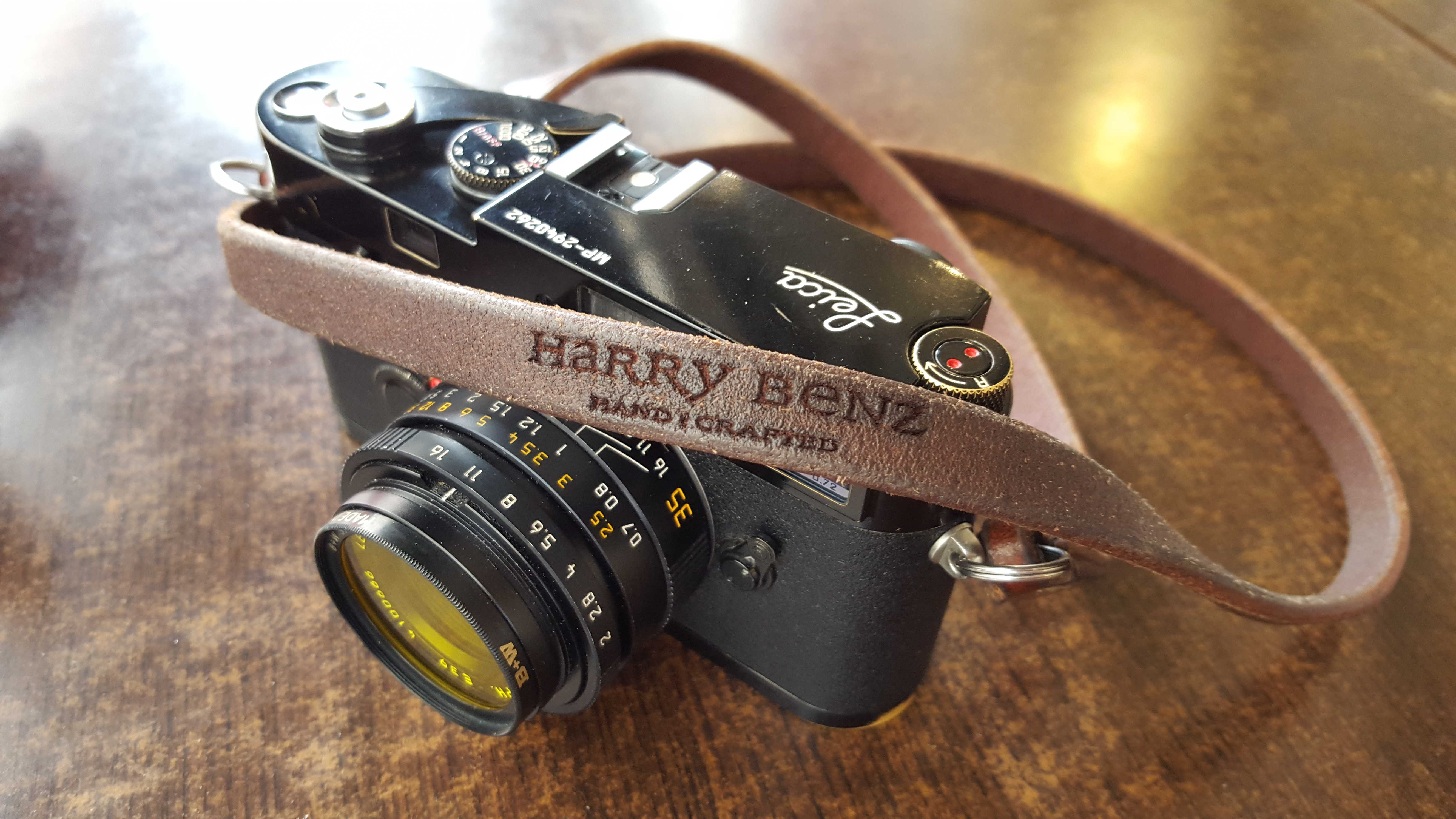

So I met Harry Benz when I was in Toronto. My buddy Adam Marelli (probably the most knowledgeable guy about composition and photography) introduced me to him.
I shot Harry an email, and we met at a bar in Toronto in the evening, when I was teaching a workshop there. He came in, cool clear glasses, tall guy, with tons of enthusiasm.
I have never met anybody in my life so enthusiastic about camera straps and leather making. The man was a true artisan. He makes all of his straps by himself, and doesn’t skimp on quality. He put in all these tiny touches that I would have never noticed or appreciated; like how he uses water buffalo for leather (the toughest yet softest leather), while others use simple cow leather. Not only that, but he’s made the straps thicker around the “O” rings to prevent scratching of the camera, whereas other people just put in cheap pieces of leather.
He was also generous enough to make me an “a la carte” strap by measuring my neck and camera, and getting it to fit me. I got a nice brown leather tint, and two simple lines drawn through it. Classic, simple, and minimalist, my favorite style.
I’ve been through so many straps over the years. Honestly it’s the nicest leather strap I’ve ever used. As I’ve used it more, it has gotten even softer and more molded to my body, and it is even easy to switch from having it dangle around my neck (to wrapping it around my wrist).

Ultimately I’ve discovered I prefer neck straps over wrist straps. Why? It’s easier to drink a coffee and text on my phone when I have a neck strap, whereas a wrist strap can get in the way. Also when taking a piss, it’s annoying to always put away your camera in your bag (instead of just slinging it diagonally across your body, and facing the camera from your back). Don’t worry, I never get any “splatter” on the camera ;).
Anyways, my heart goes out to Harry. He is a hustling one man team, not making a huge profit on these straps. He barely has any time to market his straps, so I wanted to help a brother out. After all, what is more inspirational than seeing someone dedicate their entire soul, time, energy, and effort into creating a one of a kind artisinal product?
At the end of the day, a strap is just a strap to hold your camera. But it comes down to having something that suits you the best.
Luigi makes great straps too, but Harry’s straps are much more affordable, and feel more sturdy in my opinion.
Harry also has given me a wrist strap which is beautiful and minimalist to try out. Unfortunately I haven’t had the chance to test it out yet, as I’ve been loving the neck strap so much.
At the end of the day, I would recommend his strap if you shoot with a Fuji, a Leica, or some other micro 4/3rd camera, and if you like leather (and want to look like a trendy hipster with all these other leather goods). Don’t get it if you have a big ass DSLR or any other heavy camera.
So support Harry and continue to let him live his dream of making the best possible camera strap, especially for us street photographers who are suckers for new accessories for our cameras. No but seriously, it’s a damn sexy strap. It’s comfortable, fashionable, and functional.
You can pick up a vintage brown “B” strap for $140. It’s not cheap, but trust me; it will probably be the last strap you ever will need to buy.
But if you’re strapped for cash, don’t buy it. Save your money and remember to buy books, not gear.
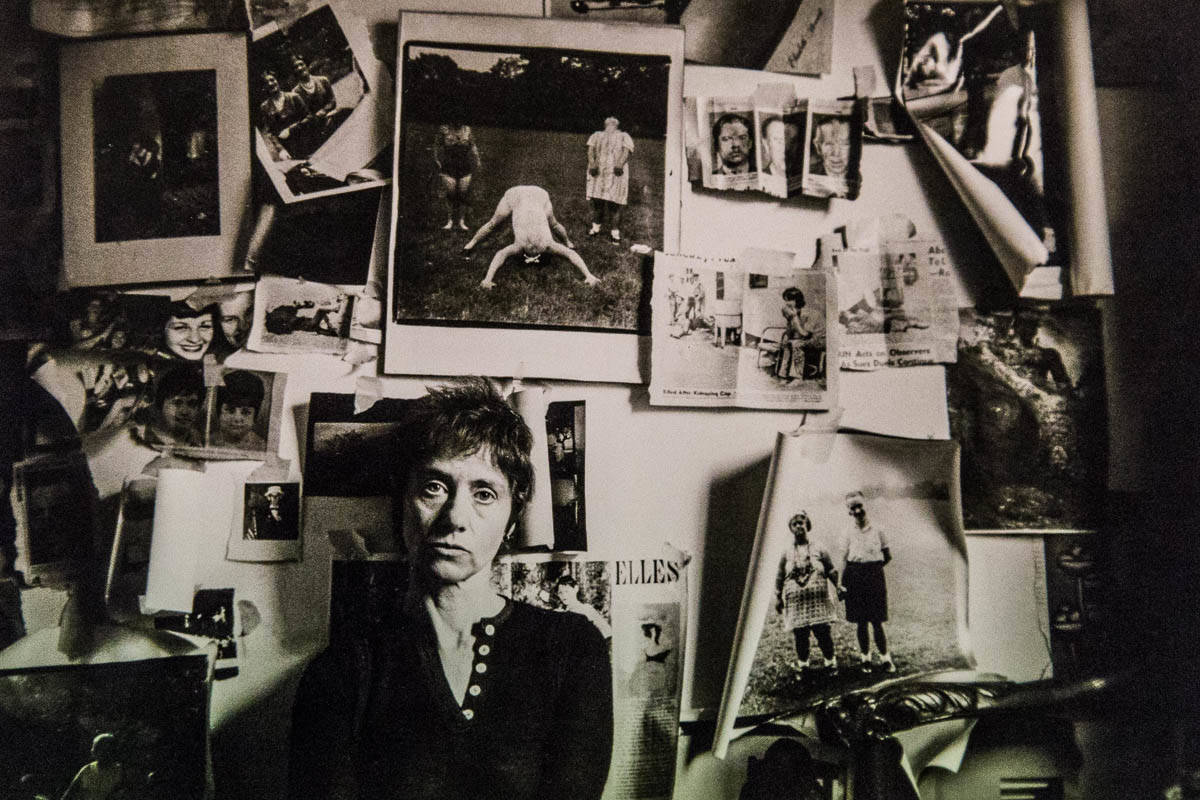

(Words and photos unless otherwise stated is by Maarten Rots.  Maarten is an artist working with photography based out of Amsterdam. In his photographs you can see a sense of abstraction and surrealism found in everyday situations, captured by the camera. He loves printed photography and one of the ways he shares his work is through his self-published quarterly photography magazine March & Rock. Maarten will also give away a copy of of March & Rock. See the end of the article for details)
Digital photography is definitely one of the most important developments in photography of the last decades. One of its few downsides though is the fact that your work often remains virtual, it lives on electricity powered devices only. I have made it a habit to regularly print my photographs and have benefitted from it in several ways. Next to having a hardcopy backup it can be of great help to your process, becoming more aware of your own choices and interests, but also gives you new ways of sharing and presenting your work.

Dear friend,
I am excited to share that after nearly 3 months on the road, I am finally back at my beautiful home in Berkeley. I just wanted to use this opportunity to share some life lessons I’ve learned during this trip, as long as some other meditations and ramblings:
I was on the plane, around 30,000 fleet in the air, and about to land in SFO. I just had a long flight: I left my friend Brian Spark’s home at 7am, after some good hugs and reflections on the trip, jumped on the subway, took the Arlanda express to the airport, waited in line to get my ticket printed, flew from Stockholm to Frankfurt (short 2 hour flight), then a longer-haul from Frankfurt to Montreal (8 hours), and then my final flight from Montreal to SFO (6 hours). I was able to watch “Mad Max†on the flight, finished re-reading “Antifragile†by Nassim Taleb, and also read a few chapters of “Letters From a Stoic†by Seneca. Great airplane reading.
Anyways, when I was looking down from the plane’s side window, I looked down. I saw tiny cars buzzing around on the freeways, I saw little tiny homes, and I had a little mini-epiphany: we are all so tiny, our problems are so insignificant, our time here on earth is short, yet we complain, bitch, and moan about the small and unimportant things in life.
Now you might be thinking: “But Eric, if you think that humanity is so small and insignificant, and everything we does doesn’t really matter in the grand scheme of things, what is the purpose of going on in life, and contuing to work hard?â€
Well for me, this is what came to mind: we are on this earth for such a short period of time, so rather than complaining about the small problems that we hvae in life, why not use that mental energy to produce something positive and good in the world?
For example, my aspiration is that after I die, hopefully some of the things I wrote in this blog, the classes that I taught, the people that I met, and the love that I showed will have touched a handful of people. Touching those few people would have made my life worth it. I used to, but no longer have any ambitions to become mega rich, to drive a BMW, to own 100’s of Leica’s, or to have a million followers on Instagram. It is hard for me to constantly remind myself this; but I need to live for others, not for myself, and I also need to fuck fame, fortune, and external recognition. I need to do what I believe my life’s task (helping others), without a need for a pat on the back.
I also wanted to share you something that was probably my personal favorite part of the trip.
This summer before we left to Europe, Cindy had a great idea: why not bring our mom’s along? After all, both of them have been hard-working single moms (more or less) for their entire lives, and have never had a true “vacation.†They were always working hard, hustling, and trying to pay the bills, and to put food on the table.
So we surprised my mom and Cindy’s mom by telling them that we were sending them on a trip to Paris (one week with us), a week on their own (in Italy, where they visited Rome, Cinque Terre, and Venice), as well as about 4 days together in Lisbon (cheap Ryanair flights made the decision for us).
Anyways, it cost us a lot of money to do the trip for them. I think all-in-all, we probably invested $4,000 in their trip.
Sure I could have used that money to buy a Leica lens, a maxed-out Macbook pro (with a shiny screen), some drugs (just kidding, I don’t take drugs), or some other crazy materialistic shit for myself.
But one thing I learned in life so far: invest in experiences, not material things.
I have no idea when my mom is going to die, neither when Cindy’s mom is going to die. But I knew that before investing in their trip, it would be a memory and an experience all of us (Cindy, me, my mom, Cindy’s mom) would remember for the rest of our lives. I imagined with my mom on her deathbed and being able to look back at all the happy memories in our life, especially this epic Europe trip.
And a great investment this ended up becoming.
Paris was fucking awesome. Imagine this: in our Airbnb in Paris (Place D’Italie), Cindy and I would wake up in the morning (late, around 10–11am), to the smell of amazing cooking. Both of our moms went to the farmer’s market in the morning, and bought fresh fish, veggies, and fruit– and the smell of their amazing cooking woke us up. Cindy and I would then drag ourselves out of bed, make some coffee (thank God, the Airbnb had a Nespresso machine and we were able to pick up some cheap pods at Monoprix), and then do some writing or answer emails. We would then all have a fucking phenomenal breakfast together, have a nice chat, then explore Paris like flaneurs (no explicit plan in mind, but just exploring the city without any stress or anxiety). We would see amazing sights, sit down in a nice cafe for a lovely espresso, and just spend time together as a family. Nothing super-fancy or special– the most valuable thing was the common experiences we were able to share.
One thing that also brought me a ton of joy: seeing how much my mom enjoyed taking photos. I got a free LG G4 smartphone (for doing a YouTube review for it), and damn– the camera on the thing is pretty fucking amazing (sorry for cursing a lot, it is 5:40am, and I am still a bit jetlagged). No but seriously, it can even shoot RAW (never used it, but the image quality is much better than a Samsung S6 and iPhone 6). Anyways, the entire trip she shot nearly 20,000 photos (thank God for Google photos automatic unlimited backup), and seeing her take photos was a reminder to me; how beautiful the art of taking images is.
My mom was like a child: she saw everything in Paris like from the view of a kid. She was amazed by everything, and literally took photos of everything. Her enthusiasm was infectious.
I am such a ungrateful bastard by comparison; I’ve been to Paris a few times before, and now I feel a bit “jaded†by the exoticness out of all of it. I remember the first time when I went to Paris as a backpacking student in college (age 20) and was so amazed by everything. Now because I travel so much, I have dulled my appreciation and novelty faculties– meaning, nothing exotic really excites me much anymore.
But seeing my mom’s enthusiasm for photography rekindled that “beginner’s mind†in me. It made me realize that for a beginner, everything is new, everything is possible, and everything is exciting. Just like how a child will find a few sticks and rocks infinitely fascinating, this has taught me a lesson: appreciate life around you like it was the first time you experienced it.
So friend, don’t know if you have a mom, dad, uncle, aunt, child, or friend who is interested in photography but doesn’t have a camera (or the means to afford one). If so, help enable them with the gift of photography– give them (or buy them) a nice camera that will make it possible for them.
Another thing that I have learned through my trip is this: happiness is about gratitude, not about having physical stuff, or doing interesting things.
What do I mean by that?
Well, you can own a BMW M3, wear a Rolex watch, own two Leica’s (one Monochrom and one M240), have a fancy house, lots of 0’s in your bank account, a beautiful wife and kids, etc– but still be unhappy.
Why not?
You might compare yourself to your neighbor who is a lot richer, more good-looking, more “successful†than you– and feel jealous, and ungrateful.
But no matter how rich or poor you are, as long as you are grateful for what you have, you will be happy.
I have rediscovered gratittude from Epicurus, who is an ancient philosopher who taught me that you could be happy, regardless of your external constraints. For example, you can be a street-cleaner making minimum wage, but still be grateful for your vision, your loving friends and family, and the fact that you have a job that keeps you out of the streets. That street-cleaner can actually be happier (by being more grateful) than a CEO who earns millions of dollars (but is hungry for more, and isn’t grateful).
I am so fucking grateful for all the amazing friends I have in my life, for my health, and all the loving individuals I have met through my travels.
People ask me what is the best thing about traveling around the world, teaching workshops, and shooting street photography. To be honest, it isn’t the exotic sights that I see, the fancy restaurants I go to, the touristy landmarks, nor is it the photos that I take. It is always the people that I meet, and the relationships that I make which matter most.
For example, people also ask me, “Eric, aren’t you so bored of doing all these workshops? The content must be the same, and you must be able to teach them blindfolded. Aren’t you going to be bored of doing workshops sooner or later? Will you really do these for the rest of your life?â€
Well first of all, each workshops is never the same, as the people are always different. And every workshop, I try to do something a little different– to push myself and challenge myself (and the students).
And once again, the greatest blessing of teaching workshops isn’t so much that I am “teaching†anything anybody. In-fact, I see myself more of an “enabler†– I try to enable the students to break outside of their comfort zone, but ultimately it is they who do it, not me.
Not only that, but I believe in the mantra: “When one teaches, two learn.†I learn as much from the students (if not more) than the students learn from me. The students also learn from one another, which is the benefit of pairing up students in workshops.
I’ve learned so much from the students in so many different ways. I’ve learned about difficult cultures, politics, social interactions, how to raise a family, how to have kids, how to treat others with kindness and respect, and how to not give a flying fuck of how others think of you.
Some interview questions that I learned from Tim Ferriss (from his Podcast) were these:
a) “As you’ve gotten older, what has become more important for you in life, and what has become less important?â€
b) “What are the common mistakes people make in ‘Activity X’ (child-rearing, buying a home, traveling, interior design, investing in the stock market, etc)?â€
Another question I ask a lot of my students (and people I meet in my travels is this one):
“What are your passions and what makes you happy in life?â€
Followed up with the question:
“What makes you unhappy in life?â€
I have a problem is that I engage too much in “small talk†– now I have been trying to avoid that by going straight into deep questions, and the meat of things.
For example, I try to avoid saying (at all possible costs) the question: “What do you do for a living†or “What is your job?â€
Why? When you ask people what they do for a living or what their job is, what you’re really asking them is: “How much money do you earn, what is your social status in society, and are you a higher rank than me or a lower rank than me?â€
I once met a guy who was a passionate street photographer (and very talented), and found out afterwards that he was a janitor for a living. He had no loss of pride in saying it, but it made me feel shallow and quite shitty.
Some people have “day jobs†just to pay the bills– but rarely is it their passion. So asking people “What do you do for a living?†is kind of a bullshit question. Why not directly go into the meat of things, and ask them what their passion is– what really turns them on in life? Then you get much deeper and meaningful questions.
I also then ask “What makes you unhappy in life?†because I believe the secret of happiness is subtracting what makes you unhappy in life, rather than what makes you happy. Another lesson learned from Nassim Taleb: the avoidance of unhappiness is more effective than the “pursuit of happiness.â€
Things that I have realized made me miserable, that I have tried to cut out of my life include the following:
But anyways to go back to the gratitude point, I am grateful for the life that I have. I am trying to eliminate desire from my life, which corresponds to more peace of mind and “happiness†in my life.
Another thing I’m trying to do now that I’m back home is “editing down†my life.
A funny thing: Cindy and I are considering getting rid of our car. Cindy’s younger sister got in a car accident recently, and needs to buy a new car. We’re only going to live in Berkeley for another few months (before we move to Vietnam for a year, and then perhaps France for 6 months–1 year), so we thought of this crazy idea: “Could we survive in Berkeley without a car?â€
I’ve always been obsessed with cars my entire life, and like all my fellow lazy Americans, I would rather drive 1 minute to the grocery store than (slowly walk) for 5 minutes. I always try to park closest to the entrance too, because walking is such a pain.
But one thing I rediscovered in Europe which I love; most people don’t own cars. Not only that, but not owning a car is a benefit: you get less envious of others who have more expensive cars than you, you don’t need to pay insurance or gas, and you just end up walking more.
Another idea I had: I want to spend more time in Berkeley, and to keep it “local.†I think the benefit of not having a car is that I will spend more time in my own neighborhood, taking photos close to my home, and not wanting to seek anywhere “exoticâ€. In-fact, I’m excited to actually walk to the store, talk to more people along the way, and even take more photos.
I’m pretty sure that by not having a car, I will have much more interesting photos. I’ll take photos in the bus, the subway, walking around Berkeley, or wherever. When I’m in a car, I’m usually zoned out and removed from the outside environment.
I talked about “creative constraints†before, but I think one of the ultimate creative constraints are shooting in a small geographic location. I think for the next few months, I will try to just document my life with Cindy and life in Berkeley more intensely; to make photos that are much more inwards looking, than outwards looking.
When I’m traveling, I always bring too much stuff. I have all these excess things that I don’t really need, and every subsequent trip I decide another thing I don’t need to bring.
This trip has been the most “minimalist†I have been so far, and it has been beautiful. I then ask myself, what kind of material things do I really need in my life?
I’ve also realized that honestly, we don’t really “need†any material things. They are nice to have, but we can survive without them.
All we “need†in life is freedom from starvation, freedom from thirst, and freedom from the cold. Everything else is optional.
Things that are nice to have in my life include:
Besides that, I realize I don’t need anything else.
I just got home literally 8 hours ago, and I’m looking at all my “stuff†on my desk, shelf, closet, whatever– and I’m thinking to myself, “Why do I need all this shit?â€
The funny thing is that when I’m traveling, I don’t miss any of my stuff. In fact, having less stuff has brought me more clarity of thought and happiness to my life.
So I think for the next few months I’m going to try an experiment: everyday get rid of one thing (or better yet, donate it). I’m going to try to purge myself of clothes I haven’t worn in a long time, photography books (donate to friends, sell on eBay, or donate to library), “normal†books, and any other nick-nacks I might have lying around in home.
My grand plan is this: I want to fit all of my life’s possessions into one back (Thinktank Perception 15, which I bought with my own money in Aix-En-Provence which is fucking brilliant), and take it to Vietnam. Just two pairs of each clothes (Uniqlo airism shirt, Exofficio boxers, quick-dry socks), camera, film (I romanticize shooting only film in Vietnam), laptop, smartphone (only need it for Google Maps and What’s app), my Kindle (for books).
Honestly all of my physical stuff is superfluous.
My photo books? Sure I love them, but I can see all the images online (magnumphotos.com). I prefer real physical books, but at the end of the day– the emotional impact I get from the images is more important to me than the medium it is presented on.
My philosophy books? All can fit on my Kindle. For me, the information is what inspires me more (than the presentation). Once again, physical books are preferable and give me more peace-of-mind, but lightness is the key for me.
My “keepsake†possessions, like old photos and letters? Will probably store those with my mom (like my negatives, hand-written notes to Cindy, and any other things of sentimental value). I reckon these can all fit into a small box.
Another thing me and Cindy are trying not to do until we move to Vietnam: not buy anything new for a year.
Honestly, we deal with the disease of affluence– we have subscription to “Amazon prime†which makes it so easy to buy shit (free 2-day, sometimes same-day shipping). Our apartment is pretty small, and we’re pretty much to the max of all the physical stuff we have.
For a while I wanted to buy a grinder for my espresso machine, but I am starting to see the benefits of not buying new stuff.
For example, not buying a new grinder means that I will be more motivated to leave the house and visit cafe’s in my local neighborhood.
Not buying new clothes: re-discover the clothes I don’t wear that I already own.
Not buying new photobooks: re-read old photobooks.
I’m the ultimate sucker for consumerism and capitalism. I always desire to buy new shit. But what are some ways I can cut off this desire?
Honestly, I don’t know how this “no carâ€, “no buying new stuff†will work out. Apparently Leo from zenhabits.net has done it with great success. That guy is a saint, with human flaws, but promotes good values.
I also realized from my travels (especially after staying with my buddy Brian Sparks who has a beautiful and well-curated photobook library) that I love printed material.
The irony; I said I don’t want to travel with physical objects (like photoboks, prints, and physical books), but at the end of the day– they kickass anything digital.
I love holding a physical photobook, appreciating the smell, texture, three dimensionality, the weight, the feeling of flipping pages, and the fact that it exists in the physical world. I aspire on making more prints, photobooks, and plan on trying to keep it local (getting it all printed here in Berkeley), and perhaps selling it and giving away to friends and close ones.
I am a sucker for digital; but when it comes to putting together photo projects, I think printing small 4×6’s and making sequences is far better than doing them on some sort of digital device. Yeah, the iPad is the best thing when I’m on-the-go, but now that I will spend more time at home, I want to start covering my home, my desk, and my life with physical prints– and to give them away as much as possible.
I have this weird relationship with money. Ever since I was a kid, my parents would get into so many fights, arguments, and violent encounters due to money. We never had enough money growing up, and it caused my Dad to gamble the rent money, for my mom to beg her friends and family for money. So for me, whenever I think of money, it feels dirty, brings up bad memories from the past, and makes me think it is the “root of all evils.â€
A nice quote I picked up from Seneca: “Wealth is the slave of the wise man, but the master of the fool.â€
I am very fortunate that as time has gone by, the workshops have been selling out, and for the first time in my life, I actually have 0’s in my bank account. I finally have enough money that I don’t need to stress out or worry about the rent. I finally have money that I can take an uber without feeling guilty about it. I can finally eat out without feeling physical pain (I remember when I was a high-schooler or college student I would pretend not to be hungry when my friends would eat out, because I literally had no money).
So I am in an interesting position: I am now earning more money than ever, but rather than trying to become a slave to my wealth, I want to learn how to be more generous, and also cut back my own lifestyle.
I have a new heuristic (rule of thumb) in life: “When in doubt, be generous.â€
For example, there are many psychological studies which show that if you spend money on others, it brings you more happiness than if you spend it on yourself.
I always find the best use of money is to make others happy. Otherwise money is quite useless.
For example, I always try to pay for my friends or family for dinner. Why? There is nothing that tastes better than a free meal, and also having 10 people get a free meal (and 1 person paying for it) brings more joy than the pain that every individual has when paying the bill.
Not only that, but the more generous you are, the more generous you inspire others to become.
For example, at my last workshop in Stockholm, I surprised the students by being sneaky and paying the whole bill for everybody. That brought a lot of love and gratittude to the room. Happy stomachs = happy lives.
The thing that actually made me the most happiest: on the last day of the workshop, one of the students, Martin, did the same thing: he paid for the entire bill for everybody.
Now I’m not saying that he wouldn’t have picked up the bill if I didn’t do so in the first place– but I’m sure that my first act of generosity might have nudged or inspired him at least a little bit.
I also have found the irony of being generous: the more generous you are with others, the more you receive in return.
So not doing generous acts as a selfish thing (expecting others to do it back to you)– but it is a unintended side-effect. And sometimes the benefits come back to you, sometimes they don’t. A great book to read on this (for free on Kindle) is Seneca’s “On Benefits.â€
Also one of the life lessons I learned from Cindy in college was the concept of “Pay it forward.†When you do a random act of kindness for someone else, rather than trying to get the person to repay you the favor, you ask them to “pay it forward†by doing an act of kindness to someone else.
So to all the students who I paid for the meal, I just asked them to repay me back by taking out a friend (or group of friends) to dinner, and paying for the bill. Then these acts of kindness will cascade, kind of like a domino effect.
And what is a better use of money than to spread love, generosity, and happiness in the world?
I have also found that giving away or donating things has brought me far more happiness in my life than simply selling it. Yeah sure if I sold a camera I could make $500–800 bucks, which is nice. But the happiness I bestow upon a friend who needs a camera brings me infinitely more joy than simply having extra cash.
But don’t get me wrong, giving away stuff is painful. I am a selfish human being, who looks out for my own well-being.
But reading a lot of stoic philosophy made me realize that in life, there is really so little that I need to survive. All I need is eggs, coffee, and wifi. Everything else is optional. And these things are easy to get.
So my hope is this: to continue to build my wealth, but also continue to be more generous. I want to do more philanthropy and community-related things, and help others in need. I grew up in the lower socio-economic spectrum, but I am so grateful for all the love and help that I got from others in the community. Now I need to repay the debt, by dedicating my life in serving others.
I need to tape: “Fuck you money†to my wall. I need to do things not to seek money, but because it is genuinely helping people.
But at the same time, I don’t want to see money as an evil. Because what is money good for?
Money is good because it pays my rent, and I don’t go homeless.
Money is good because it gives me freedom to do things I actually enjoy (like writing this, instead of relying on going to a 9–5 job).
Money is good because I can use it to be generous to friends and people in need.
Now what if you have a 9–5 job that you hate, and you feel like a prisoner with no free time in your life?
A few options:
Honestly, nobody is holding you back from quitting your job and picking up a new job that will earn you less money, but give you more freedom of time.
People ask me, “Eric, when your street photography workshops no longer sell out, what will you do to make a living?â€
I would probably just become an uber driver or barista, and do the minimum amount of work possible (to pay my bills and food), and to have the maximum amount of time to do what I’m passionate about.
Or another option: move to a cheaper city or country. You can live very comfortably for only $1,000 a month in a lot of southeast asian countries. If your passion is travel, writing, photography– whatever, make that sacrifice. Living in the west is overrated, and way expensive. You can always pick up a job teaching English overseas, working remotely, or working for a year in your own city and saving up a lot of money and just living off your savings in India, Cambodia, or Vietnam.
To be honest, having a “day job†is a blessing. You have the bills paid for, a steady income, often health benefits, and other forms of security.
I think instead of quitting your job, just appreciating the job you have is a better option.
What do most people regret when they’re on their deathbed (read the “5 Regrets of the Dying†online)? One of them (especially for men) is that, “I wish I didn’t work so hard.â€
So take this lesson from these wise older people (about to die). Don’t work so hard at your job. Do the minimum amount of work not to get fired, or at least don’t answer emails after 6pm or on the weekends.
Once you’re off work, you own your time, your activities, your schedule.
Use the money you earn from work to buy photobooks, travel, make prints and give them away for free to friends and family, to buy friends dinner, and other ways that you can “pay it forward.â€
I have a problem: I feel extreme guilt when I disappoint others. I need to stop worrying less about what others think about me, and focus on cultivating my own garden.
Publilius Syrus has a saying, “Do not water your neighbor’s garden if your own garden is parched.â€
Similarly, I know that the more I take care of myself, the more I can be of service to others.
So I need to learn how to be more greedy with my time– to focus on writing, reading, and doing other activities which make me feel happy and fulfilled, and to load my schedule with fewer appointments, and to create more “white space†in my life.
Not sure what is going to change now that I am back here in Berkeley. I will spend less time worrying about what others think of me, less time trying to “networkâ€, less time worrying about money and finances, less time forcing myself to take photos I don’t want to take, less obsession with material things, less stress and anxiety, less drama, and less bullshit.
Thank you so much for reading this friend. I hope you can also continue to live a happy, productive, and meaningful life.
Don’t worry about all the bullshit in your life. Your life is short, live it to the fullest. Squeeze the marrow out of life, and live like everyday is your last– because who knows when we will meet the grim reaper.
Farewell,
Eric
Written @ Berkeley, Wed, Sept 2, 2015 (9am) with a nice espresso in the morning, another espresso (with coconut milk), and a third espresso (okay, I need to cut back now, feel that weird throat thing again). But fuck it, I’m not giving up coffee, it brings too much joy in my life.
Some reading materials for today: “Screw it, let’s do it (lessons in life by Richard Branson)†and “Epicurus: The Art of Happiness.â€
Hope to have a nice lunch with my homie Walter here in Berkeley, relaxed, maybe answer a few emails, and cook a yummy dinner for Cindy :)

