Category: Posts

  • 5 Tips When Entering a Street Photography Contest

    5 Tips When Entering a Street Photography Contest

    Click to read more

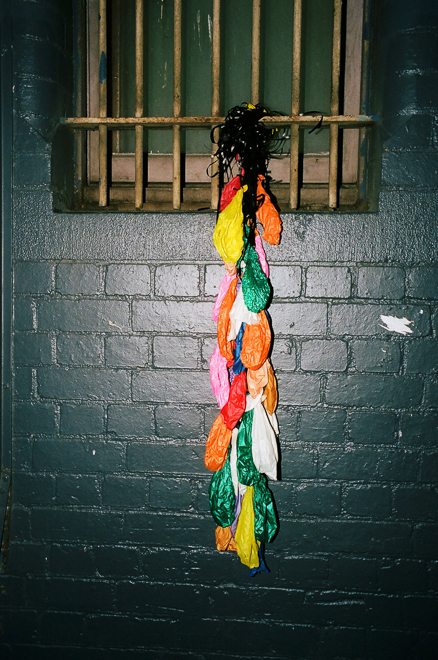
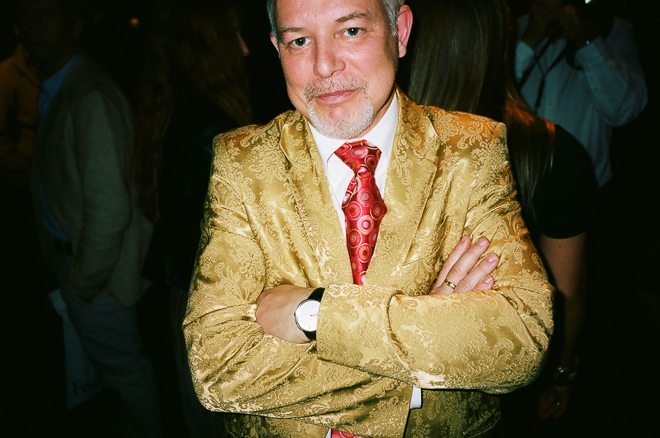
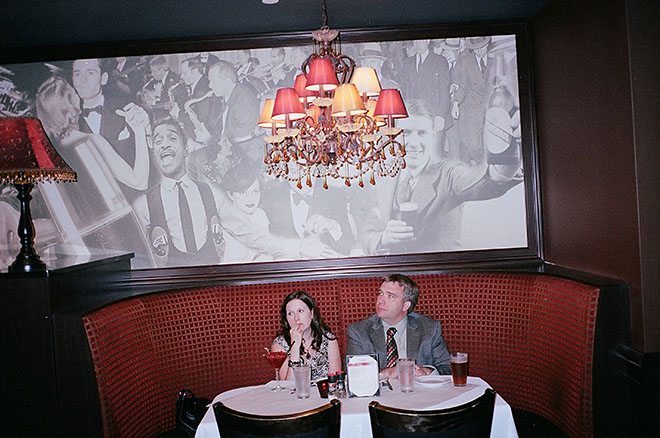
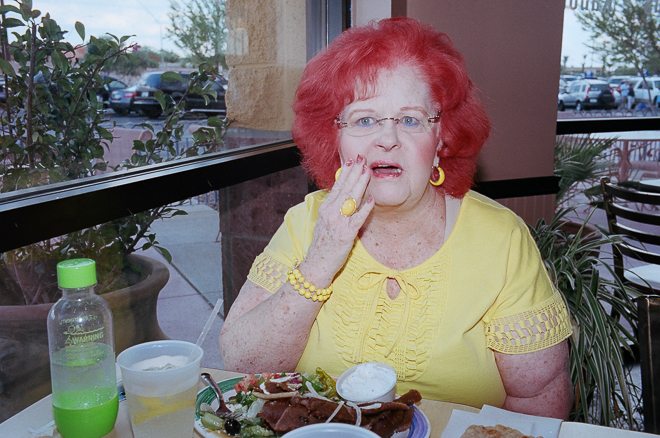
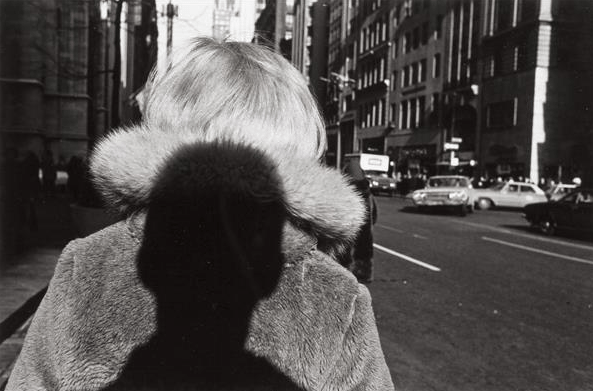
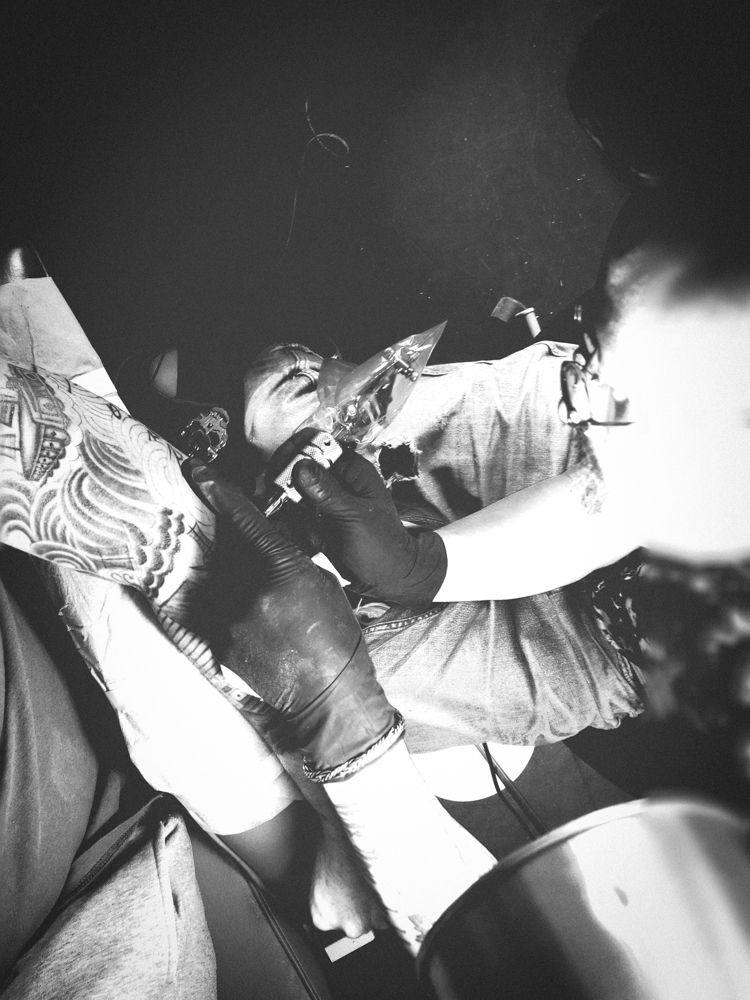
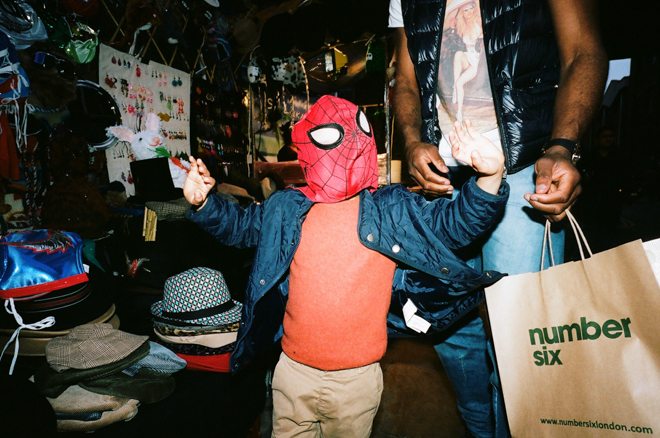
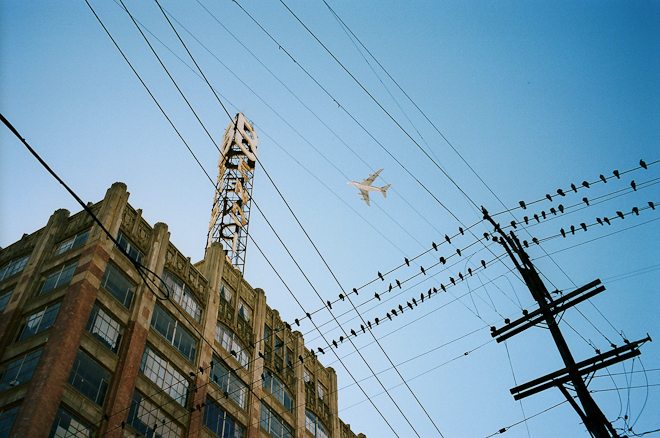
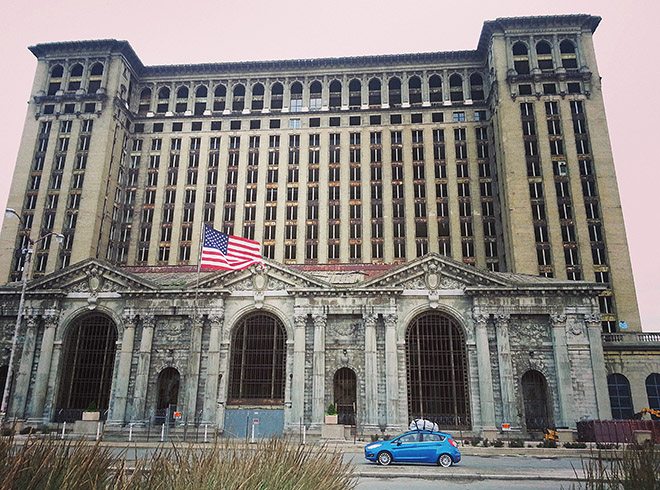
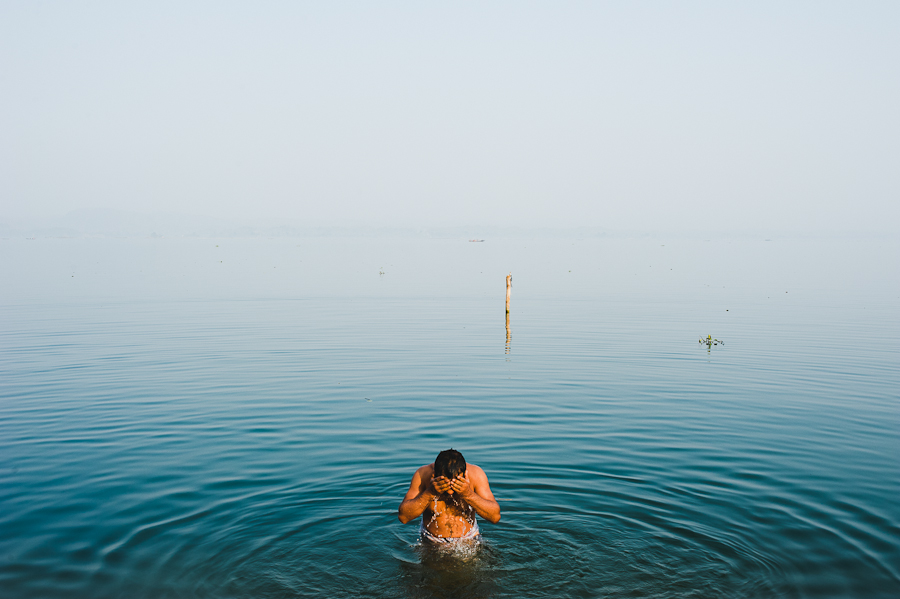
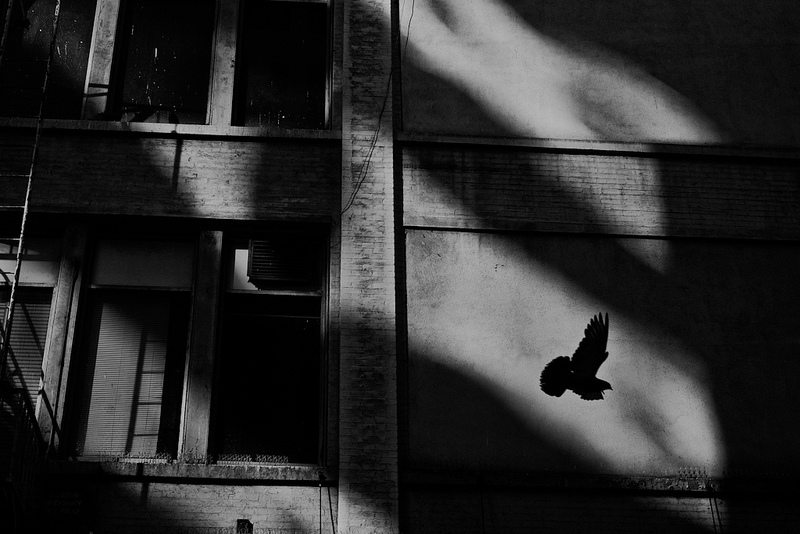
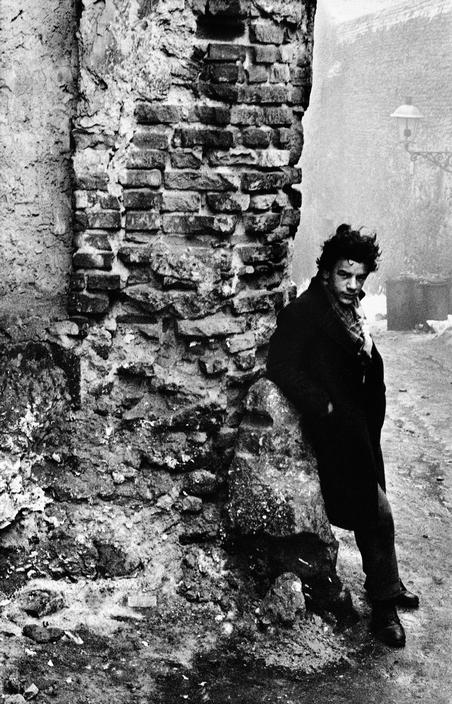
    The photos in this article are from my new “Detroit” series. 

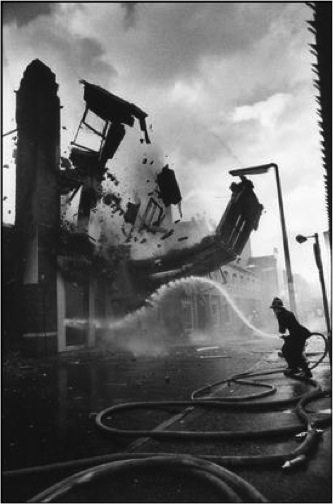
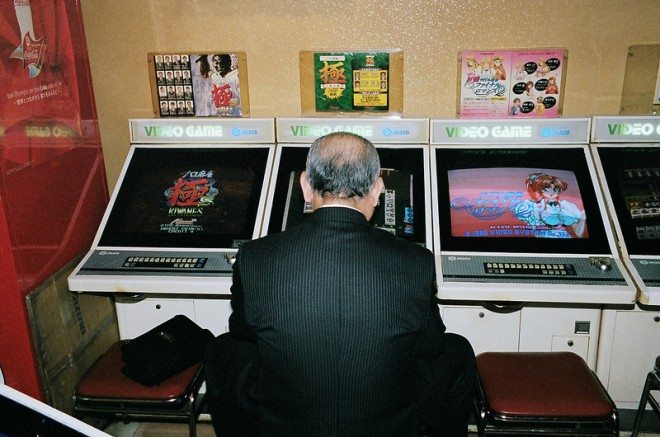
    I’ve had the pleasure of being a judge for a handful of street photography competitions: including the International Street Photography Awards 2012, the Urban Picnic Street Photography Contest in 2013, and the International Street Photography Awards 2014.

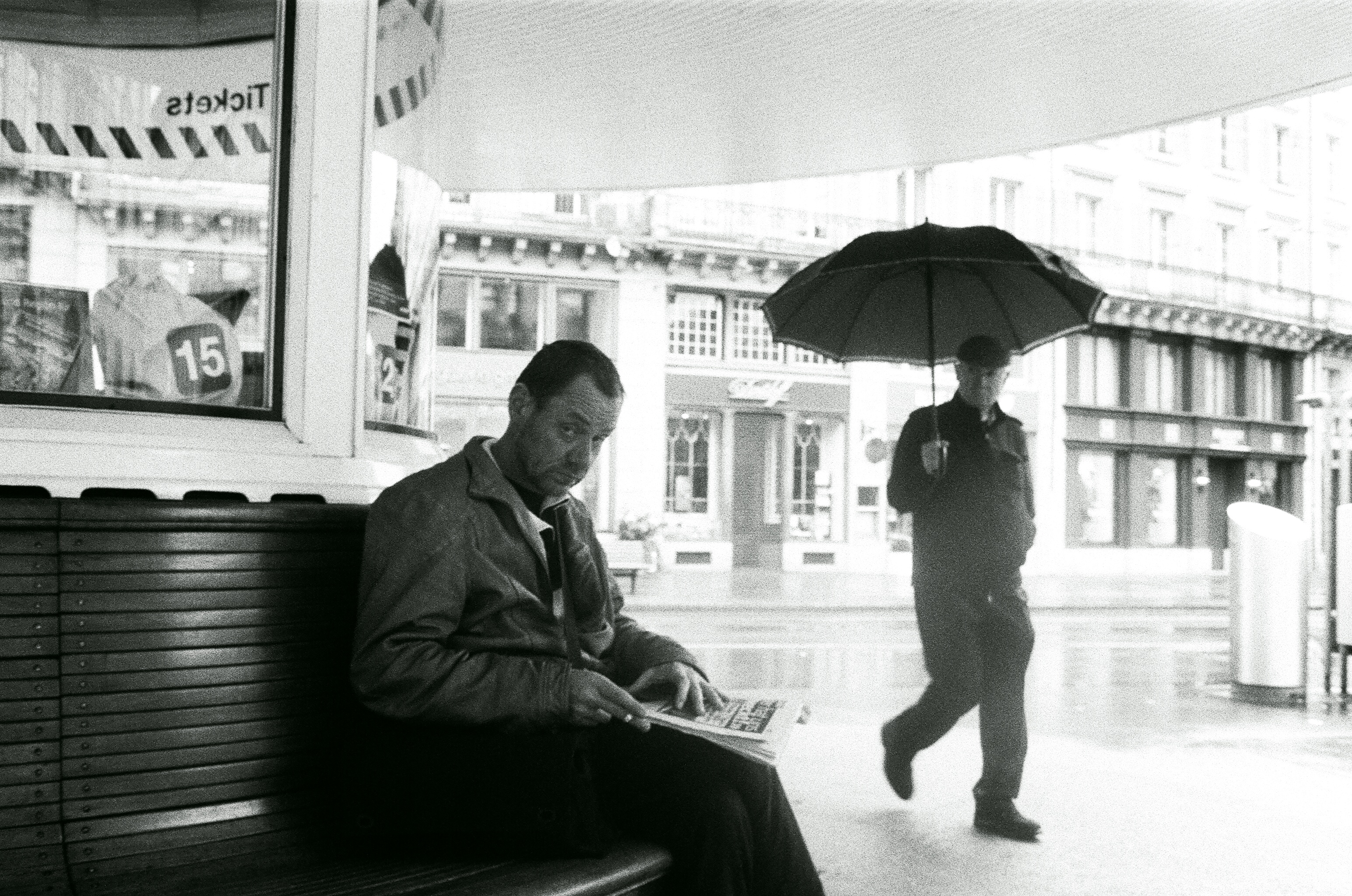
    It was a fascinating experience being a judge– and it has taught me a lot of lessons in terms of how to judge others’ work. More than that, it has taught me to better judge my own work. Here are some lessons I’ve personally learned being a judge, and some tips I suggest when you enter a street photography contest:
    (more…)

  • Book Review: “Gypsies” by Josef Koudelka

    Book Review: “Gypsies” by Josef Koudelka

    Click to read more

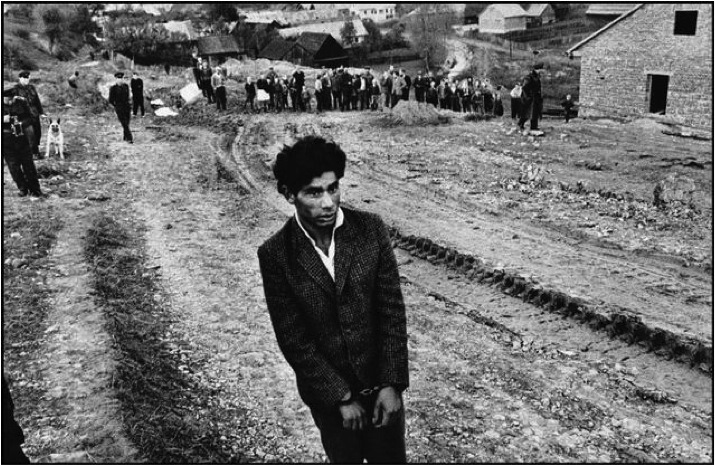
    All photographs in this article are copyrighted by Josef Koudelka / Magnum Photos

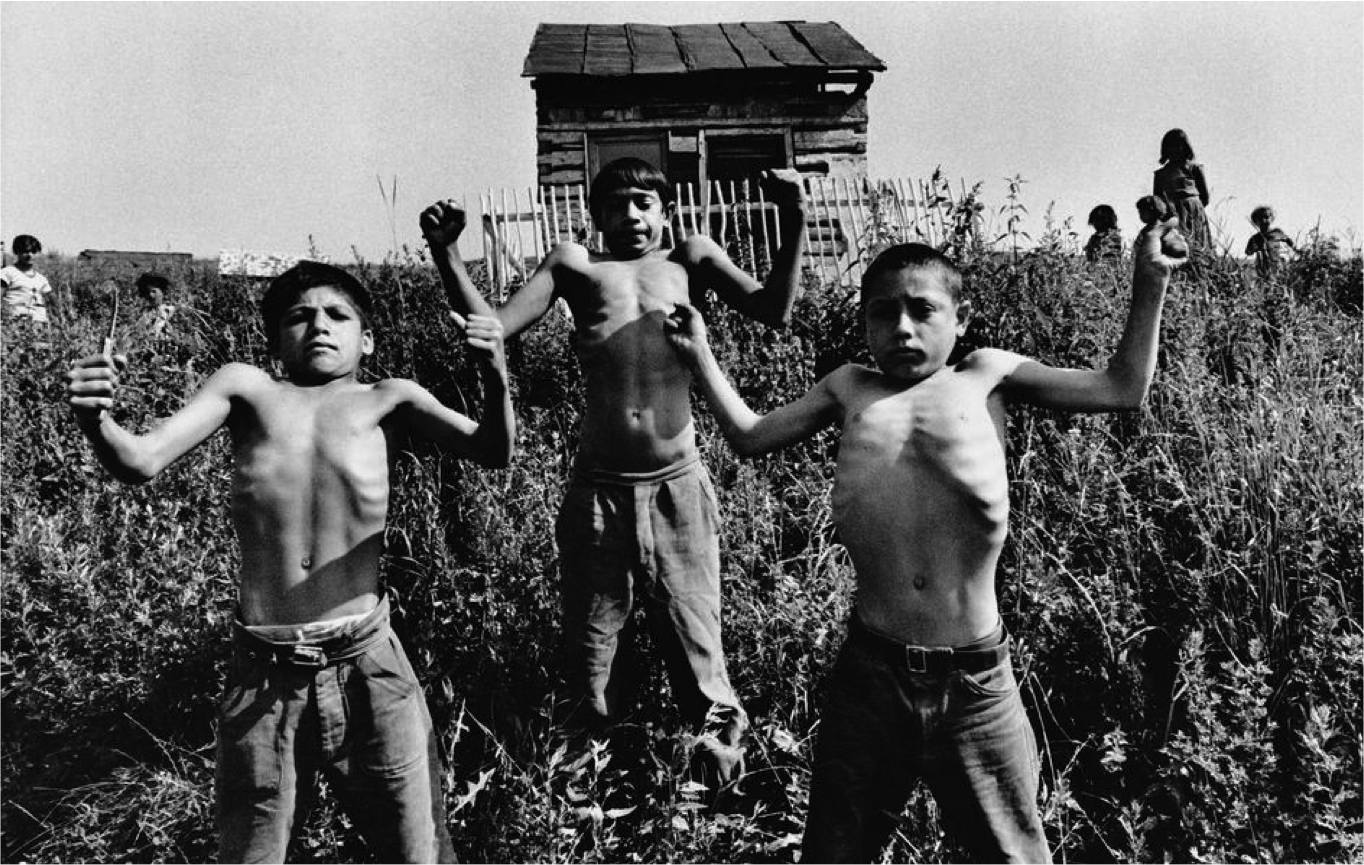
    To continue my street photography book reviews, I wanted to write about “Gypsies” — one of my favorite street photography books of all-time, shot by Josef Koudelka, Magnum photographer.

    To give you a bit of background, Josef Koudelka is one of the greatest living black and white photographers of the century– both revered for his phenomenal photography and his obsessive passion for photography.

    (more…)

  • The 7 Deadly Sins of Mediocrity in Street Photography

    The 7 Deadly Sins of Mediocrity in Street Photography

    Click to read more

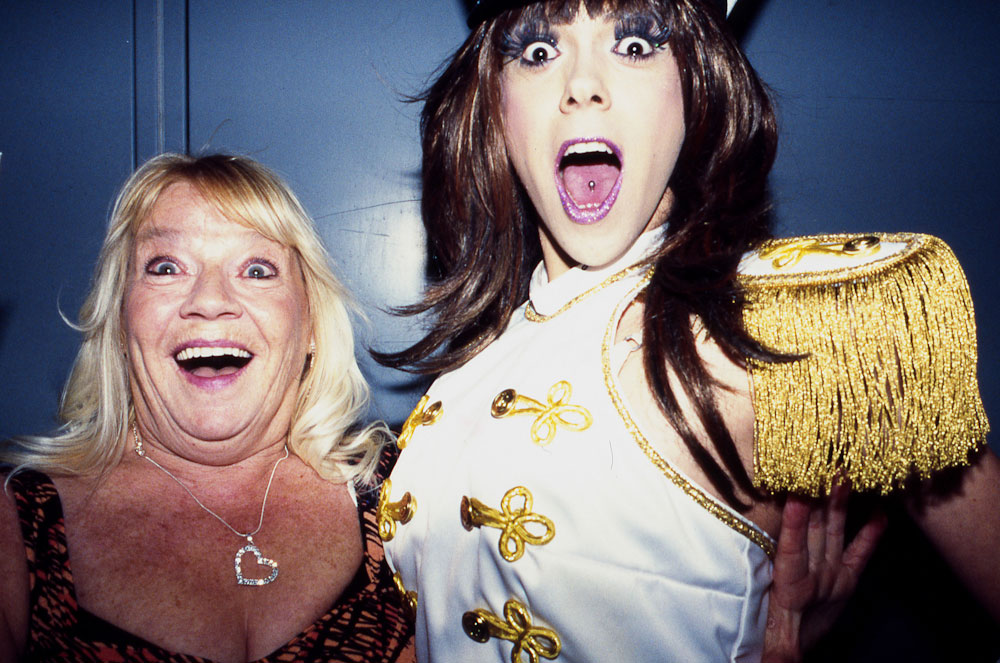
    Photos in this article are from my on-going “Colors” series.

    I recently read a book titled: “Die Empty: Unleash your Best Work Everyday and found great inspiration in it. It is a great book in which the premise is easy: will you die with all of your dreams, aspirations, and talents inside of you– or will you work everyday towards emptying out your mind of al these great ideas and thoughts? Will you lie on your deathbed having any regrets? Or will you die empty having dedicated everyday towards your life work dying empty without any regrets. You certainly don’t want to die full of regrets.

    (more…)

  • A Street Photographer (and Foodie)’s Guide to Seattle

    A Street Photographer (and Foodie)’s Guide to Seattle

    In front of the first Starbucks in Pike Place!
    In front of the first Starbucks in Pike Place!

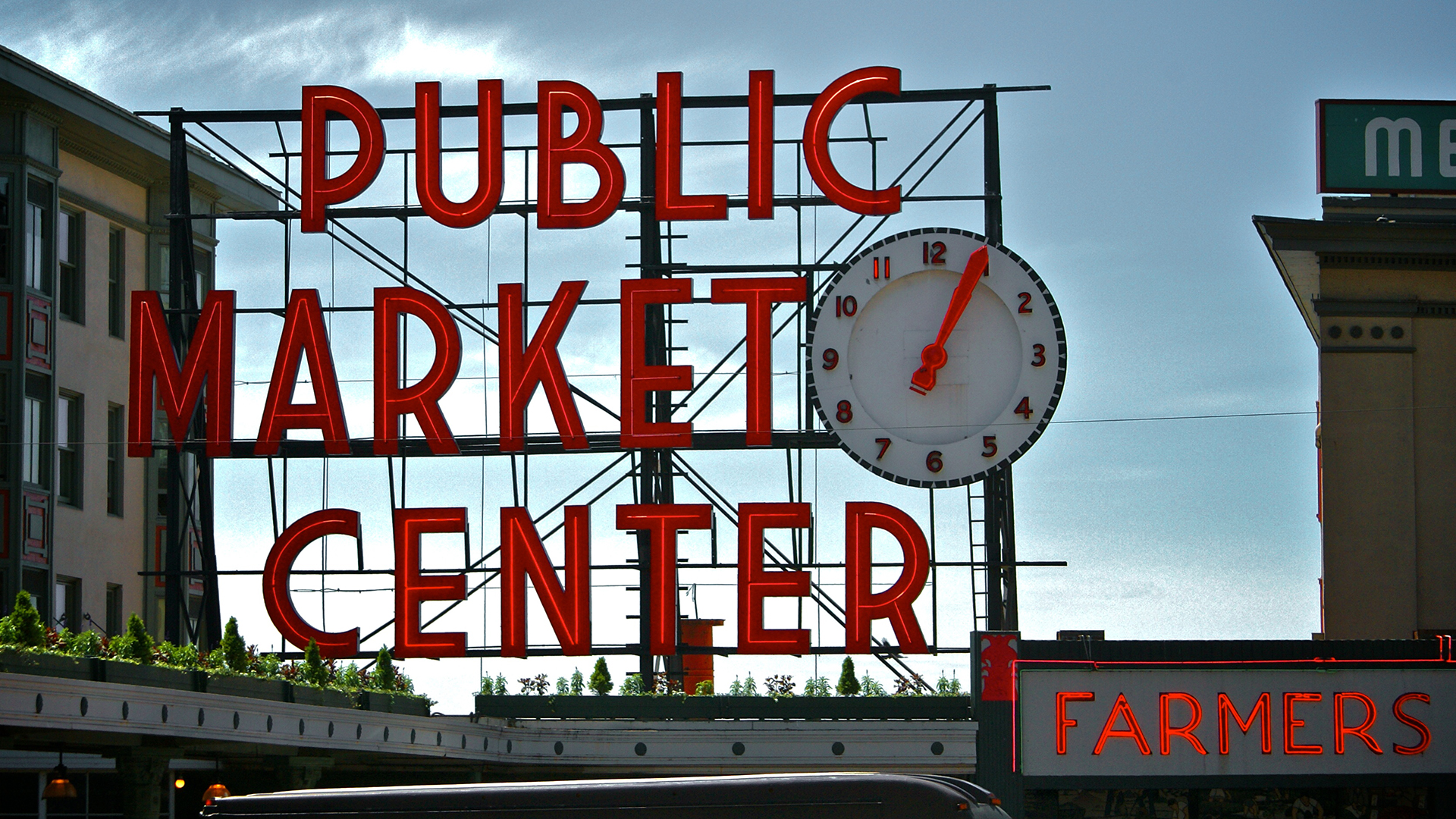
    I recently traveled to Seattle and taught a street photography workshop there. As a native Californian, I never ventured to the Pacific North-West, and man– I was impressed. I think Seattle is seriously one of the most underrated places in the West Coast (and in America as well).

    If you ever have the chance to visit Seattle (flights are quite affordable via Southwest, a one-way from SFO was only ~$69). So if you want a weekend getaway somewhere– Seattle is your place to go.

    Huge thanks to Walter Lau who was my generous host during my time there with Cindy. He showed us all the great spots in Seattle, and here are some of his recommendations in terms of where to shoot, where to have coffee, to get food, and drinks! If anyone also wants to meet up with some other great street photographers in Seattle, check out the Seattle Streettogs Group on Facebook.

    (more…)

  • 12 Lessons Joel Meyerowitz Has Taught Me About Street Photography

    12 Lessons Joel Meyerowitz Has Taught Me About Street Photography

    Click to read more

    All photos in this article are copyrighted by Joel Meyerowitz.

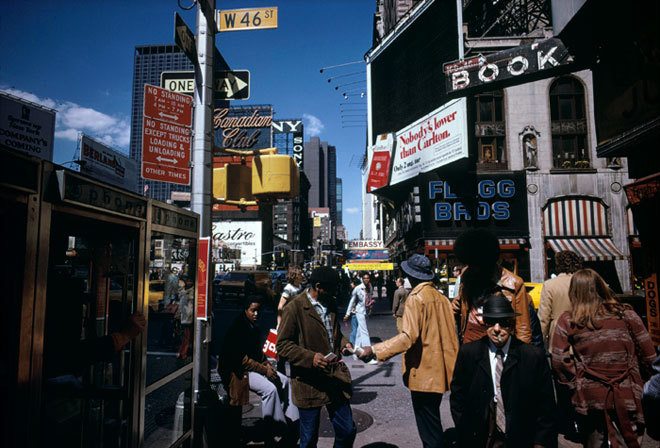
    I am surprised I haven’t written an article about Joel Meyerowitz yet. He is one of the living legends and masters in street photography, currently at 75 years old. He shot in the streets with other legends such as Garry Winogrand, Tony Ray-Jones, and even bumped into Henri Cartier-Bresson on the streets once.

    (more…)

  • Street Photography Book Review: “The Last Resort” by Martin Parr

    Street Photography Book Review: “The Last Resort” by Martin Parr

    Click to read more

    All photographs in this article are copyrighted by Martin Parr / Magnum Photos. Warning: Some of the shots in the book are NSFW as they show child nudity.

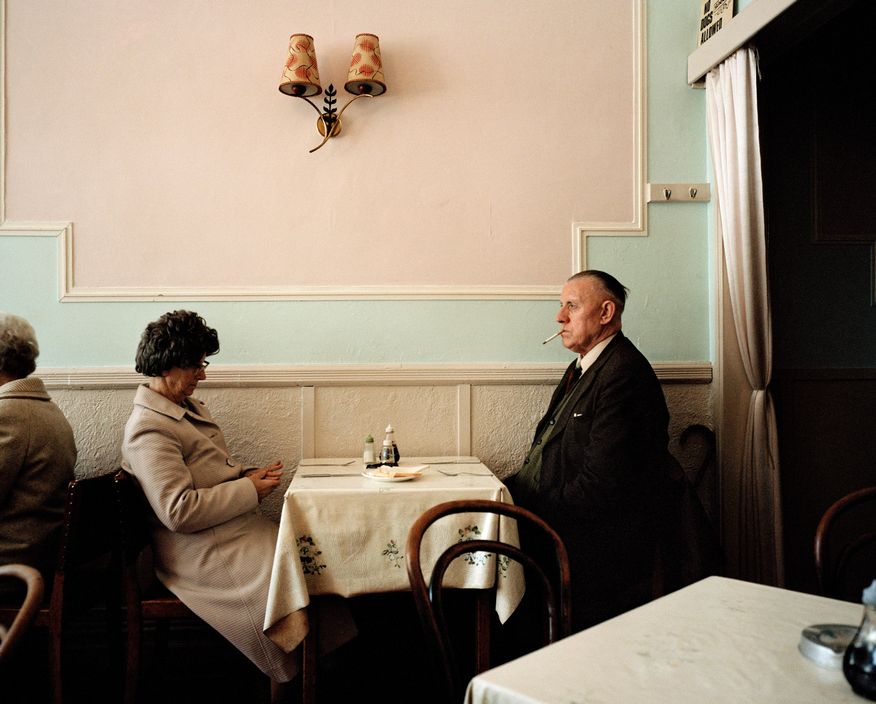
    One of my favorite color photography books is “The Last Resort” by Martin Parr. For 2014, I want to start doing more book reviews– sharing some of my favorite books, sharing why I love them, and trying my best to analyze and share my observations about them.

    (more…)

  • On Status and Street Photography

    On Status and Street Photography

    Click to read more
    Stockholm, 2012

    Photos in this article are outtakes/shots I am considering from my on-going “Suits” project.

    One of the things I love most about street photography is how open and democratic it is. Anybody with any camera can shoot street photography. You don’t need anything fancy. Not only that, but street photography is accessible to everybody. You don’t need to be in Paris– you can simply shoot in your backyard.

    However one problem that plagues street photography and life in general is this need for status.

    In this article I will touch upon two aspects of status when it comes to street photography: 1) Status via cameras/equipment, and 2) Status via social media:

    (more…)

  • On Expectations and Street Photography

    On Expectations and Street Photography

    East Lansing, 2013
    East Lansing, 2013

    Photos in this article are from my time in Michigan in 2013.

    In life I have a certain strategy: I set very low (or no) expectations for myself and try my personal best.

    I know often people say you should always set your ambitions and expectations high– but I find several faults with this strategy:

    (more…)

  • On Consistency and Street Photography

    On Consistency and Street Photography

    Click to read more
    Lansing, Michigan 2013

    Photos in this article are from my on-going “Suits” project.

    One of the things I notice a lot at my workshops and when I see work online is how there tends to be a lack of consistency in people’s images.

    I think while it is great to experiment and try out new things– at the end of the day to create a personal style and vision– you need a sense of consistency.

    (more…)

  • 40 Street Photography Resolutions Ideas for 2014

    40 Street Photography Resolutions Ideas for 2014

    San Francisco, 2013
    San Francisco, 2013

    Now that the new year is under way, I thought it would be a good idea that we could all choose a new year’s resolution in street photography.

    I know how difficult it is to keep to a new year’s resolution, but I think it is something fun that we can all look forward to. I just came up with some ideas that we could try experimenting or doing for 2014. Feel free to pick and choose what appeals to you:

    (more…)

  • 10 of My Street Photography Resolutions for 2015

    10 of My Street Photography Resolutions for 2015

    Self-portrait of myself from my "Grandfather" series. Busan, 2013
    Self-portrait of myself from my “Grandfather” series. Busan, 2013

    It is that time of the year again— to make resolutions for the new year.

    In 2014, I wrote a post, “40 Street Photography Resolutions Ideas for 2014” and I also wrote a post titled: “15 Street Photography Assignments to Re-Energize and Re-Inspire You” (inspired by the book: “The Photographer’s Playbook: 307 Assignments and Ideas”).

    Below are some personal new years’ resolutions I am going to make for myself in 2015. I will probably break some of them, but will try my best to stick to them. This is advice I will give to myself— and feel free to pick any of these ideas for yourself (or modify them as you see fit). This list is inspired mostly by Nassim Taleb’s New Years Resolutions for 2015.

    Here is my personal street photography resolutions for 2015:

    1. Don’t buy any photo books I don’t plan on re-reading.

    2. Buy at least 1 photo book a month (and get to really know it).

    3. Give at least 1 in-depth comment/feedback/critique (once a week) to a street photographer who doesn’t get any favorites, comments, or feedback on his/her photos.

    4. Try to meet a lonely photographer once a month for a coffee (with no expectation of “networking” or “gain” on my end)

    5. Don’t go a single day without taking a photograph (smartphone is fine).

    6. Don’t own more than 1 type of camera (only own 1 35mm camera, 1 medium-format, 1 digital). If I accrue more than one of each type of camera, either give away to friend or sell. Don’t accept any free cameras (that I wouldn’t buy with my own money).

    7. Walk for at least 15 minutes everyday to make photos (I’m becoming a fat and lazy car-dependent American).

    8. Focus on education and creating value (not money, fame, or external recognition). Engaging the street photography community more and always try to help.

    9. Make my photographs more personal.

    10. Have at least 1 exhibition of my photos (and also curate at least 1 group exhibition). Teach at least 1 free workshop for charity.

    What are some New Years’ Resolutions that you have for yourself when it comes to your photography? Share them in the comments below!

  • My Top 10 Street Photography Lists for 2013

    My Top 10 Street Photography Lists for 2013

    Click to read more
    Pittsburgh, 2013

    I have never been the type of person to reflect on life. I generally tend to always live in the present moment– and don’t spend too much time thinking about the past or the future. But the quote that always comes to me from Socrates is: “The life unexamined is not a life worth living.”

    Ever since I got laid off my job (June 13, 2011) life has been zooming past before my eyes ridiculously quickly. It has been around 2 years and 6 months since I have been doing street photography “full time.” and wanted to use this opportunity to just share some of my thoughts and what I am grateful for.

    (more…)

  • Street Photography Composition Lesson #13: Multiple-Subjects

    Street Photography Composition Lesson #13: Multiple-Subjects

    Click to read more
    © Garry Winogrand

    I think one of the most difficult compositional techniques in street photography is to incorporate multiple subjects in the frame — without it becoming too cluttered or overwhelming. Generally the problem is that most photographers that try to incorporate multiple subjects have some of the following problems:

    • Overlapping subjects
    • Distracting backgrounds
    • No central subject
    • Not enough points of interest

    In this article I will share some of who I think are the finest photographers to have used multiple-subjects in their photos. I will analyze the images, and hopefully provide practical tips to anyone trying to incorporate more multiple subjects in the frame.

    (more…)

  • 25 Practical Tips from Elliott Erwitt for Street Photographers

    25 Practical Tips from Elliott Erwitt for Street Photographers

    Click to read more
    © Elliott Erwitt / Magnum Photos

    I recently attended Elliot Erwitt’s “100+1” exhibition at Fotografiska, which will be in Stockholm from December 6, 2013 to March 2, 2014. We were given a brochure with great practical advice for street photographers– which I have shared here. This text for the article is extracted from the foreword dedication written by Elliott Erwitt for the book “Personal Exposures.”

    (more…)

  • In Praise of Slowness in Street Photography

    In Praise of Slowness in Street Photography

    Click to read more
    Tucson, Arizona. 2013

    Photos in this article are from my road trip from Michigan to California.

    One thing I hate about the modern world is our addiction to speed. We want everything to be done faster, more efficiently, and better optimized. We are frustrated when we are loading up a website on our smartphones and it takes longer than a few seconds. We hardly have the patience to cook anymore, so we just pop something in the microwave. We then inhale our food in a few seconds so we can get back to work and be more “productive.”

    (more…)

  • 5 Psychological Biases You Must Avoid in Street Photography

    5 Psychological Biases You Must Avoid in Street Photography

    Click to read more
    Mumbai, 2013

    Besides street photography, I have a great interest in sociology, psychology, and philosophy. What I love about all these side-fields is that they overlap and add unto one another. Not only that, but I have probably learned more about street photography from these outside fields than from the field of photography itself.

    A field I have been quite fascinated with is called “behavioral economics the idea that us humans act “predictably irrational”. This means that we all have similar cognitive biases in certain circumstances. Although we like to think of ourselves as rational beings– we are far less rational than we’d like to believe.

    In this article I want to share some insights I have learned from “behavioral economics” (which tends to fit into the field of psychology and cognitive science).

    (more…)

  • Street Photography Composition Lesson #12: Color Theory

    Street Photography Composition Lesson #12: Color Theory

    Click to read more
    Eric Kim, Downtown LA 2012.

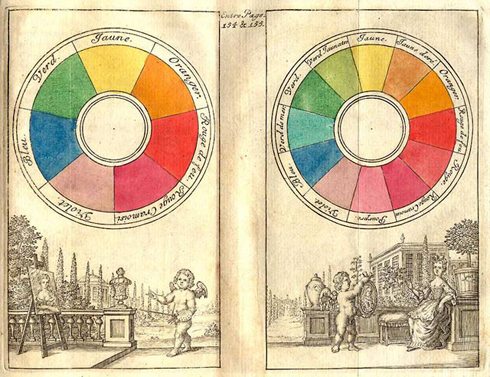
    For today’s compositional lesson– I want to talk about color theory— and how you can better utilize colors when it comes to your street photography.

    Personally around 2 years ago, I made the switch from shooting fully black and white — to just shooting color film (Kodak Portra 400).

    Since then, I have learned to see the world in a totally different way. It has been fun, refreshing, and quite exciting.

    However at the same time– shooting in color presented a new bag of worms. Whereas black and white tended to simplify a scene, color could be distracting and take away from a photo (if the colors didn’t add meaning and value).

    So for this lesson we will talk about some color theory — in terms of how we can make colors better work for us. I am certainly not an expert when it comes to working in color, but I will try to share some practical tips of how you can better shoot street photography in color.

    (more…)

  • “SEVENTY”: A Book of Images of Mystery, Surprise, and Humor in Jack Simon’s Everyday Life

    “SEVENTY”: A Book of Images of Mystery, Surprise, and Humor in Jack Simon’s Everyday Life

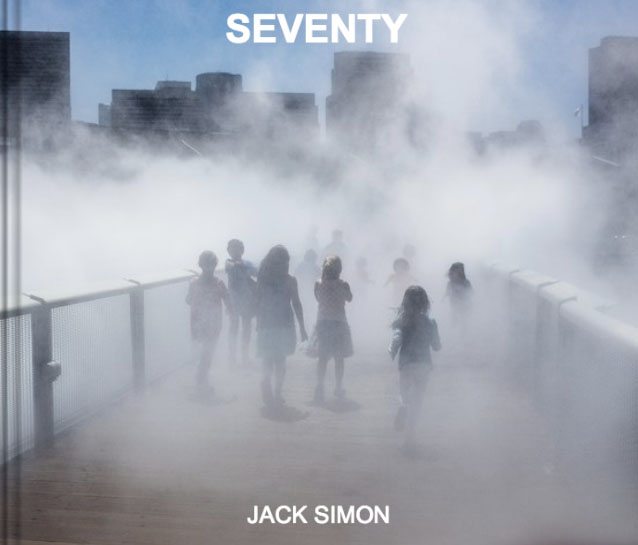
    cover copy

    My good friend and talented street photographer Jack Simon (from Burn My Eye) has recently turned 70 years old (he looks about 2 decades younger than he is). In honor of his birthday, he recently published a new book titled: SEVENTY — which is a compilation of 70 great candid photos. He was also generous enough to offer the book free via ebook. More info about the book below from Jack:

    SEVENTY is a compilation of 70 unplanned and unposed images. I enjoy the hunt for that moment of mystery, surprise, and humor in my everyday life. I seek images that hint to a larger story, like a publicity still from some forgotten movie. These fragments of fictional stories are drawn from the real world in an odd coupling of my unconscious, my intentions, and chance. As I turn 70, I celebrate these accidental glimpses into other worlds and untold stories that inhabit my surroundings.

    If you want to learn more about Jack Simon and his work, you can see this in-depth interview I did with him here.

    Jack Simon Shooting the Streets of SF

    Below is a fun video I made with Jack shooting in the Mission District of SF:

    SEVENTY by Jack Simon

    Follow Jack

    Wish Jack a happy birthday by leaving a comment below! :)

  • Street Photography Composition Lesson #11: “Spot the Not”

    Street Photography Composition Lesson #11: “Spot the Not”

    Click to read more
    © Martine Franck / RUSSIA. Moscow. Ballet Moisseev: young dancers rehearsing. March 2000.

    When it comes to composition– one of the first things you should ask yourself is: “Who is the subject?

    If you have a hard time identifying the main subject (or subjects) in the photo– you are in trouble.

    One of the most difficult things to do in street photography is capture multiple subjects well. When there are lots of subjects in our frame, it is often difficult for us to focus on who the main subject is.

    So how do we overcome this difficulty? I propose the compositional concept of: “Spot the not.”

    (more…)

  • Street Photography Composition Lesson #10: Urban Landscapes

    Street Photography Composition Lesson #10: Urban Landscapes

    Click to read more
    © Robert Frank

    For today’s lesson I want to talk about “urban landscapes.” Urban landscapes aren’t really compositions in the specific sense (compared to lines, curves, etc)– but I still feel they are relevant when creating our street photographs.

    If you guys have read my prior lessons on composition– I have thought a lot about what a “composition” really is. For me at the end of the day– a composition can really be anything. The dictionary’s definition to composition is as follows:

    Composition: The combining of distinct parts or elements to form a whole.

    So when it comes to street photography, whatever elements we capture in the background make an image.

    I am not exactly sure what direction these “composition lessons” are heading– but thank you for your support. Let us continue to ride the wave– and see where it follows:

    (more…)

  • Don’t Take Boring Photos: 13 Tips for Street Photographers from Tony Ray-Jones

    Don’t Take Boring Photos: 13 Tips for Street Photographers from Tony Ray-Jones

    Click to read more

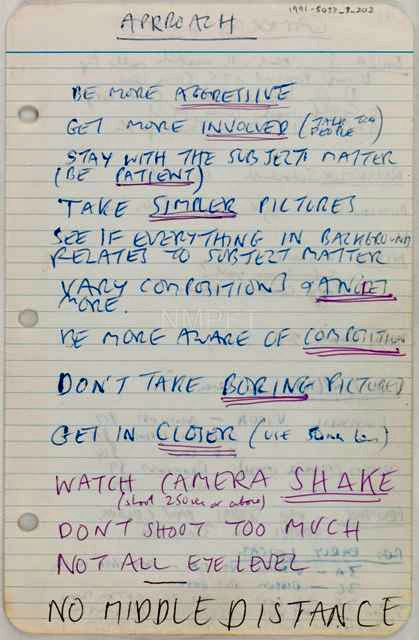
    In the late 1960’s, photographer Tony Ray-Jones wrote a hand-written note on his “approach” when he took photographs. I think these tips are lessons all of us as street photographers can learn from him. Read more to see some of his inspirational images (and this list typed out):

    (more…)

  • Street Photography Composition Lesson #9: Self-Portraits

    Street Photography Composition Lesson #9: Self-Portraits

    Click to read more
    © Lee Friedlander. New York City, 1966

    “At first, my presence in my photos was fascinating and disturbing. But as time passed and I was more a part of other ideas in my photos, I was able to add a giggle to those feelings.”

    Lee Friedlander

    For today’s compositional lesson I want to introduce the idea of incorporating self-portraits into your street photography.

    While self-portraits don’t fit into the textbook definition of “composition” per se– I still feel that they are an interesting compositional technique we can add to our toolkit to make more interesting images.

    (more…)

  • Street Photography Composition Lesson #8: Curves

    Street Photography Composition Lesson #8: Curves

    Click to read more
    © Henri Cartier-Bresson / Magnum Photos. France, 1932.

    All photos in this article are copyrighted by their respective photographers.

    For today’s compositional lesson– I want to talk about curves.

    To start off, why curves? Well– curves are some of the most dynamic lines that exist.

    (more…)

  • Street Photography Composition Lesson #7: Perspective

    Street Photography Composition Lesson #7: Perspective

    Click to read more
    © Bruce Gilden / Magnum Photos

    All photographs in this article are copyrighted by their respective photographers.

    For today’s compositional lesson I want to talk about perspective.

    Google defines “perspective” as the following:

    The art of drawing solid objects on a two-dimensional surface so as to give the right impression of their height, width, depth, and position in relation to each other when viewed from a particular point.

    In street photography utilizing unique perspectives or vantage points make images have different impressions and feelings. I often find that street photographers don’t utilize interesting perspectives enough– most photos are just from eye-to-eye level.

    To make more edgy and interesting photos, try embracing more unique perspectives (shooting from a really low angle, or getting on top of a roof and shooting from a high vantage point).

    I wanted to show some great examples of how some master street photographers used low and high perspectives to make more interesting photographs.

    (more…)

  • Street Photography Composition Lesson #6: Framing

    Street Photography Composition Lesson #6: Framing

    Click to read more
    © Alex Webb / Magnum Photos

    All photos included in this article are copyrighted by their respective photographers.

    For today’s street photography lesson, I want to talk about framing. Framing itself is a pretty basic compositional technique, something I am sure we all learned when we first started. But let us delve deeper into framing. Let us see examples from the masters– and how they framed their images to retain focus, energy, and depth in their images.

    (more…)

  • On Social Media and Street Photography

    On Social Media and Street Photography

    Click to read more
    Dubai, 2013

    At the moment of writing this, I have over 30,000+ Facebook fans, 13,000+ Twitter followers, 20,000+ Google+ followers, and 12,000+ YouTube subscribers.

    People have called me a bit of a “social media phenomenon” at times – and commend me for being so good at “marketing myself.”

    I am certainly not the social media guru but I have learned a few things through social media through the years (especially when it comes to photography).

    I wanted to write an article on some guidelines I suggest street photographers (and all photographers alike) when using social media:

    (more…)

  • Street Photography Composition Lesson #5: Depth

    Street Photography Composition Lesson #5: Depth

    Click to read more
    © William Klein

    All of the photos in this article are copyrighted by their respective photographers.

    For today’s composition lesson I want to focus on a compositional technique that is more utilized by intermediate/advanced photographers. It is the idea of depth.

    What exactly is “depth” anyways? Well, the Merrian-Webster dictionary provides this definition (which we generally think of when it comes to spatial relationships):

    • a: the perpendicular measurement downward from a surface
    • b: the direct linear measurement from front to back

    For the purposes of photography and composition, we will use b (the direct linear measurement from front to back).

    (more…)

  • 5 Things I Don’t Do in Street Photography

    5 Things I Don’t Do in Street Photography

    Click to read more
    Hong Kong, 2012

    Some of the photos included in this post are from my on-going “Colors” project.

    I am an ardent believer in the idea of “subtractive knowledge” and “via negative” meaning that we learn most from learning what not to do. For example, when I played tennis the maxims I was taught by my amazing coach Greg Lowe was the following:

    • Don’t be tight
    • Don’t miss a day of practice
    • Don’t try to show off
    • Don’t try to muscle your shots
    • Don’t worry about losing
    • Don’t worry about the racket (tennis players have the worst Gear Acquisition Syndrome [GAS])

    Through this negative principle, I was able to excel in tennis– going from not making the tennis team my first year as a freshman in High School, to making the #1 doubles team by my Senior year in Varsity.

    I feel that the same can be applied in street photography too.

    I know that we all hate being told what not to do. After all, we should do what we enjoy, right?

    I totally agree with that mentality as well– but I believe it is restrictions that can help develop our creativity.

    (more…)

  • Street Photography Composition Lesson #4: Leading Lines

    Street Photography Composition Lesson #4: Leading Lines

    Click to read more
    © Henri Cartier-Bresson / Magnum Photos. FRANCE. 1932. Marseille. The Allée du Prado.

    All photos in this article are copyrighted by their respective photographers.

    For today’s street photography composition lesson– I would like to discuss leading lines.

    Leading lines are one of the most basic photography compositional techniques– I am sure you have all heard of it before. But it is a technique that we often don’t listen to or follow. For example, it is easy to have a leading line in the background (for example, a background) that leads your eyes away from the main subject, rather to the main subject.

    Whenever I look at a photograph, the first question I ask myself is: who is the subject?

    (more…)

  • Street Photography Composition Lesson #3: Diagonals

    Street Photography Composition Lesson #3: Diagonals

    Click to read more
    © Henri Cartier-Bresson / Magnum Photos. ROMANIA. 1975. In a train.

    For today’s street photography composition lesson, we will discuss a compositional rule that is simple enough: the diagonal. Credit goes to Adam Marelli for teaching me about this important design element which can help street photographers all around the globe.

    Diagonals are one of the strongest and most fundamental compositional elements– something that we all know quite well.

    There are 3 types of main lines: the horizontal, vertical, and diagonal line. They also go in degrees of intensity (the horizontal line being the least dynamic and the diagonal line as the most dynamic).

    (more…)

  • Street Photography Composition Lesson #2: Figure-to-ground

    Street Photography Composition Lesson #2: Figure-to-ground

    Click to read more
    © Josef Koudelka / Magnum Photos / FRANCE. Hauts-de-Seine. Parc de Sceaux. 1987.

    All photos in this article are copyrighted by their respective photographers.

    To continue my street photography composition lessons, I want to now move onto the topic of “figure-to-ground”.

    What I learned from Adam Marelli is that one of the most important things in a photo is if it “reads” well. Meaning– if you look at a photo, can you tell what is going on– and see all the subjects clearly?

    One of the most important principles is if a photo has strong “figure to ground.” Pretty much what figure-to-ground is having strong contrast between your subject and the background. For example, having a light subject against a dark subject, or a dark subject against a light background.

    (more…)

  • Only 2 Weeks Left to Submit to the Miami Street Photography Festival Contest 2013!

    Only 2 Weeks Left to Submit to the Miami Street Photography Festival Contest 2013!

    Click to read more

    Hey guys, as a reminder– there are only 2 weeks left to submit to the Miami Street Photography Festival Contest 2013! This will be a great opportunity for you to get more exposure for your work! The winner of the contest will be exhibited and win a new Leica X2.

    For those of you who can make the festival, there are also some great street photography workshops lead by Magnum photographers Bruce Gilden and Alex Webb / Rebecca Norris Webb. More details on the workshop here.

    The Miami Street Photography Festival is also a registered non-profit, so don’t worry– this isn’t just some money-making scheme. They truly do it for the love of street photography! Read more for all the contest details.

    More info about the contest and how to submit here. 

    Follow Miami Street Photography Festival

  • Street Photography Composition Lesson #1: Triangles

    Street Photography Composition Lesson #1: Triangles

    Click to read more
    © Josef Koudelka / Magnum Photos / CZECHOSLOVAKIA. Slovakia. Zehra. 1967. Gypsies.

    All photos in this article copyrighted by their respective photographers.

    One of the things I don’t talk much about is composition on my blog when it comes to street photography. To be quite honest, I am not as interested in composition of photographers when it comes to their philosophies when it comes to photography. However it is still something important to consider. Therefore I want to start a series inspired by Adam Marelli on how you can improve your compositions in street photography. Some of these lessons may be new, others familiar– and I will use the best examples in the history of street photography to illustrate the compositional techniques (while throwing in a few of my own).

    Triangles are one of the best compositional techniques you can use in your street photography to fill your frame, add balance, and add movement in your images. (Thanks also to Patrick Bryan for the inspiration for doing this article).

    (more…)

  • 6 Lessons Eugene Atget Has Taught Me About Street Photography

    6 Lessons Eugene Atget Has Taught Me About Street Photography

    Click to read more

    Eugene Atget has always been sort of an enigma to me. When I started to delve into the history of street photography, a lot of people credited him to being one of the “fathers of street photography.” But when I first looked at his work, I was a bit confused. Most of his photos didn’t have any people in them. His photos were mostly of the architecture of Paris: doorways, arches, door handles, street facades, and the streets themselves.

    I always thought that street photography had to include people in it. But Atget was talked about thoroughly in “Bystander: A History of Street Photography” by acclaimed photo historian Colin Westerbeck and by the great Joel Meyerowitz.

    Westerbeck further explains the relevance of Eugene Atget by writing the following:

    “While stop action images of people are bound to figure prominently in many collection of street photographs, this book also contains many pictures in which there are no people at all. The most salient examples are to be found in the works of Eugene atget. Yet even he was, through implication and inference, trying to show us life onthestreets. Suggesting presence in these midst of absence, he was attempting to reveal the character of the street as it inherited in the setting itself. Like every other practitioner of this genre, he wandered the streets with his camera, looking for what would they be called photo opportunities. More important, he’d was also like every other street photographer in his readiness to respond to errant details, chance juxtapositions, odd non sequiturs, peculiarities of scale, the quirkiness of life on the streets.”

    Did Atget even consider himself a street photographer? Certainly not. In no records of him did he ever call himself a street photographer (the term was coined centuries after he even took photos). Not only that, but Atget saw himself as a “collector of documents” rather than being an artistic photographer.

    (more…)

  • 103 Things I’ve Learned About Street Photography

    103 Things I’ve Learned About Street Photography

    Click to read more
    NYC, 2013

    This article was originally posted on Digital Photography School.

    Over the years, I have learned a lot of lessons about street photography. Below is a compilation of some quotes, thoughts, and philosophies which have influenced me and my street photography. None of my ideas are original – some are based on personal experiences and others are based on ideas I heard from books, lectures, and on the internet. And of course, this is not a definitive list of what you “have to do” in street photography – rather it is some of my personal thoughts:

    (more…)

  • 14 Lessons Elliott Erwitt Has Taught Me About Street Photography

    14 Lessons Elliott Erwitt Has Taught Me About Street Photography

    USA.  New York.  2000.
    USA. New York. 2000. © Elliott Erwitt / Magnum Photos

    If you are not familiar with the work of Elliott Erwitt, you have definitely seen many of Elliott Erwitt’s iconic work all around the globe. As one of the original Magnum members and former president, he has one of the longest spanning photography careers- spanning over 50 years.

    What I most appreciate about Elliott Erwitt is his wry sense of humor when looking at the world– as well as his straightforward and nonsensical philosophies about photography. When sharing his thoughts and advice, I think he is one of the most practical and helpful- especially based on his decades of experience.

    I share some things I personally have learned from him in the article below.

    (more…)

  • “Access”: 5 Tips When Working on Photography Projects

    “Access”: 5 Tips When Working on Photography Projects

    c. Jt White
    c. Jt White

    Eric’s Note: This article is by Josh White, a street photographer based in Korea. You can also see my interview with him here.

    Josh: One of the hardest things to do in the documentary style of photography is to work on a project. There are many reasons for this, not the least of which is just deciding on a theme or subject. Of course, that is just the start! In this post, I’ll talk about my philosophy on the subject of photographic projects and how you might start one for yourself.

    (more…)

  • What Do You Have To Say and How Would You Say It?

    What Do You Have To Say and How Would You Say It?

    Click to read more
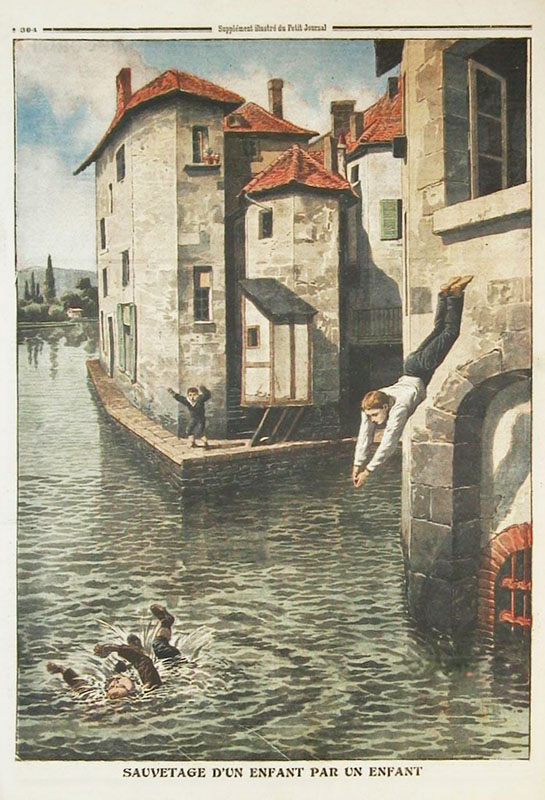
    Sauvetage dun enfant par un enfant (Le Petit Journal)

    Eric’s Note: This guest article is by Dan K, a British Camera collector and photography enthusiast based in Hong Kong.

    Many of the great photographers whose wisdom we like to quote are successful because they have an innate artistic sensibility. For the rest of us, it is harder to grasp what makes a compelling photo.

    I recently attended the gallery of one of Hong Kong’s most famous photographers. Michael Wolf made a name for himself creating images of high visual impact with a subtly dark twist of voyeurism. His own work is compelling, yet his longest wall is filled with countless rows of historical illustrations of Le Petit Journal. These lithographs portrayed the events of the day, in a highly dramatised style.

    (more…)

  • Interview with Todd Breslow: Developer for the free “Develop!” iPhone App

    Interview with Todd Breslow: Developer for the free “Develop!” iPhone App

    DEVELOP
    Screenshot of the free “Develop!” iPhone Application

    Eric’s Note: I am excited to share this interview with Todd Breslow, a street photographer and the developer of the free “Develop!” iPhone App — which helps you process your own black and white film. He loves street photography with his Leica M3 and working in analog, and lives in Philadelphia with his spouse, two sons, and two cats. When not developing film he can be found tending to his beehives or taking a bike ride. Todd works in the Automotive industry.

    Check out my interview with him on how/why he made the application for the community!

    (more…)

  • Removing Myself from My Own Photos: What I Learned While Editing and Sequencing My “Harmonious China” Project

    Removing Myself from My Own Photos: What I Learned While Editing and Sequencing My “Harmonious China” Project

    Click to read more
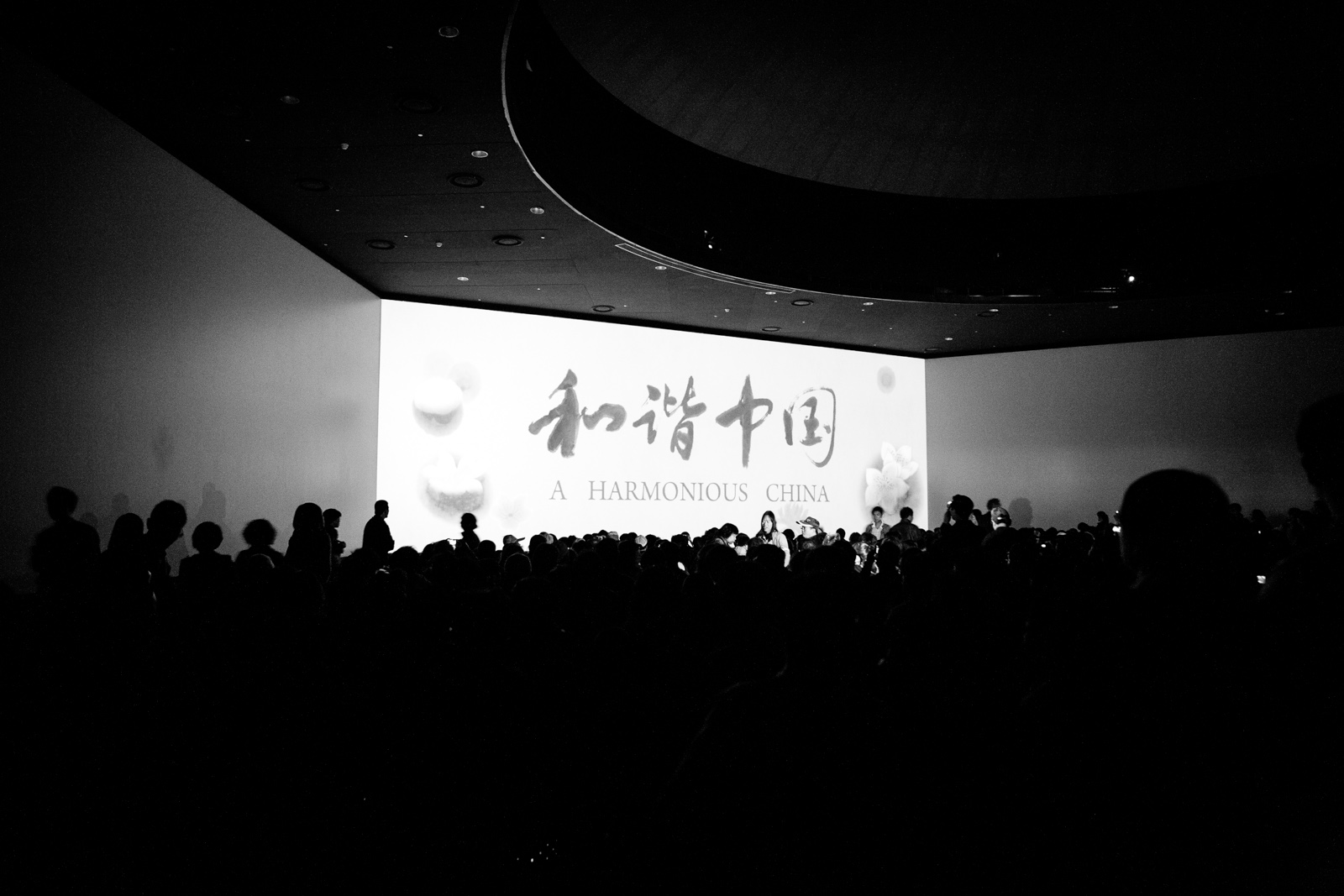
    Harmonious China” by Neil Ta

    Eric: This is a guest article by Neil Ta, my homie and babysitter. In this article he shares his new project, “Harmonious China” and his thoughts about the editing process.

    Neil: My good friend and International Street Photographer, Eric Kim, first introduced me to the idea of letting photos marinate. The concept is really simple. When we take photos, there is an emotional attachment or bond that reminds us how amazing we felt when we took the image. Photographers who select and post their photos immediately are often times at a disadvantage because they let their emotions at the time of taking the photograph get in the way of their better judgement. To combat this, Eric has recommended to photographers to let their images marinate. As time passes and we revisit our images, we lose that emotional bond that had initially formed and we’re better able to objectively look at our images without biases.

    So why the long-winded introduction to my new project, Harmonious China? Taking Eric’s advice, I recently decided to look at my archive of images that I shot in China back in April 2011. I hadn’t looked at these images in a very long time and secretly I was hoping that (by some act of god) I was able to pull something out of there that I had previously missed.

    When I began to review the images, so much time had passed that they were fresh to my eyes, Surprisingly, I was able to pull out a number of images that fit into a centralized idea. Because I let the images marinate for so long, there were a number of shots that I forgot I took or had no immediate recollection of where it was taken.

    (more…)

  • Scratching the Itch Through Mobile Photography

    Scratching the Itch Through Mobile Photography

    c. Josh White. Blackberry Z10
    c. Josh White. Blackberry Z10

    This article is written by Josh White, a street photographer that has traveled throughout Korea, Japan, and Canada. You can follow his blog here.

    Josh: Photographic purists, especially ones of the docu/street genre will often argue that photography is a process. They will argue that photography should all be taken seriously and photographs should be left to permeate. They will argue that film photography is good for the up and coming photographer as it teaches patience and discipline. We are more likely to like the photographs taken more recently.

    While I believe all this to be somewhat true, photographer’s itch. We itch to take photographs and to look at them. We itch to share them and get feedback. In this world of instant gratification and constant boredom patience doesn’t always come easily.

    (more…)

  • On Staged Photos and Integrity

    On Staged Photos and Integrity

    Click to read more
    Photo by Charlie Kirk, from his “Outliers” set.

    This article was originally posted by Charlie Kirk on his Tumblr here. Make sure to follow him on Facebook and Twitter.

    Charlie: A week or so ago, Brian Sokolowski posted on Facebook: “Is it me, or is there a whole lot of street-photography out there that’s set up and posed? No, it’s not me… there is. What’s the point of that? I mean if it’s set-up, that’s fine. But don’t try to pass it off as street-photography, because it’s not.”  I agreed with him and cited a few photos from the HCSP group that looked staged.  I’d like to expand upon my thoughts here.

    Let me start by saying that, like Brian, I am not against staged photographs per se.  Jeff Wall is one of my favourite photographers, and I love the portraits of Gilden – who, I would argue, is the best “street photographer” alive today.  What I take objection to is deception which may or may not be a result of a loosening of the commonly held perception that street photography is candid.

    (more…)

  • Submit to the Miami Street Photography Festival 2013!

    Submit to the Miami Street Photography Festival 2013!

    miami

    I am excited to share that submissions for the street photography exhibition for the Miami Street Photography Festival 2013 is live! For more information regarding the exhibition, read more or you can click here for all the details.

    (more…)

  • What is Street Photography?

    What is Street Photography?

    Click to read more
    I like to think street photography is more than just guys jumping over puddles. One of the most famous “street photographs” taken by a photographer who never even called himself a “street photographer.” © Henri Cartier-Bresson / Magnum Photos

    I want to write regarding a subject which is highly debated online: “What is street photography?”

    There are countless forum threads, Facebook discussions, blogs, and Flickr boards which argue what street photography is and what street photography isn’t.

    I have thought about the question: “What is street photography?” for a long time– and my thoughts and views have changed and evolved over the years.

    I don’t have all the answers to defining what street photography is (or isn’t) but I will attempt to come to some sort of logical conclusion on what street photography means to me. Consider this article as part of a self-reflective essay for me to better understand my own personal views. And I also hope that you can take some of my thoughts and incorporate it into your own personal views– and reach your own conclusions for yourself.

    (more…)

  • How to Take Photos of Kids (Without Being Called a Pedophile)

    How to Take Photos of Kids (Without Being Called a Pedophile)

    Click to read more
    Marseille, 2012

    In today’s uber-pedophile-paranoid society taking photos of kids can be a challenge. It wasn’t a problem even a few decades ago (think of all the great photos of kids that Helen Levitt, Robert Doisneau, and Henri Catier-Bresson shot). But now even if you point a camera remotely close to a kid you can be called a pedophile.

    Personally I haven’t ever had any problems taking photos of kids (whether it be candidly or with permission).

    In this article I will try to share some of my personal tips when I photograph kids– and I hope this will help you!

    (more…)

  • On Travel and Street Photography

    On Travel and Street Photography

    Click to read more

    “You need a change of soul rather than a change of climate” – Seneca

    Over the last year or so I have been incredibly lucky to travel to over 15 cities internationally, and have met some of the most incredible people in my life.

    However as much I have been traveling, I have been longing to spend more time at home (or in one place).

    (more…)

  • How to Plan Your Own American Street Photography Road Trip

    How to Plan Your Own American Street Photography Road Trip

    In front of the Michigan Central Station in Detroit
    In front of the Michigan Central Station in Detroit

    The last week or so I have been on the road– moving from Michigan to California.

    Instead of just taking the easy route (flying) we decided to partake in an adventure– to travel the US by car.

    I wanted to write this article to share some of my personal experiences through this road trip– and hopefully it can give you some insight to plan your own road trip across America (while taking some photos too).

    (more…)

  • 5 Ways to Improve Your Creativity in Street Photography

    5 Ways to Improve Your Creativity in Street Photography

    Click to read more

    Eric’s Note: This is a guest article by Kristian Leven, a wedding and street photographer based in London.

    Kristian: When I started photography six years ago, I didn’t have a problem going out and finding inspiration. Everything was so new and subsequently there seemed to be no end to the ideas I felt I could produce. Looking back, I can see that my work wasn’t particularly indistinguishable from many others – there was no depth, no originality.

    But I needed to get through certain stages to get to where I am today. At first I had no particular style, nor did I have any photographic ‘heroes’ to aspire to, but over time and with an accumulation of experience, I connected with capturing natural street scenes in an artistic way, and I translated that approach to my wedding photography, which I had begun three years ago.

    (more…)

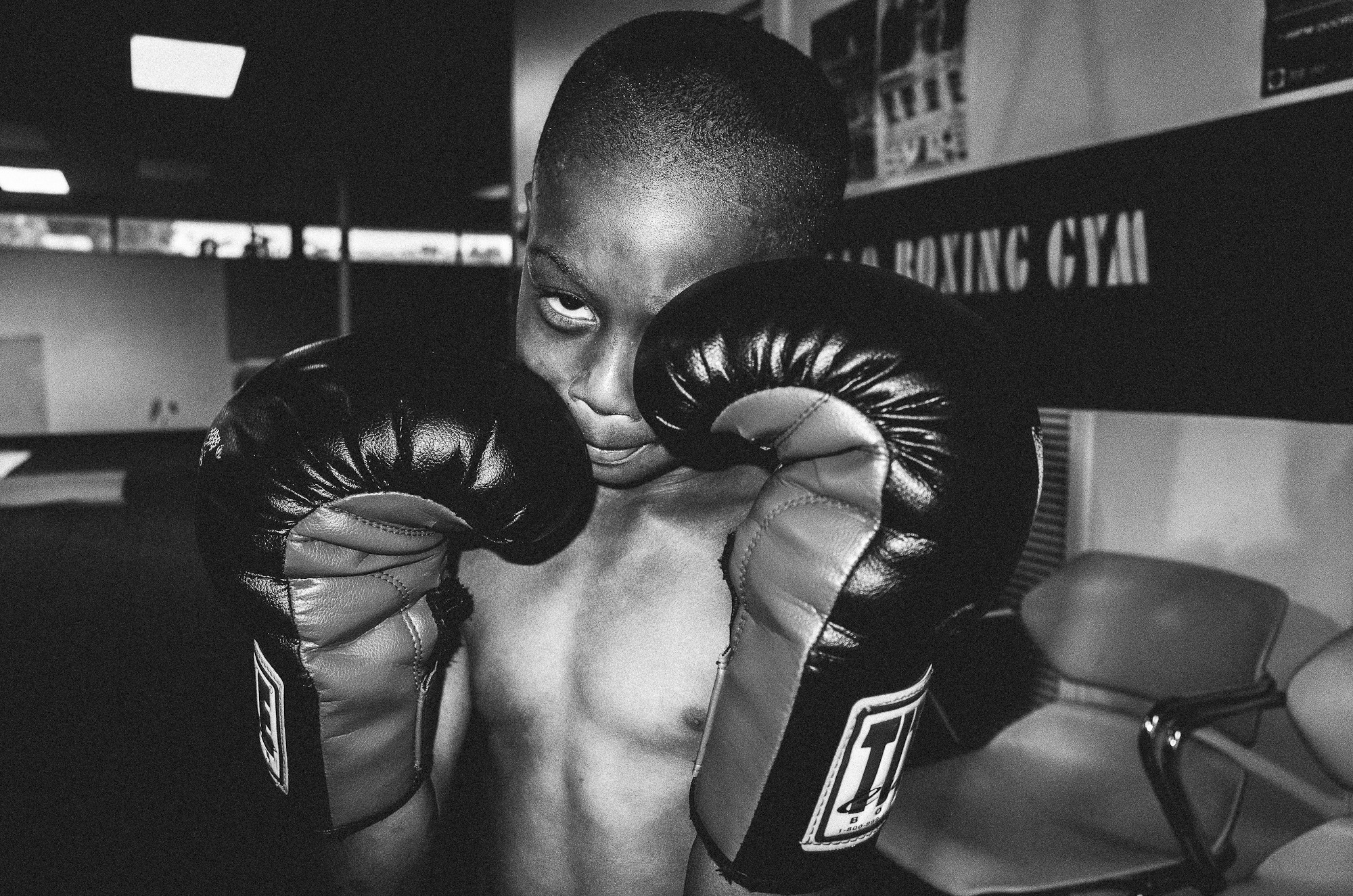
  • Gallo Boxing GoPro POV: Volume #1 (Little Boxer)

    Gallo Boxing GoPro POV: Volume #1 (Little Boxer)

    For last month’s fiestamovement challenge, I learned boxing at Gallo Boxing in Lansing, Michigan.

    I have always been fascinated with boxing culture– both the sport and the culture behind it. I remember watching tons of Rocky movies growing up, and loved the skill, determination, and physical/mental endurance that boxers had to endure to become great fighters.

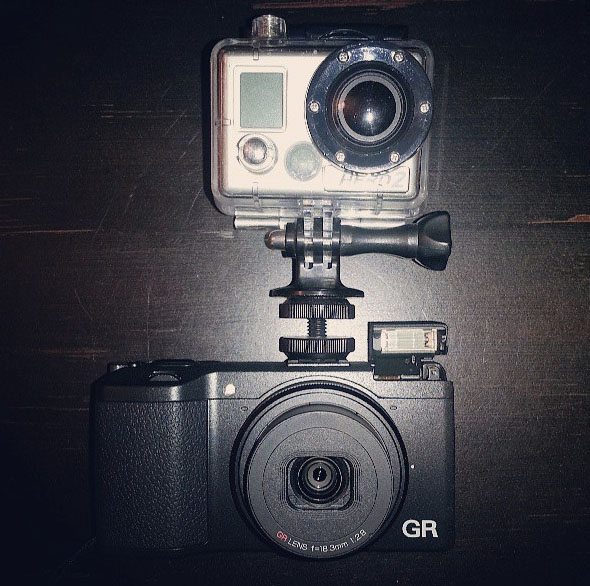
    After learning a few moves in boxing myself, I had about two weeks before heading back to California. So I took those two weeks to do a mini-documentary project on the boxers in the gym, with my GoPro Hero 3 strapped on top of my Ricoh GRD V.

    I wanted to make these GoPro videos to illustrate how I was able to build rapport with the fighters in the gym (including the very young in this video above) and how I photographed them (how I got them to move around, the angles I used, the use of flash/without flash, as well as how many photos I took).

    Shooting documentary-type work has always fascinated me– but I never had a project or location I felt passionate enough to photograph. Luckily enough, this project at Gallo Boxing was something that kept calling me back.

    (more…)

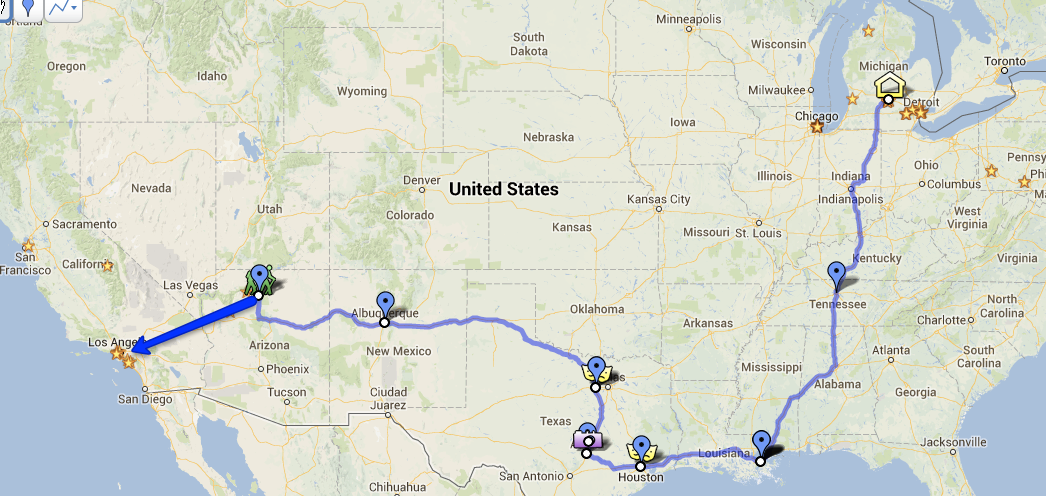
  • American Road Trip Itinerary 2013

    American Road Trip Itinerary 2013

    Click to read more

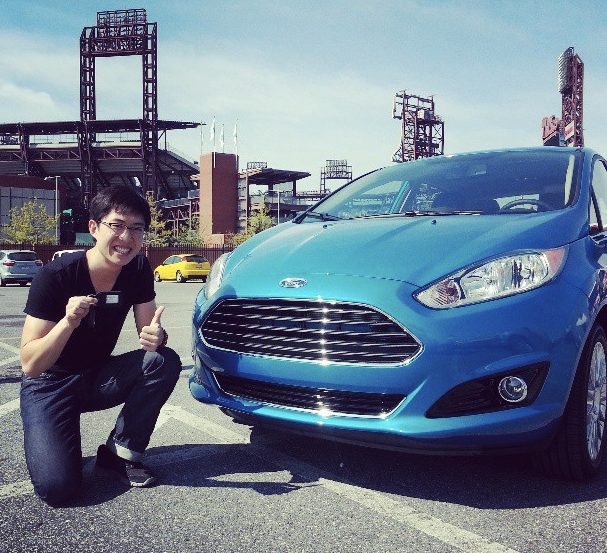
    I am excited to share our itinerary for our American Road Trip!  My girlfriend Cindy has spent the last 2 years in East Lansing, Michigan studying her Ph.D. in Vietnamese Colonial History– and has recently got accepted into UC Berkeley’s Ph.D. program in the same field. So we are packing our bags, and loading them into our Ford Fiesta and heading West!

    We plan on taking around 2 weeks for the entire trip (making stops along the way in the places below):

    1. Start: East Lansing, Michigan
    2. Indianapolis, Indiana
    3. Louisville, Kentucky
    4. Nashville, Tennessee
    5. Birmingham, Alabama
    6. New Orleans, Louisiana
    7. Houston, Texas
    8. Austin, Texas
    9. Fort Worth, Texas
    10. Albuquerque, New Mexico
    11. Grand Canyon (Hiking)
    12. End: Southern California (before we head up to Berkeley)
    You can see a Google Map Itinerary of our Road Trip.

    (more…)

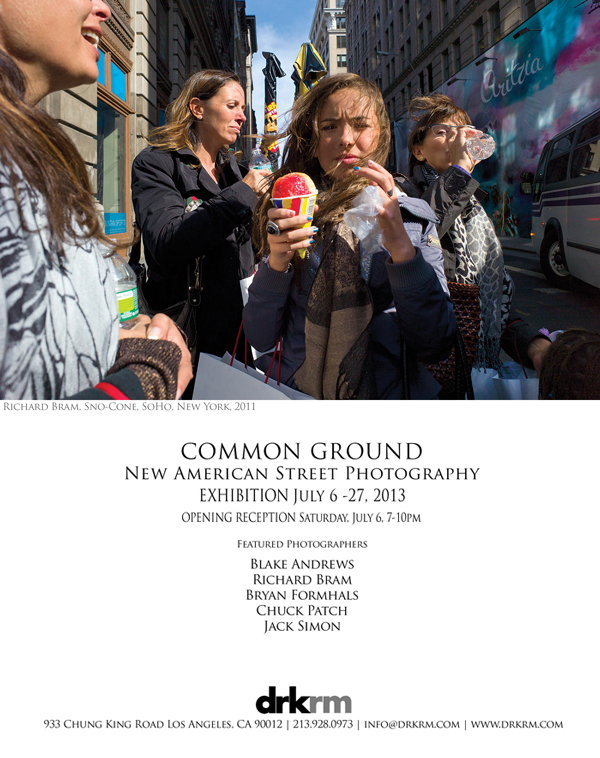
  • “Common Ground” Opening in Los Angeles, July 6-27th / Featuring: Blake Andrews, Richard Bram, Bryan Formhals, Chuck Patch, and Jack Simon

    “Common Ground” Opening in Los Angeles, July 6-27th / Featuring: Blake Andrews, Richard Bram, Bryan Formhals, Chuck Patch, and Jack Simon

    CommonGroundInvite

    I am excited to share that some of the most talented street photographers I know which include Blake Andrews, Richard Bram, Bryan Formhals, Chuck Patch, and Jack Simon are sharing some of their work at “drkrm” in LA July 6-27th, 2013.

    • Opening reception: Saturday, July 6th from 7-10pm
    • Address: 933 Chung King Road, Los Angeles, CA 90012. Google Map

    Mark it in your calendar, and spread the word! Click more to read the full press release.

    (more…)

  • 5 Lessons for Living in Street Photography (and Life)

    5 Lessons for Living in Street Photography (and Life)

    Mumbai, 2012
    Mumbai, 2012. Click to read more.

    One of the articles I read a while ago (and recently re-read) was the “Top 5 Regrets of the Dying.” To sum up, a nurse who took care of the elderly and dying kept a record of her patients’ top regrets in life.

    The top regrets of the elderly were:

    1. I wish I’d had the courage to live a life true to myself, not the life others expected of me.
    2. I wish I hadn’t worked so hard.
    3. I wish I’d had the courage to express my feelings.
    4. I wish I had stayed in touch with my friends.
    5. I wish that I had let myself be happier.

    I think we can apply this same mentality to street photography to prevent regrets in our life.

    (more…)

  • 8 Rare Insights From an Interview with Josef Koudelka at Look3

    8 Rare Insights From an Interview with Josef Koudelka at Look3

    1x1.trans 10 Lessons Josef Koudelka Has Taught Me About Street Photography
    © Josef Koudelka / Magnum Photos. Click to read more

    Josef Koudelka, one of the greatest living photographers in history, gave a rare interview at Look 3 in Charlottesville recently. You can see a full transcript of the interview here, but I wanted to share some specific insights which I got from the interview below.

    (more…)

  • Interview with Tomas Leach, Director of “In No Great Hurry: 13 Lessons in Life with Saul Leiter”

    Interview with Tomas Leach, Director of “In No Great Hurry: 13 Lessons in Life with Saul Leiter”

    INGH7 - Saul Leiter and Director Tomas Leach
    Saul Leiter and Director Tomas Leach. Click to read more.

    Eric’s Note: I am pleased to share this interview with Tomas Leach, the director of  “In No Great Hurry: 13 Lessons in Life with Saul Leiter.” If you haven’t watched it yet, make sure to catch a screening near you, and also check out my interview with him below.

    (more…)

  • American Street Portrait Interview #1: Eric Rivera, Ex-Wall Street Trader Turned Philosopher in Philadelphia

    American Street Portrait Interview #1: Eric Rivera, Ex-Wall Street Trader Turned Philosopher in Philadelphia

    Click to read more
    Eric Rivera in Philly, 2013

    When I was in Philly to pick up my Ford Fiesta for the Fiestamovement campaign, I met up with Chris Urie, a street photographer and journalist based in Philly. We took a stroll around one of the major parks there (forget what it was called) and we started to chat with some of the people we met in the park.

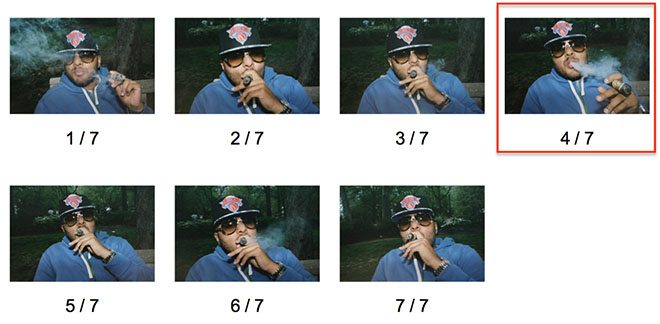
    One character I was fascinated with was named Eric Rivera. When I first spotted him, he was chilling on a park bench, enjoying the beautiful weather, while puffing on a nice cuban cigar — donning his Knicks hat with crocodile leather on the bill, and some pretty fly looking sunglasses.

    I approached him and commented that I liked his outfit–and we just started to chat. As part of my “America” street photography project, I had my GoPro with me and asked to interview him–so I could learn more about his personal story. What he shared surprised me.

    (more…)

  • The Importance of Letting Your Photos Marinate

    The Importance of Letting Your Photos Marinate

    Click to read more
    Hong Kong, 2013

    I think one of the most difficult aspects of photography is the editing process (choosing your best images). Garry Winogrand famously said, “Sometimes photographers mistake emotion for what makes a great street photograph.”

    Winogrand famously shot like a madman (shooting several rolls a day for his lifetime), but had the discipline to not even process his photos for a year after he shot them. Why did he do this? In order to forget the memory of having taken those shots– so he could be more critical and objective when it came to choosing his best images.

    It is always easier to judge and critique other people’s photographs. Therefore one of the benefits of forgetting some of the shots you took is that you can look at your own photos not like that of your own– but that of a stranger.

    (more…)

  • Environmental Portrait GoPro POV at Kane’s Diner in New York

    Environmental Portrait GoPro POV at Kane’s Diner in New York

    The story: When in New York, I stayed with my good friend Spencer (childhood friend) in Queens. Another of my good childhood friends (Aditiya) mentioned that before I left New York, I had to check out Kane’s diner— a 24-hour diner which they frequently visited.

    I didn’t expect to go there– but one of the days when I was walking to the subway, I spotted it. I stepped in, checked the Yelp reviews, and saw that their Steak and Eggs were quite popular. I ordered some.

    I also started talking with the waiter–who was extremely friendly. We connected well, and he gave me the best steak & eggs I have ever had (at a reasonable price).

    I then remembered my new Ricoh GRD V in my bag, and my GoPro that I brought to do some POV videos during my travels. I thought it was the perfect opportunity for me to ask him to take some photos.

    (more…)

  • The Tao of Street Photography

    The Tao of Street Photography

    Click to read more
    NYC, 2013. Click to read more.

    A fun and uplifting book I recently read was “The Tao of Pooh.” To sum up the book, the author explains the philosophy of Taosim through (believe it not) Winnie the Pooh. Yeah, I know it sounds ridiculous, but the author does a superb job sewing the two concepts together– in a language relatable and easy-to-understand for the viewer. Having grown up on Winnie the Pooh, I can certainly say that it brought the concepts of Taosim to life for me.

    Similarly to Zen Buddhism, Taoism is a philosophy which was first introduced by Lao Tse in a book called: “Tao Tse Ching.” The philosophy of Taoism advocates staying calm and happy in all circumstances, no matter how difficult or arduous the outside world can be.

    So what is the difference between Buddhism and Taosim?

    • Buddhism sees the outside world in a much more negative light– describing “the bitter wind of everyday existence.”
    • Taoism sees the world as “…not full of traps, but valuable lessons.” Therefore through Taoism we should appreciate, learn from, and work with whatever happens in everyday life.

    A great analogy explained is the analogy of tasting vinegar. Many different people often taste vinegar, and complain of how sour it is and groan. However the Taoist would taste the vinegar and regardless of the taste, still smile. The takeaway idea is that we should turn negatives into positives, regardless of the situation.

    There are lots of insights I’ve gained through Taosim and especially “The Tao of Pooh” that I can relate back to street photography. Also note I am not an expert on Taosim, so please correct any mistakes I make in the comments below.

    (more…)

  • 4 Lessons I’ve Learned from the Magnum Photos Toronto Workshop

    4 Lessons I’ve Learned from the Magnum Photos Toronto Workshop

    Click to read more

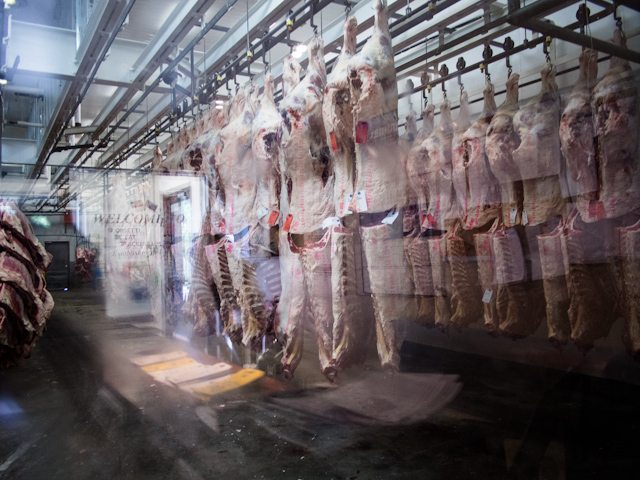
    Eric’s Note: This article is written by Neil Ta, my manager and good friend who recently attended a Magnum Photos workshop in Toronto. The project he worked on for the week was “Meat Locker.” Below is his write-up of the experience and the lessons he’s personally learned. You can see upcoming Magnum workshops and events here.

    Neil: I recently had the opportunity to attend a Magnum Photos workshop in Toronto as part of the Scotiabank Contact Photography Festival, which is one of the largest of its kind in the world. For the last six years, Contact has invited members of Magnum to run workshops focusing on photojournalism, documentary storytelling, and street photography.

    This year’s line-up of instructors included Magnum Associate Moises Saman and Magnum Nominee Zoe Strauss. Moises is most well-known for the work he’s done in Afghanistan and Iraq and his focus more recently has been in documenting the Arab Spring. Zoe’s extensive work is more regionally focused in the community where she was born and raised – Philadelphia.

    I ultimately chose to go with Moises over Zoe because I felt his work was a lot different than my own and I hoped he’d be there to guide me through a more photojournalistic project over the week.

    (more…)

  • 10 Lessons Weegee Has Taught Me About Street Photography

    10 Lessons Weegee Has Taught Me About Street Photography

    https://erickimphotography.com/blog/2013/05/10-lessons-weegee-has-taught-me-about-street-photography/
    Photo by Weegee. Click to read more

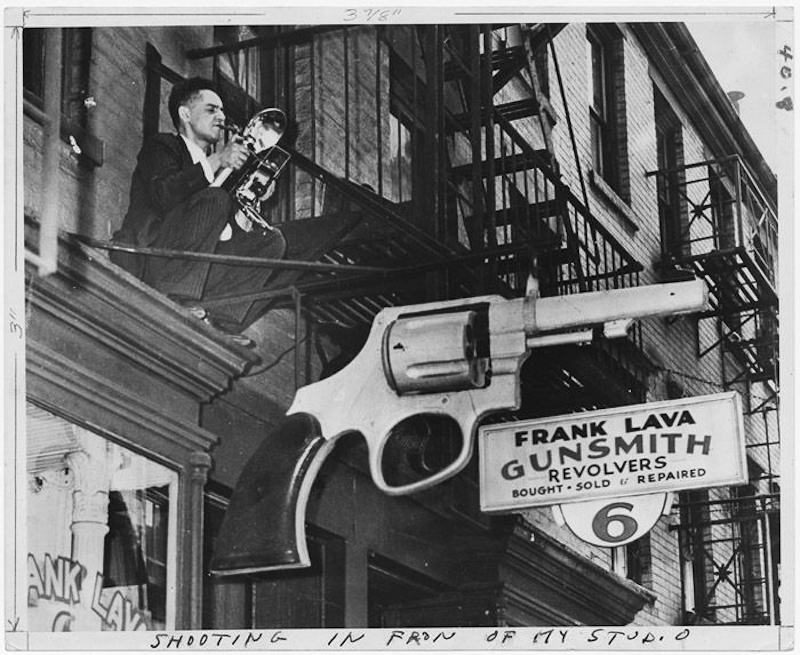
    Weegee is certainly one of the most infamous street photographers in history. Although he never called himself a street photographer (he worked as a press/news photographer) his obsession with capturing people was unparalleled. With no formal photographic training, he covered some of the most gruesome murders (and shots of everyday life) around New York City from the 1930’s to the 1940’s. Armed with a portable police-band shortwave radio, he was always on the beat for new stories to cover– and he even had a complete darkroom in the trunk of his car. This allowed him to get his photos to the newspapers as quickly as possible.

    Weegee is also famous for the use of his 4×5 Speed Graphic large-format press camera and flash– which added even more drama to his gritty black and white photos. He was certainly one of the forefathers of shooting street photography with a flash (back when they used flashbulbs). He generally shot his camera preset at f/16 at 1/200 of a second, with flashbulbs and a set focus distance of ten feet (and didn’t always know what kind of photos he got until he processed them).

    Many street photographers are under the false impression that shooting with artificial light in street photography is just a recent phenomenon. It started as early as 1887, in which the journalist Jacob Riis started using flash power to document destitute people on the streets. Certainly Weegee has had a strong influence on shooting flash in the streets to photographers such as Diane Arbus, William Klein, and Bruce Gilden.

    If you want to learn more about the philosophy behind Weegee’s work read on.

    Note: some of these photos are gruesome and NSFW. 

    (more…)

  • Curate and Sequence Your Own Custom Book at OCULI’s “HOME” Interactive Exhibit (May 22nd, 6pm, Sydney at the Cleland Bond in The Rock)

    Curate and Sequence Your Own Custom Book at OCULI’s “HOME” Interactive Exhibit (May 22nd, 6pm, Sydney at the Cleland Bond in The Rock)

    Click for more info
    Photo by Andrew Quilty
    Oculi is presenting a unique book making opportunity during the Reportage Festival in Sydney.  
     
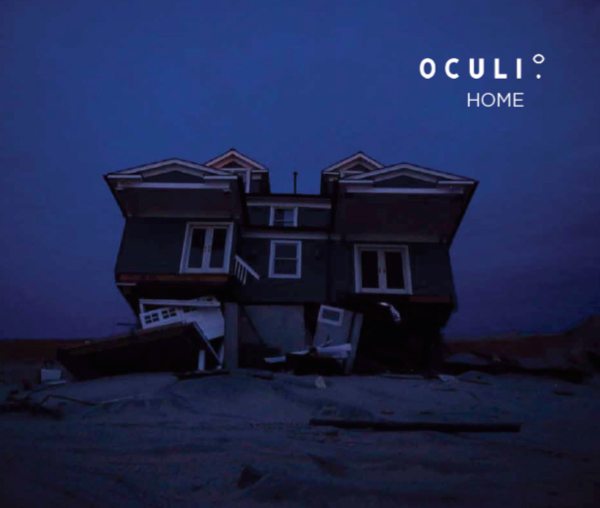
    As a part of the 2013 Reportage Documentary Photography Festival and in partnership with BLURB books, Australia’s photographic collective OCULI presents HOME, an interactive exhibition where viewers are able to curate and sequence their own custom book from the Oculi Collective’s imagery.

    The exhibition opening is May 22nd at 6pm and will run until June 10th at the Cleland Bond in The Rocks (Ground Level, 33 Playfair St.) in Sydney, Australia.

    >> Link to the Oculi exhibition and book event

    For more info about the exhibition, images, and questions to the members of Oculi, read on.

    (more…)

  • Zen in the Art of Street Photography

    Zen in the Art of Street Photography

    7127153545_ff1860c214_c
    Photograph by Rinzi Ruiz

    (All photographs in this article provided by Rinzi Ruiz)

    My good friend Nicholas Susatyo recently recommended a book to me: “Zen in the Art of Archery.” In-fact, it was the book that Henri Cartier-Bresson said had the deepest influence in his photography. I have been meaning to read it for a while, so on my flight to Philly I decided to give it a go.

    The book is written by Eugen Herrigel, a German philosophy teacher who went to Japan for several years and learned the art of archery (while teaching philosophy at a Japanese university). He heard about the art of archery, and was fascinated with the zen philosophy which was embedded in the art.

    (more…)

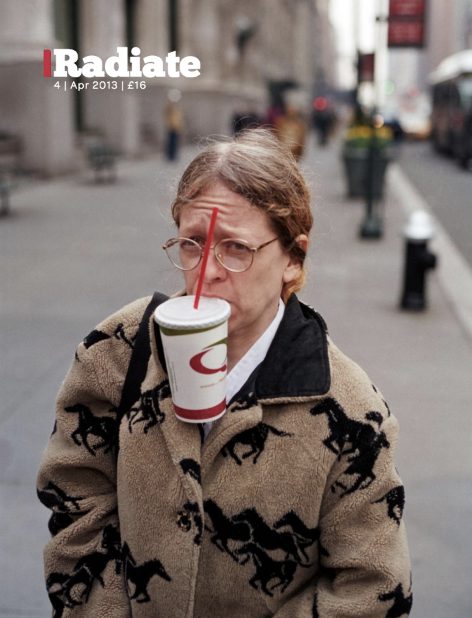
  • Radiate Magazine: Issue 4 Available!

    Radiate Magazine: Issue 4 Available!

    Click to read more
    Cover photo by Todd Gross

    I am very excited to share that Issue 4 of Radiate Magazine is available! If you love street photography I highly recommend getting a printed copy (nothing beats reading it on a Sunday morning with a warm cup of coffee). I just ordered my hard copy, and the printing and binding is superb.

    In this issue there are photos by  Simon Becker, Thierry Clech, Artur Eranosian, John Goldsmith, Todd Gross, Andrew Quilty, Kay von Aspern, and Ania Vouloudi.

    Read more to see pages from Issue 4 and other links!

    (more…)

  • 7 Lessons W. Eugene Smith Has Taught Me About Street Photography

    7 Lessons W. Eugene Smith Has Taught Me About Street Photography

    NYC, 1956. Copyright: Magnum Photos
    NYC, 1956. Copyright: Magnum Photos
    W. Eugene Smith is one of the legends of photography. Although he was notorious for being maniacal, emotionally distant, and unreasonable– he channeled those energies into being one of the best photographers history has ever seen. I consider his approach to be very similar to that of Steve Jobs.

    I hope that this article can help you get a better understanding of W. Eugene Smith, his work, and his philosophies of photography– to take your own work to new heights.

    (more…)

  • America Street Photography Roadtrip 2013-2014

    America Street Photography Roadtrip 2013-2014

    (Above video: I chat a bit about my ideas for my American Street Photography Roadtrip)

    One of my favorite photography projects of all-time is “The Americans” by Robert Frank. I have always had a dream of working on a similar project–to take my car and travel across America–documenting the people and places that I encounter.

    I am excited to share that this dream has come true (or at least the means). Ford contacted me about a few months ago letting me know about their new “Fiesta Movement” campaign in which 100 “agents” are given a new pre-production 2014 Ford Fiesta with 8 months of gas and insurance covered. The catch? We are given fun video assignments once a month to complete (that somehow have to incorporate the Fiesta).

    (more…)

  • Why Less is More in Street Photography (and Life)

    Why Less is More in Street Photography (and Life)

    Click to read more
    Brilliant photo by Josef Koudelka, showing how minimalism can be more in making a powerful image. NORTHERN IRELAND. 1978. © Josef Koudelka / Magnum Photos

    In today’s age, we are always obsessed with the concept of “more“. We falsely believe that we need more stuff, more money, more more cameras, more lenses, more megapixels—more, more, more.

    In one of my favorite books “Antifragile” (I mention this book in a prior post on the “barbell theory”), the author Nassim Taleb advocates that the secret of health, wisdom, and happiness can be obtained through less, not more. Taleb calls this approach “via negativa that we should focus on subtraction, not addition in life.

    For example, nobody really knows what makes us happy. However, we know what makes us unhappy and miserable. Therefore the key to happiness may not so much be the “pursuit of happiness”– but the “avoidance of unhappiness.” I think the same applies to happiness in street photography — focusing on less, not more.

    (more…)

  • How to Direct Your Subjects When Shooting Street Portraits

    How to Direct Your Subjects When Shooting Street Portraits

    (Above video: New street portrait POV video I recorded in Chicago. Chicago Street Portraits, Volume #5)

    I have always been drawn to people, especially those who I find are interesting “characters.” I tend to gravitate towards people who have interesting facial expressions, to those with outstanding outfits, or accessories.

    Although the majority of the street photography I do is done candidly, I have been drawn towards doing more posed street portraits of people I find interesting. Why? I find it gives me more time to interact with them, learn more about their lives, and also to take more photos of them (with their cooperation).

    So once I get my subjects’ attention– how do I direct them and what is some of the psychology that goes behind it? I will share some candid thoughts (pun intended) about my process in terms of directing my subjects when taking portraits of them.

    (more…)

  • How the Philosophy of the “Barbell Theory” Can Improve Your Street Photography

    How the Philosophy of the “Barbell Theory” Can Improve Your Street Photography

    Click to read more
    See how you can incorporate the barbell theory to improve your street photography, like these guys pumping iron and getting stronger. Photo by Guy Le Querrec, FRANCE 1979. Copyright: Magnum Photos

    One of the most influential books that read in my life is “Antifragile” by Nassim Taleb. The book is part philosophy, and part a practical guide on how to live a virtuous life.

    One of the central concepts of the book is the “barbell theory.” What is the barbell theory you ask? Well, it is the concept that whenever it comes to things in life– we should approach two extremes (and avoid the boring middle). It is a concept that I have applied to many fields of my life, including street photography. I hope this article can shed a new way on how you see the world, and how you can apply this to your own personal work.

    (more…)

  • An Introduction to Shooting Street Photography With Film

    An Introduction to Shooting Street Photography With Film

    So many choices, so little time. Taken in Hong Kong
    So many choices, so little time. Dotwell Camera in Hong Kong

    For the last year and a half or so, I have been shooting my personal street photography on exclusively film. After shooting digital for around 7 years or so, it has been a great experience so far and I have learned a ton.

    When I first wanted to start shooting street photography I had a lot of fears. What if the photos don’t turn out? What settings should I use? What film is ideal? Where do I get my film processed? Or should I process it myself? What camera should I use? What chemicals do I need? The list goes on.

    I am certainly not an expert when it comes to shooting film, but I wanted to write this article as a primer for those of you who want to get your feet wet (but may not know where to start). I will use my personal experiences and opinions– but of course, feel free to experiment. And if you see any mistakes in this article, please correct me in the comments below and I will revise it.

    (more…)

  • How to Gain Mastery in Street Photography

    How to Gain Mastery in Street Photography

    Click to read more
    The master William Klein surrounded by students and fans, wanting to learn more about his work. Photograph by Guy Le Querrec. Copyright: Magnum Photos

    I recently finished a book titled: “Mastery” by Robert Greene. The book is one of those inspirational books which outlines the stories of many famous masters and how they gained mastery. Although the book was a bit cheesy at times, I still found it to be an uplifting read, filled with interesting anecdotes that definitely gives you a huge kick in the ass to go out and to “discover your life task.”

    I want to share some of the lessons I’ve learned from the book– and how one can plan to use some of the author’s advice to gain mastery in street photography. Certainly following these steps won’t necessarily cause you to gain mastery, but I certainly think it is a great blueprint.

    (more…)