Author: ERIC KIM

  • Mythopoetic, what’s that

    Who’s shepherd bliss

    Sounds like a weakling to me

    “The warrior ethic has damaged us. As we move into the twenty-first century we need to mature beyond war and warriors. I disagree with those men’s movement writers and activists who speak so highly of the warrior. I appreciate some of his traits— like courage, teamwork, loyalty— but the archetype itself is bankrupt at this point in history. We surely need guardians, boundary-setters, husbandmen , and citizens. If we are to survive on this planet, so threatened by war and warriors, we must get beyond the obsolete archetype of the warrior and value images such as the peacemaker, the partner, and the husbandman who cares for the earth and animals.”

    — Shepherd Bliss The Will to Change: Men, Masculinity, and Love

    Shepherd Bliss is a significant figure within the mythopoetic men’s movement, which sought to address and redefine notions of masculinity in response to contemporary issues facing men in society. Bliss, alongside other notable figures such as Robert Bly and Michael Meade, played a key role in promoting the idea that modern society’s disconnection from traditional male archetypes and rites of passage has led to a crisis in masculine identity and well-being.

    A veteran, academic, and farmer, Bliss has contributed to the dialogue on masculinity through writings, workshops, and public speaking. His work emphasizes the importance of emotional openness, the value of community, and the need for men to engage in introspection and personal growth. Bliss advocates for a reconnection to more holistic and nuanced expressions of masculinity, distinct from the restrictive and often harmful models prevalent in much of contemporary culture.

    Through his involvement in the mythopoetic men’s movement, Bliss has encouraged men to explore their identities, relationships, and roles in society in a more profound and meaningful way, using storytelling, mythology, and communal gatherings as tools for this exploration. Despite the criticisms and controversies surrounding some aspects of the mythopoetic men’s movement, figures like Shepherd Bliss have contributed to ongoing conversations about masculinity, its challenges, and its evolution.

    The mythopoetic men’s movement is a facet of the larger men’s movement that emerged primarily in the United States during the late 1980s and early 1990s. It focuses on spiritual, psychological, and social traditions and practices aimed at rediscovering or redefining what it means to be a man. The movement gained prominence through the work of poets, authors, and thinkers like Robert Bly, whose book “Iron John: A Book About Men” (1990) became a bestseller and is often cited as a seminal work in the mythopoetic men’s movement.

    The “mythopoetic” term itself suggests a return to ancient myths, stories, and rituals as a source of wisdom and insight into the male psyche and the challenges of masculine identity. Adherents believe that modern society lacks meaningful rites of passage and myths that guide men into mature adulthood. By revisiting these ancient stories and engaging in group rituals and personal reflection, men can find healthier, more integrated ways of being that are not at odds with their masculinity.

    Key aspects of the mythopoetic men’s movement include:

    • Exploration of Masculinity: Participants explore various facets of masculinity through discussions, storytelling, and personal introspection, seeking to understand and embody a more holistic and authentic form of manhood.
    • Rites of Passage: The movement places a strong emphasis on rites of passage, which it views as crucial for men’s emotional and psychological development. These rites are often modeled after traditional ceremonies and rituals from various cultures.
    • Emotional Expression: Encouraging men to express their emotions more openly and to forge deep, meaningful relationships with other men as a counter to the traditional stoicism associated with masculinity.
    • Reconnection with Nature: Many mythopoetic gatherings and retreats take place in natural settings, emphasizing the importance of reconnecting with the natural world.

    While the mythopoetic men’s movement has contributed to opening dialogues about masculinity, emotions, and men’s roles in modern society, it has also faced criticism. Some feminists and scholars argue that it can unintentionally reinforce certain gender stereotypes or fail to fully address the dynamics of power and privilege. Nevertheless, it represents an important early effort to engage men in the conversation about gender roles and the impact of societal expectations on individual well-being.

  • Who coined the phrase toxic masculinity?

    I have an intervention:

    Perhaps only men should be allowed to use the phrase “toxic masculine”, not women.

    How and when did the phrase take off?

    The phrase “toxic masculinity” took off more broadly in public and academic discourse in the 2010s, although its conceptual roots go back to the late 20th century. Several factors contributed to the rise in popularity and recognition of this term:

    1. Academic Research and Theory: The term gained traction in academic circles through gender studies, psychology, and sociology research. Scholars used it to discuss how certain cultural norms surrounding masculinity can be harmful to men, women, and society. This academic discussion laid the groundwork for broader public awareness.
    2. Social Movements: The growth of feminist movements and advocacy for gender equality contributed significantly to discussions about masculinity. As conversations about gender roles, gender equality, and the impacts of patriarchy became more mainstream, terms like “toxic masculinity” began to emerge more frequently in public discourse.
    3. Media and Social Media: The rapid expansion of digital media and social networking platforms in the 21st century played a crucial role in spreading the concept of toxic masculinity. High-profile incidents involving gender-based violence, sexual harassment, and discrimination, alongside movements like #MeToo and Time’s Up, brought considerable attention to the negative aspects of traditional masculinity. These discussions were amplified through social media, making the term more widely recognized.
    4. Public Awareness Campaigns: NGOs, public health organizations, and social campaigns aiming to address issues like mental health, domestic violence, and gender-based violence used the concept of toxic masculinity to highlight how harmful gender norms can affect individuals and communities. These efforts helped popularize the term outside of academic and feminist circles, making it a part of everyday language.
    5. Cultural Shifts: A broader cultural shift towards questioning and reevaluating traditional gender roles and norms has made discussions about toxic masculinity more relevant and pressing. As society becomes more open to diverse expressions of gender and identity, understanding the ways in which traditional masculinity can be restrictive or harmful has become a key part of broader dialogues about gender equality and personal well-being.

    The culmination of these factors, especially in the 2010s, led to “toxic masculinity” becoming a widely recognized and discussed term. It now plays a significant role in conversations about gender, mental health, and societal norms, reflecting a growing awareness and critique of harmful gendered behaviors and expectations.

    The term “toxic masculinity” has its roots in discussions about the impact of certain male behaviors on men, women, and society at large. It emerged from the mythopoetic men’s movement of the 1980s and 1990s, which was itself a part of a broader wave of men’s movements. These movements aimed to redefine male identity and masculinity in a way that moved away from harmful stereotypes and norms.

    Shepard Bliss, one of the leading figures of the mythopoetic men’s movement, is often credited with popularizing the concept, although the phrase “toxic masculinity” itself might not have been explicitly used by him in the early discussions. The term was initially used to critique the restrictive definitions of masculinity that limit men’s emotional expression and encourage domination and aggression. Over time, academic and social discourse expanded on this concept, using “toxic masculinity” to describe societal expectations of men that can contribute to detrimental social and psychological effects both for men and for those around them.

    The concept gained further prominence and specificity within the fields of psychology and gender studies, particularly through the work of researchers and theorists who have explored the negative impacts of certain traditional masculine norms and behaviors. Today, it’s widely discussed in conversations about gender, health, and society, aiming to address and challenge harmful aspects of traditional masculinity for the benefit of all genders.

  • ANTI MEN?

    The war on men?

    Very weird new modern day trends: nonsensical notions of “toxic masculinity”; etc —

    Why have I never heard of something which is “positive“ masculinity?

    Also —

    I find it very bizarre that it is women, who have coined the term “toxic masculinity”, not a man.

  • OUTSIDE

    The new Athens?

  • #NOCASE FEEL?

    OK, now that I am stupid rich, looking once again for the ideal phone or iPhone whatever;

    I went to the Apple Store, 3rd St., Promenade apple, in Santa Monica, tried holding all the phones without a case in my bare hand.

    The new iPhone is actually really interesting, the 15, the mat Crystal glass finish; but it is not super creepy, doesn’t feel very secure in the hand. Also the iPhone Pro feels too slippery.

    Still… Thinking about it, my iPhone SE, with the simple glass standard back in case, feels the most secure in my hand?

  • Hormones and History?

    So I’m currently reading this book on testosterone, written by I believe two female professors, and for the most part, I find the book insanely boring.

    First, it does seem that the science behind testosterone is much more complex and we thought it was. I also suppose I made the mistake for a long time:

    More testosterone does not mean more manly.

    I suppose what the authors uncovered was testosterone isn’t necessarily the “masculine” hormone.

    I suppose the reason why I find this really fascinating is this:

    Perhaps the best instructors aren’t science, but history.

    For example, better to study analyze and consider the courage of an Achilles or a Hector, instead of concerning ourselves too much about the science behind testosterone and hormones etc.

    Everything modern is bad?

  • I NEED THE STRONGEST STIMULI POSSIBLE?

    More cold brew!

    More beautiful women! More sun! More muscle!

  • THE BEST OF THE BEST

    With your wife, with your spouse… only the best of the best—

    As a result, your kid will also be the best of the best.

  • Real Life

    In real life, the only thing which matters is winning. Doesn’t matter how you win, what your strategy is etc. It doesn’t even matter if you were right or wrong, or your theory behind things. Winning is the thing that only matters.

    For example StarCraft, StarCraft two, using the four gate strategy for Protoss is seeing as an improper strategy, only for “noobs”. Or “cheez”.

    44, I was able to easily get into diamond league in SAP too simply by using the four grade strategy on most of my games 1V1. Some people would “rage quit“, start cursing at me or calling me a noob, etc. But let us consider —

    If you were actually a really good StarCraft player, a pro level player, you should easily be able to ward off a four gate strategy.

    In StarCraft and in real life; winning is only thing that matters. It doesn’t matter your strategy. Just win at all costs!

    Gl, hf

    Good luck, have fun!

  • I GUESS CRYPTO IS HERE TO STAY.

    Hearing two LA zillenials talking about it on the Culver Steps… 20 cent margin trading?

  • NEW KINGS

    Also Seneca — the happiest kid of all time?

    The happiest kid of all time?

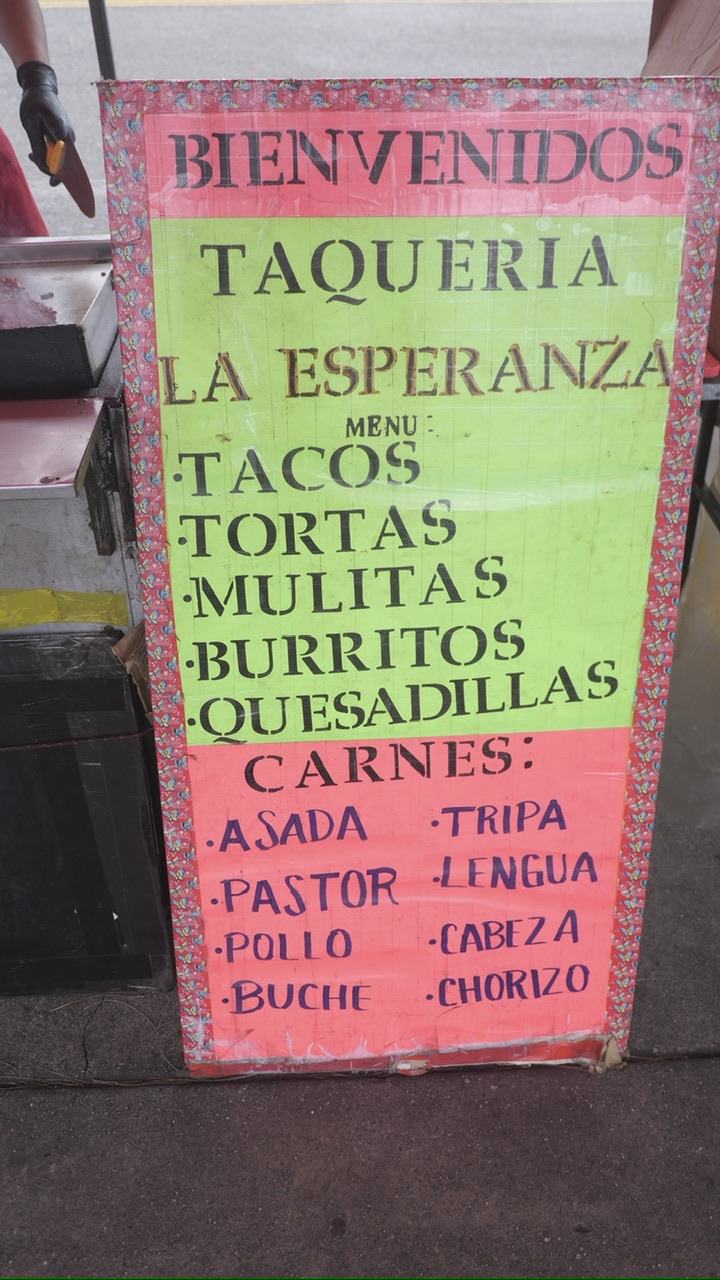
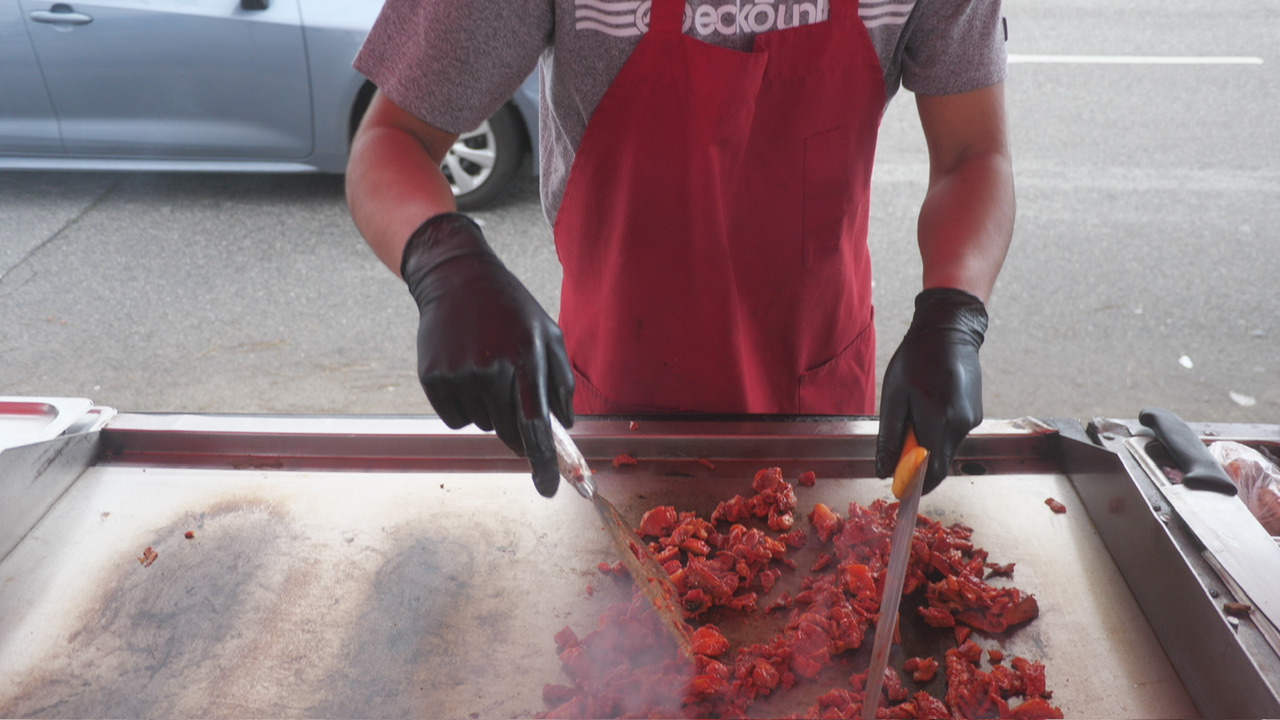
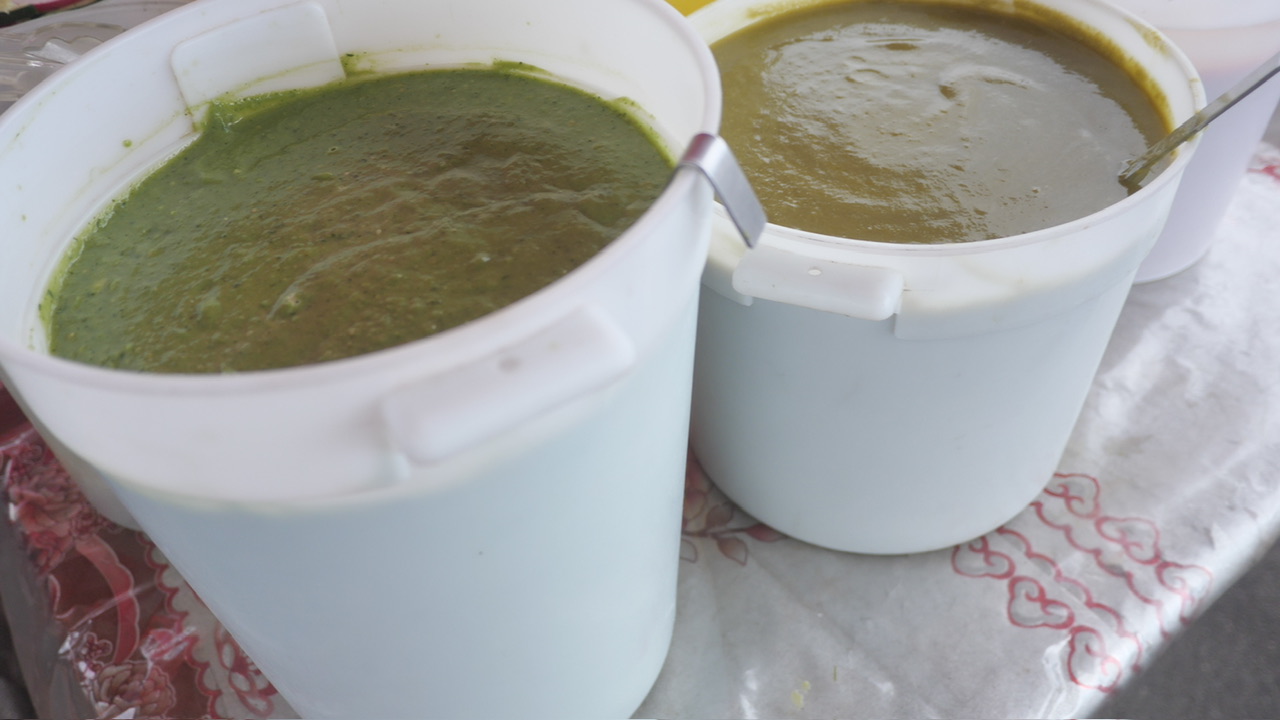
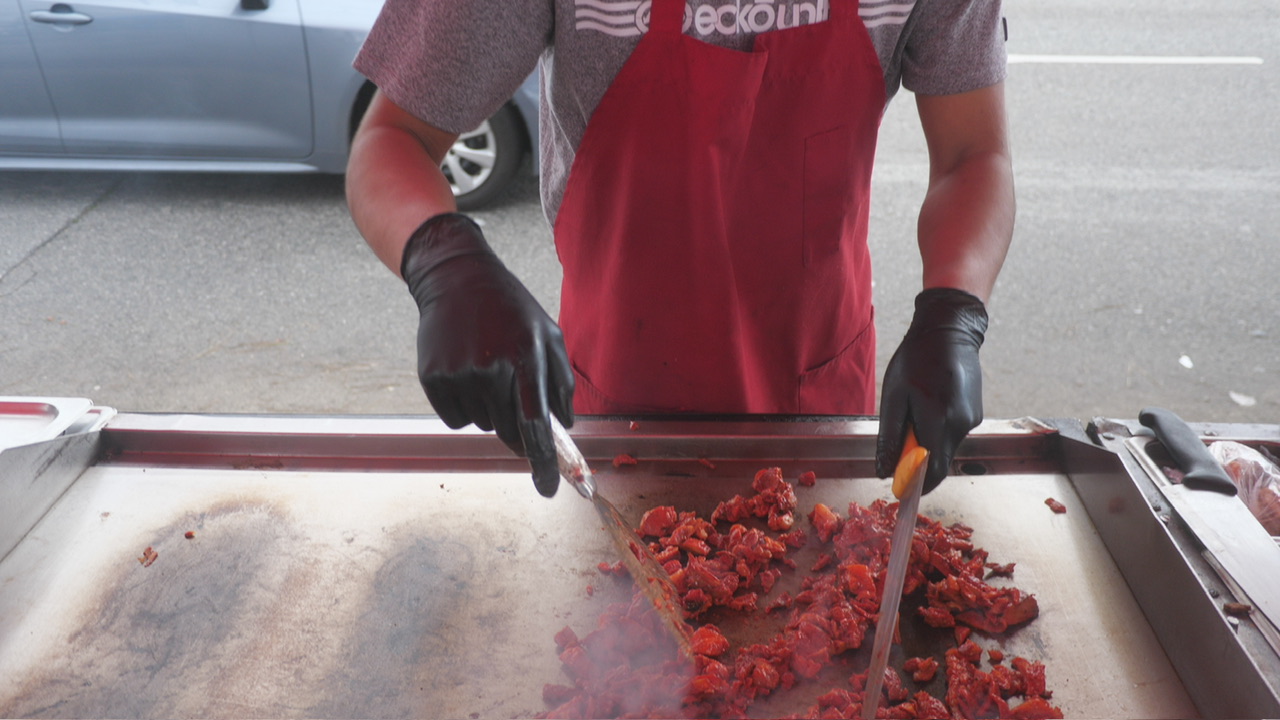
  • THE BEST TACOS IN LA?

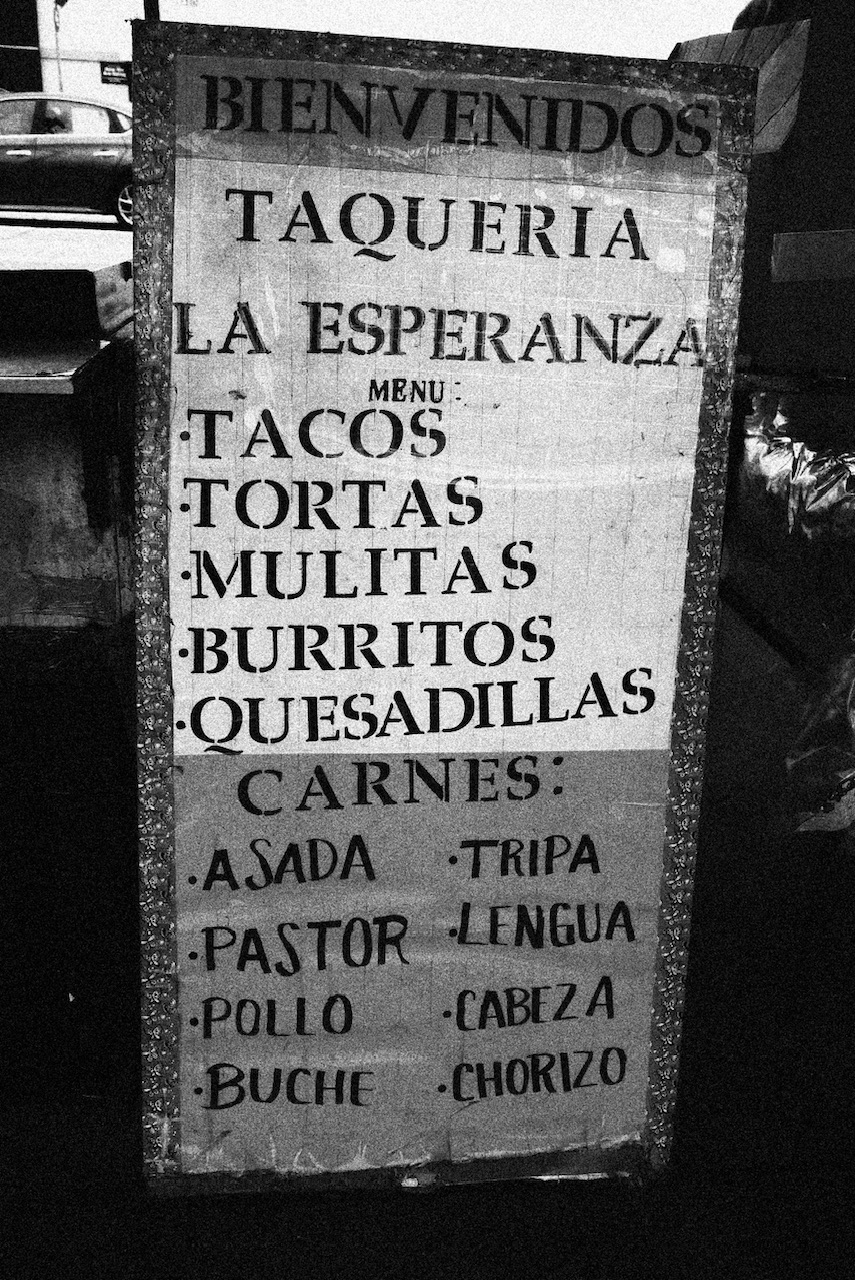
    Tacos

    On Sawtelle next across the street from Galbi King —

  • Food is the Game Changer

    In praise of the co-op— co opportunity LA Mart

  • Why do cowboys wear denim?

    Cowboys wear denim primarily for its durability, comfort, and protection. Denim, particularly in the form of jeans, became popular among cowboys in the late 19th century. Here are a few reasons why denim became a staple for cowboys:

    1. Durability: Denim is a rugged, sturdy fabric that can withstand the harsh conditions of ranch work and long hours on horseback. Its tight weave and strong cotton fibers resist tears and abrasions, making it ideal for the physical demands of cowboy life.
    2. Protection: The thick fabric provides protection against the elements, including sun, wind, and minor scrapes from brush or other hazards encountered while working with cattle or riding through rough terrain.
    3. Comfort and Fit: Over time, denim softens and molds to the wearer’s body, offering a comfortable fit that is essential for someone spending long days working outdoors. The fit and flexibility of denim jeans also allow for ease of movement.
    4. Practicality: Jeans are practical for the kind of work cowboys do. They have strong seams, durable pockets for carrying small tools or personal items, and a fit that is compatible with riding horses.
    5. Cultural Iconography: As denim jeans became more associated with the cowboy lifestyle, they also became a symbol of the rugged individualism and adventurous spirit of the American West. This cultural iconography helped cement denim’s place in cowboy attire and American fashion more broadly.

    The adoption of denim by cowboys was significantly influenced by brands like Levi Strauss & Co., which began producing denim jeans specifically designed for miners and workmen in the late 1800s. These jeans quickly became popular among cowboys for their durability and comfort.

  • Autopilot Cameras

    A Tesla is a camera on wheels?

  • Greed is Hunger

    Stay hungry, stay foolish

    To hunger, long for —

    From Middle English gredy, from Anglian Old English grÄ“diÄ¡ (“greedy, hungry, eager”)(cognate West Saxon form grÇ£diÄ¡), from Proto-Germanic *grÄ“dagaz (“hungry”), from Proto-Germanic *grÄ“daz*grÄ“duz*grÄ“dô(“hunger”), from Proto-Indo-European*gʰrÄ“dʰ- (“to be hungry, long for”), equivalent to greed +‎ -y.

    The term “greed” originates from the Old English word “grædig,” meaning “voracious” or “covetous,” which itself comes from a Proto-Germanic root. This root is also the source of related words in other Germanic languages, such as the Old Saxon “gradag,” meaning “greedy,” and the Old Norse “grāðigr,” with a similar meaning. The Proto-Germanic root is reconstructed as *grÄ“daz, which likely meant “hungry” or “eager,” and it is possibly derived from a Proto-Indo-European root expressing the concept of hunger or eagerness.

    Over time, the meaning of “greed” has evolved and expanded. In its early uses in English, it primarily described physical hunger or appetite, but by the Middle Ages, it had taken on the more specific sense of an excessive or inappropriate desire for wealth or possessions. This transition reflects a broader shift in the word’s connotation, from a neutral description of desire or need to a moral judgment about the nature and appropriateness of that desire.

    The current definition of greed, as an intense and selfish desire for something, especially wealth, power, or food, reflects centuries of this moral, social, and linguistic evolution. The term now encompasses a broad range of behaviors and attitudes, from the personal to the societal, and it is often used in discussions of ethics, economics, and politics to critique individuals or systems that prioritize accumulation and consumption over other values.

  • If I designed my own car or phone, what would it look like?

    Also my house home, neighborhood, closed devices, cameras etc.

  • “Upgrade” is More Power

    A feeling of more power… for the sake of what?

  • What is the “real world”?

    Physical … physical activity … physical muscles ,., a mega stature!

  • YOU.

    Be you —

    Audio

    Link

  • How many bitcoins in the personal wallet of satoshi

    Wow … $66B worth of Bitcoin?

    The total value of 1 million bitcoins at a price of $66,000 each would be $66 billion.

    The number of bitcoins owned by Satoshi Nakamoto, the pseudonymous creator of Bitcoin, is estimated to be around 1 million BTC. This figure is based on analysis of the blockchain and early mining activity, suggesting that Satoshi mined as many as 1.1 million bitcoins in the currency’s infancy. These holdings, now worth billions of dollars, have remained untouched to this day oai_citation:1,How many Bitcoin does its inventor Satoshi Nakamoto still own?. However, it’s important to note that these numbers are estimates, and the exact amount of Bitcoin owned by Satoshi Nakamoto cannot be definitively known due to the pseudonymous nature of blockchain transactions.

  • BITCOIN BELONGS TO ME

    I’ve been following Bitcoin for a long time ever since 2016-2017…which is almost 7-8 years? Ever since Bitcoin was only $300 a Bitcoin.

  • BITCOIN TO THE MOON!

    At $66,283.08 a Bitcoin now… wow

  • Carte Blanche Weightlifting

    If you started weightlifting all over again today,,, how would you do it, and how would you do it differently?

  • Philosophy & Physiology

    My two passions —

  • New chapters, new beginnings.

    What interests you *RIGHT NOW*?

  • EAT AS LATE AS HUMANLY POSSIBLE

    Preferably right before you’re gonna sleep!

  • BE YOU.

    This critique outlines a robust challenge to what the author perceives as a “loser mentality” pervasive in contemporary society, advocating for a radical shift towards personal responsibility, physical fitness, and dietary changes. Here’s a concise summary:

    1. Critique of Modern Society’s Loser Mentality: The author criticizes the prevalent lack of belief in self-agency within society, arguing that many people do not believe they have significant control over their destiny, bodies, or souls.
    2. Personal Journey of Transformation: Reflecting on a childhood marked by obesity and familial challenges, the author shares a transformative journey towards fitness and health, emphasizing self-initiated change.
    3. Gender Differences in Body Goals: The author notes distinct societal expectations for men and women regarding body image, achieved through steroids and plastic surgery, respectively.
    4. Dietary Recommendations: Advocates for a carnivore diet rich in organ meats and grass-fed meats for both men and women, criticizing the consumption of plant-based foods and processed sugars.
    5. Importance of Physical Fitness: Suggests that physical activity and being outdoors are essential for mental and physical health, criticizing the medical establishment’s separation of body and mind.
    6. Personal Fascination and Self-Improvement: Encourages embracing one’s own interests and physical fitness, challenging societal norms that discourage self-focus.
    7. Will to Power and Achieving Goals: Stresses the importance of determination in achieving body goals, recommending a diet devoid of sugars, starches, and alcohol, and focusing on meat consumption.
    8. Skepticism Towards Conventional Nutrition Science: Critiques the mainstream nutritional science and advocates for a diet focused on increasing testosterone through the consumption of specific meats.
    9. Exercise as Play: Views exercise not as a duty but as a form of play and joy, recommending autotelic exercise for enjoyment rather than obligation.
    10. Critique of Environmental Arguments Against Meat Consumption: Dismisses environmental criticisms of meat consumption as hypocritical, arguing for the prioritization of physical health and aesthetics.
    11. Actionable Steps for Personal Transformation: Provides practical advice for investing in one’s health through diet and fitness equipment, advocating for a significant reduction in media consumption.
    12. Encouragement of Nature Engagement: Recommends spending more time outdoors and in nature as a means to improve mood and overall well-being.

    In essence, this critique argues for a radical personal responsibility towards health, fitness, and diet, challenging societal norms and scientific consensus, and advocating for a return to more primal, meat-focused dietary practices and physical robustness.

  • A Critique of the Loser Mentality

    The bone I have to pick with modern-day society is that the ideology is so loser-oriented. What that means is that I think humans don’t believe in their own self-agency as much; we seem to not think that we have that much control over our destiny, our bodies, our souls, etc.

    The Will to Succeed?

    Ever since I was a kid, ever since I was a fat 11-12-year-old kid in New York, my mom was working two full-time jobs, my dad was a deadbeat, just watching TV and movies at home all day, and I was a fat kid. I remember having a triple chin in the humid New York summers, not being able to fall asleep because all the chins stacked on top of each other, and I couldn’t fall asleep until I rubbed some Vaseline under my chins. I think I even recall weighing myself as a kid, maybe at around 11 years old, I think I was 120 pounds, and pretty short? This was before puberty.

    I think the issue was way too much orange juice, hot pockets, sugary stuff, without knowing it. Also lots of barbecue sauce, ketchup, etc.

    Anyways, at the age of 11, I made a vow to change things. Our friend Spencer laughs in warm recollection of how I started putting rocks in my backpack, running around Bayside Queens, trying to get fit. I asked my mom to buy me some weights, some dumbbells, and I still recall, her purchasing me 15-pound dumbbells, and eventually, I got strong enough that I could stack two 15-pound dumbbells on top of each other, and lift them as 30 pounds. Then later, getting 50-pound dumbbells, etc.

    So one thing that a lot of people don’t know about me, which even predates Tarpy, is my passion for diet, health, fitness, working out, muscles, etc. I’ve literally tried everything. High fat, low-fat, high carb, low-carb, intermittent fasting, 7 to 8 small meals a day, bodybuilding, etc. More recently, powerlifting, now it is tending more towards strongman style.

    “Realistic” vs “Unrealistic” Body Goals?

    So this is a big differentiation between men and women; men want to get super jacked like the Terminator, and look like the Incredible Hulk or orc, which is typically done by doing steroids, artificial testosterone injections, and consumptions, etc. Women, on the other hand, seem to want to look slim, have a big butt, big breasts, etc.; and a certain facial structure which is predicated on makeup, plastic surgery, and Botox, breast and butt augmentation.

    So this is the difference:

    1. For women, the ideal body look and facial look is achieved through plastic surgery.
    2. For men, the ideal body look, physique, and composition is achieved through steroids.

    Simple

    OK, I have a super simple suggestion for both men and women:

    1. First, 100% Carnivore Diet for Both Men and Women. Plants Are for Cows.

    A diet which is predominantly organ meat, grass-fed meat, bone marrow, etc. If you live in LA, just go to Gelson’s and ask them to cut you some bone marrow in the back. Or if you go to the local markets or organic markets, they often have frozen beef liver in the fridge or whatever.

    For men and women, liver might be one of the most nutritious food items on the planet.

    Therefore, if you’re just out and about with your kid and you see some organ meats at Whole Foods or wherever, just buy it and deal with it later.

    2. Being Outside and Physical Fitness

    So there are a lot of people who have therapists and mental things they want to deal with, etc.; I was asking my friend Jeffrey about this, who is now a young therapist, studying to be a psychiatrist, and I asked him:

    as a therapist, are you allowed to prescribe exercise or physical activity for your patients?

    He said no. Because in America, we have a strange relationship with our bodies. On one hand, I think a lot of people desire to just become like a vessel, a brain in a fishbowl. People are fools; they don’t seem to understand that the truth is I wonder if 99% of our “mental illnesses”, are actually physical in origin.

    For example, being outside, direct access to the direct sun and UV radiation, I would rather get skin cancer than be miserable and be inside all day.

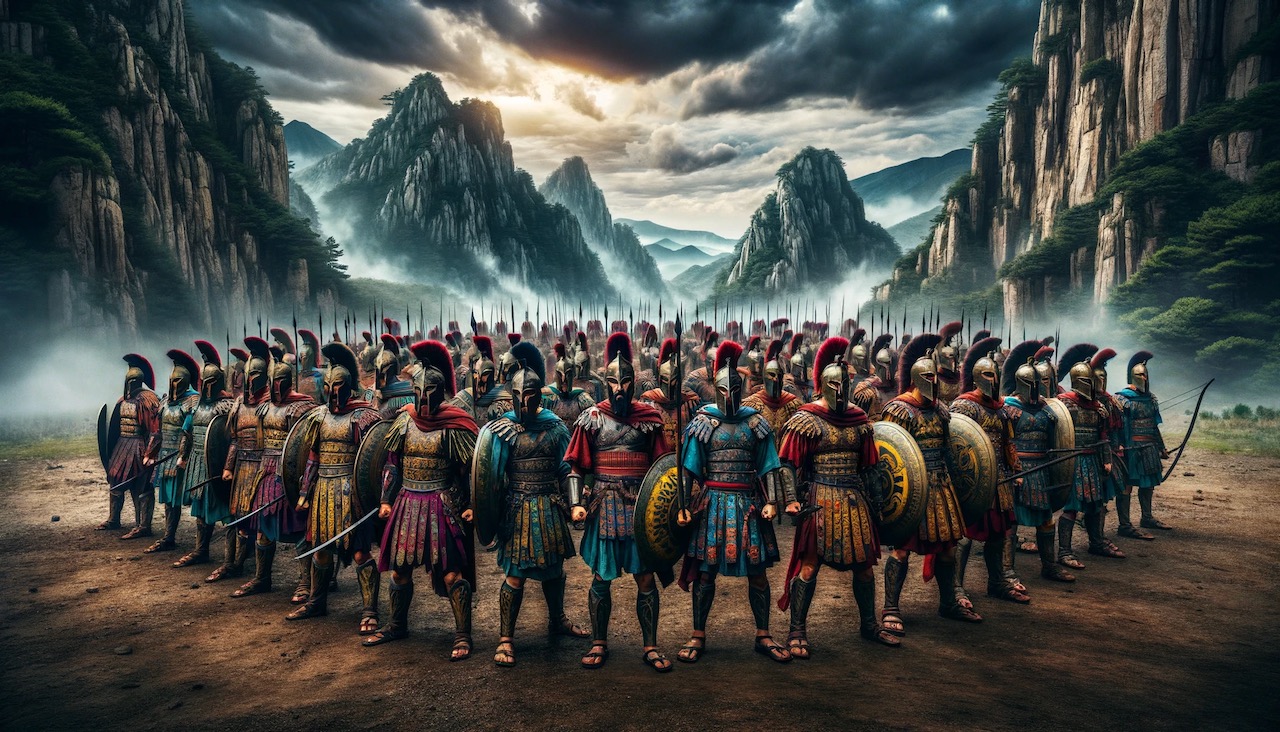
    Second, some sort of physical activity or exercise. This is both critical for men and women. In ancient Sparta, I believe the girls trained as hard as the boys.

    Also in ancient Sparta, they predicted correctly that once women were physically fit, they would get stronger children.

    “Do You Do CrossFit?”

    One of the best low-key compliments that I’ve been getting from people is this:

    “Do you do CrossFit?”

    It seems that this compliment is mostly from women — which is a low-key way of saying “I think you look good and sexy”.

    In fact, my personal pro tip is all of your clothes should be sleeveless. Just wear a tank top, and a sleeveless down vest on top, always show off your shoulders, your traps, and your bare arms; let everybody know how jacked you are.

    Make Yourself the Object of Fascination

    So, this is another weird bias; it seems that in modern-day society, we are not allowed or permitted to be into ourselves. There is this weird duty to become like somebody else?

    For example, typically the choir says “You must be like Jesus”. But, we forget that Jesus was not a pushover. He went to the temple, the Jewish temple, saw all of the money changers inside the temple, and cattle, brought out a whip and whipped them all out and said “how dare you do commerce inside my father‘s house!” Let us also not forget that Jesus was Jewish.

    Also, being here in Culver City, which is essentially the new Hollywood, you see a lot of people, personalities, and individuals who look like they’re in media. Attractive interesting-looking people. But funny thing is that a lot of them are actually very short in real life. Even a lot of these rappers, Kanye West I think is only 5 foot seven, even Jeff Bezos is only 5 foot seven! Also, people don’t know that Kim Kardashian is short; she might only be 5 feet tall?

    What Is the Will to Power?

    For myself, I have always believed that “If you really want it, and you set your mind to it, you can get it.”

    For example, body goals. It is very very very very easy for all human beings to become more beautiful, by lowering your body fat percentage, even without exercise. The simple thing is this:

    1. Quit all sugars, starches, dairy, cheese, lactose, nuts, legumes, pasta, rice, etc., even the “good ones“.
    2. Quit all bread, fiber, etc.
    3. Quit alcohol all of it, even red wine; new studies are showing that even two alcoholic beverages a week, even red wine can actually increase your chance of getting cancer.
    4. Quit smoking marijuana or taking CBD stuff.
    5. Quit fruit, vegetables, etc.

    So, what do we eat instead?

    1. Organ meats: beef heart, beef liver, beef kidney, also bone marrow. A super simple thing to do is when you have a bunch of bones, beef bones, etc., just toss it into a pot or instant pot, add some water, boil it, and you could drink the broth!
    2. Eat lamb, beef, beef neck bone, red meat. The redder the better. Don’t eat pork because pork is white meat, don’t eat chicken or turkey and certainly no breast.
    3. Eat 100% grass-fed beef, short ribs, ribs, beef neck bone, etc.
    4. For “vegetables“, don’t eat vegetables… Only dark leafy greens. This is collard greens, kale, anything bitter. Bitter is better.

    Beverages?

    Beverages are simple: just drink water, tap water, filtered water whatever, and black coffee, nothing added to it.

    Don’t drink milk, real or fake, it is all just sugar in disguise with a good conscience.

    Exercise

    The thing with exercise is that it should not be some sort of weird moralistic duty. Rather, we should think of it like play, pure joy. Autotelic exercise means the exercise you do, stuff you move around and lift weights for fun!

    For example, a very interesting thing that I’ve observed about Seneca is that he never stands still; he is always moving around! He stands, he sits, he crawls around on his knees, he squats. Also a very interesting thing:

    Whenever Seneca wants to pick something up, he always squats all the way down, full sumo style squat, ass to grass, every single time.

    And now that I think about it, because he’s playing with toys all day, he might do this, what– a 1000 times a day?

    Same thing goes with him picking up rocks and throwing around rocks! He’s not rewarded for throwing rocks nor does he do it for “exercise“, in order to “build muscle“, or “get fit”. Seneca throws rocks because it is fun, funny, and interesting to him! I wonder if it all is just like a physics experiment for him.

    I think this is also my passion for weightlifting, one rep max lifting, always increasing your personal records. To me, it is just a physics exercise

    and experiment;

    How far can we push the human body, how strong can we become, without the use of steroids?

    400 Pound Sandbags, and 2000 Pound Lifts

    I was randomly on Google and YouTube, and I saw this thing on the History Channel, history of the world’s strongest man something like that, and it was centered around the idea of seeing whether the strong men could lift 2000 pounds.

    Essentially Brian Shaw, the strongest of them all, also it seems that he is the best at taking steroids, was the winner. Apparently the other guy who attempted the same, an older guy with knee wraps, was able to do it, but tweaked something in his upper shoulders.

    I think one of the proudest moments of my life was when I was able to successfully lift 1000 pounds, which I coined the “Atlas lift“. And now that I think about it, seeing those other guys do it, I’m sure if I kept my training up, I could eventually get to 1100 pounds, 1200 pounds, 1300 pounds, 1400 pounds, 1500 pounds, and beyond. Maybe I cannot do 2000 pounds, because I don’t take steroids, but still… It is all achievable without steroids. Also, I do it all while fasting.

    Anything and Everything Is Possible

    Another thing that I’ve been doing quite religiously the last seven years or so is intermittent fasting, no breakfast, no lunch, only one insanely big dinner a day. I aim for at least 4 to 6 pounds of meat for dinner every sitting. During the day, I just drink water and black coffee, and I’ll wait until dinner time.

    To a lot of people, that seems impossible, but obviously it is not. In the beginning, obviously, you get some hunger pangs, but, my solution is simple:

    If you want to start intermittent fasting, the night before, eat 5 pounds of beef short rib, bone marrow, beef liver; the trifecta. I can guarantee you won’t be hungry until dinner time the next day.

    In fact, I almost want to become like a food diet fitness exercise advisor to some of my favorite heroes, Elon Musk, Kanye West.

    Elon Musk looks terrible. I think he should start doing some sort of hot sauna, spend more time doing meetings outside in the sun, get into weightlifting, eating more organ meats, bone marrow, etc. I’m still convinced; bone marrow, which Achilles was raised on, is the most superior and supreme steroid of all time.

    Just do some research with Google and ChatGPT; the majority of the diet of Achilles as a young child was bone marrow, and organ meat; heart, bone marrow, etc.

    Scientism

    Do not trust any food diet health science from any of these skinny fat loser academic scientist types. First of all, just look at them; they are all pale and sickly, no muscle mass whatsoever. They might be into running or at worst — rock climbing– which is bad because it is all indoors typically.

    This insidious idea that “a calorie is a calorie”, and the notion “calories in, calories out.”

    Let us do a thought experiment. Let us say that you lift weights every single day, and you had two options:

    Consume 2000 cal of Twinkies versus 2000 cal of bone marrow and beef heart.

    Let us just think; at the end of it, who is going to look better? Who’s going to get fat? Certainly, the person eating Twinkies.

    Also, another thought experiment; this one is in regards to “protein”, which I think is also a bit of a scam. If you’re a bodybuilder, weightlifter, or whatever, and every day you eat 500 grams of protein via protein powder versus beef liver, who is going to get more jacked, whose testosterone is going to be higher? Of course, the guy eating beef liver.

    Increasing Your Testosterone

    Very very simple guys; and also women, the goal is to get your testosterone up. And the best food items to get your testosterone up are beef heart, beef liver, beef kidneys, bone marrow, etc. The more cholesterol the food has, the better.

    Experiment More With Your Diet, Less With Your Technology?

    OK, now the new high watermark at least for mainstream devices is the Apple Vision Pro, $3499. Just think to yourself:

    How many packets of bone marrow, beef liver, beef heart, beef kidney, etc., can this buy me?

    Read Ancient

    The only thing I trust is ancient literature on things food health diet, etc.

    For example, the Iliad, the Odyssey, etc. Why? This is before they had all of this nonsensical “woke“ or “politically correct” BS. The Greeks, the ancient Greeks, were the highest men and humans of all time; no weak feelings, they delighted

    in cruelty and joy in humans, the human body.


    Make the Body Sexy and Beautiful Again

    The biggest complaint or the biggest rebuttal against eating meat, being a carnivore, etc., is that “it is bad for the planet“. This is a bunch of BS. What else is bad for the planet? Your Tesla, your Prius, your iPhone, your iPhone Pro, your AirPods, Amazon Prime, through Netflix, etc. And also your dog.

    Therefore, put zero trust or turn a deaf ear to anybody who invokes all this nonsensical thoughts on environmentalism; they are all fake.

    Why do people buy Teslas? Not because they are “good for the environment“, but because they are sexy!


    Now What?

    1. So speculate yourself via your diet, what you eat and what you don’t eat, as well as weightlifting equipment. Go to Titan.fitness, and allow yourself to buy a bunch of weightlifting equipment and toys. Some things I recently ordered and got in the mail, insanely fast, I think it literally came within a day or two, were the “loadable farmer carry hack bar, farmer’s carry walk bar”, easy loadable farmers carry handles, attachments for my T3 independent squat rack for dips and chin-ups, and also something I’m very excited for; a 60-pound weight vest, which I might just take with me on my daily walks, or even hiking, or when I’m hanging out with Seneca.
    2. Give yourself a $1000 food speculation fund: load it up with bone marrow, organ meats, grass-fed beef, etc.
    3. Quit media: quit your Netflix, cancel it all. No Hulu, Apple TV, Apple TV+, Disney, Disney+, HBO, HBO Max, etc. If you want to watch something, just buy it on the Apple store, Apple TV store, and just watch it.

    Other Things

    Other things and suggestions include spending more time being in nature! I think for anybody who is in a poor mood, assuming that the sun is out, go to the beach, go on a hike! Find some easy nature hike trails close to your place, you don’t need to drive more than 20 or 30 minutes.

    And also suggestion: turn off your phone, all the way off, and just keep it locked inside your glove compartment. Or if you take your phone with you, turn it off 100%.


    What Else?

    My secret to happiness is simple; 30,000 steps a day, and spend at least eight hours a day outside!

    ERIC


  • Pervert

    To overthrow, overturn